
Every car owner dreads the moment a mechanic says the repair will cost more than $500. That figure is small for a heavy-duty truck but painful for a compact sedan.
This ranking uses a simple definition. A major repair is any single bill above $500 within ten years of ownership. Routine items like oil, tires, and wipers are not counted.
The probabilities range widely. The Ram 3500 and Ram 2500 sit at 81.79%, while the Toyota Corolla sits at just 12.28%. The gap is almost seven to one.
Price and prestige do not predict reliability. Luxury vehicles like the BMW X7 and Range Rover sit near the top, while a humble Corolla sits at the bottom. Complexity, weight, and parts pricing matter far more than the badge.
Work trucks also face unique stress. Towing, idling, and emissions hardware all add risk over a decade. Here are the seven vehicles, ranked from most to least likely to cost you a major repair.
1. Ram 3500 (81.79%)
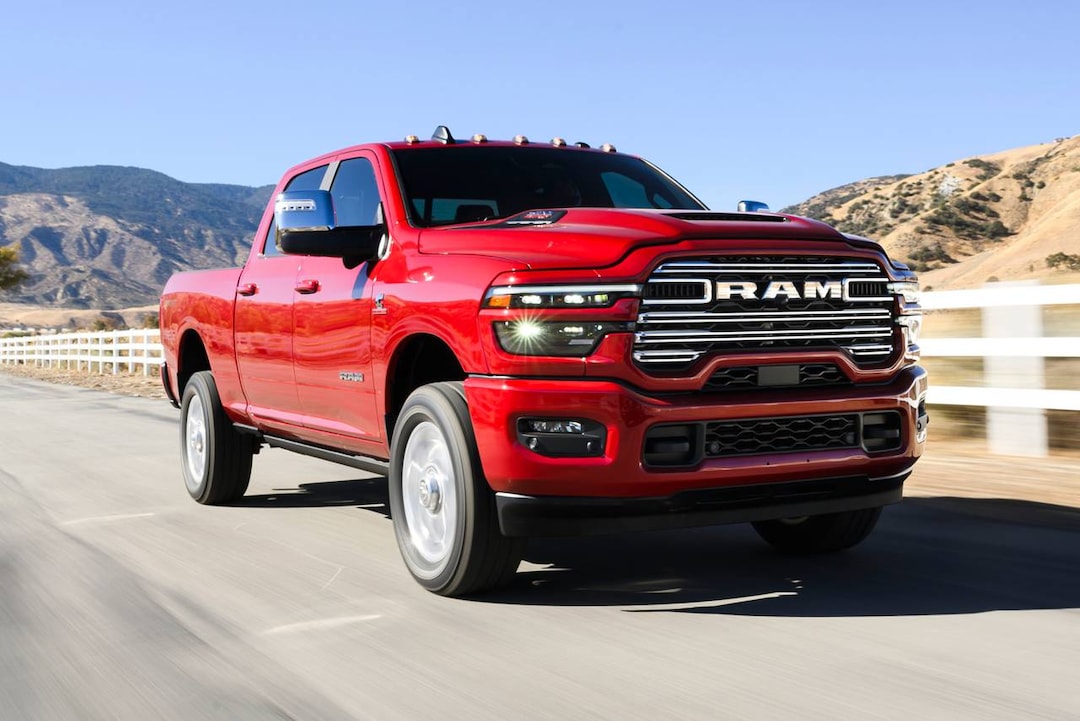
The Ram 3500 tops the list with an 81.79% chance of a major repair. That means the average owner should expect at least one big bill. This truck is built for extreme work. Heavy towing and hauling punish every component.
Most 3500s carry the 6.7-liter Cummins turbo diesel. The engine itself is famously durable, but its support systems are not. The emissions hardware is where the money disappears.
The diesel particulate filter can clog and cost several thousand dollars to replace. Exhaust gas recirculation coolers and valves are also common failures. Diesel exhaust fluid heaters and NOx sensors often fail too.
The turbocharger actuator is another known weak spot. Replacing a turbo can easily exceed $2,500. Fuel injectors on high-mileage diesels are costly as well.
The in-tank fuel lift pump has failed on many trucks. Labor charges climb because the pump sits inside the tank. The 3500 uses a solid front axle and leaf springs. That setup is tough but wears steering and suspension parts quickly. Track bars, ball joints, and steering boxes often need attention. Owners call the resulting shimmy “death wobble.”
Transmissions are another risk. The Aisin six-speed automatic in heavier trucks handles big loads but suffers under abuse. Rebuilds commonly run $4,000 to $6,500.
Dual rear wheels add tire, hub, and brake costs. Every repair is also priced at heavy-duty rates. Many owners also tow near the limit, which raises the odds further. A tow-heavy life shortens component lifespans dramatically.
Maintenance can lower the risk but rarely eliminates it. Fresh fluids and timely filter changes help a great deal. Even so, a major bill within ten years is the norm.
2. Ram 2500 (81.79%)
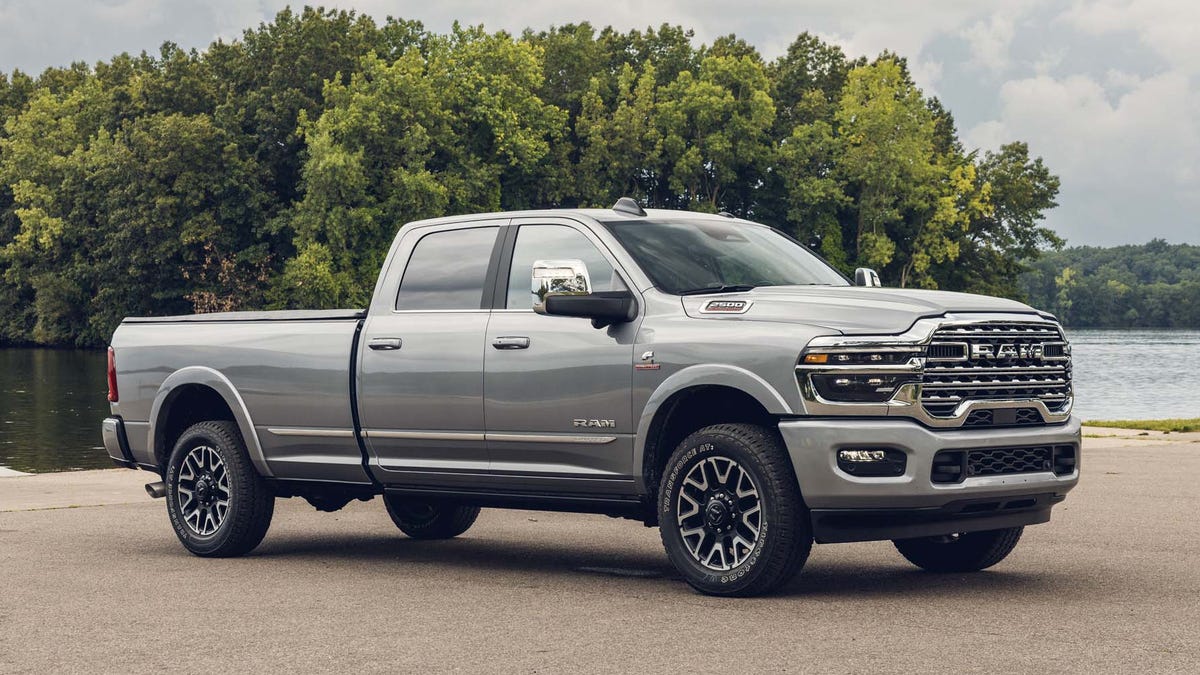
The Ram 2500 shares the same 81.79% probability as the 3500. The two trucks share much of their platform. Their repair patterns look nearly identical.
The 2500 is the more common choice for private owners. It often serves as a daily driver as well as a tow rig. That mix of uses creates its own problems.
Short trips are especially hard on diesel emissions systems. The particulate filter never gets hot enough to burn clean. Clogging follows, and so does a four-figure repair.
The Cummins diesel is the headline engine. Many buyers also choose the 6.4-liter Hemi gas V8. The Hemi brings its own issues, including lifter and camshaft wear.
Unlike the 3500, the 2500 uses coil springs in the rear. This gives a smoother ride. Rear air suspension is optional on higher trims. Air suspension adds a new failure point. Air springs and compressors wear out with age. Replacements often exceed $1,000 per corner.
The solid front axle remains a repeat offender. Worn track bars and steering stabilizers cause wandering and vibration. Fixes can stack up to well over $500.
Interior electronics are another concern. Large touchscreens and driver assist systems have glitched on many trucks. Module replacements are expensive.
Rust also plays a role in colder regions. Brake lines, frame sections, and exhaust parts corrode over time. Road salt accelerates the damage. Transmission and transfer case problems appear in higher-mileage examples. Fluid neglect makes them worse. A four-wheel-drive actuator repair can cost $800.
A buyer should always inspect service records. Look for deleted emissions systems, which cause legal and warranty trouble. A clean maintenance history helps more than low mileage. The 2500 rewards careful owners, but the odds still favor a big repair.
3. BMW X7 (56.41%)
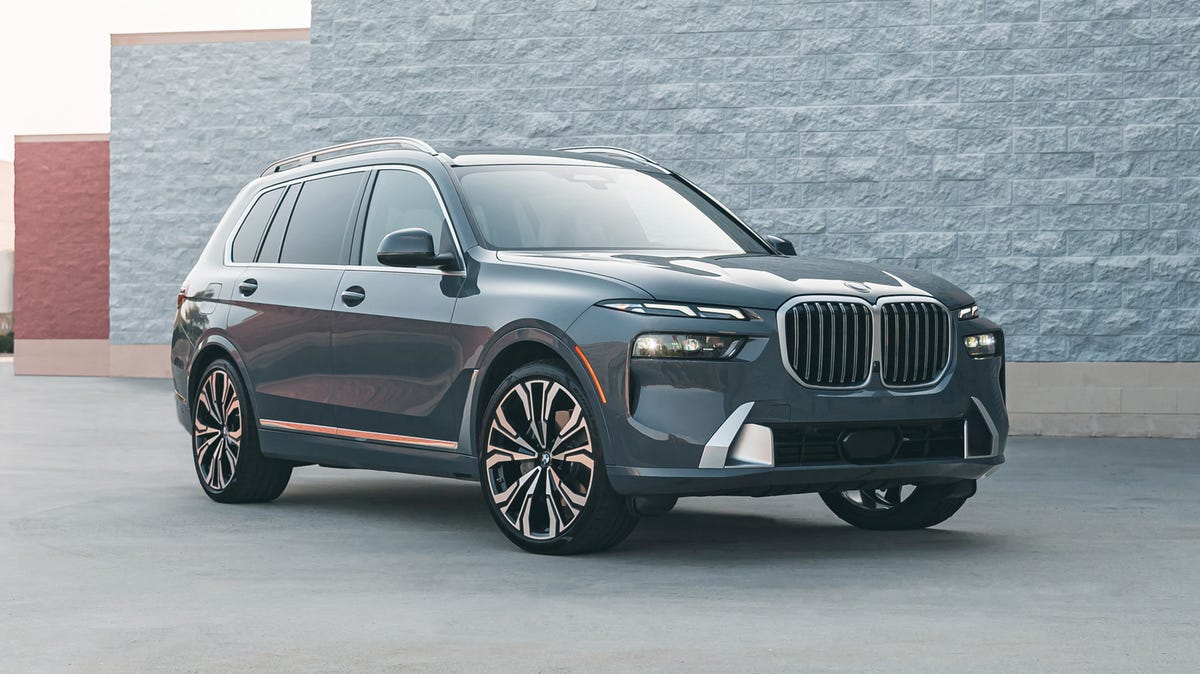
The BMW X7 posts a 56.41% chance of a major repair. This is a luxury three-row SUV with a large, complex design. More technology simply means more things that can fail.
The X7 launched for the 2019 model year. Ten-year data is therefore thin, and estimates lean on older BMW platforms. Early signs still point toward expensive ownership. Adaptive air suspension is a major cost driver. Air struts, compressors, and valves wear with age. A single strut can cost $1,500 or more installed.
The engine choices matter too. The inline-six in the xDrive40i is generally the sturdier option. The twin-turbo V8 in the 50i and M60i is more stressed and costlier to fix.
BMW engines have a reputation for oil leaks. Valve cover gaskets and oil filter housing gaskets are typical culprits. Labor is high because components are buried.
Cooling systems are another weak area. Electric water pumps and plastic fittings fail over time. Overheating can quickly turn a $900 repair into engine damage.
The X7 is also heavy, over 5,000 pounds. That weight wears brakes and tires fast. A full brake job with rotors can exceed $1,500. Electronics add risk. The infotainment system, camera systems, and driver assist sensors all age. Replacing a single module can cost $800 to $2,000.
Mild-hybrid components on newer models add yet another system. Their long-term durability is unproven. Dealer labor rates are steep, often above $200 an hour. Independent specialists can cut the cost substantially. Finding a good one is the best money-saving step.
Warranty coverage ends after four years or 50,000 miles. Extended plans are expensive, and their value varies. The X7 drives beautifully, but ownership demands a healthy repair budget. A major repair is a coin flip, and it often arrives after the warranty expires.
4. Land Rover Range Rover (51.26%)
The Range Rover comes in at 51.26%. That is roughly one in two for a major repair. The nameplate carries both prestige and a long reputation for costly fixes.
Air suspension is the most famous trouble spot. Leaks in air springs cause the vehicle to sag overnight. Replacing a pair can cost $2,000 to $4,000.
Electronic complexity is the second big risk. The vehicle has dozens of control modules. A single failed module can trigger a long list of warning lights.
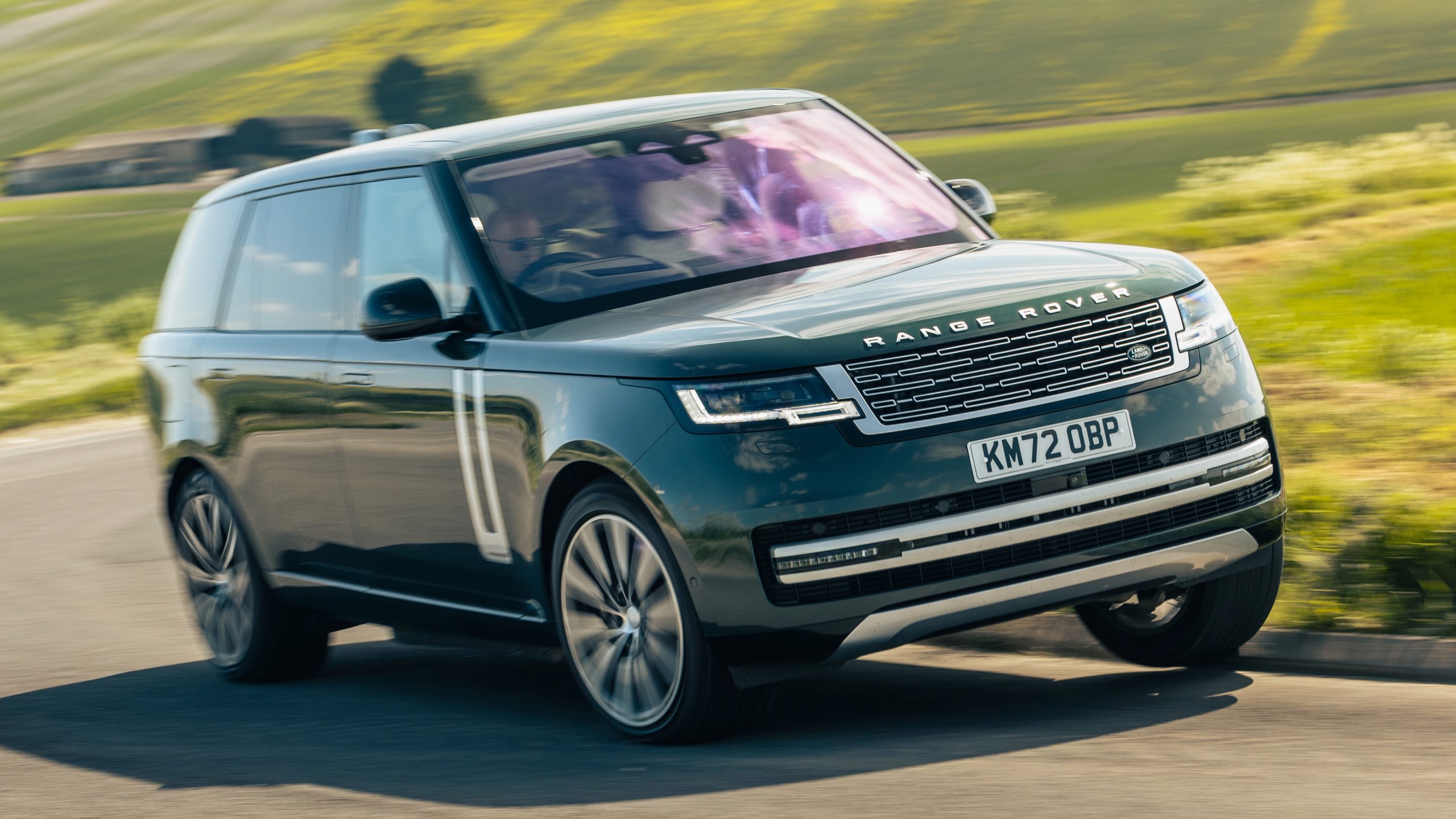
Infotainment screens and digital instrument clusters can fail. Replacement parts are expensive and sometimes backordered. Software updates do not always solve the problem.
The 5.0-liter supercharged V8 delivers thrilling power. It also brings heat, wear, and costly service. Timing chain components and coolant pipes have drawn complaints.
Diesel and newer turbocharged engines carry their own concerns. Emissions parts and turbochargers can run into thousands of dollars. Parts pricing is typically at the top of the market.
Water pumps, thermostats, and cooling lines can fail without warning. Overheating is dangerous on aluminum engines. Repairs often start above $1,000.
The all-wheel-drive system adds more hardware to maintain. Transfer cases and differentials need regular fluid service. Neglect leads to large bills.
Body and interior parts also wear in surprising ways. Door handles, window regulators, and seat motors fail on older units. Each one can exceed $500 at a dealer.
Depreciation makes older Range Rovers very cheap to buy. That low price tempts many people into expensive ownership. The purchase price is only a fraction of the true cost.
Buying one with a full service history is essential. A pre-purchase inspection is worth every dollar. Without it, a major repair is almost a certainty. Owners who budget well can enjoy the comfort and capability. Those who do not often regret the purchase.
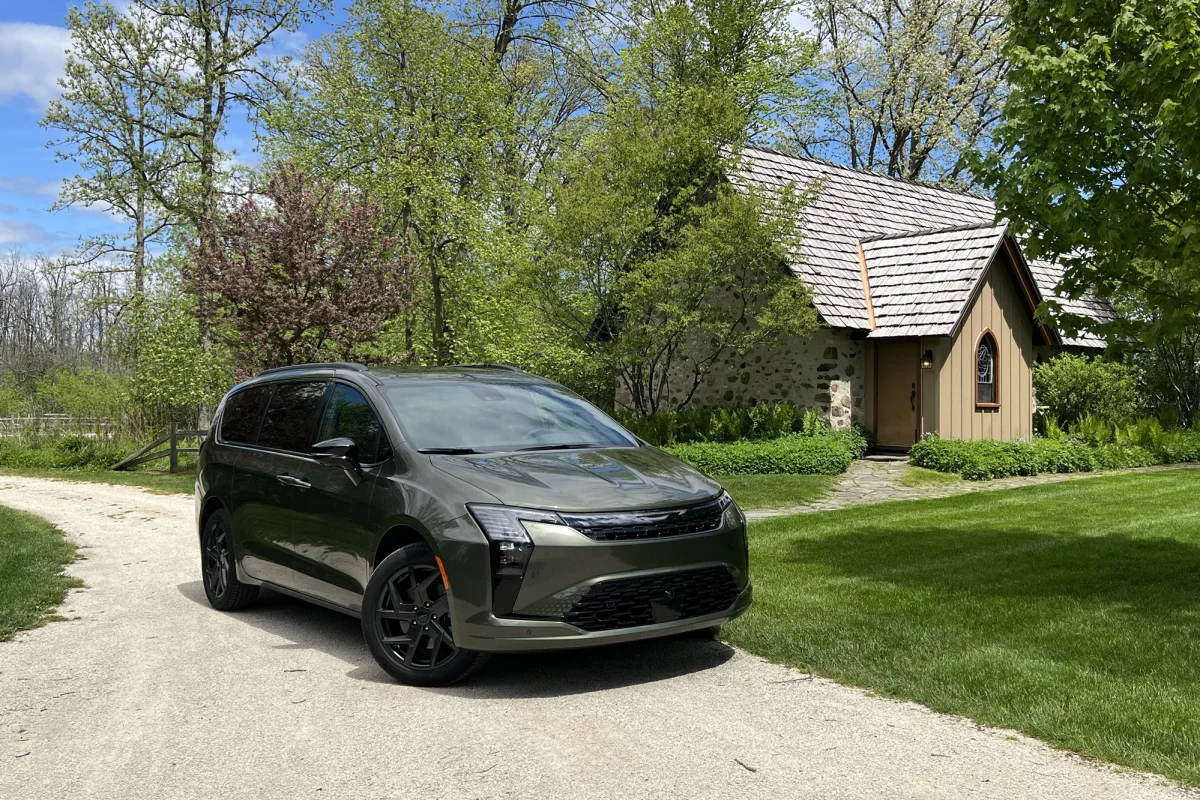
5. Chrysler Pacifica (32.82%)
The Chrysler Pacifica shows a 32.82% chance of a major repair. That is notably lower than the luxury SUVs. It is still far higher than the best performers.
The Pacifica replaced the Town and Country in 2017. It was a clean-sheet design with many new features. New designs often carry early teething problems. The 3.6-liter Pentastar V6 powers most models. It is smooth and generally dependable. Oil cooler and filter housing leaks are known concerns.
Early Pentastar engines also saw rocker arm and lifter trouble. Newer versions have improved. Still, cylinder head repairs can reach several thousand dollars.
The nine-speed automatic transmission has drawn complaints in some model years. Rough shifting and software glitches were common. Some owners needed valve body or full replacements.
The plug-in hybrid version adds a large battery and electric drive hardware. Its long-term cost is still uncertain. A high-voltage battery replacement would be very expensive.
The hybrid also faced a notable recall tied to battery fire risk. That recall led Chrysler to limit charging for a time. Owners should confirm all recall work is complete.
Power sliding doors are a classic minivan weak point. Motors, cables, and sensors fail with age. Each door repair often exceeds $500. Electronics can also be fussy. Infotainment glitches and sensor faults appear in owner reports. Some cars have experienced stalling from electrical problems.
Suspension and brake wear are typical for a heavy family vehicle. Control arms and struts can add up. Frequent school runs and highway trips speed this wear.
Regular maintenance helps a lot here. Fluid changes for the transmission are especially important. Staying current on recalls also protects your wallet. The Pacifica is a competent family hauler with moderate risk. Buyers should favor well-maintained examples from later model years.
6. Jeep Wrangler (32.15%)
The Jeep Wrangler has a 32.15% chance of a major repair. It sits just below the Pacifica. Its rugged, simple image hides some recurring problems. The Wrangler’s solid axles are great off-road. On pavement, they wear steering parts faster. The infamous “death wobble” is a frequent complaint.
Track bars, ball joints, and steering stabilizers are common fixes. Many owners replace several at once. The total can easily pass $700. The 3.6-liter Pentastar V6 is the most common engine. Oil cooler leaks and exhaust manifold bolt failures have been reported. Early lifters and rocker arms also caused trouble.
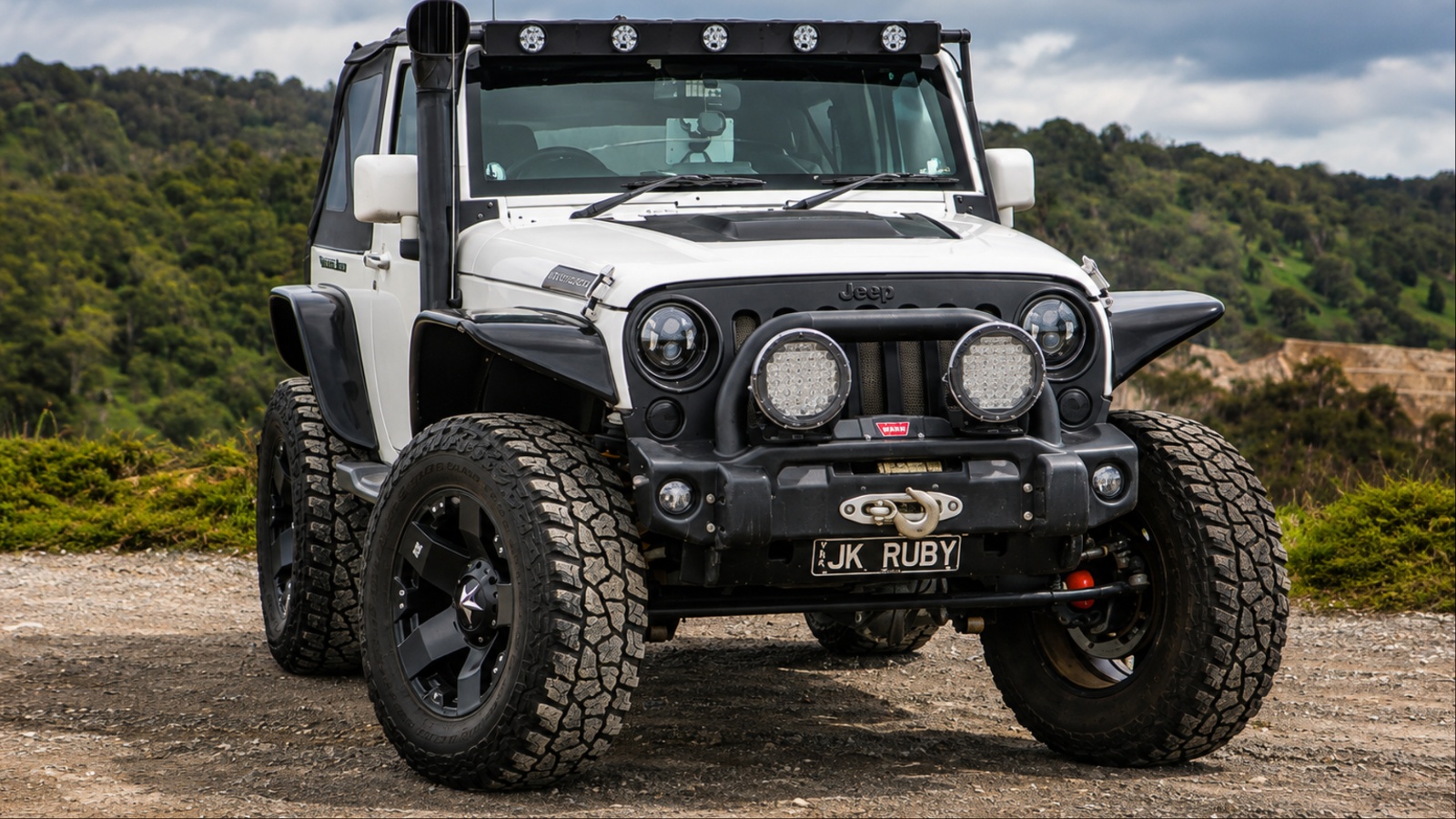
The 2.0-liter turbo with eTorque brings extra complexity. The mild-hybrid system uses a belt-driven motor-generator. Its long-term durability is still being tested.
Diesel versions are available too. They bring costly emissions components. Repairs on those parts are rarely cheap. Water leaks are a signature Wrangler headache. Removable tops and doors rely on seals that age. Persistent leaks can damage electronics and carpeting.
Off-road use accelerates wear. Skid plates, driveshafts, and axle seals take a beating. Mud and water also shorten bearing life. Wheel bearings and hubs wear out on many Wranglers. Larger aftermarket tires make the problem worse. Lifted trucks put even more strain on the drivetrain.
Modifications are an important factor. Many Wranglers are heavily customized. Poor installs can create hidden failures. Transmission service is also vital. The eight-speed automatic needs clean fluid to last. Neglect leads to harsh shifting and eventual failure.
The Wrangler is cheaper to own than many fans fear. Parts are plentiful, and the aftermarket is huge. Buyers should look for lightly modified, well-kept examples.
7. Toyota Corolla (12.28%)
The Toyota Corolla ranks last with just 12.28%. That makes it the most dependable vehicle on this list. A major repair is far from guaranteed. The Corolla has built its reputation over decades. Its design philosophy favors proven parts. Toyota avoids unnecessary complexity.
The 1.8-liter engine in older models is famously durable. Many examples exceed 250,000 miles with basic care. Timing chains eliminate costly belt replacements.
Newer 2.0-liter Dynamic Force engines are efficient and well regarded. Their direct-shift continuously variable transmission is also generally sound. Toyota has tuned its CVT for durability.
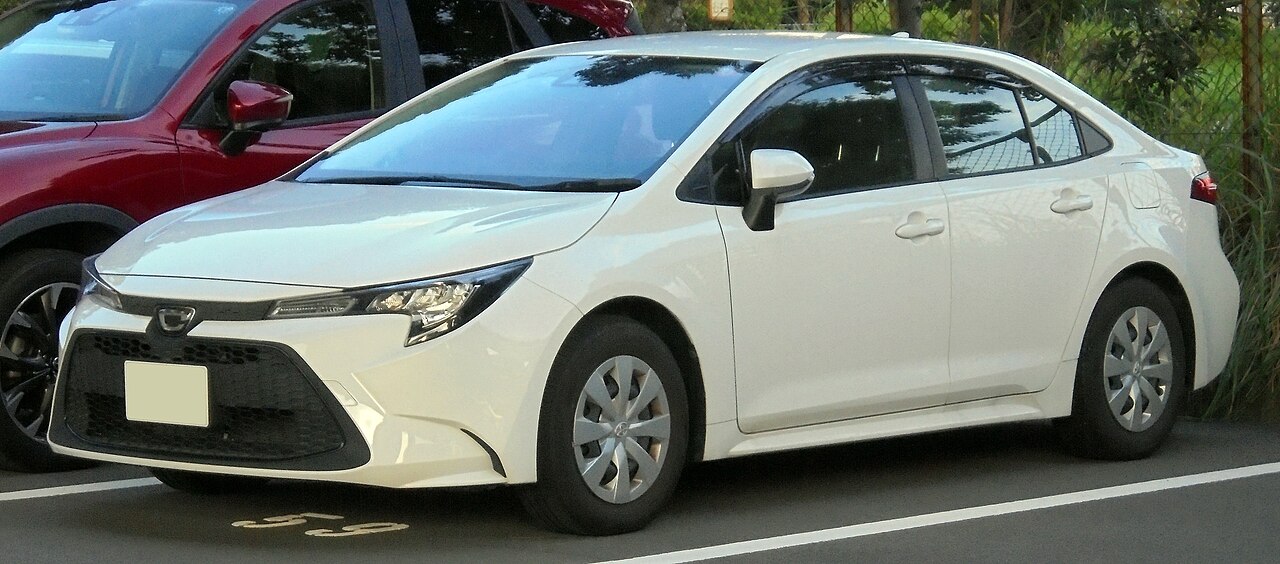
Parts are inexpensive and widely available. Independent shops can fix a Corolla easily. Labor rates are far lower than at luxury specialists. The weak points are modest. Air conditioning compressors can fail and cost $800 to $1,200. Catalytic converters can also fail, sometimes costing $1,000.
Struts and suspension components wear with high mileage. A full set can approach $900. Still, that is a normal wear cost, not a design flaw. Some 2009 and 2010 models consumed oil excessively. Others had electric power steering or water pump issues. These problems were limited in scope.
Corolla Hybrid models add a battery pack. Toyota’s hybrid systems have an excellent record. Battery failures are rare, and warranty coverage is generous. Simple maintenance goes a long way. Regular oil changes and transmission service keep problems away. Many owners rarely face a large bill.
The Corolla proves that boring can be brilliant. It will rarely thrill, but it protects your wallet. For buyers who hate surprise repairs, it is the safest choice here.
