
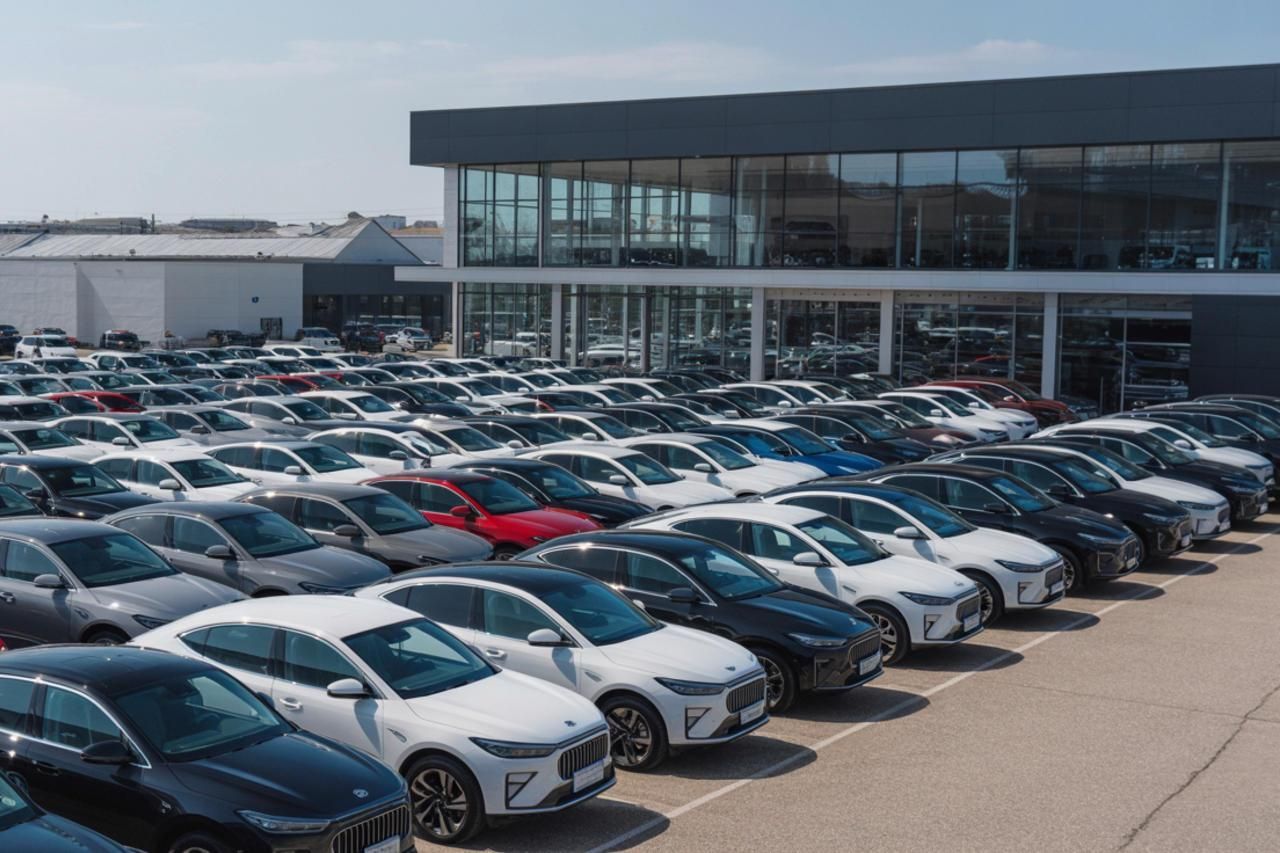
Every year, a handful of new cars barely register on the sales charts. The first quarter of 2026 was no different. Some of these cars are brilliant machines. Others are simply caught at an awkward moment.
The ten models below sold between 6 and 201 units from January through March. That is less than a busy dealership moves in a week. For a national model, it is almost invisible.
Why does this happen? Pricing is one reason. Tariffs and the end of the federal EV tax credit are others. Some cars are at the end of their lives. Others have only just arrived, with stock still on the water.
The list mixes luxury electric Audis, a hydrogen sedan and a retro city car. It also includes a flagship Lexus, an aging German limousine and a Toyota reborn as an EV. It is a strange group. Low sales do not always mean a bad car. Sometimes they mean bad timing. Here is what sits behind each number, starting with the lowest.
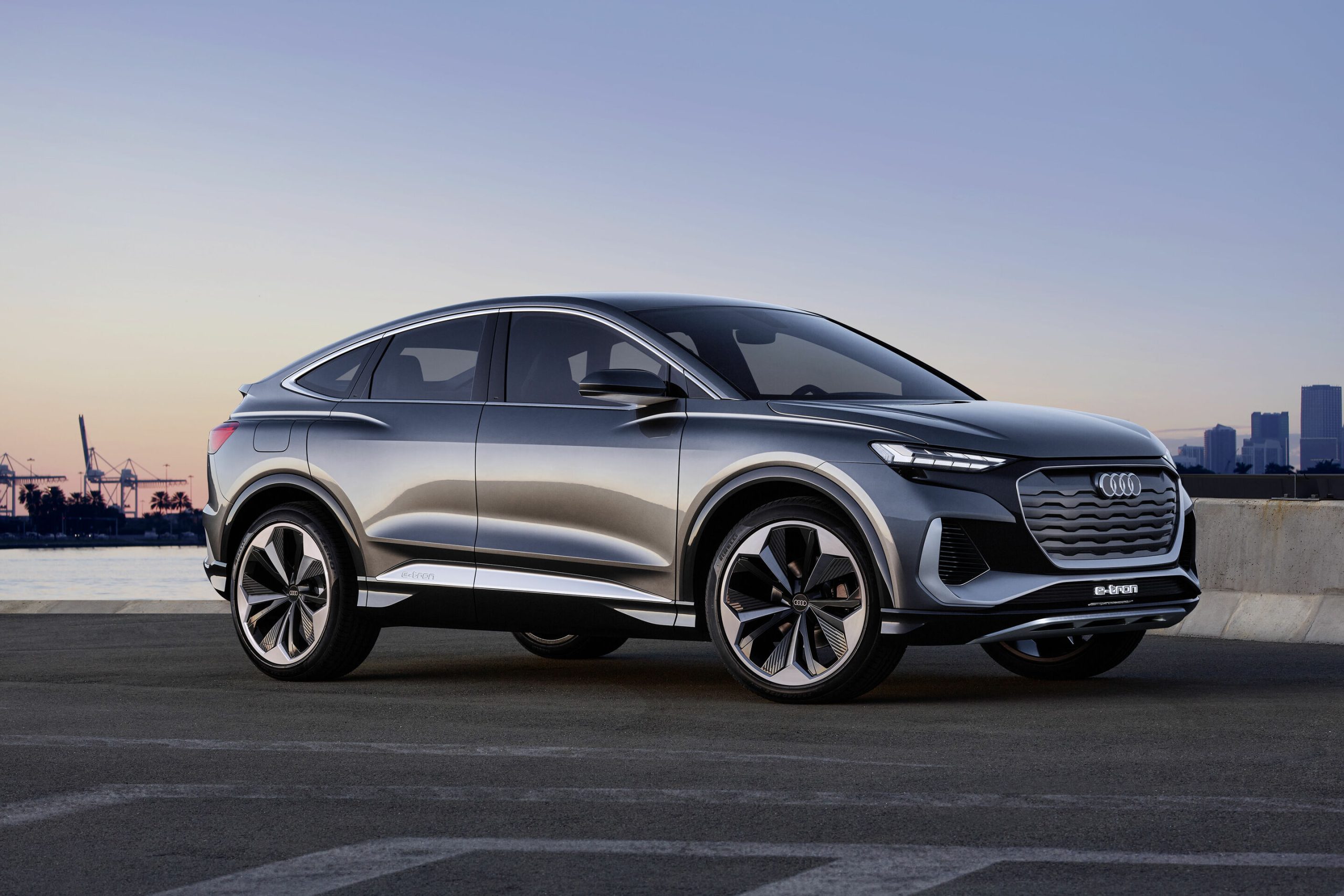
1. Audi Q4 Sportback e-tron – 6 units
Six cars in three months is a rounding error. It is the lowest figure on the list. Yet this is not a failure of engineering. The Q4 Sportback rides on the Volkswagen Group’s MEB platform. The same bones sit under the Volkswagen ID.4. Audi added a sloping roofline and a more premium cabin.
Power runs from about 201 horsepower in rear-drive form to roughly 335 in the dual-motor versions. Range lands in the high 200-mile zone at best. That is competitive, but not exciting.
The real problem is overlap. Audi also sells the regular Q4 e-tron SUV. It costs less and has more cargo room. Most buyers took the cheaper, more practical body.
Policy hurt too. The federal EV tax credit ended in late 2025. The lease deals that kept the Q4 affordable went with it. Tariffs on European imports pushed costs up further.
This car is built in Zwickau, Germany. That makes it exposed to every trade shift. Dealers rarely reorder a model that sits on the lot. A figure of six suggests leftover stock, not active selling. It may be the quiet end of a short chapter. Audi’s attention has clearly moved to newer electric platforms.
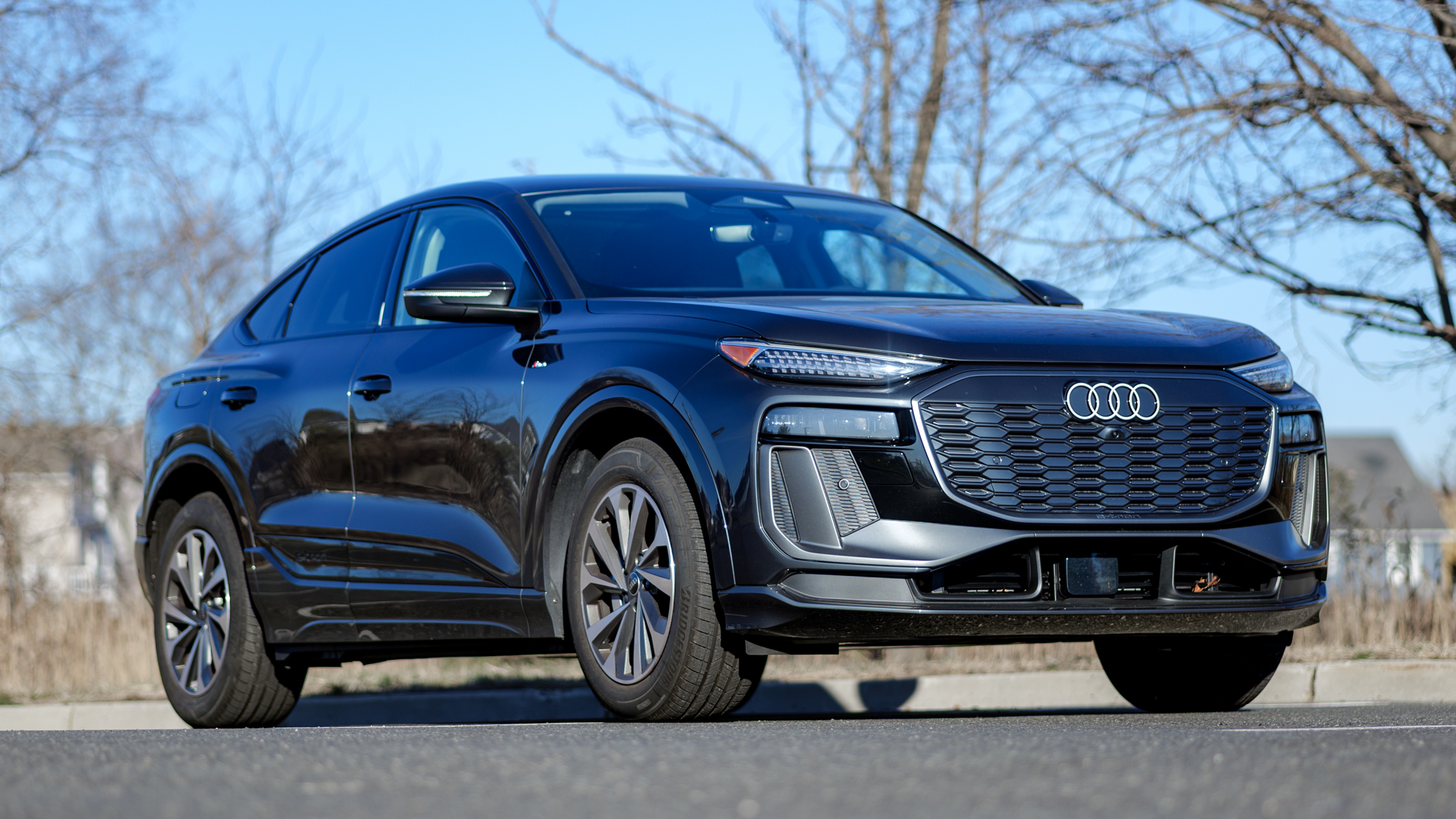
2. Audi Q6 Sportback e-tron – 9 units
The Q6 Sportback is far more advanced than the Q4. It uses the new Premium Platform Electric, co-developed with Porsche. It runs an 800-volt system. That allows peak charging near 270 kilowatts.
The battery holds about 100 kWh gross. Range can pass 300 miles in the right trim. The performance SQ6 version pushes past 500 horsepower with launch control.
So why only nine sales? Timing and price are the main answers. Well-equipped examples climb into the high $60,000s and beyond. That is a hard ask in a market without a tax credit.
Stock also matters. Audi’s Q6 rollout has focused on the standard SUV body first. The Sportback arrived later and in smaller volumes. Early allocation can be tiny.
Competition is fierce. The Cadillac Optiq, BMW iX3 and Mercedes GLC with EQ technology all chase the same buyer. The Tesla Model Y undercuts most of them. There is also brand fatigue with first-generation charging. Many luxury shoppers waited out the transition. Some chose plug-in hybrids instead.
This model deserves more credit than its number suggests. It is quick, quiet, and well-built. A nine-unit quarter looks more like a supply story than a demand story.
3. Toyota C-HR – 13 units
The Toyota C-HR is a comeback with a twist. The old gas crossover left the U.S. after 2022. The name returned for 2026 as a battery-electric SUV. It shares its platform and powertrain with the Toyota bZ. Front-drive versions make around 221 horsepower. The dual-motor version climbs to roughly 338.
Thirteen sales mostly reflect launch timing. Deliveries were only just beginning in the first quarter. Dealers had few cars to show or sell. Toyota is also cautious with electrics. The brand has long argued for a mix of hybrids, plug-ins and EVs. Its allocation of battery cars to the U.S. has stayed modest.
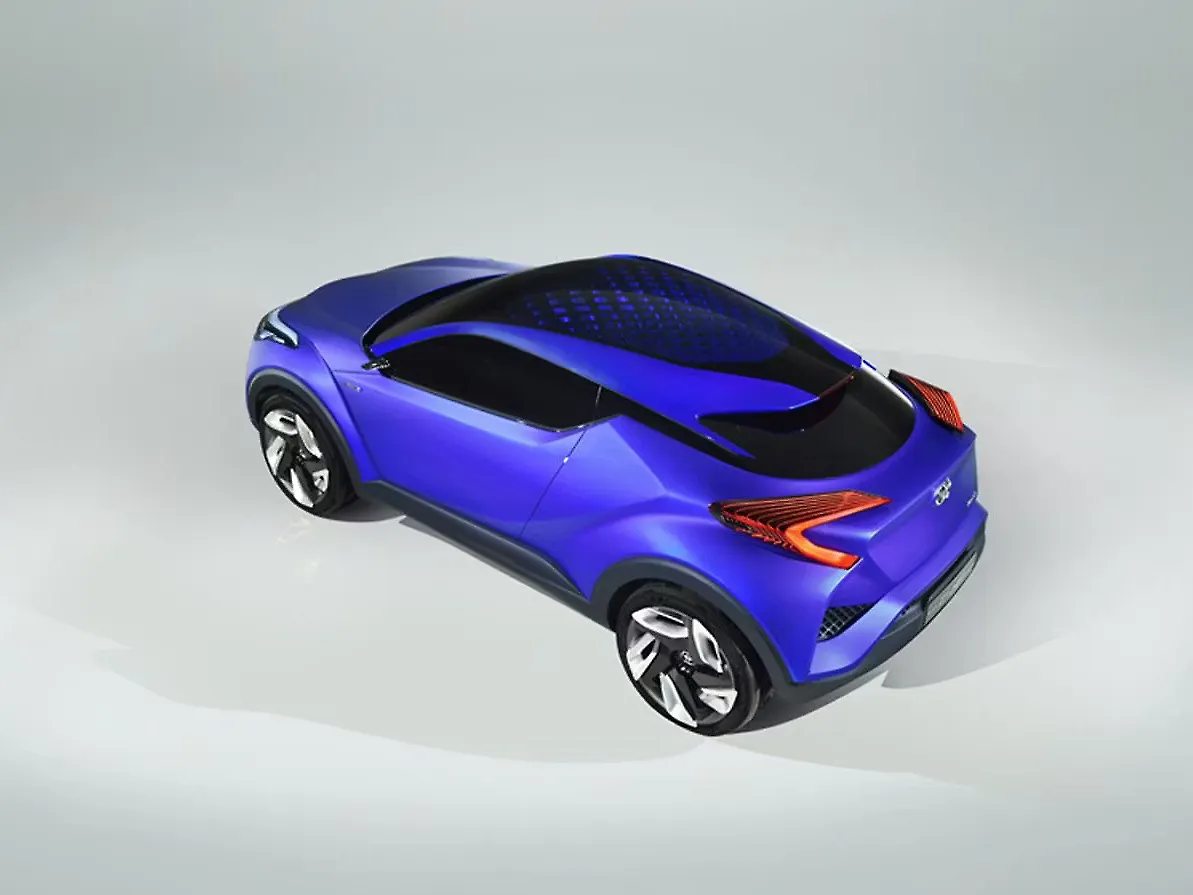
The pricing target is in the high $30,000s. That puts it near the Chevrolet Equinox EV and Hyundai Kona Electric. Those rivals have had a head start. The styling is bold. A sharp nose and tall haunches make it stand out. Not every shopper likes the look.
Toyota has the dealer network and the trust to grow this model. Its hybrids sell in huge numbers. If the C-HR holds a fair price and supply improves, 13 will look like a footnote by summer.
4. Audi e-tron GT – 63 units
The e-tron GT is the most dramatic car on this list. It is low, wide, and gorgeous. Many see it as one of the best-looking sedans of the decade. It shares its platform with the Porsche Taycan. The battery is about 105 kWh gross. Power ranges from well over 600 horsepower to over 900 in the RS Performance version.
Audi claims a 0 to 60 time under 2.5 seconds for the top model. That puts it in supercar territory. The price puts it there too. Prices run from roughly $125,000 to about $190,000. At that level, buyers expect rarity and prestige. Many choose a Porsche, a Tesla Model S Plaid or a Lucid Air instead.
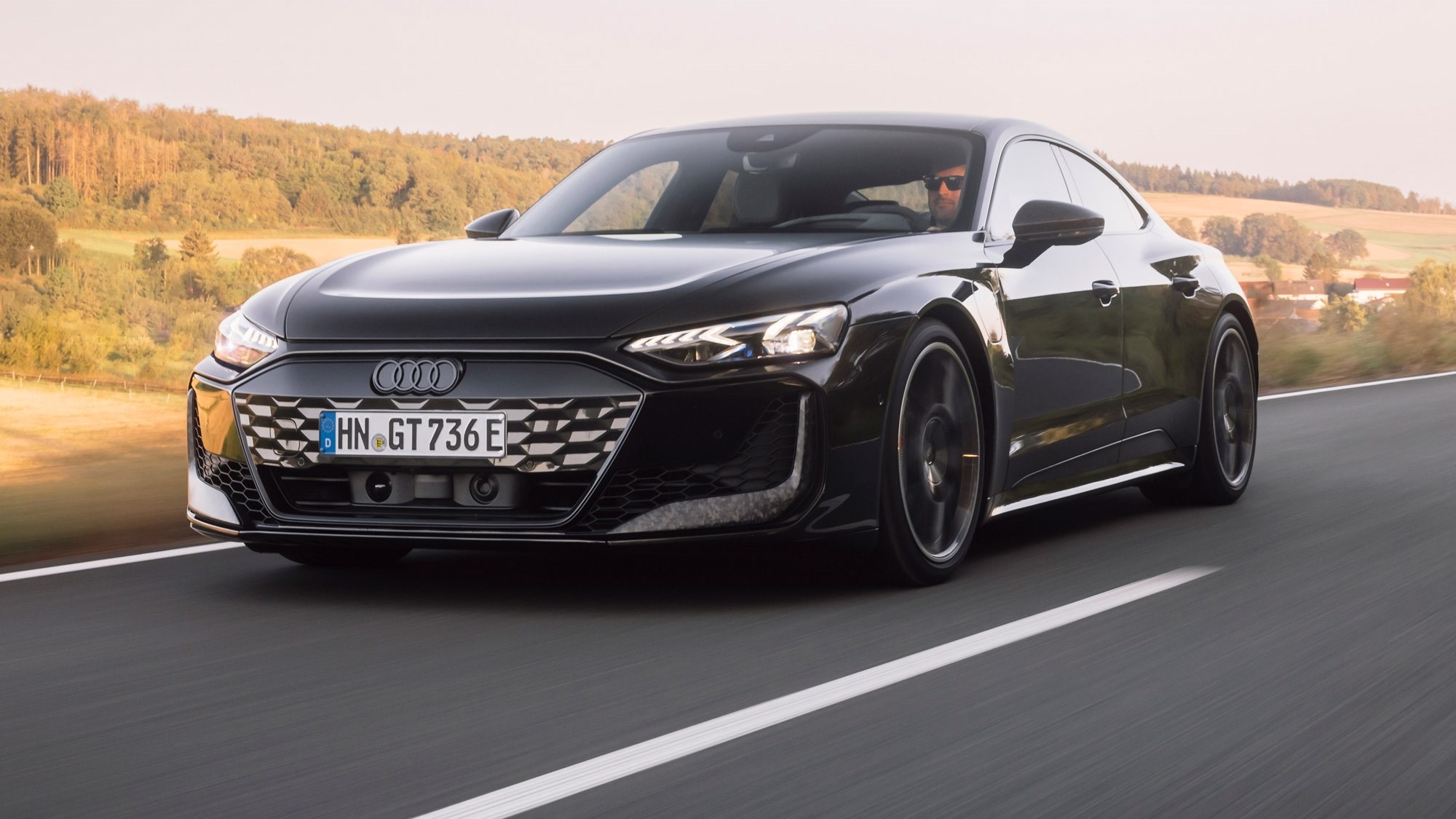
The e-tron GT has never been a volume car. Audi planned for low numbers. Sixty-three in a quarter is on the low side, but not shocking. Tariffs matter here. The car is built in Neckarsulm, Germany, in small batches. Import costs hit hard at this price point.
Also, a niche market has shrunk. Buyers who wanted a six-figure EV sedan mostly bought one years ago. The new wave of buyers is smaller. Still, this car is a halo. It signals what Audi can do. Its sales figure is not the point of its existence.
5. Toyota Mirai – 63 units
The Mirai is a fascinating failure. It is a hydrogen fuel-cell sedan with a sleek shape. It drives smoothly and quietly. Its problem is fuel. It makes about 182 horsepower from a fuel stack. It drives the rear wheels. Range reaches roughly 400 miles on the best trim.
Hydrogen is the trouble. Stations exist almost only in California. Many have closed in recent years. Others suffer from outages and high prices. Pump prices have climbed past $30 per kilogram at times. That makes the Mirai costly to run. Toyota has offered fuel cards to soften the blow.
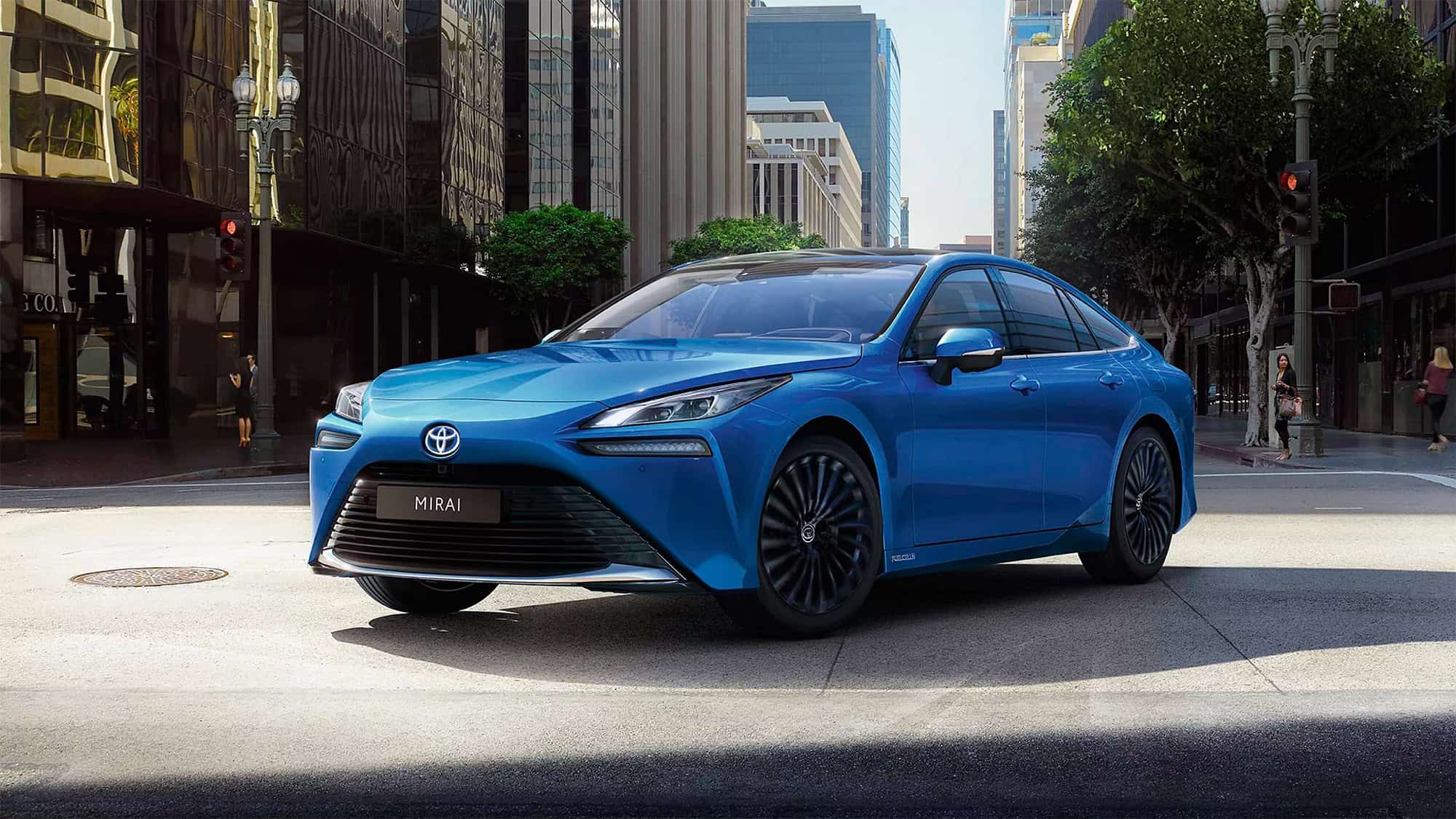
Owners have complained loudly. Some have taken legal action over fueling problems. News of stranded cars has hurt confidence. Toyota still believes in hydrogen. It sees a role for trucks and commercial use. But for passenger cars, the market has never taken off.
Sixty-three sales are therefore not a surprise. The Mirai is a car for a very small group of California early adopters. Even they are becoming cautious. The car itself is good. It is elegant and refined. Without fuel, though, it is an engineering marvel with nowhere to go.
6. Fiat 500e – 68 units
The Fiat 500e returned to the U.S. in 2024 with real charm. It looks adorable. It is fun on tight city streets. It has a 42 kWh battery and about 117 horsepower. Range is only around 149 miles. That is short by modern standards.
That figure is the main problem. Most U.S. buyers want more range, even if they rarely use it. A city car with a small battery faces a hard sell. Price is the second issue. Early cars cost over $32,000. Rivals offered more space and range for similar money. Fiat later added incentives.
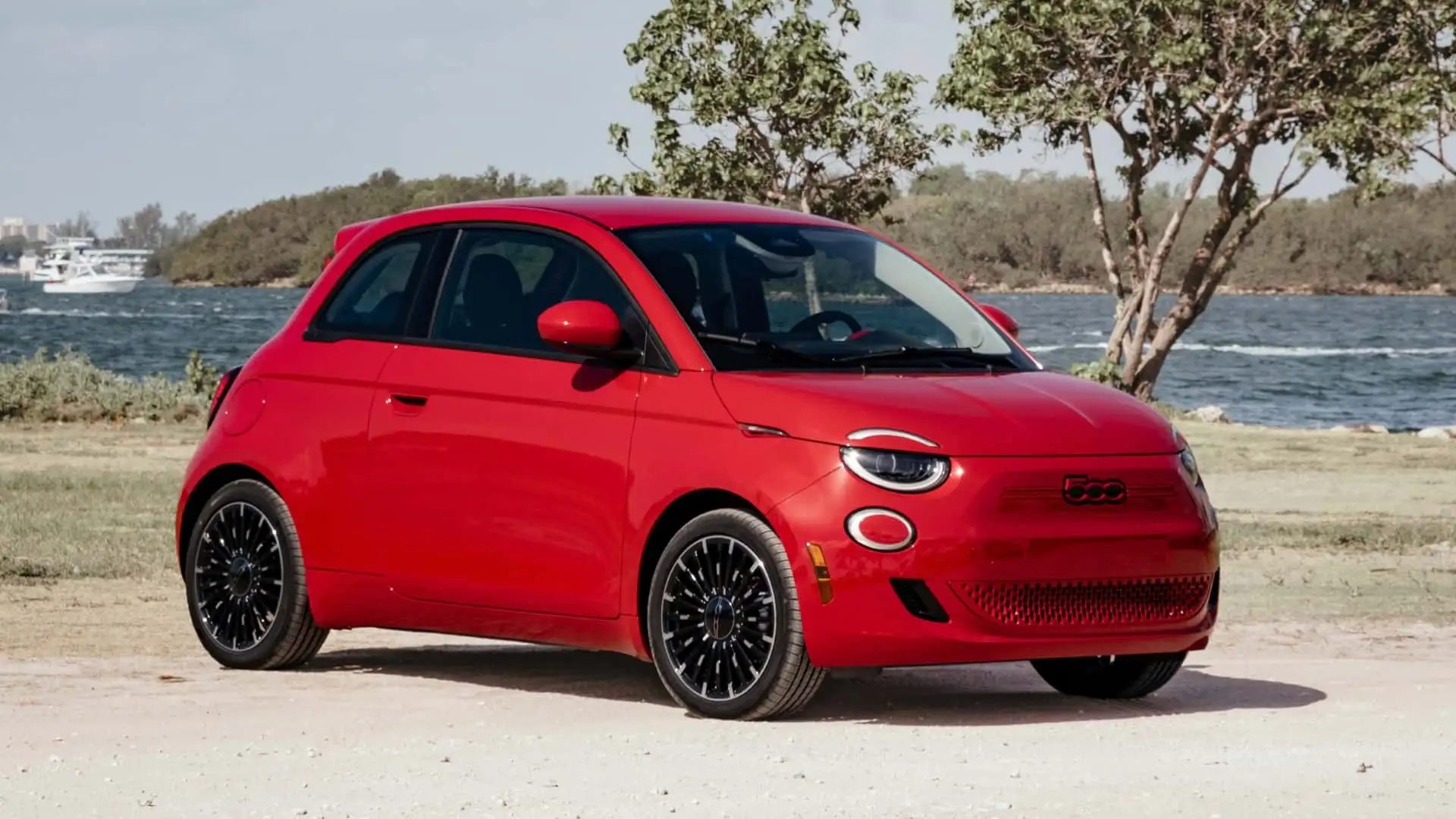
The car is built in Turin, Italy. Shipping and tariffs add cost. That limits how far Fiat can cut prices. Fiat’s U.S. dealer network is also small. Many metro areas have few showrooms. Awareness of the brand is weak.
Sixty-eight sales show how hard it is to sell a tiny, premium-priced EV in America. Americans love big vehicles. Small cars rarely thrive here. Fiat has talked about adding gas-electric versions of the 500 for the U.S. That could widen its appeal. The electric version may stay a boutique choice.
7. Genesis GV60 – 117 units
The GV60 is Genesis’s first dedicated electric SUV. It rides on Hyundai Group’s E-GMP platform. That means 800-volt charging and fast recharge times. Dual-motor versions make around 314 horsepower. The Performance trim reaches about 429 with boost. Range sits in the mid-200-mile region.
The cabin is the highlight. It has a crystal sphere shifter that glows when the car starts. Materials feel rich. Design is distinctive. So what went wrong? The tax credit played a big part. Genesis relied on leasing, which bypassed some rules. That loophole closed when the federal credit ended in late 2025.
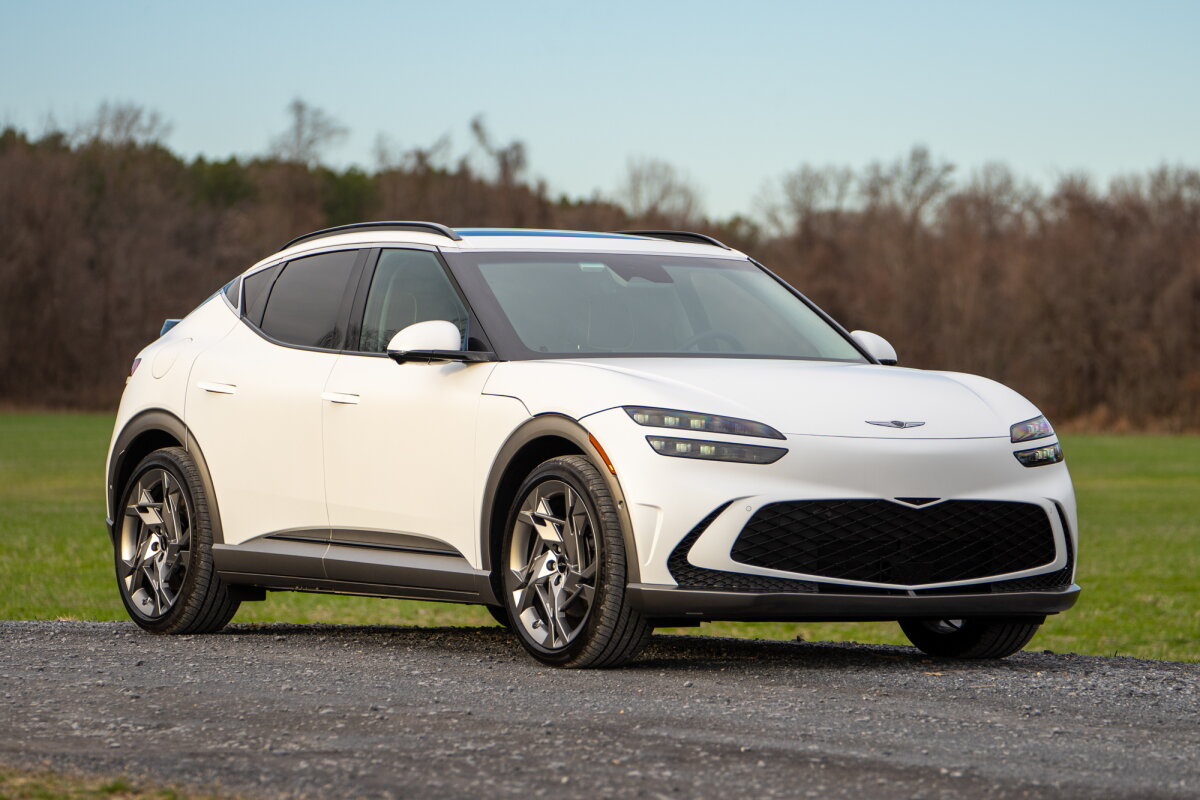
Without it, the GV60 loses its price edge. It starts near $53,000 and rises quickly. Rivals like the Tesla Model Y and Volvo EX40 are cheaper or roomier.
Brand awareness is another hurdle. Genesis is still young in America. Many shoppers do not know it well. Dealers are fewer than for established luxury names.
The car is built in Ulsan, South Korea. Tariff exposure is lower than for European brands, but not zero. One hundred seventeen sales is a weak showing for a good car. Genesis likely hopes new trims and updates can lift it.
8. Lexus LS – 143 units
The Lexus LS was once a legend. In 1989, it shook the luxury world. It gave Mercedes and BMW a rival that was quieter and more reliable. Today it is a shadow of that past. The LS 500 uses a 3.5-liter twin-turbo V6. It makes about 416 horsepower. A hybrid version, the LS 500h, produces roughly 354.
The car is still beautifully built. It is hand-finished in Japan. The ride is smooth and calm. But buyers have moved on. Big sedans lost out to SUVs. Even Lexus’s own RX and LX models sell far better.
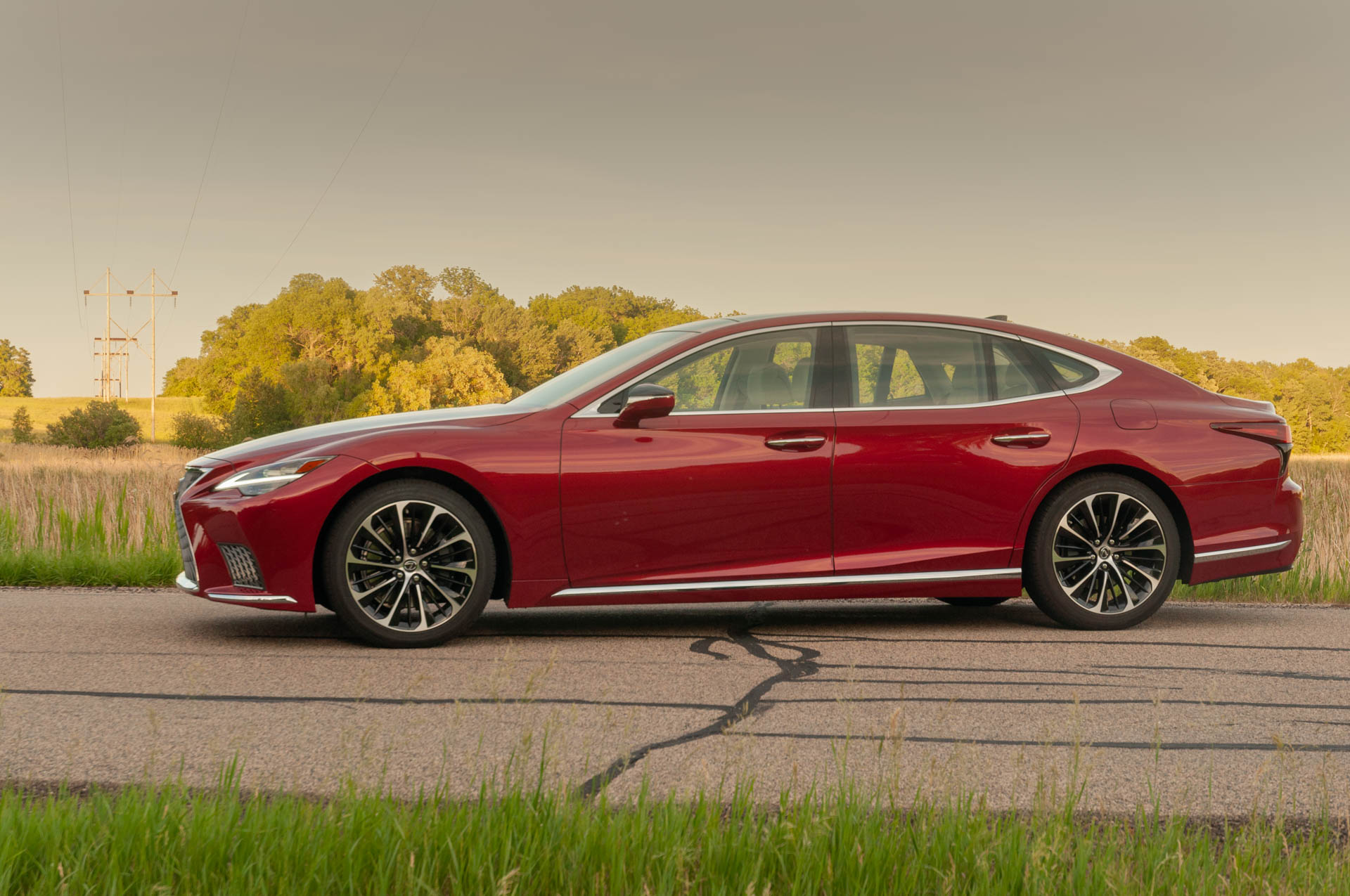
The LS is also old. It dates to 2017 in its current form. Infotainment and driver aids feel dated next to newer rivals. Prices start above $80,000. For that money, many shoppers choose the Mercedes S-Class or a high-end SUV. The LS offers fewer fresh features.
Lexus has hinted at a new direction for the name. A radical concept shown in Japan suggested a very different LS. It looked more like a luxury people-mover than a sedan. One hundred forty-three sales show the end of an era. It is a quiet exit for a once-great nameplate.
9. Jeep Wagoneer S – 175 units
The Wagoneer S is Jeep’s first big step into premium electric SUVs. It sits on Stellantis’s STLA Large platform. It has a 100.5 kWh battery and about 600 horsepower. Jeep claims 0 to 60 in about 3.4 seconds. Range is rated near 300 miles. On paper, that is strong.
Still, only 175 buyers took one home in the quarter. Price is a major reason. It starts around $71,000 and rises with options. The Jeep badge carries heavy expectations. Buyers think of off-roading, ruggedness, and value. A pricey, road-focused EV did not match that image.
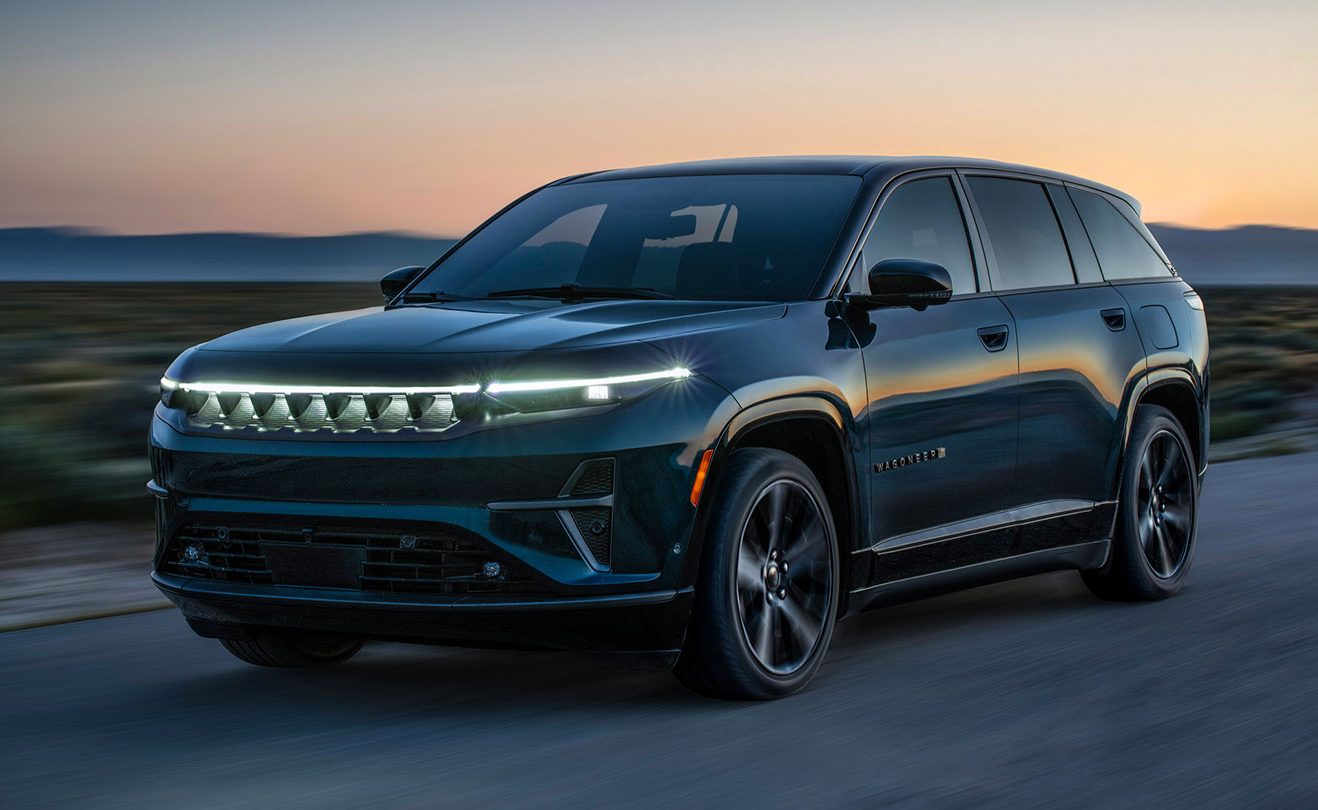
Timing also hurt. The Wagoneer S arrived as EV demand cooled. Consumers shifted back to hybrids. The tax credit loss made things worse. The car is built in Windsor, Ontario. Cross-border trade rules and tariffs created extra uncertainty. Stellantis has also reshuffled its EV plans.
Jeep has leaned on its gas-powered Grand Wagoneer and Grand Cherokee instead. Those sell in the tens of thousands. The electric model remains a side project. It is a handsome SUV with serious performance. But it needs a clearer story. Right now it is a solution looking for a customer.
10. Audi A8 – 201 units
The A8 closes the list with the highest number. Two hundred one is still tiny. Yet it is far more than most cars here. The A8 is Audi’s flagship sedan. The current generation dates to 2018. It uses a 3.0-liter turbo V6 with mild hybrid help, making about 335 horsepower. The S8 adds a V8 near 563 horsepower.
It is refined and technological. The ride is serene. The cabin is spacious. It looks restrained and elegant. The issue is the class itself. Full-size luxury sedans have collapsed in the U.S. Buyers prefer tall SUVs. The A8 competes with the S-Class, 7 Series, and LS.
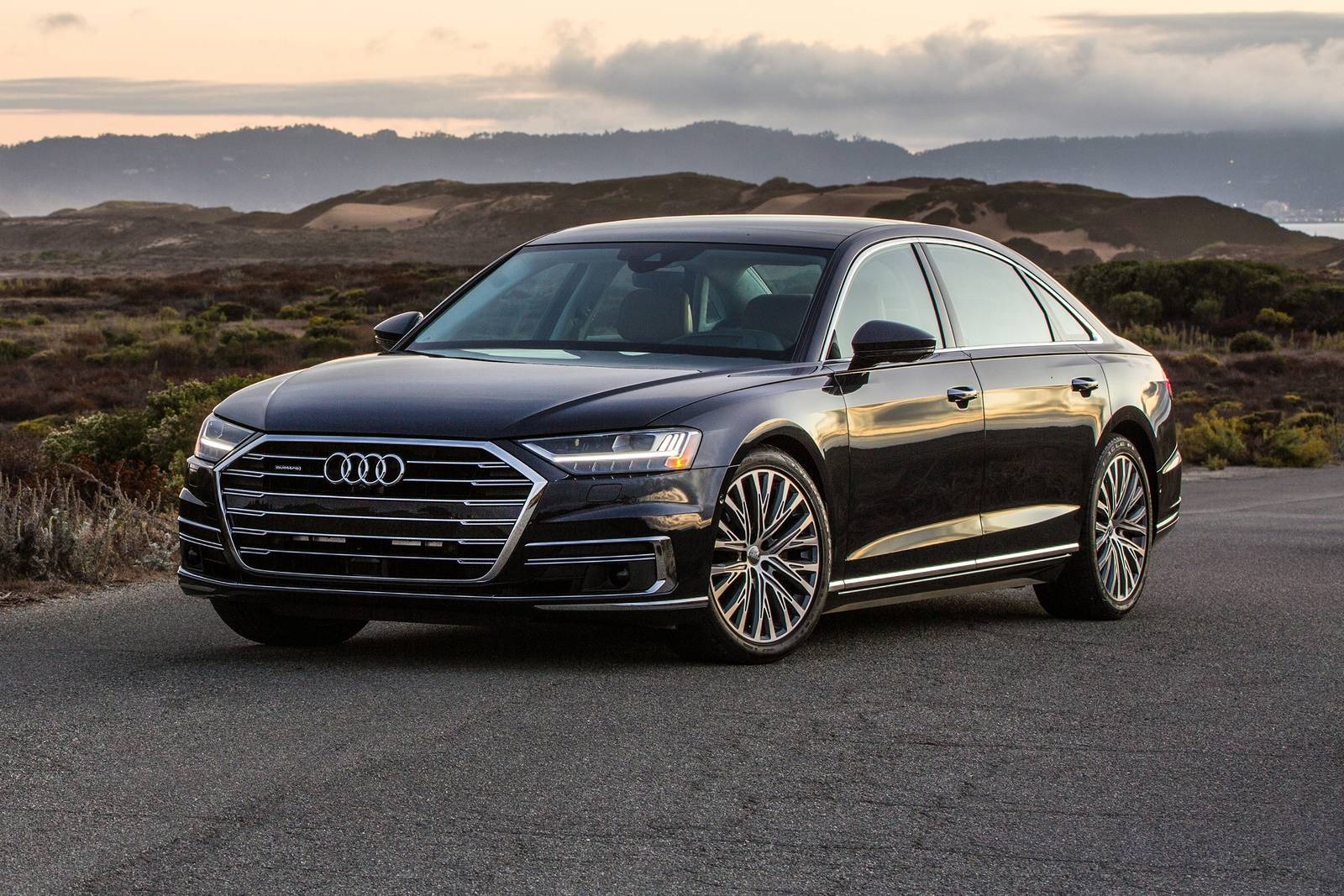
Age is another factor. Seven years on, the design feels familiar. Rivals have been refreshed with newer screens and electric options. Prices begin above $90,000. At that level, many wealthy buyers choose the Audi Q8 or Q7 instead. They offer similar luxury with more utility.
The A8 is built in Neckarsulm, Germany. Tariffs and shipping make it costlier to sell here. Audi has hinted that its flagship strategy is changing. The A8 may be among the last of its kind. It is a sophisticated car for a shrinking audience. Two hundred sales make perfect sense.
