Buying an electric car can reduce fuel and maintenance costs, but depreciation can have a major effect on its long-term value. Some EVs lose far more money than others during the first five years of ownership. This ranking compares 10 electric cars using five-year depreciation data from iSeeCars, with the models ordered from the lowest percentage loss to the highest.
The figures show how much value each vehicle typically loses compared with its original price. The list also considers why resale values differ, including pricing, brand demand, vehicle age, competition, technology changes, and buyer preferences in the used EV market today.
1. Tesla Model 3
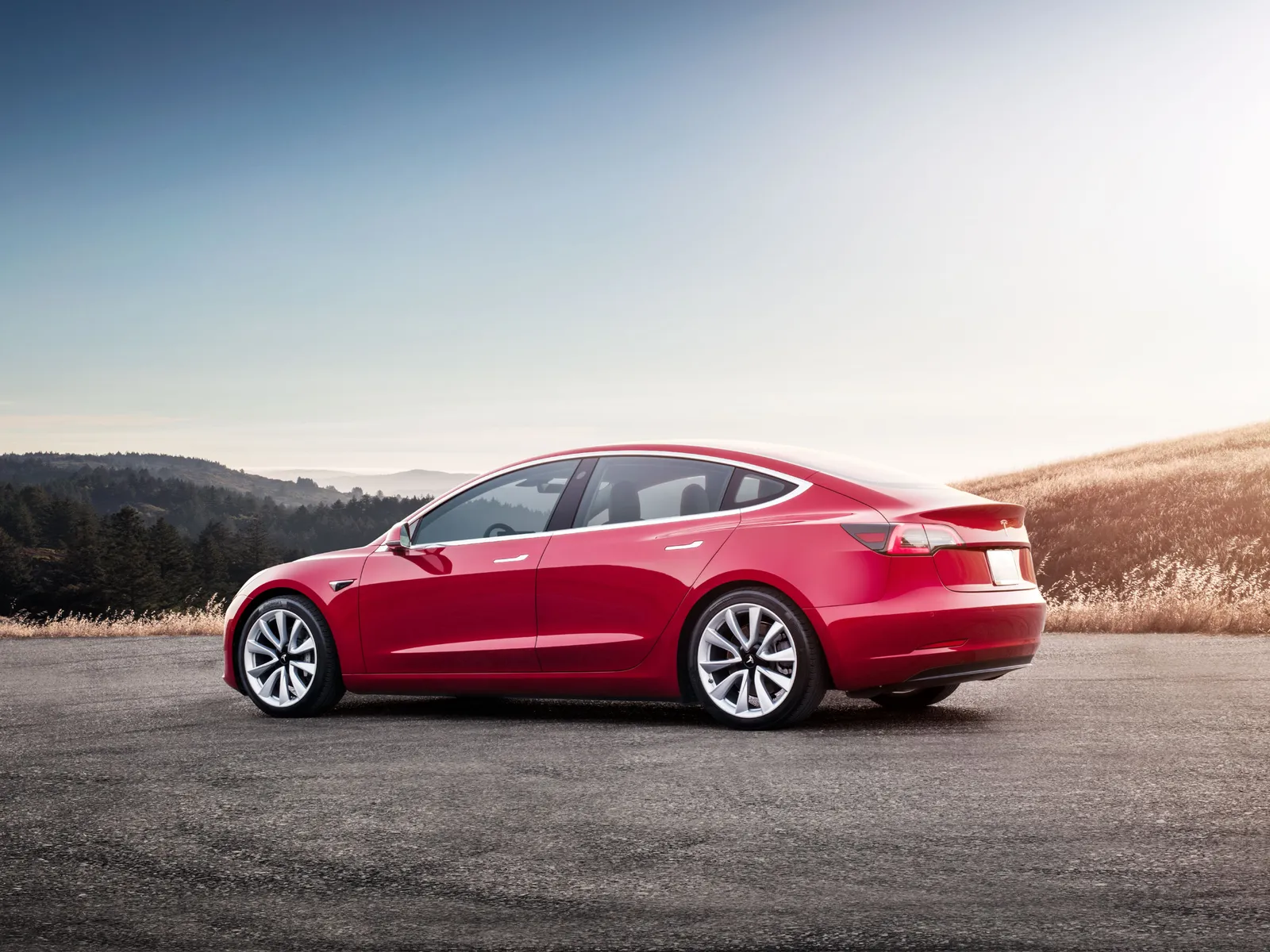
The Tesla Model 3 records a five-year depreciation rate of about 55.9 percent in the 2025 iSeeCars data, giving it the lowest depreciation figure among the EVs listed in that study. Its average dollar depreciation was approximately $23,771.
That means a significant portion of the car’s original value disappears during five years, yet its percentage loss remains below the EV average of 58.8 percent. The Model 3’s position reflects relatively strong demand for a mass-market Tesla sedan compared with several higher-priced electric vehicles.
The Model 3 benefits from broad recognition and a large presence in the used market. Buyers shopping for an affordable used Tesla have access to a substantial supply of Model 3 vehicles, which can make the model easier to compare and purchase.
Its range, charging access, and software features also remain relevant to used-car shoppers. These factors can help maintain demand even as newer electric cars arrive with updated batteries, interiors, and charging technology.
Price changes have still affected the Model 3’s resale position. Tesla has adjusted new-car pricing several times over the years, and those changes can influence the value of older vehicles.
When a new vehicle becomes cheaper, used examples generally face additional pressure because shoppers have a lower-cost alternative. This makes depreciation data particularly useful for anyone considering a new Model 3 with a planned five-year ownership period.
Current iSeeCars data also shows the Model 3 performing relatively well in resale comparisons among electric vehicles. A current model-level comparison places its five-year depreciation at roughly 57 percent, illustrating that the precise number can vary according to the model year and methodology used.
For buyers focused on resale, the Model 3 provides an interesting balance between purchase price, market demand, and long-term value retention. It still loses more than half its value under the cited five-year analysis, so it should not be considered immune to depreciation.
Its comparatively smaller percentage loss simply means the resale data is less severe than the figures recorded for several other electric models.
2. Hyundai Kona Electric
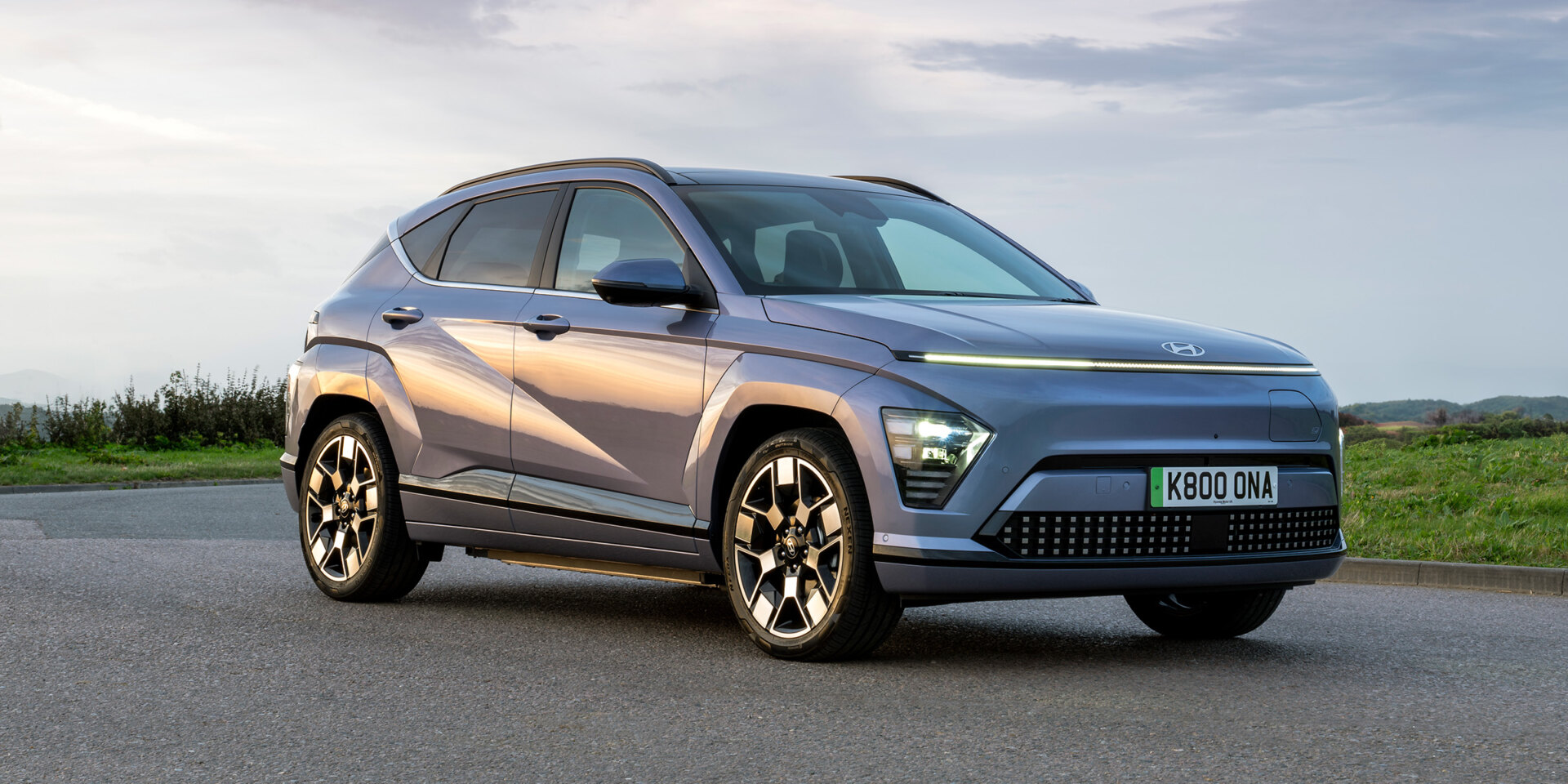
The Hyundai Kona Electric posts a five-year depreciation rate of 58.0 percent, with an average dollar loss of approximately $19,062 in the iSeeCars study. Its percentage loss is slightly below the EV average, while its dollar loss is substantially lower than that of expensive luxury EVs.
This distinction matters because percentage depreciation and actual dollars lost tell different parts of the ownership story. A vehicle can lose a large percentage of its value while producing a smaller financial loss because its original price was lower.
The Kona Electric entered the market as a relatively compact EV with a practical body style and usable range. Its smaller size can appeal to buyers who want electric transportation without paying luxury-car prices. Used shoppers may also appreciate the straightforward crossover format, particularly when they are comparing an older EV with other compact electric vehicles.
Its resale performance also illustrates the importance of vehicle pricing. A moderately priced EV does not need to retain the same percentage of its original MSRP as an expensive luxury vehicle to produce a similar or smaller dollar loss. For owners keeping the car for five years, the actual amount lost can be just as important as the percentage shown in a depreciation table.
The Kona Electric also benefits from Hyundai’s position as a mainstream automaker with a broad dealer network. Used-car shoppers may feel more comfortable with familiar service infrastructure than with an electric model from a smaller or less established manufacturer.
Battery warranty coverage and vehicle condition can further affect individual resale transactions, so the published depreciation rate should not be treated as a guaranteed future trade-in figure.
The 58.0 percent five-year depreciation figure places the Kona Electric close to the average for electric vehicles in the study. It demonstrates that mainstream EVs can still experience substantial depreciation, even when they avoid the extreme losses associated with certain luxury models.
For a buyer calculating long-term ownership expenses, the resale value should therefore be considered alongside electricity costs, insurance, and financing.
3. Kia Niro EV
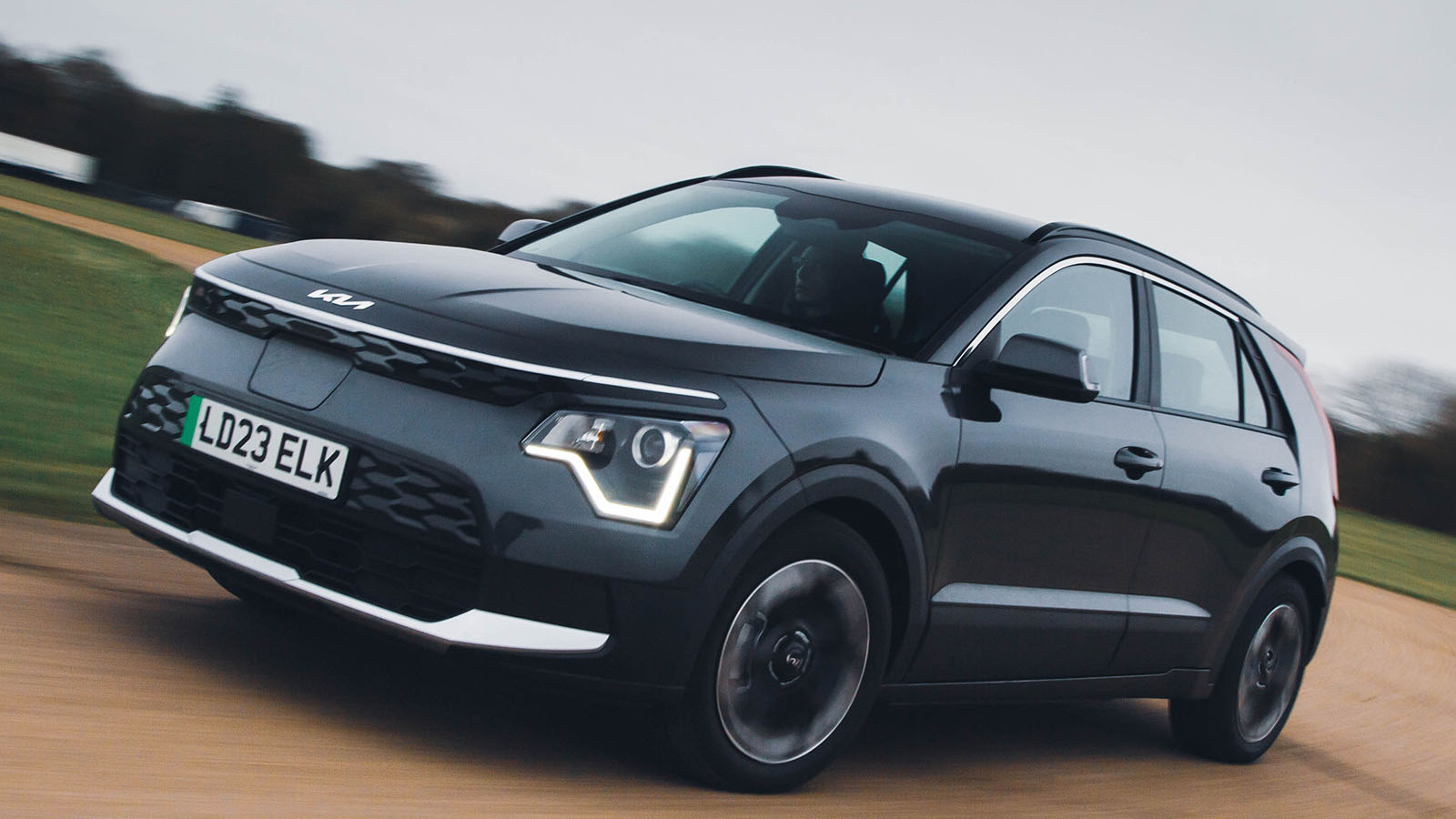
The Kia Niro EV records a five-year depreciation rate of approximately 59.2 percent, with a reported average loss of about $23,439. Its depreciation is only slightly higher than the 58.8 percent EV average from the same study. That puts the Niro EV near the middle of this group, rather than at the extreme end of the depreciation scale.
The Niro EV occupies a useful position in the electric vehicle market because it combines a compact footprint with crossover styling. Its practical shape can appeal to buyers who want more cargo flexibility than a conventional sedan without moving into a much larger SUV.
Used-car demand is influenced by these practical considerations because shoppers often compare electric vehicles according to everyday usability rather than technology specifications alone.
Current iSeeCars model data gives the Niro EV a five-year depreciation figure around 59.5 percent, which is very close to the 2025 study’s 59.2 percent figure. The consistency between those figures provides a useful indication that the model has experienced relatively substantial depreciation over a five-year period.
The Niro EV’s resale performance also needs to be considered against its original purchase price. Its average dollar depreciation is much lower than the losses recorded for premium EVs such as the Porsche Taycan or Tesla Model X.
That means the percentage figure alone does not tell the complete financial story. A buyer who wants to reduce the absolute amount of value lost may reach a different conclusion than someone who is focused strictly on residual percentage.
For prospective owners, the Niro EV demonstrates why resale data should be combined with purchase price and expected ownership duration.
A five-year owner will experience a different financial outcome from a buyer who plans to keep the vehicle for 10 years. Someone who holds the vehicle well beyond the period covered by the study may care less about its eventual trade-in value and more about battery condition, operating costs, and reliability.
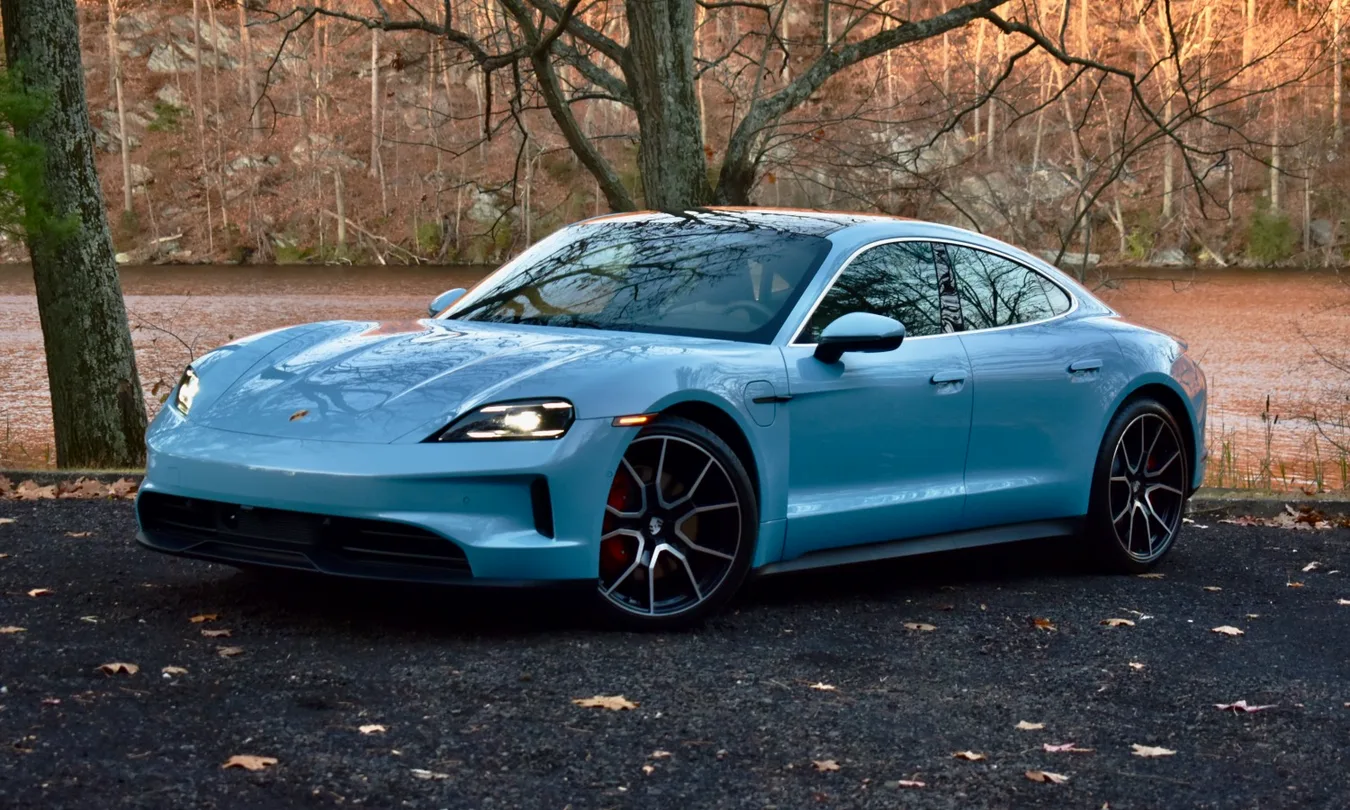
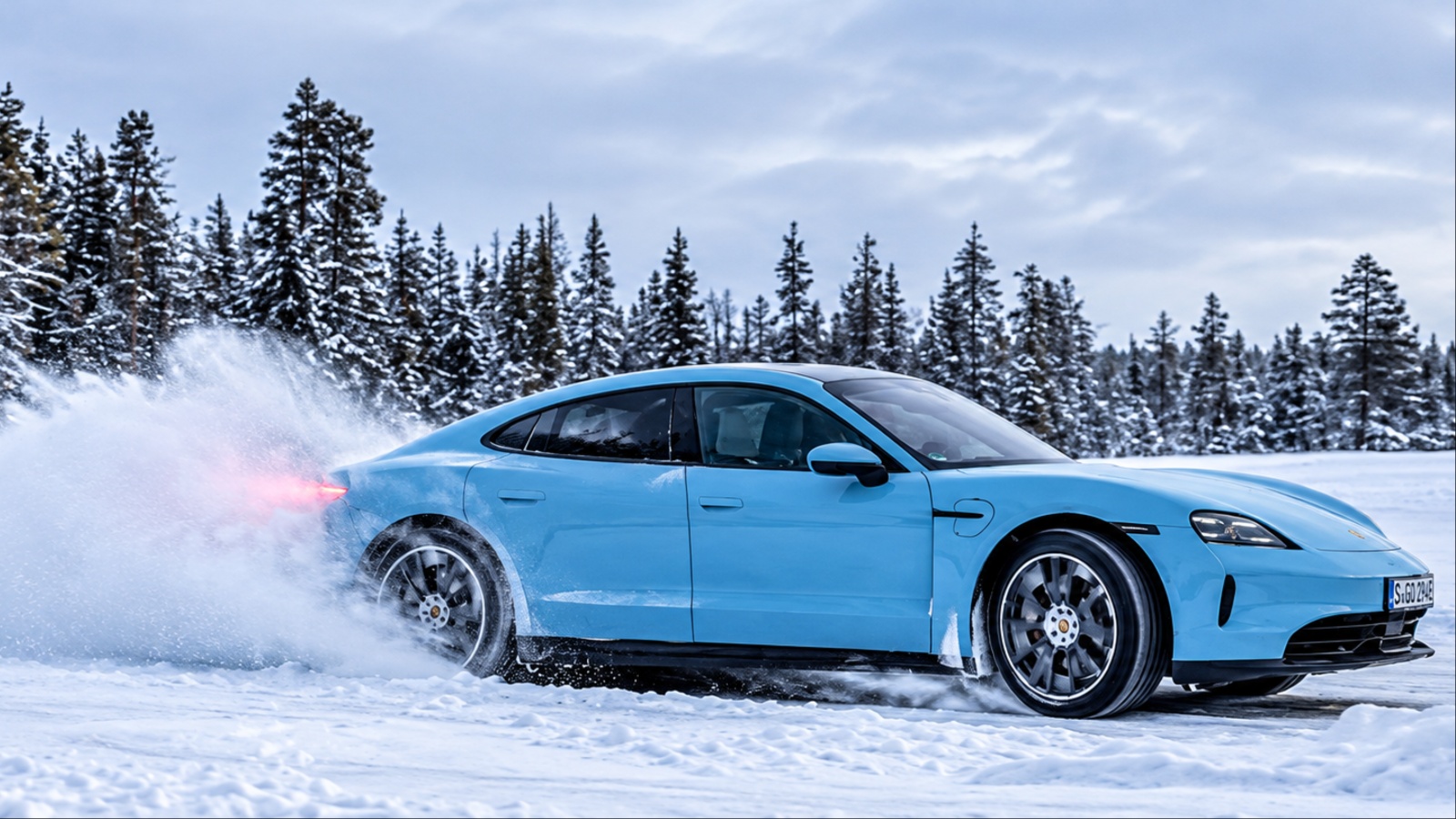
4. Porsche Taycan
The Porsche Taycan records a five-year depreciation rate of 60.1 percent and an average dollar loss of approximately $59,691 in the iSeeCars study. Its percentage loss is only modestly higher than the EV average, yet its dollar loss is far larger because the Taycan starts at a much higher price than mainstream electric cars.
This is an important distinction when assessing luxury EV depreciation. A 60 percent decline on a vehicle that originally costs tens of thousands of dollars more can produce a substantially larger financial loss than a similar percentage decline on a less expensive model.
The Taycan therefore shows why buyers should examine both depreciation percentage and dollar depreciation before deciding how resale value fits into their ownership budget.
The Taycan entered the market with strong performance credentials, sophisticated engineering and a premium price. Used buyers can gain access to that technology at considerably lower prices than new-car shoppers.
From a resale perspective, that can create a difficult balance for original owners because a large drop in used prices makes the vehicle attractive to second-hand shoppers while increasing the financial cost borne by the first owner.
Luxury EV technology also changes quickly. Newer electric cars can offer faster charging, updated infotainment systems, improved efficiency and longer ranges. When a premium vehicle becomes several years old, buyers may compare it with newer EVs that cost less while delivering similar everyday capabilities. This can put additional pressure on resale prices.
The Taycan’s five-year figures show that a high-performance electric car can retain substantial market demand while still losing a large share of its original value. Its depreciation should therefore be considered in the context of its purchase price and intended use.
Someone purchasing a Taycan for its performance and keeping it long term may approach the financial calculation differently from a buyer who expects to trade it after three or five years.
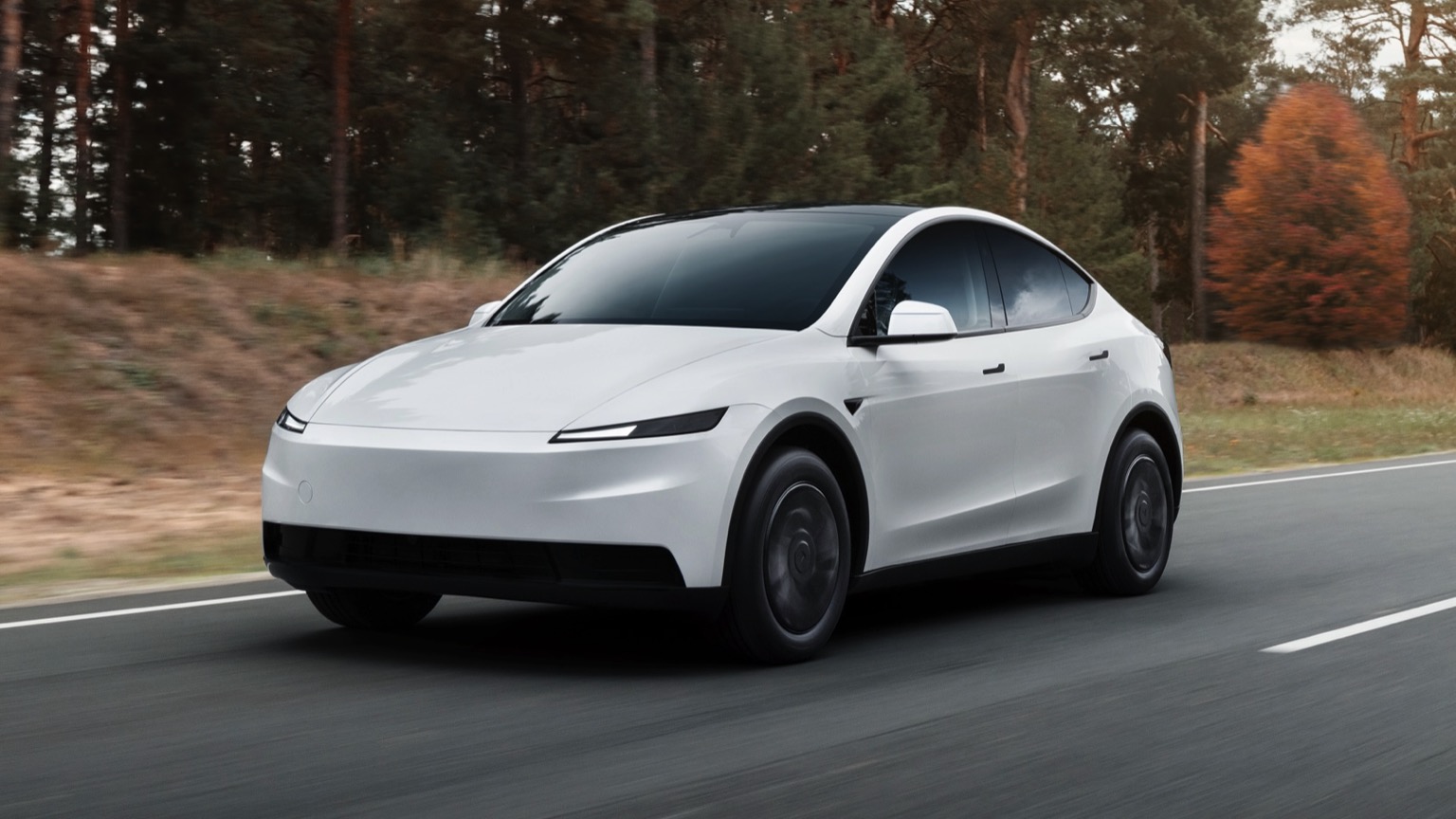
5. Tesla Model Y
The Tesla Model Y has a reported five-year depreciation rate of 60.4 percent and an average dollar loss of approximately $36,225 in the 2025 iSeeCars data. That places it just above the Porsche Taycan in percentage depreciation. The Model Y’s dollar loss is lower than the Taycan’s because its original pricing is considerably lower.
The Model Y became a major part of Tesla’s vehicle lineup and entered a highly competitive compact electric SUV market. Its popularity means that used buyers have many examples to choose from, which can create both advantages and disadvantages for resale. High demand can support prices, while comparison with current inventory can lower them.
A five-year depreciation figure captures the historical result of these market conditions, but future resale performance can change if Tesla’s large supply of similar used vehicles increases competition among sellers.
Tesla’s new-car pricing strategy is another factor worth watching. Price reductions on new Model Y vehicles can influence the values of older examples because used buyers compare them directly with current inventory.
A five-year depreciation figure captures the historical result of these market conditions, but future resale performance can change if Tesla alters pricing, equipment, or incentives.
Current iSeeCars data also shows meaningful depreciation for the Model Y, with a model-level comparison placing its five-year depreciation at roughly 60.8 percent.
The close relationship between this figure and the 2025 study’s 60.4 percent figure reinforces the idea that the Model Y has experienced significant value loss across the measured period.
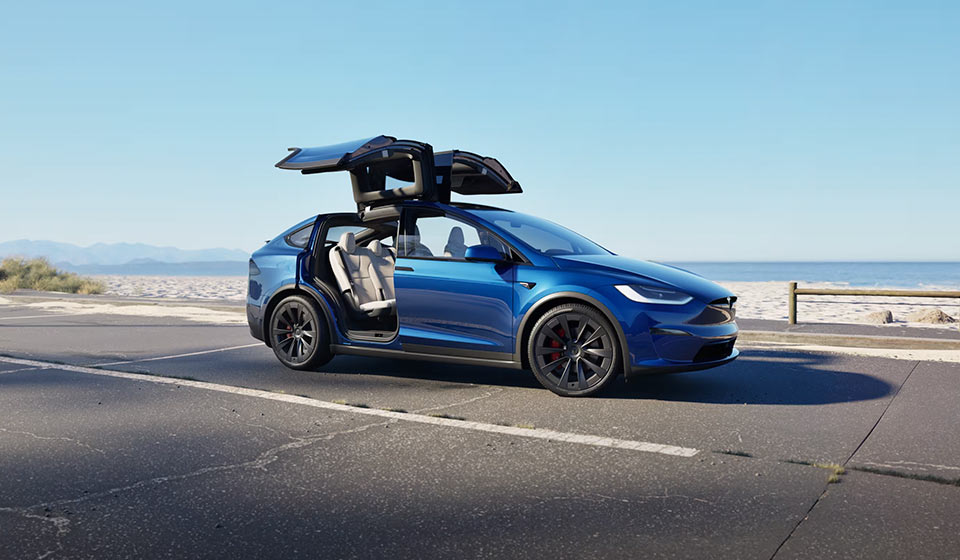
6. Tesla Model X
The Tesla Model X has a five-year depreciation rate of 63.4 percent, while newer models can bring significant improvements in a relatively short time. Buyers may find newer alternatives that offer faster charging, more advanced driver-assistance systems, and better battery efficiency.
These developments can make an impact, with an average dollar loss of approximately $53,846. Its depreciation is significantly higher than the vehicle average and above the EV average reported in the iSeeCars study.
The Model X carries a premium price and offers a larger body, higher seating position, and additional equipment compared with the Model 3. Its higher original cost means that a large percentage decline produces a sizable dollar loss. This is visible in the data, where the average loss exceeds $50,000.
Luxury electric SUVs face particular resale challenges because newer models can introduce major improvements within a relatively short period.
Buyers may find newer alternatives with better charging performance, updated driver-assistance systems, and improved battery efficiency. These developments can make an older premium EV harder to justify at a high used price.
Tesla’s price adjustments also influence the Model X’s resale environment. If a new Model X becomes more affordable, an older example must generally compete with that lower new-car price. Used buyers may also compare it with newer electric SUVs from other manufacturers, increasing competition within the premium segment.
The Model X remains a capable and distinctive electric SUV, but its five-year depreciation figure shows the financial impact of purchasing a high-priced EV and holding it for several years. For shoppers primarily concerned with resale, the 63.4 percent depreciation figure deserves careful consideration before committing to a new purchase.
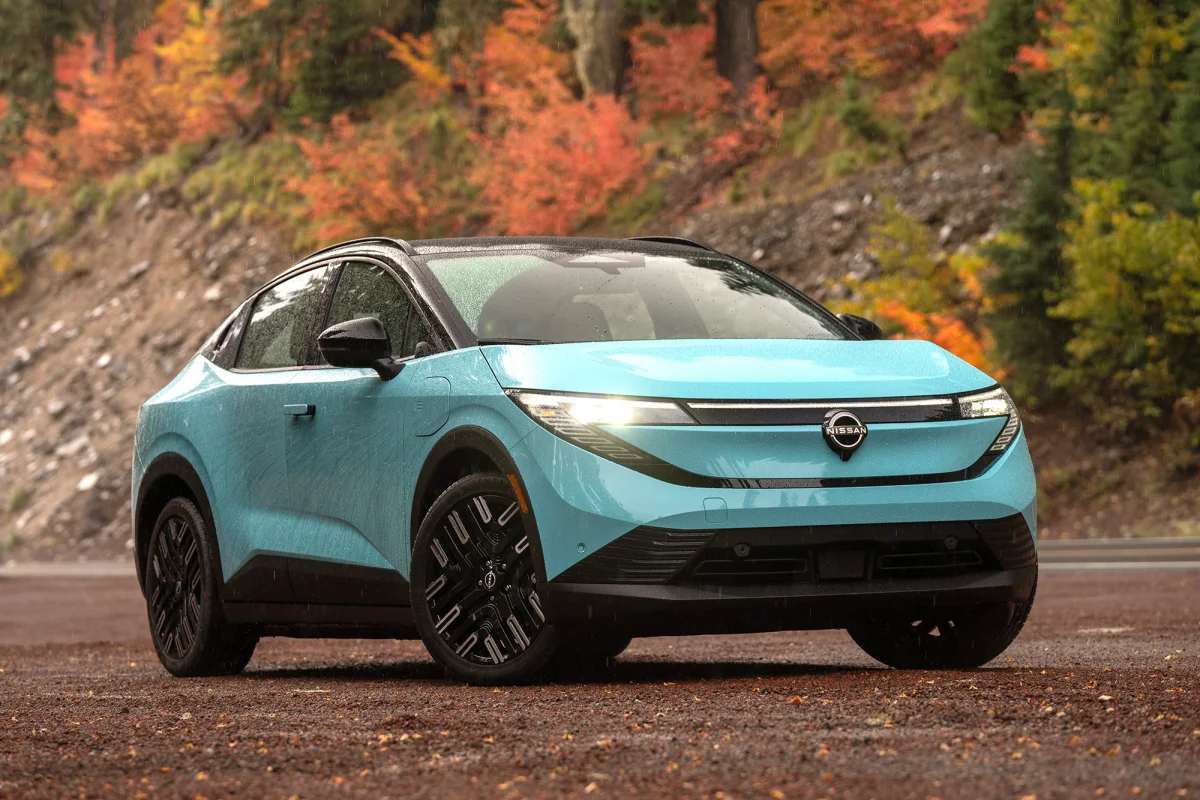
7. Nissan LEAF
The Nissan LEAF has a five-year depreciation rate of 64.1 percent and an average dollar loss of approximately $18,043. Its percentage depreciation is among the highest in the 2025 iSeeCars EV group, yet its dollar loss is much lower than that of premium electric vehicles.
The LEAF’s resale performance reflects its age as an early mainstream electric model. Older versions were designed around a market in which driving range and charging technology were considerably different from today’s expectations. As newer EVs offer longer ranges and faster charging, older models can face stronger competition in the used market.
Battery technology plays an important role in the LEAF’s resale story. Used buyers evaluating an older electric vehicle often want to understand battery condition, remaining warranty protection, and expected range. A vehicle that has lost some usable range over time may command a lower price than an otherwise similar example with stronger battery performance.
The LEAF’s relatively low original price limits its dollar depreciation compared with luxury EVs. Losing 64.1 percent of value sounds severe, but the reported dollar loss of about $18,043 is considerably smaller than the losses recorded by the Tesla Model X, Tesla Model S and Porsche Taycan. This shows why both measurements should appear in any serious depreciation comparison.
8. Tesla Model S
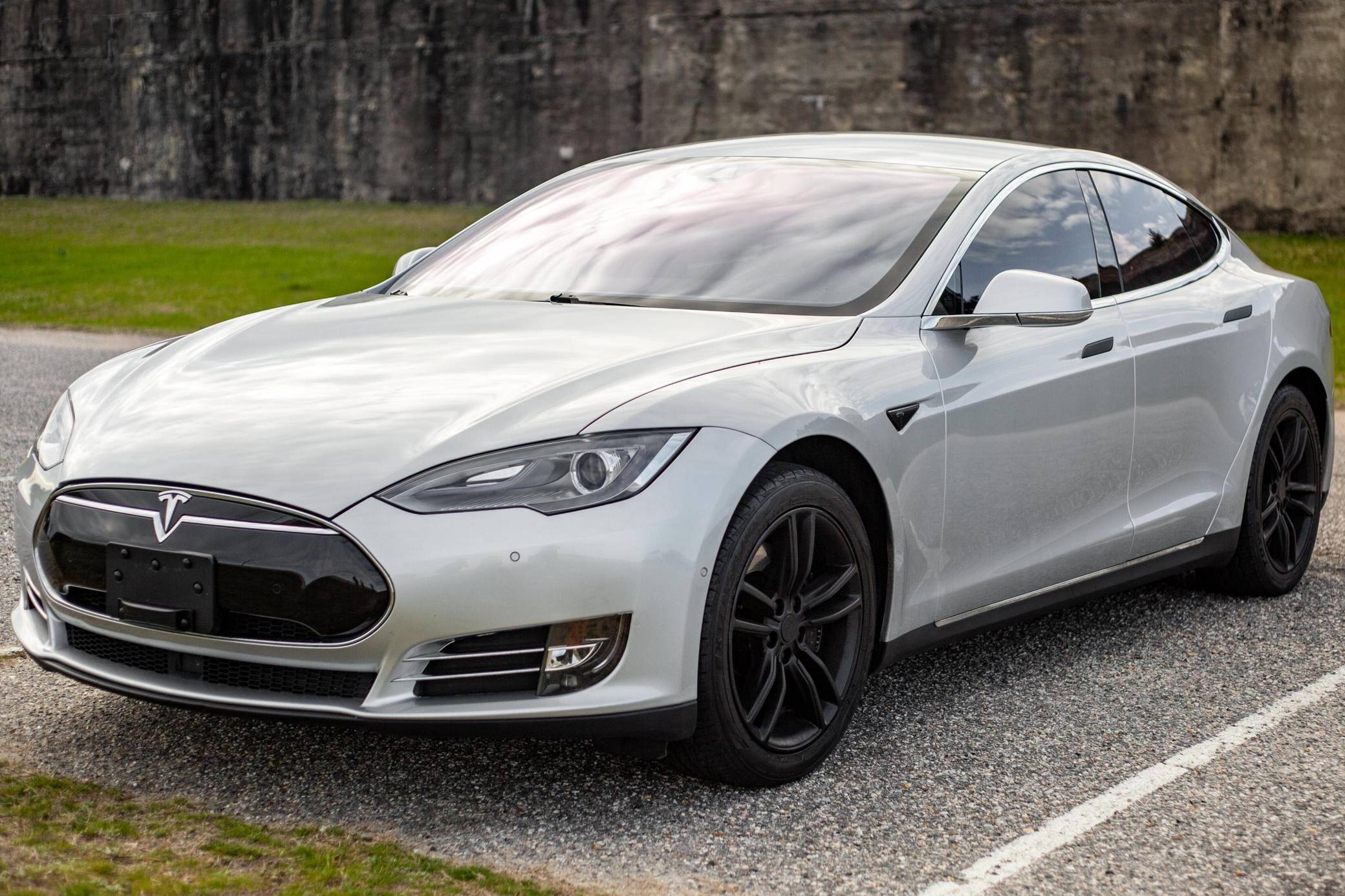
The Tesla Model S records a five-year depreciation rate of 65.2 percent, with an average dollar loss of approximately $52,165. That places it near the bottom of the 2025 EV depreciation table. Its large dollar loss is closely tied to its premium original price.
The Model S helped establish Tesla as a major electric vehicle manufacturer. Its early technological advantages were significant at launch, but the electric market has changed considerably since then. Newer vehicles now offer advanced charging systems, improved battery efficiency, and increasingly sophisticated cabin technology.
A premium electric sedan also faces competition from newer Tesla models and other manufacturers. Used shoppers can compare an older Model S with newer EVs that may cost less and offer more current technology. This comparison can reduce the amount buyers are willing to pay for an older flagship model.
For an original owner, the 65.2 percent depreciation figure represents a major financial consideration. For a used buyer, the same decline can make a formerly expensive electric sedan accessible at a much lower price. The financial outcome therefore differs considerably depending on whether someone buys the vehicle new or after several years of depreciation.
9. Jaguar I-PACE
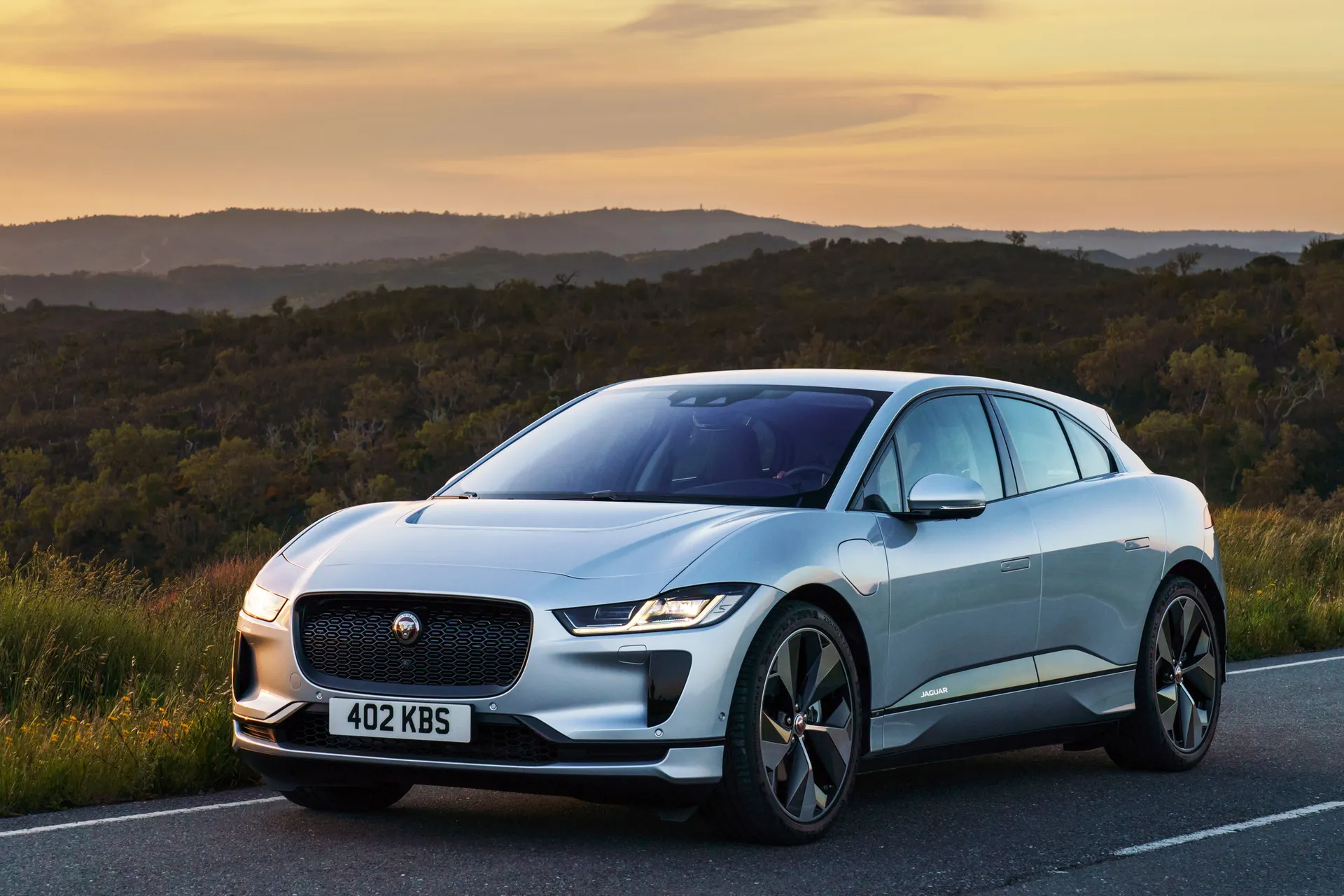
The Jaguar I-PACE has the highest five-year depreciation rate in the 2025 iSeeCars EV ranking, at 72.2 percent. Its average dollar depreciation was approximately $51,953. In other words, more than seven-tenths of the vehicle’s original value disappeared over the five-year measurement period.
The I-PACE’s result demonstrates how quickly technology changes can affect an early-generation premium EV. When the model was introduced, its combination of performance, styling, and electric capability original price, also magnifies the financial consequences of depreciation.
Its high original price also magnifies the financial consequences of depreciation. Losing 72.2 percent of value from a premium vehicle can mean tens of thousands of dollars in lost value. The reported average dollar loss of more than $51,000 illustrates how a high depreciation percentage can translate into a substantial ownership expense.
The I-PACE also represents a broader issue affecting older electric cars. Used buyers increasingly consider charging speed, battery capacity, software support, and access to charging infrastructure when choosing a vehicle. A car that was competitive several years ago may not provide the same combination of features relative to newer alternatives.
10. Ford Mustang Mach-E
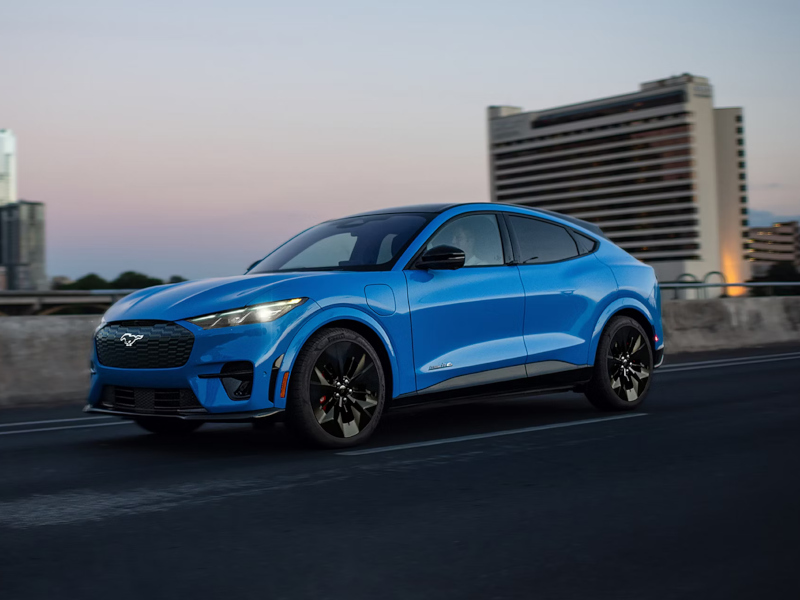
The Ford Mustang Mach-E rounds out the list, with current iSeeCars model-level data showing approximately 65 percent depreciation over five years. The same comparison estimates the total depreciation at about $24,898.
That puts the Mach-E firmly in the higher-depreciation group compared with many mainstream vehicles.
The Mach-E entered the market as Ford’s major electric crossover, combining a Mustang-inspired design with practical SUV proportions. Its position in the market means it competes against several high-volume electric crossovers, including models from Tesla, Hyundai, Kia, and other manufacturers. Used buyers therefore have considerable choice when shopping for a five-year-old electric crossover.
Competition can influence resale value because shoppers are not limited to a single model. Buyers can compare charging performance, range, cabin space, equipment, warranty coverage, and price across several used EVs. When multiple models offer similar capabilities, price becomes an important factor in the purchasing decision.
The depreciation figures in this section are based on iSeeCars model-level comparison data, while the nine-model 2025 table uses the published iSeeCars study.
Model years, calculation methods, and vehicle samples can change the final percentage purchase incentives and the price actually paid. A buyer who obtains a substantial discount from MSRP may experience a smaller personal financial loss than someone who paid full factor in determining which used vehicle attracts attention.
The Mach-E’s depreciation figure also highlights the importance of using a consistent data source when comparing models. The 65 percent figure comes from current iSeeCars model-level comparison data, while the nine-model 2025 table uses the published iSeeCars study.
Model years, calculation methods, and vehicle samples can change the final percentage, so the figures should be treated as comparative market data rather than guaranteed future values.