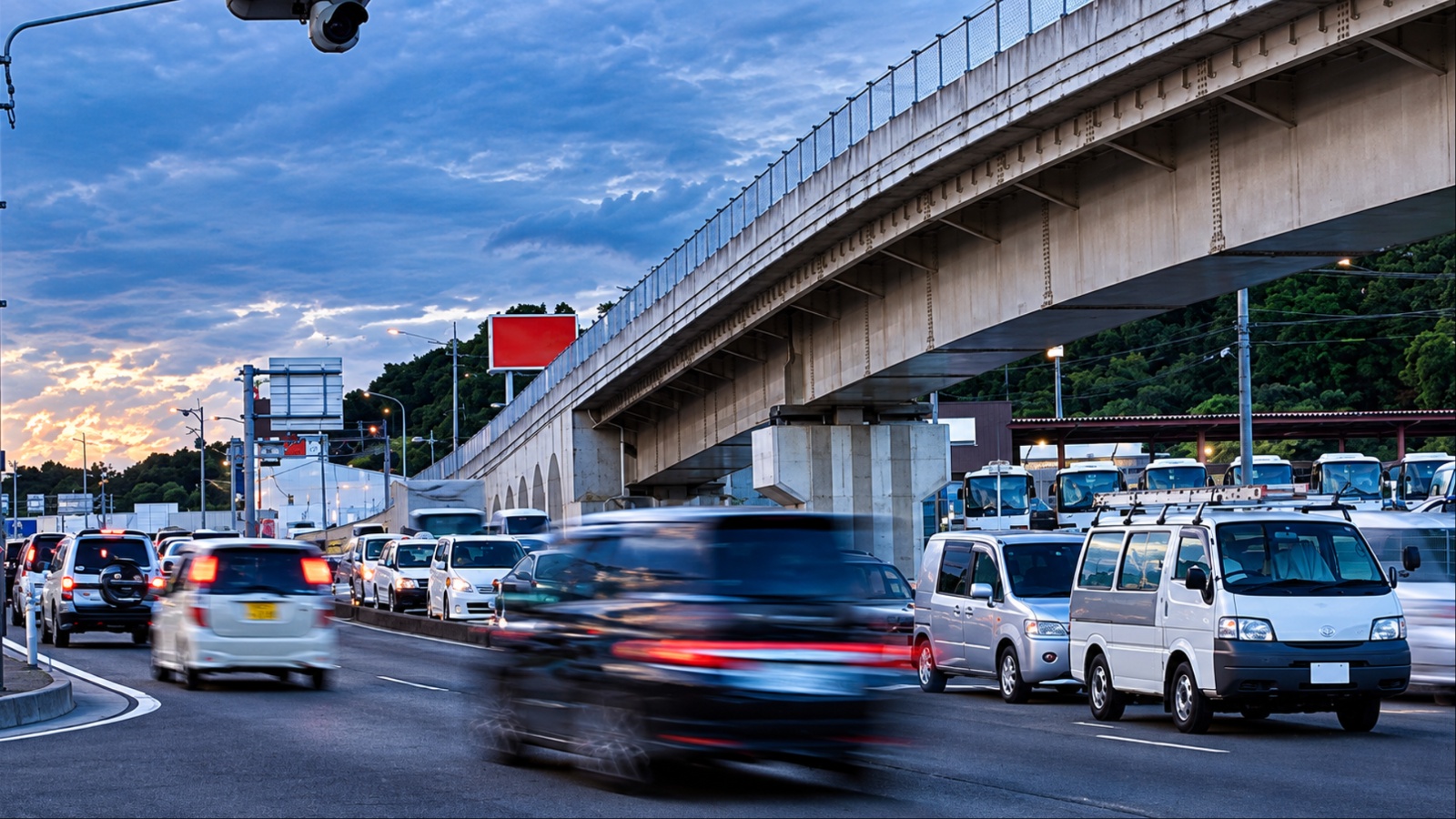
Few everyday rules feel as natural, and as arbitrary, as which side of the road you drive on. Roughly two-thirds of the world’s population lives in countries that drive on the right, while about a third lives where traffic keeps to the left. Neither choice is inherently safer or smarter. Each reflects the habits of horse riders, wagon drivers, colonial administrators, and lawmakers who made a decision long ago that later generations simply inherited.
This guide walks through six countries that drive on the left and six that drive on the right. For each one, you’ll find the history, the popular theories behind it, and the places where the story gets complicated. Along the way, you’ll see how law, empire, trade, and even railways shaped the roads we use. Where a claim is more legend than documented fact, I’ve said so, because roadside folklore travels faster than evidence does.
Countries That Drive on the Left
1. United Kingdom
The United Kingdom is the best-known left-hand traffic country, and its habit is older than the car. Keeping left became law in 1835, when the Highway Act directed that carriages keep to the left side of the road. Earlier rules had already pushed in that direction. A regulation for London Bridge in the mid-1700s told traffic to keep left, and a general highway act in 1773 recommended the practice more widely.
The most common explanation is the sword-arm theory. Most people are right-handed, so a rider traveling on the left would keep the sword hand toward anyone approaching, ready to defend against a stranger. A related story claims medieval pilgrims heading to Rome were told to keep left. Historians generally treat these as plausible but unproven. It is a theory, not established fact.
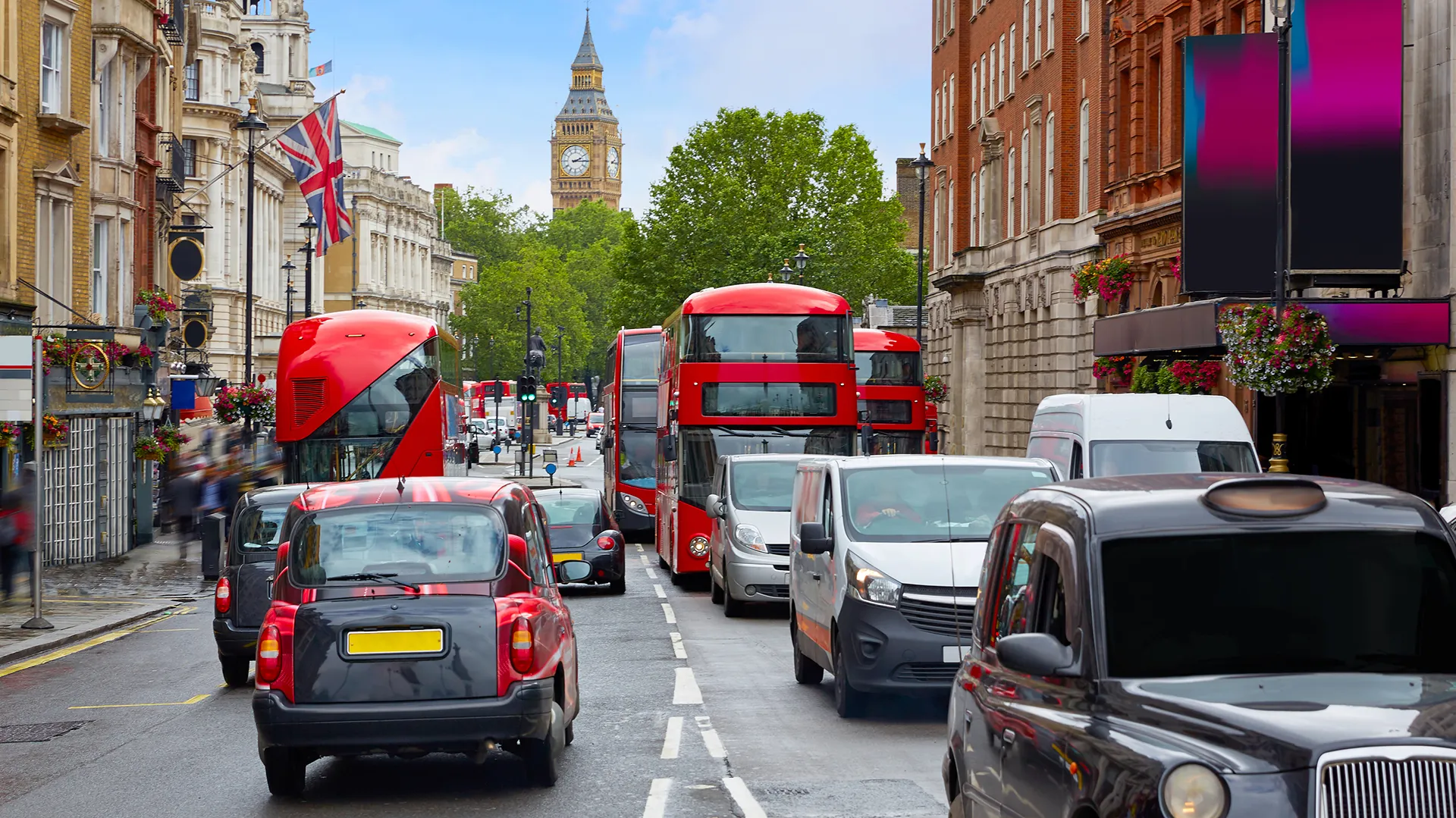
What matters more is the legacy. As the British Empire expanded, left-hand traffic traveled with it, which is why so many former colonies still drive on the left today. Britain also shows how stubborn the habit is. Despite being a short ferry ride from continental Europe, where nearly everyone drives on the right, it has never seriously moved to switch.
2. Japan
Japan made left-side driving law in 1924, though the habit was well established before that. One popular explanation points to the samurai. Walking on the left kept a right-handed warrior’s sword away from passersby and made it harder for an enemy to attack from the sword side. This is another version of the sword-arm idea, and like the British one, it is more tradition than proven history.
The stronger documented influence is the railway. Japan’s first railway, opened in 1872, was built with British engineers and technology, and trains ran on the left. As the rail network grew, it reinforced left-hand movement in stations and streets. By the time formal traffic law arrived in 1924, the left side was already the practical standard.
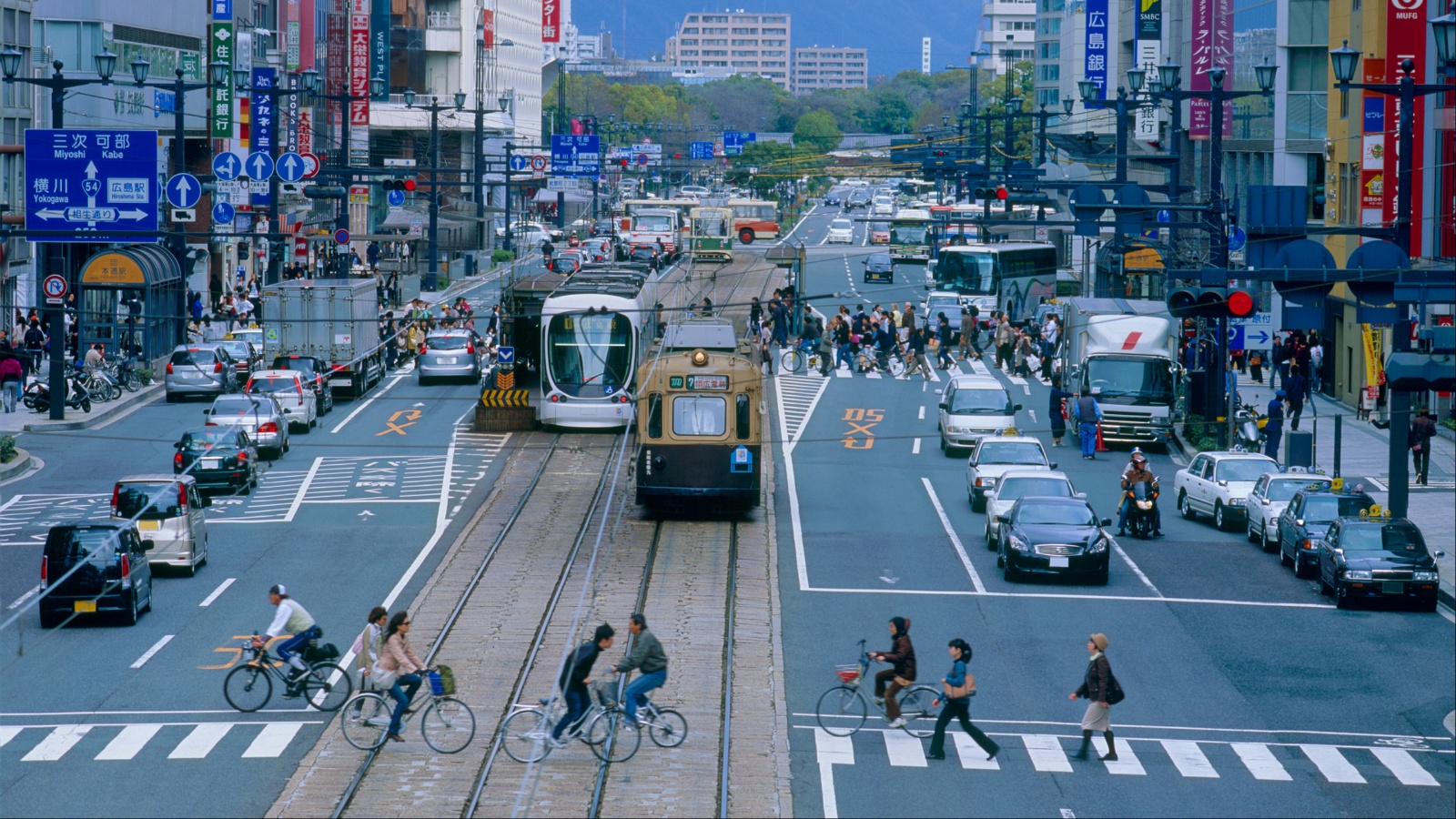
Japan also offers one of the more interesting footnotes in road history. Okinawa was under US administration after the Second World War and drove on the right. It switched back to the left on July 30, 1978, an event remembered locally as “730.” Buses, signs, and traffic lights all had to be changed almost overnight, and the cost was high.
3. Samoa
Samoa is the most recent case on this list, and one of the most unusual. On September 7, 2009, the Pacific nation switched from driving on the right to driving on the left, becoming the first country in decades to change sides. The government’s reasoning was economic.
Many Samoans wanted to import cheaper used cars from Australia and New Zealand, both left-driving countries, and right-hand-drive vehicles from those markets were far less expensive than left-hand-drive vehicles from elsewhere.
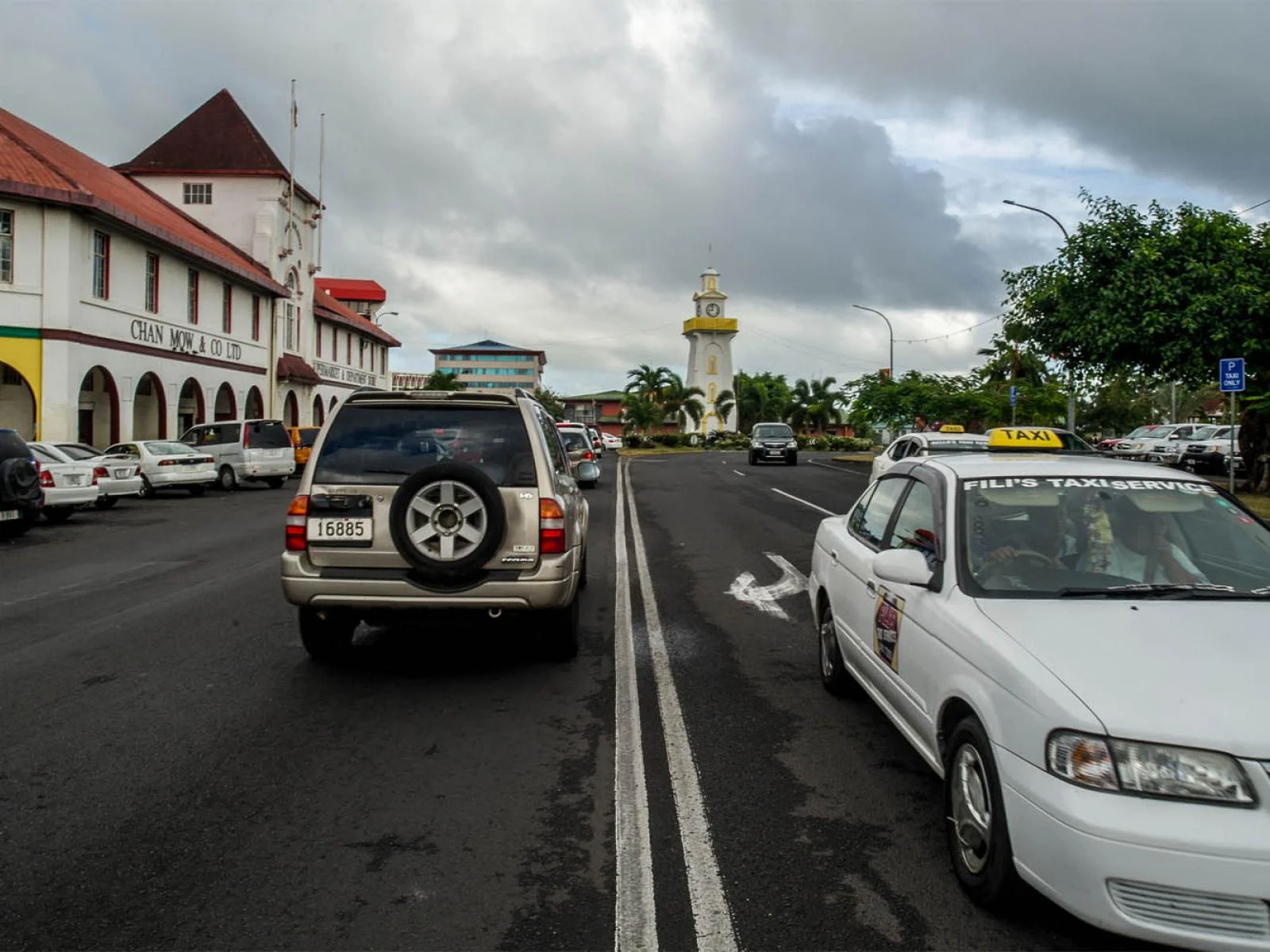
There was also a safety argument. Many of the vehicles already on Samoan roads had the steering wheel on the right, which meant drivers sat on the curb side instead of near the center of the road. Supporters said switching would make driving safer for those vehicles.
The change was not universally popular. Critics worried about accidents during the transition, and some protested. Authorities declared a two-day public holiday around the switch, restricted alcohol sales, and limited traffic during the changeover. The transition went more smoothly than many feared, and Samoa has driven on the left ever since.
4. Mozambique
Mozambique is a good example of geography beating history. As a Portuguese colony, it might have been expected to follow Portugal’s rules. Portugal drove on the left for a long time but switched to the right in the 1920s, and Mozambique did not follow. Its decision to stay left was practical, because its neighbors, including South Africa, Zimbabwe, Zambia, Malawi, and Tanzania, all drive on the left.
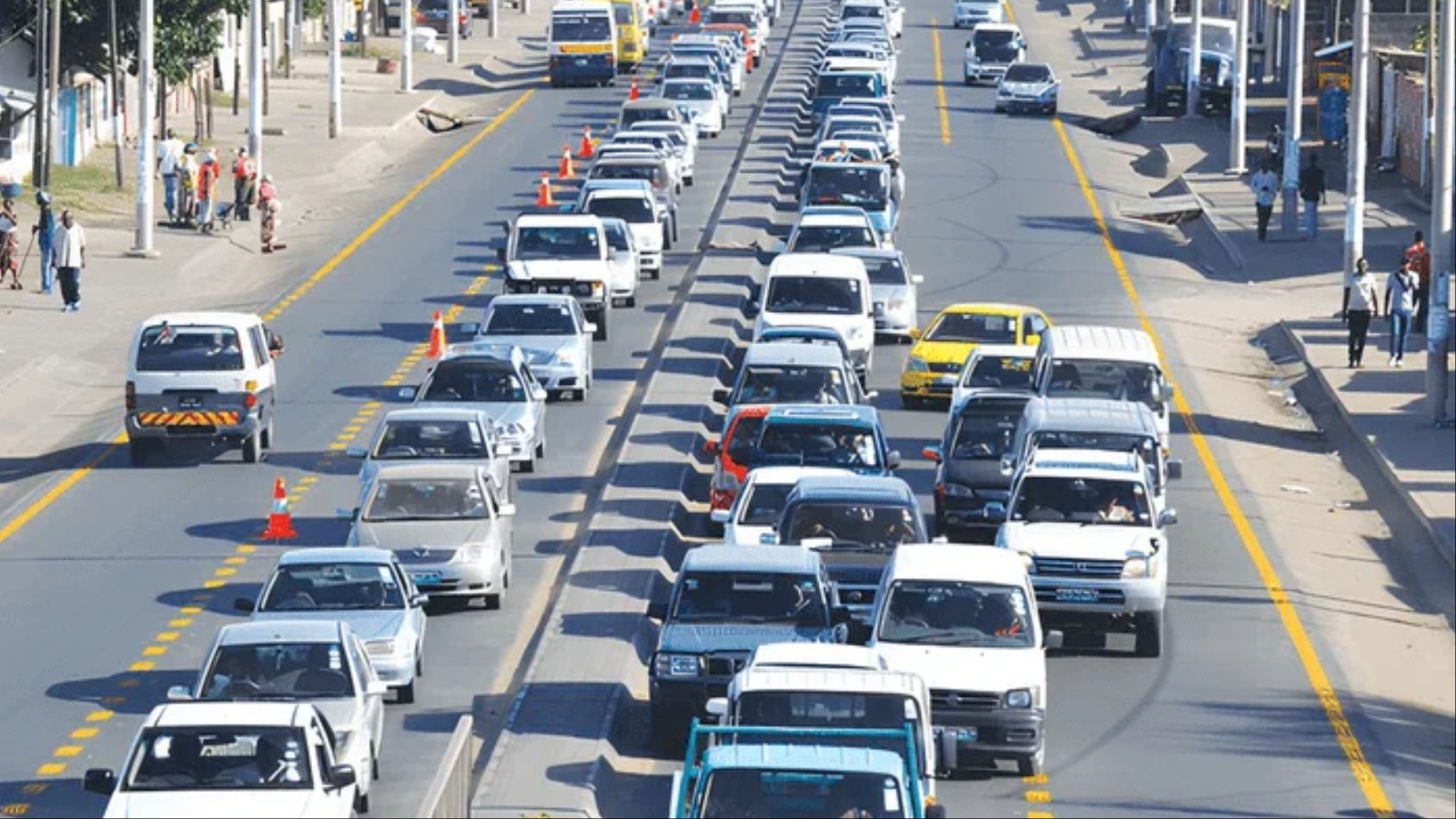
Trade, migration, and cross-border travel made consistency more important than loyalty to the former colonial power. Trucks carrying goods from Mozambique’s ports to landlocked neighbors, such as Zimbabwe and Malawi, needed to use the same traffic conventions as the roads they would join.
This makes Mozambique one of the clearer examples of a country that chose its side of the road for regional reasons rather than colonial ones. It is also a reminder that colonial history does not always predict traffic rules. Angola, another Portuguese colony, drives on the right, which shows how local circumstances shaped each country’s choice.
5. Australia
Australia inherited left-hand traffic from British colonial rule, and it has kept it ever since. The early colonies that became Australia were settled under British influence, so British road customs came along with the settlers, the horses, and the carriages. When motor vehicles arrived, the rule simply carried over.
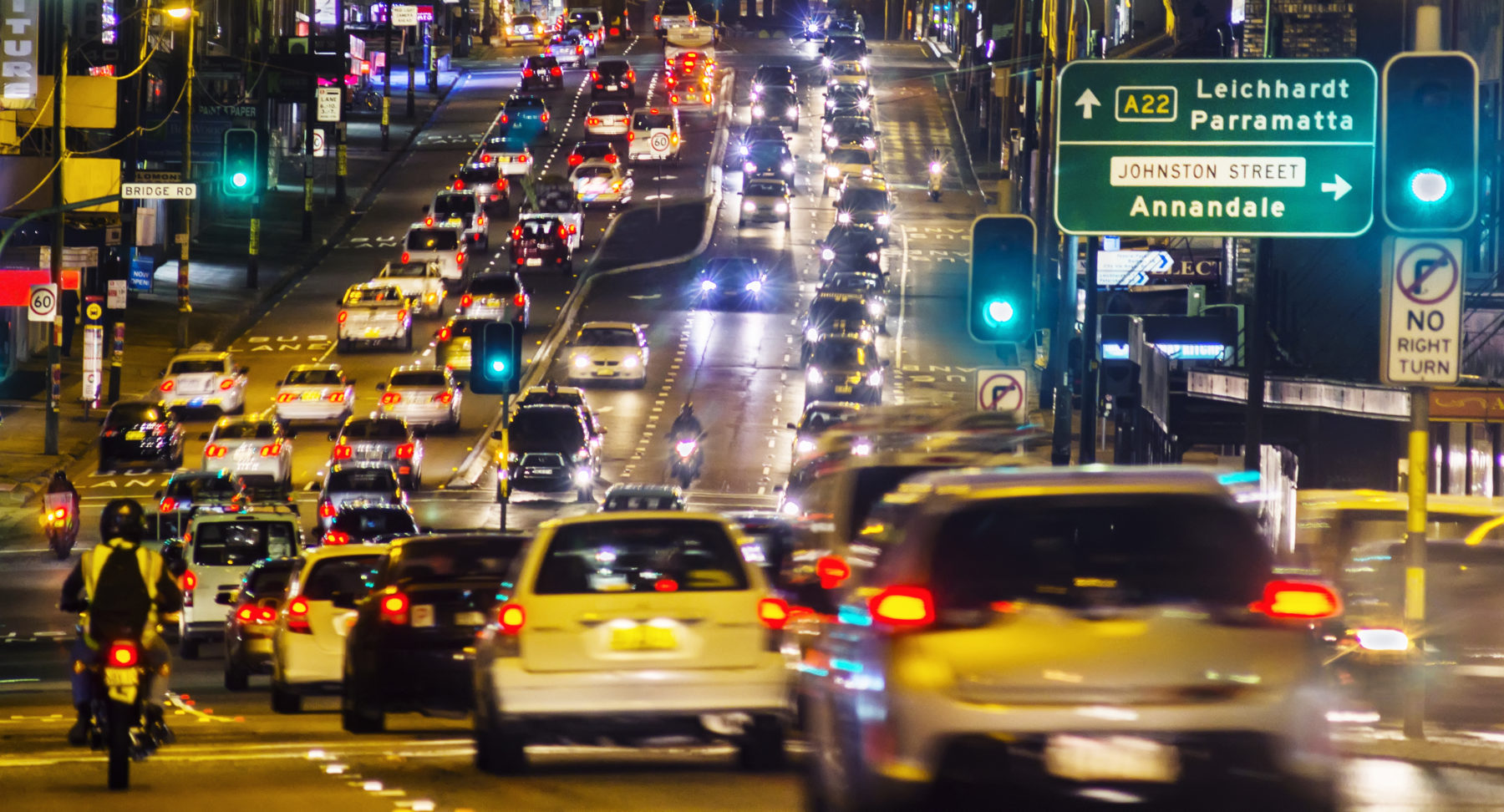
Several features make Australia a useful case study. It is a huge country with long distances between cities, and its road rules developed state by state before federation. Despite that, left-hand traffic was consistent across the colonies, which meant there was never a serious national debate about changing it.
Australia also matters for its influence on other countries. Its car market and trade connections, along with those of neighboring New Zealand, shaped the decision in Samoa to switch sides. In that way, Australia’s habits have reached beyond its borders. Vehicles built for left-hand traffic markets flow through the region, and the economics of used cars helped bring another country into the left-hand group.
6. India
India’s left-hand traffic is another legacy of British rule. Under the British Raj, left-hand traffic was established across the subcontinent, and it remained after independence in 1947. Today the rule is part of the country’s motor vehicle law, and it applies across one of the largest road networks in the world.
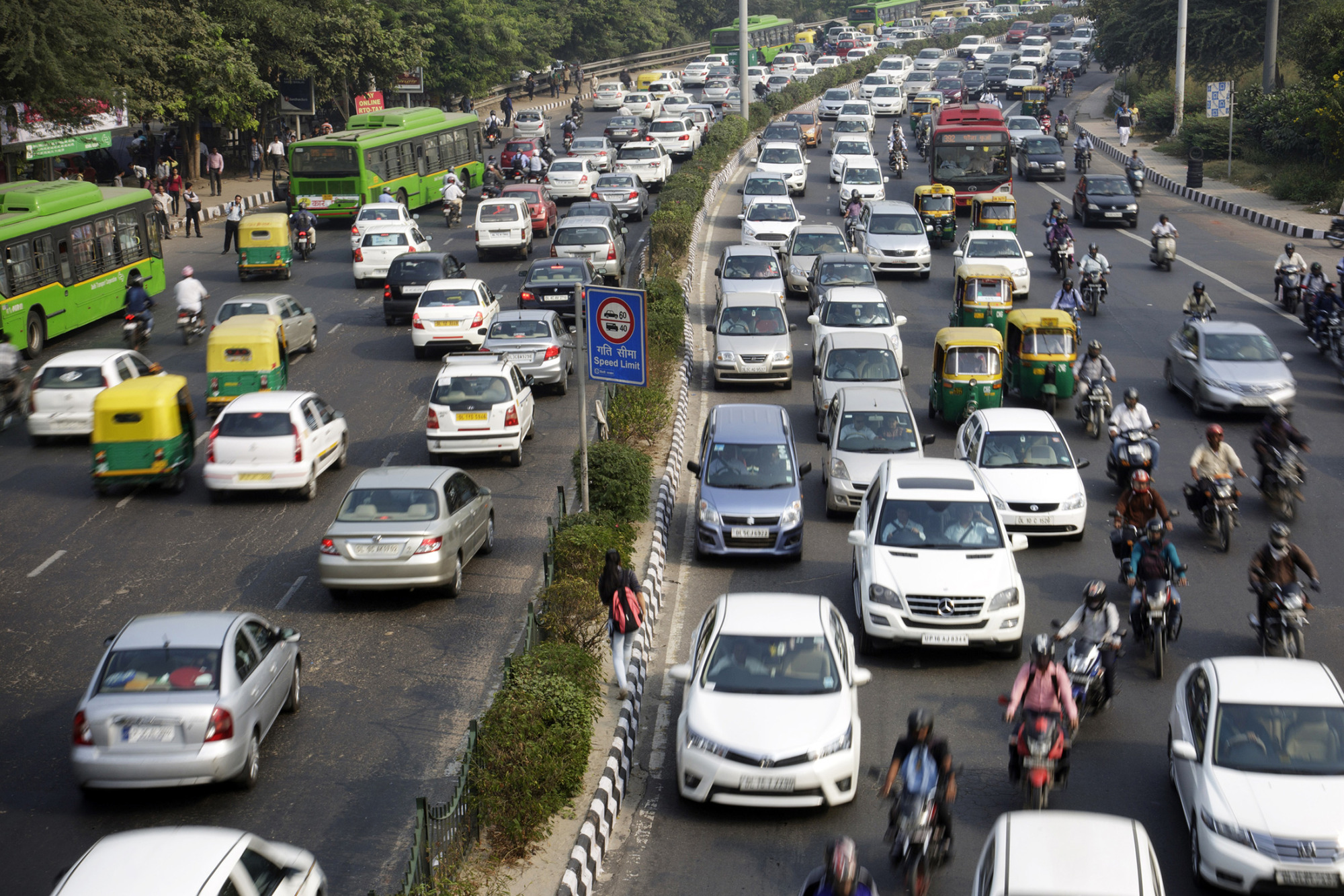
India’s case shows how colonial systems can outlast the empires that created them. Plenty of other things changed after independence, including languages used in government, political institutions, and economic policy, but the side of the road did not. Changing it would have been enormously expensive. Every road, intersection, sign, vehicle, and driver would have been affected, and the benefits would have been small.
India also shows that left-hand traffic is not just a quirk of small island nations. With well over a billion people, it accounts for a very large share of the world’s left-driving population. Together with the United Kingdom, Japan, Australia, and others, it helps explain why about a third of humanity still drives on the left.
Countries That Drive on the Right
1. United States
Right-hand traffic spread across the United States in the late 1700s. A popular explanation involves large freight wagons, such as the Conestoga wagons used in Pennsylvania. These wagons were pulled by teams of horses, and the driver often sat on the left rear horse, keeping the right hand free for the whip. From that position, it made sense to keep to the right so the driver could see oncoming wagons pass on the left side.
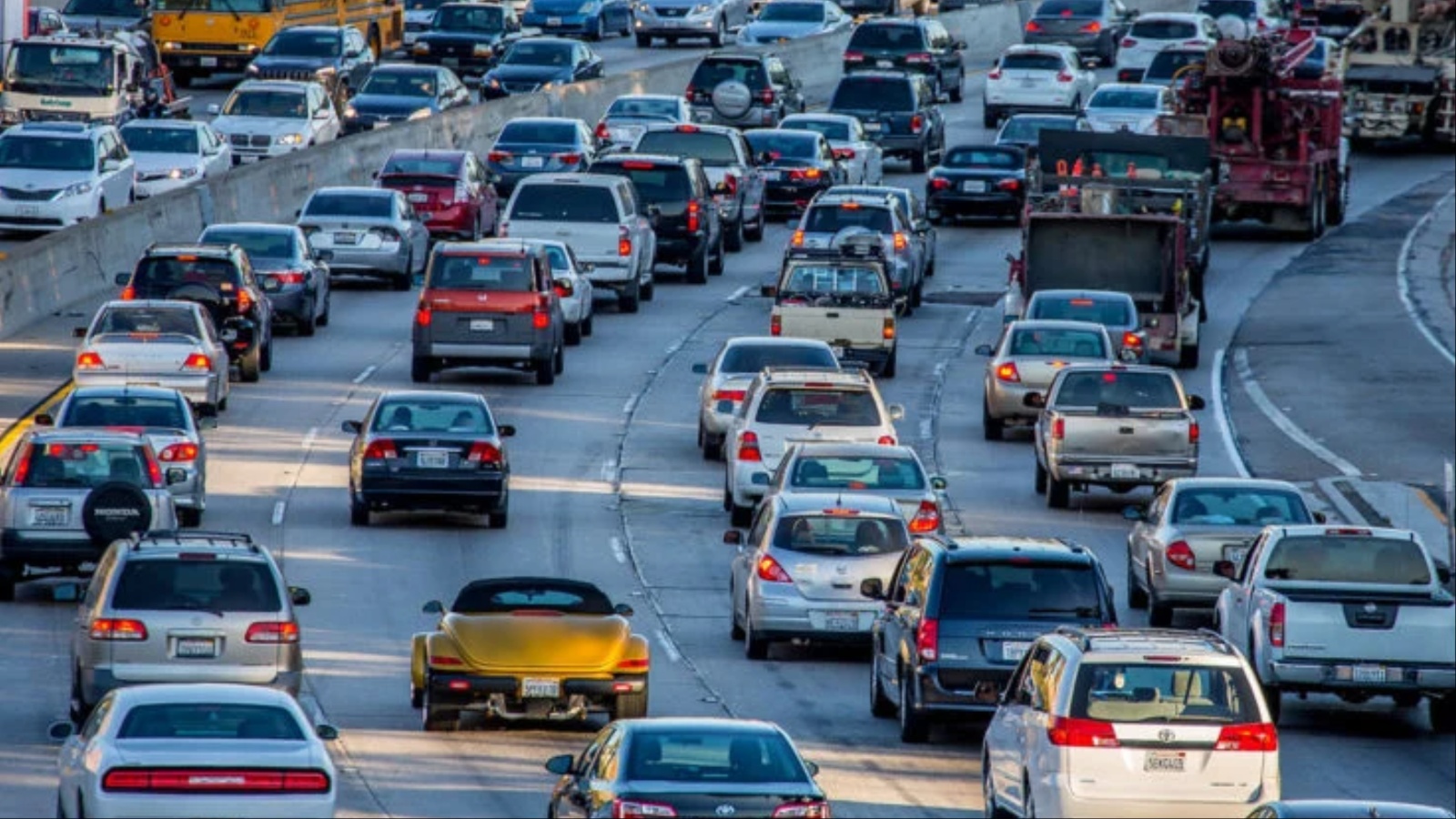
Early laws followed. Pennsylvania passed a law in 1792 requiring traffic on a turnpike between Philadelphia and Lancaster to keep right, and other states adopted similar rules in the following decades. New York did so in 1804.
The automobile cemented the habit. Henry Ford’s Model T, which began production in 1908 with the steering wheel on the left, made left-hand drive standard in American cars. Once the country’s roads and vehicles lined up, there was little reason to change. Historians note that the wagon explanation is popular but not fully proven, and the transition was gradual rather than a single decision.
2. France
France is often credited as a source of right-hand traffic in Europe. One popular story links it to the French Revolution. Before the revolution, the story goes, aristocrats traveled on the left side of the road, forcing common people to the right. After the revolution, nobles wanted to avoid attention and shifted to the right as well. It is a memorable account, but historians are skeptical, and it should be treated as legend.
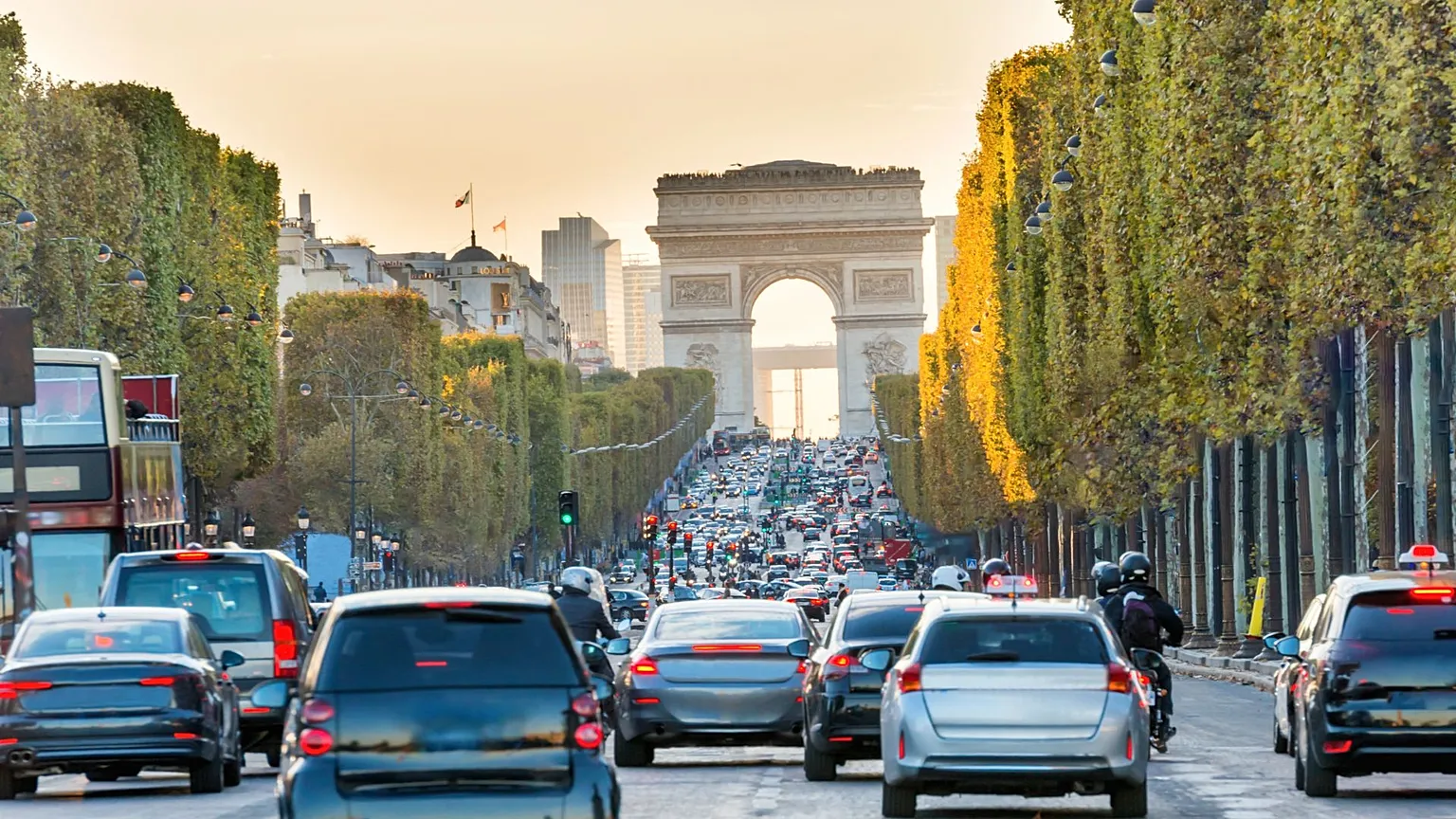
A better-documented factor was the spread of regulation in the revolutionary period. Paris adopted rules favoring right-hand traffic in the 1790s, and Napoleon’s armies are widely said to have carried the practice across much of Europe. Armies moving on the right in conquered territories would have encouraged local adoption, and the habit often stayed after the French left.
That pattern helps explain why the countries that resisted Napoleon, including Britain, are often the ones that kept left. The link between conquest and traffic direction is plausible and often repeated, but the details are debated, and it likely varied from place to place.
3. Germany
Germany drives on the right, like most of continental Europe. Its history shows how traffic rules can change quickly when political boundaries do. Before unification and the spread of motor vehicles, practice varied across the German states and nearby regions, and right-hand traffic became dominant over time, helped in part by French influence in the Napoleonic era.
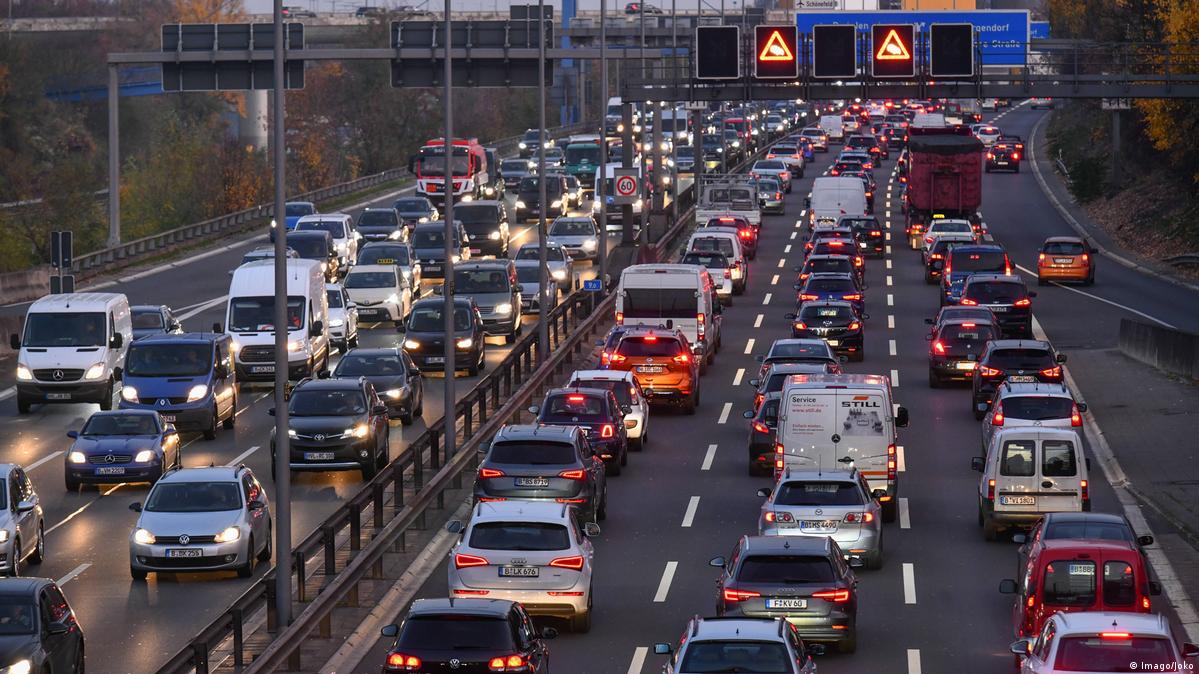
Neighboring countries offer a revealing story. Austria had a mixed system, with some regions on the left, and switched to right-hand traffic in 1938 after its annexation by Germany. Czechoslovakia followed in 1939, and Hungary in 1941. These changes were made as part of broader political and military integration, and they remain one of the clearest examples of traffic rules being changed for political reasons.
Germany’s modern road system, including its famous autobahn network, was built entirely around right-hand traffic. That makes the rule today more than a historical accident. It is baked into the design of interchanges, signage, and vehicle standards used across the continent.
4. Canada
Canada drives on the right, but the story is less uniform than it appears. Before the twentieth century, different parts of what is now Canada followed different rules, influenced by British colonial practice on one hand and American neighbors on the other. Some regions kept left under British influence, while others moved right, partly because of trade and travel connections with the United States.
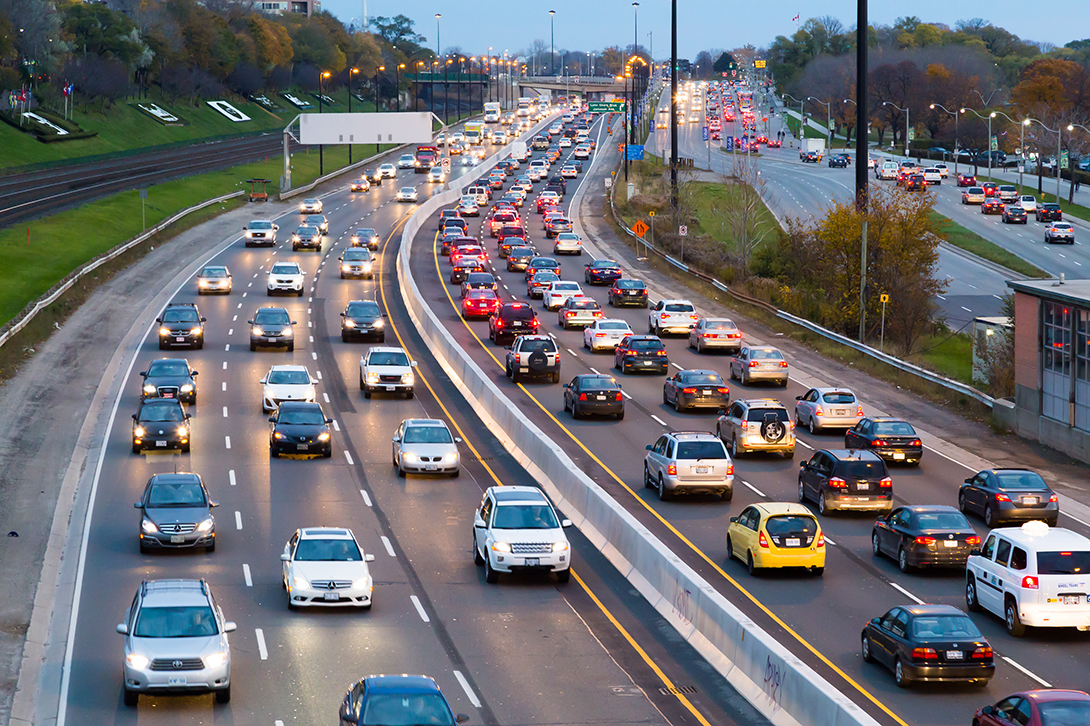
The provinces then converged one by one. British Columbia switched to the right in 1920, and the Maritime provinces followed in the 1920s. Newfoundland, which was not part of Canada until 1949, switched in 1947. The pattern shows how a long border with the United States shaped practical decisions.
Cross-border traffic mattered a great deal. Cars, trucks, and tourists moved constantly between the two countries, and having opposite rules would have caused confusion and danger. As vehicles became cheaper and travel more common, right-hand traffic became the clear choice, and the last holdouts changed to match.
5. China
China drives on the right on the mainland, but the full picture is more complicated. Traffic rules in China developed unevenly in the early twentieth century, with different regions and foreign-influenced cities following different customs. A national standard of right-hand traffic was established in the mid-1940s and has remained in place since.
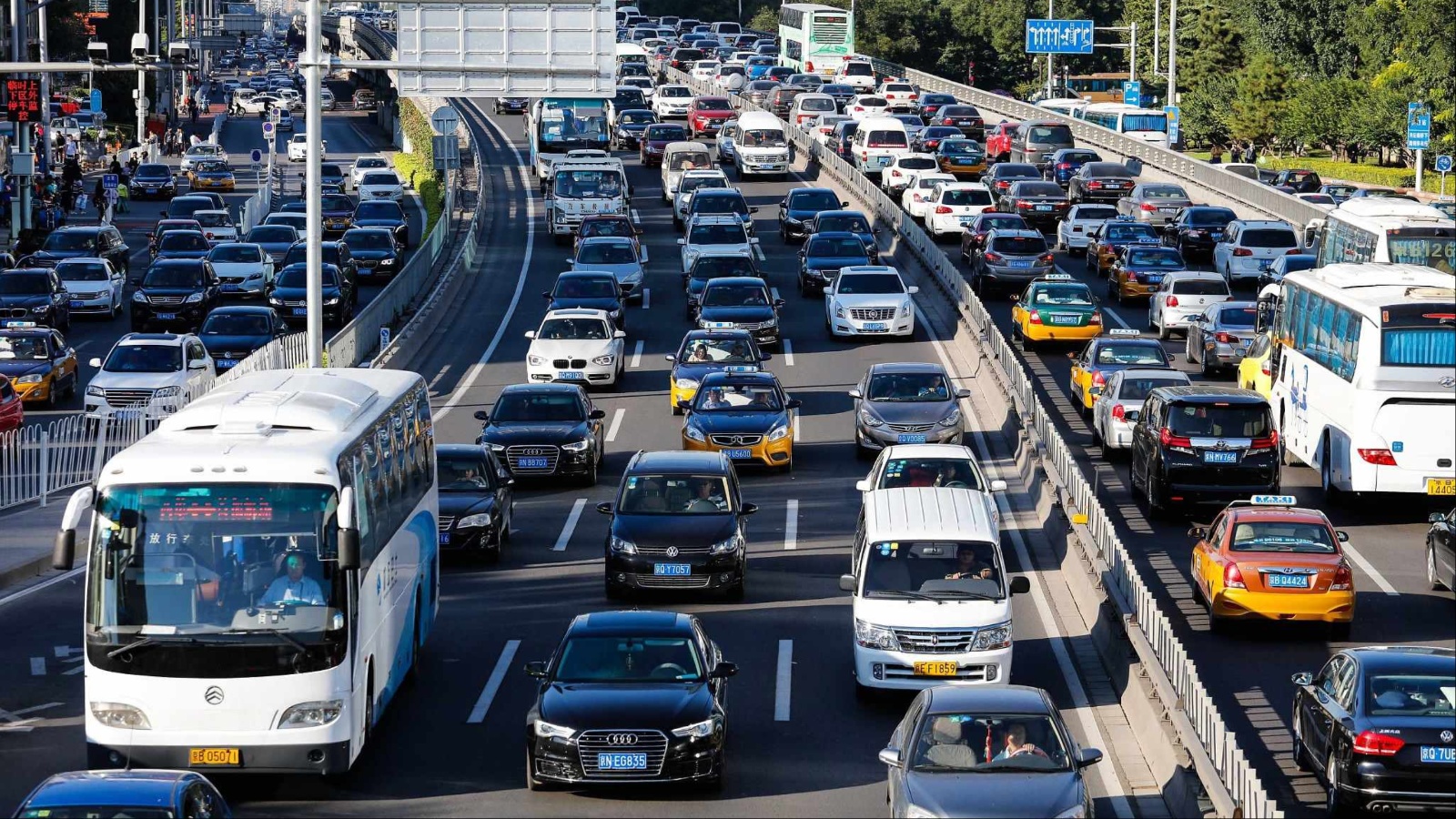
Two regions stand out as exceptions. Hong Kong and Macau both drive on the left because of their colonial histories, with British and Portuguese influence respectively. Both returned to Chinese sovereignty in 1997 and 1999, but both kept their own legal systems, including their traffic rules, under the “one country, two systems” arrangement.
That means a single country contains both systems. Drivers crossing the border between the mainland and either region have to switch sides, which is handled at border crossings through specially designed interchanges. The Hong Kong–Zhuhai–Macau Bridge, opened in 2018, includes a transition area where traffic changes from one side to the other.
6. Brazil
Brazil drives on the right, in line with most of South America. As the continent’s largest country by area and population, it has an outsized influence on regional road standards. Brazil’s right-hand traffic is generally attributed to European influence and the broader pattern of the Americas, where the right-hand convention became dominant.
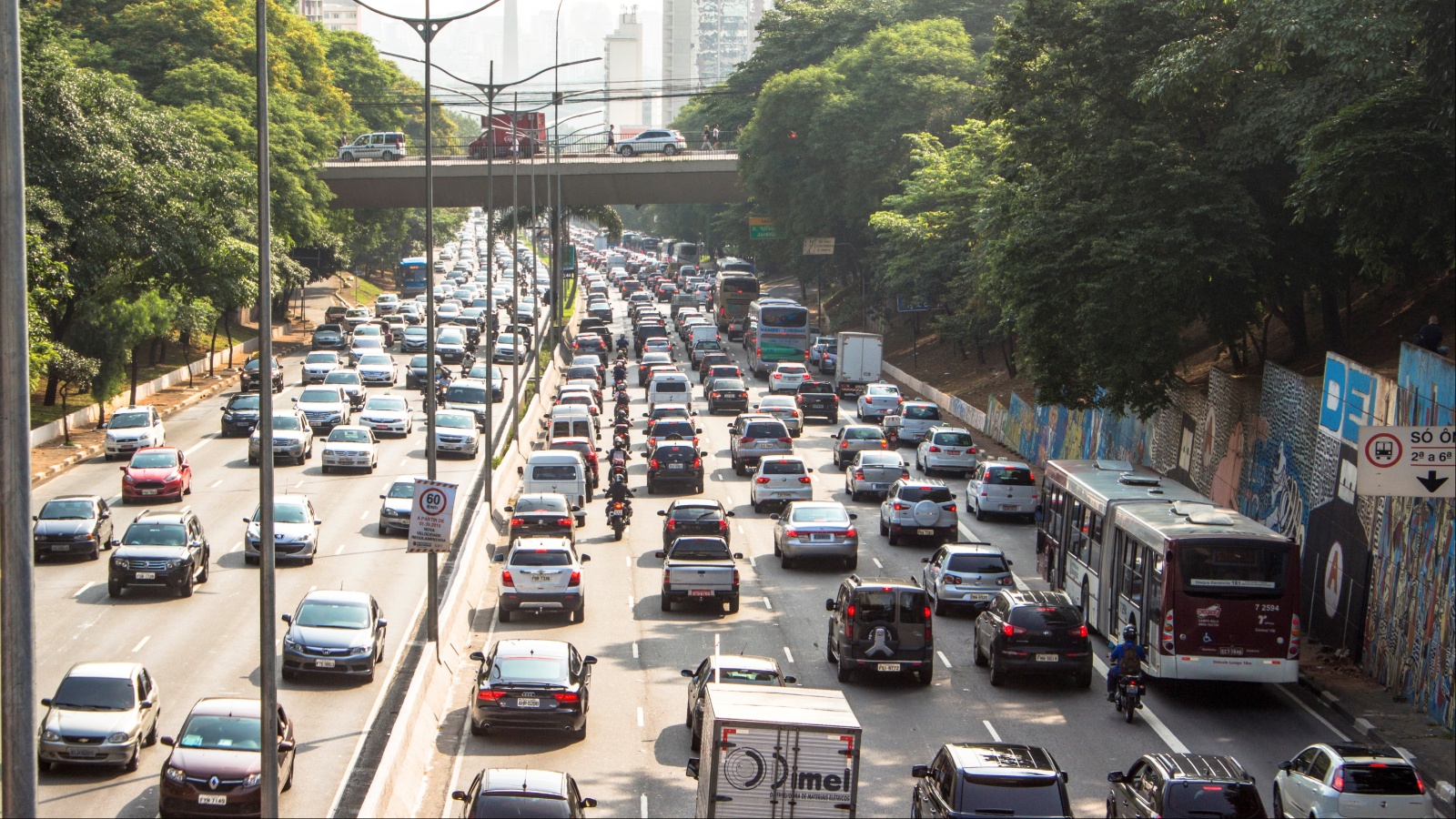
The regional driving pattern is notable. Almost every country in South America drives on the right, with Guyana and Suriname as the two exceptions. Both countries drive on the left, reflecting their British and Dutch colonial histories. As a result, Brazil borders countries with different driving practices, which can create occasional challenges for cross-border travel.
Brazil’s case illustrates how common right-hand traffic is across the Americas. Between the United States, Canada, Brazil, Mexico, and most of Central and South America, the continent is overwhelmingly right-driving. That consistency makes cross-border road travel far simpler than in regions like Southern Africa or Southeast Asia, where borders often divide left and right.