
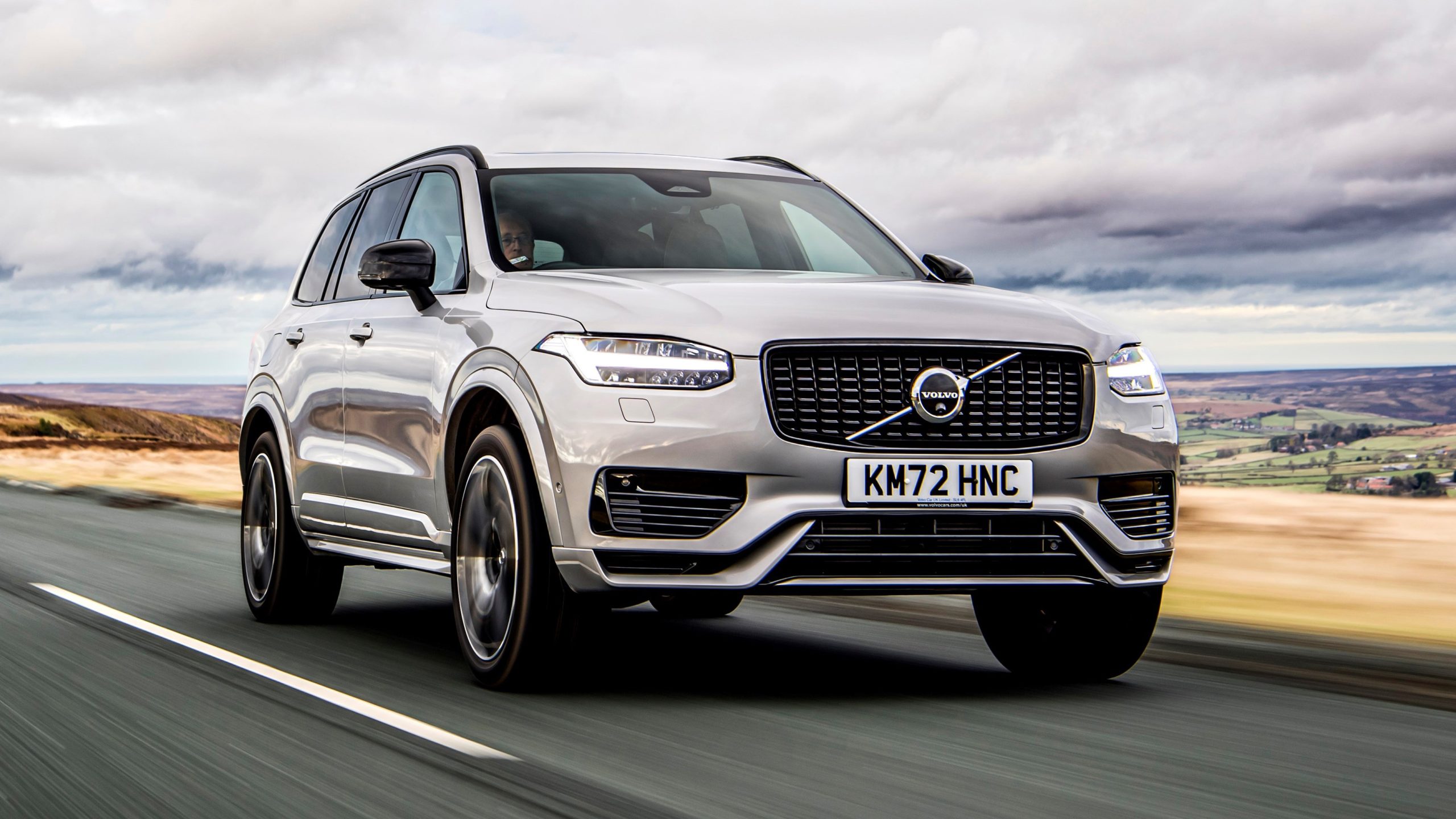
Volvo Cars has withdrawn its previous full-year sales and cash-flow guidance after a difficult third quarter exposed growing weakness in two of its most important markets.
The Swedish automaker said deteriorating conditions in China and a slower-than-expected recovery in the U.S. premium vehicle market had pushed sales below expectations, leaving the company unwilling to provide a replacement forecast for the remainder of 2026.
The decision is a significant setback for Volvo Cars, which has spent heavily on electrification, new vehicle development, and technology while trying to compete in an increasingly crowded global premium market. The company is also dealing with tariffs, weaker demand for electric vehicles in several markets, and high development costs.
Volvo Cars said on October 2 that it would not fulfill its previous 2026 outlook for sales volume and cash flow and would not issue an updated short-term forecast because of increased market uncertainty.
The company plans to provide more details about its response when it reports its third-quarter financial results on October 23.
China and U.S. Weakness Hit Volvo’s Sales
The immediate problem is visible in Volvo’s third-quarter sales figures. The company sold 141,609 vehicles globally between July and September, representing a 10.7% decline from the same period in 2025. The decline was concentrated in China and the Americas, while Europe remained comparatively resilient.
China was by far the weakest major region. Volvo delivered 20,284 vehicles in Greater China during the quarter, down 40.6% from 34,172 a year earlier. The company attributed the decline to growing competitive and pricing pressure from local manufacturers as well as a subdued macroeconomic environment.
The premium market in China has also come under significant pressure. That creates a particularly difficult environment for Volvo because domestic Chinese manufacturers have rapidly expanded their electric and premium offerings, giving consumers more choices while intensifying price competition.
The United States also failed to recover at the pace Volvo had expected. Sales across the Americas fell 14% to 30,777 vehicles in the third quarter.
Volvo said weak consumer sentiment, stronger competition in the SUV segment, and a high comparison base contributed to the decline. Demand for fully electric and plug-in hybrid vehicles also remained soft.
Volvo’s U.S. operation reported 23,766 vehicle sales during the quarter, down 8.7% from the same period last year. Electrified models represented 31% of U.S. sales, but electrified-vehicle volume fell 12.9%. Fully electric sales dropped 41.1%, while plug-in hybrid sales increased 2.8%.
The figures demonstrate the uneven nature of the current transition to electrification. Volvo continues to introduce electric and plug-in hybrid vehicles, yet consumer demand is developing very differently depending on the market.
In Europe, meanwhile, Volvo’s position was considerably stronger. Sales in Europe and other markets reached 90,548 vehicles, up 2% year over year. Fully electric sales in that region increased 51%, helping electrified vehicles account for 64% of regional sales.
That regional contrast is important. Volvo is not facing a uniform collapse in demand. Instead, it is dealing with a fragmented global market in which electric vehicles are gaining momentum in some regions while consumers in others remain cautious.
EV Demand, Tariffs, and Development Costs Add Pressure
Volvo’s difficulties extend beyond weak sales. The automaker has been attempting to fund an extensive product and technology transition at a time when the economics of the global car industry have become more challenging.
Tariffs have increased costs, while weaker electric-vehicle demand in certain markets has made it harder to recover the expense of developing new models and technologies. Reuters reported that Volvo has struggled to meet earlier profitability targets partly because of tariffs, weaker EV demand, and high development costs.
The company’s own pre-close assessment also highlighted the broader economic environment. Volvo said consumer confidence remained subdued in Europe and the U.S., while China’s household consumption remained fragile and its automotive market continued to face intense competition.
The company also noted that Chinese automakers were expanding internationally, increasing competitive pressure in markets such as Europe.
This creates a difficult equation for Volvo. The company needs to keep investing in new vehicles while simultaneously protecting cash flow and controlling expenses. Pulling the guidance removes a level of certainty for investors, but it also gives management greater flexibility while market conditions remain unpredictable.
The company’s electric sales figures show why the situation is complicated rather than simply a rejection of EVs. Globally, Volvo sold 45,060 fully electric vehicles in the third quarter, up 28.6% from the same period a year earlier. Fully electric models represented 32% of global sales. Electrified vehicles, including plug-in hybrids, accounted for 53% of total sales.
Yet plug-in hybrid sales fell 18%, while mild-hybrid and internal-combustion sales declined 23.6%. That leaves Volvo managing a transition in which some parts of its electrified portfolio are growing rapidly while others are losing momentum.
The company is now concentrating on products that it believes can strengthen its position in markets where demand remains healthier. Volvo specifically highlighted the ramp-up of its new EX60 electric SUV in Europe, along with new long-range plug-in hybrid models.
The EX60 will therefore be particularly important as Volvo attempts to restore momentum. Strong European demand gives the company a more favorable starting point for the vehicle, but success will depend on production, pricing, and the ability to compete against both established premium brands and increasingly capable Chinese EV manufacturers.
Volvo Prepares for a Strategic Reset
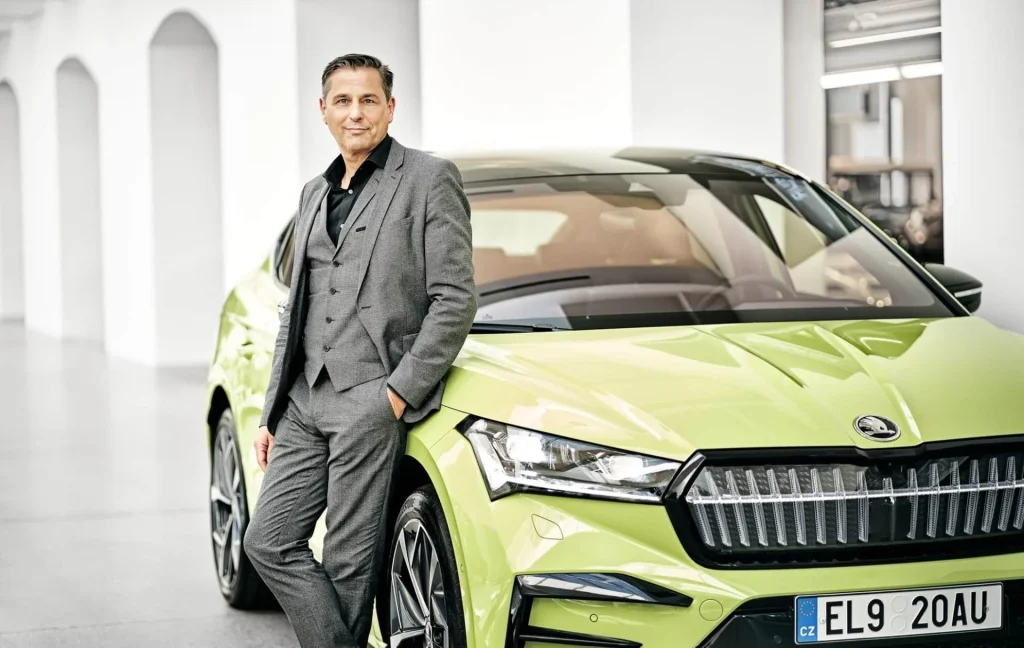
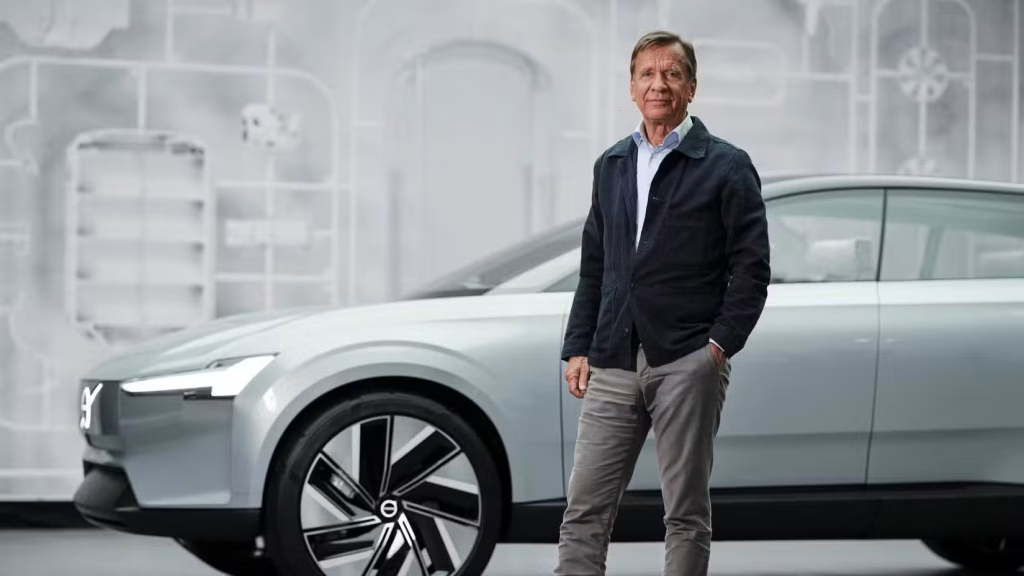
The withdrawal of guidance comes at a sensitive time for Volvo Cars because the company is already preparing for a change in leadership. Volvo announced last month that Klaus Zellmer, currently chief executive of Skoda, will become its new CEO within a year, replacing Håkan Samuelsson.
The leadership transition comes as Volvo attempts to revive sales in an increasingly competitive market. The company has previously outlined ambitious plans to introduce 13 new models by 2030 and double its market share, indicating that management remains committed to long-term expansion despite the deterioration in near-term conditions.
Volvo has also stressed that its longer-term ambitions have not changed because of the withdrawal of its 2026 guidance. The immediate priority is execution and adapting the business to market conditions that have become harder to predict.
That may require a more flexible approach to powertrains and product planning. Europe is currently providing evidence that demand for Volvo’s electric vehicles can grow strongly, but the American market is moving more slowly and China is proving significantly more difficult.
The company therefore cannot rely on one global formula. Pricing, vehicle mix, and powertrain strategy may need to be adjusted more aggressively by region.
For investors, the guidance withdrawal is particularly concerning because Volvo’s shares have already suffered a severe decline. Reuters reported that the stock fell to a record low after the announcement and had lost about half its value during 2026.
The October 23 earnings release will consequently be closely watched. Investors will be looking for more than another set of sales figures. They will want to see how Volvo intends to respond to China’s deteriorating market, the slower U.S. recovery, tariff pressure, and the uneven adoption of electric vehicles.
Volvo’s third-quarter results show that the company still has areas of strength, particularly in Europe and in fully electric vehicle sales. But the sharp deterioration in China and continued weakness in the U.S. have made the previous full-year targets unrealistic.
By withdrawing its guidance rather than replacing it with another forecast, Volvo is acknowledging just how uncertain the current market has become.
The next phase of its strategy will depend on whether the company can control costs, improve execution, and turn its expanding electric portfolio into sustainable sales growth while navigating a global market that is becoming increasingly competitive.
