
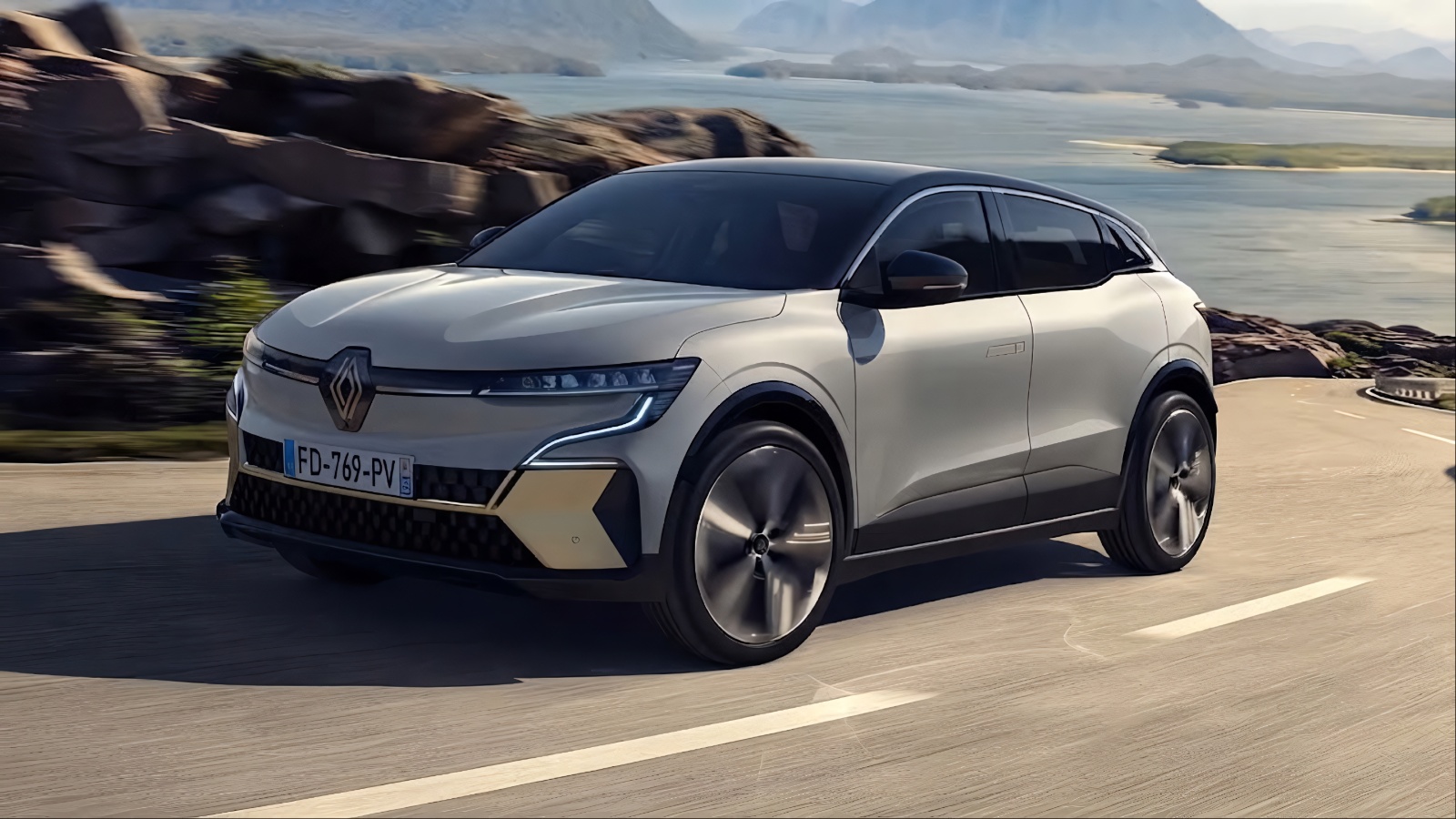
Renault Group is preparing to commit more than €10 billion, or about $11 billion, to its French operations over the next five years as the automaker accelerates its electric-vehicle strategy while placing greater emphasis on making cars more affordable.
The investment plan was disclosed by Renault Group CEO François Provost in an interview with France Inter on October 3. It represents another major commitment to the company’s domestic manufacturing base after Renault invested €13 billion in France during the previous five years to transform its industrial footprint around electrification.
The announcement comes at a significant moment for Renault and the broader European automotive industry. Electric vehicles accounted for a record 42% of new-car registrations in France in September, according to Reuters, while higher fuel prices have increased consumer interest in vehicles that can reduce dependence on gasoline and diesel.
For Renault, the challenge is no longer simply increasing EV production. The company is also under pressure to deliver electric cars at prices that ordinary European buyers can afford, particularly as Chinese manufacturers continue to compete aggressively on cost and technology.
Renault Doubles Down on French Manufacturing
Provost said Renault had invested €13 billion in France over the previous five years to fundamentally reshape its manufacturing operations around electric vehicles. The next investment cycle will build on that transformation rather than represent a completely new direction.
“If the social and political context allows it,” Renault will invest more than €10 billion over the coming five years, Provost said, with the money directed toward continuing the push into electric vehicles and making cars more affordable.
The scale of the commitment is notable because European automakers are currently balancing enormous investment requirements against intense competition, uncertain demand, and pressure to control costs.
Renault’s decision indicates that it still views France as a strategically important manufacturing location even as the company expands production and partnerships across other countries.
The company expects its French plants to produce substantially more vehicles in 2026. Renault produced around 500,000 vehicles in France in 2025, and Provost expects production to increase by at least 25% this year, helped primarily by rising electric-vehicle output.
That increase is important for Renault’s domestic industrial strategy. Rather than shifting production away from France as vehicle technology changes, the company is attempting to make its French factories competitive in the next generation of vehicles.
Renault’s broader product strategy also supports that direction. The company announced its future-ready plan earlier this year, which calls for 36 new models between now and 2030 and places product development, electrification, technology, and operational efficiency at the center of its future strategy.
The company has also positioned affordability as a central element of its Renault and Dacia brands. That is increasingly important as European consumers face higher vehicle prices and automakers attempt to defend their market share against lower-cost competitors.
Affordable EVs Become a Strategic Priority
Renault’s decision to specifically highlight affordability is arguably as important as the size of the investment itself.

For several years, the European EV market has expanded while many consumers have remained reluctant to switch from combustion-powered vehicles because of the purchase price of electric models.
Battery costs, new vehicle technology, and expensive development programs can make EVs significantly more costly to manufacture than smaller gasoline-powered cars.
Renault has already experimented with a more affordable approach. Its electric Twingo strategy, for example, was developed around the idea of offering a smaller EV at a substantially lower price than many existing electric models.
Renault introduced an electric Twingo with a targeted price below €20,000, highlighting the company’s effort to make EV ownership more accessible to a broader range of buyers.
That strategy now appears likely to become a much larger part of Renault’s future investment plans.
The company has said its next-generation electric architecture will focus heavily on efficiency and the relationship between vehicle cost and driving range.
Renault Group’s RGEV medium 2.0 platform is intended to support multiple vehicle segments and body styles, while an 800-volt electrical architecture is being developed with the goal of enabling extremely rapid charging in future vehicles.
This approach reflects a fundamental shift in how automakers are competing in the EV market. Range alone is no longer enough. Manufacturers must reduce the cost of batteries, simplify vehicle architecture, increase production efficiency, and provide technology that customers perceive as valuable.
Renault’s planned French investment therefore has implications beyond factory output. It could help finance the industrial and technological changes required to produce smaller and more affordable EVs at a greater scale.
The company also faces competition from manufacturers that have already established a strong reputation for low-cost electric vehicles. Renault’s response is to combine European manufacturing, established brands, and localized production with greater emphasis on cost efficiency.
A Bigger Bet on a Changing French Market
The timing of Renault’s announcement is closely linked to the rapid change in the French vehicle market.
EVs reached 42% of new-car registrations in France during September, a record according to Reuters. Rising fuel prices following the start of the Iran war have contributed to stronger demand for electric vehicles, although market conditions can change quickly depending on energy prices, incentives, and consumer confidence.
Renault is already benefiting from this shift. The company’s French-market performance during the first half of 2026 showed Renault holding a 19.8% market share, while the Renault brand remained the country’s leading passenger-car and light-commercial-vehicle brand.
Renault also reported a 22.9% share of the French electric passenger and commercial vehicle market during that period.
The Renault 5 E-Tech electric has been particularly important to that strategy. Renault said the model was the best-selling electric vehicle in the French passenger and commercial vehicle market during the first half of the year. That performance gives Renault a stronger foundation as it prepares to invest further.
However, the company’s strategy is not based on abandoning hybrid vehicles. Renault’s plan calls for continued hybrid technology in Europe beyond 2030 while the company expands its fully electric lineup. It is also targeting 100% electrified sales in Europe by 2030, while pursuing a broader mix of technologies in markets outside Europe.
The investment also comes as Renault continues to reorganize production internationally. In September, the company announced a €600 million investment through 2030 to adapt its Spanish plants in Valladolid and Palencia for five new models, including EVs, as well as a battery assembly line in Valladolid.
That makes the French commitment part of a wider industrial strategy rather than an isolated domestic spending program.
For France, the announcement also carries significance beyond Renault itself. Maintaining large-scale vehicle production in the country is increasingly difficult as European manufacturers compete against lower-cost manufacturing regions and Chinese automakers.
Renault’s willingness to put another €10 billion-plus into French facilities suggests the company believes those factories can remain competitive if they are adapted quickly enough to the electric era.
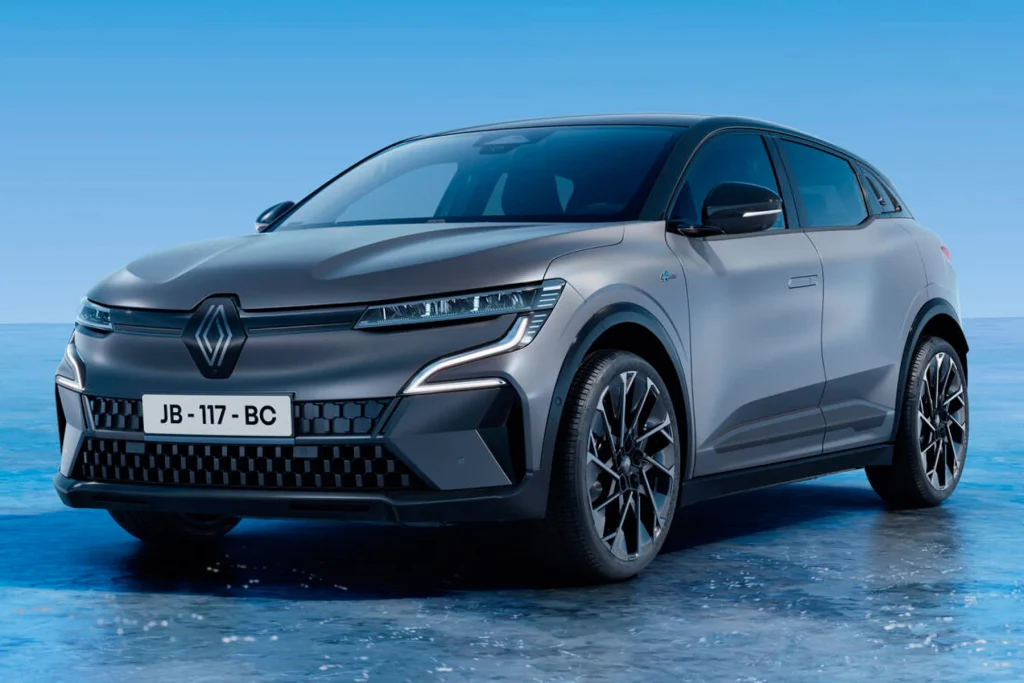
The key question now is how effectively Renault can translate that investment into vehicles that combine European production with genuinely affordable pricing. The company’s recent production growth and strong position in France provide encouraging signs, but the competitive environment remains unforgiving.
Renault is betting that the next phase of the automotive market will reward manufacturers capable of doing both: building electric vehicles at scale and making them accessible to a much wider group of buyers. Its planned investment of more than €10 billion in France over the next five years represents one of its clearest commitments yet to that strategy.
At a time when many automakers are reassessing the pace and economics of electrification, Renault is choosing to increase its investment rather than retreat.
The success of that decision will ultimately depend on whether the company can turn its expanded French manufacturing base into a competitive source of affordable electric cars for Europe.
