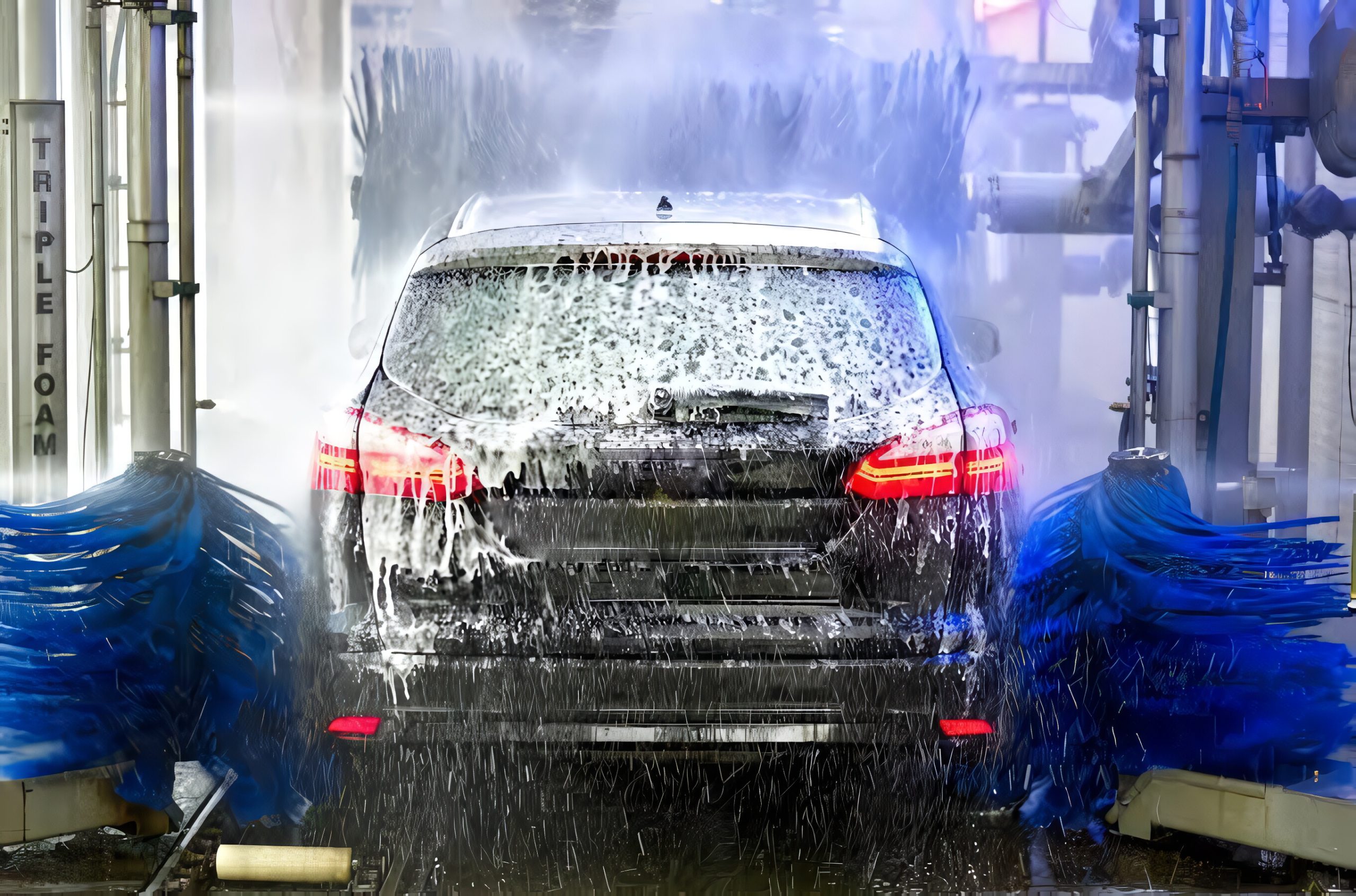
A car wash membership is a recurring plan that lets a customer wash a vehicle repeatedly for a fixed monthly fee, usually charged automatically to a card or bank account. Express exterior tunnel washes, where the driver stays inside the vehicle while a conveyor pulls it through a series of machines, have built much of their business model around these plans, and many sites now earn most of their wash revenue from members.
What one membership earns depends on its price, how often the member visits, and what each wash costs to deliver. The profit is not the monthly fee itself. It is the fee minus payment processing, chemicals, water, utilities, labor, and a share of fixed costs. This article explains the revenue side, the cost of a single wash, the effect of visit frequency and cancellations, and how memberships add up to site-level earnings and profit.
How Membership Revenue Is Structured
A membership converts a one-time purchase into a recurring payment. Instead of paying for each wash, the member pays a monthly fee, and the operator receives that fee whether the vehicle is washed once, several times, or not at all. This predictable income is the main reason investors and lenders value membership-based washes differently from pay-per-wash sites.
Prices vary by market and by operator. Entry-level plans at express tunnels have commonly been priced in the range of about 20 to 30 dollars per month, while premium tiers that add features such as undercarriage cleaning, wax, ceramic sealant, or tire shine are often priced at roughly 35 to 50 dollars or more.

Single-wash prices at the same sites are typically lower than the monthly fee but high enough that two or three visits make the membership the cheaper option. This is by design. The membership price is set so that an average member who visits at a normal frequency pays less per wash than a single-wash customer, while the operator collects more total revenue per vehicle over a month than a one-time buyer would generate.
Most operators sell several tiers. The lowest tier serves as the entry point, and higher tiers carry a larger monthly fee with a modest increase in cost to deliver.
Because add-on products such as wax and surface protectants use small amounts of chemical relative to their price, the higher tiers usually carry a larger gross margin per wash than the base tier. Operators often report that a meaningful share of members choose a tier above the base level.
Membership revenue is billed through recurring payment systems. These systems typically use license-plate recognition or an RFID sticker on the windshield to identify the member at the gate, which opens the lane without a transaction. Some plans also allow families to add multiple vehicles at a discounted rate, which raises the revenue per household while spreading the fixed cost of the account.
At scale, memberships make up a large part of total sales. The publicly traded operator Mister Car Wash, which reports on its recurring Unlimited Wash Club in its filings, has stated that the program accounts for a majority of its wash sales. Smaller operators and industry trade groups such as the International Carwash Association have likewise described recurring plans as one of the main growth areas in the industry over the past decade.
The revenue per membership is therefore the monthly fee, plus any first-month promotions that are discounted, plus ancillary spending by the member, such as vacuum use or add-on services at the site. The next question is how much of that fee remains after the cost of each wash.
The Cost of Delivering One Wash
At an express car wash, the variable cost of each wash is relatively low compared with the price customers pay. These costs include chemicals, water, electricity, labor, maintenance, and payment processing, while expenses such as rent, insurance, and equipment financing are largely fixed.
Chemicals such as detergents, waxes, sealants, and drying agents are applied during the tunnel cycle and generally cost only a small amount per vehicle. Water is another variable expense, although professional washes can use less fresh water than driveway washing because many facilities recycle and reclaim water. Electricity powers conveyors, pumps, brushes, and dryers, with high-volume dryers often among the largest electrical loads.

Labor is significant but relatively efficient in express operations. Customers handle tasks such as vacuuming themselves, allowing sites to operate with smaller crews. Because staffing does not increase directly with every additional vehicle, labor costs per wash decline as volume rises.
Payment processing also reduces revenue, with card fees typically applied to membership charges rather than individual washes. Maintenance and repairs add another variable expense because equipment wears with use.
Together, these relatively small per-wash costs create a high contribution margin at busy sites. Fixed expenses are then covered through the combined volume of washes and recurring memberships
Visit Frequency, Cancellations, and Breakage
The profitability of a car wash membership depends mainly on how often a customer visits and how long the membership remains active. Although members pay a fixed monthly fee, each visit creates variable costs for water, chemicals, electricity, and maintenance. A customer who visits once a month therefore costs less to serve than one who visits several times, even though both pay the same amount.
Operators account for this difference through breakage, which refers to revenue from members who pay but use the service infrequently. Car washes typically price memberships based on a mix of heavy and light users, allowing occasional users to offset the higher costs of frequent visitors. Visit frequency can also change with weather, seasons, road conditions, and customer habits.
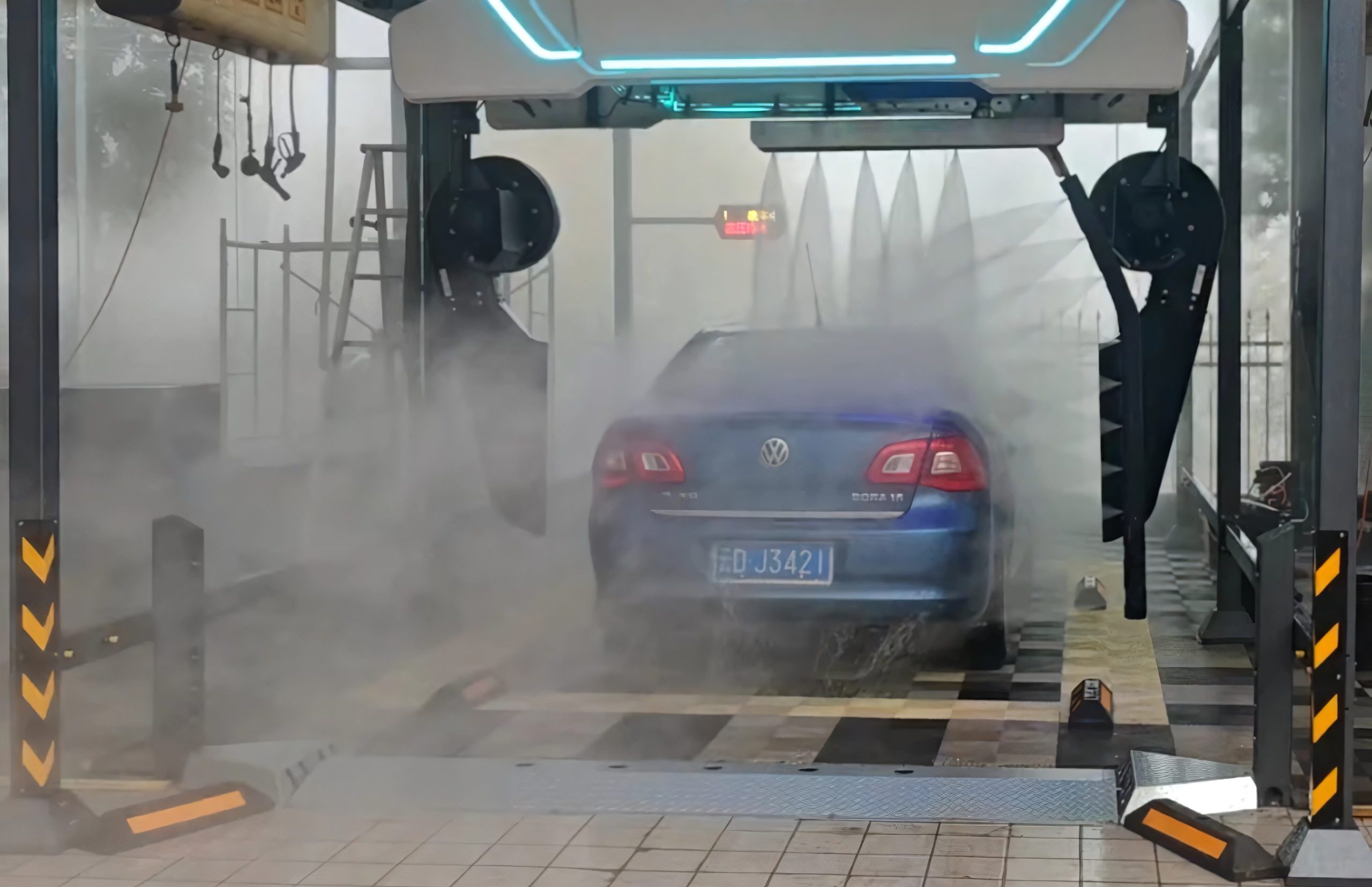
Retention is equally important because it determines how many months a membership generates revenue. Operators monitor churn, or the percentage of members who cancel, with lower churn generally producing greater lifetime revenue. New members may cancel more often than long-term customers, making retention a key profitability measure.
Acquisition costs also affect returns. Marketing, discounts, sales efforts, and promotions add expense when gaining members. Operators therefore often promote memberships during existing wash visits. Ultimately, lifetime value combines membership revenue, expected retention, wash costs, and acquisition expenses to estimate how profitable an individual member can be.
From One Membership to Site-Level Profit
The economics of a car wash membership depend less on one customer and more on the number of memberships supporting a site’s high fixed costs. Express tunnels require substantial upfront investment in land, construction, conveyors, washing equipment, payment systems, and vacuum stations, often financed through debt.
Operators must therefore reach enough vehicle and membership volume to cover loan payments, rent or mortgage costs, insurance, and property taxes. Once a site reaches break-even, additional memberships can produce relatively high margins because variable costs rise only modestly.

Capacity also affects profitability. Tunnels can process only a limited number of vehicles per hour, while demand often peaks on weekends and after rain. Operators monitor traffic and may limit memberships when a site approaches its practical capacity. Revenue also comes from single washes, add-on services, and other offerings, but recurring membership fees remain particularly valuable because they provide predictable income.
Operators generally measure profitability at the site level using metrics such as EBITDA and EBITDA margin. For an individual membership, profitability depends on the monthly fee, visit frequency, variable washing costs, payment fees, retention, and the site’s fixed-cost structure. Light users generally produce higher margins, while long-term members provide greater recurring revenue.