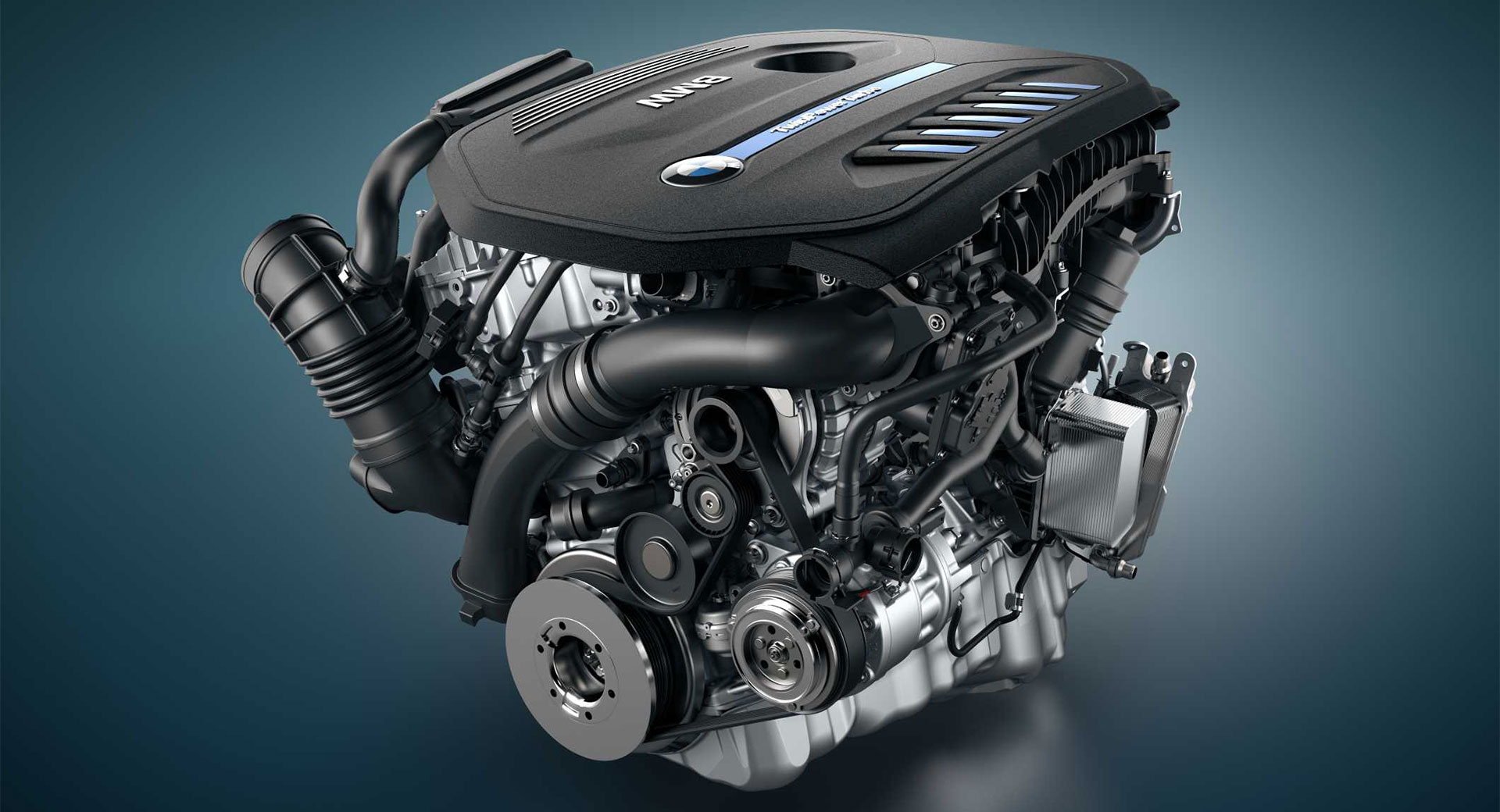
Oil pump problems can be among the most serious mechanical faults an engine can develop because the pump is responsible for maintaining the oil pressure needed to protect moving internal components.
A failure can sometimes begin with a warning light or unusual noise, but continued driving can turn a repairable lubrication problem into severe engine damage.
The engines below are included because U.S. recall documents, manufacturer service information, or federal investigations have documented oil pump, oil pump drive, or oil pressure-related failures.
That does not mean every engine listed is defective. In several cases, the problem was limited to specific production batches or vehicles, making VIN and service-history checks essential. NHTSA allows owners to search recalls and investigations by VIN.
1. BMW S63 4.4L Twin-Turbo V8
The BMW S63 provides one of the clearest examples of a genuine oil pump defect resulting in a U.S. safety recall. The problem affected certain 2013 BMW M5 and M6 vehicles equipped with the S63T engine.
BMW discovered that a manufacturing error at the oil pump supplier meant the pump was not produced to specification. The resulting problem involved the relationship between the pump driveshaft and rotor.
The consequences were potentially severe. BMW’s recall documentation stated that the driveshaft and rotor could separate internally, causing a sudden loss of engine oil pressure. Without sufficient lubrication, the engine could suffer severe damage or complete failure while the vehicle was moving.
The recall therefore treated the issue as a safety defect rather than an ordinary maintenance concern.
The affected production window was unusually narrow. BMW identified vehicles produced from July through September 2012, and the U.S. recall population contained 696 vehicles. BMW’s remedy was to replace the engine oil pump at no charge.
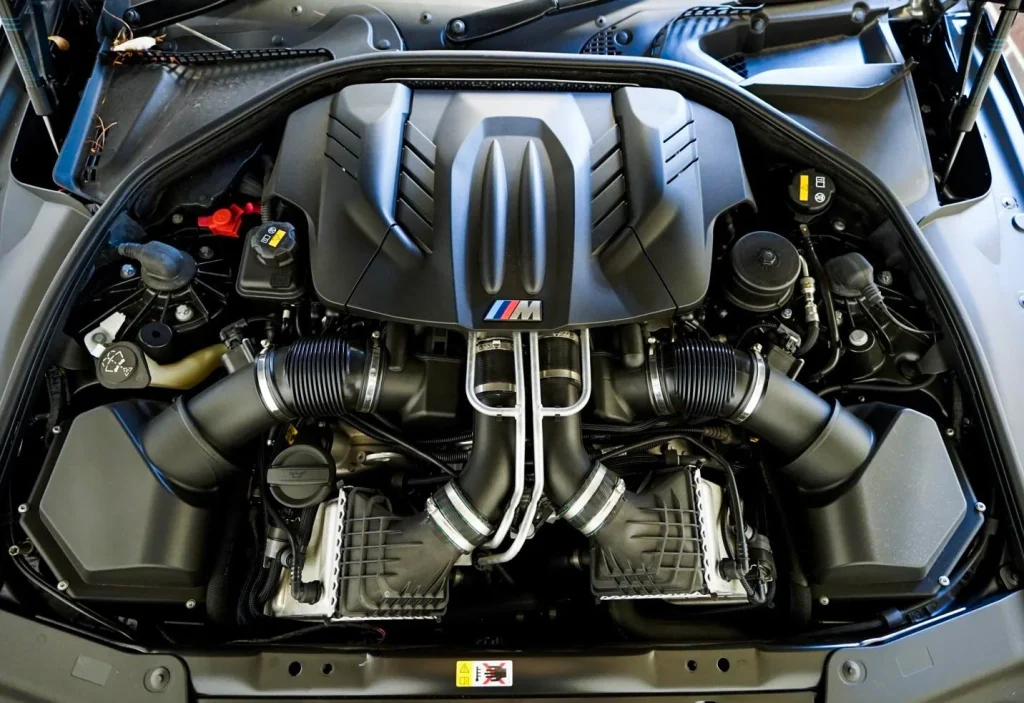
That makes this case especially useful when discussing oil pump failures because the evidence does not depend on owner anecdotes or general reliability reputation. The manufacturer itself identified the defect, NHTSA recorded the campaign, and BMW prescribed a specific pump replacement.
For someone buying an older M5 or M6 today, recall completion should be verified rather than assumed. NHTSA notes that recall information can be checked by VIN and that an unrepaired safety recall remains relevant regardless of vehicle age.
2. Ford 1.0L EcoBoost Fox Classic
Ford’s 1.0-liter Fox Classic is associated with one of the most extensively documented oil pump drive problems in recent U.S. investigations. The issue involved the wet belt system used to drive the oil pump.
Ford recalled certain 2016 to 2018 Focus and 2018 to 2022 EcoSport vehicles because the oil pump drive belt or its tensioner could fail and cause a loss of engine oil pressure.
Ford’s recall filing identified two possible failure paths. The tensioner arm could fracture or separate from its backing plate, while the belt material could degrade and lose teeth. Either condition could prevent the oil pump from operating correctly.
A resulting loss of oil pressure could cause engine damage or seizure, loss of motive power, and loss of the mechanical vacuum pump used for power-brake assistance.
The recall covered approximately 139,730 vehicles in the United States. Ford’s prescribed remedy was replacement of the oil pump drive belt and tensioner assembly.
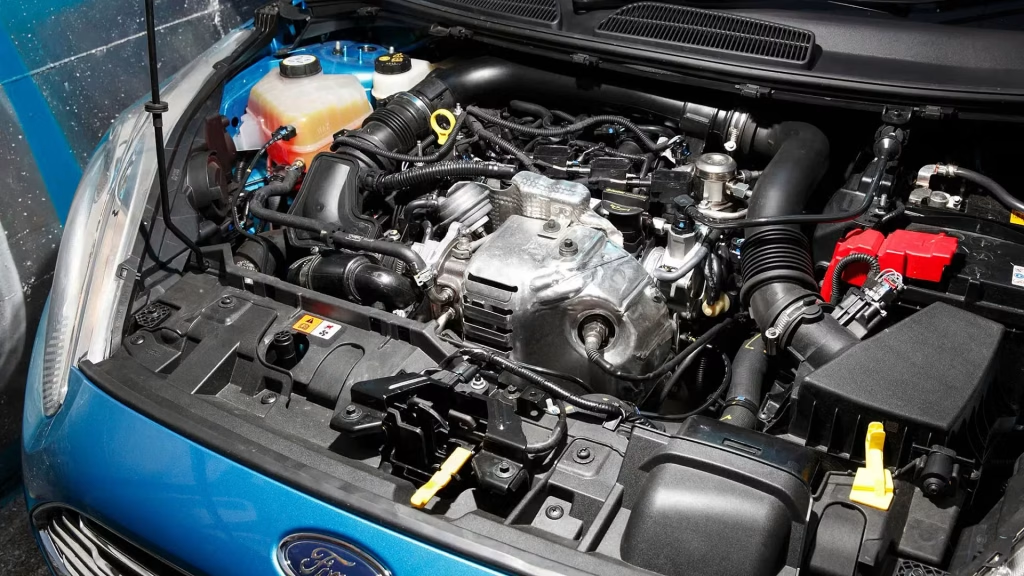
The engine also became the subject of additional NHTSA scrutiny in 2026. NHTSA reported 355 incidents involving certain Fiesta, Focus, and EcoSport vehicles in which a low oil pressure warning was followed by loss or reduction of motive power.
The agency said degraded timing-belt material could create debris that clogged the oil pump pickup screen.
That later investigation is separate from the earlier recall, which is why owners should not treat every Fox Classic oil-pressure problem as the same failure.
3. FCA 2.4L Tigershark
The FCA 2.4-liter engine also has a direct U.S. recall history involving the oil pump and balance-shaft module. Certain 2018 Jeep Cherokee and Jeep Compass vehicles were recalled because the oil pump housing could crack. FCA identified approximately 357 potentially affected vehicles in the relevant campaign.
The defect was particularly concerning because the housing crack could progress far enough to cause the oil pump to fail. If that occurred, the engine could lose its ability to maintain adequate lubrication pressure. FCA warned that an engine stall could happen without prior warning, creating a crash risk.
The affected components were tied to a specific production history rather than every 2.4-liter engine built during the period. FCA traced the suspect balance-shaft modules to housings produced using a particular die-casting cavity. Vehicles containing unaffected modules were not included in the campaign.
That detail is important because the 2.4-liter engine family appeared in many FCA vehicles, but the recall did not establish that every example had an oil pump defect. The affected population was much narrower.
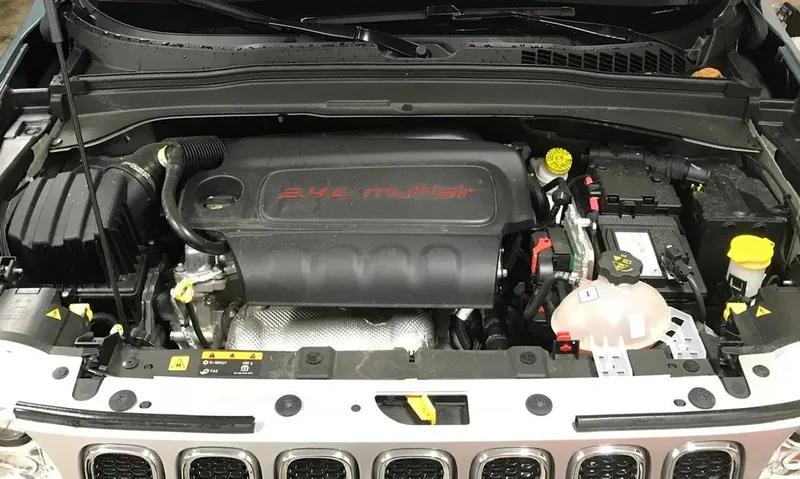
The recall also demonstrates why production records can be more important than mileage when investigating an oil pump problem. A vehicle with relatively few miles can still contain a defective component if it falls within the affected manufacturing population.
For buyers considering an older Jeep equipped with this engine, the safest approach is to check the VIN for outstanding campaigns and examine service records for evidence that previous recall work was completed. NHTSA maintains searchable recall information and manufacturer communications for this purpose.
4. Kia 2.0L Nu MPI
Kia’s 2.0-liter Nu MPI engine has a particularly specific documented oil pump failure case involving certain 2017 and 2018 Forte models. Kia recalled 4,069 vehicles manufactured at its Mexico plant between June 5 and July 24, 2017.
The problem involved the oil pump’s variable relief plunger. According to Kia’s recall filing, normally occurring foreign particles could become trapped in the plunger because of its sharp edge. That could reduce oil pressure and engine lubrication.
If the vehicle continued operating in that condition, the engine could be damaged and potentially lose motive power.
The symptoms provided an important warning path. Owners could experience abnormal engine noise, illumination of the malfunction indicator lamp, or an oil-pressure warning lamp. Those signs were particularly important because they indicated that the lubrication system was no longer functioning as intended.
Kia determined that the problem was associated with a change made to the oil pump plunger design during the affected production period. Its internal analysis found a correlation between the pump change and increased engine replacement claims. The company then decided to conduct the recall as a preventative measure.
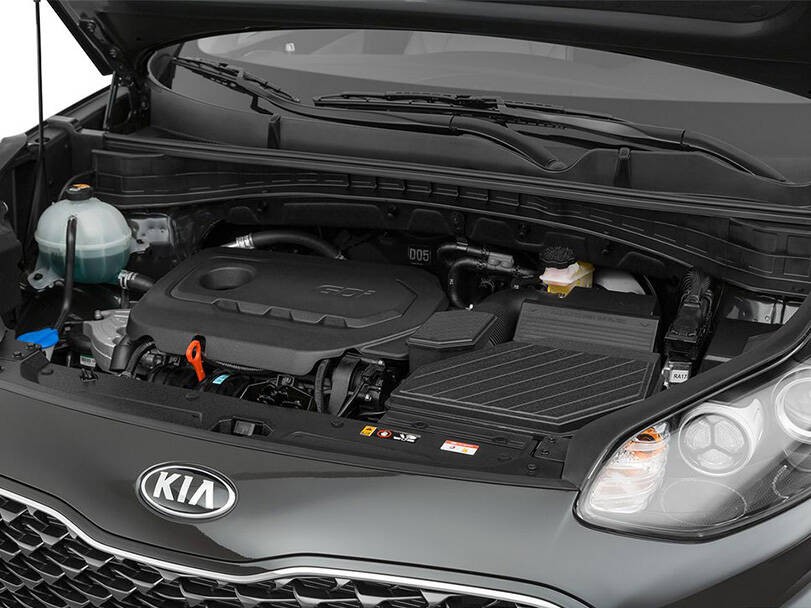
NHTSA’s recall documentation classified the issue under the engine oil and lubrication pump category and stated that Kia would replace the oil pan as the remedy.
This is an excellent example of why a list of oil pump failures should not simply focus on engines with huge numbers of reported breakdowns. A comparatively small production group can still contain a documented defect serious enough to trigger a federal safety recall.
5. BMW N20/N26 2.0L Turbocharged Four-Cylinder
BMW’s N20 and N26 four-cylinder engines have a documented oil pump drive-chain issue that resulted in a component-specific warranty extension in the United States. This case is different from a conventional recall because BMW explicitly stated that the warranty extension was not a safety recall.
Still, the manufacturer identified the oil pump drive chain as a component that could develop defects in materials or workmanship.
BMW’s service information covered a broad selection of U.S.-specification vehicles, including certain X1, Z4, 3 Series, and 4 Series models equipped with N20 or N26 engines. For eligible vehicles, BMW extended coverage for the timing chain and oil pump drive chain to seven years or 70,000 miles from the original in-service date.
The oil pump drive system itself consisted of a chain module incorporating gears, chain, and tensioning components. BMW’s documentation specifically listed the oil pump chain module among the components covered when necessary for an eligible repair.
That distinction matters. Calling every N20 or N26 an engine with a guaranteed oil pump failure would be inaccurate. BMW’s documentation instead establishes that the oil pump drive chain was sufficiently problematic in eligible vehicles to receive special warranty coverage.
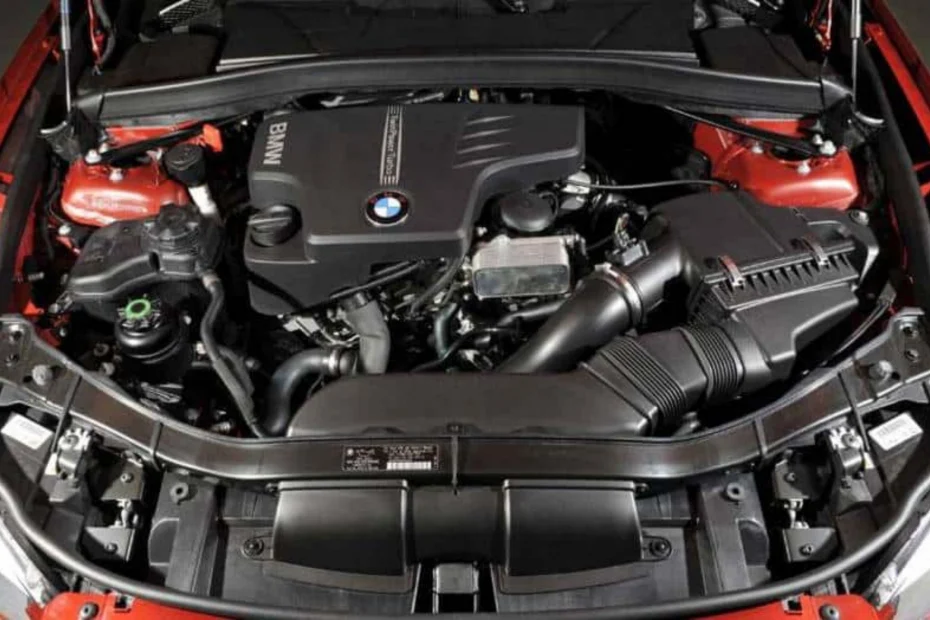
For a used BMW equipped with one of these engines, unusual noise from the lower engine area deserves attention. BMW service information describes a high-pitched noise from the lower engine area that can increase with engine speed as a symptom associated with oil pump chain wear.
The practical takeaway is simple: the oil pump does not necessarily have to fail outright for the lubrication system to become vulnerable. A worn or damaged drive mechanism can create the same fundamental risk by preventing the pump from operating correctly.
6. General Motors 3.6L LGZ V6
GM’s 3.6-liter LGZ V6 presents another documented oil pump-related problem, although its U.S. application was unusually limited. GM issued Customer Satisfaction Program 18368 for certain 2017 and 2018 Chevrolet Colorado and GMC Canyon models equipped with the LGZ engine.
The program applied to vehicles in Canada or vehicles currently or previously registered in Alaska.
The issue involved unusually high oil pump pressure during cold starts. GM explained that the excessive pressure could cause various components to fail, including the engine oil cooler, oil cooler lines, or the oil pump itself. If oil was lost and the vehicle continued to operate despite the warnings, lubrication could fall far enough for the engine to seize.
The warning strategy was significant. Depending on the condition, the vehicle could display an oil can warning along with messages such as “Oil Pressure Low,” “Turn Vehicle Off,” or “Engine Power is Reduced.”
Those messages were intended to alert the driver that continued operation could cause further damage. GM’s remedy for affected vehicles involved replacing the oil pump.
This case should not be confused with a nationwide recall affecting every Colorado or Canyon using the 3.6-liter engine. The service program had specific geographic and vehicle eligibility requirements.
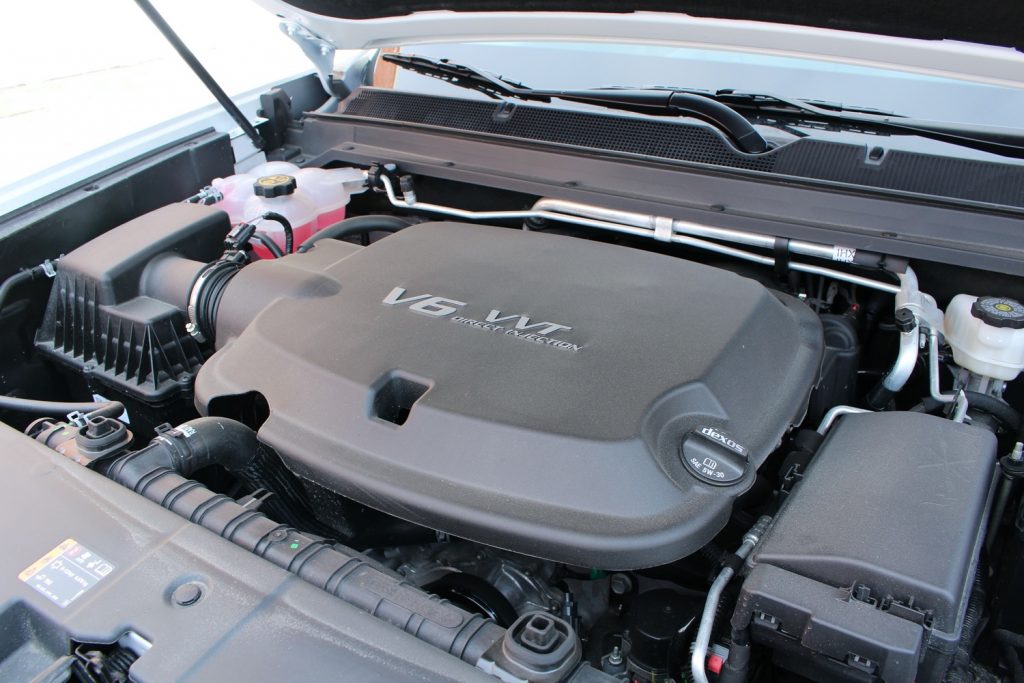
Nevertheless, it demonstrates how an oil pump can create problems even when the component has not simply worn out. Excessive pressure can itself damage parts of the lubrication system, eventually causing oil loss and inadequate lubrication.
For owners in the affected population, the appearance of an oil-pressure warning should be treated as an instruction to stop and investigate rather than something to monitor casually.
7. BMW B58 3.0L Turbocharged Inline-Six
The BMW B58 represents a different type of entry because the strongest available U.S. documentation concerns engine repair procedures involving the oil pump rather than a blanket oil pump safety recall.
BMW’s North American service information explicitly includes the B58 among engine families for which repairs can involve the engine oil pump and the procedures required to restore the oil circuit afterward.
That distinction is important. The manufacturer documentation does not establish that every B58 suffers from an oil pump defect. It does, however, demonstrate that oil pump-related repairs form part of the documented service history for this engine family.
BMW’s repair instructions emphasize that the lubrication circuit must be properly primed after work that interrupts oil supply. The prescribed procedure uses the vehicle’s diagnostic system to perform an oil-circuit startup procedure. That requirement exists because inadequate oil circulation after engine work can itself create serious lubrication risks.
There have also been U.S. owner complaints concerning oil pump failures on certain B58-powered vehicles, but complaints should not be treated as proof of a universal design defect. NHTSA itself distinguishes consumer complaints from confirmed safety defects and conducts investigations before determining whether a recall is warranted.
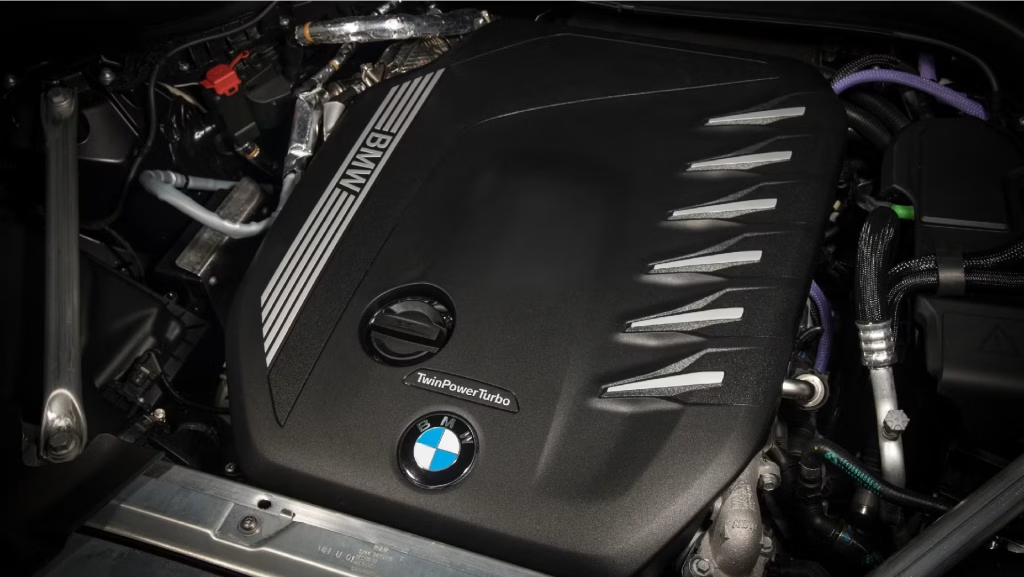
For that reason, the B58 is better described as an engine with documented oil pump-related service concerns rather than one proven to have a widespread oil pump defect.
A used B58 vehicle still deserves careful inspection if it shows abnormal oil-pressure behavior, unusual mechanical noise, or evidence of previous engine work. The engine’s lubrication system is sophisticated, and correct diagnosis is preferable to replacing the pump based solely on a fault code or dashboard message.
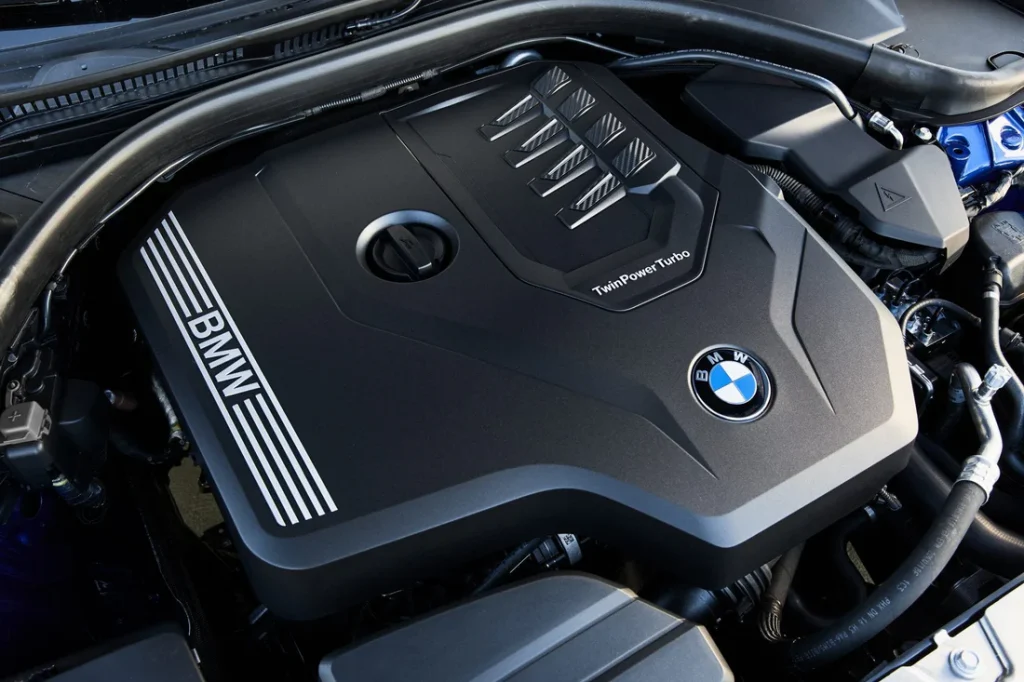
8. BMW B48 2.0L Turbocharged Four-Cylinder
BMW’s B48 is another modern engine for which manufacturer service information specifically addresses oil pump work and oil-circuit procedures. BMW’s technical documentation lists the B48 among engine families requiring a defined oil-circuit startup procedure following repairs that interrupt the lubrication system.
The reason this matters is that oil pump problems are not always caused by a broken pump. A repair involving the oil pump, oil filter housing, oil cooler, or another component that interrupts oil flow can leave the lubrication circuit improperly primed if the manufacturer’s procedure is not followed.
BMW therefore directs technicians to use its diagnostic system to start the oil circuit after applicable engine repairs.
This is a different situation from the direct recall affecting the S63 or the oil pump drive defect documented on the Ford 1.0-liter engine. There is no basis for saying that every B48 will experience an oil pump failure.
Instead, the manufacturer documentation establishes that the oil pump is a serviceable component and that BMW has specific procedures for dealing with oil-circuit interruption.
That makes diagnosis particularly important. An oil-pressure warning following engine work should not automatically be blamed on an internally damaged engine. Improper oil-circuit startup, an electrical fault, a sensor problem, or a mechanical issue can create similar symptoms.
For owners, the most useful protection is detailed service documentation. If a B48-powered vehicle has undergone major engine work, records showing that the lubrication circuit was correctly restored can be valuable.
The broader lesson is that oil pump reliability cannot be judged solely by whether an engine has a recall. Manufacturer service procedures can reveal important failure-sensitive areas even when a formal safety campaign has never been issued.
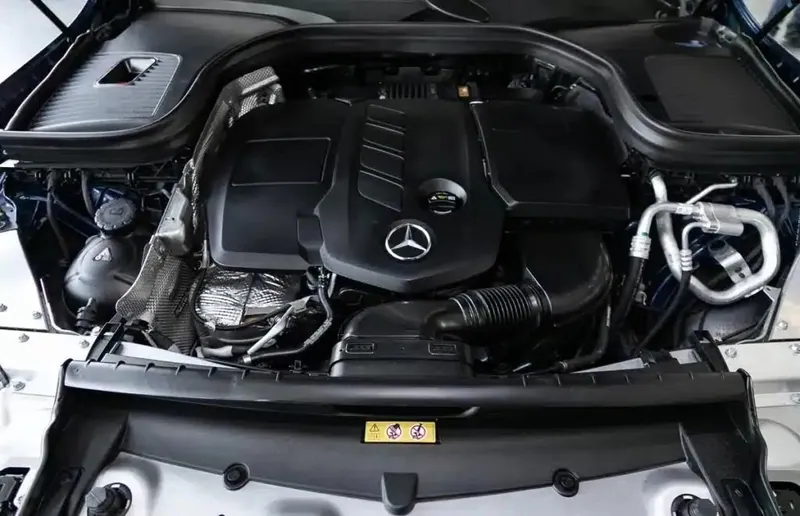
9. Mercedes-Benz M274 2.0L Turbocharged Four-Cylinder
Mercedes-Benz’s M274 four-cylinder engine has documented oil pump control problems in manufacturer technical information. Mercedes service documentation identifies fault code P06DA00 as relating to an electrical fault or open circuit involving actuation of the oil pump valve.
This is an important distinction because the issue is not necessarily a mechanically destroyed oil pump. Modern engines can use electronically controlled oil pump systems, meaning the pump’s operation can depend on electrical circuits, valves, and engine-management controls as well as the mechanical pump itself.
Mercedes documentation from 2020 also explained that P06DA00 could be associated with an open circuit in the harness to a nonessential component and that the fault code alone did not necessarily mean the engine had a dangerous oil-pressure condition.
Mercedes instructed technicians to follow the guided diagnostic process rather than replacing parts automatically.
That makes this engine a useful warning against treating every oil pump-related diagnostic code as proof of pump failure. A code mentioning the oil pump can originate from the control system rather than the pump’s mechanical components.
For owners, the distinction can save substantial money. Replacing a functioning oil pump because of an electrical fault would not address the actual problem.
At the same time, an oil pump control fault should not simply be ignored. Proper diagnosis determines whether the engine is actually maintaining the required oil pressure and whether the control circuit is functioning correctly.
The M274 therefore represents the electronic side of oil pump problems. Its documented service information shows that the lubrication system can generate faults involving pump control, while also demonstrating why professional diagnosis is necessary before declaring the pump itself defective.
10. Ford 1.0L EcoBoost
The Ford 1.0L EcoBoost is a stronger replacement for the repeated BMW entry because its oil-pressure problem is backed by a formal U.S. investigation rather than simply owner reports. NHTSA investigated certain 2018 to 2021 Ford EcoSport models equipped with the 1.0L engine after reports of low oil pressure followed by loss of engine power.
The investigation identified degradation of the oil-pump drive belt as a potential pathway to oil-pressure loss. When the belt loses teeth, or its tensioner mechanism fails, the pump can stop producing adequate pressure, putting the engine at risk of severe damage.
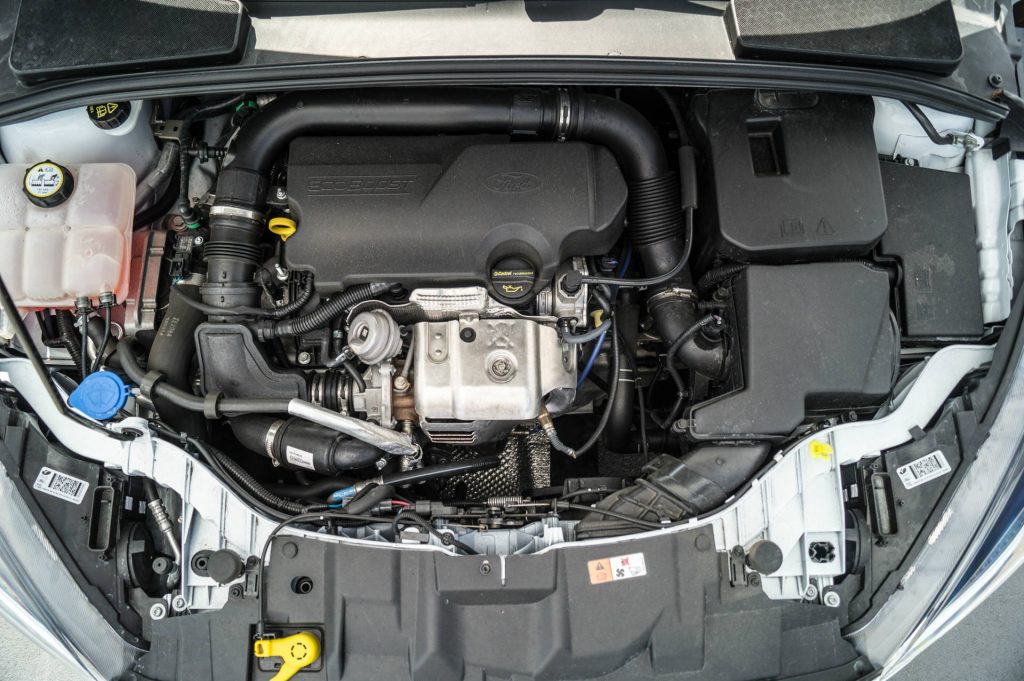
The issue is particularly significant because the belt operates inside the engine and its deterioration can produce debris that restricts the oil-pump pickup.
NHTSA said reported failures occurred at an average of about 70,000 miles, although individual vehicles can vary substantially. Ford also introduced changes to the maintenance interval for affected applications.