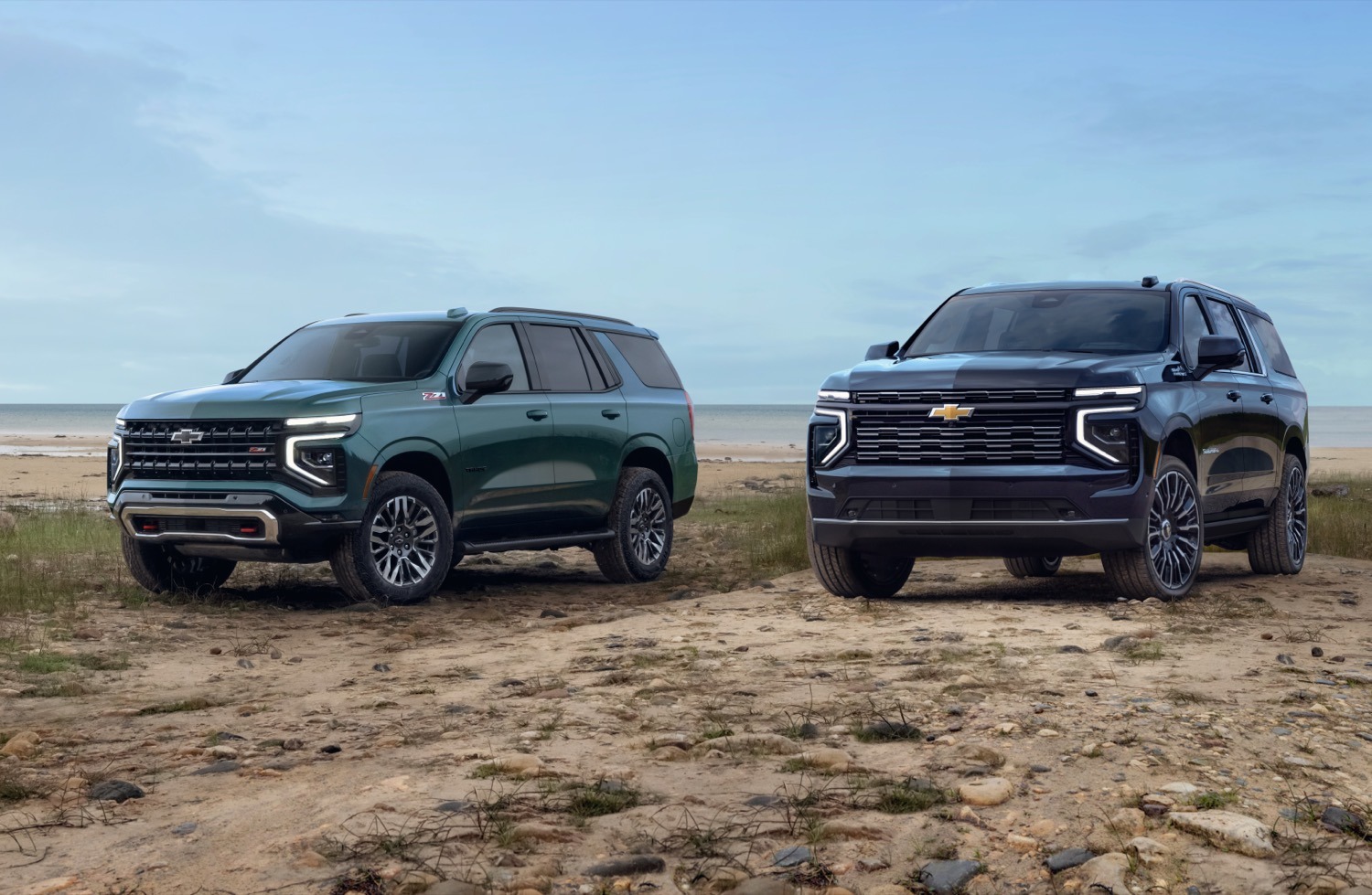
Federal regulators are examining engine-failure complaints involving 13 vehicles from General Motors and Honda, covering millions of vehicles across two separate investigations. The cases involve engines that can lose power or suffer internal damage, raising questions about reliability, repairs, and what drivers may experience behind the wheel.
GM’s investigation concerns its 6.2-liter L87 V8 and covers 997,743 vehicles, with 6,953 complaints reported after an earlier remedy. Honda’s case involves its 3.5-liter V6 and covers 1,410,806 vehicles based on 3,012 reports.
The vehicles include popular pickups, SUVs, minivans, sedans, and crossovers. For owners, the figures matter because they show how broadly regulators are examining reports tied to engine performance and possible failures.
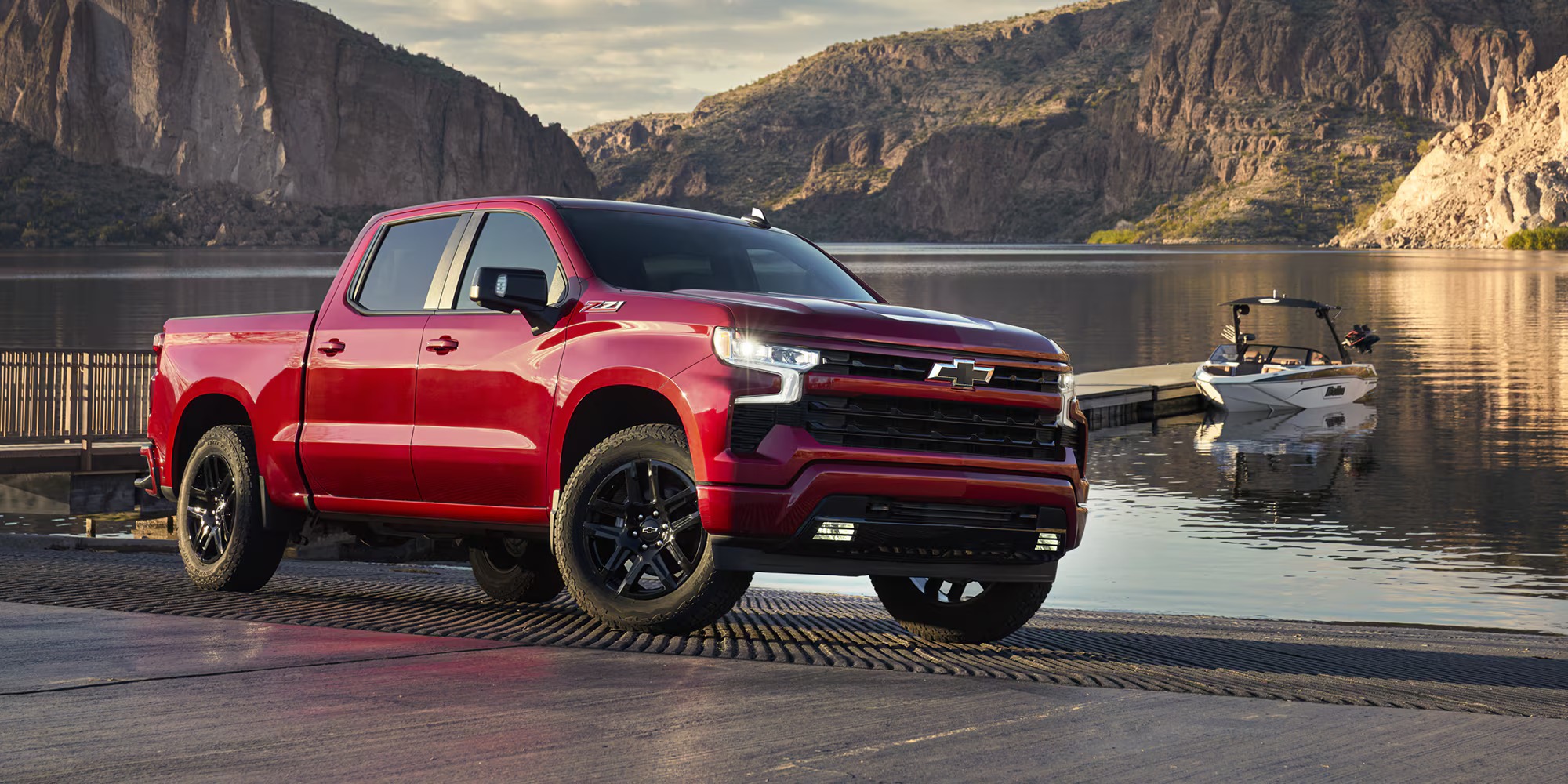
1. Chevrolet Silverado
The Chevrolet Silverado sits at the center of GM’s 6.2-liter L87 investigation, a case identified by the National Highway Traffic Safety Administration as EA26005.
The pickup is one of several GM vehicles included in the probe, which covers 997,743 vehicles in total. That number represents a broad group of owners who could have a vehicle equipped with the engine under review.
For Silverado drivers, an engine investigation can raise practical questions. A vehicle that develops an internal engine problem may show warning signs such as unusual noises, reduced performance, warning lights, or trouble maintaining normal operation.
Those symptoms do not automatically mean a particular truck has the issue being examined, but they can justify a prompt inspection.
The 6,953 post-remedy complaints cited in the investigation are especially important because they indicate that reports continued after an earlier remedy.
Regulators are therefore examining whether the remedy addressed the reported condition adequately. Silverado owners should watch for official notices and keep service records available.
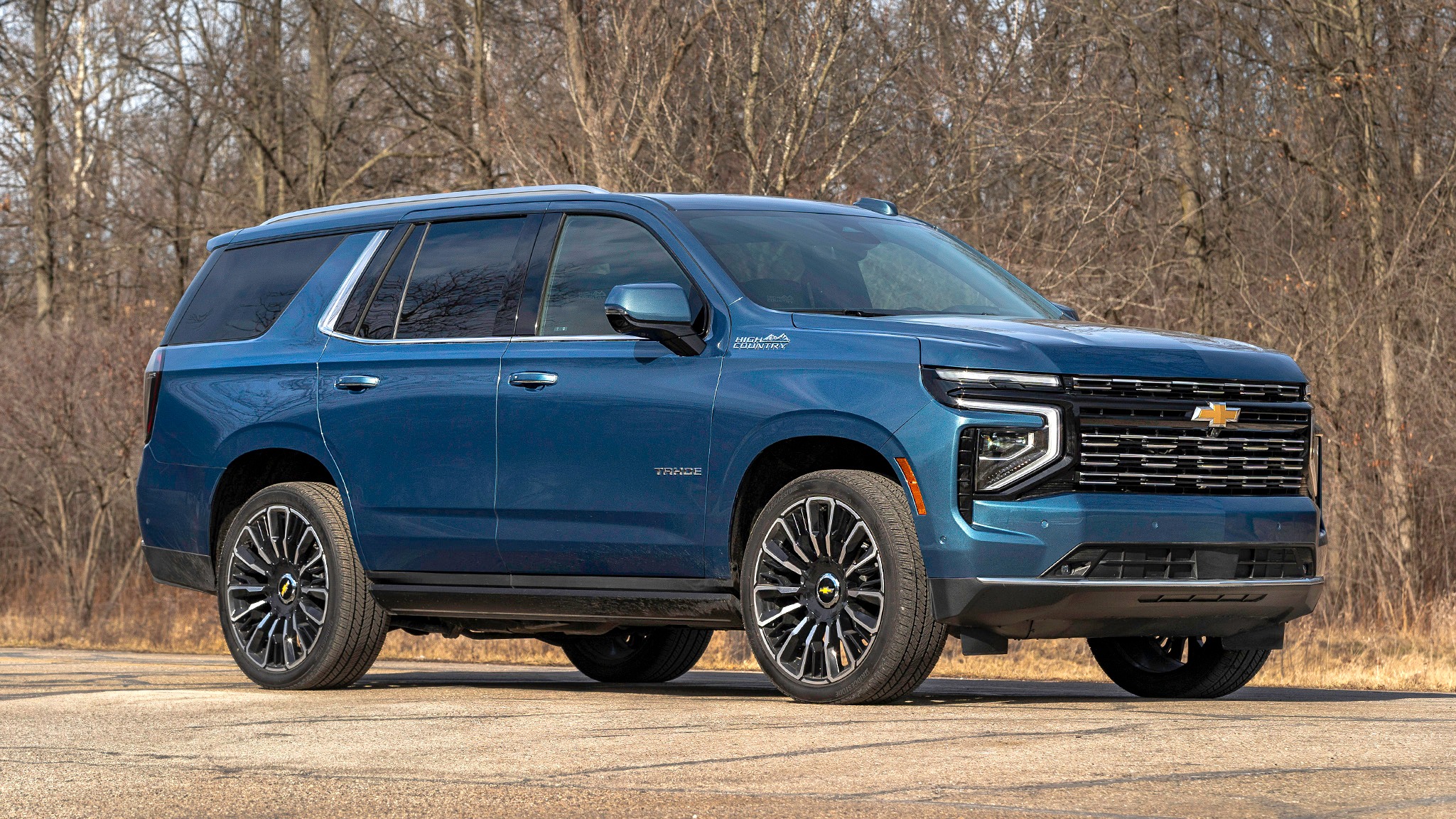
2. Chevrolet Tahoe
The Chevrolet Tahoe brings the investigation into a popular full-size SUV category. Like the Silverado, the Tahoe is included in NHTSA investigation EA26005 concerning GM’s 6.2-liter L87 engine.
The investigation covers nearly one million vehicles across the listed GM models, making the Tahoe part of a broad review rather than an isolated vehicle case.
For families and individual drivers, engine reliability carries practical weight. A full-size SUV may be used for commuting, road trips, towing, or carrying passengers, so an unexpected loss of engine performance can create a serious inconvenience.
If a vehicle develops unusual engine noise, warning messages, rough running, or other abnormal behavior, the safest response is to have it checked by a qualified technician.
The investigation itself does not establish that every Tahoe will experience an engine failure. Instead, federal regulators are gathering information and assessing reported conditions.
Owners should distinguish between an investigation and a confirmed defect determination. Official agency updates, manufacturer communications, and repair documentation provide the clearest information as the review proceeds.

3. Chevrolet Suburban
For the Chevrolet Suburban, the federal engine investigation places attention on the vehicle’s available 6.2-liter L87 powertrain. The Suburban shares the broader GM investigation with several trucks and SUVs, including the Silverado and Tahoe.
That common engine application explains why multiple nameplates appear within the same regulatory review. A Suburban is often chosen because it provides substantial passenger and cargo capacity.
That makes dependable propulsion especially important during long trips or when the vehicle is heavily loaded. An engine problem that causes reduced power could affect how confidently the vehicle performs under those conditions.
Owners should not assume that a complaint means an immediate failure is certain. Federal investigations generally involve collecting information, reviewing complaints, examining technical evidence, and determining whether further action may be warranted.
The 6,953 post-remedy complaints cited in the GM probe give investigators a substantial body of information to examine. For Suburban owners, the best approach is to start with the basics. Check the vehicle’s service history, pay attention to warning indicators, and address unusual mechanical symptoms promptly.
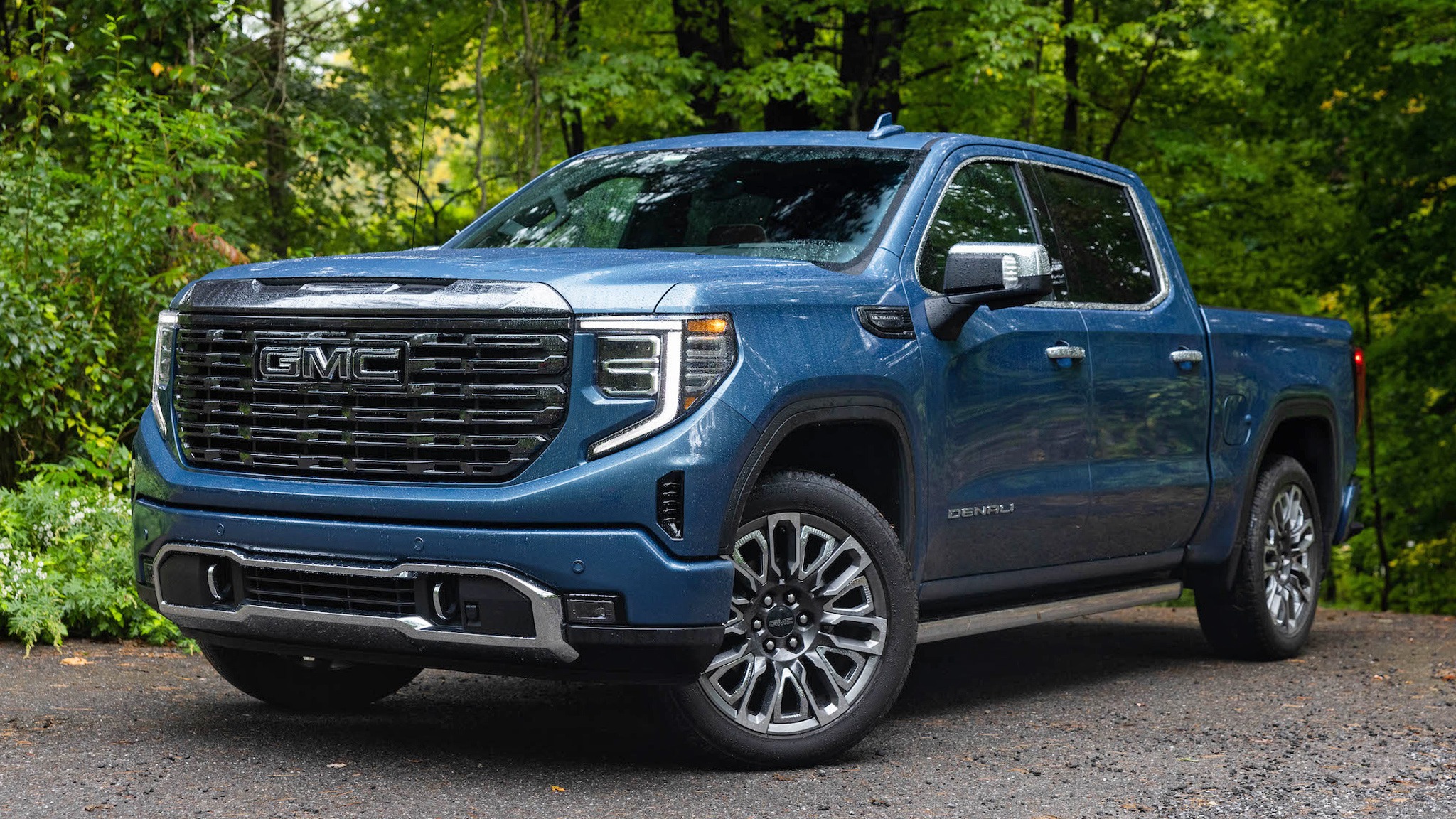
4. GMC Sierra
The GMC Sierra is another pickup included in the GM investigation involving the 6.2-liter L87 engine. For Sierra owners, the important detail is not simply the number of vehicles covered, but the reason regulators are reviewing reports associated with the engine.
NHTSA’s EA26005 investigation concerns alleged engine-failure issues and includes vehicles that received an earlier remedy. Picture a truck being used for a normal morning commute.
If the engine begins producing unfamiliar sounds or loses power, the driver’s concern can quickly move from inconvenience to safety. That is why engine-related complaints receive close attention from regulators.
The investigation covers 997,743 vehicles across the listed GM models and has generated 6,953 post-remedy complaints. Those figures provide the scale of the review, but they do not mean every covered Sierra has a defective engine.
Sierra owners can take a sensible approach without assuming the worst. Regular maintenance, prompt attention to warning signs, and careful recordkeeping can help when discussing a concern with a dealer or repair professional.
Government announcements should remain the primary source for any future recall or remedy information.
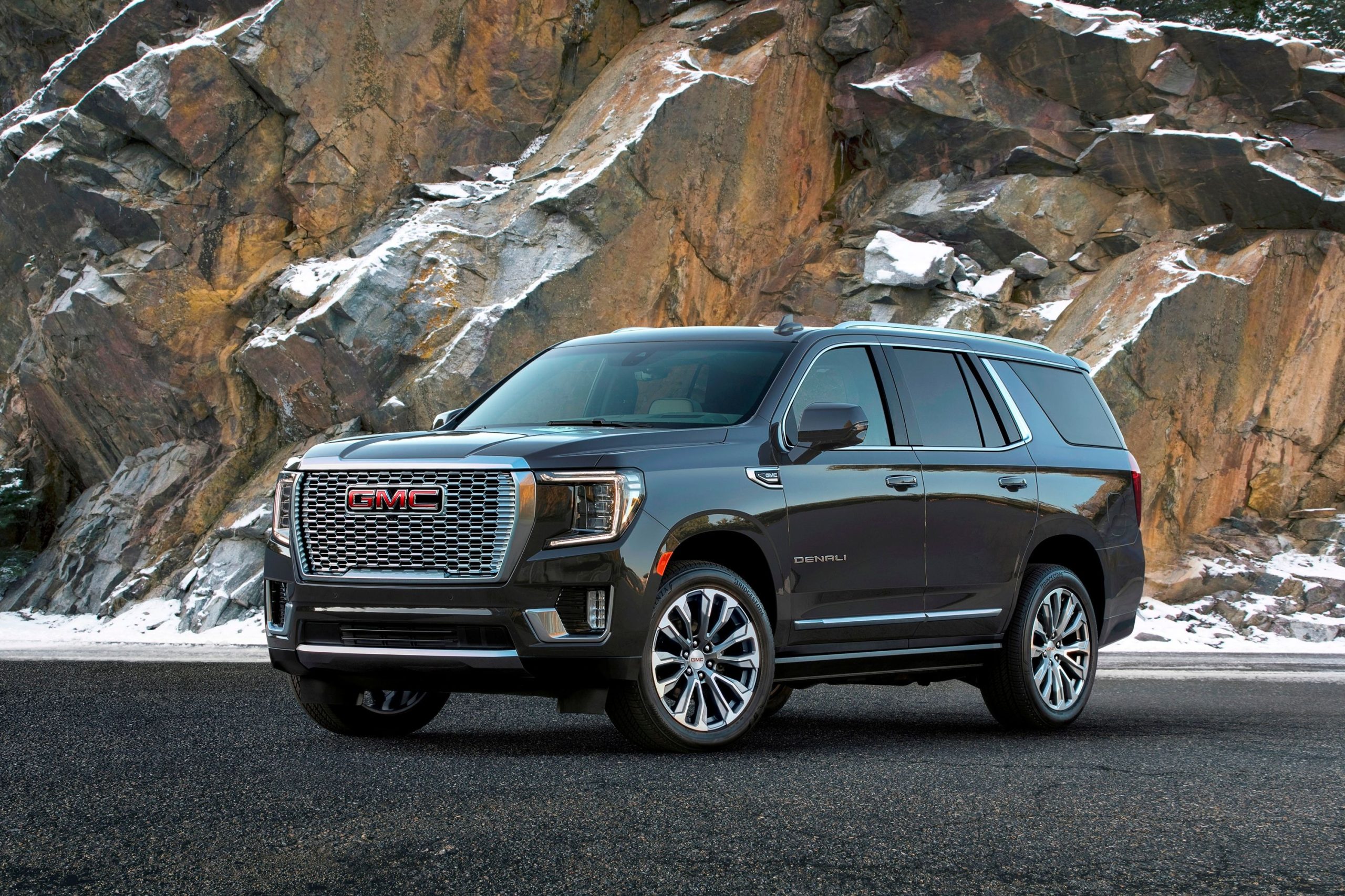
5. GMC Yukon
The GMC Yukon is included among the GM vehicles being examined under investigation EA26005. Its inclusion connects the SUV to the broader review of the 6.2-liter L87 engine.
Because the Yukon is a large passenger vehicle, dependable engine operation is especially important for drivers who routinely carry several occupants or travel long distances.
A federal investigation does not automatically mean that a recall has been ordered. That distinction matters. Investigators first assess complaints and technical information before deciding whether additional action is appropriate.
The GM case includes 997,743 vehicles and 6,953 reports made after an earlier remedy, giving regulators a substantial set of complaints to evaluate.
For Yukon owners, common-sense observation remains useful. A sudden warning light, unusual knocking sound, rough operation, or unexplained performance loss deserves attention.
Drivers should avoid ignoring symptoms simply because the vehicle still starts and moves normally. Service records can also become valuable if a mechanical concern develops.
They provide a history of maintenance and repairs that can help technicians understand what happened. Until regulators provide further findings, owners should rely on official communications rather than assumptions based solely on the investigation’s existence.
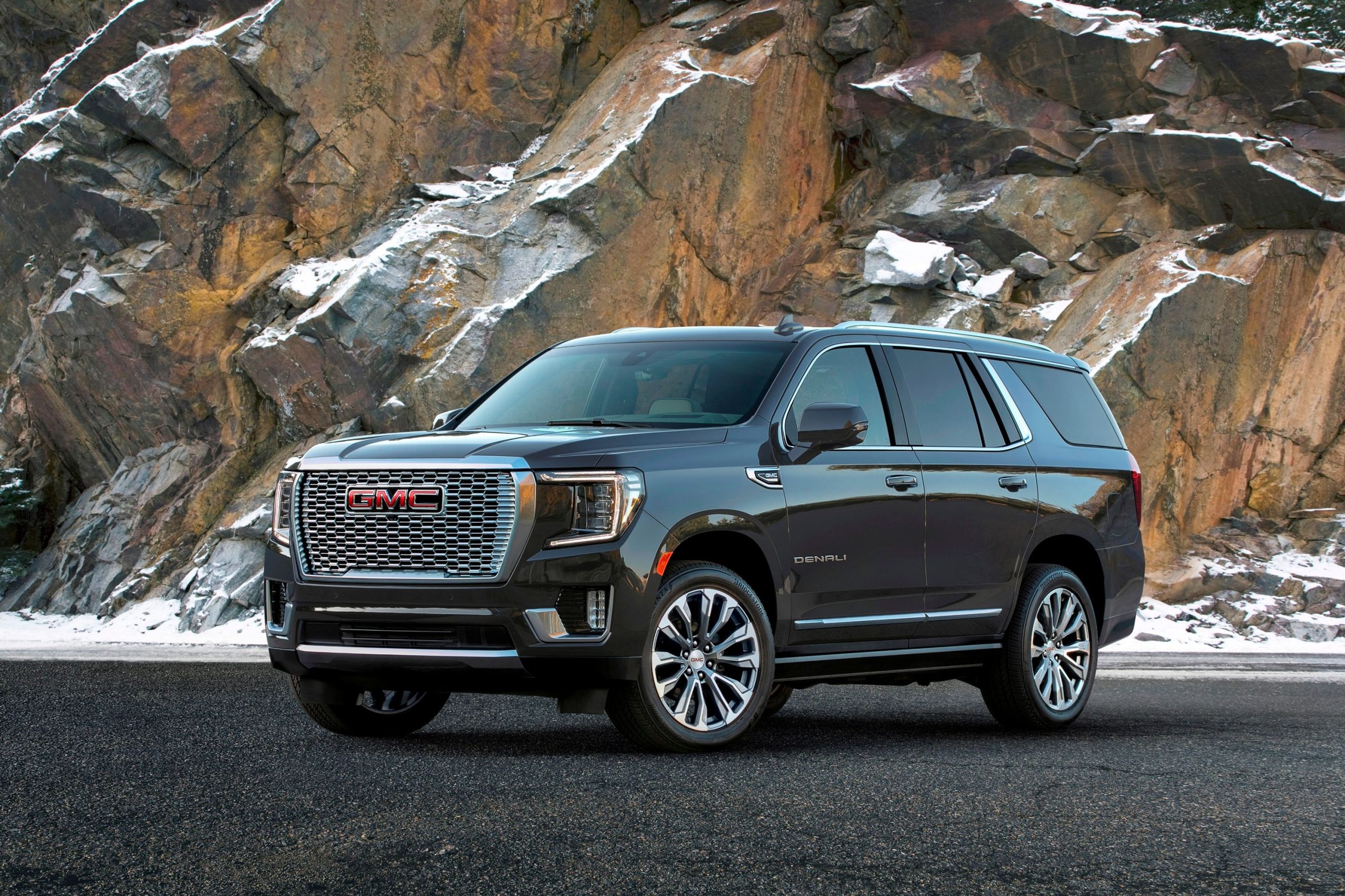
6. GMC Yukon XL
The GMC Yukon XL appears in the same GM engine investigation, extending the review to another large SUV using the 6.2-liter L87 engine.
From a regulatory standpoint, its inclusion is easy to understand. When the same engine is used across several models, reports involving that engine can lead to scrutiny of multiple vehicle lines.
The Yukon XL is designed for substantial passenger and cargo needs, making dependable engine performance particularly useful for its owners. A powertrain problem can be more than a repair concern when a vehicle is being used for family transportation, towing, or extended travel.
Still, being included in EA26005 does not establish that every Yukon XL will fail. The investigation covers 997,743 vehicles in total, while 6,953 post-remedy complaints have been cited.
Those figures describe the scope of the investigation rather than the personal risk for an individual owner. Drivers who notice new engine sounds, reduced output, warning lights, or other unusual behavior should arrange an inspection.
A technician can determine whether the symptoms point to the condition under review or to another mechanical issue. Keeping receipts and repair records can also make future discussions with a dealer easier.
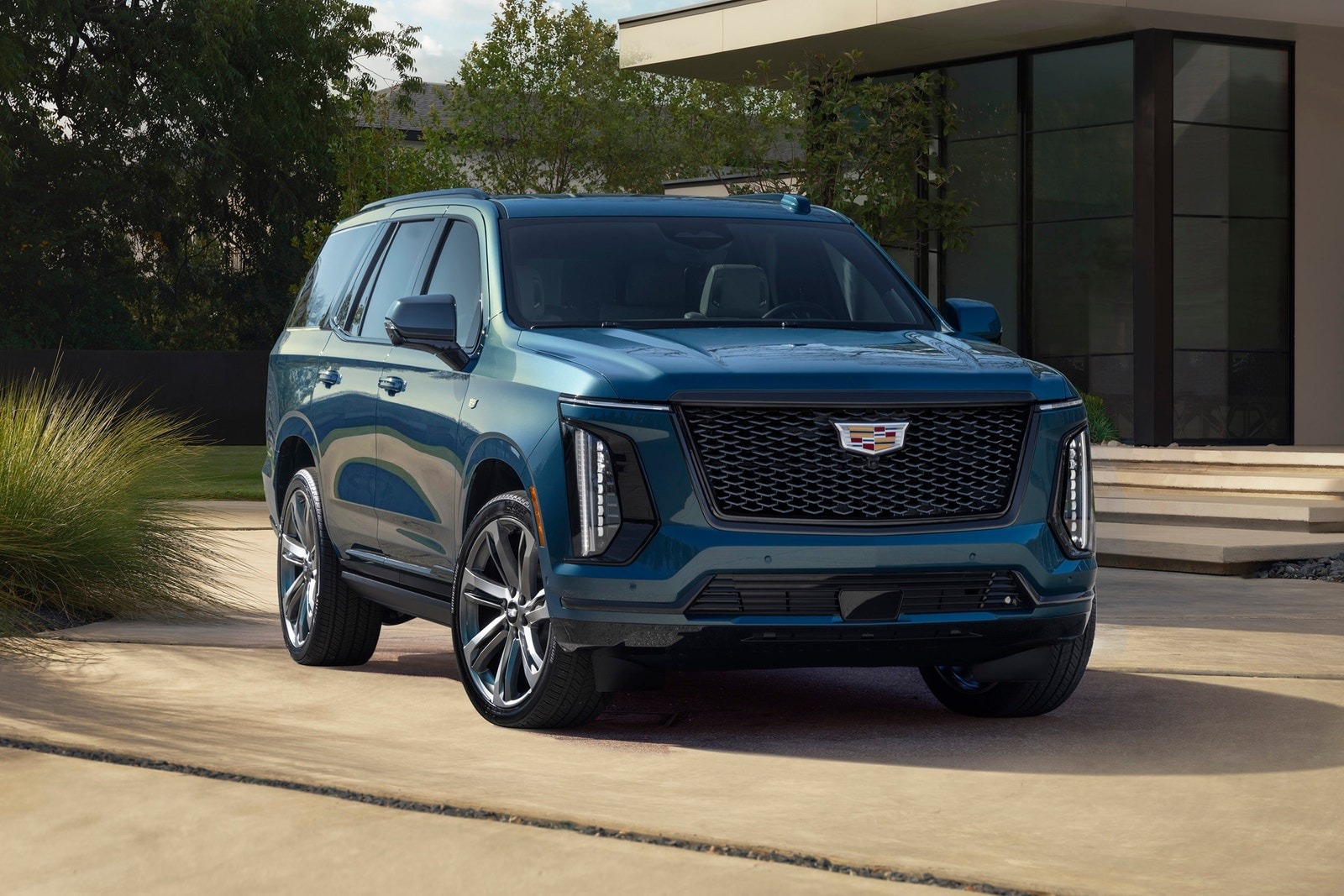
7. Cadillac Escalade
The Cadillac Escalade brings the GM investigation into the luxury SUV segment. It is one of the Cadillac models included in NHTSA’s EA26005 review of the 6.2-liter L87 engine.
Although the Escalade carries a premium badge, the investigation concerns the shared powertrain rather than the vehicle’s luxury equipment.
For an Escalade owner, an engine concern can be particularly frustrating because the vehicle is often purchased with expectations of strong performance and dependable long-distance travel.
A mechanical issue can interfere with both daily transportation and planned trips. The broader GM investigation covers 997,743 vehicles and lists 6,953 post-remedy complaints.
Those complaints are being considered as regulators assess the engine condition and the effectiveness of the earlier remedy. The presence of complaints after a remedy is one reason continued regulatory attention matters.
Owners should resist making assumptions from another driver’s experience. One report does not prove that every Escalade will experience the same problem.
Instead, owners should monitor their own vehicle, follow maintenance recommendations, and address unusual engine behavior quickly.
Any recall, repair program, or additional government action should be confirmed through official channels before relying on secondhand claims.
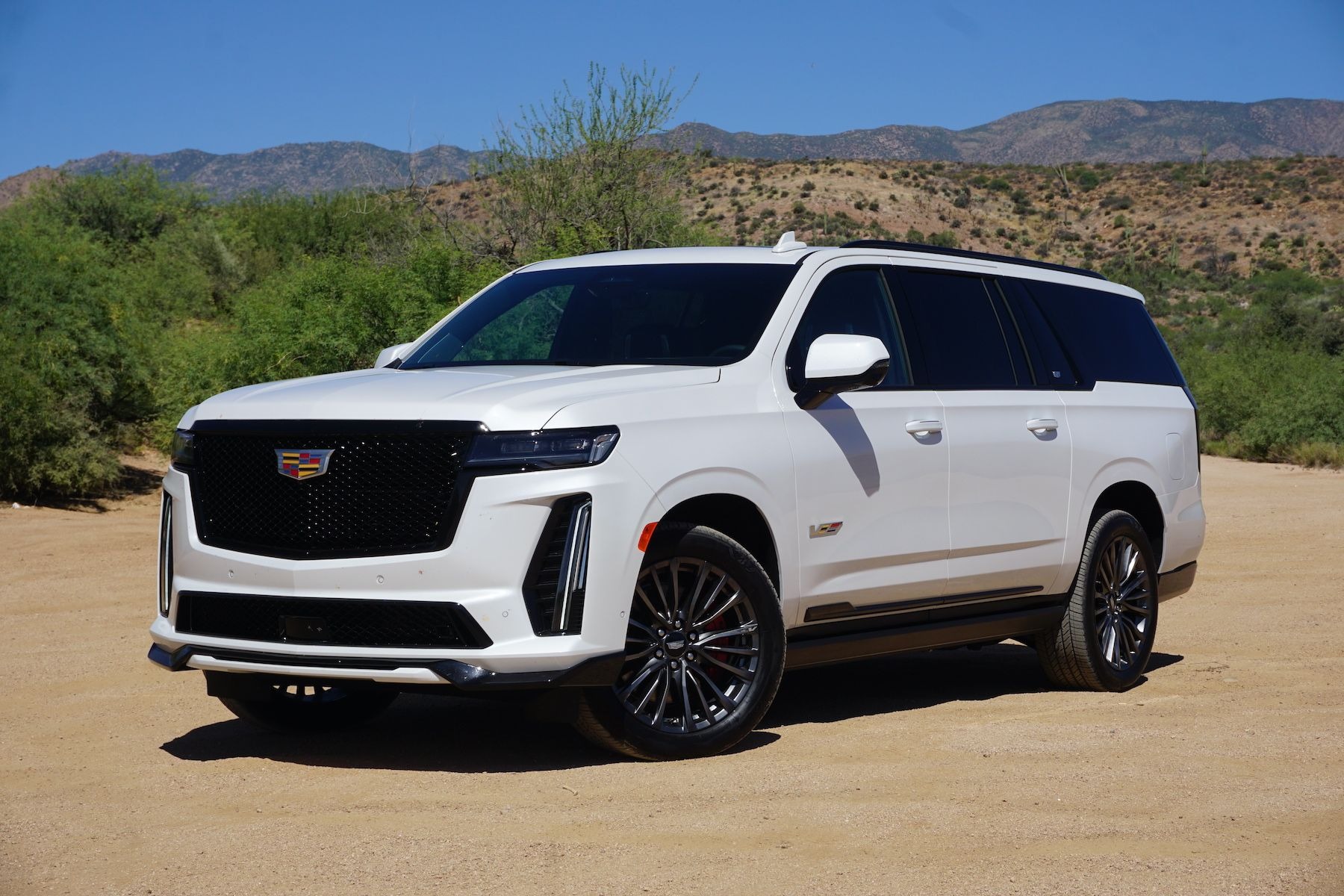
8. Cadillac Escalade ESV
The Cadillac Escalade ESV is the extended-length counterpart included in GM’s 6.2-liter engine investigation. Its presence alongside the standard Escalade shows that the review extends across related vehicle configurations using the engine under examination.
The ESV’s larger body and additional interior space make it useful for families, business transportation, and long-distance travel. Those uses can place considerable importance on predictable engine performance.
If an engine develops a serious fault, the consequences may include an unexpected repair bill, interrupted travel, or reduced mobility. Yet an investigation is still an investigative process.
It does not by itself prove that a defect exists in every vehicle or that every complaint has the same cause. NHTSA’s EA26005 case covers 997,743 GM vehicles, with 6,953 post-remedy complaints cited as part of the information being reviewed.
Escalade ESV owners can take practical steps now. Watch for changes in engine sound or performance, respond to dashboard warnings, and keep maintenance documentation.
If a dealer performs an inspection or repair related to an engine concern, retaining the paperwork can help establish what was found and what work was completed. Official agency updates should guide any later action.

9. Honda Pilot
The Honda Pilot belongs to a separate federal investigation, identified as PE25008, involving Honda’s 3.5-liter V6 engine. Unlike the GM case, this investigation covers 1,410,806 vehicles based on 3,012 reports. The Pilot is one of three Honda-branded vehicles named in the supplied information.
That difference in scale is worth noticing. Honda’s investigation covers more vehicles than the GM probe, while the number of reports cited is lower than GM’s post-remedy complaint count.
These figures describe the available reports and the vehicle population. They do not predict what will happen to any particular Pilot.
For families, the Pilot is often used as an everyday vehicle, school transportation, or a road-trip SUV. An engine concern can therefore affect routines quickly if the vehicle develops a serious mechanical problem.
Drivers should pay attention to unusual engine behavior rather than waiting for a major failure. Warning lights, strange noises, rough operation, or a sudden change in performance deserve professional attention.
Owners can also check official government and manufacturer notices for information tied to their specific vehicle identification number. That approach is more reliable than assuming every Pilot in the investigation has the same condition.
10. Honda Odyssey
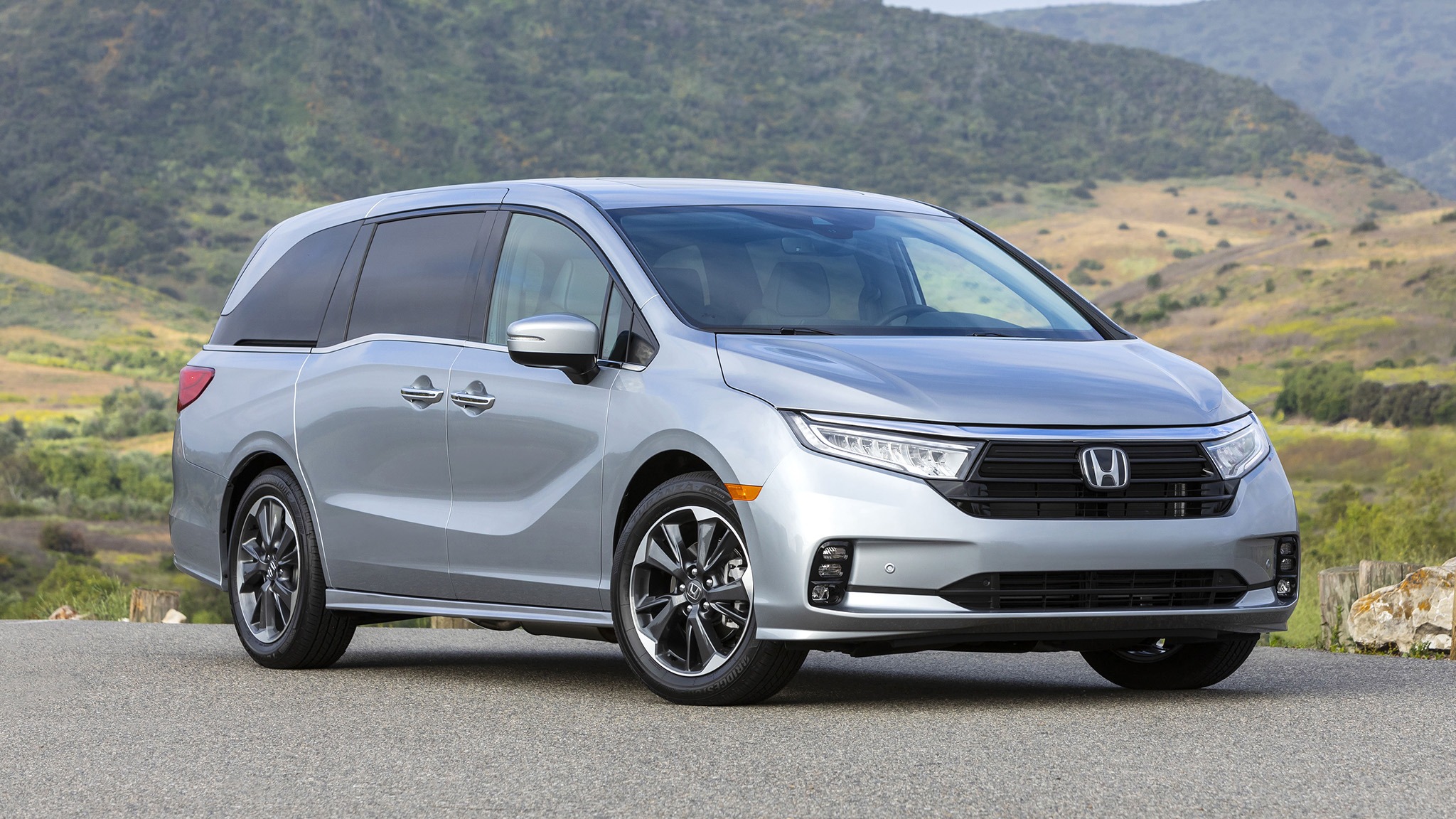
The Honda Odyssey is included in investigation PE25008, which examines reports connected with Honda’s 3.5-liter V6. With 1,410,806 vehicles covered and 3,012 reports cited, the investigation reaches a large population of Honda vehicles.
For an Odyssey owner, the issue has a practical impact. A minivan often serves as the family’s everyday vehicle, handling school trips, errands, vacations, and regular commuting. Engine reliability can therefore affect the entire household’s routine.
The investigation does not mean every Odyssey has experienced an engine failure. Instead, regulators are reviewing reported conditions and gathering information that may help determine whether additional action is needed.
Owners should keep that distinction in mind when reading headlines or online discussions. A useful response is simple and measured.
Follow the maintenance schedule, pay attention to warning signs, and seek a qualified inspection if the engine begins behaving differently. If a repair is performed, save the invoice and diagnostic information.
The 3,012 reports provide regulators with material to examine, while the large vehicle population shows why the case deserves attention. Future agency findings will determine whether additional measures are warranted.

11. Honda Ridgeline
The Honda Ridgeline is the pickup in Honda’s group of vehicles covered by PE25008. It shares the 3.5-liter V6 under investigation with the Pilot and Odyssey.
That common engine application means the regulatory review crosses different vehicle types rather than focusing on a single body style.
For Ridgeline drivers, an engine issue could have an especially practical effect. The truck may be used for commuting during the week and hauling equipment or making longer trips on weekends. Reliable power is useful in all of those situations.
Honda’s investigation covers 1,410,806 vehicles and is based on 3,012 reports. Those numbers offer useful perspective, but they should not be treated as a failure rate.
The figures show the population under review and the reports that prompted regulatory attention. A Ridgeline owner who notices a new engine noise, warning light, rough running, or reduced performance should arrange an inspection rather than waiting for the condition to worsen.
Documentation can help, too. Keep records of maintenance, repairs, and conversations with service departments. The safest source for future developments will be official information from NHTSA and Honda.
Online reports can provide personal experiences, but they cannot establish whether a particular vehicle is affected.
12. Acura TLX
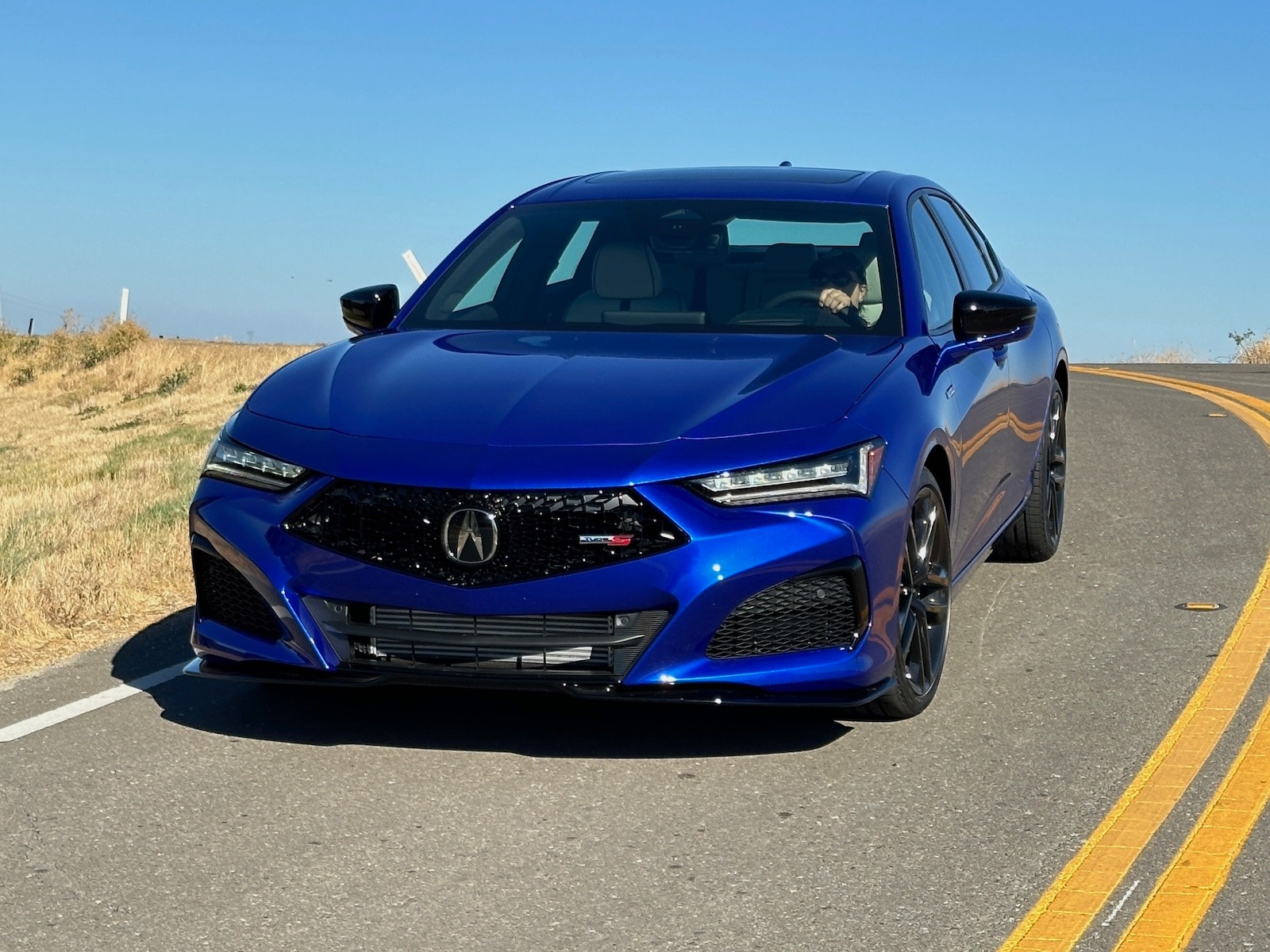
The Acura TLX is included in Honda’s PE25008 investigation despite carrying the Acura name rather than the Honda badge. Its inclusion reflects the use of the 3.5-liter V6 within the group of vehicles being examined.
The investigation covers 1,410,806 vehicles and references 3,012 reports. For TLX owners, the federal review may naturally raise questions about whether a particular sedan is affected. The answer depends on the vehicle’s configuration and the information provided by official sources.
Being named in an investigation should not be interpreted as proof that every example has an engine defect. A sedan can also present different usage patterns from a minivan, SUV, or pickup.
Many TLX owners use their vehicle primarily for commuting and daily transportation, making predictable engine operation an important part of routine driving.
If the engine develops unfamiliar symptoms, owners should have the vehicle assessed by a qualified technician. Warning indicators should receive prompt attention, particularly if the vehicle’s performance changes suddenly.
The investigation’s size provides another useful point. More than 1.4 million vehicles are covered across the Honda group, giving regulators a broad set of vehicles and reports to examine before reaching any determination.
Until then, careful maintenance and official updates remain the most sensible sources of guidance.
13. Acura MDX
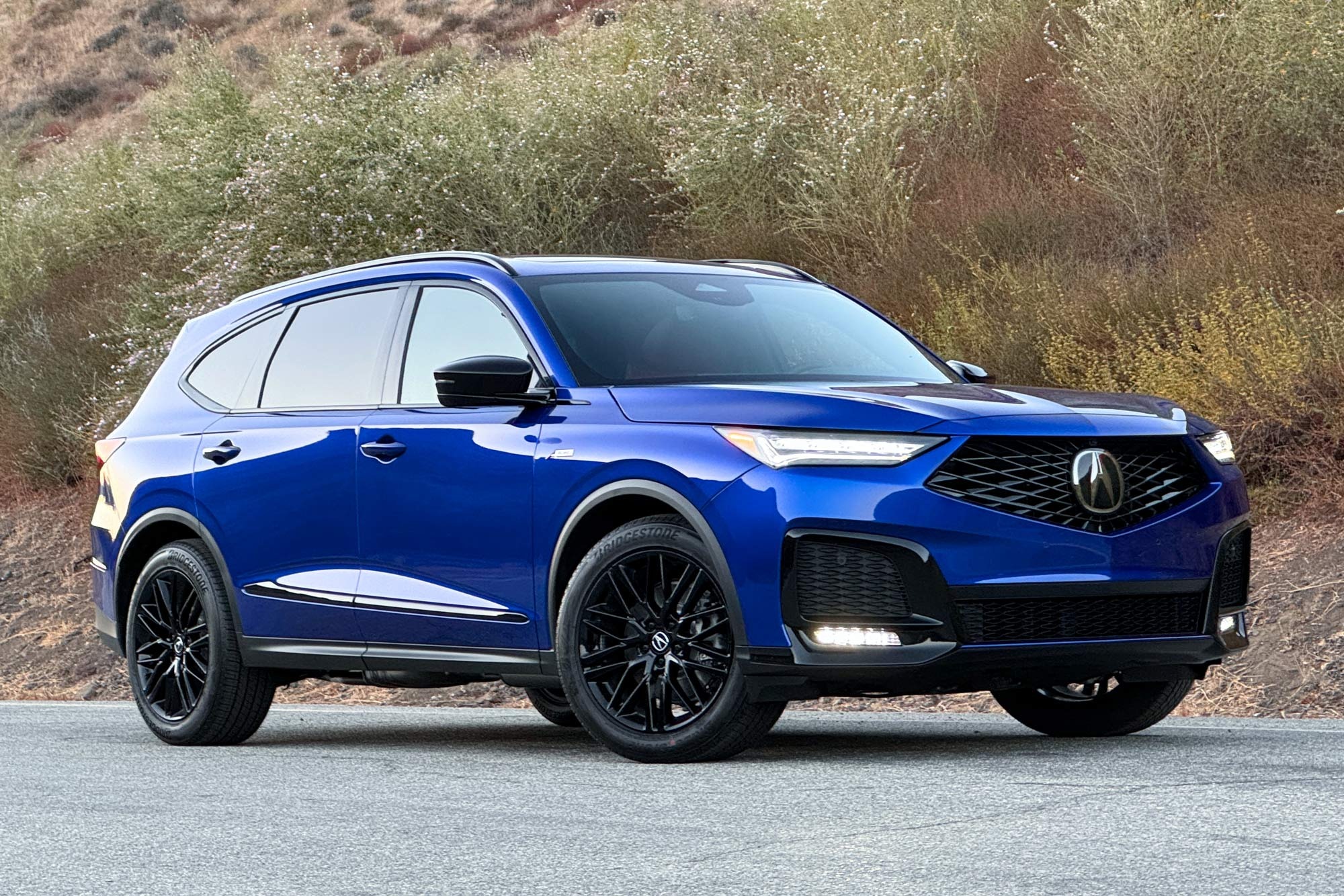
The Acura MDX completes the list of 13 vehicles connected with the two federal engine investigations. It is included in PE25008, the Honda-related case concerning the 3.5-liter V6. The investigation covers 1,410,806 vehicles and cites 3,012 reports.
For MDX owners, those figures may sound large, but they should be read carefully. The number of vehicles covered does not mean that every vehicle has experienced an engine failure.
Likewise, the number of reports does not establish that every report has the same cause. The MDX serves a broad group of drivers, from daily commuters to families who need additional passenger and cargo room.
An unexpected engine problem could therefore interfere with many types of normal use. What should an owner do? Start with the vehicle itself.
Pay attention to warning lights, unusual sounds, rough operation, or unexpected changes in power. If something seems wrong, seek a professional diagnosis rather than relying on guesses.
The two investigations now cover millions of vehicles across GM, Honda, and Acura models. GM’s case involves 997,743 vehicles and 6,953 post-remedy complaints, while Honda’s case covers 1,410,806 vehicles and 3,012 reports.
The next steps will depend on what federal regulators determine from the evidence and complaints they are reviewing.