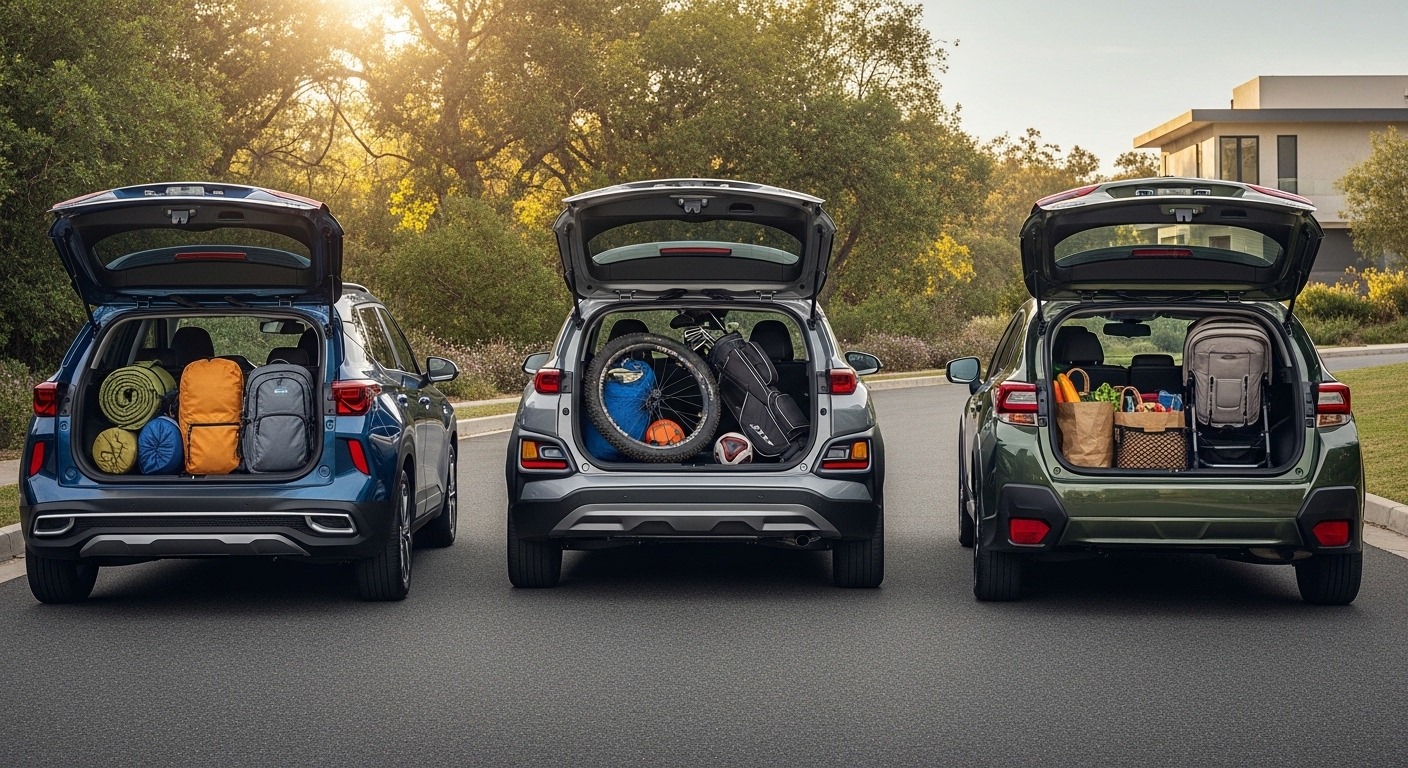
Small SUVs have become popular for a simple reason. They offer a useful balance of passenger space, easy driving, and cargo flexibility without the bulk of a full-size SUV. However, cargo capacity can vary significantly from one model to another. A few extra cubic feet can make a noticeable difference when carrying groceries, luggage, sports equipment, or bulky household items.
The iSeeCars cargo-space figures show just how wide that gap can be among 18 small SUVs. The Subaru Outback leads this group with 80.5 cubic feet of maximum cargo room, while the Mitsubishi Eclipse Cross brings up the rear with 50.1 cubic feet. These figures provide a useful way to compare how much each SUV can carry when its available space is put to work.
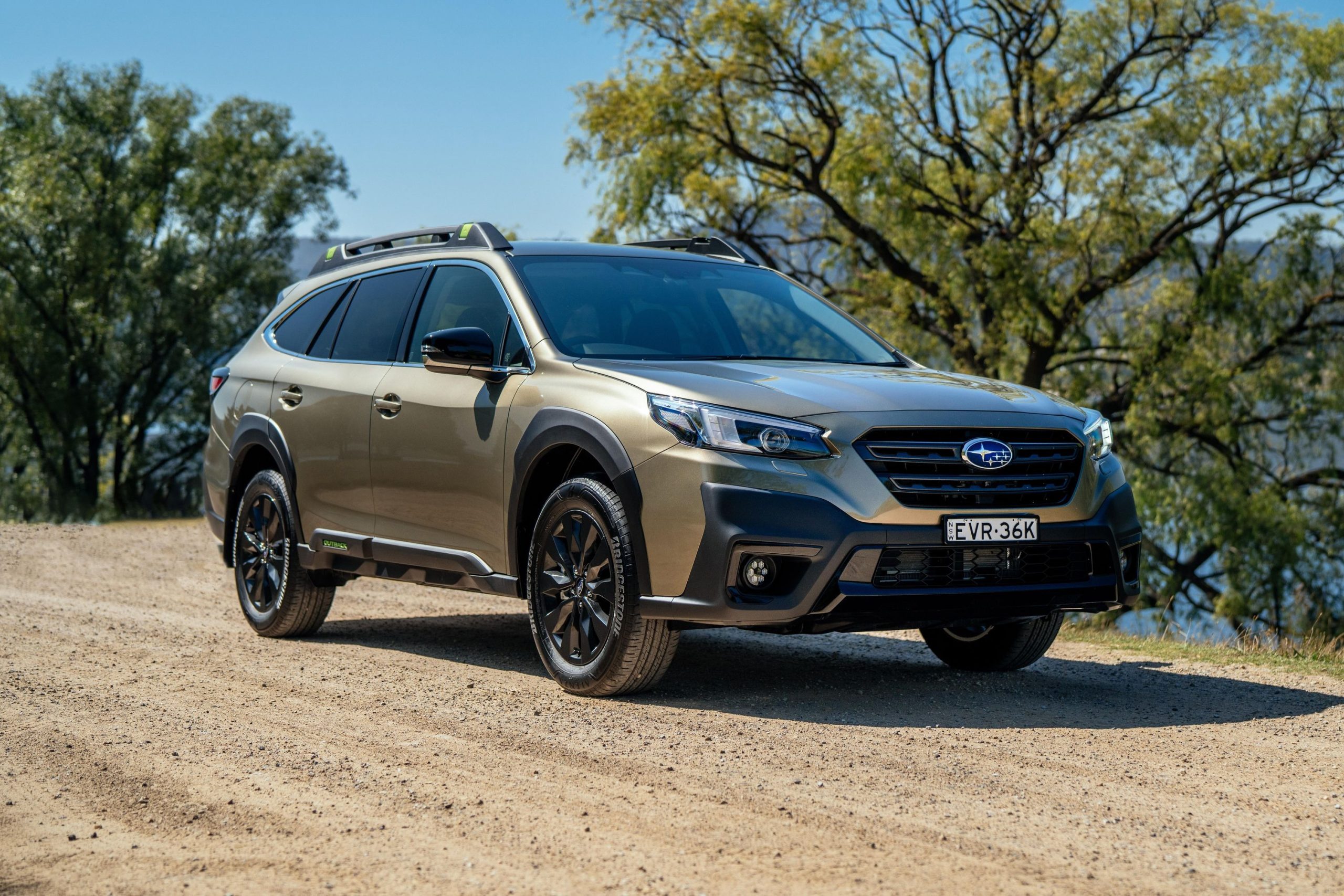
1. Subaru Outback
The Subaru Outback claims the top spot with 80.5 cubic feet of maximum cargo space, giving it the largest figure among the 18 SUVs listed. That amount makes the Outback especially appealing to shoppers who regularly carry large loads.
Think about a weekend road trip. Luggage, coolers, backpacks, outdoor equipment, and other supplies can quickly consume the cargo area of a smaller vehicle. The Outback’s generous capacity gives owners more room to work with when the rear seats are folded.
Its wagon-like shape also plays a role in how the available interior space is used. Rather than focusing solely on a tall SUV profile, the Outback combines useful cabin length with a practical rear area.
For families, active households, and people who frequently haul gear, that extra room can be useful in everyday situations. The 80.5-cubic-foot maximum places the Subaru comfortably ahead of every other vehicle on this list.
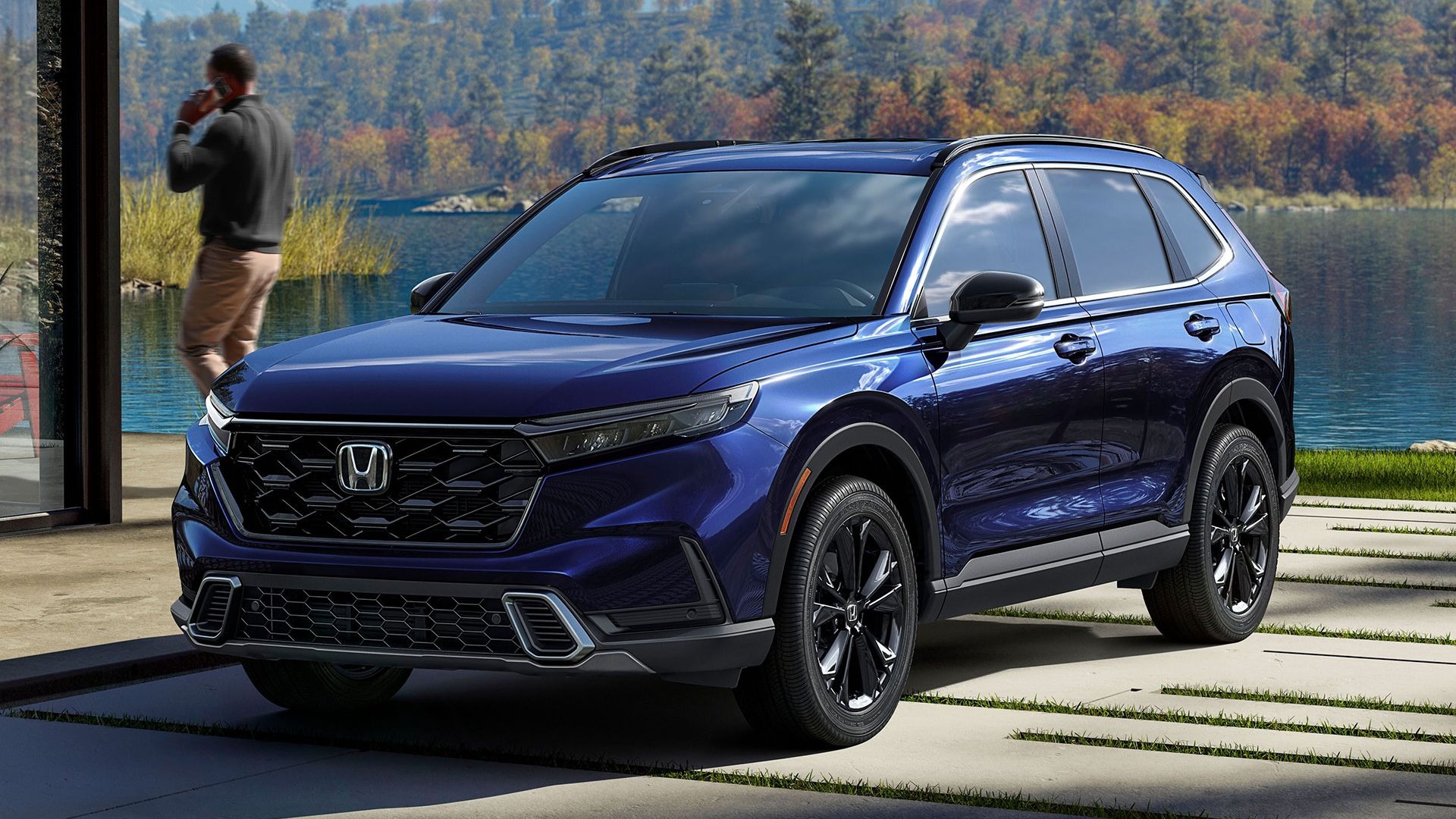
2. Honda CR-V
The Honda CR-V offers 76.5 cubic feet of maximum cargo space, placing it second among these 18 small SUVs. Its figure sits only 4 cubic feet behind the Subaru Outback, making the CR-V another strong choice for shoppers who put storage near the top of their list.
Cargo capacity matters most when the rear seats are folded, and the vehicle is being used to its full hauling ability. That can mean loading several suitcases for a family trip or making room for purchases that would not fit comfortably in a sedan.
The CR-V has long occupied a practical position in the compact SUV market, and this cargo figure supports that reputation. Its interior provides a useful balance between passenger seating and storage.
For buyers who want a vehicle that can handle ordinary errands while still providing plenty of room for larger loads, 76.5 cubic feet gives the CR-V a strong numerical advantage over many rivals in this group.
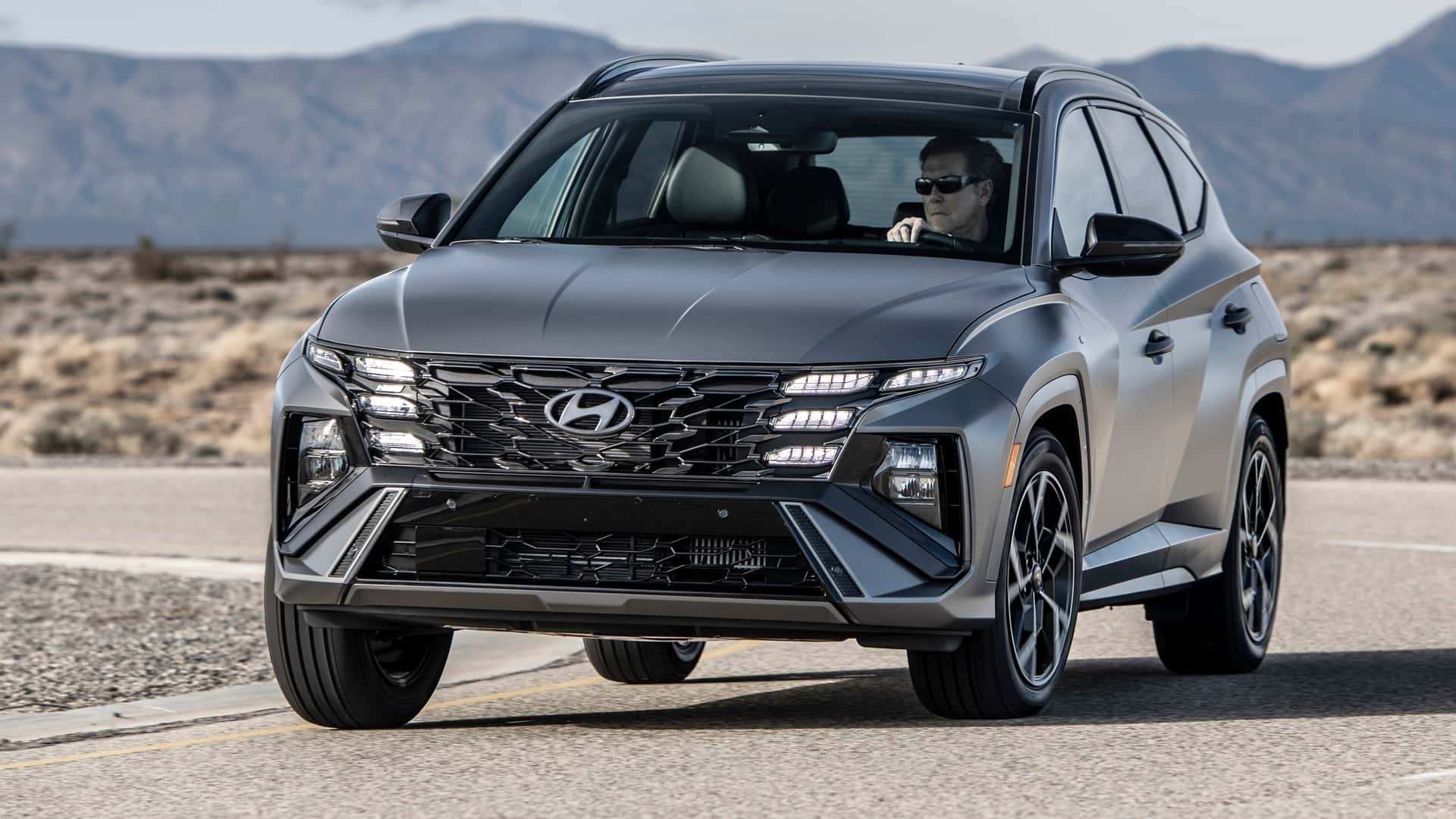
3. Hyundai Tucson
With 74.8 cubic feet of maximum cargo capacity, the Hyundai Tucson takes third place. It trails the Honda CR-V by less than 2 cubic feet, showing how closely the first three entries are grouped.
That amount of space gives Tucson owners considerable flexibility. A vehicle does not need to be large enough to resemble a full-size SUV to carry a substantial load. Folding the rear seats creates a broad area suitable for luggage, boxes, shopping bags, and other items.
The Tucson’s position also demonstrates why cargo measurements can be useful when comparing vehicles that may appear similar in size. Exterior dimensions and styling do not always tell shoppers how much usable storage is available inside.
At 74.8 cubic feet, the Tucson sits comfortably near the top of this ranking. Someone who routinely carries equipment or travels with a family may appreciate having nearly 75 cubic feet available when maximum capacity is needed.
4. Subaru Forester
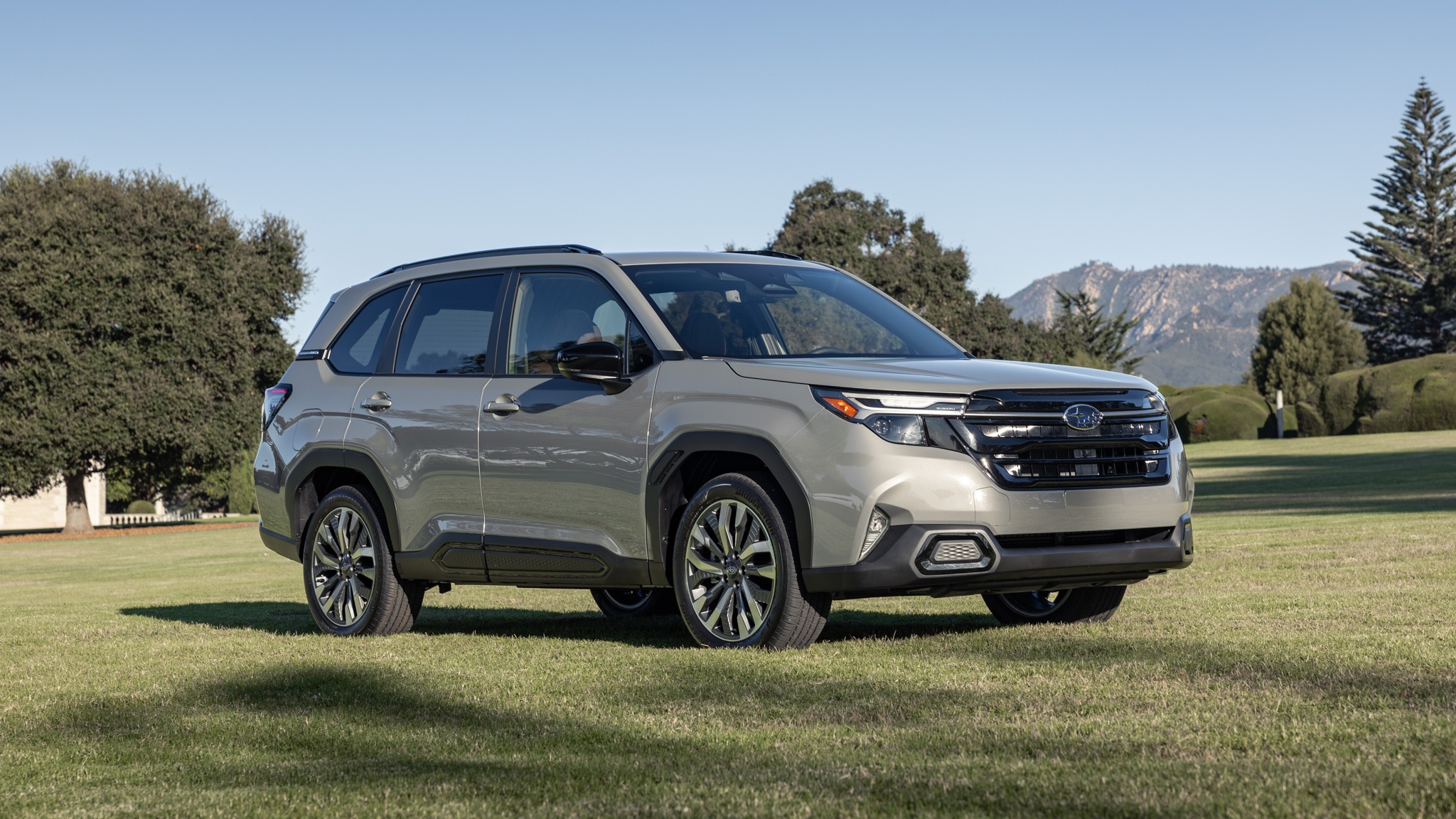
The Subaru Forester provides 74.4 cubic feet of maximum cargo room, putting it just behind the Hyundai Tucson. The difference between the two is only 0.4 cubic feet, making their cargo figures remarkably close.
For practical use, the Forester’s storage capacity gives owners plenty of flexibility. A folded rear seating area can accommodate substantial loads, which can be helpful during moves, road trips, home-improvement runs, or regular shopping.
The Forester’s upright design also contributes to its practical character. A spacious cargo area is most useful when its shape allows owners to make good use of the available volume, rather than simply presenting a large number on paper.
Its fourth-place position confirms that the Forester is among the roomiest vehicles in this group. Buyers comparing small SUVs may find that the difference between models becomes easier to appreciate when cargo volume is measured in cubic feet.
At 74.4 cubic feet, the Forester provides nearly as much maximum storage as the Tucson and CR-V, while sitting well above most of the remaining models.
5. Kia Sportage
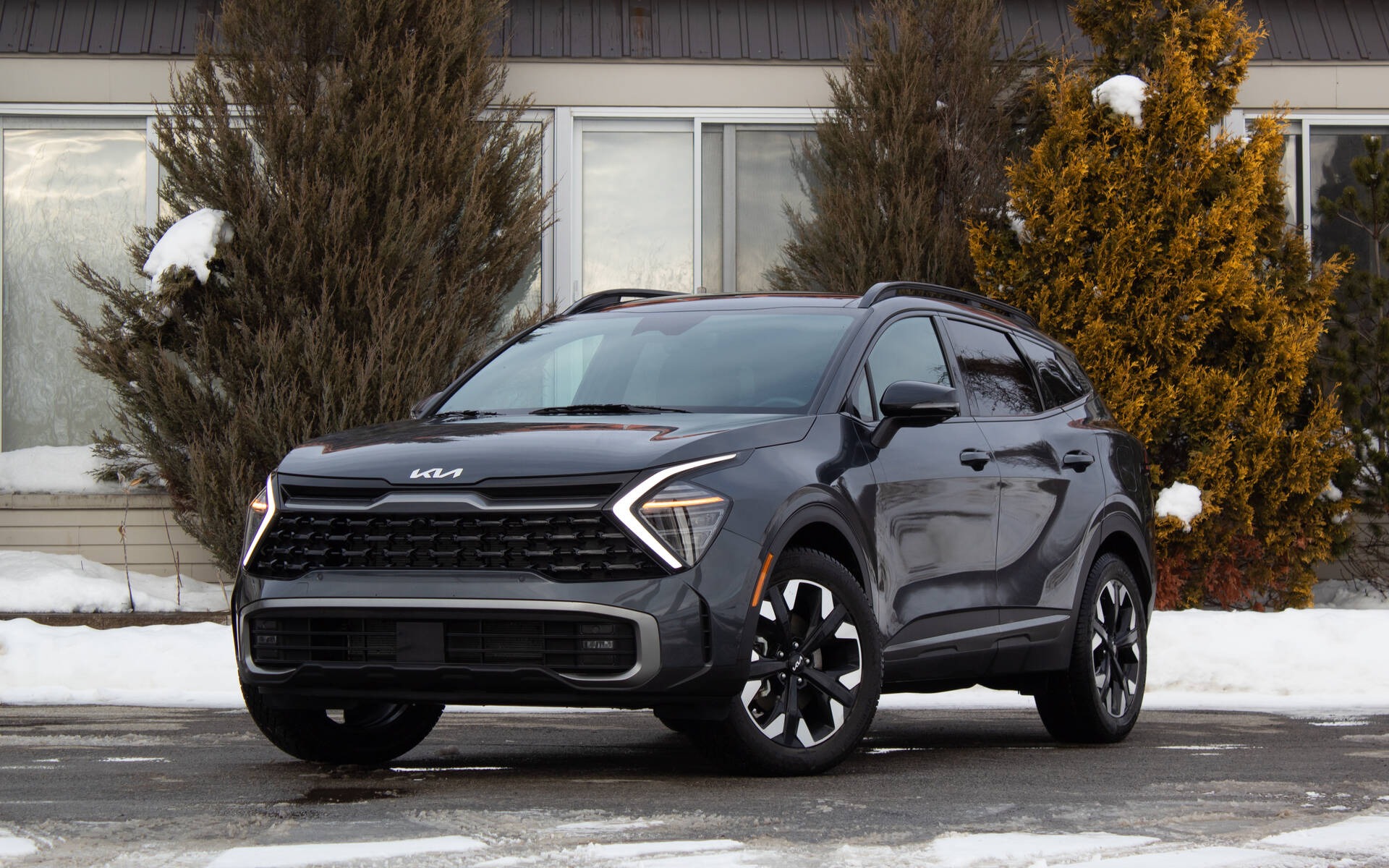
The Kia Sportage reaches 74.1 cubic feet of maximum cargo capacity, earning fifth place in the ranking. Its number is only 0.3 cubic feet below the Subaru Forester and 0.7 below the Hyundai Tucson.
That close grouping shows how competitive the upper part of this list is. Several small SUVs provide roughly 74 cubic feet or more when their available cargo space is fully used.
For a driver who carries large items regularly, those numbers can matter. A little extra room may allow luggage to fit without stacking it too high, or it may make it easier to carry equipment without leaving something behind.
The Sportage therefore earns its place near the top through sheer usable volume. Its 74.1-cubic-foot maximum gives it considerably more capacity than the vehicles occupying the lower positions.
A shopper comparing SUVs for family duties, travel, or frequent hauling can use this figure as a quick reference. The Sportage is not just competitive. It ranks among the five roomiest models in this particular group.
6. Nissan Rogue
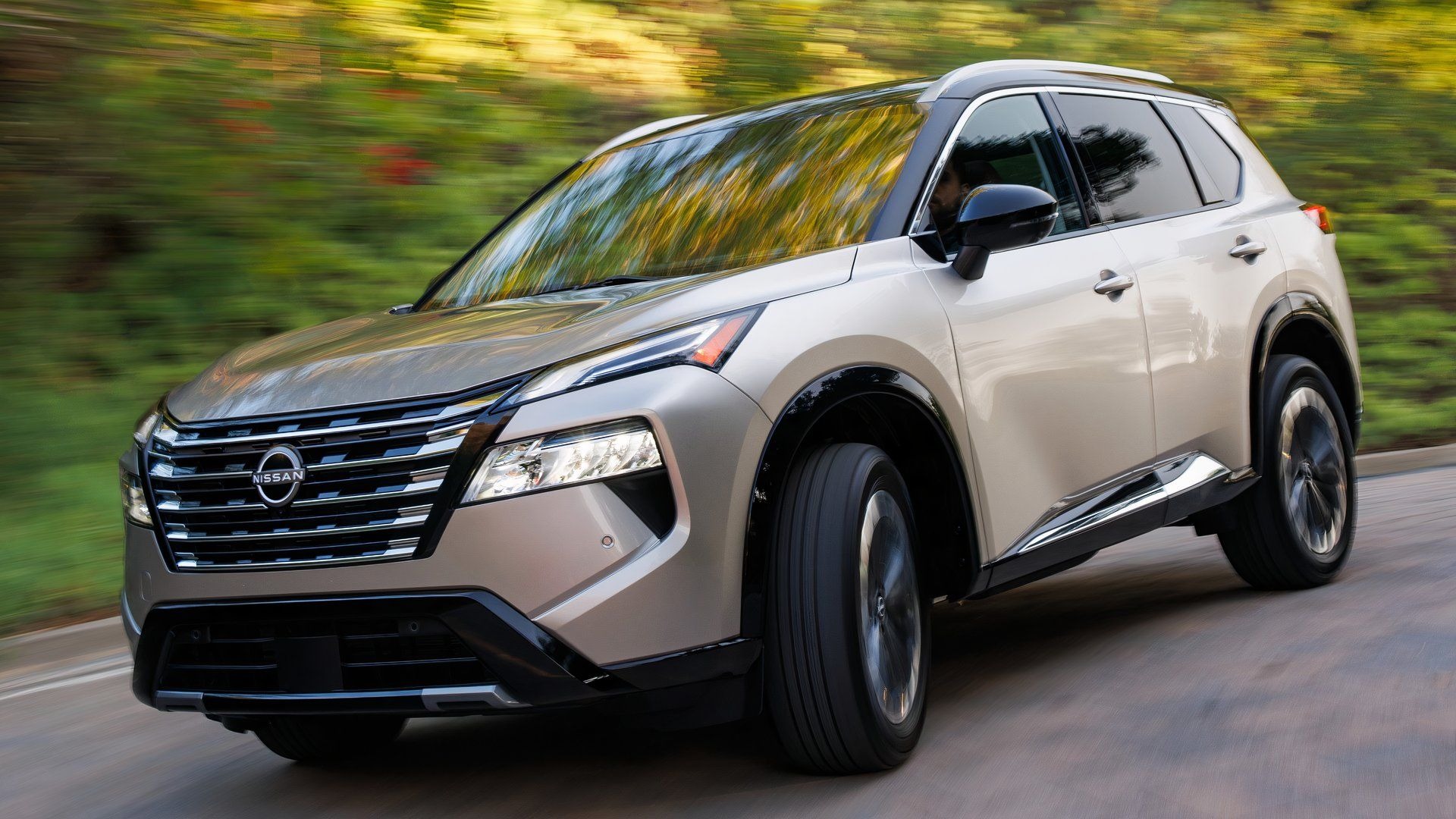
The Nissan Rogue shares that 74.1 figure, and it makes a good road trip story. Picture two couples heading to a lake house for a long weekend. Four suitcases, a cooler, a bag of beach towels, and a pack of snacks all go in the back.
With 74.1 cubic feet, that load fits with room left over, as long as the rear seats are folded or the stack isn’t too tall. That’s the real-world meaning behind the number.
The Rogue ranks sixth in this group, comfortably in the upper half. It holds 4.3 cubic feet more than the Toyota RAV4 and Volkswagen Tiguan, a difference you could fill with a couple of duffel bags.
Keep a few practical points in mind. Maximum volume usually assumes the seats are down, so passengers and cargo compete. If you often carry four or five people, check the space behind the seats when they’re upright.
A well-rounded performer for people who pack more than they planned.
7. Toyota RAV4
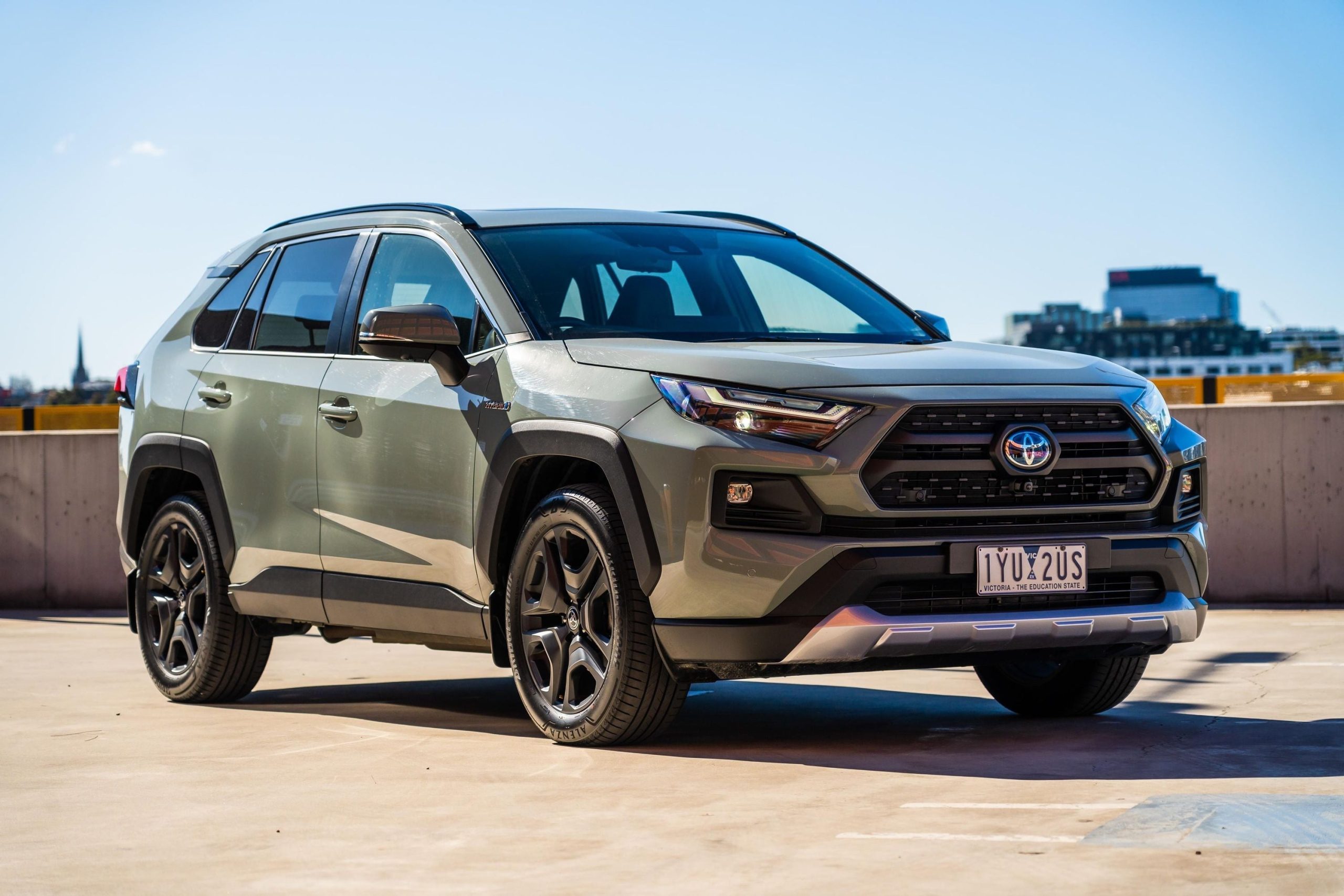
Here we see a noticeable drop. The Toyota RAV4 offers 69.8 cubic feet, which is 4.3 below the Rogue and Sportage. It’s still a healthy number, but it’s the largest gap between neighbors so far.
How should you think about it? Well, 69.8 cubic feet is plenty for most households. A couple with a dog, a family with a stroller, or a weekend hobbyist with gear can all make it work.
The RAV4 is among the best-known small SUVs, so many shoppers start here. Its cargo number shows a solid, middle-of-the-road performer rather than a space champion.
Does that matter? It depends on your lifestyle. If you rarely haul large items, the difference between 69.8 and 74.1 may never show up. If you regularly move bulky things, it could.
A useful exercise is to think about the largest item you have carried in the past six months, measure it, and compare those dimensions with the vehicle’s cargo space. That is a smarter approach than simply chasing the largest figure on a chart.
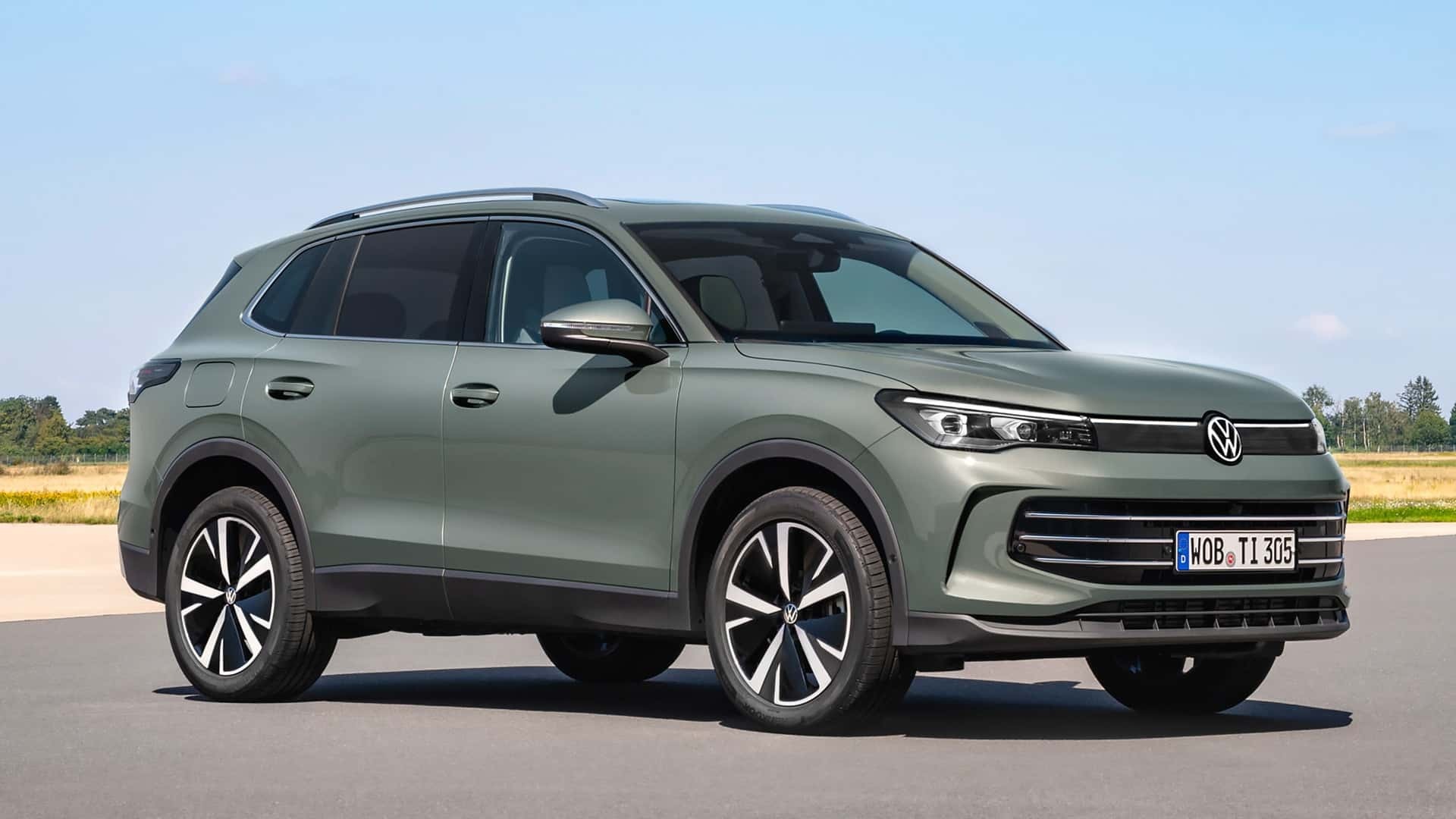
8. Volkswagen Tiguan
The Volkswagen Tiguan matches the RAV4 at 69.8 cubic feet, so these two share the seventh and eighth spots. If you’re cross-shopping them, you’ll find space isn’t the difference-maker.
Tiguan buyers often care about a refined feel and a solid driving experience. A cargo figure of 69.8 cubic feet suggests the vehicle doesn’t give up practicality for polish. It’s roomy enough for a family vacation, with some planning.
Here’s how to pack smart. Place heavy items low and toward the front of the cargo area, with softer bags on top. Use any space under the load floor for small items you don’t need often. Soft duffels squeeze into odd corners better than hard suitcases.
Compared with the Outback, the Tiguan has 10.7 fewer cubic feet. That’s a visible gap, like the difference between a full trunk and one with a few boxes missing.
Good enough for most, not the champion, but plenty capable.
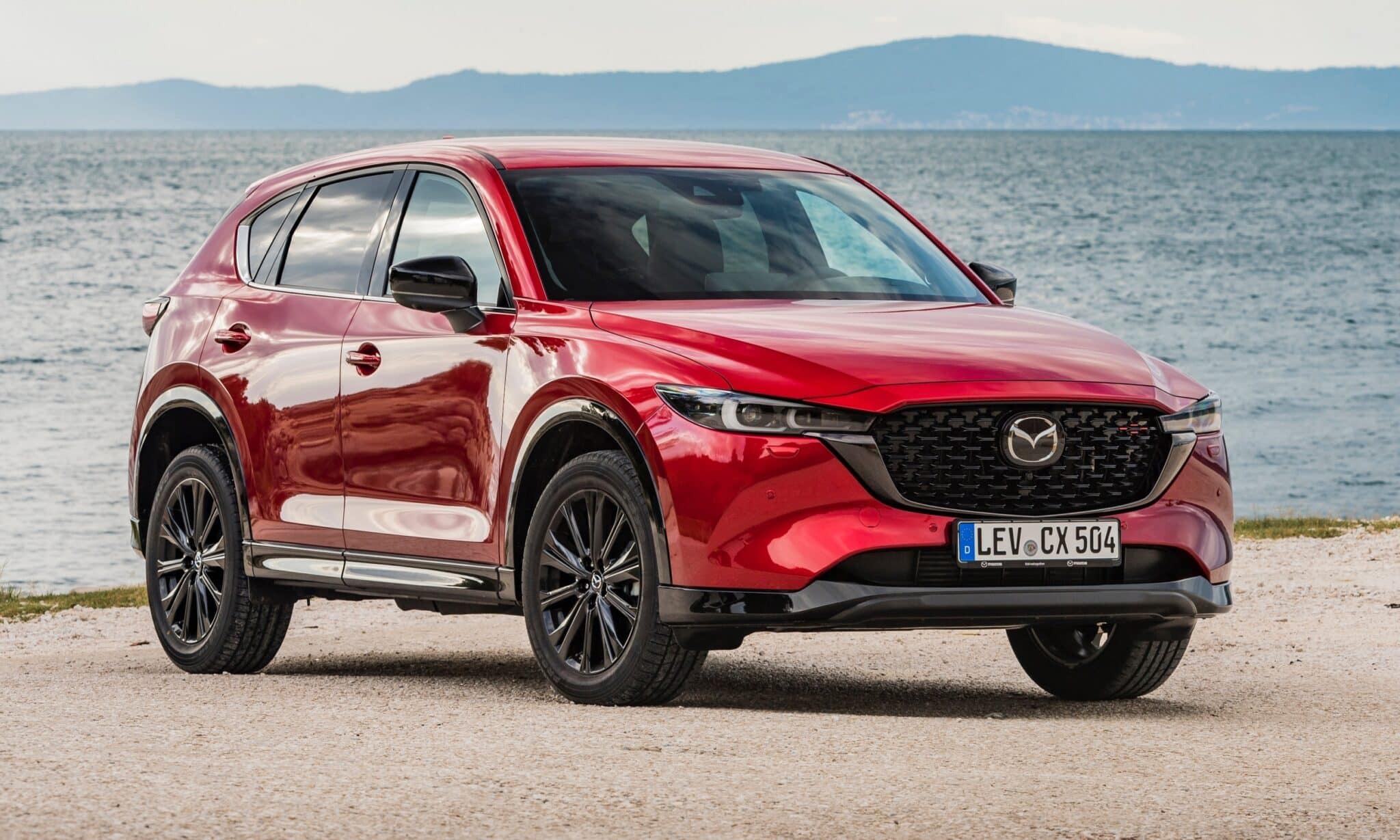
9. Mazda CX-5
Mazda’s CX-5 brings 66.5 cubic feet to the table, which is 3.3 below the RAV4 and Tiguan pair. Mazda has long focused on driving feel and styling, so it’s reasonable that cargo isn’t the headline here.
Is 66.5 cubic feet small? Not at all. It’s right in the middle of the pack, and it’s a generous amount for everyday life. The real question is what you carry.
For a couple that takes weekend trips, it’s likely more than enough. For a family of five with strollers and sports gear, you may feel the limit sooner than you would in the Outback or CR-V.
Think of it as a trade. Some drivers will happily give up a few cubic feet for a car that feels more engaging on a winding road. Others will do the opposite.
Before you buy, bring your regular load to the dealership. Cargo numbers matter, but fit matters more.
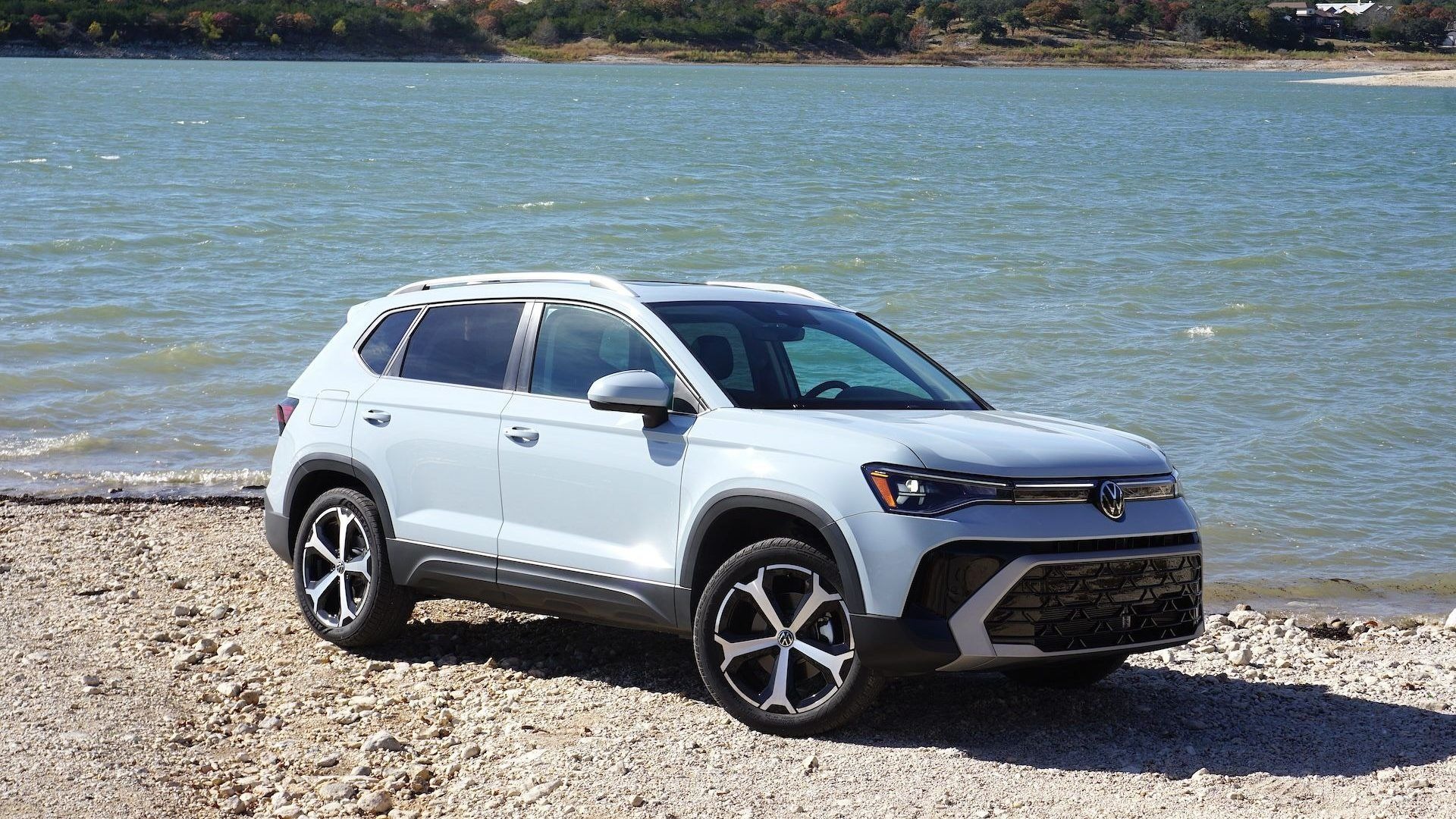
10. Volkswagen Taos
The Volkswagen Taos lands tenth with 65.9 cubic feet, only 0.6 behind the CX-5. We’ve crossed the halfway mark, and the numbers are getting tighter.
What does 65.9 cubic feet feel like? Imagine fitting a week’s worth of groceries for a family, plus a duffel bag, plus a few loose items. It’s enough for everyday life, and still a fair amount of room for weekend trips.
The Taos is among the more compact choices here, so a smaller footprint may be part of its appeal. Easier parking, tighter turning, and a lower price can matter more than the last few cubic feet for a city driver.
A quick tip for city dwellers is to measure your garage or parking space before choosing an SUV. A slightly smaller model can make daily life easier, even if it sacrifices a few cubic feet of cargo space.
Good value for those who want a balance between size and cargo.
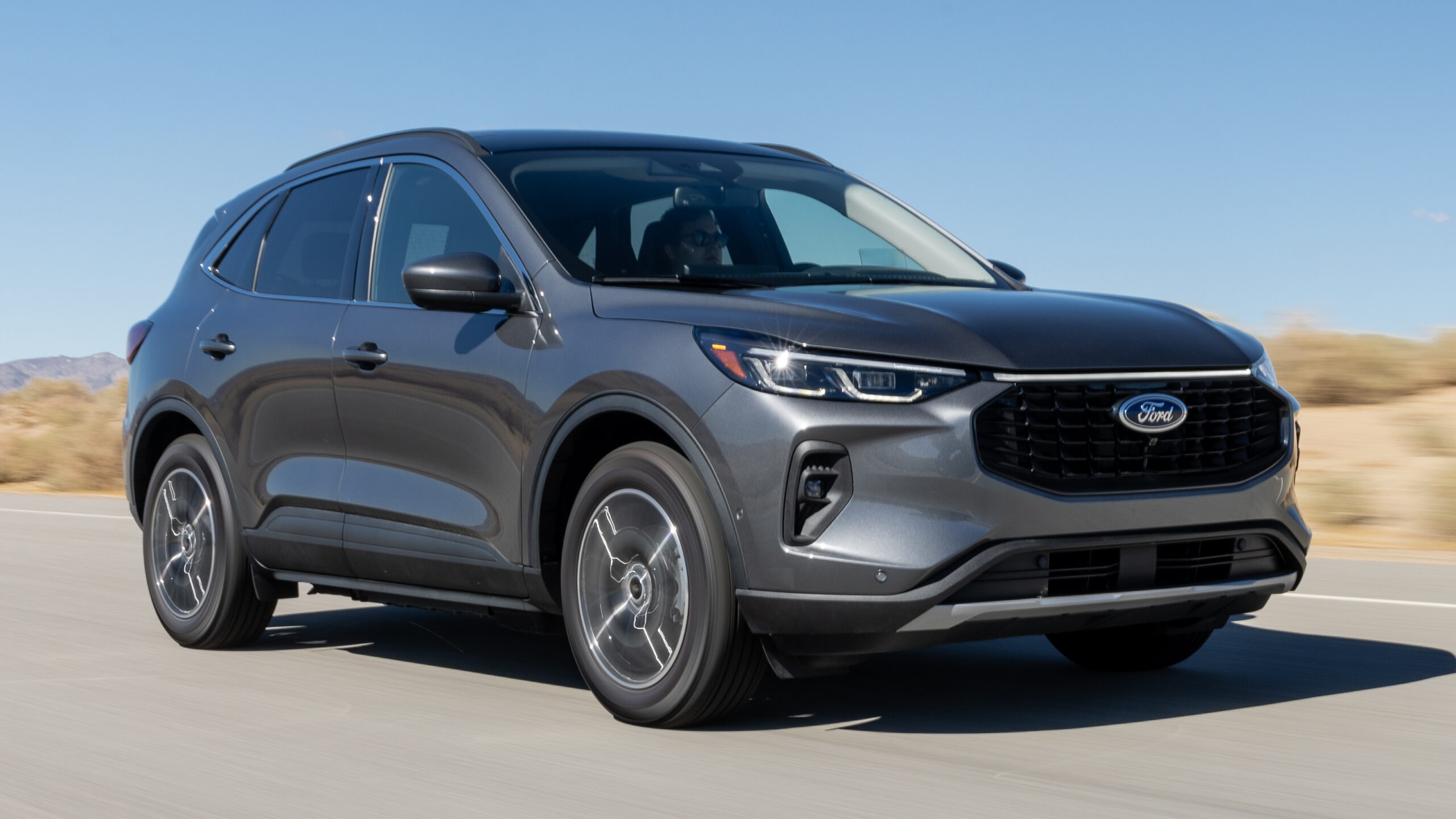
11. Ford Escape
Next is the Ford Escape at 65.4 cubic feet. That is 0.5 cubic feet less than the Taos and 15.3 cubic feet more than the bottom-ranked Mitsubishi Eclipse Cross. That puts the Escape solidly in the middle of the group.
Numbers like these are easier to understand when you convert them into stuff. At 65.4 cubic feet, you could carry several suitcases, a few grocery bags, and a folding chair or two. For many shoppers, that covers most of what they haul.
The Escape is a familiar nameplate, and it appeals to people who want an everyday vehicle with respectable room. It won’t set records, and it doesn’t pretend to.
What should you do with this figure? Treat it as one input. Compare it with fuel economy, seat comfort, and price. A vehicle with 65.4 cubic feet and a comfortable back seat might serve a family better than one with 74.1 and cramped legroom.
The lesson is simple. Choose the space you need for your life, not a trophy number.
12. Ford Bronco Sport
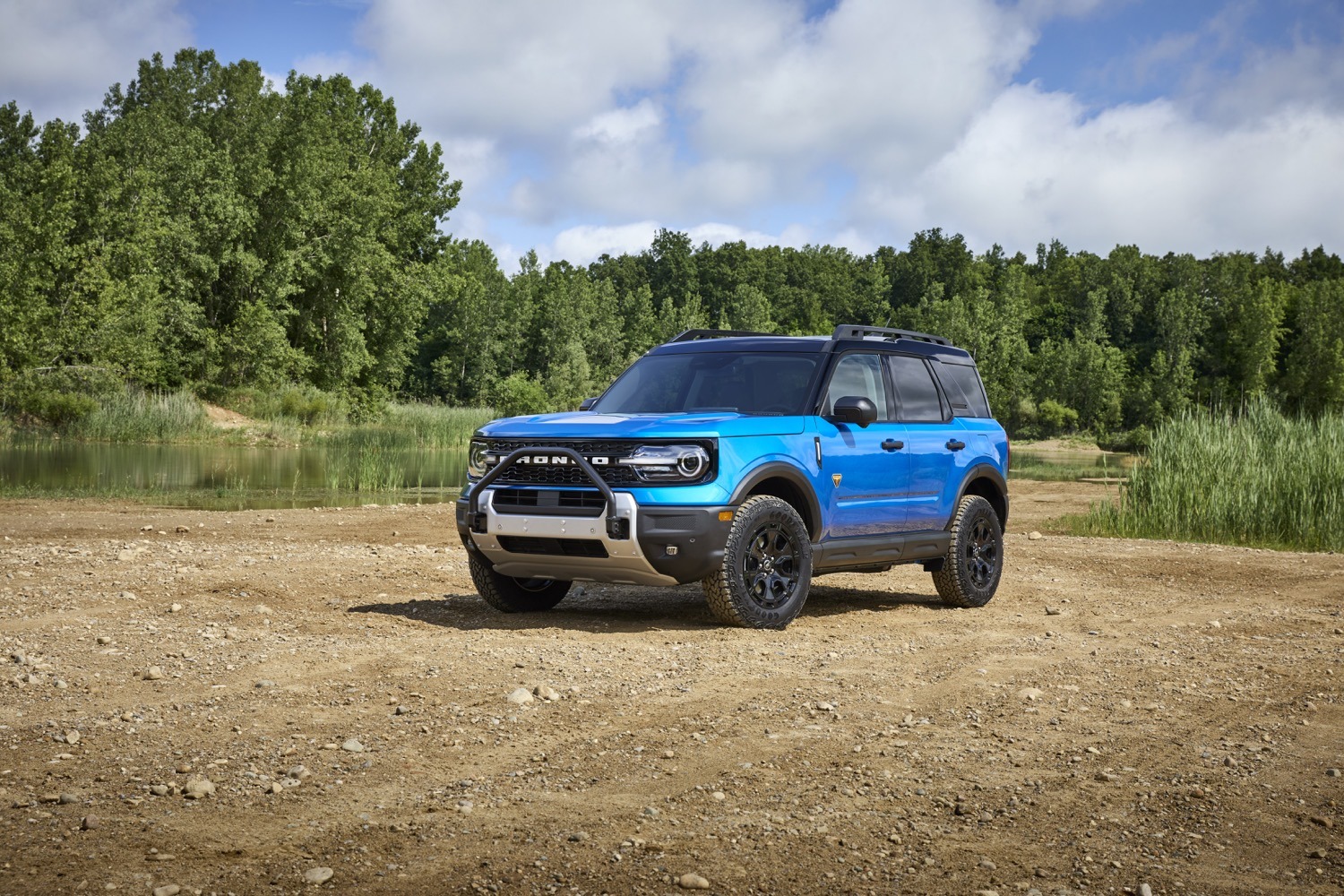
Now for the adventurous one. The Ford Bronco Sport offers 65.2 cubic feet, just 0.2 behind the Escape. Rugged styling and outdoor appeal define this model, and the cargo number backs up that spirit with respectable room for gear.
Imagine a trailhead at sunrise. Hiking boots, a daypack, a cooler, and a pair of folding chairs all go in the back. With 65.2 cubic feet, you can load up for a day of adventure without playing a puzzle game with each item.
Here is a useful rule of thumb. Boxy, upright designs often make it easier to load tall items. Check the vehicle in person to make sure the cargo area meets your needs.
It sits twelfth in the group, and that rank is a little misleading. The Bronco Sport trails the Outback by 15.3 cubic feet, but it beats the Eclipse Cross by 15.1, so it’s right in the middle.
Pack your gear, grab your boots, and go.
13. Mitsubishi Outlander
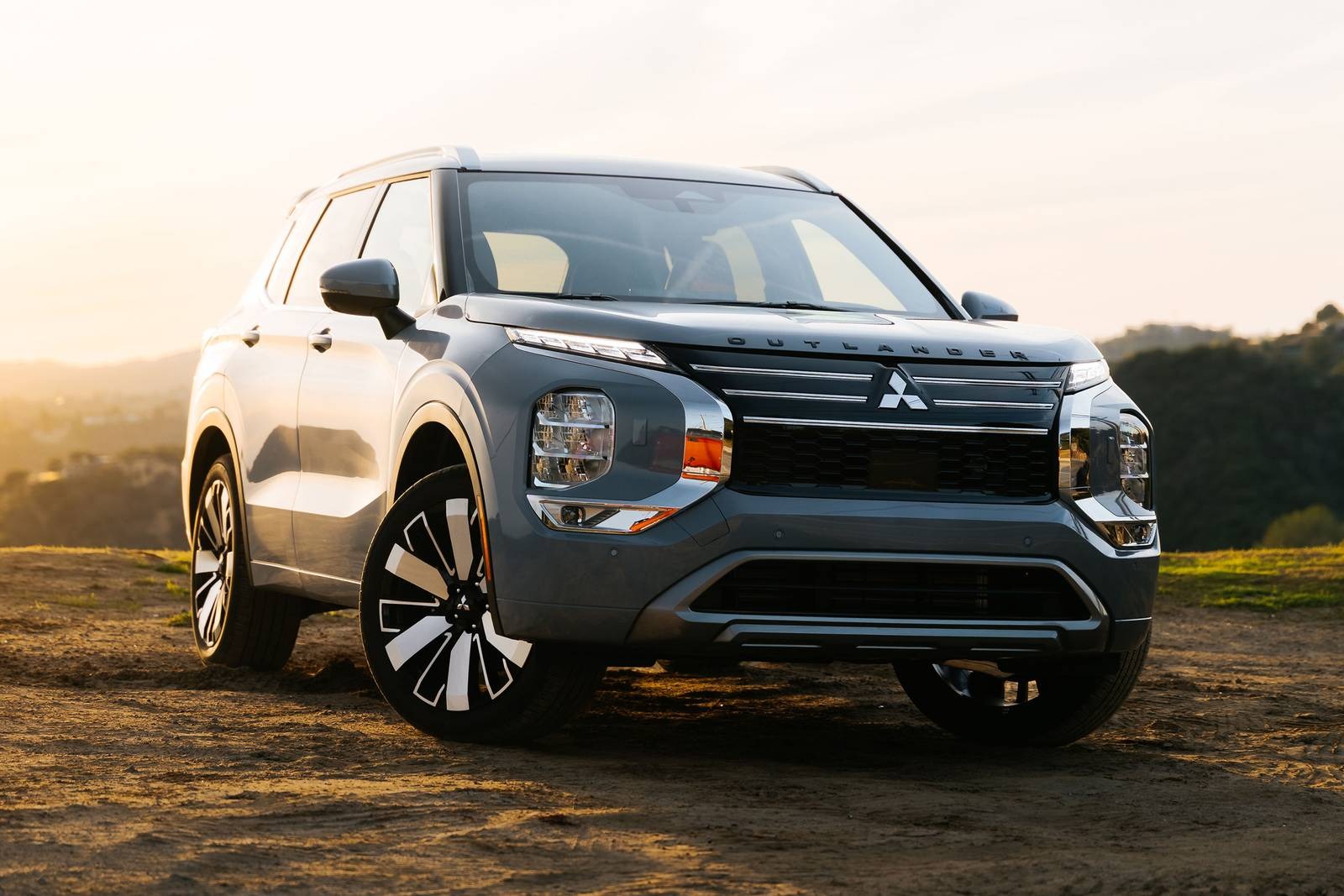
Here is the surprising part. The Mitsubishi Outlander offers 64.3 cubic feet of maximum cargo space, yet it has the smallest cargo capacity behind the rear seats in this group at just 10.9 cubic feet. The two figures tell very different stories about how the available space can be used.
The larger figure reflects maximum capacity, while the smaller one describes what’s left behind the rear seats. For a vehicle that can carry extra passengers, that smaller number can shrink quickly, so ask exactly which seats a figure applies to.
Why does this matter? A shopper who regularly carries passengers could find the cargo area tighter than the headline suggests. Ten point nine cubic feet is enough for a few grocery bags or a couple of carry-on suitcases, but not much more.
Practical advice is simple. Sit in every row, then load the cargo you normally carry with all the seats in place. That will give you a better idea of how the vehicle will work in everyday use. If you value seating flexibility, the Outlander may be a good fit. If you regularly need luggage space with a full cabin, test the cargo area carefully before buying.
14. Chevrolet Equinox
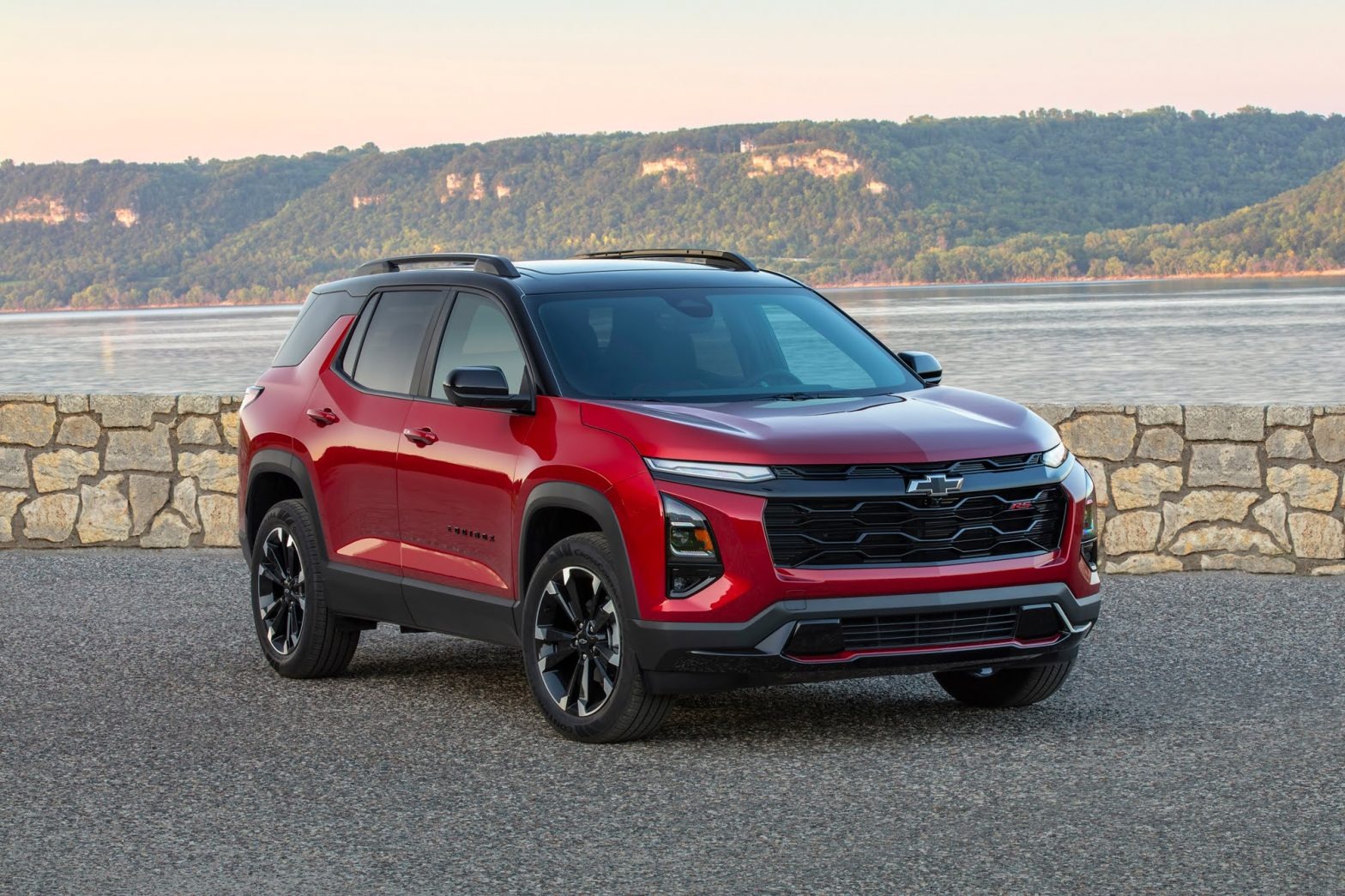
The Chevrolet Equinox offers 63.5 cubic feet of maximum cargo room, putting it 14th. Its figure ties the GMC Terrain, which appears immediately after it with the same 63.5-cubic-foot capacity.
The Equinox therefore sits in a tightly packed section of the ranking. It has only 0.8 cubic feet less maximum space than the Mitsubishi Outlander and 1.7 cubic feet less than the Ford Bronco Sport.
For everyday use, 63.5 cubic feet can provide plenty of flexibility. The available area can accommodate luggage, groceries, boxes, and other belongings when the rear seats are folded.
A vehicle’s cargo figure is especially useful for people who want an SUV without moving into a larger class. The Equinox provides a meaningful amount of storage while remaining within the compact-SUV group represented here.
Its 14th-place ranking should not be mistaken for a lack of practical space. The number simply reflects how the Equinox compares with the 13 models ahead of it.
Several vehicles near the middle have similar capacities, making the differences relatively small.
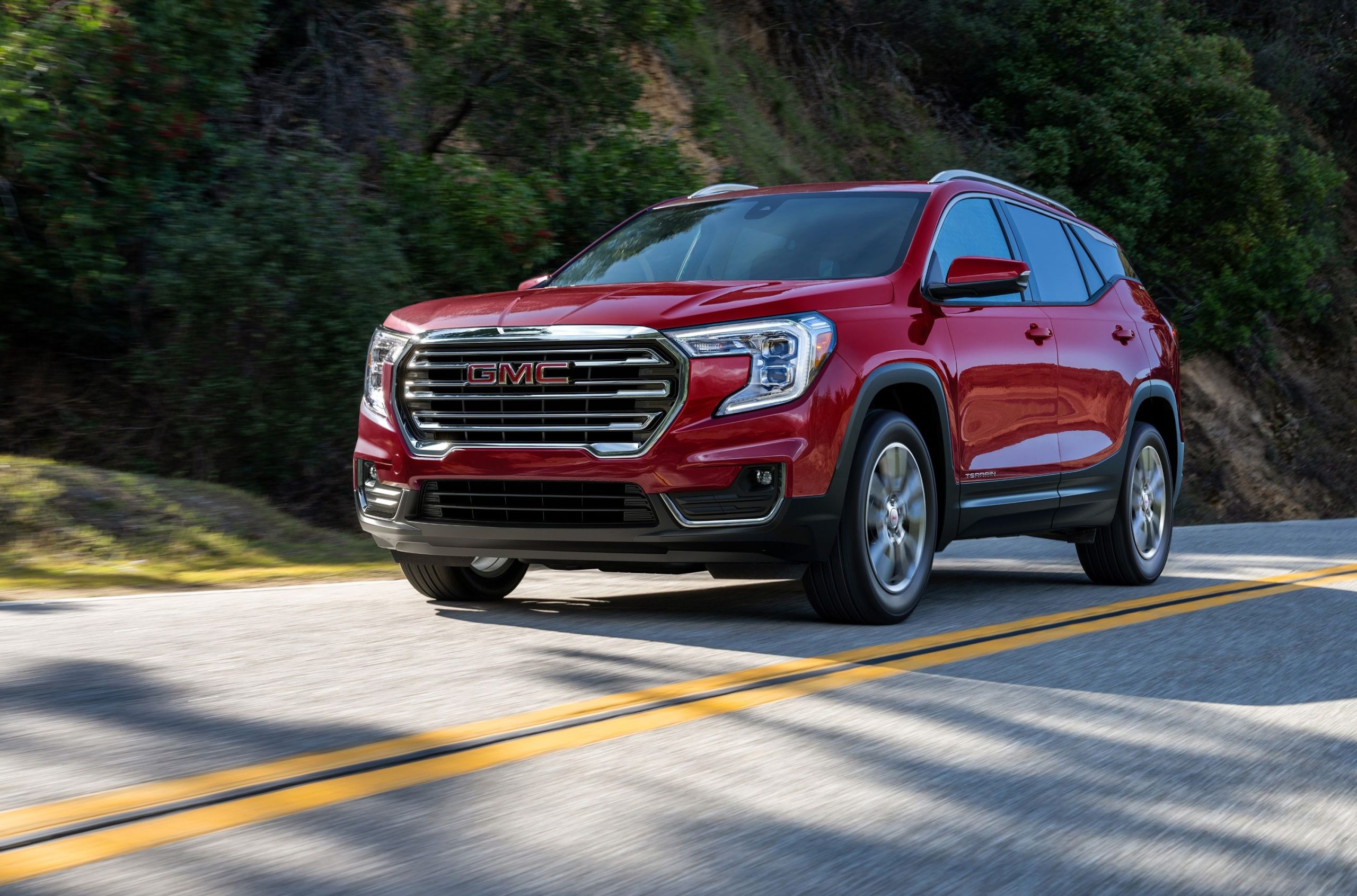
15. GMC Terrain
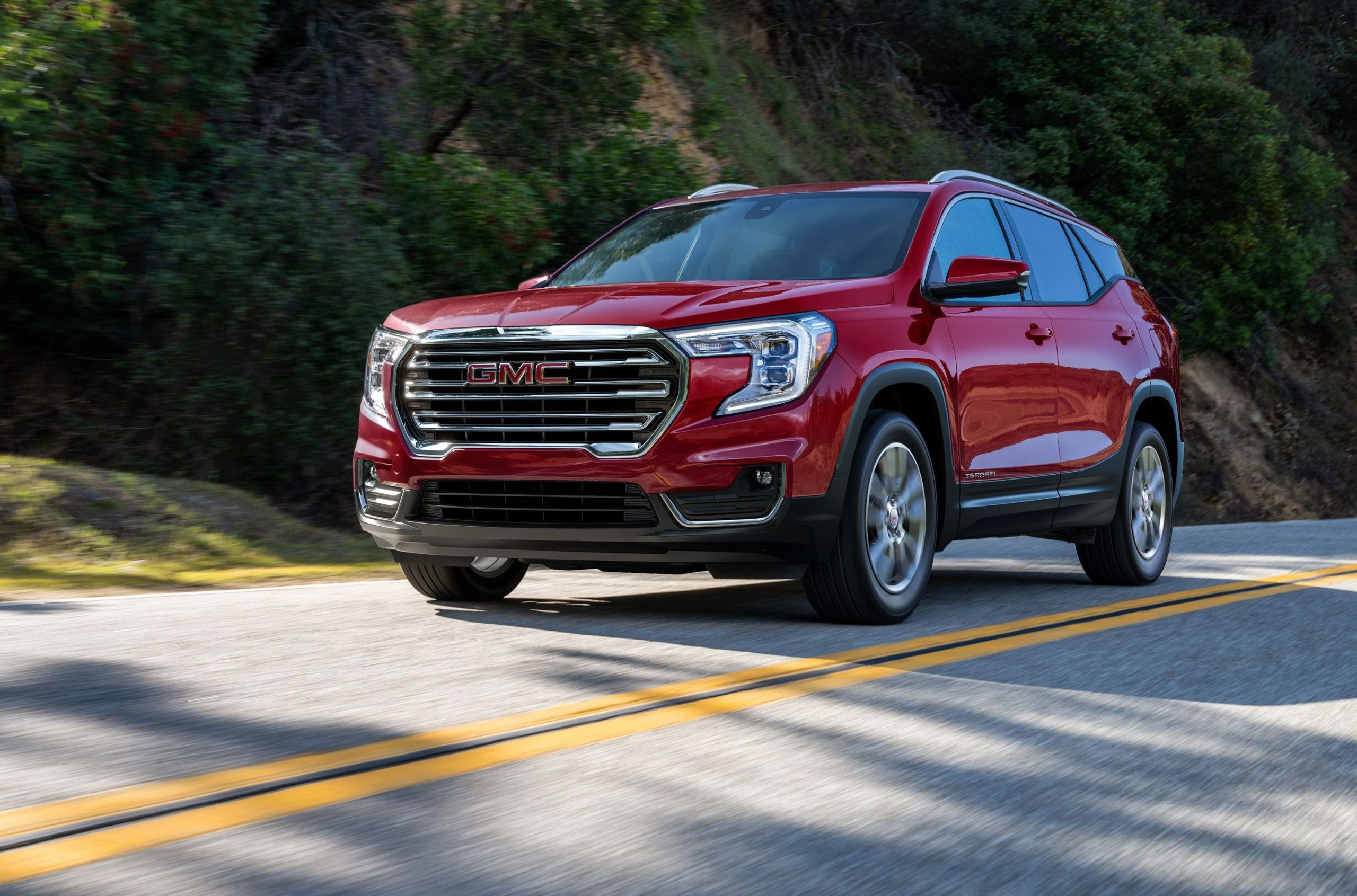
The GMC Terrain shares the Chevrolet Equinox’s 63.5 cubic feet of maximum cargo capacity, placing it 15th in this ranking. With the same reported volume, the two vehicles are effectively tied on this particular measurement.
The Terrain’s figure puts it just below the Mitsubishi Outlander and above the Mazda CX-50. That position gives it a respectable amount of storage even though several competitors provide more.
Cargo room becomes especially valuable when owners need to carry larger objects. Folding the rear seats can create a much more useful loading area than the standard passenger configuration allows.
The 63.5-cubic-foot maximum also illustrates why looking at just one specification can produce an incomplete picture of an SUV. Two vehicles can have similar cargo capacities while differing in seating arrangements, equipment, ride quality, or other attributes.
For buyers who frequently haul belongings, the Terrain’s number offers a straightforward reference point. It provides more than 60 cubic feet when maximum storage is available, which can cover many common household and travel needs.
The 15th-place ranking simply reflects the larger figures recorded by the other models.
16. Mazda CX-50
The Mazda CX-50 records 56.3 cubic feet of maximum cargo capacity, placing it 16th among the 18 vehicles. That is a sizeable drop from the 63.5 cubic feet offered by the Chevrolet Equinox and GMC Terrain.
Even so, 56.3 cubic feet remains useful for a compact SUV. Folding the rear seats provides additional room for luggage, recreational equipment, shopping, and other items that may not fit in a conventional sedan.
The CX-50’s position illustrates the spread within this group. The difference between first-place Subaru Outback and the CX-50 is more than 24 cubic feet, which can represent a meaningful amount of extra loading space.
For shoppers who rarely carry bulky items, the lower figure may have little practical impact. A person who frequently travels with large amounts of gear, however, may prefer one of the higher-capacity models.
The Mazda therefore occupies a middle ground near the bottom of the list. Its maximum cargo figure is smaller than those of most competitors here, but it still offers the flexibility associated with folding rear seating and SUV body design.
17. Jeep Cherokee
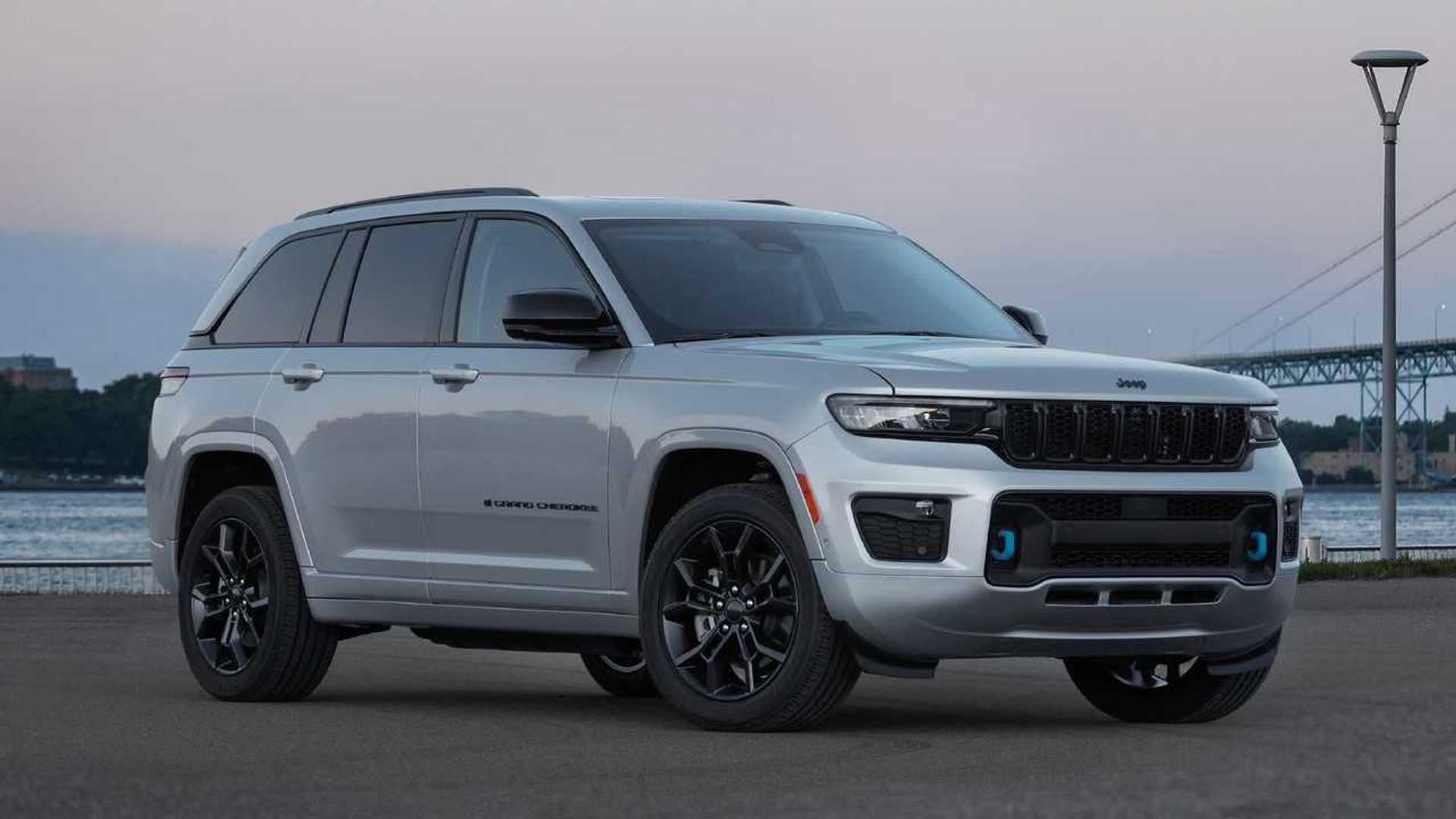
The Jeep Cherokee follows with 54.7 cubic feet, 1.6 below the CX-50. The numbers are getting snug now, and they show how much range exists across this class.
To put that range in perspective, the Outback holds 25.8 more cubic feet than the Cherokee. That’s a big enough gap to change what you can bring on a trip.
Who should consider the Cherokee? Someone who values the Jeep name and its character, and who doesn’t need maximum cargo room. A couple, a solo driver, or a small family could make it work with smart packing.
A few packing tips help. Use soft bags that squish into corners, stack items only if they’re secured, and keep heavy objects low. Roof storage can add space, though it also affects fuel economy and wind noise.
Know your limit, and pack accordingly.
18. Mitsubishi Eclipse Cross
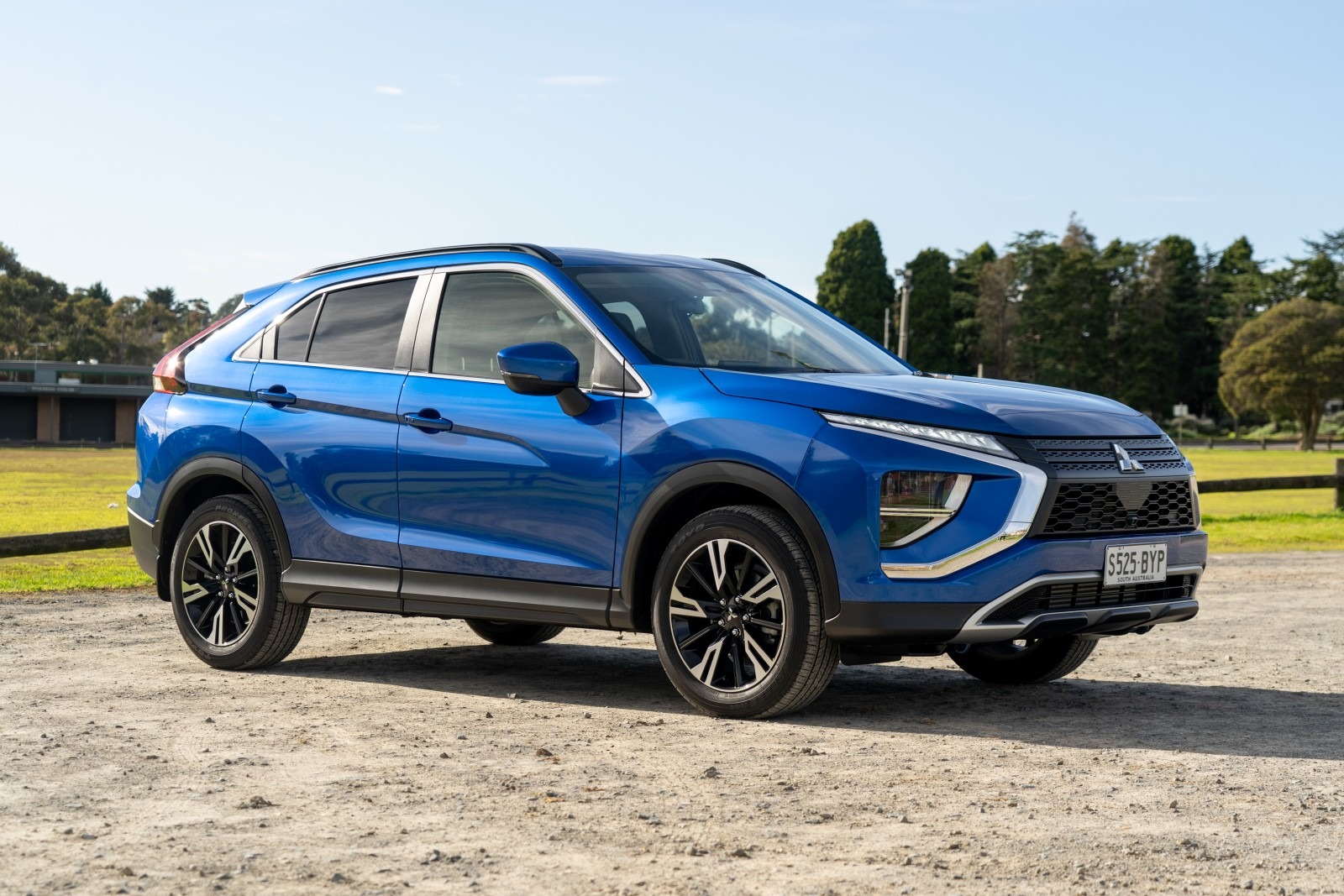
Last place goes to the Mitsubishi Eclipse Cross, with 50.1 cubic feet. That’s 30.4 cubic feet less than the Subaru Outback at the top. A gap that large changes what you can bring on a trip.
Does last place mean bad? Not at all. Fifty cubic feet is still enough for ordinary needs, and some drivers value style, price, or driving feel more than extra room.
But if you carry big loads, you’ll notice. A large dog crate, golf clubs plus luggage, or a big home improvement haul could test the limit.
Here’s the big picture of the whole list. Space ranges from 80.5 down to 50.1, a spread of more than 30 cubic feet. Many vehicles in the middle cluster within a few cubic feet of each other, so small differences matter less than shape, access, and comfort.
Before buying, bring your own gear and test it. The best cargo space is the one that fits your life, not the one with the biggest number.