
Paying MSRP is no longer guaranteed when demand is strong and dealer inventory is limited. iSeeCars found that the vehicles with the largest transaction premiums were concentrated heavily among luxury and performance models, with some buyers paying more than 20% above the manufacturer’s suggested retail price.
The MINI Hardtop led the ranking at 25.5% above MSRP, while four Porsche models followed behind it. The study analyzed actual new-vehicle transaction prices against MSRP and found that 18 of the 20 vehicles with the largest premiums came from premium brands.
The figures show how dramatically real-world pricing can differ from the number printed on a window sticker.
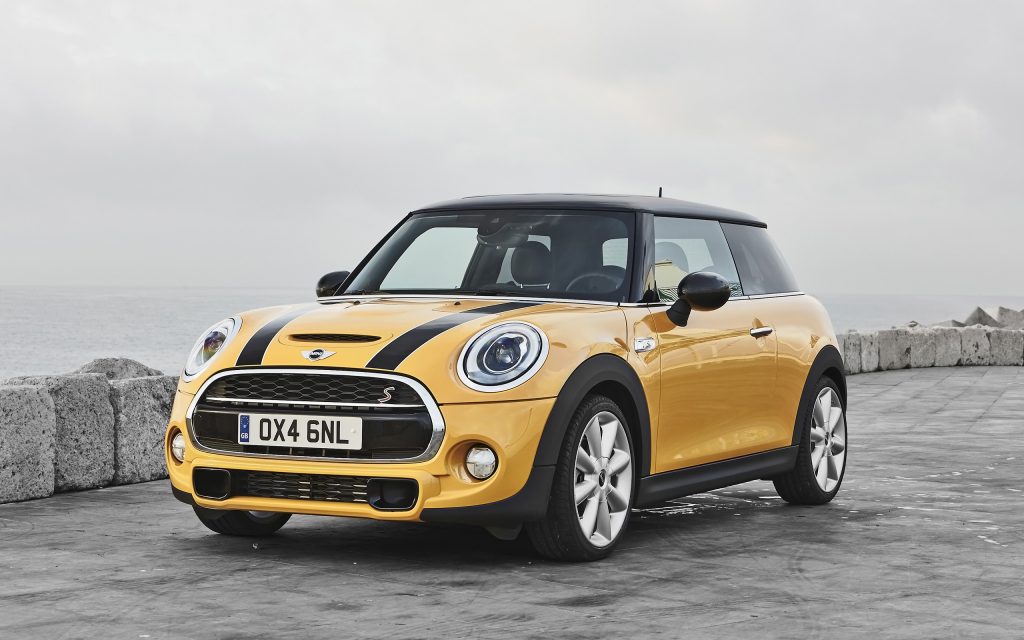
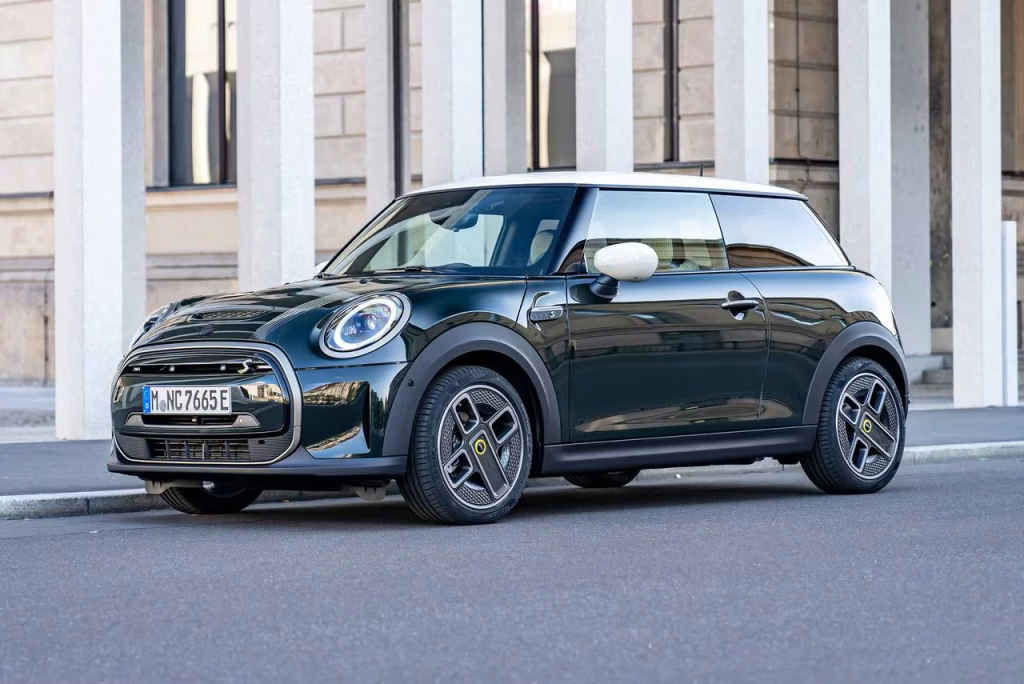
1. MINI Hardtop
The MINI Hardtop claimed the highest position in iSeeCars’ ranking, with an average transaction price of $37,473 compared with an average MSRP of $29,858. That produces a 25.5% premium and a dollar difference of $7,615.
For a relatively small hatchback, that is a striking gap between the manufacturer’s suggested price and what buyers were actually paying.
The percentage is especially notable because the average new vehicle in the same study was priced 7.2% above MSRP. The MINI’s premium was therefore more than three times the market average.
iSeeCars attributed the broader pricing environment to supply gradually catching up with demand, although certain models continued to command substantial premiums.
The transaction figure also changes the perception of affordability. A shopper starting with a roughly $30,000 MSRP could find the real market price closer to $37,500. That difference is large enough to affect financing payments and the amount of money required upfront.
iSeeCars’ regional data further showed how strong demand for this model could become in individual markets. The MINI Hardtop recorded particularly high premiums in several metropolitan areas, including Denver, where it was listed at 30.3% above MSRP.
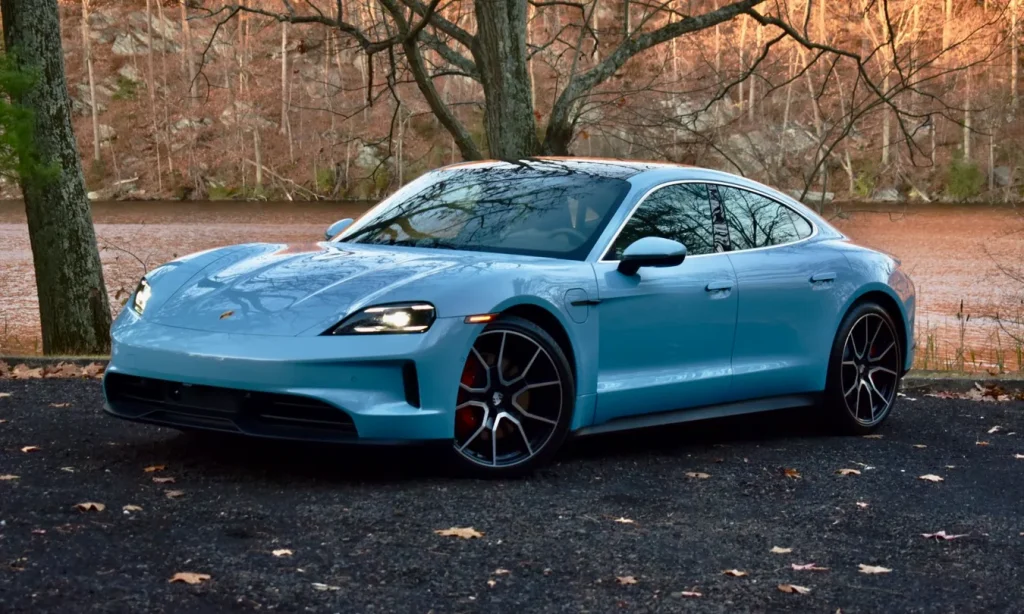
2. Porsche Taycan Sedan
The Porsche Taycan sedan ranked second, with an average transaction price of $137,729 against an MSRP of $111,893. Buyers were therefore paying $25,836 more than the manufacturer’s suggested price, producing a 23.1% premium.
The dollar difference is considerably larger than the premium attached to the first-ranked vehicle, even though the percentage is lower. That happens because the Taycan starts from a much higher price point. A percentage-based ranking can therefore hide just how much extra money a buyer is spending in actual dollars.
The Taycan was also one of the electric vehicles appearing near the top of the study. iSeeCars noted that EVs generally had weaker pricing than several other vehicle categories, yet the Taycan and another Porsche electric model still appeared among the highest-premium vehicles.
Regional pricing could be even more aggressive. In San Diego, for example, the Taycan appeared at 28.1% above MSRP, while the San Francisco-Oakland-San Jose market recorded a 27.4% premium.
The national figures nevertheless remain the clearest benchmark. An average transaction of $137,729 compared with $111,893 represents a substantial departure from sticker pricing and demonstrates how demand for a desirable premium EV can translate into a very large dealer premium.
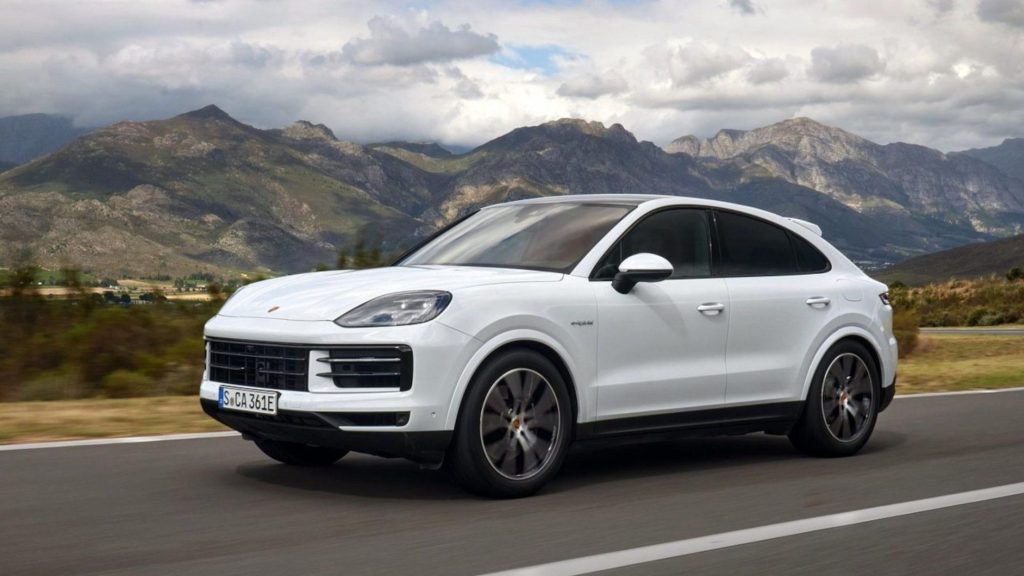
3. Porsche Cayenne
The Porsche Cayenne posted an average transaction price of $105,574 against an MSRP of $86,593. The resulting $18,981 difference placed the luxury SUV 21.9% above sticker.
Its position is significant because it shows that the strongest premiums were not limited to low-volume sports cars. A luxury SUV could also generate a transaction price more than one-fifth above the manufacturer’s suggested figure.
The Cayenne’s $18,981 premium is also large enough to change the financial equation of the purchase. A shopper comparing vehicles around the $85,000 mark could end up paying close to $20,000 more before taxes and other expenses simply because of the difference between MSRP and the observed transaction price.
Regional figures reveal that the premium could become even larger depending on location. iSeeCars recorded the Cayenne at 31.1% above MSRP in Las Vegas, while Nashville reached 29.1% and Raleigh-Durham reached 29.3%.
Those regional differences demonstrate why a nationwide average does not necessarily predict what an individual buyer will encounter. Nevertheless, the national 21.9% figure was enough to put the Cayenne third in the study.
Its placement also contributed to Porsche’s extraordinary presence near the top of the ranking, with multiple models commanding premiums well above the average new-car market.
4. Porsche Macan
The Porsche Macan averaged $80,421 in transaction pricing compared with an MSRP of $66,310. That translates into a $14,111 difference and a 21.3% premium.
The Macan’s result is notable because it sits below the Cayenne in Porsche’s SUV lineup yet still generated one of the largest premiums in the study. The transaction price moved beyond the $80,000 threshold even though the average MSRP was more than $14,000 lower.
The percentage difference places the Macan among only five vehicles in the ranking that exceeded the 20% mark. That is a useful dividing line because the remaining vehicles all recorded premiums below 20%.
Location once again had a significant effect. iSeeCars found the Macan selling 27.4% above MSRP in Phoenix, 26.7% in Orlando-Daytona Beach, and 25.3% in West Palm Beach-Ft. Pierce.
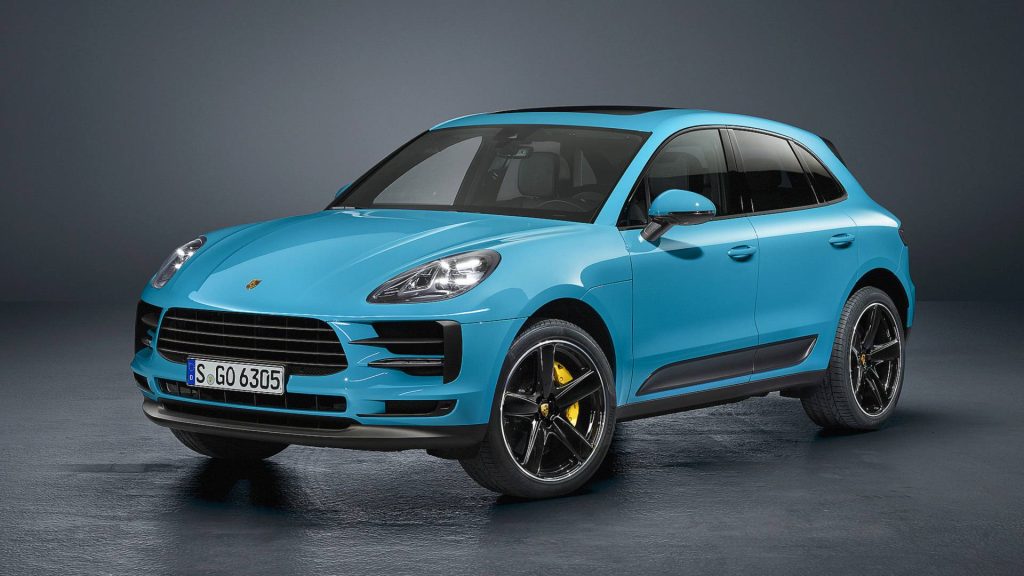
The data therefore suggests that shoppers could encounter substantially different pricing depending on where they searched. Even the national figure, however, indicates strong pricing power.
The $14,111 gap is the figure buyers should pay closest attention to. A percentage can describe the scale of the premium, but the dollar amount shows what that premium actually means for the purchase price.
5. Porsche Taycan Wagon
The Porsche Taycan wagon recorded an average transaction price of $146,594 compared with an MSRP of $121,248. That creates a $25,346 difference and a 20.9% premium.
Although its percentage was lower than the sedan’s 23.1%, the wagon’s higher starting price meant that buyers were still paying more than $25,000 above the manufacturer’s suggested figure.
That makes it one of the most expensive vehicles in the ranking when measured by the actual dollar premium. The average transaction price also placed it above the $145,000 mark.
The wagon’s position helped give Porsche four models within the first five places. iSeeCars reported that Porsche had five vehicles in the top 10 and six among the full 20, more than any other brand.
The result is particularly interesting because the vehicle is an electric model, while iSeeCars found EVs had the weakest average pricing among major vehicle categories in the study. The organization specifically noted that individual models from brands such as Porsche could behave very differently from the broader EV market.
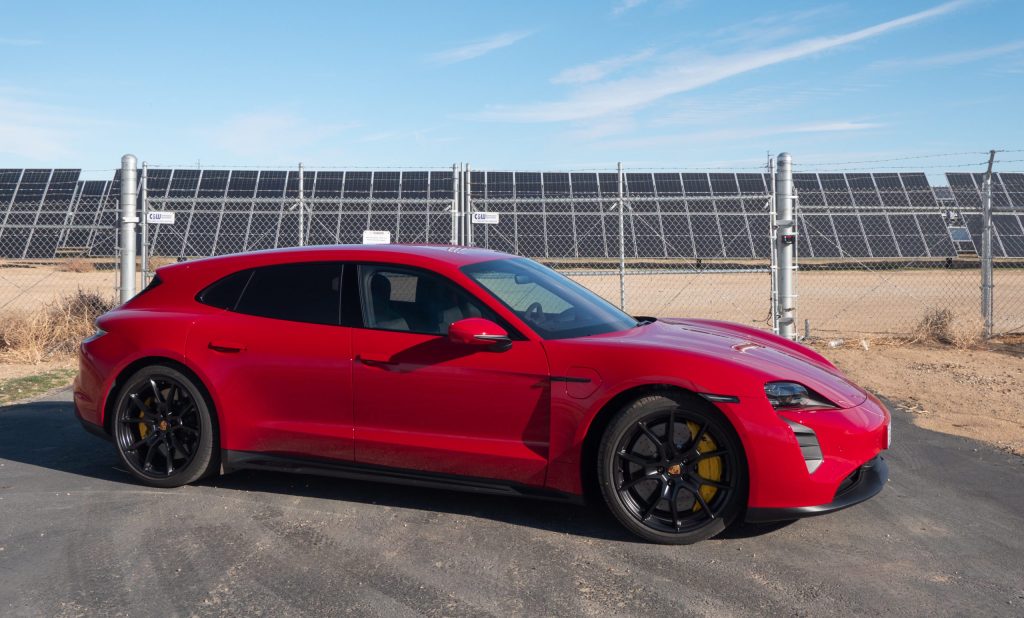
For buyers, the $25,346 premium is the most striking part of the data. A vehicle advertised around $121,000 was averaging transaction prices near $147,000.
6. Cadillac CT5-V
The Cadillac CT5-V averaged $67,254 against an MSRP of $56,043. Its $11,211 difference corresponds to a 20.0% premium.
This vehicle represents one of the few American performance models in the ranking. Its exact 20% markup also creates a convenient dividing point in the list, with every vehicle above it carrying a premium of at least 20%.
The financial difference is substantial for a sedan in this price range. An additional $11,211 represents a significant increase before sales tax, registration, financing charges, and other ownership costs are considered.
The CT5-V also illustrates how performance-focused vehicles can behave differently from ordinary passenger cars. Buyers seeking a specific combination of power, equipment, and driving character may have fewer alternatives, giving dealers more room to maintain higher transaction prices.
The study’s broader results support that pattern. iSeeCars found that premium and performance models dominated the highest-premium group, with 18 of the 20 vehicles coming from premium brands.
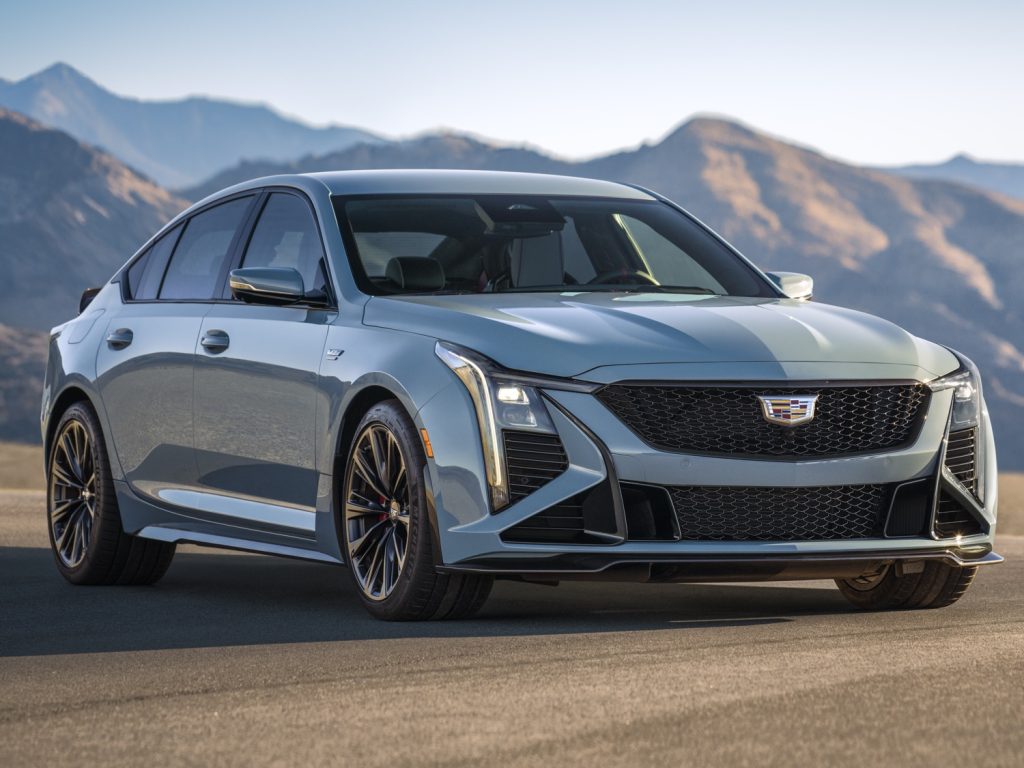
For consumers, the difference between $56,043 and $67,254 is more meaningful than simply knowing that the vehicle ranked sixth. It shows precisely how much the average transaction exceeded the manufacturer’s suggested price in the data.
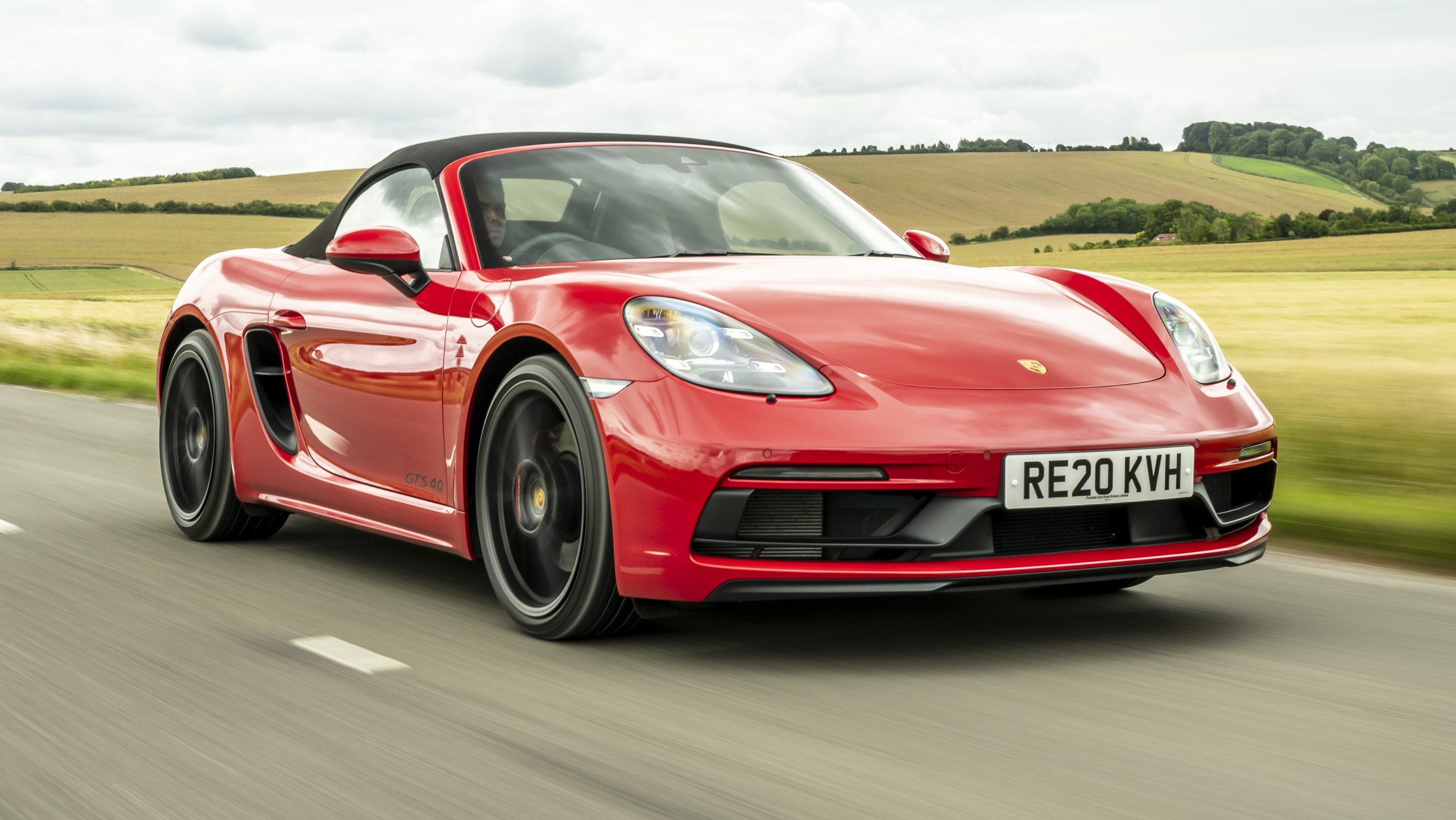
7. Porsche 718 Boxster
The Porsche 718 Boxster averaged $99,848 compared with an MSRP of $83,301. That produced a $16,547 premium and placed the sports car 19.9% above sticker.
Its percentage was only 0.1 percentage point below the 20% threshold, making it one of the strongest pricing performers in the entire study.
The dollar premium is particularly noticeable because the transaction price came within a few hundred dollars of $100,000 despite an average MSRP below $84,000. In other words, the market premium alone pushed the average purchase price into a different psychological price bracket.
The Boxster was one of several Porsche models showing that the brand’s performance cars maintained unusually strong transaction pricing. iSeeCars’ study placed six Porsche vehicles among the 20 highest premiums.
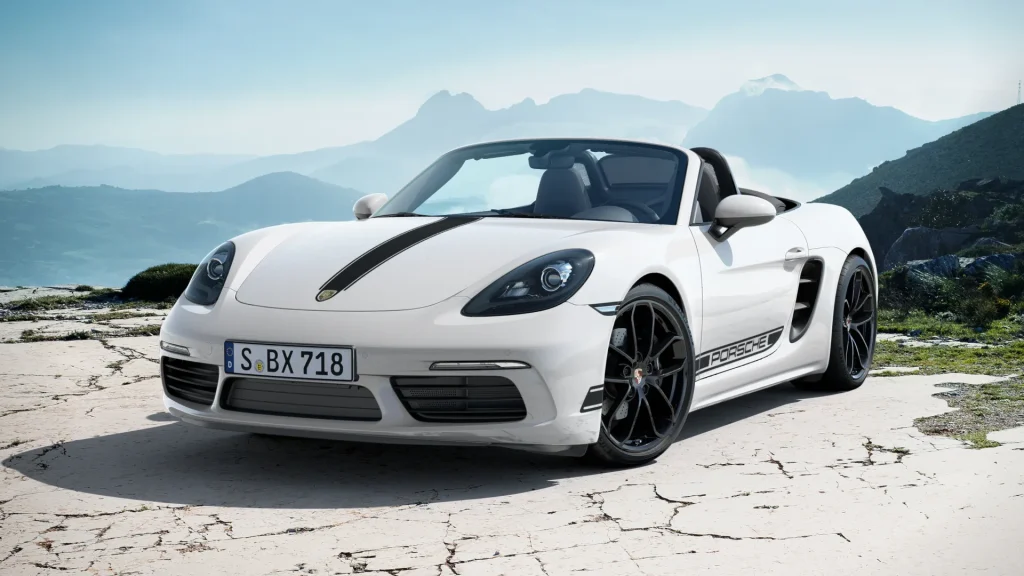
The difference of $16,547 also exceeds the entire transaction premium attached to several lower-priced vehicles elsewhere in the ranking.
For buyers considering a sports car, the figures provide a useful reminder to distinguish between MSRP and actual market pricing. A manufacturer may advertise one figure, while market demand determines another.
The Boxster’s 19.9% premium shows that being just below the 20% threshold does not mean the financial difference is small.
8. Toyota Corolla Cross Hybrid
The Toyota Corolla Cross Hybrid averaged $33,719 compared with an MSRP of $28,248. Its $5,471 difference represents a 19.4% premium.
This vehicle is particularly important because it breaks the pattern established by the luxury models above it. The Corolla Cross Hybrid was one of only two mainstream-brand vehicles to appear among the 20 largest transaction premiums.
iSeeCars specifically pointed to hybrids as being in high demand and apparently in short supply, helping explain why this practical crossover could command such a large premium.
The percentage is almost identical to the BMW model that follows it, but the financial difference is considerably smaller because the Toyota carries a much lower MSRP.
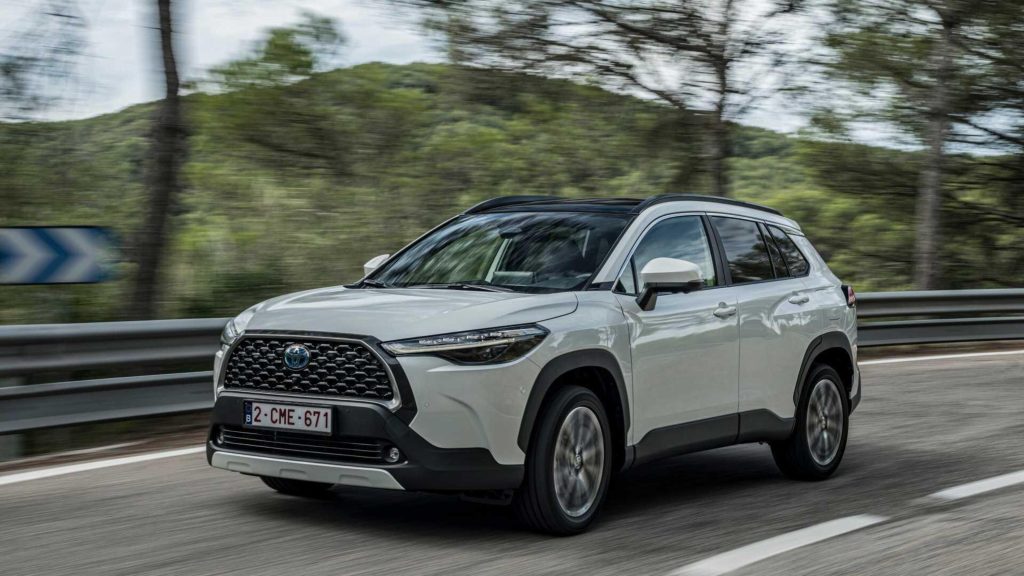
A $5,471 premium is still meaningful for a vehicle with an MSRP below $30,000. It represents nearly one-fifth of the vehicle’s suggested price and could materially affect monthly financing costs.
The result also shows that shoppers do not necessarily avoid premiums by moving into mainstream vehicles. Market demand can push a practical hybrid well above sticker price just as it can affect an expensive luxury vehicle.
9. BMW X3 M
The BMW X3 M recorded an average transaction price of $90,057 against an MSRP of $75,448. The difference was $14,609, resulting in a 19.4% premium.
Its percentage exactly matched the Toyota Corolla Cross Hybrid, but the BMW’s higher starting price created a premium more than $9,000 larger in dollar terms.
That contrast makes the X3 M particularly useful for understanding how transaction premiums work. Two vehicles can carry the same percentage markup while producing dramatically different additional costs for the buyer.
The X3 M also fits the dominant pattern identified by iSeeCars. Performance and premium models were heavily represented among vehicles commanding the largest premiums.
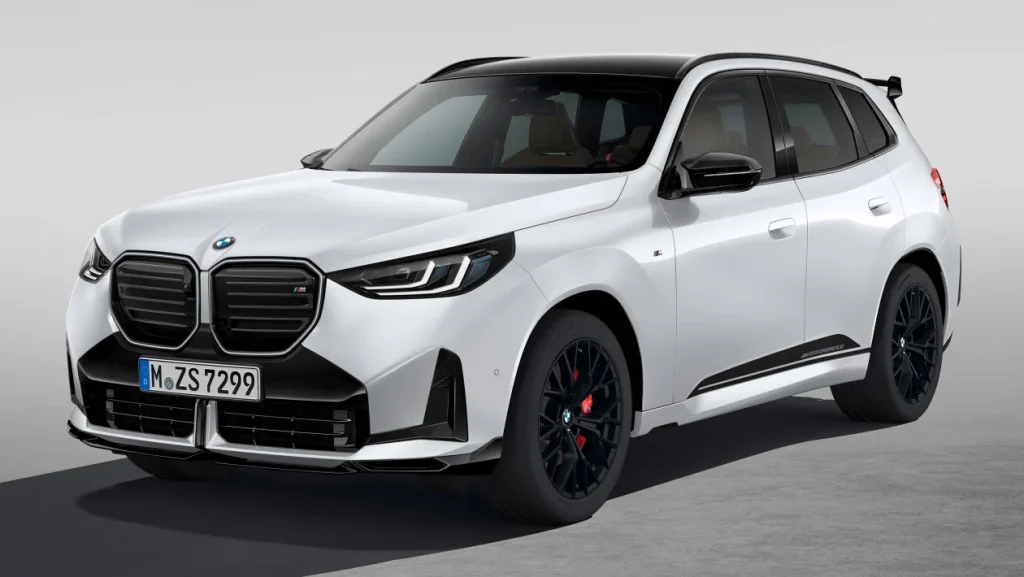
At $90,057, the average transaction price was also comfortably above the $75,448 MSRP. The difference of $14,609 represents a substantial additional financial commitment before taxes, registration and financing.
For shoppers considering a performance-oriented luxury crossover, the data shows why dealer negotiations can matter considerably. Even a modest improvement from the observed average could save thousands of dollars.
10. Cadillac CT4-V
The Cadillac CT4-V averaged $66,633 compared with an MSRP of $55,873. That creates a $10,760 difference and a 19.3% premium.
The CT4-V gives Cadillac two entries among the 20 vehicles with the largest premiums. Its transaction price was lower than that of the CT5-V, but its percentage difference remained remarkably close.
The $10,760 gap is significant relative to the vehicle’s MSRP. Nearly $11,000 separated the manufacturer’s suggested figure from the average transaction price recorded in the study.
This is another example of why a vehicle’s position on a percentage ranking should not be considered without examining the dollar difference. The CT4-V sits tenth by percentage, yet its premium is larger than the entire purchase price of some used vehicles.
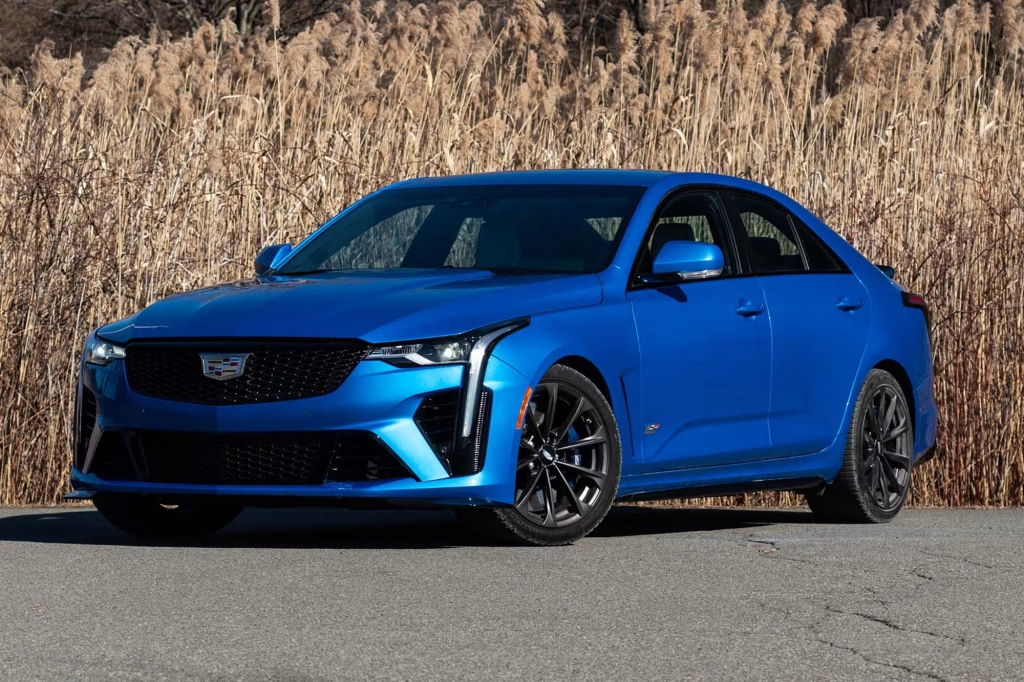
The model’s performance positioning likely helped it maintain stronger pricing than an ordinary compact luxury sedan. Buyers seeking specific performance hardware may have fewer substitutes, especially when shopping for a particular trim.
The finding also supports a broader trend identified by iSeeCars. Performance-oriented vehicles continued to rank among the strongest performers when actual transaction prices were compared with MSRP.
11. Porsche 718 Cayman
The Porsche 718 Cayman averaged $105,910 against an MSRP of $89,092. That translates to a $16,818 premium and an 18.9% increase over sticker.
The Cayman therefore crossed the $100,000 transaction-price threshold even though its average MSRP remained below $90,000. The premium itself accounted for more than $16,000 of that difference.
Its position also complements the Boxster’s result. Both 718 models appeared among the highest-premium vehicles, showing that Porsche’s sports-car lineup had unusually strong transaction pricing in the study.
The 18.9% premium is only slightly below the 19.9% figure recorded for the Boxster, yet the Cayman generated a slightly larger dollar difference because its average MSRP was higher.
For a buyer, the important comparison is $89,092 versus $105,910. That $16,818 gap could substantially alter the affordability of the vehicle depending on financing terms and down payment.
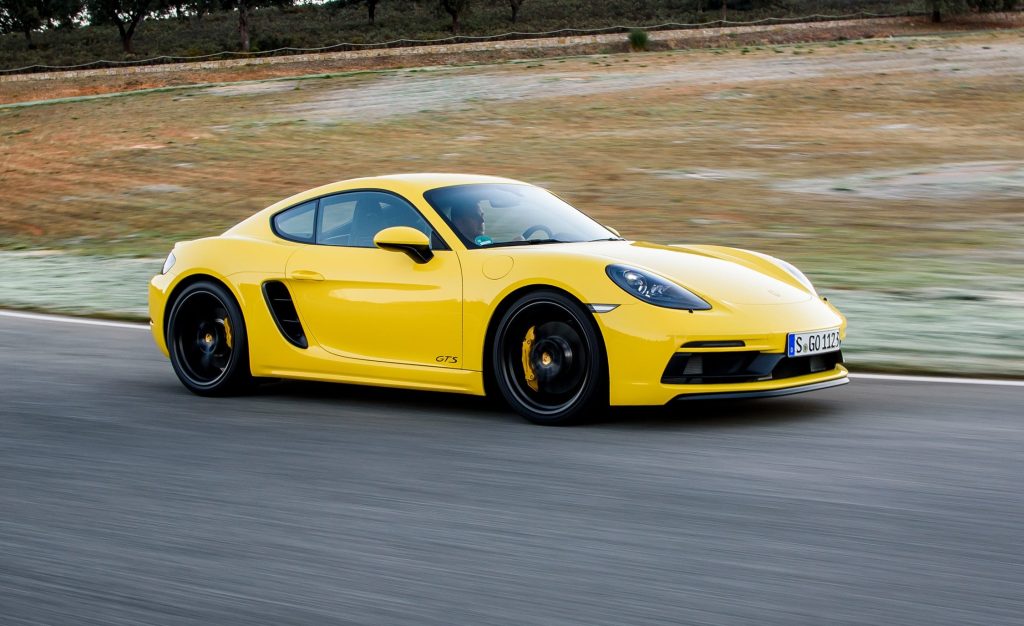
The Cayman demonstrates that transaction premiums can remain substantial even when a model falls outside the top 10. An 18.9% markup still places it far above the 7.2% average for the new-car market recorded in the study.
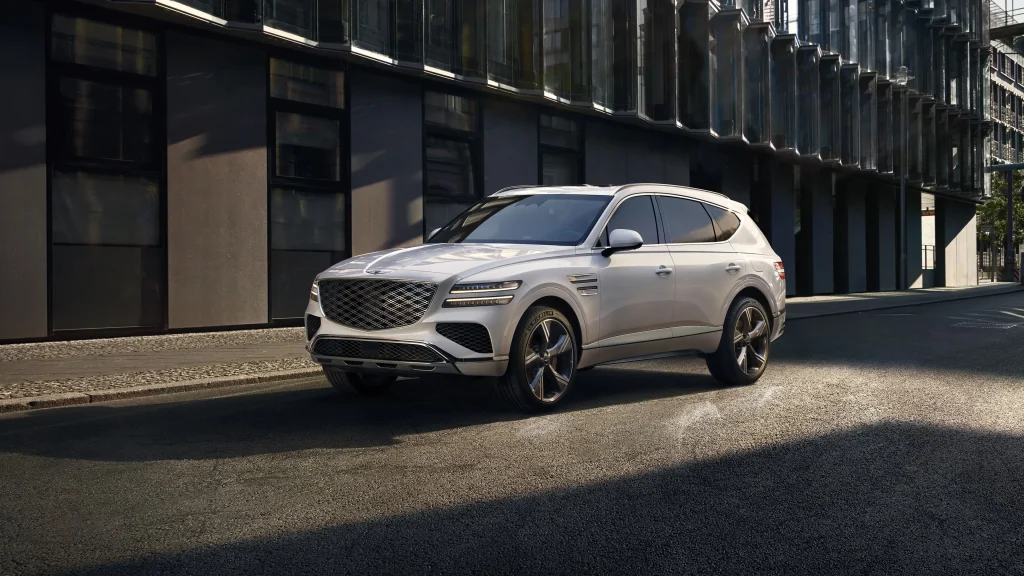
12. Genesis GV70
The Genesis GV70 averaged $58,646 against an MSRP of $49,351. Its transaction premium amounted to $9,295, equivalent to 18.8%.
The GV70 is another luxury crossover showing that premium pricing was not restricted to established German brands. Its position also gives Genesis representation among the vehicles commanding some of the largest markups.
The difference between MSRP and transaction price is particularly noticeable because the vehicle’s average sticker price remained below $50,000. A buyer facing an average transaction of nearly $59,000 was therefore paying almost $10,000 above the manufacturer’s suggested figure.
Its 18.8% premium is also only slightly below the 19% level, putting it in the same general pricing territory as several higher-ranked performance models.
Regional figures show that pricing could vary substantially. In St. Louis, iSeeCars recorded the GV70 at 20.0% above MSRP, demonstrating that the national figure did not represent the maximum premium seen in every market.
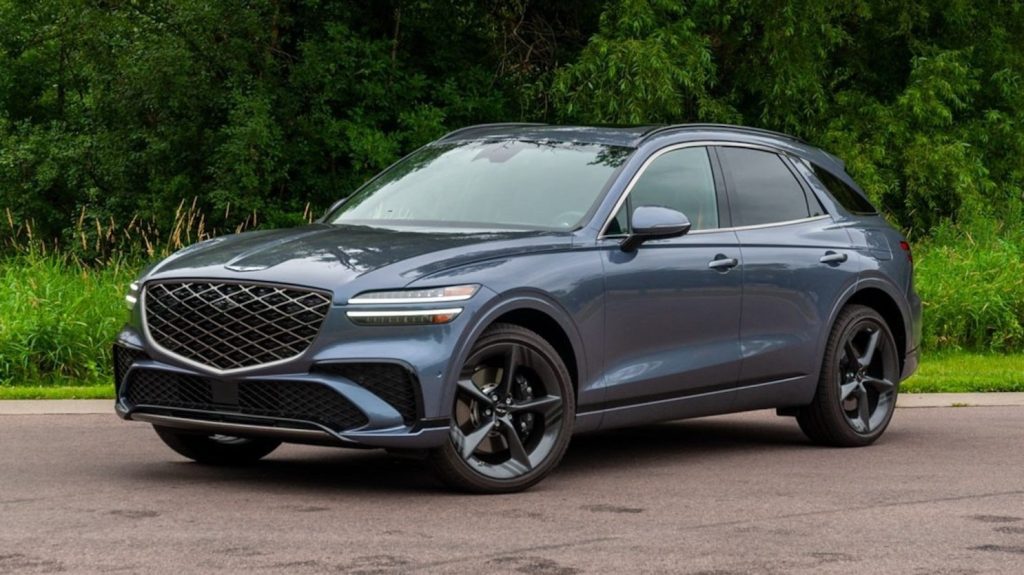
The model’s ranking demonstrates that luxury crossover demand could remain strong enough to push actual transaction prices far beyond the manufacturer’s published benchmark.
13. MINI Countryman
The MINI Countryman averaged $40,757 against an MSRP of $34,337. That created a $6,420 difference and an 18.7% premium.
The Countryman is the second MINI to appear in the ranking and shows that the brand’s strong transaction pricing was not limited to the smaller Hardtop. Its premium was lower than the first-ranked model’s 25.5%, but it remained well above the 7.2% market average.
The $6,420 difference is particularly relevant because the Countryman remained below the $35,000 MSRP level while its observed transaction price moved beyond $40,000.
Regional data provides further evidence of strong demand. The model reached a 25.9% premium in Cincinnati, demonstrating that certain markets could produce a much wider gap than the national figure.
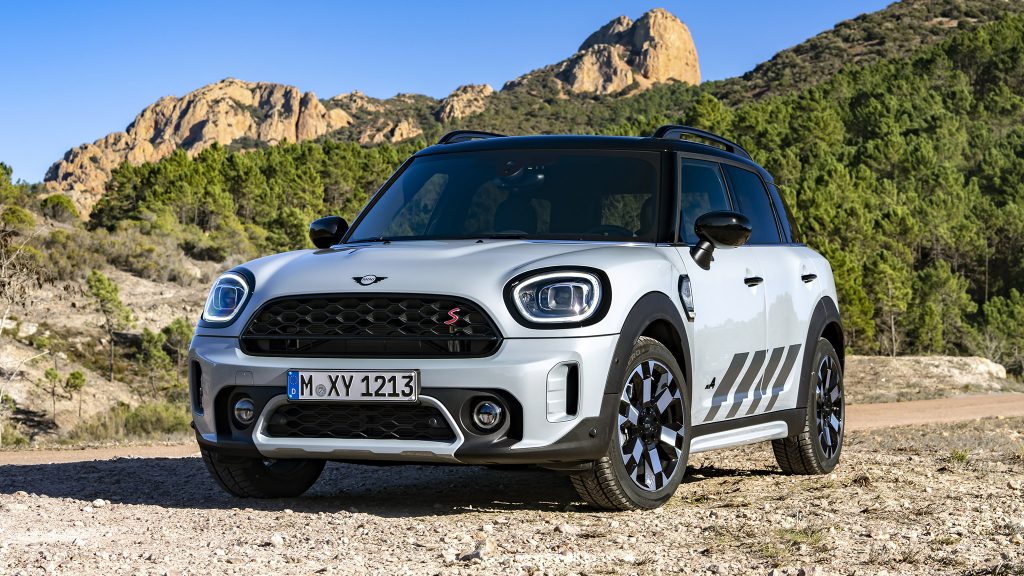
For buyers, the Countryman presents a familiar pricing challenge. A relatively accessible MSRP does not necessarily translate into an equally accessible transaction price.
The 18.7% markup places it close to the top of the study despite its lower price than many luxury vehicles surrounding it.
14. MINI Clubman
The MINI Clubman posted an average transaction price of $43,238 compared with an MSRP of $36,435. The resulting $6,803 difference equals an 18.7% premium.
Its percentage matches the Countryman’s exactly, but the Clubman’s higher average MSRP means buyers were paying $383 more above sticker in dollar terms.
That comparison highlights an important feature of transaction data. Percentage rankings can place two vehicles side by side even when the actual additional amount paid differs.
The Clubman also gives MINI a third vehicle in the 20-car ranking. Combined with the Hardtop and Countryman, it shows that the brand had multiple products attracting transaction prices substantially above MSRP.
iSeeCars’ findings indicate that premium brands dominated the highest-premium rankings, but MINI’s results were especially notable because the vehicles carried lower prices than many of the luxury models included.
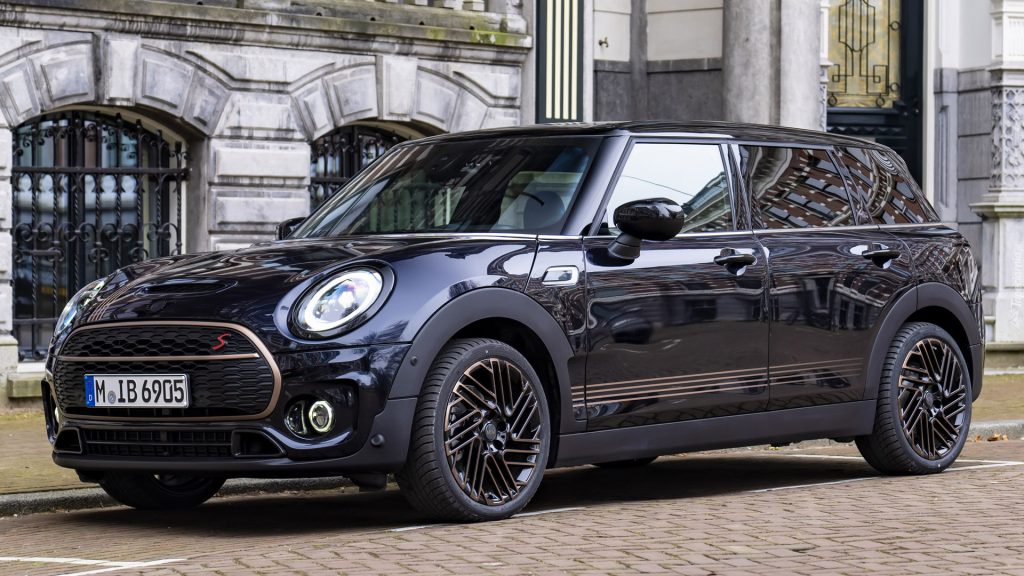
For a buyer, moving from a $36,435 MSRP to a $43,238 transaction price means absorbing nearly $7,000 in additional cost before taxes and fees.
That difference illustrates why consumers should compare actual transaction prices with MSRP rather than assuming that the window sticker represents the typical market deal.
15. Lexus LS 500
The Lexus LS 500 averaged $94,962 against an MSRP of $80,072, producing a $14,890 difference. Its 18.6% premium placed it fifteenth in the study.
The LS 500 is the largest luxury sedan represented in this section of the ranking and demonstrates that high transaction premiums were not limited to crossovers and sports cars.
Its dollar premium is particularly striking. At $14,890, the additional amount approaches $15,000, even though its percentage markup is below the 20% threshold.
That illustrates the effect of a high base price. An 18.6% premium applied to an $80,000 vehicle creates a much larger dollar increase than the same percentage applied to a $30,000 car.
The observed transaction price also moved close to $95,000, meaning the average buyer represented in the study paid substantially more than the manufacturer’s suggested figure.
The LS 500’s position adds another luxury brand to an already premium-heavy ranking. iSeeCars found that 18 of the 20 vehicles were from premium manufacturers.
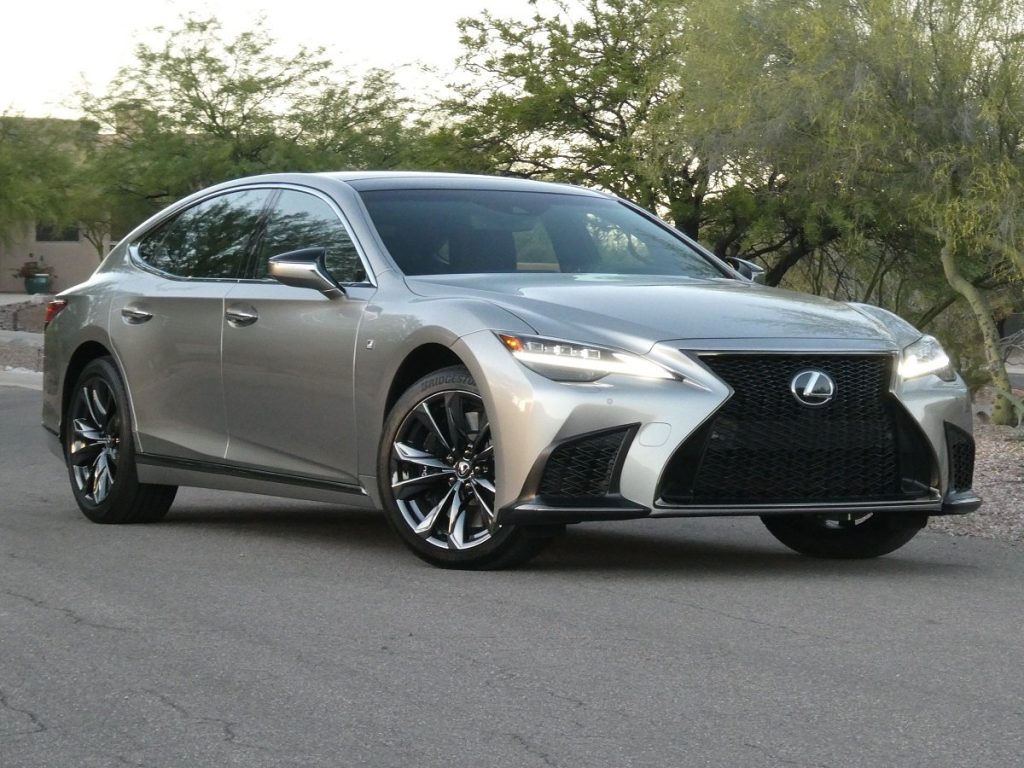
For shoppers, the key numbers are $80,072 at MSRP and $94,962 in transaction pricing. That $14,890 gap is too large to dismiss as a minor dealer adjustment.
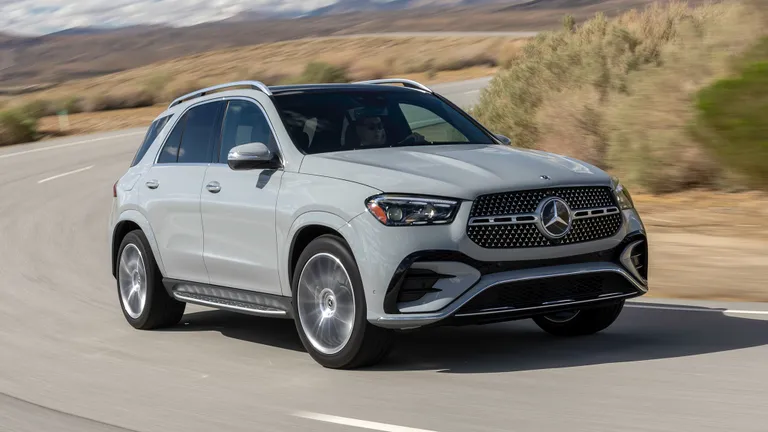
16. Mercedes-Benz GLE
The Mercedes-Benz GLE averaged $82,399 compared with an MSRP of $69,500. The difference was $12,899, giving the luxury SUV an 18.6% premium.
Its percentage matches the Lexus LS 500, but the GLE’s average transaction price is lower. This illustrates again how percentage rankings can group vehicles with very different actual purchase prices.
The $12,899 premium is nevertheless substantial. A vehicle with a listed price of $69,500 was averaging more than $82,000 in transaction pricing.
The GLE’s inclusion continues the pattern of luxury SUVs dominating the ranking. Porsche contributed several models, while Genesis, BMW and Mercedes-Benz also appeared among the highest-premium vehicles.
The study’s broader data suggests that supply and demand remained the central forces behind these differences. iSeeCars said supply was gradually catching up with demand, but the pricing gap had not yet returned to pre-pandemic levels.
For buyers considering this model, the $12,899 difference is the most useful number. It shows how much additional money could separate an MSRP-based expectation from the average transaction represented by the study.
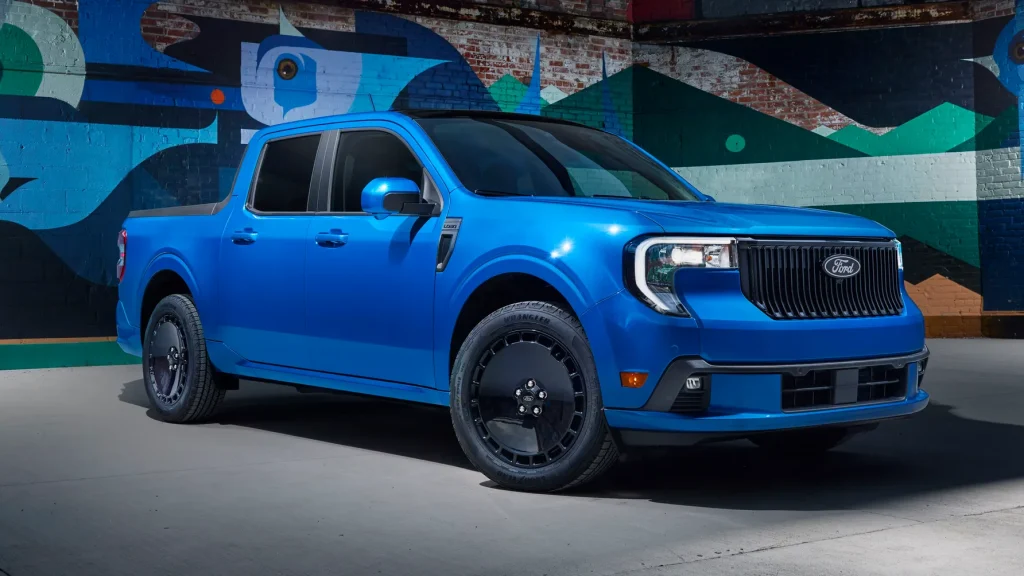
17. Ford Maverick
The Ford Maverick averaged $33,098 against an MSRP of $27,996, resulting in a $5,102 difference and an 18.2% premium.
The Maverick is one of the most surprising entries because it is one of only two mainstream-brand vehicles in the ranking. Its presence demonstrates that substantial premiums were not exclusively a luxury-car phenomenon.
iSeeCars specifically noted that the Maverick, like the Toyota Corolla Cross Hybrid, was benefiting from strong demand and apparently limited supply.
The 18.2% premium means the average transaction price was more than $5,000 above the manufacturer’s suggested figure. For a vehicle with an MSRP below $28,000, that represents a considerable increase.
Regional pricing could be even more aggressive. In Fresno-Visalia, California, the Maverick was recorded at 36.1% above MSRP, while other markets also showed premiums above 20%.
That regional variation demonstrates why buyers should not assume that a national average will match the quote from a particular dealer.
The Maverick’s ranking shows how strong demand for an affordable compact pickup could translate into pricing pressure normally associated with more expensive vehicles.
18. MINI Hardtop 2 Door Electric
The electric MINI Hardtop 2 Door averaged $36,434 compared with an MSRP of $30,918. Its $5,516 difference translates to a 17.8% premium.
The model is notable because electric vehicles generally had weaker pricing in the broader study. iSeeCars reported EVs as the lowest-premium major category, yet this particular MINI still ranked among the 20 vehicles with the largest markups.
That distinction shows why broad powertrain trends cannot always predict the transaction price of an individual model. Brand strength, production volume and local demand can all affect dealer pricing.
The electric MINI’s average transaction price moved beyond $36,000 even though its MSRP was just over $30,900. The difference of $5,516 represents a meaningful increase for a relatively compact vehicle.
The study also noted that MINI and Porsche appeared to be managing EV production more closely with demand, potentially helping certain electric models avoid the deeper discounts seen elsewhere in the EV market.
For buyers, the figures provide a clear example of how an EV can command a premium despite broader weakness in electric-vehicle transaction pricing.
19. Genesis GV80
The Genesis GV80 averaged $70,080 against an MSRP of $59,677. That produced a $10,403 premium and a 17.4% increase over sticker.
Its percentage places it nineteenth, but the actual dollar difference remains substantial. More than $10,000 separated the average transaction price from the manufacturer’s suggested figure.
The GV80 also gives Genesis a second model in the ranking, following the GV70. Both luxury SUVs therefore appeared among the 20 vehicles with the largest transaction premiums.
The higher price of the GV80 means its dollar premium is considerably larger than the differences recorded by the MINI models near the bottom of the list, despite the percentage being similar.
The result also reinforces the dominance of luxury vehicles throughout the ranking. iSeeCars found that premium brands accounted for 18 of the 20 highest-premium vehicles, leaving only two mainstream exceptions.
For consumers, the comparison between $59,677 and $70,080 is more revealing than the 17.4% alone. It shows how quickly a five-figure premium can develop when a luxury vehicle’s transaction price moves well beyond MSRP.
20. Audi RS 6 Avant
The Audi RS 6 Avant closed the ranking with an average transaction price of $147,482 compared with an MSRP of $125,609. The $21,873 difference produced a 17.4% premium.
Its percentage matches the Genesis GV80, but the Audi’s much higher base price creates a dramatically larger dollar premium. At more than $21,000, the additional amount exceeds the entire premiums attached to several less expensive vehicles in the ranking.
The transaction price also places the RS 6 Avant near $150,000, even though the average MSRP remained below $126,000.
This is one of the clearest examples of why percentage rankings should be paired with actual dollar figures. A 17.4% premium may look modest compared with the 25.5% figure at the top, but on a six-figure vehicle it can still represent tens of thousands of dollars.
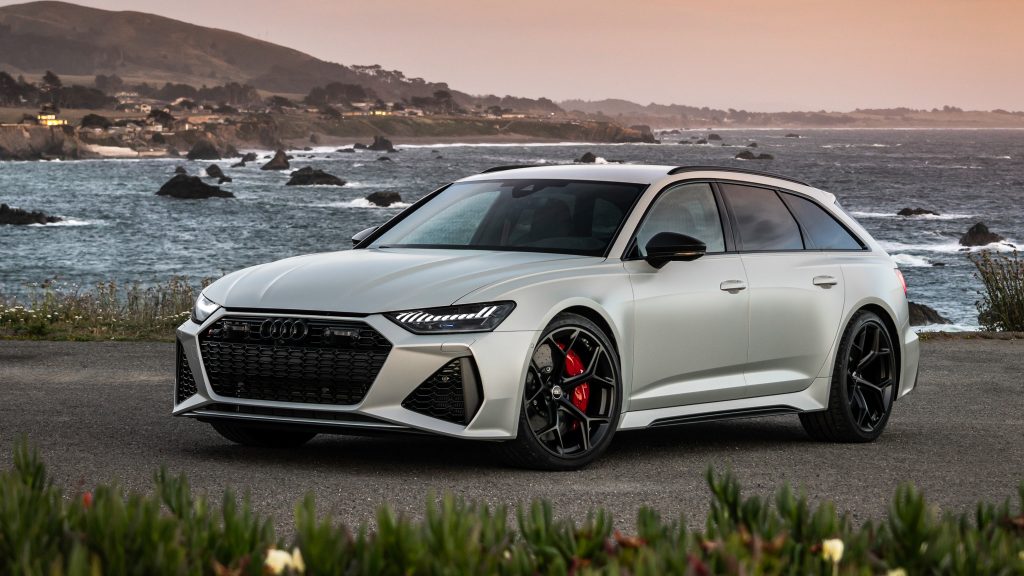
The RS 6 Avant’s presence also completes a list dominated by premium manufacturers. Eighteen of the 20 models came from luxury brands, while only the Toyota Corolla Cross Hybrid and Ford Maverick represented mainstream manufacturers.
The study’s broader conclusion is straightforward. MSRP did not always reflect the price buyers actually faced in the market. Supply, demand, and vehicle positioning could push transaction prices significantly higher, with the largest premiums concentrated among highly desirable luxury and performance models.
