
Reaching 150 mph is already an extraordinary performance test, but getting back to zero makes the challenge far more demanding. Car and Driver’s 2026 0-to-150-to-0-mph test measured exactly that, sending 13 vehicles down a 2.2-mile taxiway at Oscoda-Wurtsmith Airport in Michigan.
The cars had to exceed 150 mph before braking, with GPS equipment and a brake-pedal pressure sensor recording each run.
The results ranged from the Chevrolet Corvette ZR1X completing the entire sequence in 14.0 seconds to the Hyundai Elantra N taking 43.6 seconds. The field included supercars, EVs, SUVs, sedans, a wagon, and affordable performance models.
1. Chevrolet Corvette ZR1X
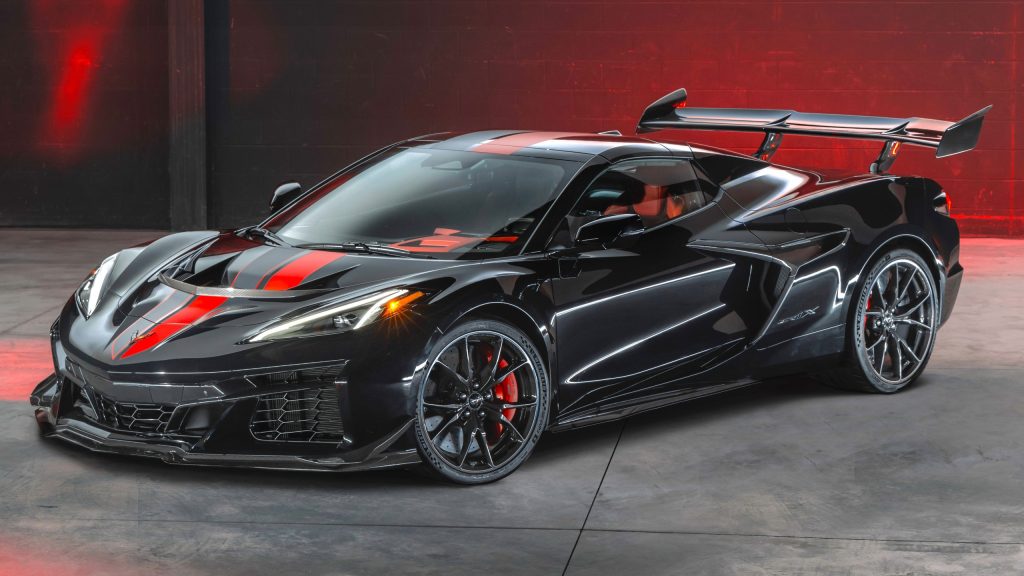
The Chevrolet Corvette ZR1X delivered the fastest 0-to-150-to-0-mph run of Car and Driver’s 2026 test, completing the entire sequence in just 14.0 seconds.
That figure is astonishing because the car had to accelerate beyond 150 mph and then decelerate all the way back to a complete stop. Car and Driver recorded a total run of 1,729 feet, meaning the Corvette managed the entire exercise in barely more than a third of a mile.
The ZR1X arrived with 1,250 horsepower and weighed 4,152 pounds in the tested configuration. Its 3.3 pounds per horsepower ratio was the best in the group, helping explain why it could build speed so rapidly. Car and Driver also fitted the car with Michelin Pilot Sport Cup 2R ZP tires and 16.5-inch carbon-ceramic brake discs at both ends.
Acceleration was not the only area where the Corvette excelled. It needed 515 feet to stop from 150 mph, according to the supplied test data. That is particularly impressive when considering the enormous speed involved immediately before the braking phase.
The ZR1X was not the quickest car in the field to reach 150 mph. The Lucid Air Sapphire got there first, but the Corvette made up the difference with stronger braking performance and enough acceleration to claim the victory.
Car and Driver noted that the Chevrolet was only 0.2 seconds slower for the complete run than it took the Hyundai Elantra to cover a quarter-mile.
2. Lucid Air Sapphire
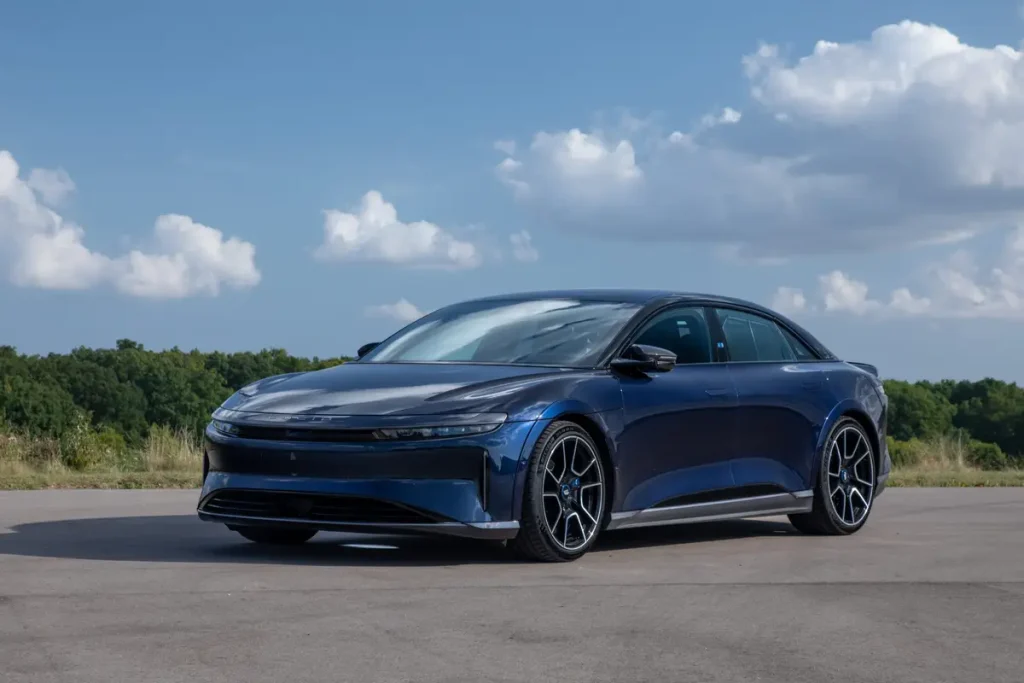
The Lucid Air Sapphire finished second with a 14.4-second 0-to-150-to-0-mph time, just 0.4 seconds behind the Corvette ZR1X. That tiny gap becomes even more impressive when considering that the Sapphire is a four-door luxury sedan rather than a low-slung two-seat sports car.
Car and Driver tested a Sapphire, producing 1,234 horsepower and weighing 5,332 pounds. The car used Pirelli P Zero Trofeo RS tires and carbon-ceramic brakes measuring 16.5 inches at the front and 15.4 inches at the rear.
The Lucid actually had the quickest acceleration to 150 mph in this particular contest. Its electric powertrain was able to maintain its charge of acceleration at high speeds, allowing it to pull ahead of the Taycan and other contenders after the initial portion of the run. That made the final result especially close.
Where the Lucid surrendered time was under braking. The Air Sapphire needed 622 feet to stop from 150 mph, compared with the Corvette’s 515 feet. The difference between those stopping distances was enough to prevent the Lucid from taking first place despite its quicker acceleration.
The Sapphire’s performance is remarkable given its weight and passenger-car configuration. Car and Driver recorded a 4.3-pound-per-horsepower ratio, matching the much lighter McLaren 750S.
The result also demonstrates why a 0-to-60-mph number does not tell the complete performance story. The Sapphire’s enormous electric output made it incredibly fast at the beginning and through higher speeds, but the ability to shed that speed efficiently became equally important once the car crossed 150 mph.
3. Porsche Taycan Turbo GT Weissach
The Porsche Taycan Turbo GT Weissach finished the test in 14.8 seconds, securing third place and finishing less than a second behind the winning Corvette. Like the other leading performers, the Taycan paired extreme acceleration with the braking performance needed to handle repeated high-speed runs.
Car and Driver’s tested example produced 1,019 horsepower and weighed 4,954 pounds. It used Pirelli P Zero Trofeo RS Elect tires and carbon-ceramic brake discs measuring 16.5 inches at the front and 16.1 inches at the rear.
The Weissach package gives the Taycan a distinctly performance-focused specification. Car and Driver describes it as a two-seat, four-door electric sedan with four-digit horsepower, making it one of the most extreme combinations of practicality and performance in the test.
Its launch procedure was also remarkably repeatable. The testers completed seven back-to-back runs, with the results staying within half a second of the best time. That consistency matters in a test where the slightest delay at launch or during the braking transition can influence the final result.
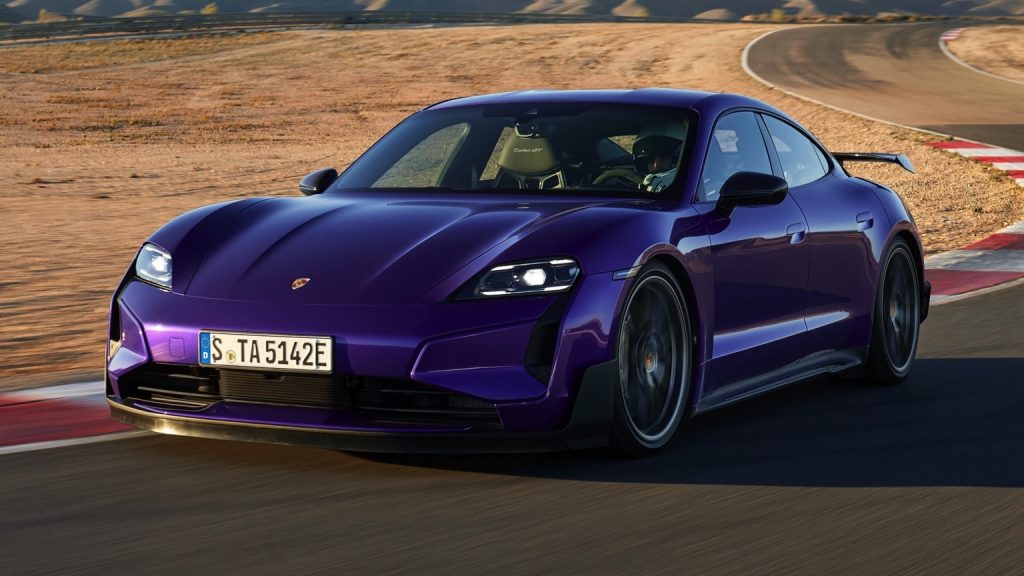
The Taycan uses electric motors at both axles and a two-speed rear transaxle. That rear transmission helps the car balance acceleration with efficiency at higher speeds. The result is an EV that does not simply explode off the line and then fade away as speed builds.
At 14.8 seconds, the Porsche was only 0.8 seconds behind the ZR1X and 0.4 seconds behind the Lucid. Three different vehicles therefore completed the full 150-mph acceleration and braking challenge within the first 0.8 seconds, illustrating just how close the top of this field was.
4. McLaren 750S
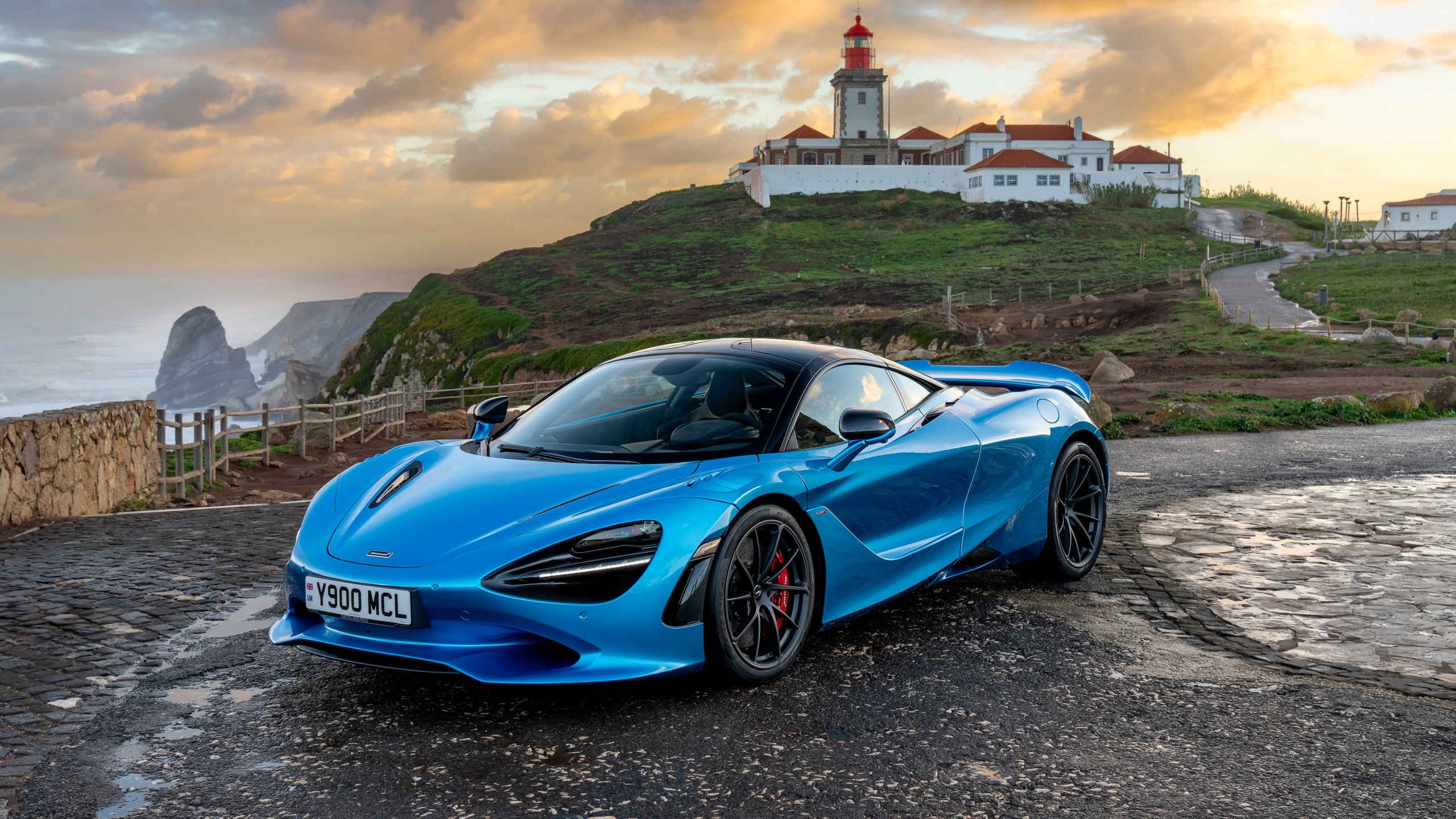
The McLaren 750S posted a 16.1-second 0-to-150-to-0-mph time, finishing fourth and becoming the quickest non-electric vehicle in the 2026 test. Its result is especially notable because the 750S relies on a relatively lightweight construction rather than enormous battery capacity or all-wheel-drive electric propulsion.
Car and Driver tested the McLaren, which produced 740 horsepower and weighed only 3,178 pounds, making it the lightest vehicle in the entire group. Its 4.3 pounds-per-horsepower figure matched the much heavier Lucid Air Sapphire.
The 750S reached 150 mph with dramatic urgency, but the rear-wheel-drive layout created a more demanding launch. Its twin-turbocharged 4.0-liter V8 sends power to the rear wheels, and the testers had to carefully manage tire temperature and the launch settings to maximize acceleration.
Once the McLaren reached the braking phase, however, it demonstrated one of the strongest performances of the entire test. It stopped from 150 mph in just 4.8 seconds and covered only 502 feet during the braking phase. That was the shortest stopping distance recorded among the 13 vehicles.
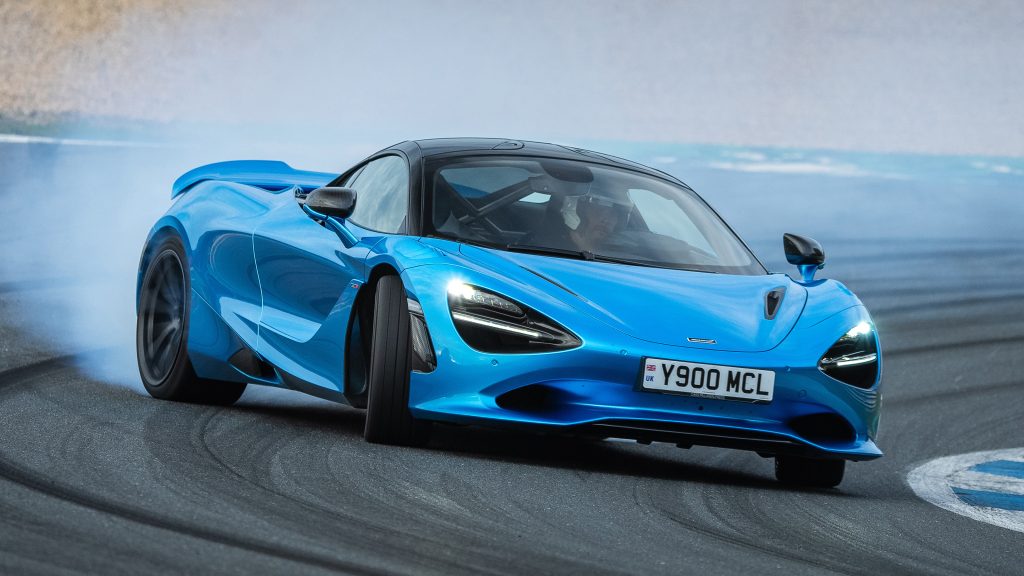
The combination of low mass, enormous power, and powerful carbon-ceramic brakes gave the McLaren a particularly strong balance. It did not have the highest horsepower or the quickest acceleration, but its lightweight construction reduced the amount of energy the brakes had to dissipate.
The 16.1-second total also put the 750S 1.3 seconds behind the Taycan Turbo GT Weissach while remaining several seconds ahead of every vehicle ranked below it.
5. Porsche Cayenne Turbo Electric
The Porsche Cayenne Turbo Electric delivered one of the test’s biggest surprises. Despite weighing 6,063 pounds, the large SUV completed the 0-to-150-to-0-mph run in 16.4 seconds. That placed it fifth in the test, just 0.3 seconds behind the much lighter McLaren 750S.
In a Car and Driver test, the Cayenne produced 1,139 horsepower and achieved a power-to-weight ratio of 5.3 pounds per horsepower. Its dual-motor electric powertrain, all-wheel drive, and immense output allowed the SUV to accelerate at a pace that would have seemed almost impossible for a vehicle of this size just a few years ago.
The result becomes even more remarkable when compared with the Porsche 911 Turbo S further down the ranking. The Cayenne actually completed the full 0-to-150-to-0 run one second faster than the sports car.
Car and Driver noted that the Cayenne pulled ahead almost immediately and continued extending its advantage. Testers used Sport Plus and launched the SUV with both electric motors providing their full output.
The sensation was unusual because the driver was sitting high above the road in a heavy SUV while experiencing acceleration normally associated with dedicated sports cars.
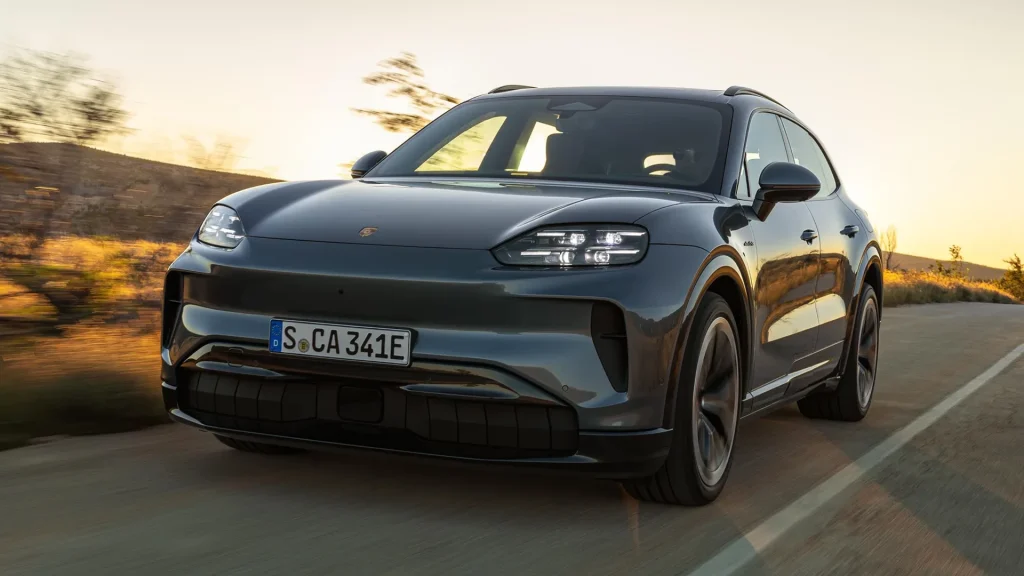
Braking remained impressive as well, although the Cayenne could not match the shortest stopping distances of the lightest cars. Its huge mass meant that stopping from 150 mph demanded considerable brake performance.
The Cayenne’s 16.4-second result is therefore more than just another entry in the standings. It shows how electric propulsion can fundamentally change the performance expectations of a large SUV, allowing weight and body shape to become much less restrictive when enormous electric power is available.
6. Porsche 911 Turbo S
The Porsche 911 Turbo S finished the 0-to-150-to-0 challenge in 17.4 seconds. That placed the legendary sports car sixth, which might initially seem surprising until the extraordinary pace of the first five vehicles is considered.
Car and Driver tested the latest Turbo S with 701 horsepower and a curb weight of 3,804 pounds. Its power comes from a 3.6-liter flat-six supported by electrified turbochargers and an electric motor, with the combined output sent through an eight-speed dual-clutch transmission and all-wheel drive.
The 911 needed 533 feet to stop from 150 mph, giving it the third-shortest braking distance in the field. That braking capability helped keep the Porsche competitive even though it could not match the explosive high-speed acceleration of the top electric cars.
The latest Turbo S also improved significantly compared with Car and Driver’s 2023 test. The new car completed the sequence in 17.4 seconds, nearly two seconds faster than the 19.3-second result recorded by the previous Turbo S.
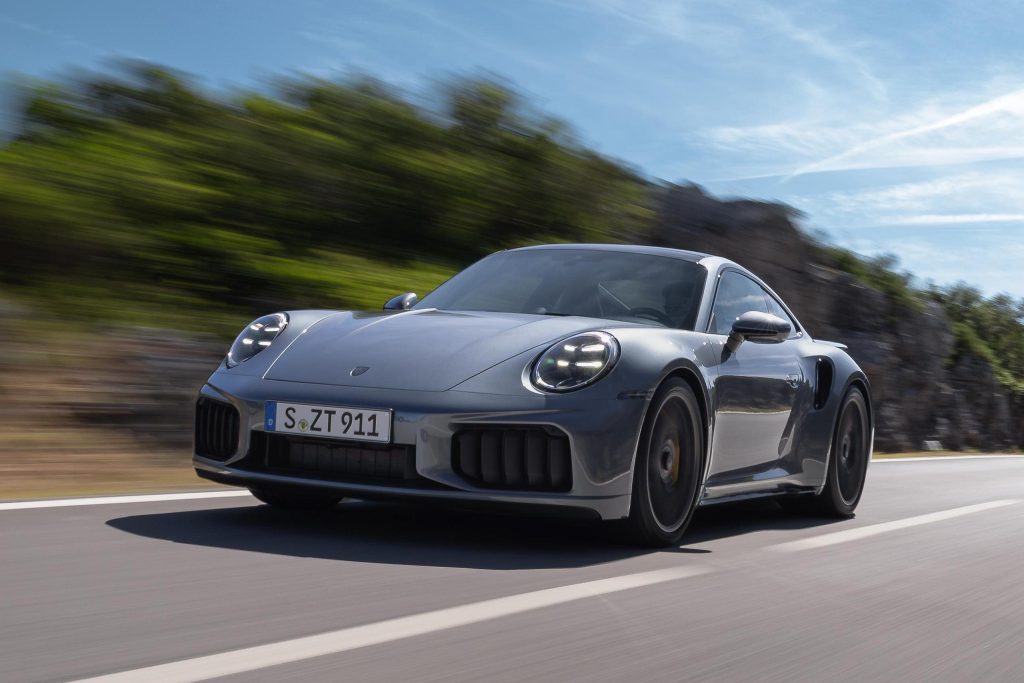
Its total distance for the run was 2,321 feet. The car also benefits from Porsche’s compact dimensions and relatively low weight, giving it a 5.4-pound-per-horsepower ratio.
What makes the result interesting is that the 911 remains exceptionally quick even when placed into a field filled with four-digit-horsepower EVs and a 1,250-hp Corvette.
The Porsche does not need the largest output figure to remain competitive because its relatively low weight, traction and braking ability help it convert power into usable performance.
7. BMW M5
The BMW M5 completed the test in 21.8 seconds, placing it seventh. Although the result is considerably slower than the first six vehicles, the M5 was competing in a completely different format. It is a large plug-in-hybrid sedan weighing 5,267 pounds and designed to combine luxury and everyday usability with serious performance.
Car and Driver’s tested M5 produced 717 horsepower from a 577-hp twin-turbocharged 4.4-liter V8 combined with a 194-hp electric motor. The vehicle’s 7.3-pound-per-horsepower ratio was enough to give it strong acceleration despite its substantial mass.
The test required more preparation than simply pressing the accelerator. Car and Driver had to work through the M5’s drive-mode menus to configure the powertrain and stability systems for the fastest possible launch. Once configured, launch control allowed the hybrid system and gasoline engine to work together.
The M5 reached 150 mph and then stopped in 609 feet. That braking distance was only slightly longer than the Porsche 911 Turbo S, despite the BMW weighing more than 1,400 pounds more than the Porsche.
Its 21.8-second total placed it nearly five seconds behind the 911, but it remained substantially faster than the BMW M2 CS below it.
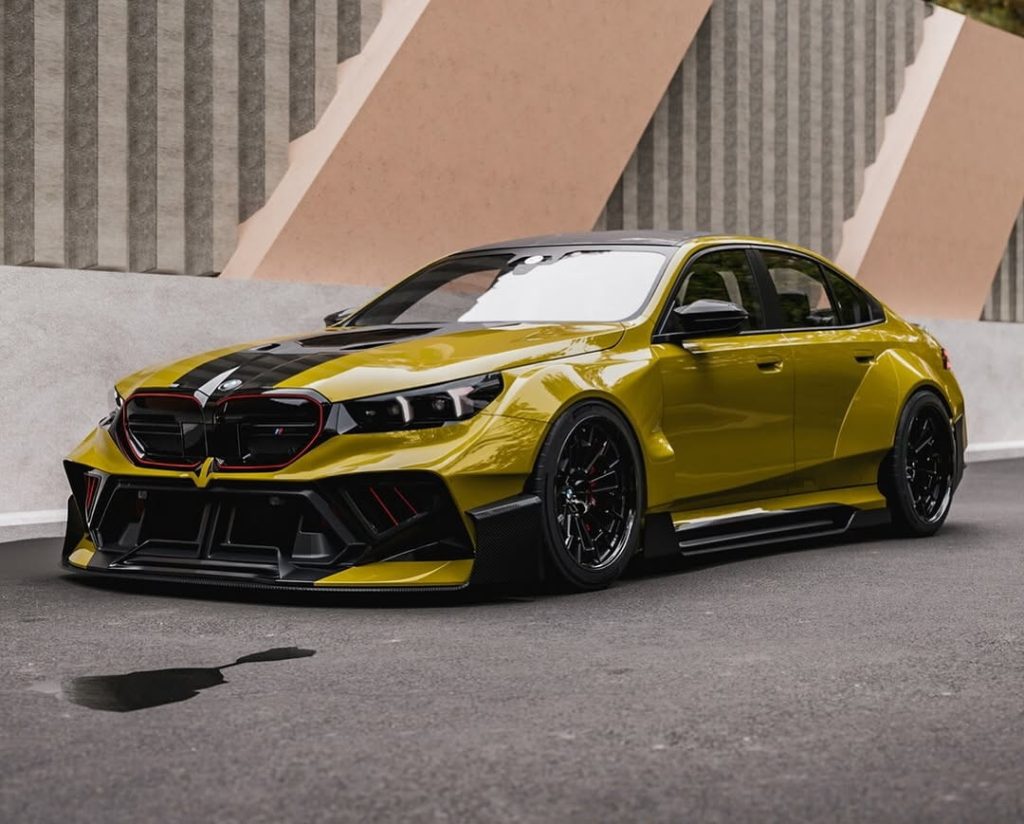
The M5 therefore illustrates the benefit of hybrid power in a large performance sedan. Its electric motor adds output to the twin-turbo V8, allowing the car to accelerate far more aggressively than its size and weight might suggest.
The fact that it could run from zero to more than 150 mph and then stop in less than 22 seconds demonstrates how far high-performance sedans have progressed.
8. BMW M2 CS
The BMW M2 CS recorded a 23.2-second 0-to-150-to-0-mph time, placing it eighth in the field. Compared with the larger M5, the M2 CS uses a much smaller body and lower mass, but it also produces considerably less power and relies on rear-wheel drive.
Car and Driver tested the M2 CS at 3,719 pounds with 523 horsepower, giving it a 7.1-pound-per-horsepower ratio. The car used Michelin Pilot Sport 4S tires and carbon-ceramic brakes measuring 15.7 inches at the front and 15.0 inches at the rear.
The M2 CS needed 634 feet to stop from 150 mph. That was longer than the M5’s 609-foot braking distance, despite the M2 CS weighing substantially less. The result highlights how tire selection, braking hardware, weight transfer, and aerodynamic characteristics can influence the final number.
Acceleration was another important factor. The rear-wheel-drive layout means the M2 CS has to manage its available power through the rear tires rather than distributing propulsion to all four wheels. Car and Driver described the launch as energetic, with the car’s rear end requiring careful management.
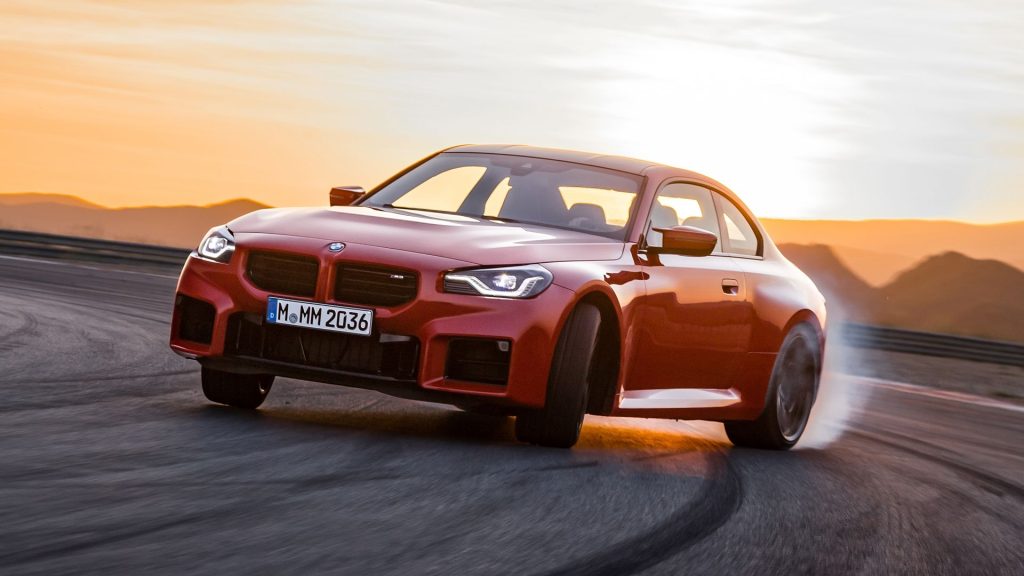
Its $108,450 tested price also made it one of the more accessible cars in the field. That is a significant contrast with the six-figure supercars and high-end EVs competing alongside it.
The 23.2-second result is not simply a reflection of slower performance. The M2 CS was asked to perform the same brutal acceleration and braking exercise as cars with more than twice its horsepower. Finishing the complete run in less than 24 seconds demonstrates how effectively BMW’s compact performance coupe uses its available power.
9. Bentley Continental GT S
The Bentley Continental GT S completed the challenge in 24.1 seconds. Its position is particularly interesting because the Bentley was never designed primarily as a lightweight acceleration machine. It is a heavy grand touring coupe weighing 5,530 pounds, yet it still managed to exceed 150 mph and return to zero in just over 24 seconds.
Car and Driver’s tested example produced 671 horsepower and had an 8.2-pound-per-horsepower ratio. Its base price was $296,150, while the as-tested figure reached $350,630.
The Bentley needed 17.6 seconds just to reach 150 mph, meaning most of its total time was spent accelerating. Once at speed, it required 6.4 seconds and 710 feet to stop. That was the longest braking distance among the vehicles in the test.
The reason becomes easier to understand when considering its weight. More than 5,500 pounds of vehicle had to be brought down from 150 mph, creating an enormous amount of energy for the brakes and tires to dissipate.
Yet the Continental still delivered a respectable total time. Its twin-turbocharged engine gave it enough power to overcome its substantial mass and propel the luxury coupe down the runway at remarkable speed.
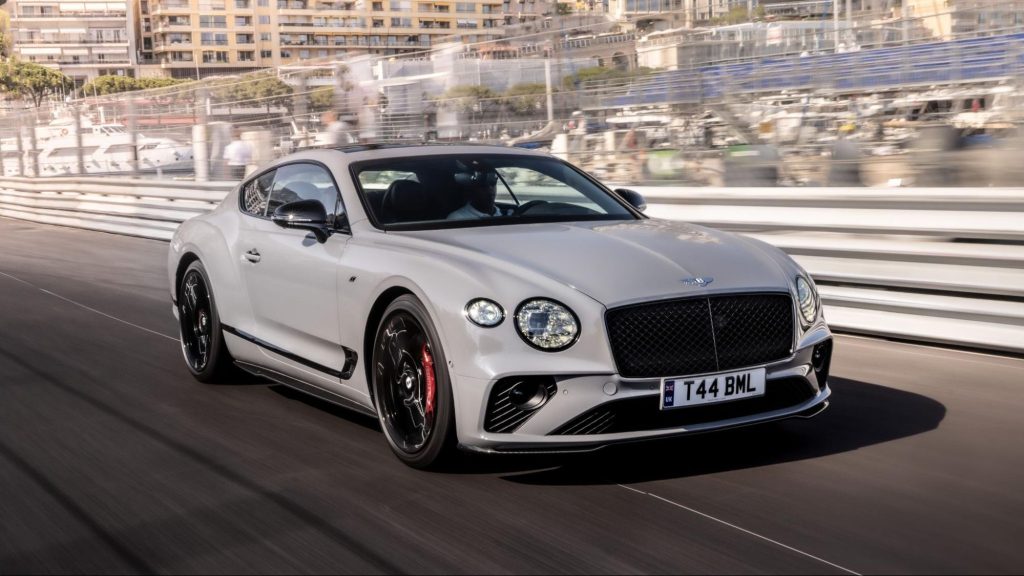
The Bentley’s result also demonstrates how broad the 2026 test field was. It was not competing as a dedicated supercar, but as a high-performance grand tourer that combines luxury, comfort and speed.
Its 24.1-second result shows that a car designed for long-distance high-speed travel can still perform impressively when subjected to an extreme acceleration-and-braking challenge.
10. Audi RS 6 Avant
The Audi RS 6 Avant finished the 0-to-150-to-0 test in 24.7 seconds, only 0.6 seconds behind the Bentley Continental GT S. That makes the Audi one of the most impressive family-oriented vehicles in the lineup, because it combines the shape and practicality of a wagon with the performance of a serious sports machine.
Car and Driver’s tested RS 6 produced 621 horsepower and weighed 4,854 pounds. Its 7.8-pound-per-horsepower ratio was substantially better than the Bentley’s 8.2 figure, helping the Audi reach 150 mph more quickly.
The wagon’s twin-turbocharged 4.0-liter V8 sends power through an eight-speed automatic and all-wheel drive. Car and Driver described the launch procedure as relatively straightforward, requiring Dynamic mode, Sport stability settings, and launch control before the driver released the brake.
Where the Audi lost time was during braking. It needed 622 feet to stop from 150 mph, despite having some of the largest front brake rotors in the test.
That stopping distance placed it considerably behind the McLaren 750S, which stopped in only 502 feet. The comparison is a reminder that a vehicle’s weight, tires, brakes and chassis setup can influence braking performance as strongly as horsepower influences acceleration.
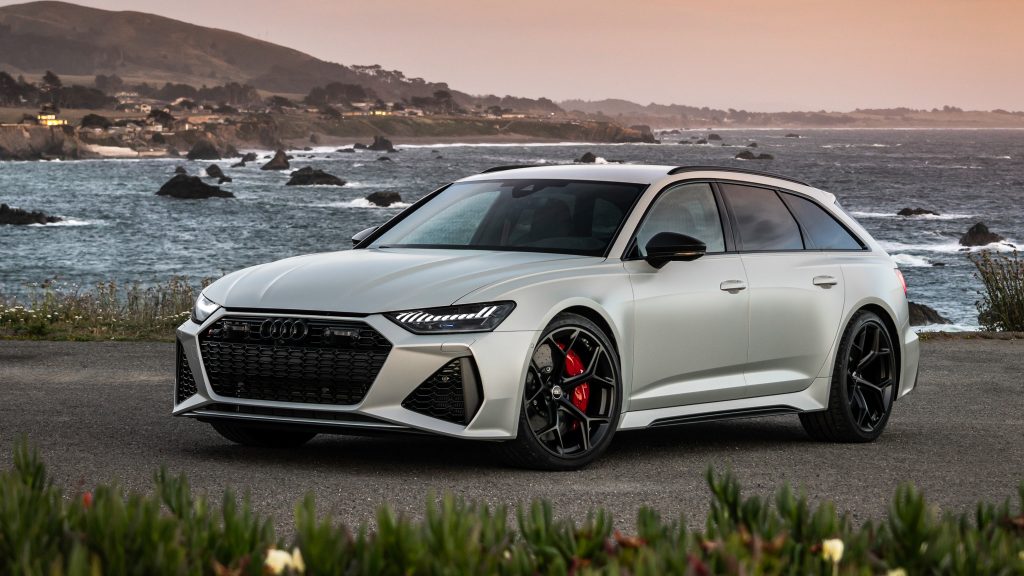
Nevertheless, the RS 6’s 24.7-second result is remarkable for a wagon. It can carry passengers and cargo while still reaching a speed that puts it alongside dedicated performance cars in an extreme test.
Its ability to cross 150 mph and then stop in less than 25 seconds demonstrates why the RS 6 has become one of the most recognizable high-performance wagons available in the U.S. market.
11. Hyundai Ioniq 5 N
The Hyundai Ioniq 5 N completed the 0-to-150-to-0 challenge in 27.4 seconds, putting it ahead of the much more expensive Dodge Charger Scat Pack and far ahead of the Hyundai Elantra N. It was also one of the most affordable vehicles in the entire test.
Car and Driver tested the Ioniq 5 N with 641 horsepower, a weight of 4,875 pounds, and a 7.6-pound-per-horsepower ratio. The dual-motor all-wheel-drive system allows both axles to contribute to acceleration, which helps the car launch without the traction difficulties experienced by some rear-wheel-drive contenders.
The complete run covered 4,039 feet, and the Ioniq 5 N managed the acceleration, high-speed section, and braking without the dramatic traction problems seen in some of the more powerful cars.
Its $61,500 base price is perhaps the most surprising part of the result. The Hyundai costs dramatically less than every vehicle above it except the Elantra N and Dodge Charger. Yet its 641 horsepower puts it within striking distance of vehicles costing several times as much.
Hyundai also gives the Ioniq 5 N several features designed to make electric performance more engaging. Car and Driver highlighted simulated gear changes, artificial engine sounds, and multiple drift settings, giving the EV characteristics intended to appeal to drivers accustomed to traditional performance cars.
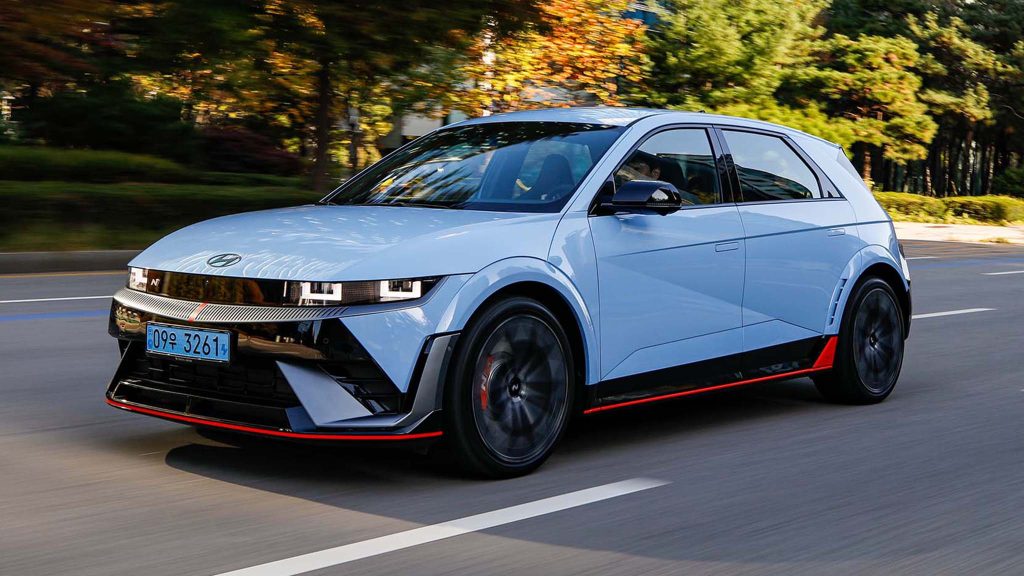
The 27.4-second time is not close to the 14-second performances of the leaders, but the Ioniq 5 N was never expected to defeat four-digit-horsepower supercars. Its achievement is delivering serious high-speed performance at a comparatively accessible price while retaining the practicality of a five-door crossover-style body.
12. Dodge Charger Scat Pack
The Dodge Charger Scat Pack completed the test in 37.2 seconds, placing it near the bottom of the ranking despite being one of the most recognizable American performance nameplates. The tested car produced 550 horsepower and weighed 4,907 pounds.
Unlike the electric Charger Daytona variants, this Scat Pack uses a twin-turbocharged 3.0-liter inline-six. Car and Driver recorded 531 lb-ft of torque and a 0-to-150-to-0 time that was more than nine seconds slower than the Hyundai Ioniq 5 N.
Acceleration was the primary weakness. The Charger needed 12.6 seconds to clear the quarter-mile and more than half a minute to reach 150 mph. Its 8.9-pound-per-horsepower ratio was also one of the weaker figures in the field.
The car did, however, perform reasonably well during braking. It stopped from 150 mph in 656 feet, beating the substantially more expensive Bentley Continental GT S in the braking portion of the test. That shows that the Charger was not simply slow across every aspect of the challenge.
Its base price of $58,880 also makes the result easier to understand. This was one of the least expensive vehicles in the group, and its 550 horsepower is still a substantial amount of output for a production sedan.
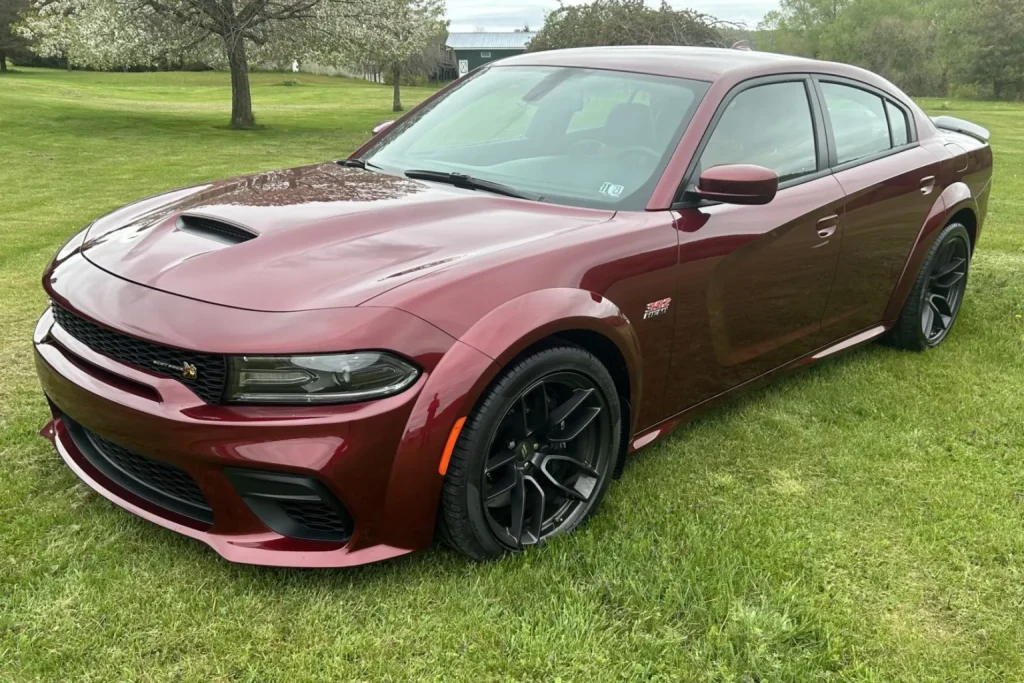
The Charger Scat Pack therefore represents a different kind of performance proposition. It cannot match the acceleration of the electric cars or the braking efficiency of the lightest sports cars, but it delivers a large amount of power and a full-size performance-car package without approaching the prices of the supercars at the front of the test.
13. Hyundai Elantra N
The Hyundai Elantra N finished the 0-to-150-to-0 challenge in 43.6 seconds, making it the slowest vehicle in the ranking. Yet the number needs context because the Elantra N was also by far one of the least expensive cars in the test and was competing against machines with dramatically greater power.
Car and Driver’s tested Elantra N produced 286 horsepower and weighed 3,364 pounds. Its 11.8-pound-per-horsepower ratio was the weakest of the entire group. The test car cost $38,345 as tested, making it a tiny fraction of the price of vehicles such as the McLaren 750S, Porsche Taycan Turbo GT and Lucid Air Sapphire.
The compact sedan uses a turbocharged 2.0-liter inline-four, with the tested car equipped with a dual-clutch automatic transmission.
Getting the best launch required careful adjustment because the unprepared airport pavement could easily cause wheelspin. Testers ultimately settled on a lower launch rpm to reduce tire spin and avoid bogging the engine.
Once the Elantra reached 150 mph, it required 675 feet to stop. That was longer than the Porsche 911 Turbo S, BMW M5 and McLaren 750S, but the Hyundai was operating with far less specialized hardware.
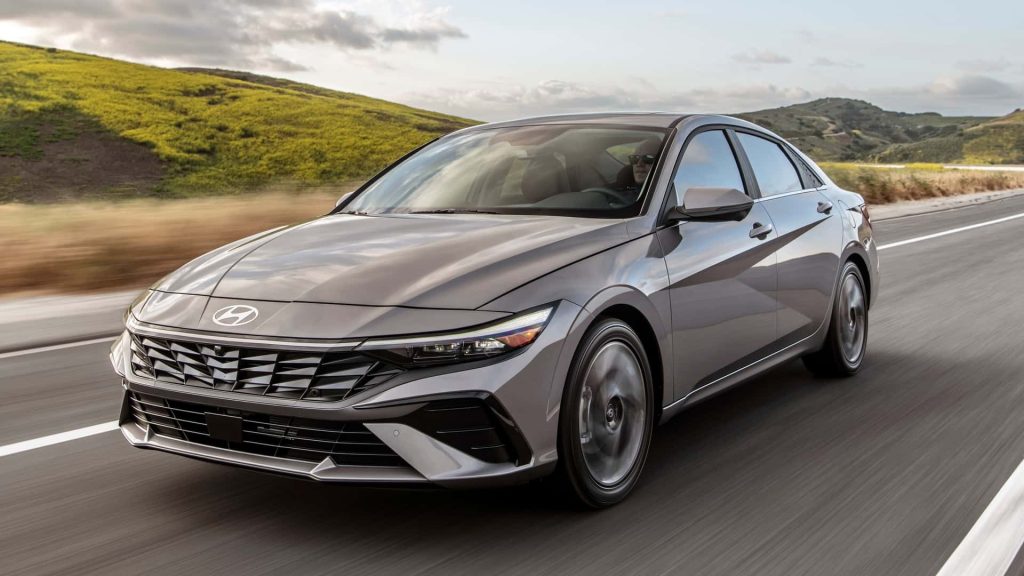
Its 43.6-second result therefore should not be interpreted simply as evidence of poor performance. The Elantra N was placed into a test where several competitors produced more than 700 horsepower, and some exceeded 1,000. Its achievement was completing the same 150-mph acceleration and braking challenge at a fraction of the cost.
For buyers seeking an affordable performance sedan, the Elantra N remains an interesting benchmark. It may finish last in this extreme test, but its presence demonstrates just how far performance technology has spread beyond expensive sports cars and supercars.
