Buying a new car usually comes with the expectation that major repairs will be covered for several years. Yet warranty terms vary widely among US automakers.
Some brands provide five years or more of basic protection, while others limit bumper-to-bumper coverage to three years or 36,000 miles. This article looks at 12 major car brands with the shortest standard new vehicle warranty in the United States.
Each offers basic coverage lasting three years or 36,000 miles, whichever comes first. We also examine their powertrain coverage, what the shorter basic warranty means for buyers, and what shoppers should consider before signing a purchase agreement.
1. Toyota
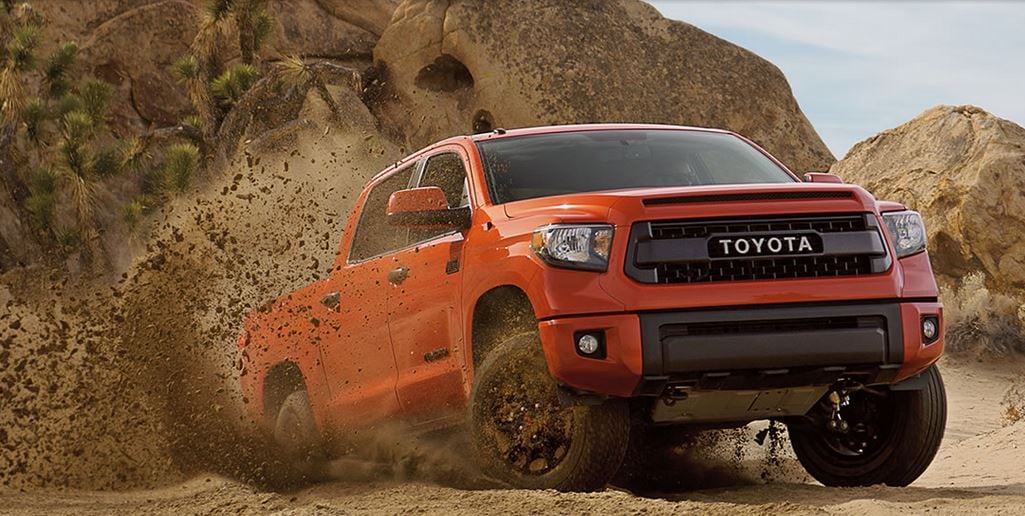
Toyota provides a basic new vehicle warranty lasting 3 years or 36,000 miles, whichever occurs first. This coverage applies to defects in materials or workmanship under normal use. For buyers who drive relatively low annual mileage, the three-year time limit is usually the factor that determines when basic coverage ends.
Toyota’s powertrain warranty lasts longer at 5 years or 60,000 miles. It covers major components associated with the engine, transmission, transaxle, front-wheel-drive system and rear-wheel-drive system. This distinction matters because a Toyota can remain under powertrain protection after its basic warranty has expired.
The shorter basic warranty does not mean every part of the vehicle becomes the owner’s responsibility after three years. Certain components have separate coverage periods, and Toyota also provides additional warranties for areas such as corrosion and emissions equipment. Hybrid models can have separate coverage for their battery and related components.
For a buyer who keeps a vehicle for six or seven years, the end of the basic warranty can create a period when many electrical, interior, climate-control and convenience-system repairs are no longer covered by the factory warranty. Those costs can become important when comparing long-term ownership expenses.
Toyota’s warranty is therefore relatively short by industry standards, even though the brand has a strong reputation for durability. A shopper should look at warranty coverage alongside reliability history, maintenance costs, resale value, and expected ownership period rather than using the warranty term as the only measure of vehicle quality.
2. Honda
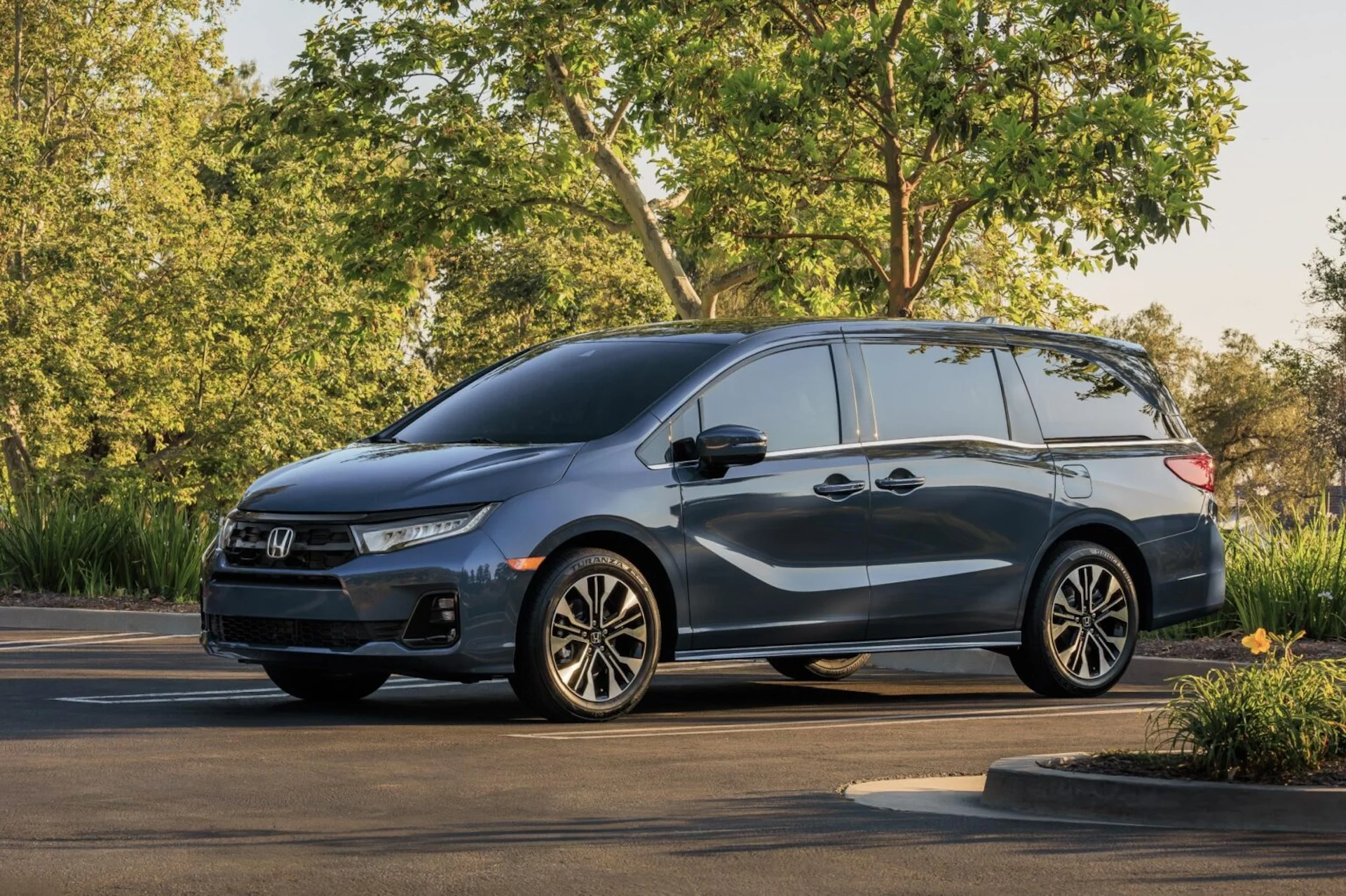
Honda also uses a 3-year or 36,000-mile basic limited warranty for new vehicles in the US. The coverage is designed to address qualifying defects in materials or workmanship during the applicable warranty period. The time and mileage limits operate on a whichever-comes-first basis.
The Honda powertrain warranty extends to 5 years or 60,000 miles. This provides additional protection for major mechanical components after the basic warranty ends. Engine and transmission-related repairs can be particularly expensive, making the longer powertrain period useful for owners.
Honda’s warranty package includes more than the basic and powertrain warranties. Different vehicle systems can have separate coverage, while emissions components and hybrid systems may follow their own warranty rules. Buyers should read the warranty booklet for the exact model and model year they are considering.
The three-year basic period is fairly common among mainstream US automakers. It is shorter than the five-year basic warranties offered by brands such as Hyundai, Kia and Mitsubishi. That difference can matter to buyers who plan to keep their new car beyond the first three years.
Honda’s warranty should therefore be viewed as standard rather than unusually poor. The brand combines the 3-year/36,000-mile basic term with a 5-year/60,000-mile powertrain warranty. A buyer interested in a Honda should compare the complete warranty package rather than focusing solely on the bumper-to-bumper period.
3. Nissan
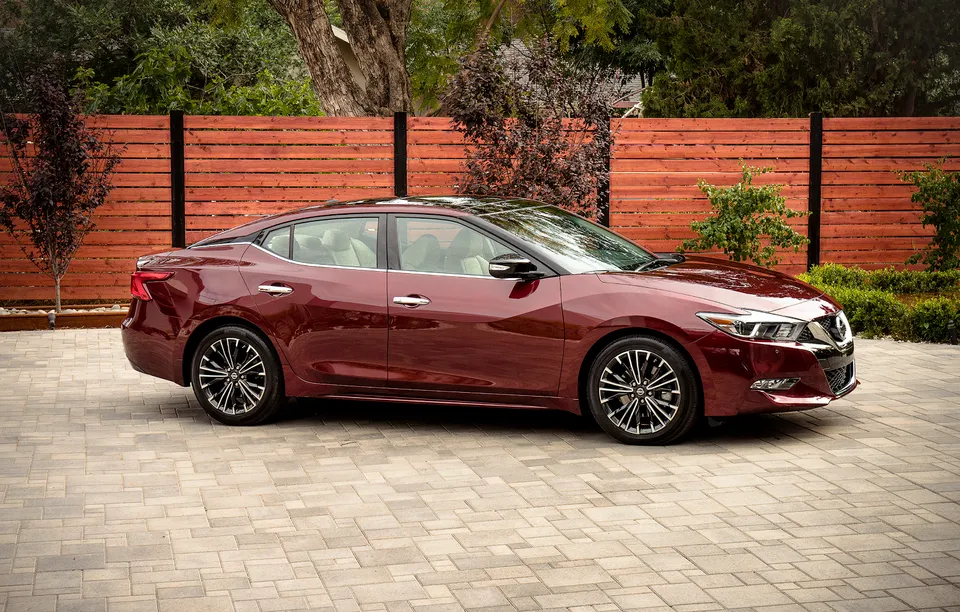
Nissan’s standard US new vehicle limited warranty provides 3 years or 36,000 miles of basic coverage. This puts Nissan in the same group as several other major manufacturers with the shortest commonly offered basic warranty among mainstream brands.
The Nissan powertrain warranty extends to 5 years or 60,000 miles. That additional coverage applies to qualifying major powertrain components. For owners concerned about expensive mechanical repairs, the longer powertrain term provides protection after the basic warranty has ended.
Nissan also provides separate warranty coverage for certain hybrid and electric vehicle components. For example, qualifying high-voltage batteries can receive coverage extending beyond the standard basic warranty. Specific terms depend on the vehicle and its equipment.
The 3-year/36,000-mile basic warranty means Nissan buyers should pay attention to the vehicle’s in-service date. Warranty periods generally begin when the vehicle is delivered to the first retail owner or placed into service, depending on the manufacturer’s terms.
Nissan’s basic warranty is not unusually short compared with Toyota, Honda, Ford, Chevrolet and several other mainstream competitors. The important point is that the company does not provide the five-year basic coverage offered by some competitors. Buyers who prioritize longer bumper-to-bumper protection may therefore find competing brands more attractive.
4. Ford
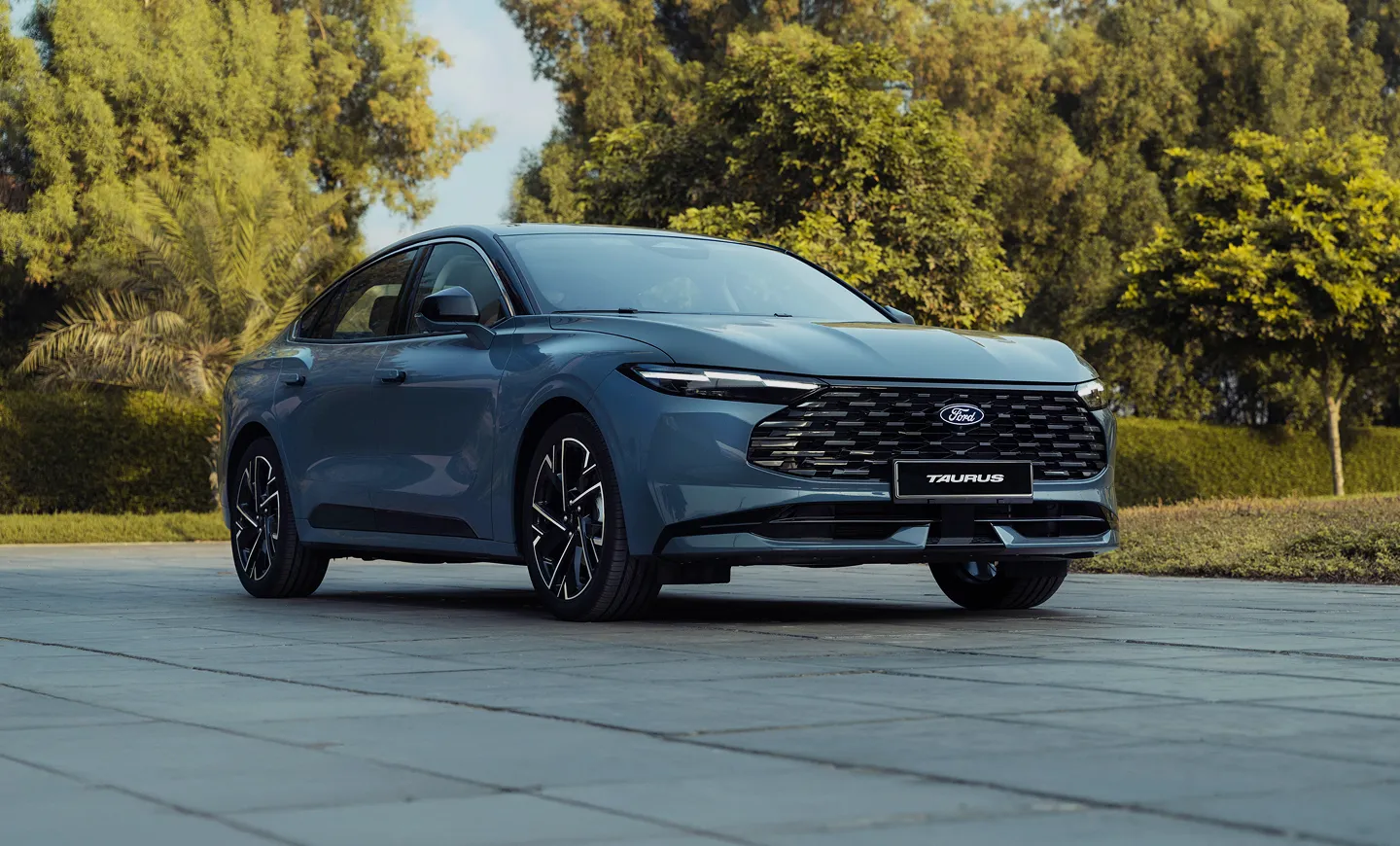
Ford offers a 3-year or 36,000-mile new vehicle limited warranty for basic coverage on its mainstream US vehicles. The warranty is intended to cover qualifying defects in factory materials or workmanship during the stated period.
Ford’s powertrain warranty generally lasts 5 years or 60,000 miles. This longer period covers qualifying major powertrain components. The difference between basic and powertrain coverage is significant because many vehicle systems remain outside powertrain protection after the first three years.
Ford sells a wide range of vehicles, including cars, SUVs, trucks and electric vehicles. Warranty details can vary according to vehicle type, model year and specific component. Electric vehicles also have separate battery and electric-drive-system coverage that can last longer than the standard basic warranty.
For high-mileage drivers, 36,000 miles can arrive relatively quickly. Someone driving 15,000 to 20,000 miles annually could reach the mileage limit before three years. Low-mileage drivers may instead reach the three-year expiration date first.
Ford’s basic warranty is consequently in line with much of the mainstream market. It does not provide the longer basic period found with Hyundai, Kia or Mitsubishi. Shoppers considering a Ford should compare warranty length with the vehicle’s purchase price, maintenance schedule and expected ownership duration.
5. Chevrolet
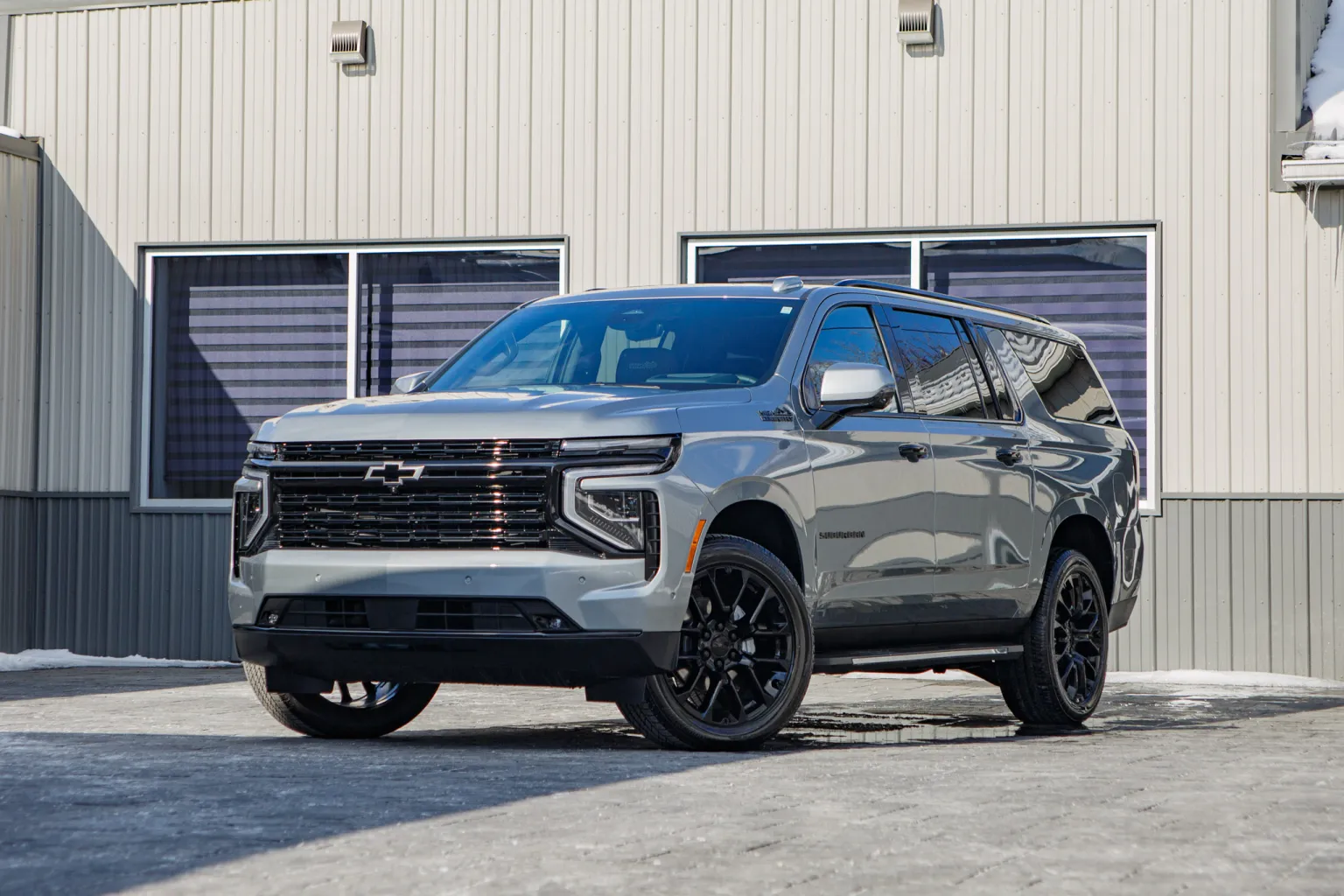
Chevrolet’s standard basic limited warranty is 3 years or 36,000 miles. This is the familiar warranty structure used by several General Motors brands and numerous competing automakers in the United States.
Chevrolet also provides 5 years or 60,000 miles of powertrain coverage. The powertrain warranty addresses qualifying components such as the engine, transmission and related systems. The longer powertrain period gives buyers protection beyond the basic warranty’s expiration.
Chevrolet vehicles can have additional warranty coverage for particular components. Electric models, for example, have separate coverage for their high-voltage battery and related systems. Emissions warranties can also follow federally required or state-specific rules.
The 3-year/36,000-mile basic warranty means routine maintenance remains the owner’s responsibility even while the vehicle is under warranty. Items such as brake pads, tires, wiper blades and other normal wear components generally do not receive coverage simply because the vehicle is still within its warranty period.
Chevrolet therefore falls into the standard short-warranty category rather than having an unusually restrictive warranty. Buyers looking at models such as SUVs, pickups or electric vehicles should review the complete warranty documentation because individual components can have coverage that differs considerably from the basic term.
6. GMC
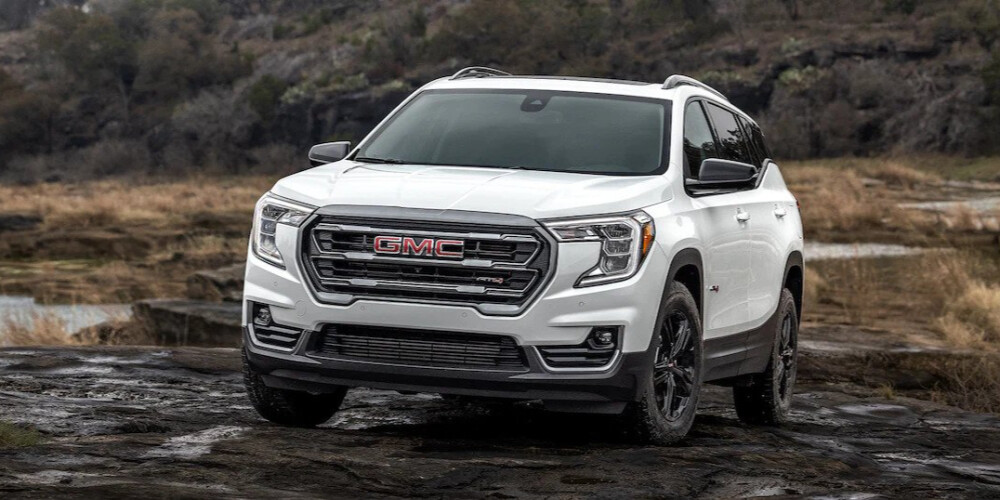
GMC offers a 3-year or 36,000-mile basic warranty on new vehicles. Since GMC specializes heavily in trucks and SUVs, warranty considerations can be particularly important for customers who expect to use their vehicles for towing, hauling or frequent long-distance driving.
Its standard powertrain warranty extends to 5 years or 60,000 miles. This provides additional protection for qualifying major mechanical components after the basic warranty ends. The difference is especially relevant for larger vehicles with expensive driveline components.
GMC’s warranty package can also include separate coverage for corrosion, emissions equipment, roadside assistance and specific electrical or battery components. Exact terms can differ according to the vehicle and model year.
Truck owners should remember that commercial use or certain forms of heavy-duty use may be treated differently under warranty terms. Buyers who plan to use a vehicle for work should confirm the applicable conditions before purchase rather than assuming every type of use receives identical coverage.
The basic 3-year/36,000-mile warranty places GMC among the shortest-warranty brands by basic coverage. Its longer powertrain warranty provides additional protection, but it does not extend bumper-to-bumper coverage to five years.
7. Jeep
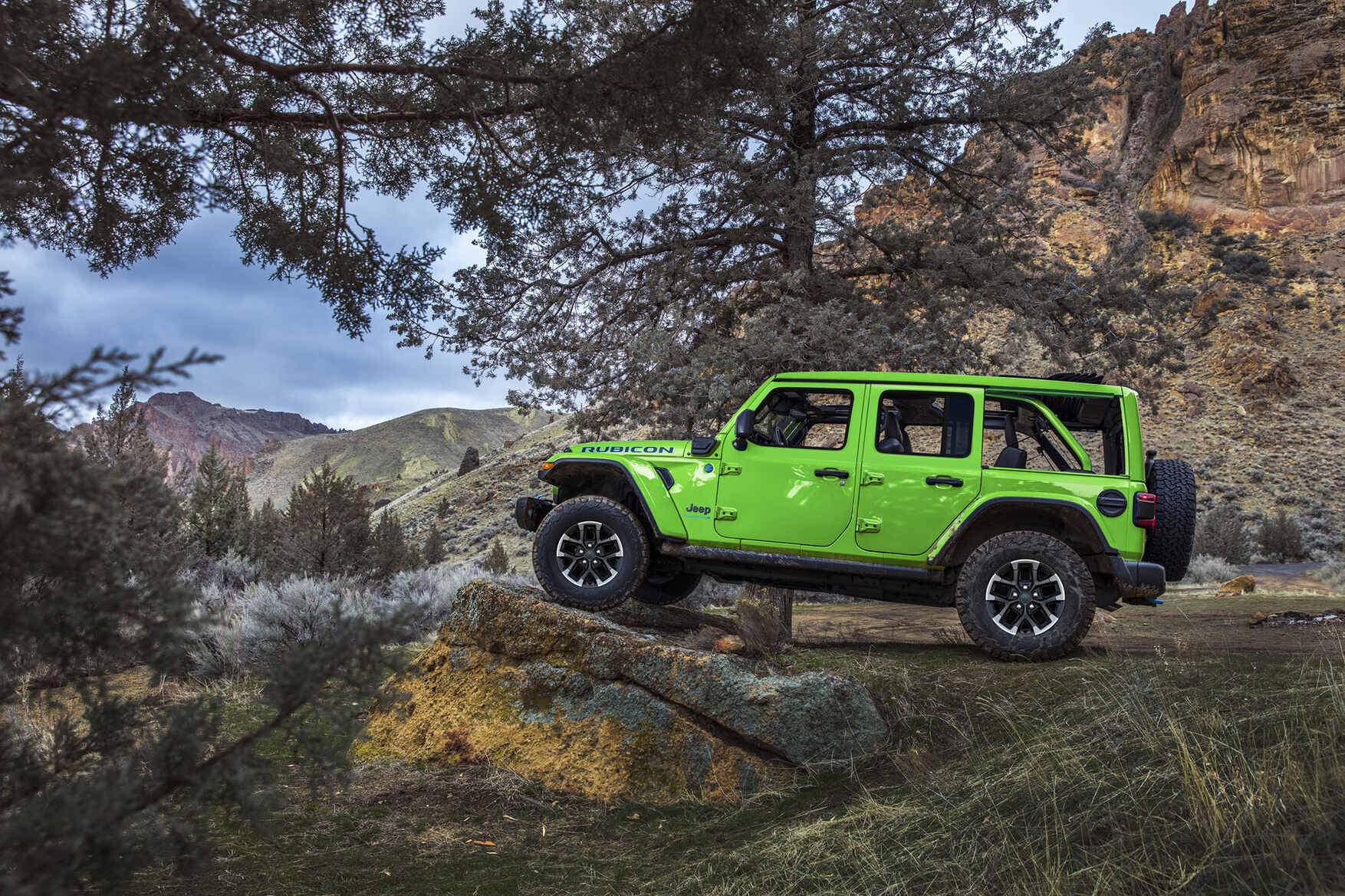
Jeep provides 3 years or 36,000 miles of basic warranty coverage on qualifying new vehicles. The coverage applies to eligible defects in materials or workmanship, subject to the conditions and exclusions in the warranty documentation.
Jeep’s powertrain warranty generally lasts 5 years or 60,000 miles. This gives owners an additional two years or 24,000 miles of powertrain protection after the basic warranty reaches its limit.
Different Jeep models can include different technologies, drivetrains and electrified systems. Certain components may therefore have their own warranty terms. Plug-in hybrid and electric components can receive separate coverage periods that extend beyond the standard basic warranty.
For Jeep buyers, the intended use of the vehicle can also influence ownership considerations. Off-road driving, towing and demanding conditions make it especially important to follow the manufacturer’s maintenance requirements and understand warranty exclusions.
The short basic warranty does not necessarily make Jeep a poor purchase. It simply means buyers receive less standard bumper-to-bumper time than brands offering five-year basic coverage. Anyone planning long-term ownership should account for potential repair expenses after the 36,000-mile or three-year threshold.
8. Dodge
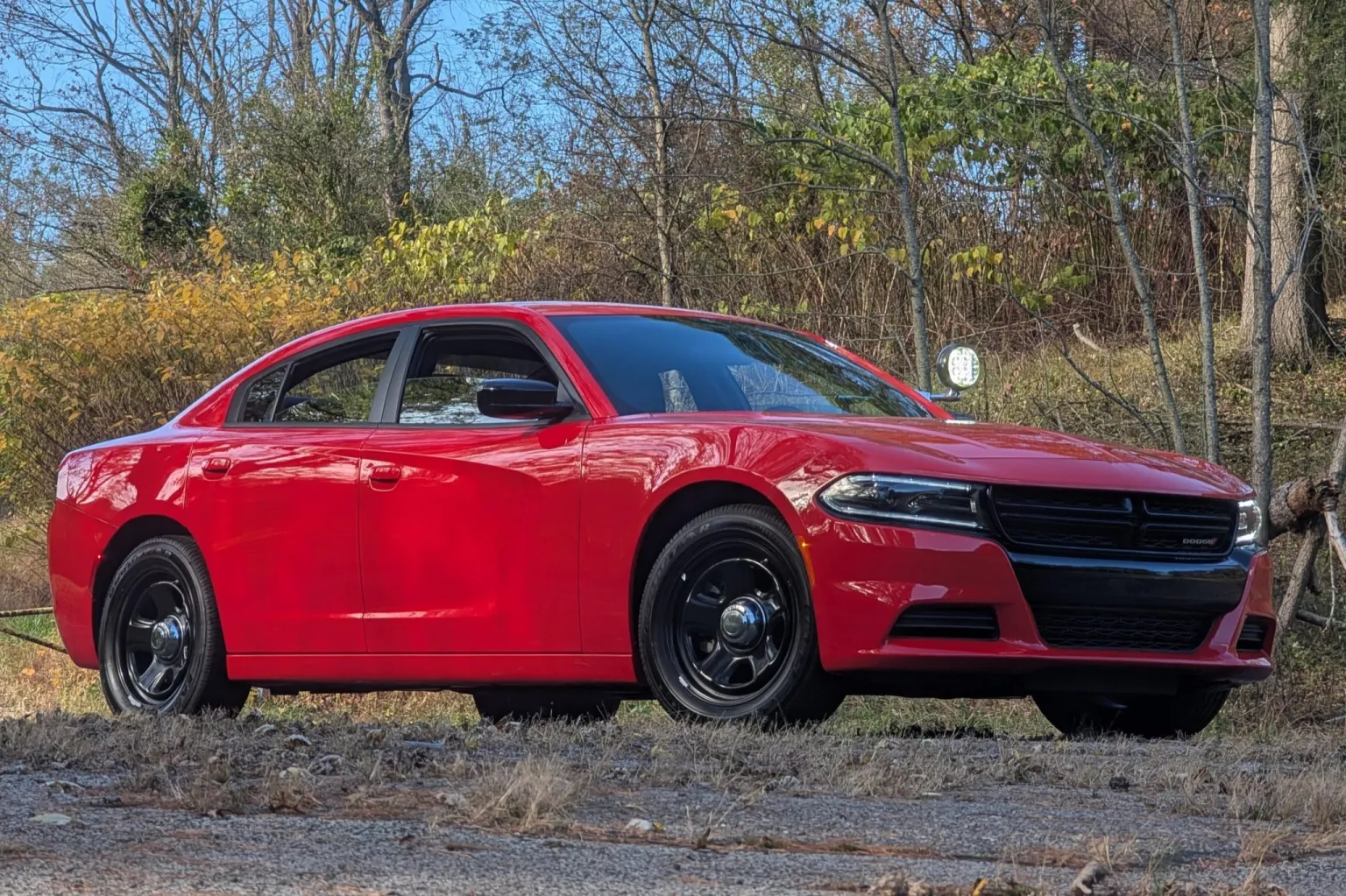
Dodge vehicles generally come with a 3-year or 36,000-mile basic limited warranty in the US. This places Dodge within the group of mainstream manufacturers offering the shortest standard bumper-to-bumper term.
The Dodge powertrain warranty extends to 5 years or 60,000 miles. Major qualifying engine and transmission components can remain protected after the basic warranty expires, providing an additional layer of factory coverage.
Warranty coverage is not the same as free maintenance. Oil changes, tire rotations, brake service and other routine maintenance normally remain the owner’s responsibility unless a particular purchase program provides maintenance benefits.
Dodge buyers should also pay attention to the vehicle’s exact model year. Warranty programs can change, and certain vehicles or components can carry different terms. The official warranty booklet associated with the vehicle provides the most precise information.
A three-year basic warranty may be perfectly adequate for buyers who plan to trade their vehicle within that period. Customers planning to keep a Dodge much longer should compare the factory warranty with expected repair costs and consider whether additional coverage makes financial sense.
9. Chrysler
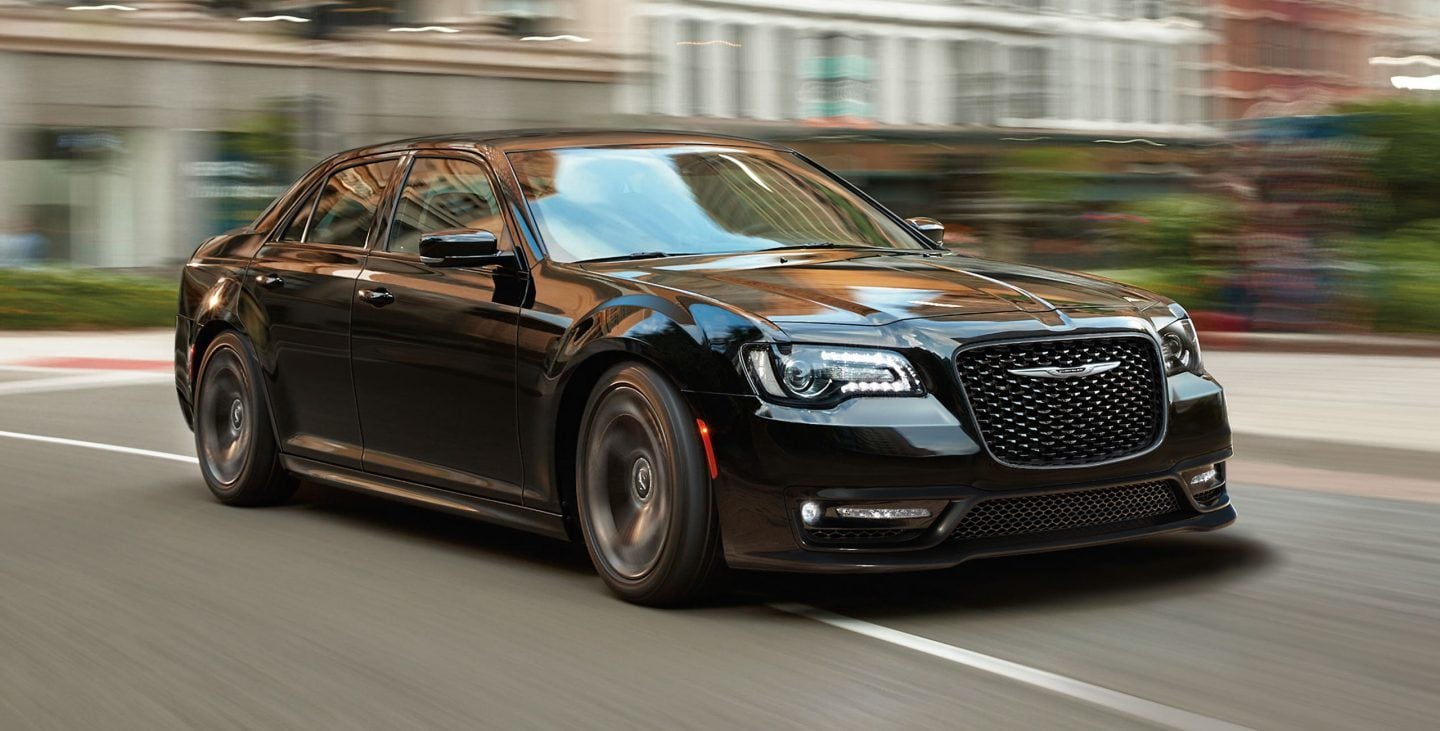
Chrysler’s basic new vehicle warranty is 3 years or 36,000 miles. This places the brand alongside Dodge, Jeep and several other mainstream manufacturers with the same standard basic coverage period.
The Chrysler powertrain warranty generally provides 5 years or 60,000 miles of coverage for qualifying components. This longer term can be valuable because powertrain repairs can involve significant labor and parts costs.
The basic warranty covers qualifying defects rather than ordinary deterioration. A component that wears out through normal use is not automatically covered simply because the vehicle is within its first three years. Warranty eligibility depends on the cause of the problem and the manufacturer’s specific terms.
Chrysler models can also receive additional coverage for specific systems. Buyers should check the warranty documentation for the exact vehicle because features, powertrains and electrification technology can affect component-specific warranty terms.
For shoppers focused on factory protection, Chrysler’s three-year basic warranty is shorter than the five-year terms offered by several competing brands. The 5-year/60,000-mile powertrain warranty provides a longer safety net for major mechanical systems, but it does not replace comprehensive bumper-to-bumper coverage.
10. Ram
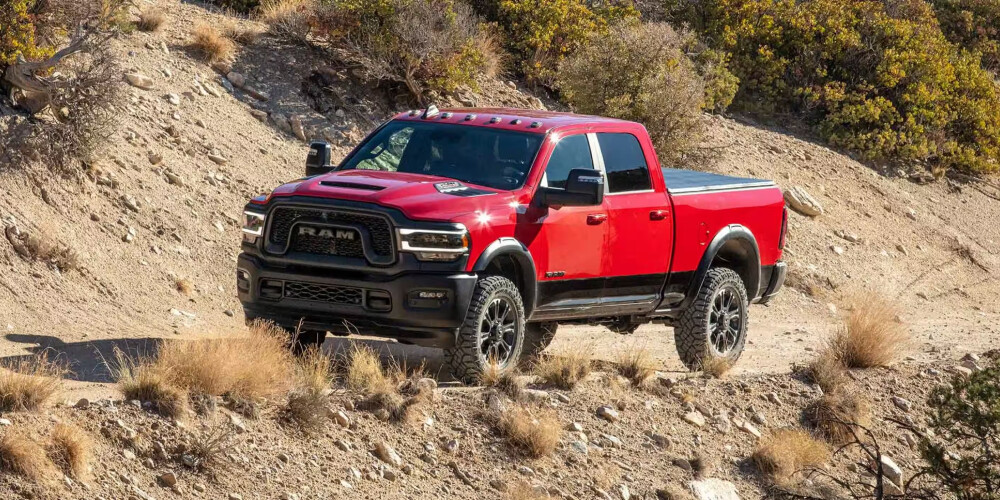
Ram’s standard basic warranty is 3 years or 36,000 miles. This applies to the basic limited warranty and places Ram among the US brands with the shortest standard bumper-to-bumper coverage.
The standard powertrain warranty is generally 5 years or 60,000 miles, though current model-year programs can include important differences for particular Ram vehicles. In 2026, Ram also introduced a longer powertrain warranty for certain new Ram 1500 applications, so buyers should verify the exact truck’s warranty rather than relying on a general brand-level figure.
Pickup buyers should pay close attention to warranty terms because trucks can accumulate mileage quickly. Owners who tow frequently or use their truck for work may reach mileage limits earlier than typical passenger-car owners.
The basic warranty covers eligible factory defects, not every repair a truck might need during ownership. Wear items, damage caused by misuse and maintenance-related issues can fall outside warranty protection.
Ram’s standard basic term remains short compared with brands that provide five years or 60,000 miles of comprehensive coverage. Buyers should check the window sticker, warranty booklet and vehicle-specific terms before assuming which powertrain warranty applies to a particular Ram model.
11. Mazda
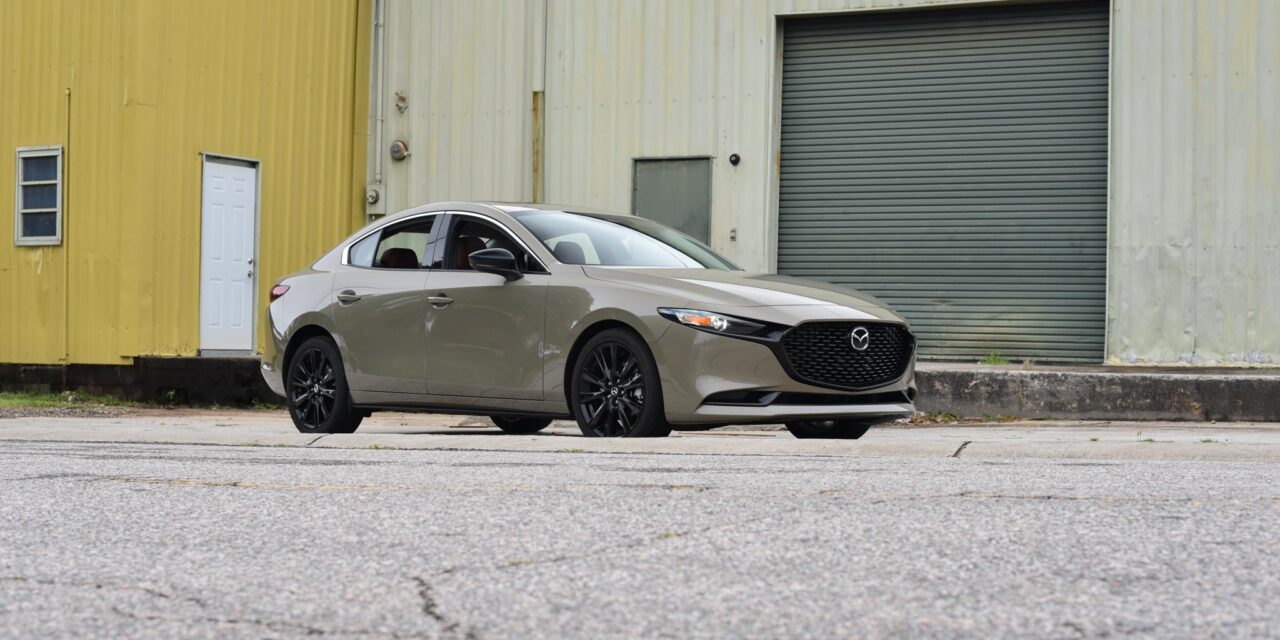
Mazda provides a 3-year or 36,000-mile limited warranty for basic vehicle coverage in the US. That places Mazda in the same short-warranty group as Toyota, Honda and Nissan.
Its powertrain warranty lasts 5 years or 60,000 miles. The powertrain coverage protects qualifying major mechanical components for longer than the basic warranty, giving owners additional factory protection as the vehicle ages.
Mazda also provides separate coverage for emissions components, corrosion and other areas. Hybrid models can have additional warranty terms for battery-related equipment. Buyers should review the coverage applicable to their specific model and powertrain.
Mazda’s warranty length can be especially relevant for customers comparing compact SUVs and sedans across several manufacturers. A competing vehicle may have similar pricing and features while offering a longer basic warranty.
Still, warranty length should not be interpreted as a direct measurement of reliability. A short warranty does not prove that a vehicle will experience problems, just as a long warranty does not guarantee trouble-free ownership. Reliability data, maintenance requirements and ownership costs deserve equal attention.
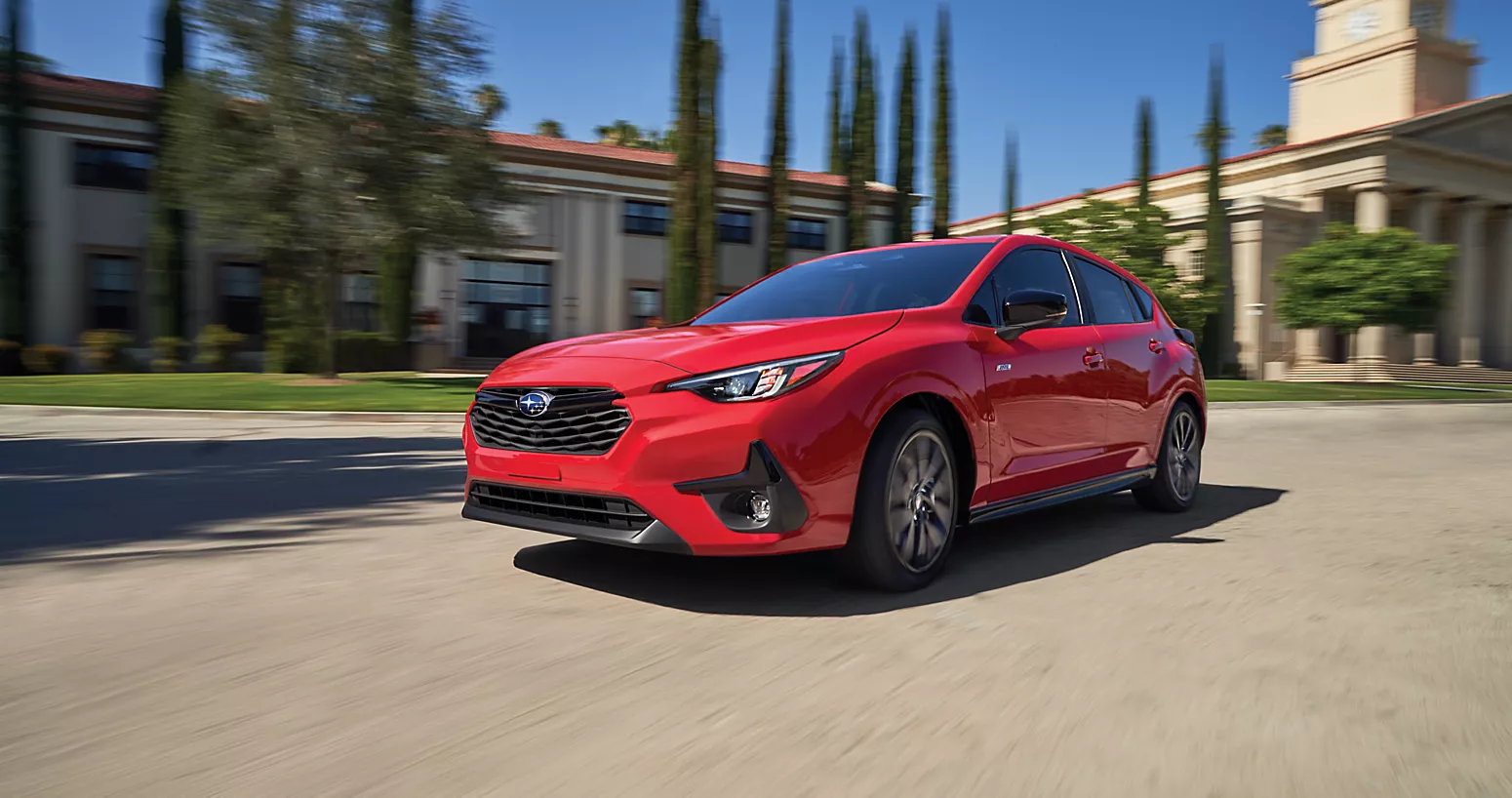
12. Subaru
Subaru rounds out this list with a 3-year or 36,000-mile basic warranty. The company uses the same basic coverage limit found across several major mainstream manufacturers in the US.
Subaru’s powertrain warranty is longer at 5 years or 60,000 miles. This covers qualifying powertrain components after the basic warranty has ended, subject to the manufacturer’s terms and exclusions.
Subaru’s vehicle lineup includes many models with all-wheel-drive systems, and its warranty documentation specifies which components receive coverage under different sections. Hybrid and electric systems can also have separate warranty provisions when applicable.
The 3-year/36,000-mile basic term can be a consideration for buyers who plan to keep their Subaru for a decade or longer. Once the basic warranty expires, repairs involving non-powertrain components generally become the owner’s responsibility unless another warranty applies.
Subaru’s position on this list reflects warranty duration, not vehicle quality. The company has a loyal customer base, and many buyers value its standard all-wheel-drive offerings, safety technology, and practical vehicle designs. The warranty is simply shorter than the basic coverage provided by several competing manufacturers.