
Every car has a price on the window. Then there is the price after you tick the boxes. For some buyers, the option list costs more than a family hatchback.
This article looks at seven factory options with shocking price tags. All of them came from the maker, not from a tuning shop. Each figure was checked against recent sources.
Some options are physical, like paint and wheels. Others are software or craft work, like a self-driving suite or a hand-laid ceiling of stars. A few made sense on the track. A few made sense only on the invoice.
The pattern is easy to spot. Makers know rich buyers rarely haggle over extras. One small tick box can carry a huge profit margin.
Some options turned out to be smart buys. Others lost value the moment the car left the showroom. We will look at both sides.
One warning first. Claims of “the most expensive option ever” are hard to prove. Custom commissions are rarely priced in public.
Let us start with the Bugatti.
1. Bugatti Chiron Noire Package – €100,000
Bugatti offered the Noire look to Chiron Sport owners for an extra €100,000. That was roughly $110,000 at the time. It arrived with the Chiron Noire edition.
The package honours La Voiture Noire. That one-off car has been priced anywhere from $12.5 million to an estimated $18.7 million with taxes. Bugatti could not sell that car twice.
So it built a family version. The limited run was 20 cars, in either Sportive or Elegance trim. The full edition cost about €3 million before tax. Here is the catch. The Noire is essentially an appearance package. The engine stays the same 8.0-litre W16 with about 1,500 horsepower.
The look is dark and dramatic. The Sportive wears a matt black finish over the carbon skin. Black exhaust tips and a nearly all-black cabin finish the theme.
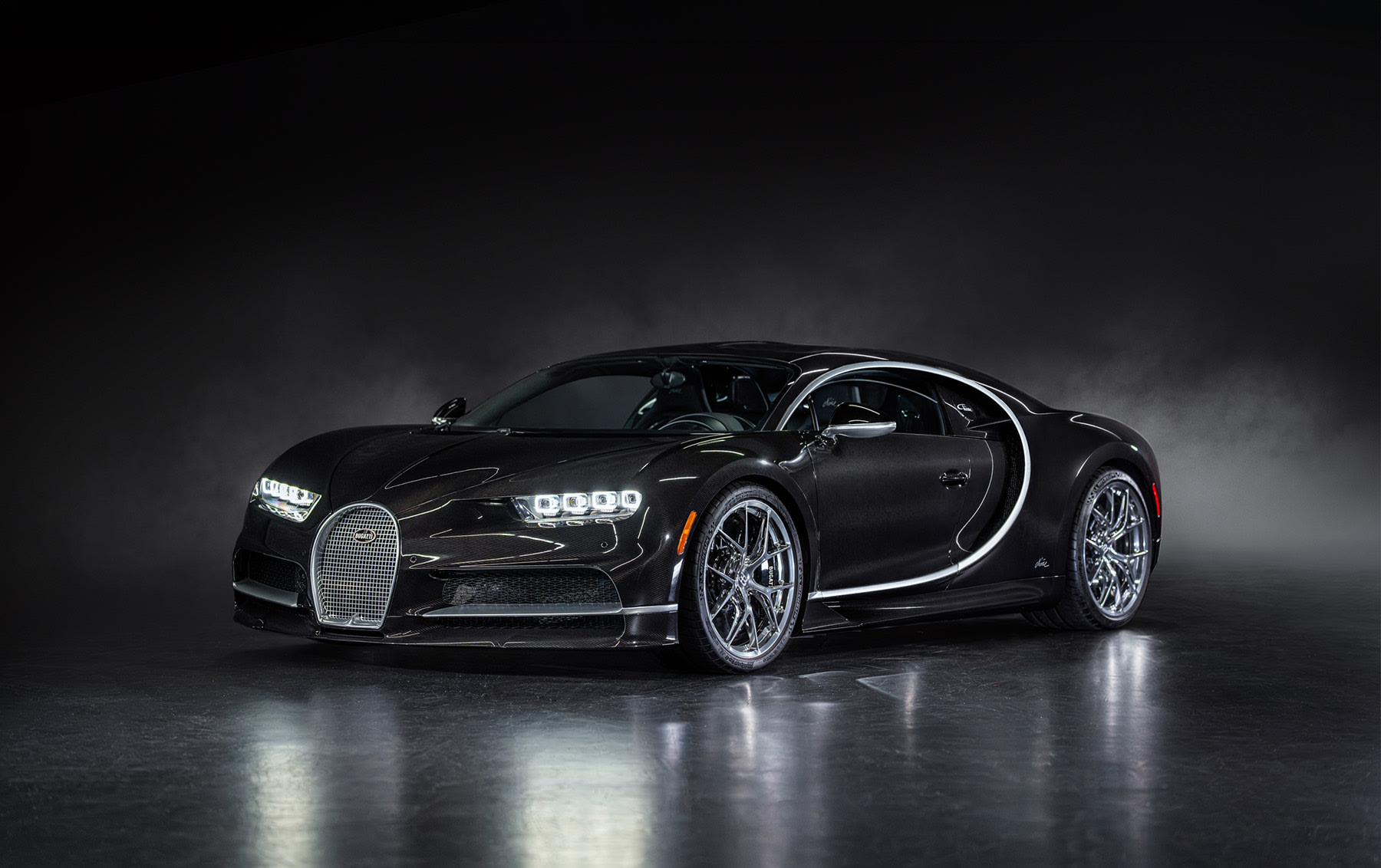
Switches, push-buttons and rotary knobs also turn matt black. Even the door handles get the treatment. It is a full mood, not just paint. Is €100,000 steep? The Chiron Sport starts at €2.65 million. That makes the package about 3.8 percent of the car’s price.
Seen that way, it looks small. Yet it buys no speed, no grip, and no range. One outlet noted that it equals the price of a new Porsche 911 in some markets.
This is hypercar logic. Buyers at this level pay for rarity and story. A numbered car from a set of 20 is a collectible from day one. Dealer listings back that up. Some ask about €3.38 million for a Noire car.
These are asking prices, not sales, so treat them with care. The lesson is simple. At this level, looks are the product. Bugatti sold a mood and limited it to 20 cars.
2. Porsche 918 Spyder Weissach Package – $84,000
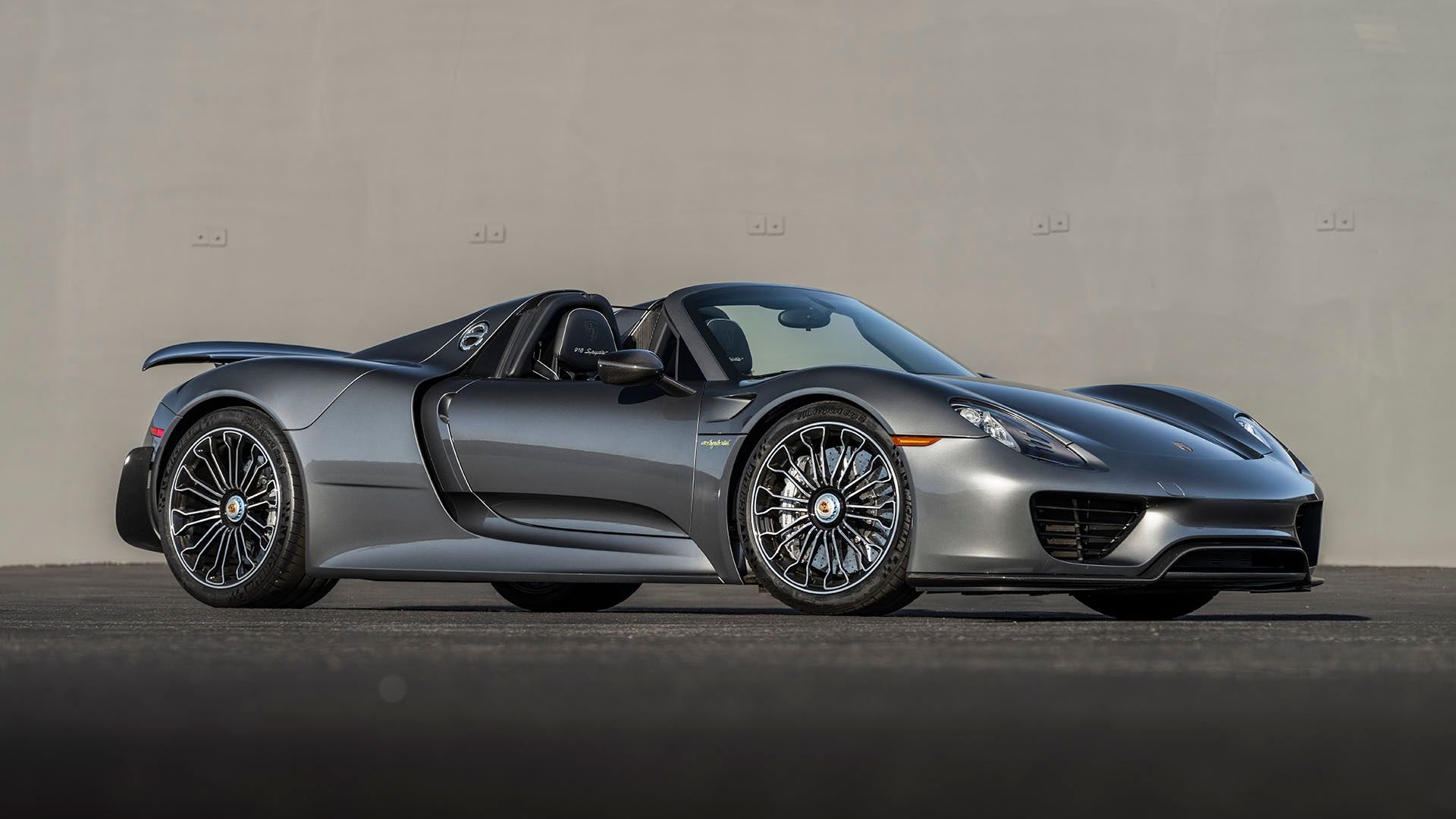
The Weissach Package cost $84,000 and cut about 90 pounds. It used titanium bolts, lighter brakes and carbon fibre aero parts. Few options chase weight so hard.
The car itself was already extreme. The 918 Spyder had an original price of $845,000. The package added nearly 10 percent to the sticker price. Porsche named it after its R&D centre. The 918 was developed in Weissach and sold out by December 2014. Only 918 were built.
What did the money buy? Magnesium centre-lock wheels, titanium parts and carbon fibre on roof panels, spoiler, mirrors and windshield frame. Inside, Alcantara and more carbon replaced heavier trim.
The result was a leaner car. Weight dropped to 3,616 pounds. The standard car weighed 3,690 pounds. That is a small saving for $84,000. It works out to roughly $900 per pound. Race teams pay similar sums, but road buyers rarely do.
Some cars even removed comforts. Typical Weissach cars delete the glove box, audio system and air conditioning. One owner asked for them back.
The Weissach badge also shapes the car’s look. Visible carbon roof panels and a wrap-around rear diffuser mark it out. Collectors spot it from across a car park. Then came the surprise. The option became an investment. Weissach cars trade at premiums of about 15 to 25 percent.
The numbers are big. One Weissach car with 845 miles and unique orange paint reportedly sold for about $6 million. A standard car would be worth far less.
Only 162 US cars got the package. Scarcity did the rest. Buyers paid $84,000 and, years later, held something rarer than the car itself. This is the rare case where a silly-looking option paid off. It was expensive, narrow and track-minded. The market rewarded it anyway.
3. Tesla Full Self-Drivin – Up to $15,000
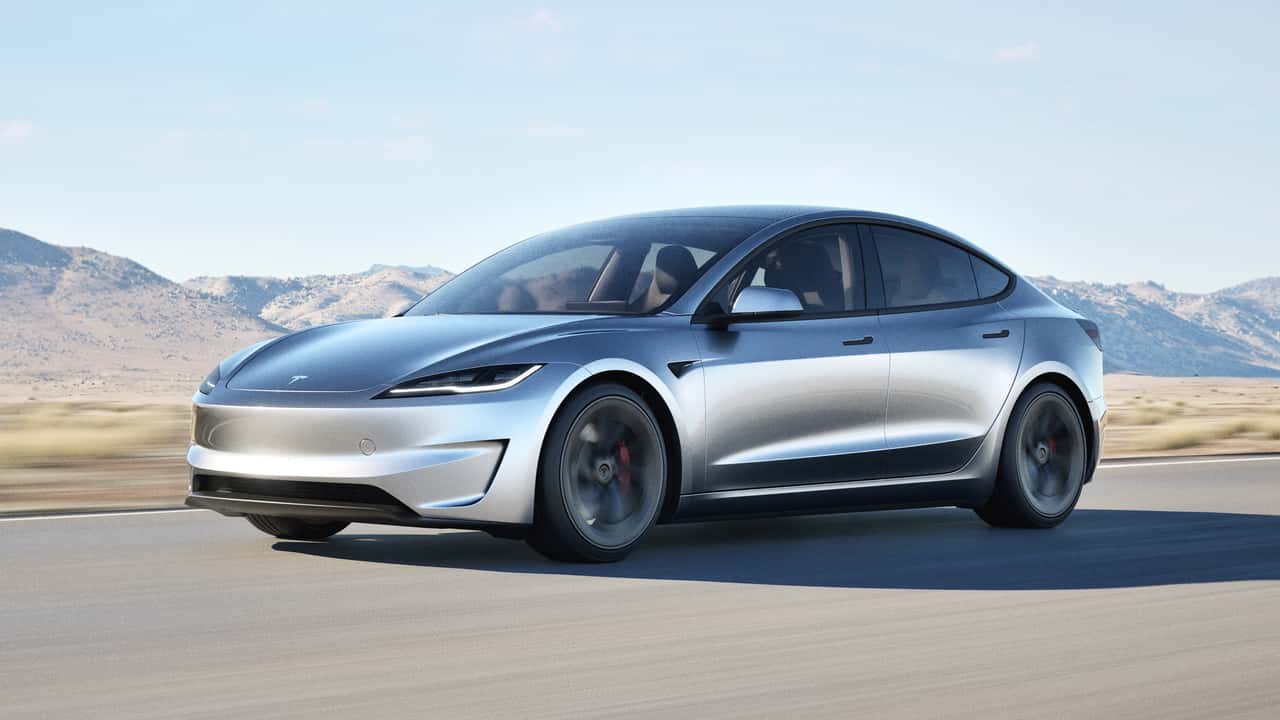
Not every wild option is a part. Tesla’s price is for software. The starting price peaked near $15,000 in 2022. That price fell over time. It dropped to $8,000 for the one-time purchase. A monthly plan also arrived, later cut to $99.
Then came the big change. From February 14, 2026, FSD became subscription-only. The one-time option is gone. Do the maths on the old price. At $99 a month, the $15,000 peak equals about 12 and a half years of fees. Even the $8,000 price took about six years and nine months to match.
Buyers who paid upfront made a bet. They believed the software would improve and the car would hold it. Tesla’s own boss had argued that the cost would rise as capability grew.
There is a transfer twist. Transfers of a one-time purchase to a new car ended after March 31, 2026. So the software now stays with the original vehicle.
Exceptions exist. Some bundled trims, like the Cyberbeast, still include it. Most buyers have no such path. Why did Tesla switch? Recurring revenue is one reason. Reports say only about 12 percent of owners subscribe, and Musk’s pay targets include 10 million active subscriptions.
Safety matters too. US regulators opened a probe covering nearly 2.9 million FSD vehicles. The system still needs an attentive driver. Legal risk plays a part as well. Tesla has faced class-action suits over claims about future autonomy. Dropping the purchase option may reduce that exposure.
This option is unusual because it is not a thing. You cannot touch it or resell it. Its price rose, fell and then vanished. For early buyers, the $15,000 price looks painful. For the company, it shows how far an option can stretch. Software can cost like a supercar part.
4. Ford GT (2005) Options – $13,500
The Ford GT was a bargain next to rivals. The base price was $139,995. The option list was short and quite pricey. Options such as the McIntosh stereo, racing stripes, painted calipers and BBS wheels added about $13,500. There were only four of them. Some listings put the total slightly higher.
Prices vary by source. Hagerty lists the stereo and wheels at $4,000 each, stripes at $5,400 and calipers at $750. One owner recalled the stereo at $2,100 and wheels at $3,500.
That owner skipped the stereo. The large subwoofer sat between the seats. It blocked the view of the supercharger. A fully loaded car reached about $154,145 on the sticker. That was still cheap for 550 horsepower.
The real cost was the dealer markup. Some early cars sold for about $100,000 over the suggested price. Buyers paid that to jump the queue. The options felt tiny beside it.
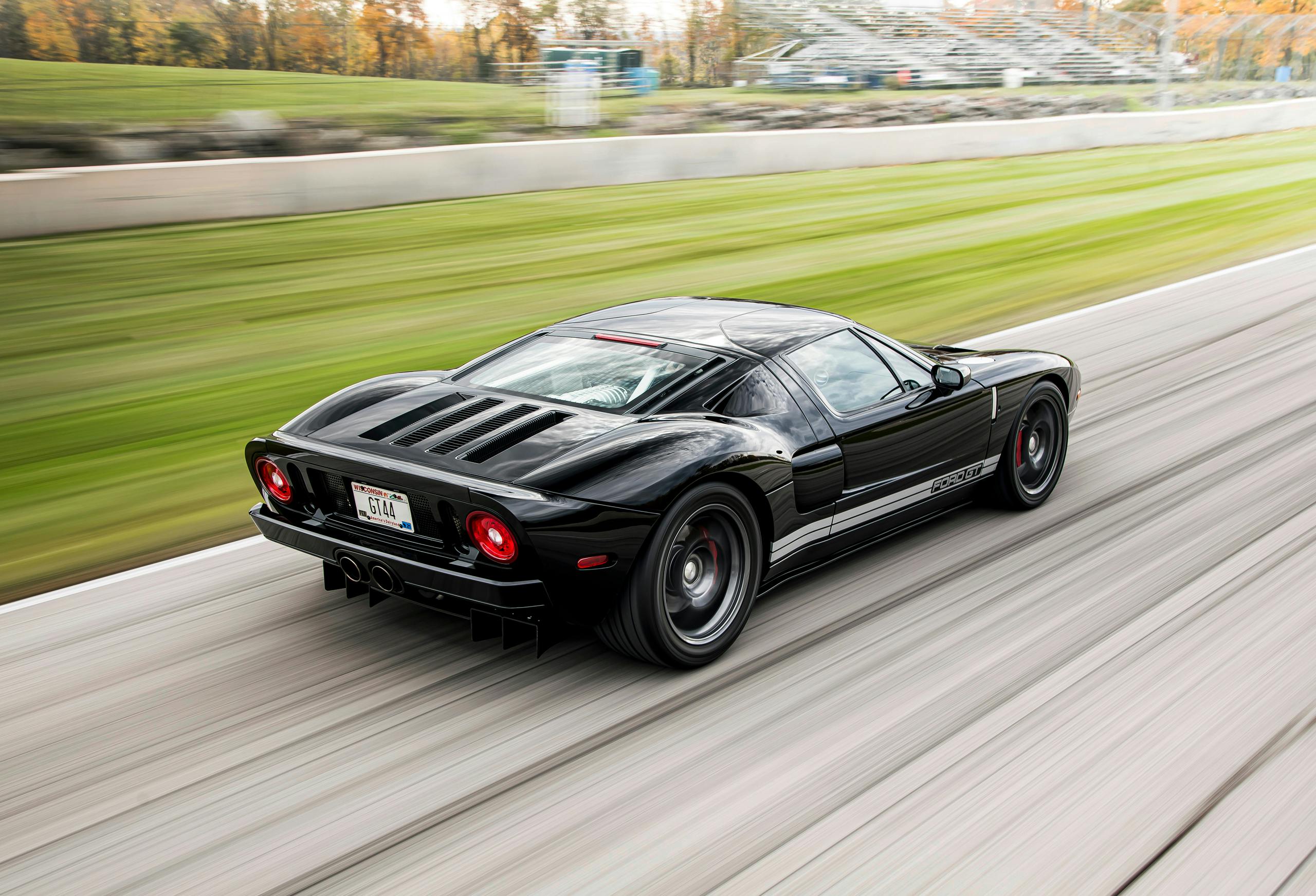
Only 4,038 cars were built over three years. Demand beat supply by a wide margin. Ford had a hit on its hands. Did the options pay off later? Not quite. Hagerty data suggests premiums of $4,000 for BBS wheels, $3,000 for stripes, $2,500 for the stereo and $900 for calipers.
Add those up and you get about $10,400. That is less than the original option costs. Buyers lost a little on every box. The cars themselves did well. The average auction price over five years was about $330,680. One all-option car sold for $308,000.
The stripes mattered most for looks. They tie the car to the 1960s Le Mans GT40. For many owners, that was worth every dollar. This is the mildest item on our list. The sums are small and the cars are famous. Yet the pattern is clear: options rarely return their full cost.
5. Porsche 918 Liquid Metal Paint – About $63,000
Paint is the quiet killer of option lists. Porsche made that clear with the 918. The Liquid Metal paints cost about €50,000, or roughly $63,000. Other sources quote a few dollars more. One report puts it at $64,000. The figure shifts a little with each retelling.
Why so costly? The process is slow and hands-on. It used nine coats of paint, three manual processing stages and three final clear coats. Porsche says the result looks like liquid metal. Light seems to flow across the body. It gives the curves real depth.
Two shades existed. Liquid Metal Silver was the most popular, while Chrome Blue was chosen far less. That makes blue cars rarer. The numbers get rarer still. One dealer says fewer than ten US Weissach cars wore Chrome Blue. That is a tiny club.
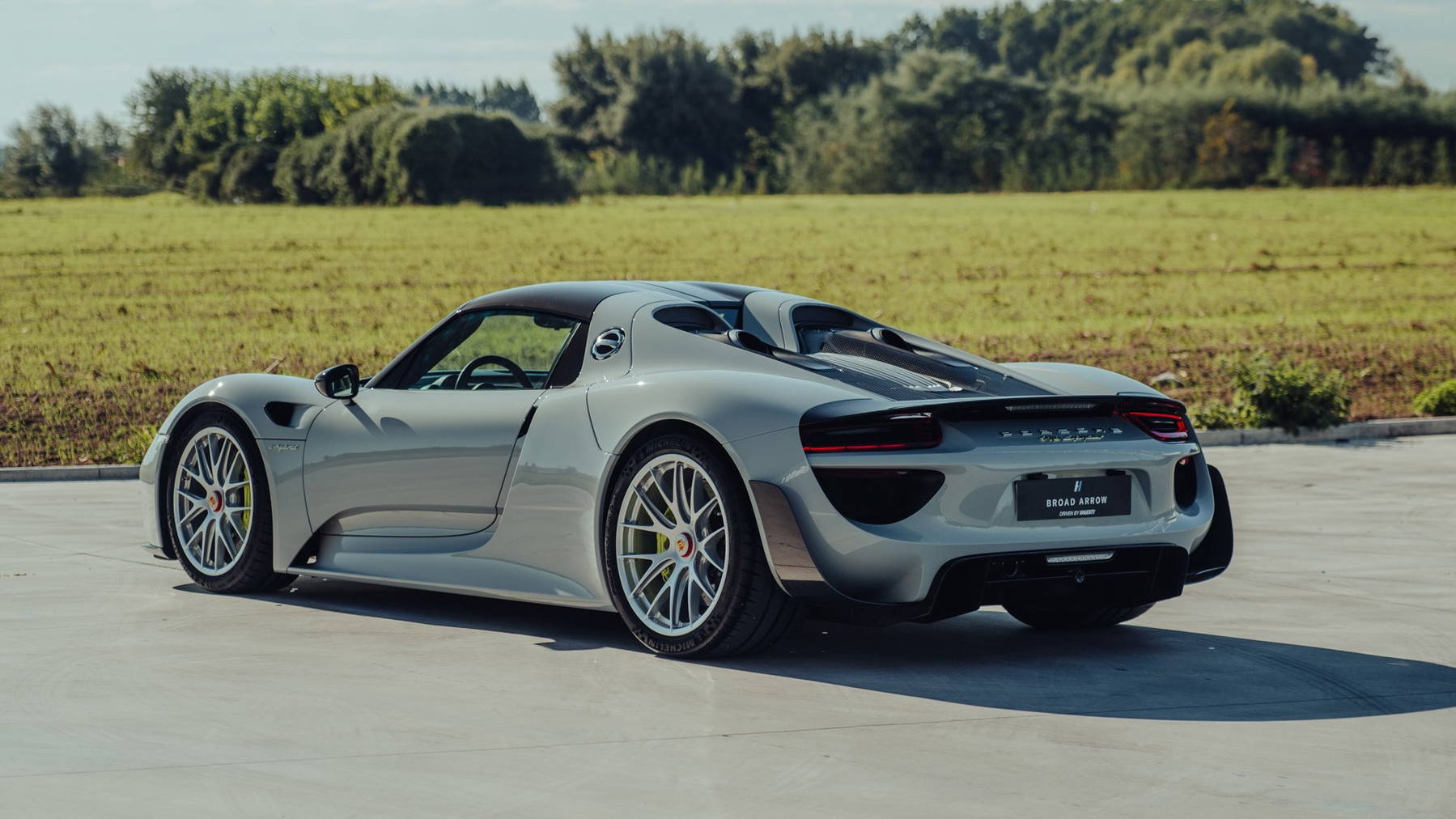
Compare it with other paint. Paint-to-Sample Riviera Blue cost $21,000 on the 918. Liquid Metal cost three times as much. Some cars piled on extras. One example carried $169,000 in total options. Paint was a big slice of that bill.
Another car listed magnesium wheels at $32,500 next to its paint. Together they cost nearly as much as a new luxury sedan. And that was before any carbon trim.
There is a fun contrast online. A 12-ounce aerosol can of matching blue is sold for about $33. It is a colour match, not the factory finish. Still, the gap makes you smile.
The paint also left the 918. Jerry Seinfeld’s GT3 RS wore the same blue. Porsche allowed it on at least one other car. Was it worth it? Many buyers think so.
A rare colour helps a car stand out among the 918s built. Paint is the simplest way to show you paid more. You can see it from the road. That is exactly why makers charge so much for it.
6. Rolls-Royce Starlight Headliner – From About $12,000
Rolls-Royce sells a night sky. Fibre optic strands light the ceiling like stars. The option has become a symbol of the brand. The start was modest. It debuted in 2007 on the Phantom with 800 lights. Today the sky holds 1,340 lights on the Phantom.
Craft is the key cost. Each pattern takes about nine hours to make. A personal design needs its own template and can take more than 17 hours. Older prices give a sense of scale. The Phantom Coupe option cost $12,350. That is old data, so modern prices may be higher.
UK data from a few years ago was stark. The Wraith’s headliner cost £9,120 for 1,600 hand-sewn lights. That is about £5.70 per light. Against the car, it looks small. The Wraith cost £228,800. The headliner is about 4 percent of that.
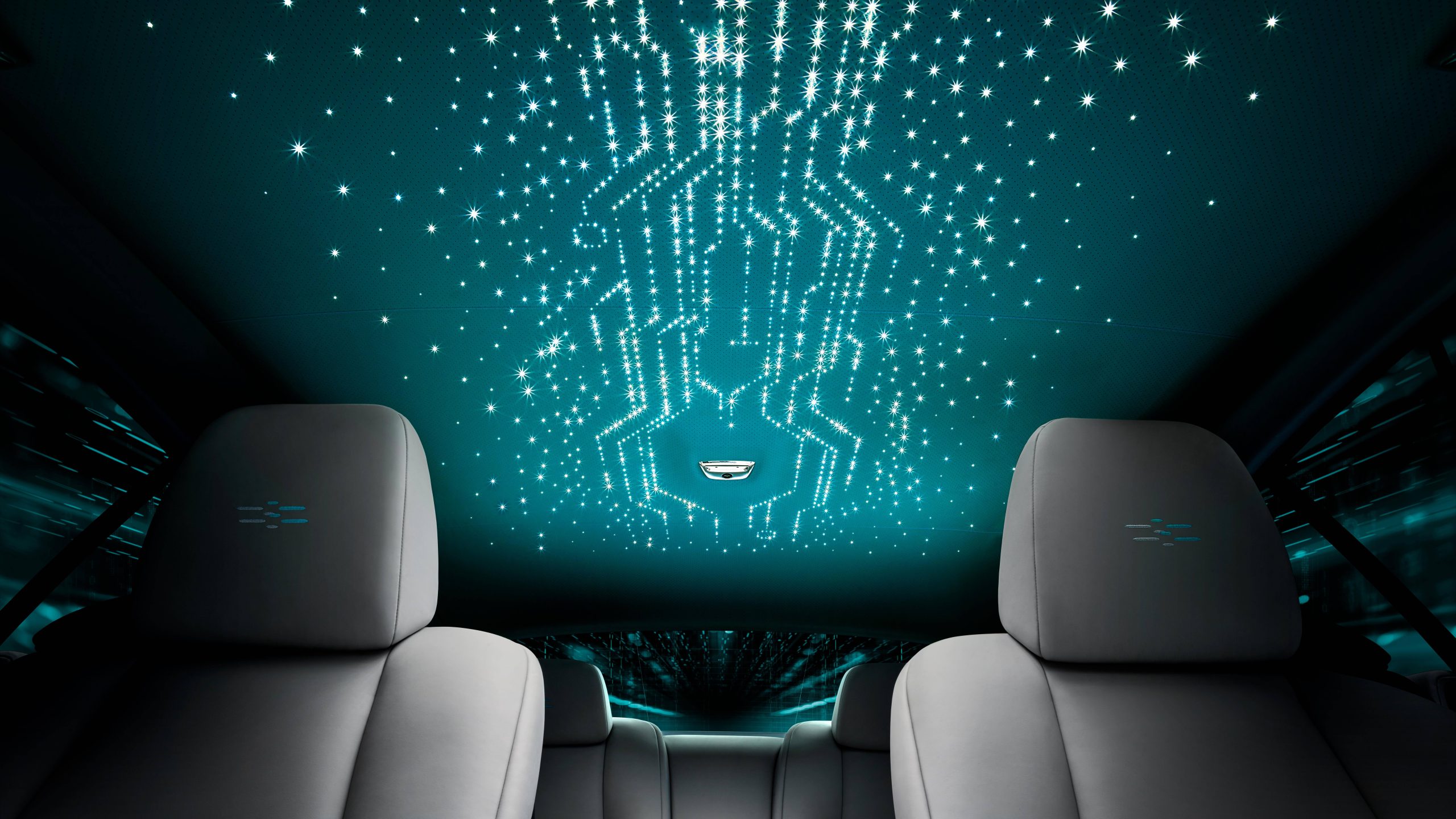
Yet it is a huge price for a ceiling. A pro aftermarket install costs about $900 to $3,500. A good DIY kit is even cheaper. So why pay? Rolls-Royce sells craft and exclusivity. Each constellation is unique to its owner. No copy shop can match that.
The option can grow wild. One commission used a fully hand-painted headliner that took over 160 hours. Rolls-Royce does not publish prices for such work.
One parts seller lists a headliner at about $22,668. That is a spares price, not the option price. It shows how far costs can climb. Exact figures are hard to confirm.
The maker gives pricing on request. So be careful with any number you read online. The headliner works because it is felt, not shown. Passengers look up and smile. For Rolls-Royce owners, that smile is the product.
7. Ferrari Carbon Wheels and Tailor-Made – Tens of Thousands
Ferrari may be the master of the costly option. Its carbon fibre wheels are a good example. A set for the 812 Competizione is listed at $63,000. That price comes from an accessory seller, so it is a guide, not an official quote. Another guide says SF90 Spider carbon wheels cost $20,000 to $25,000. Prices vary by model.
What do you get? The wheels are about 40 percent lighter than standard ones. Less unsprung weight helps braking and response. Then comes Tailor Made. It is Ferrari’s personalisation programme. One dealer said typical spend runs €60,000 to €100,000.
The sums can go far higher. One 812 Competizione A carried more than $242,000 in factory options. Only 599 of that model were built. Small details cost real money too. In Australia, airbrushed Scuderia shields on the fenders cost A$23,077. A special paint on the same car cost A$49,036.
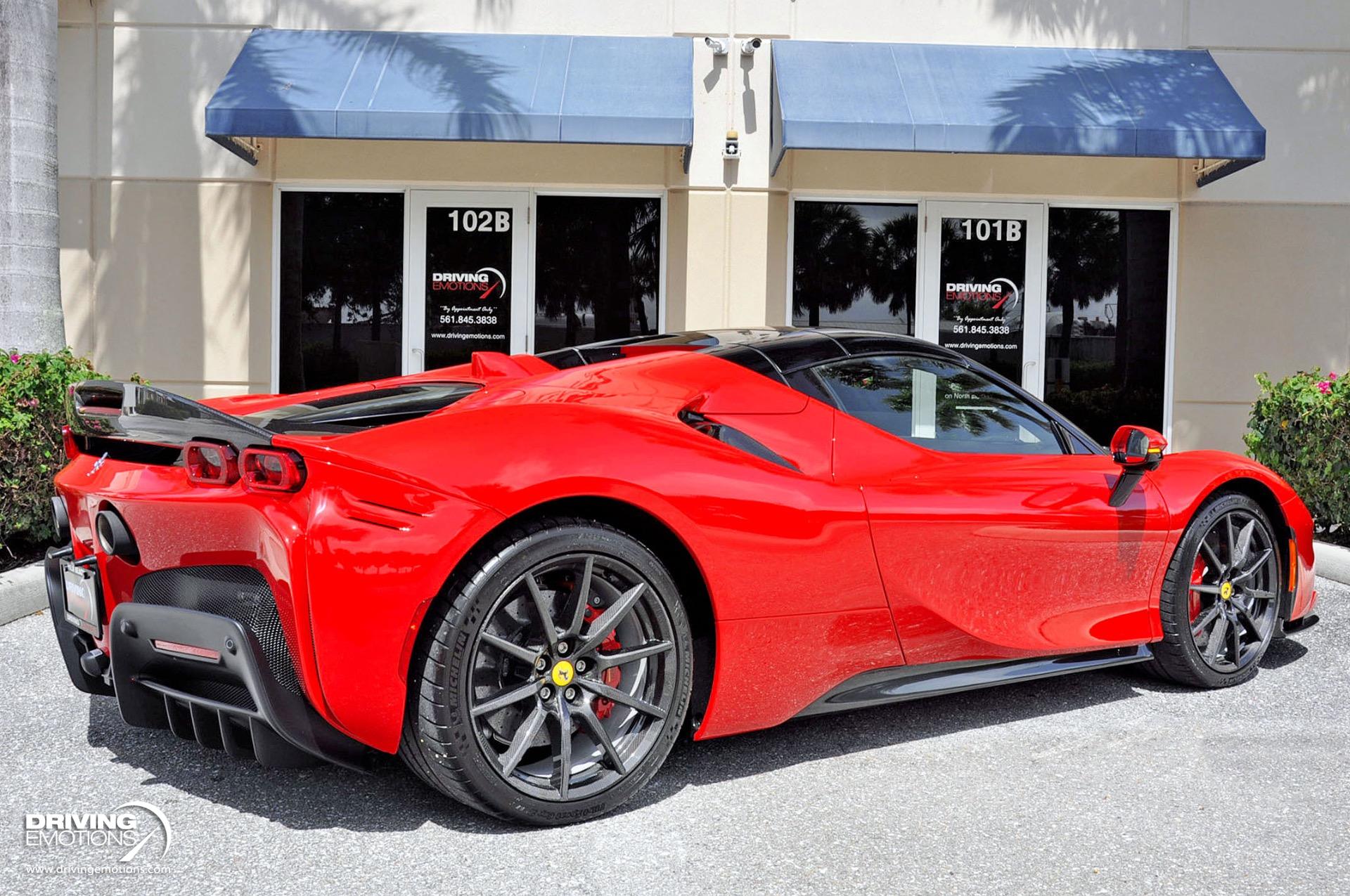
That car’s base price was A$609,888. The finished car cost $940,678. Options added more than half again. Why do buyers accept it? Ferrari treats personalisation as part of the car. A one-off spec is a status badge.
Does it hold value? Sometimes. A car with $250,000 in options selling at $700,000 offers a different deal than a base car at $580,000. Spec can matter.
This final item shows the full picture. The wheel is a performance part. The paint and stripes are pure personality. Ferrari wins on both fronts. It sells speed and it sells identity. Each option is a small, expensive proof that the car belongs to one person.
