
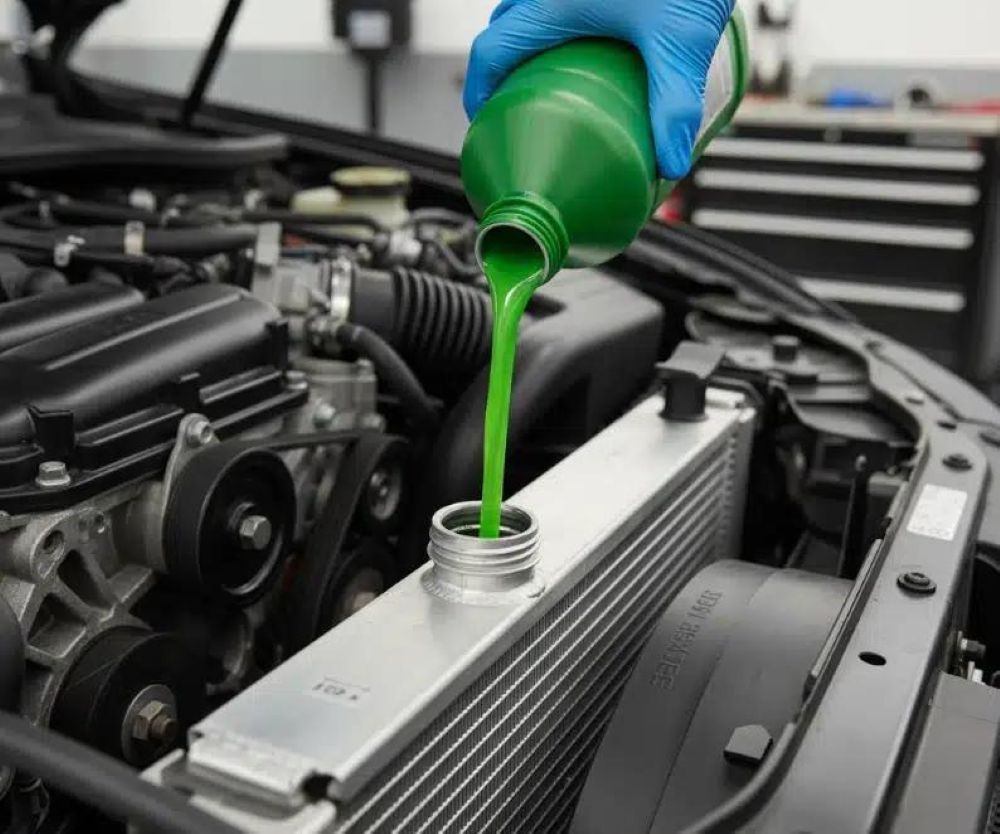
Coolant does far more than keep an engine from freezing. It carries heat away from the cylinders. It protects aluminum, iron, and copper from corrosion. It also lubricates the water pump seals.
A standard 50/50 mix of glycol and water freezes near minus 34 degrees Fahrenheit. In a pressurized system, it boils near 265 degrees. That margin keeps modern engines safe in summer traffic and winter storms.
Not every coolant fits every car. Older formulas use silicates and phosphates. Newer ones rely on organic acids that last far longer. Mixing the wrong types can cause gel, sludge, and clogged radiators.
Color is a poor guide. Orange, pink, yellow, and green all appear across different chemistries. Always match the specification in your owner’s manual.
This ranking covers ten coolant brands sold across America. We weighed automaker approvals, service life, formula range, availability, and long-term reputation. Price mattered, but protection mattered more. Some brands win on universal reach. Others win because carmakers build engines around them. Here is how the ten stack up.
1. Prestone
Prestone takes the top spot for a simple reason. It is the easiest brand to find and the hardest to misuse. The name dates to 1927, when it launched as one of the first permanent antifreeze products for American cars.
Its modern lineup covers nearly every vehicle on the road. The Extended Life formula is built for long service intervals. It is rated for up to five years or 150,000 miles. Separate products target Asian vehicles and GM Dex-Cool applications.
The best-known pick is the All Makes All Models coolant. It is designed for broad compatibility across older and newer engines. That makes it handy for roadside top-offs. It also helps owners who service several vehicles.
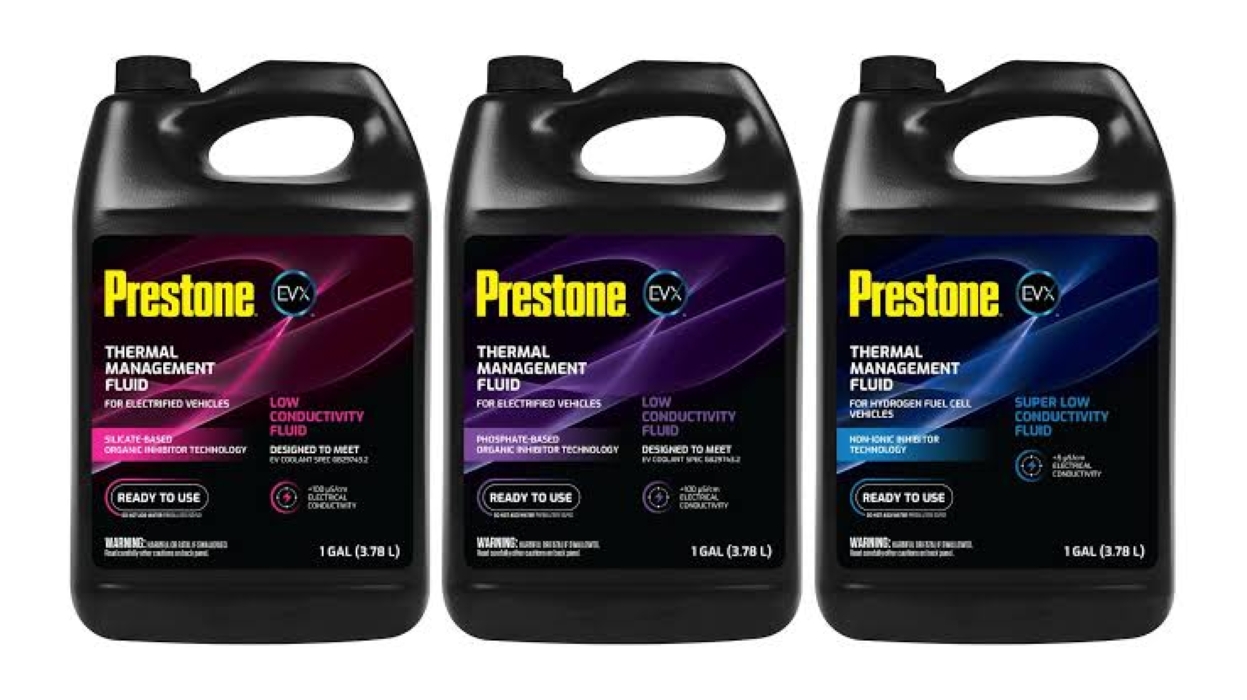
Prestone sells both concentrate and pre-diluted bottles. The 50/50 jugs remove mixing errors. They also avoid the risk of hard tap water. Minerals in tap water can leave scale inside the cooling system.
Retail reach is a real strength. Big-box stores, parts chains, and gas stations all stock it. In an emergency, that matters more than most buyers admit
The downside is that universal formulas are a compromise. A coolant built for every engine is not tuned for any single one. Owners of newer European cars should check the factory spec first. Prestone also costs more than store brands.
Even so, the track record is hard to beat. Decades of use, wide approvals, and steady quality control keep it on top. For drivers who want one trusted name, Prestone is the safest starting point.
2. Peak
Peak earns second place on long-life protection. Its Final Charge formula is promoted for up to 15 years or 300,000 miles. That is one of the longest intervals in the retail aisle. It is sold pre-mixed at 50/50.
The chemistry is organic acid technology. It forms protection only where corrosion starts. That keeps inhibitors from depleting as fast as older formulas do. The result is a longer working life.
Peak is made by a large American maker of automotive fluids. Its products are widely sold at big-box retailers. That gives it strong reach and fair pricing. Many buyers find it cheaper than name-brand rivals.
Peak also offers formulas for specific needs. Its Asian vehicle coolant covers Honda, Toyota, Nissan, and others. Its Dex-Cool compatible option fits GM cars. There is also a heavy-duty line for diesel use.
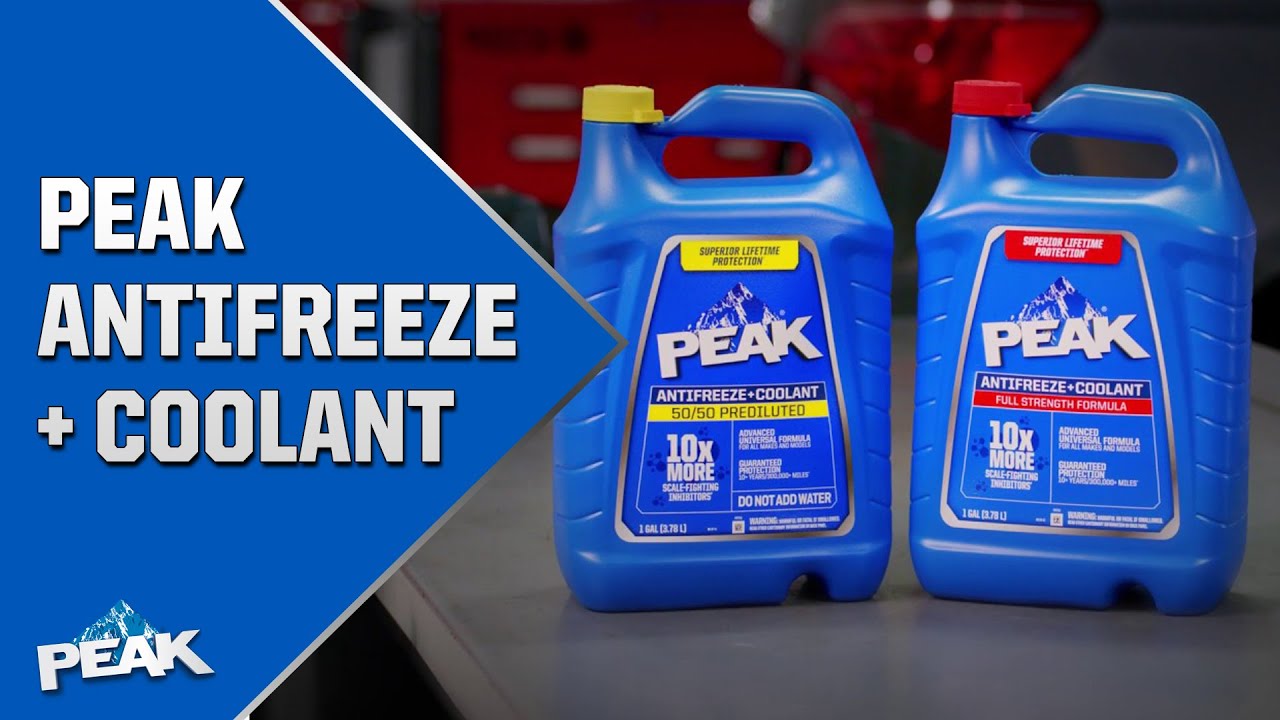
Peak is a good fit for owners of newer cars who want a set-and-forget fluid. It also suits drivers who do not want to refill often. Longer intervals mean fewer flushes over the life of a vehicle.
There are cautions, though. A 15-year claim is a marketing promise, not a mechanic’s rule. Most automakers still advise checking coolant condition every few years. Test strips are cheap and worth using.
Peak also works best in a clean system. Topping off a dirty or mixed system can undercut its benefits. A full flush before switching brands is wise. Peak delivers strong value. It pairs modern chemistry with easy availability. For budget-minded drivers who still want serious protection, it is hard to ignore.
3. Zerex
Zerex has roots that reach back to the early days of antifreeze. The brand has been protecting American engines for decades. It is now sold under the Valvoline banner. Many mechanics still reach for it first.
Its biggest strength is its range. Zerex sells separate formulas for Asian vehicles, European cars, and Ford and Chrysler engines. The G-05 hybrid formula is a standout. It is built for vehicles that call for a phosphated hybrid chemistry.
That focus matters. Engineers choose inhibitors with specific metals and seals in mind. A coolant matched to the engine usually performs better than a generic fill. Zerex leans into this idea more than most.
The G-05 coolant meets several automaker specifications used by Ford and Chrysler. It is also popular among owners of older European models. Many repair shops buy it by the gallon. That is a quiet endorsement.
Zerex also sells a Dex-Cool compatible product for GM vehicles. Its Asian formula suits Japanese and Korean cars. Each bottle states the approvals clearly. That helps owners avoid guesswork.
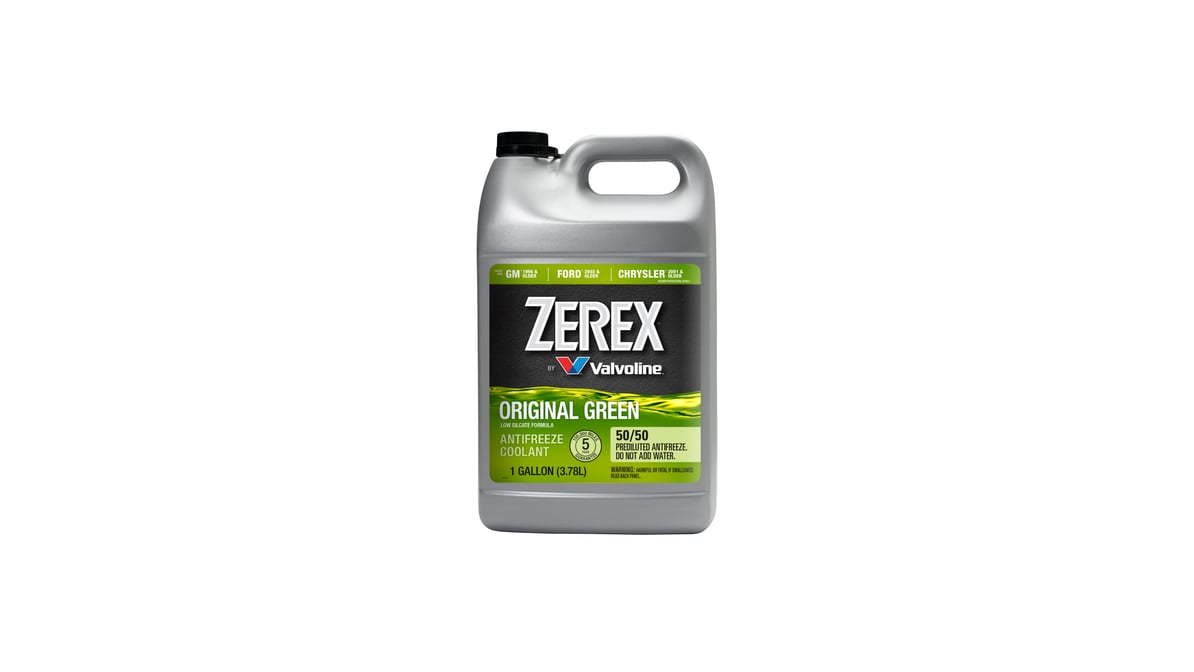
Prices are fair. Zerex usually sits between store brands and premium factory fluids. It is sold both as concentrate and pre-mixed. The main weakness is shelf confusion. With several formulas on display, buyers can grab the wrong one. Always read the back label and compare it with your manual.
Zerex ranks third because it rewards careful buyers. If you know what your engine needs, there is likely a Zerex that fits. That precision is what separates it from the pack.
4. Havoline
Havoline is the coolant arm of a major oil company. Its flagship product is Havoline Extended Life Coolant. It is an organic acid formula licensed for use in GM vehicles. It is best known as a Dex-Cool style product.
GM introduced Dex-Cool in the mid-1990s with a five-year, 150,000-mile promise. That made the orange formula famous. It also brought controversy. Owners who let coolant levels run low saw sludge form in some engines. Air contact was the main trigger.
Havoline’s version has a strong reputation when used correctly. Keep the system full and the fluid clean. Follow the replacement interval. Under those conditions, it performs as promised.
The brand also benefits from a big supply network. Chevron products sit in thousands of stations and parts stores. Havoline coolant is common in quick-lube shops. That makes it easy to find and easy to service.
It works best in GM trucks, SUVs, and cars from the Dex-Cool era. Many Chevrolet, GMC, Buick, and Cadillac models call for it. Some other makers also approve similar chemistry.
Check the manual before pouring. Pricing is moderate. It usually costs a little less than factory fluid. The quality is close enough that many shops use it as a standard fill.
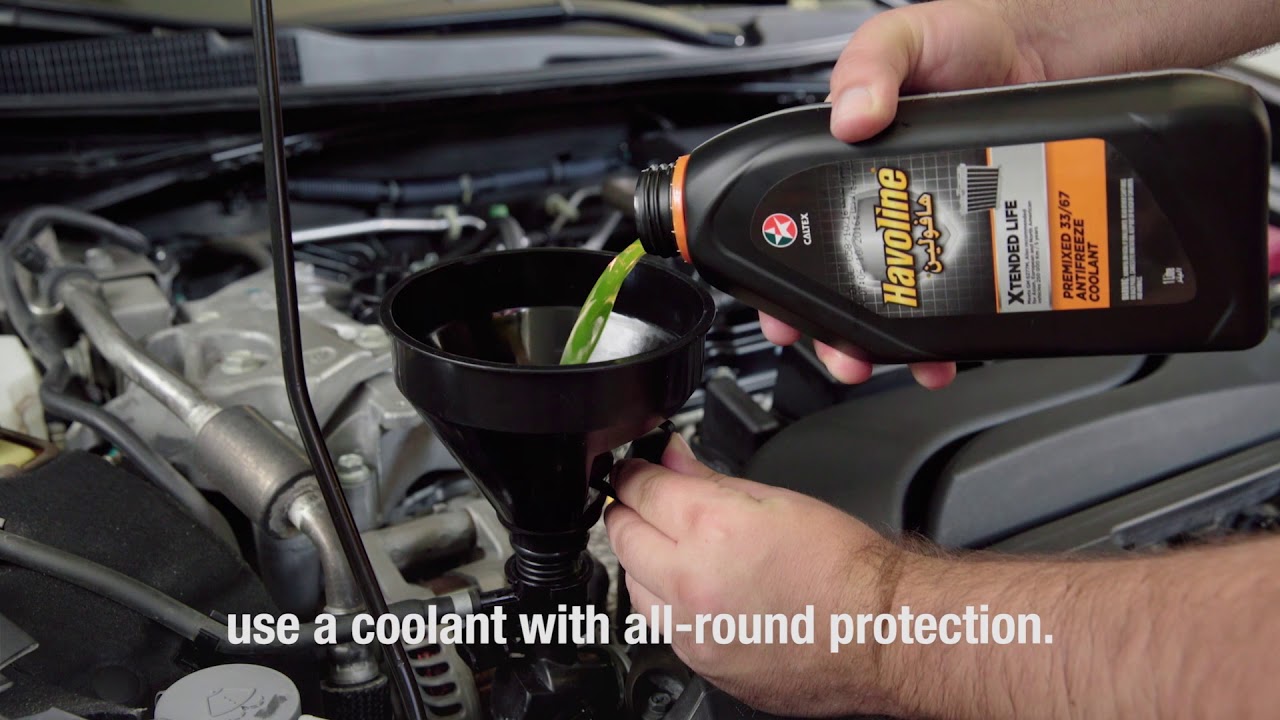
The drawback is range. Havoline has fewer specialty formulas than Zerex or Prestone. If you drive a Honda or a BMW, you may need another brand.
Still, for GM owners, Havoline is one of the best aftermarket choices. It delivers factory-style protection without factory prices. That earns it a firm fourth place.
5. Valvoline
Valvoline is a household name in oil, and its coolant line is strong too. The brand offers several antifreeze products. The MaxLife formula is aimed at higher-mileage vehicles. It adds extra protection for aging cooling systems.
Older engines have different needs. Seals shrink and hoses harden over time. Radiators collect deposits and scale. A coolant with a tuned additive package can help these parts last longer.
Valvoline also sells a multi-vehicle antifreeze. It is made to suit a wide range of makes and models. This option works well for people with mixed fleets. It also helps drivers who keep older cars.
Pre-diluted bottles are common in the lineup. They save time and avoid mixing mistakes. They also protect against mineral damage from poor water. For top-offs, they are very convenient.
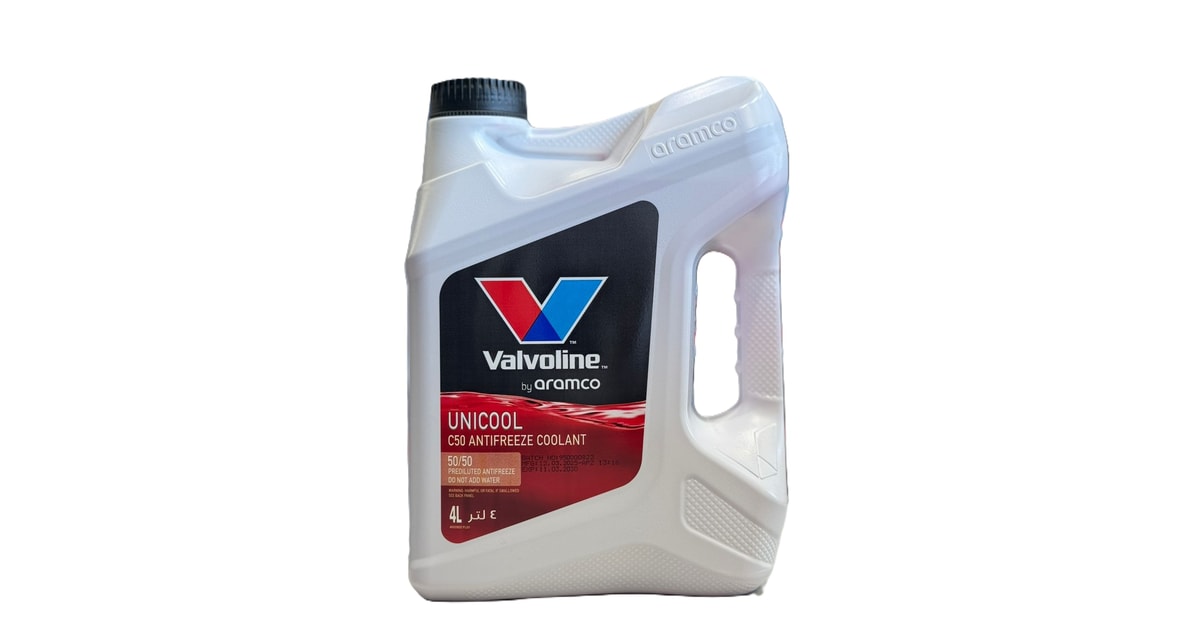
The brand benefits from heavy trust. Valvoline stores and quick-lube shops are common across the country. Many drivers already buy oil there. Adding coolant to the same visit is easy.
Valvoline coolants are also priced fairly. They are not the cheapest. They are not the most expensive. For many owners, that middle ground feels right.
There are limits. Valvoline does not list as many automaker approvals on its labels as some rivals. Owners of late-model European or Asian cars should look closely. A specific OEM-approved fluid may suit them better.
Fifth place reflects solid performance with a narrower fit. Valvoline is excellent for general use and for older vehicles. For precise factory matches, other brands pull ahead.
6. Pentosin
Pentosin is a German specialist, and it earns respect from European car owners. The brand is known for fluids built to strict engineering standards. Its Pentofrost line covers many modern European cooling system needs. Mechanics who work on BMW, Mercedes, Audi, and Volkswagen often prefer it.
European engines often use aluminum-heavy designs. They also run hotter and tighter than many American engines. That calls for silicate-free or carefully balanced chemistry. Pentosin builds its formulas around those needs.
Its G12 and G13 style coolants meet Volkswagen group specifications. They are silicate-free and use organic acid technology. They are meant for long service lives and strong corrosion protection.
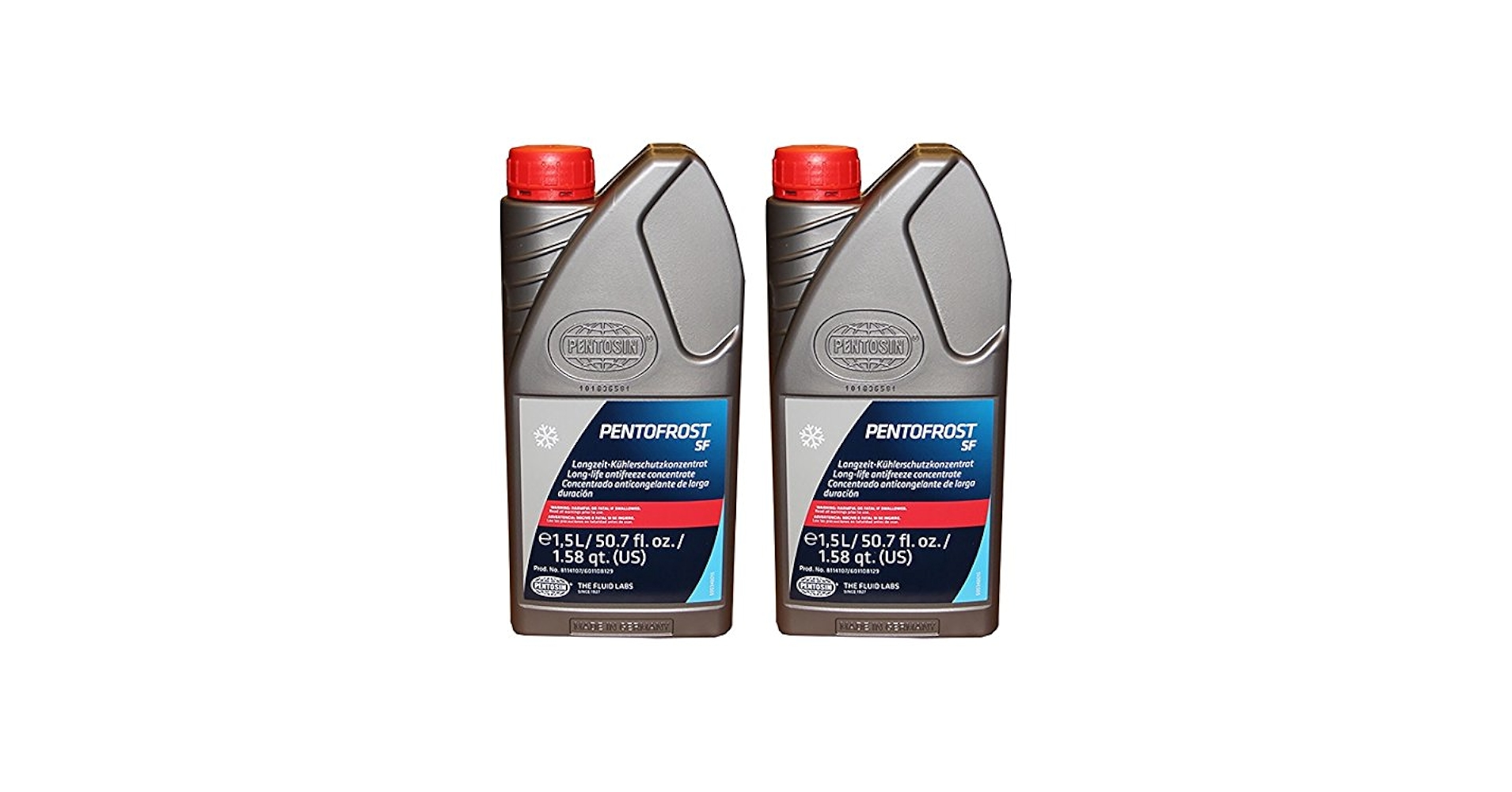
Quality control is a major selling point. Pentosin products are made to consistent standards. Many come in sealed packaging that shows tamper resistance. Buyers can trust what is inside.
The brand is not built for mass retail. You will find it at European parts stores, specialty shops, and online sellers. It can also be harder to find in small towns. That limits its everyday reach.
Cost is another factor. Pentosin often runs higher than American brands. That price buys precision, not hype. For a car that costs a lot to repair, it is easy to justify.
Do not use Pentosin in every vehicle. A formula made for a Volkswagen is not made for a Ford or a Chevrolet. Matching the specification is essential. Sixth place reflects focus. Pentosin is among the best for European cars, but less useful for everything else. In its lane, it is excellent.
7. Motorcraft
Motorcraft is Ford’s own parts and fluids brand. Its coolants are built to Ford’s specifications. That makes them a natural pick for Ford, Lincoln, and Mercury owners. The Premium Gold coolant is its best-known product.
Ford’s engines have specific demands. Many use aluminum components and tight seal materials. Ford also uses more than one coolant type across its history. Orange and gold formulas differ in chemistry.
The Premium Gold formula meets a Ford specification used on many late-model vehicles. It is a phosphated hybrid organic coolant. Ford also sells a Specialty Orange option for certain applications. Always match the exact part number to your vehicle.
Dealers stock Motorcraft coolant. So do many parts stores. That makes sourcing simple. Buying from a Ford dealer also ensures freshness. The fluid comes pre-mixed in many sizes. That helps drivers who want a drop-in solution. It also avoids water quality problems.
Motorcraft is not the cheapest option. It often costs more than store brands. For warranty-conscious owners, though, that may be worth it. Using factory fluid removes doubt in a claim dispute.
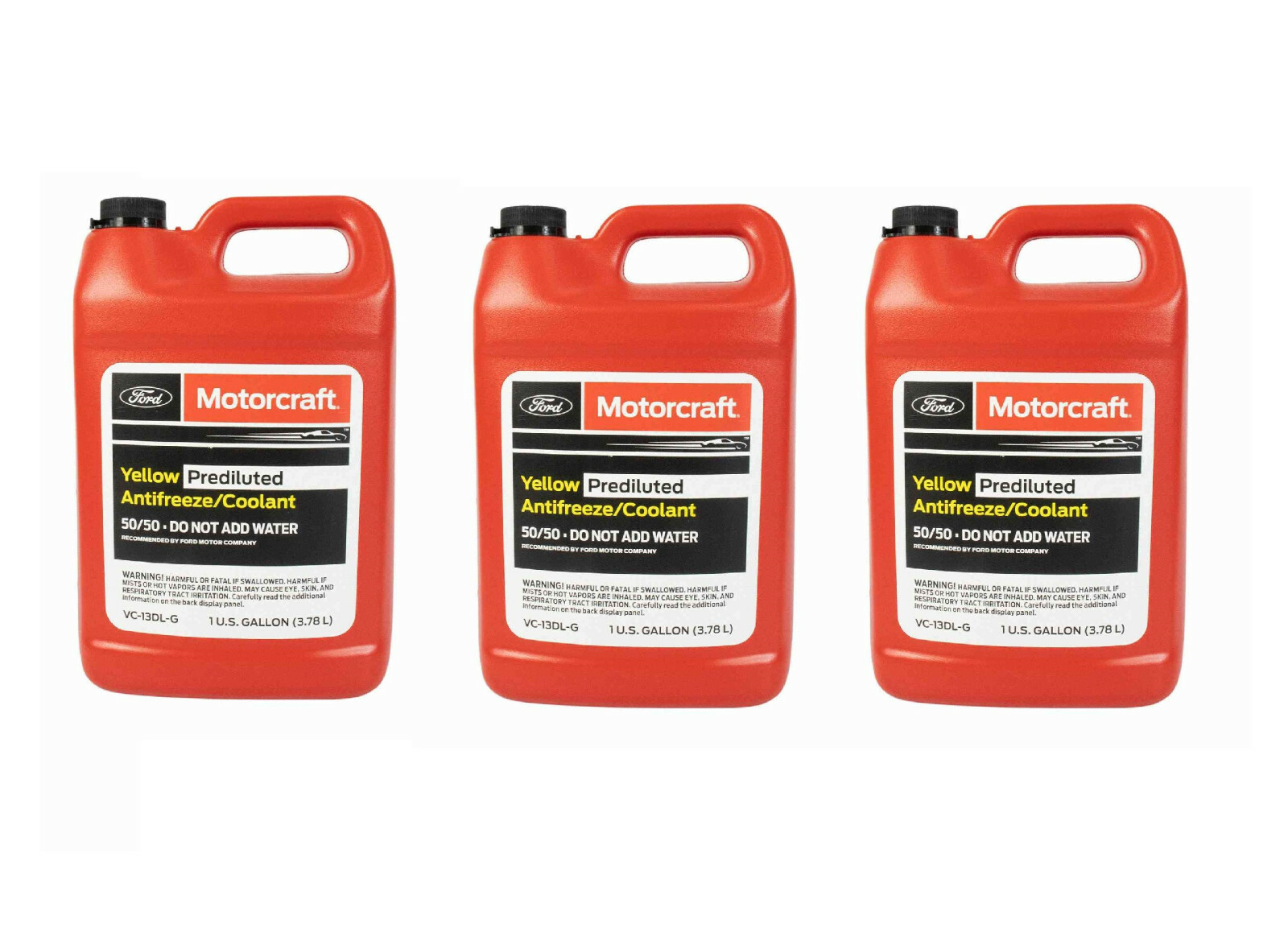
The weak point is scope. Motorcraft coolant is built for Ford products. It is not meant as a universal fix. Using it in other makes may not give the best result.
Seventh place reflects a narrow focus. For Ford owners, Motorcraft may be the best choice on the shelf. For everyone else, it is simply one more option.
8. ACDelco
ACDelco is General Motors’ parts brand, and its coolant carries real history. Dex-Cool launched in the mid-1990s and changed the market. It promised five years or 150,000 miles of service. Few coolants had offered that before.
The orange formula uses organic acid technology. It protects metals without relying on silicates or phosphates. That lowers the risk of deposits and wear on the water pump. It also supports long intervals.
Dex-Cool also drew lawsuits. Some owners reported sludge in their engines. Investigators often traced it to low coolant levels and air exposure. Mixing with older green coolant also played a part. The brand survived and refined the product.
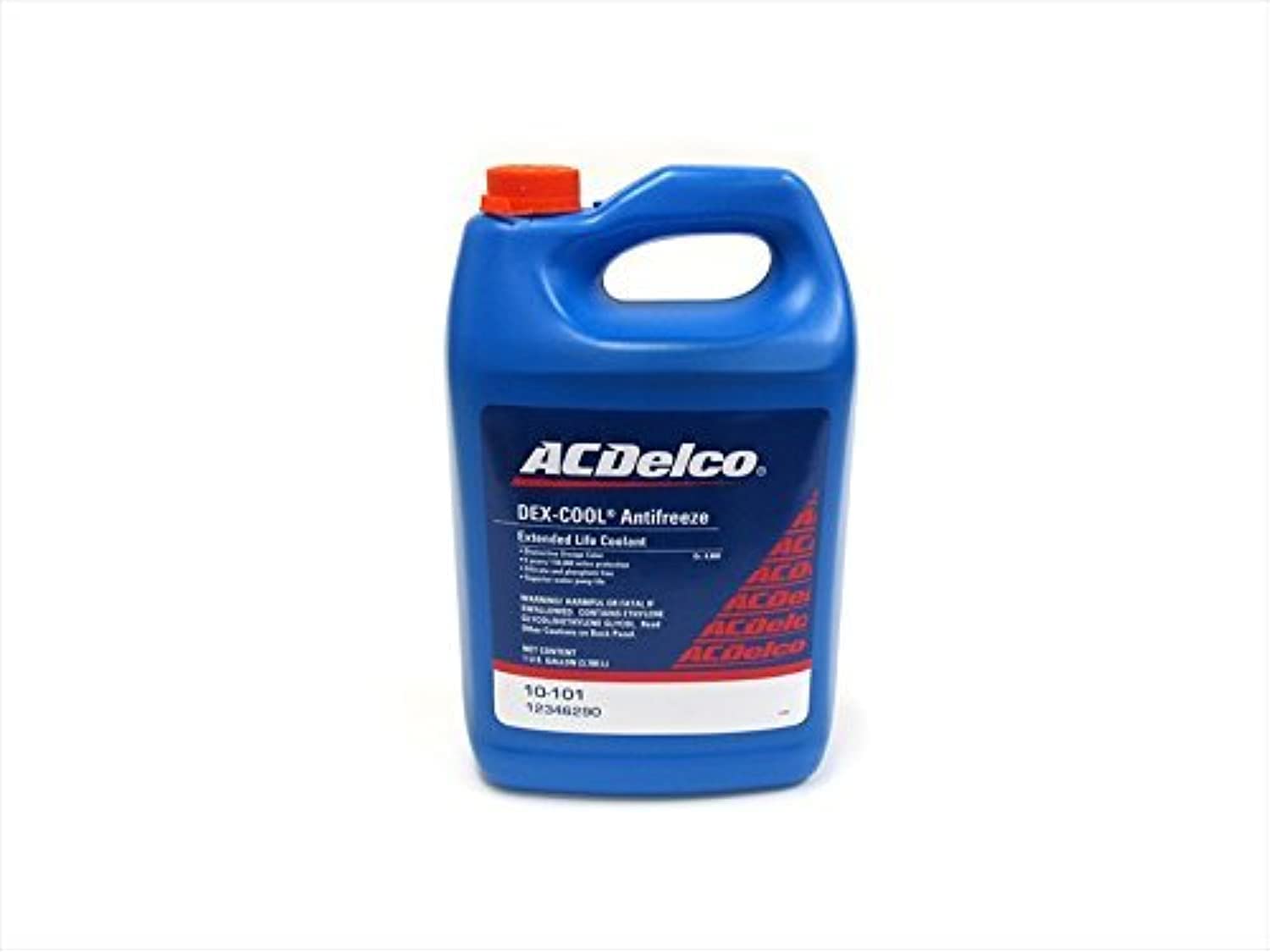
Today, ACDelco’s coolant remains the factory-fill standard for many GM vehicles. It is sold through dealers and parts stores. It is also available online. Many owners keep it on hand for top-offs.
The pre-mixed bottles are simple to use. Just pour to the correct level. There is no need to measure water. That reduces errors. Cost is moderate to high. ACDelco often sits above store brands. But it matches GM’s own requirements. That may matter for newer vehicles under warranty.
Be careful about mixing. Do not combine it with conventional green antifreeze. That can reduce protection and may cause gel. If you are switching, flush the system first. Eighth place reflects a strong product with a narrow audience. For GM owners, it is a dependable pick. For others, there are broader options.
9. Mopar
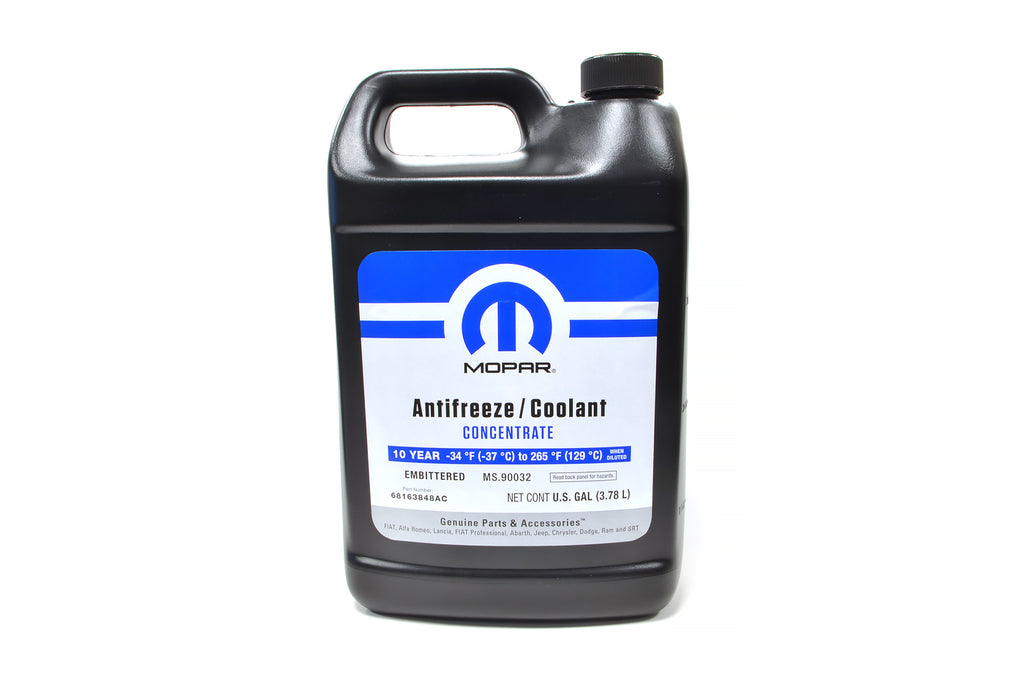
Mopar is the parts and service brand for Chrysler, Dodge, Jeep, and Ram. Its coolant is made to meet Stellantis specifications. The 10-year, 150,000-mile formula is the best known. It is a hybrid organic acid coolant.
Chrysler products have had several coolant generations. Older vehicles used a green, longer-life formula. Newer ones use a hybrid organic coolant with a longer interval. Using the wrong one can reduce protection. Check the manual and the cap label.
The Mopar formula meets the MS-12106 specification, a common Chrysler requirement. It is sold pre-mixed in gallon jugs. It is widely stocked at dealers and online parts sellers. Many Jeep and Ram owners buy it for routine service.
Its biggest advantage is certainty. When a dealer pours Mopar in your Jeep, the fluid matches the engineering spec. It is the same product the factory expects. That peace of mind matters on newer vehicles.
The product also has a strong service life. Many owners can go a decade between changes. Real-world intervals depend on use and system condition. Towing and heavy loads may call for earlier checks.
Pricing runs above average. It costs more than most aftermarket fluids. Some independent shops offer compatible alternatives. Those may save money if the approvals match.
There is also limited use outside Chrysler products. Mopar coolant is not a general-purpose fluid. Other brands handle mixed fleets better. Ninth place reflects focus over breadth. Mopar is a very good choice for its own vehicles. It lacks the reach of the top brands.
10. Toyota
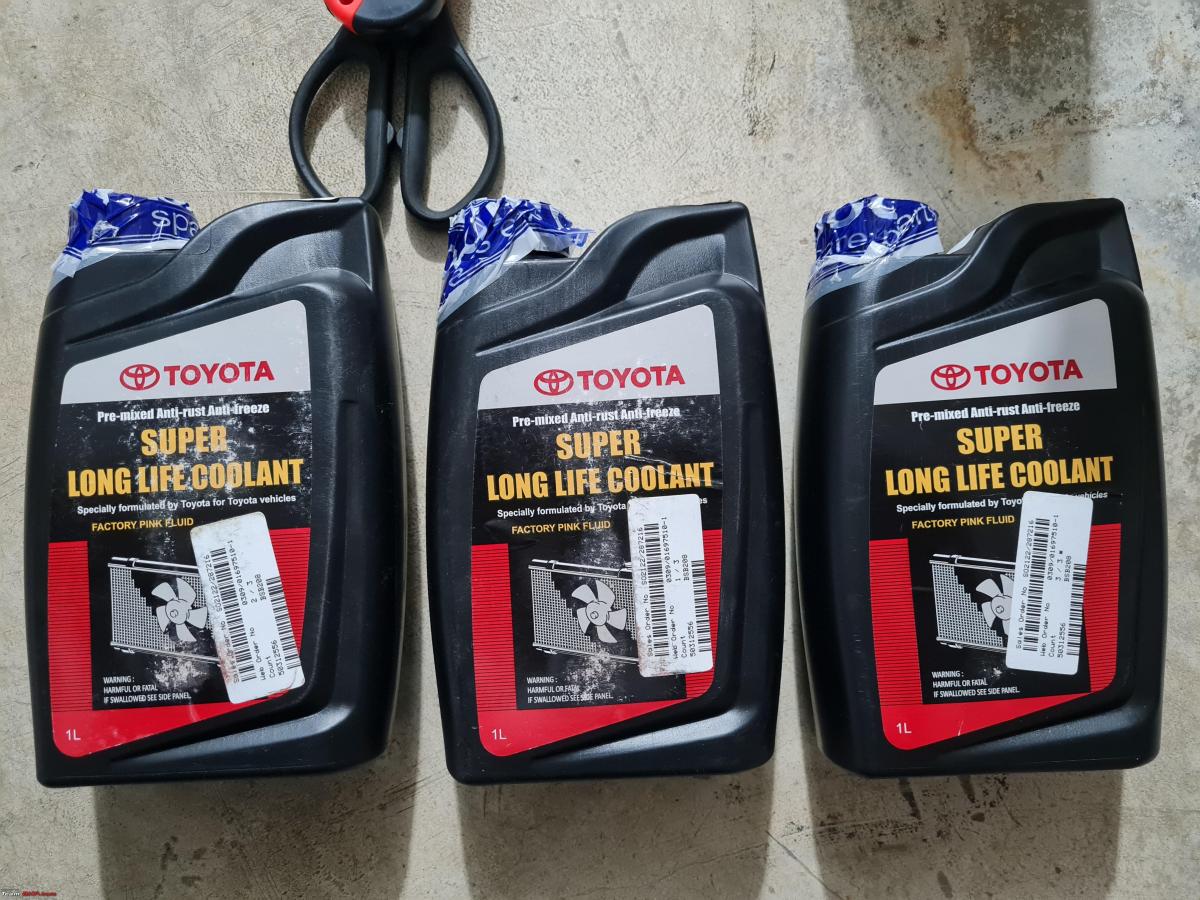
Toyota Super Long Life Coolant closes the list. It is a pink, pre-mixed fluid made for Toyota and Lexus vehicles. It is also used by some other makers. It is a hybrid organic acid formula.
Toyota’s service guidance is clear. The first change is due at about 100,000 miles or 10 years. After that, replace it every 50,000 miles or five years. That makes it one of the longer intervals among Asian automakers.
The coolant is silicate-free and phosphate-free. That protects aluminum radiators and water pumps. It also reduces deposits. Toyota engines often use thin-walled aluminum parts, so this matters. It comes pre-diluted at 50/50. There is no need to measure. It also avoids water quality problems. Owners can top off with confidence.
Dealers stock the fluid, and so do some parts stores. It is also available online. Many independent Toyota specialists prefer it. They say it keeps cooling systems cleaner than some generic Asian formulas.
Cost is moderate to high. Toyota fluids are usually priced above store brands. For owners of Camrys, Tacomas, and RAV4s, the cost is small compared with repairs.
The coolant is also less suited to non-Toyota cars. Some Asian makes use similar chemistry, but not all. Check the specification before using it elsewhere.
Tenth place reflects scope, not quality. Toyota’s coolant is among the best for its own vehicles. It simply serves a narrower group than the brands above it.
