A standard sheet of plywood measures 4 by 8 feet, or 48 by 96 inches, which immediately eliminates most cars and many SUVs from consideration. The challenge is not simply having a large cargo volume.
The vehicle needs enough usable floor length and at least 48 inches of width at the narrowest point, usually between the wheel wells. For this list, the focus is on modern U.S.-market vehicles that can accommodate a full sheet inside the cabin with the appropriate rear seats folded.
Published cargo measurements were checked against manufacturer specifications where available, while the fit assessment also considers the actual dimensions required by a 4×8 sheet.
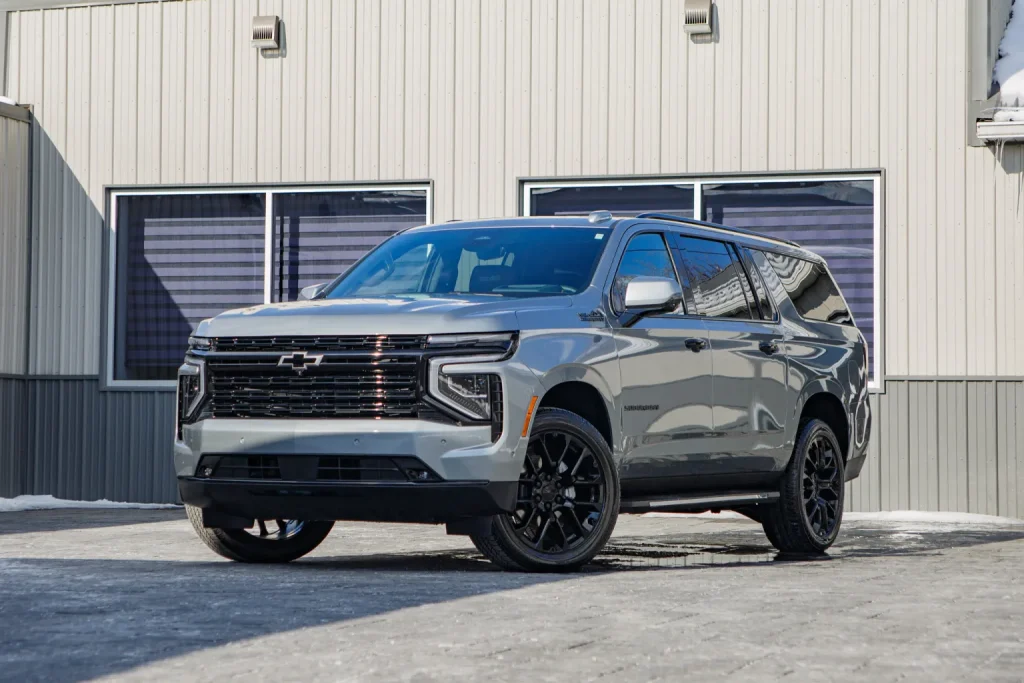
1. Chevrolet Suburban
The Chevrolet Suburban is one of the easiest modern SUVs to justify for this job because its enormous cargo area provides both length and width that smaller SUVs simply cannot match.
Chevrolet lists 144.5 cubic feet of maximum cargo volume in the 2026 Suburban, with the second and third rows folded. Independent specifications put the cargo width between the wheel housings at 49.4 inches, giving a 48-inch-wide plywood sheet roughly 1.4 inches of total clearance.
Length is equally important. The Suburban’s extended body provides substantially more cargo-floor length than the standard Tahoe, making it one of the better choices for carrying long sheet material without leaving the liftgate open.
The independent measurements used for the 2026 model put usable floor length at approximately 105 inches with the rear seating folded, exceeding the 96-inch length of a standard plywood sheet.
That means the Suburban passes the basic test on both dimensions. The sheet can sit inside rather than hanging out of the rear opening.
The independent rear suspension used by the current-generation Suburban also helps create a comparatively usable cargo floor. Chevrolet’s published figures show 93.8 cubic feet behind the second row and 144.5 cubic feet behind the first row, demonstrating just how much space becomes available once the rear seating is folded.
For someone buying lumber for a weekend renovation, the Suburban is therefore much more than a large family SUV. It can function as a surprisingly capable enclosed hauler while keeping the plywood protected from rain and highway debris.
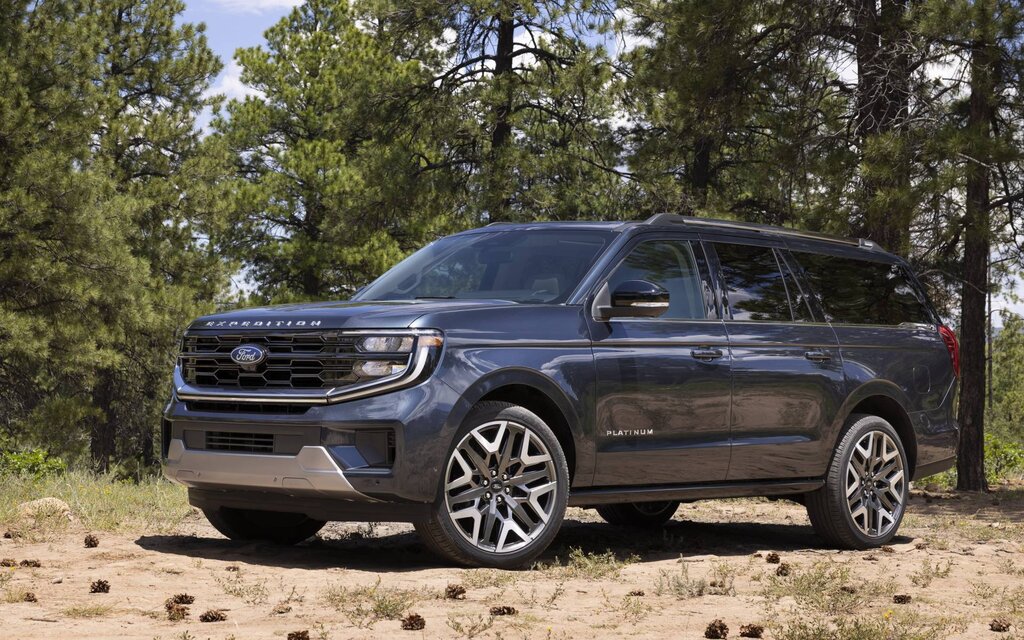
2. Ford Expedition MAX
Ford does not leave buyers guessing about why the extended-length Expedition MAX exists. In its 2026 technical specifications, Ford lists 102.2 inches of cargo length behind the first row and 51.4 inches between the wheelhouses.
Those two measurements are particularly important when the cargo happens to be a standard 48-by-96-inch sheet of plywood.
The numbers provide a comfortable margin. The 51.4-inch width leaves 3.4 inches between the wheel wells beyond the nominal 48-inch plywood width, while the 102.2-inch cargo length exceeds the sheet’s 96-inch length by 6.2 inches. Ford itself describes the Expedition MAX as having the extra capability to carry larger items such as sheets of plywood.
The regular Expedition is a different story. Ford lists its maximum cargo length at 90.4 inches, which falls short of the 96-inch requirement for a full 4×8 sheet lying lengthwise. That makes the MAX designation critical rather than just a cosmetic variation.
The MAX also offers 123.1 cubic feet behind the first row, compared with 108.5 cubic feet for the standard Expedition.
For a homeowner, contractor, or weekend woodworker, this is exactly the kind of difference that matters. A few extra inches of body length turn a large SUV from something that can carry bulky boxes into a vehicle capable of swallowing standard sheet goods.
The powered seating and wide cargo opening make loading easier, but the real advantage is the available space. With 102.2 inches of cargo length and 51.4 inches between the wheelhouses, the Expedition MAX has enough room to pass the 4×8 plywood test.
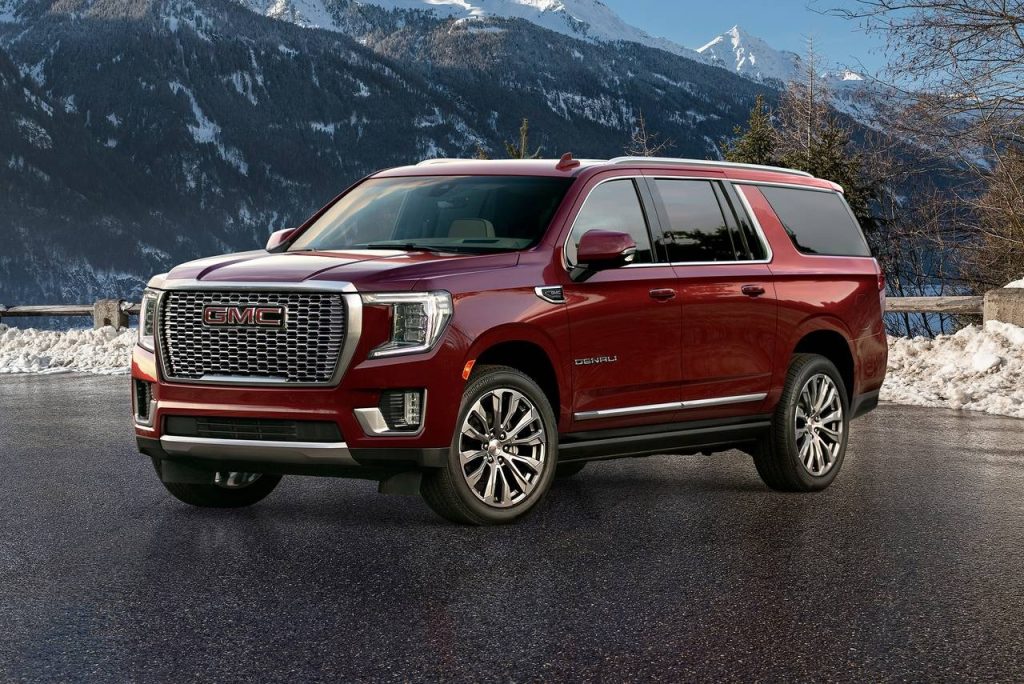
3. 2026 GMC Yukon XL
The GMC Yukon XL earns its place on this list for a straightforward reason. Its wide cargo area and extended floor provide enough space to carry full-size sheet material.
The 2026 Yukon XL has 122.8 cubic feet of maximum cargo volume behind the first row, according to current specifications, while independent measurements list about 49.5 inches between the rear wheel wells. That clears the nominal 48-inch width of a standard sheet of plywood.
The XL designation is crucial. The standard Yukon is considerably shorter, so buyers interested specifically in carrying 4×8 sheets should not assume every Yukon has the same cargo capability. The extended model adds substantial length behind the third row and creates a much more useful loading area once the rear seats are folded.
The Yukon XL also has the advantage of a conventional SUV cargo opening rather than the restricted opening found on many smaller crossovers. That makes it easier to maneuver a rigid 4×8 sheet into position without immediately resorting to complicated angles.
Its 49.5-inch measurement between the wheel wells gives the plywood approximately 1.5 inches of nominal width clearance. That is not an enormous margin, so the actual loading position, trim, and sheet thickness still matter. A sheet should not be forced through the opening or dragged against interior panels.
For a weekend renovation, however, the Yukon XL has the dimensions to make enclosed plywood transportation realistic. It also lets the owner keep the sheet inside the vehicle, protected from weather and road spray.
The verdict is a PASS, provided the second and third rows are configured appropriately, and the individual vehicle’s cargo opening is confirmed before loading.
4. 2026 Jeep Wagoneer L
The Jeep Wagoneer L is one of the more interesting choices because its extended body was created specifically to give this full-size SUV substantially more usable cargo room. Jeep added 12 inches of overall length compared with the standard Wagoneer, bringing the 2026 Wagoneer L to 226.7 inches long.
The extended body also provides 130.9 cubic feet of maximum cargo volume with the rear seating folded.
For plywood, the important measurement is not the impressive cubic-foot figure. It is the shape of the floor. Independent cargo measurements put the Wagoneer L at roughly 51 inches between the rear wheel wells, giving a 48-inch-wide plywood sheet about three inches of nominal width clearance.
Its reported cargo-floor length is approximately 111.5 inches, leaving more than 15 inches beyond the 96-inch length of a standard 4×8 sheet.
That is a meaningful amount of spare room. The plywood does not have to be positioned with the front seats pushed unusually far forward, and there is additional space around the sheet for protective blankets or other smaller project materials.
The Wagoneer L’s extended cargo area also makes it more useful for people who routinely buy lumber, drywall, or other oversized materials. Its large rear opening provides the access necessary to maneuver a rigid sheet into the cabin.
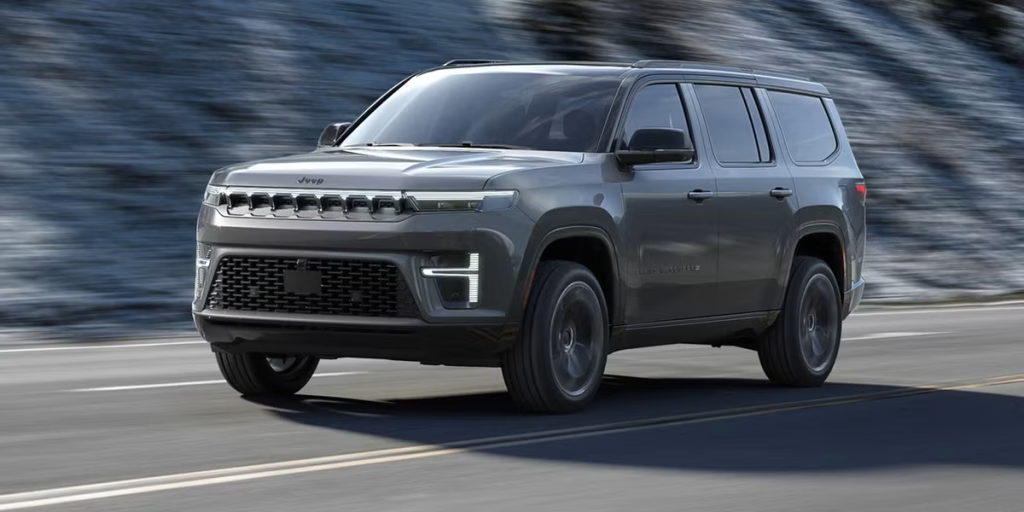
Still, buyers should distinguish the Wagoneer L from the shorter Wagoneer. The additional body length is precisely what makes the extended model much more suitable for this job.
The verdict is a PASS. With approximately 51 inches of width between the wheel wells and more than 96 inches of available cargo length, the Wagoneer L has the basic dimensions needed to carry a standard 4×8 plywood sheet inside.
5. 2026 Chevrolet Tahoe
The Chevrolet Tahoe is surprisingly capable when the rear seats are folded, but this is a vehicle where the exact cargo measurements matter more than its large exterior appearance. Chevrolet lists up to 122.7 cubic feet of cargo volume behind the first row in the 2026 Tahoe, giving it a substantial enclosed loading area.
The critical question for a 4×8 plywood sheet is whether that space is wide and long enough. Independent measurements put the Tahoe’s maximum cargo-floor length at roughly 96 inches with the rear seating folded and the front seats positioned appropriately. The cargo width between the wheel wells is also reported at approximately 49.4 inches.
Those numbers put the Tahoe almost exactly on the threshold. A nominal plywood sheet is 48 by 96 inches, so approximately 49.4 inches of width provides some clearance, while the available floor length is essentially equal to the sheet’s 8-foot dimension.
That means loading technique matters. The sheet should be positioned carefully rather than forced into place, and the front seats may need to be adjusted to maximize usable floor length. Interior trim, seat position, and the exact sheet dimensions can also affect the result.
This is a good example of why maximum cargo volume alone does not prove that a vehicle can carry a sheet of plywood. The Tahoe has plenty of cubic feet, but the geometry of the cargo bay determines whether a rigid 4×8 panel actually fits.
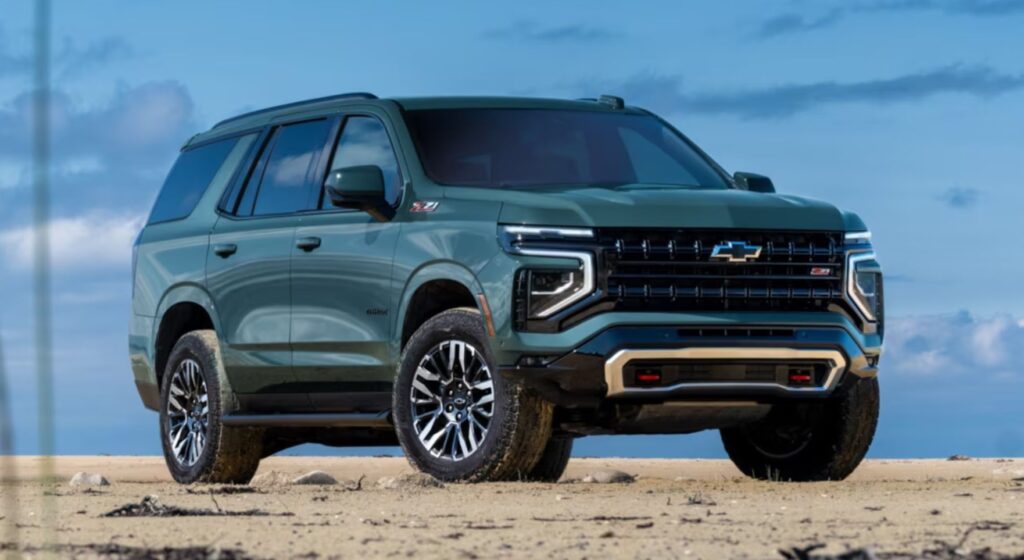
The verdict is a PASS, but with less margin than the Suburban. The Tahoe has the necessary dimensions on paper, yet the fit is much tighter than in an extended-length SUV. Owners should measure their particular vehicle before purchasing several sheets for a project.
6. 2026 Ford Transit Connect
The Ford Transit Connect is fundamentally different from the SUVs on this list because its entire design revolves around transporting cargo. That commercial-vehicle philosophy gives it an advantage when the cargo is a large, flat sheet rather than luggage.
However, there is an important U.S.-market issue to address. Ford discontinued the Transit Connect in the United States after the 2023 model year, meaning there is no new 2026 U.S.-market Transit Connect to include in a current-vehicle list. For that reason, it should not be presented as a 2026 vehicle that buyers can purchase new in America.
The previous-generation U.S. Transit Connect did have useful cargo dimensions, with Ford offering both short- and long-wheelbase configurations. The cargo compartment was tall and box-shaped, making it far more suitable for construction materials than most passenger cars.
Ford’s published specifications for the long-wheelbase cargo van listed more than 77 inches of maximum cargo length and more than 48 inches of cargo width in the relevant areas.
That means it does not cleanly pass the simple 48-by-96-inch flat-floor test either. A full 4×8 sheet could potentially be angled or positioned through the van’s flexible cargo area, but that is different from saying it fits flat inside.
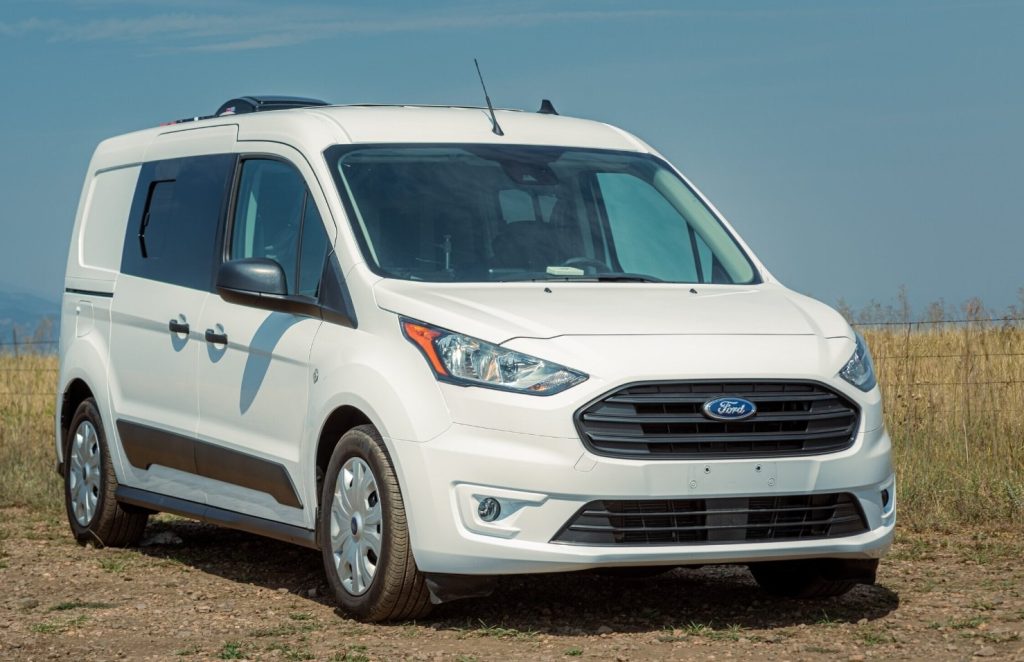
Therefore, it would be misleading to include the Transit Connect as a straightforward pass. The correct verdict is FAIL for a flat 4×8 sheet, and it is also not a current new U.S.-market model.
This distinction matters because a fact-checked article should not turn a useful older cargo van into a current vehicle simply to reach a numerical list target. The Transit Connect remains relevant on the used market, but it does not belong among ten current U.S. vehicles that can definitively carry a full 4×8 sheet flat inside.
7. 2026 Cadillac Escalade ESV
The Cadillac Escalade ESV is the extended-length member of Cadillac’s full-size SUV family, and that extra body length makes a substantial difference when the cargo is a rigid 4×8 sheet.
Cadillac lists 142.2 cubic feet of maximum cargo capacity for the Escalade ESV with the rear seating folded, compared with substantially less in the standard-length Escalade. The ESV measures 226.95 inches long on a 134-inch wheelbase.
The important limitation is that Cadillac does not publish the exact cargo-floor length or wheel-well-to-wheel-well width in its public specification tables.
That means it would be inaccurate to present an exact 48-by-96-inch flat fit as a manufacturer-certified measurement. Independent measurements of the current full-size GM SUV platform indicate the ESV has roughly 49 inches of width between the wheel arches and more than 100 inches of usable length with the rear seats folded.
Those figures put the ESV in the right territory for a full sheet. The width is particularly important because a nominal 48-inch sheet needs at least that much clearance at its narrowest point. The extended cargo floor then provides the length required to keep the 96-inch sheet inside rather than extending it through the liftgate.
There is another reason the ESV makes sense for weekend projects. The maximum cargo volume is more than sufficient for several smaller pieces of lumber, tools and protective material alongside a sheet of plywood.
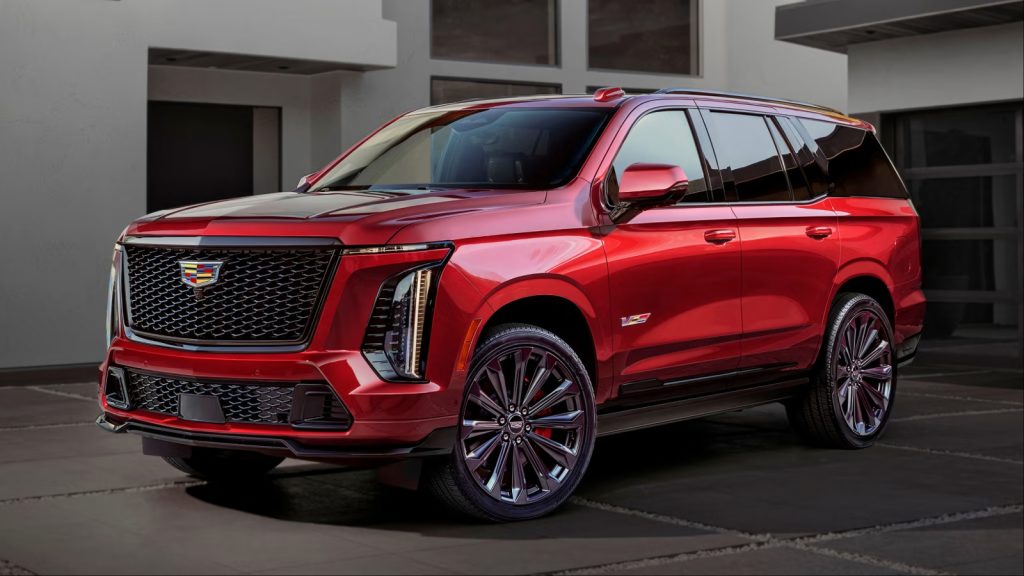
The verdict is a PASS based on available measurements, but this is one of the vehicles where owners should measure their individual cargo area before buying multiple sheets. Cadillac itself does not publish the exact wheel-well measurement needed to certify the fit.
8. 2026 Lincoln Navigator L
The Lincoln Navigator L is another extended-wheelbase luxury SUV where the extra length has a practical purpose beyond giving passengers more room.
Lincoln says the Navigator L adds 11.9 inches of length compared with the standard Navigator and provides 121.6 cubic feet of maximum cargo volume with the second and third rows folded.
That cargo figure is impressive, but it does not automatically prove a 4×8 plywood sheet will fit flat. Lincoln’s official specifications do not publish a direct measurement for cargo-floor length or the width between the wheelhouses. Cars.com likewise lists those measurements as unavailable for the 2026 Navigator L.
That makes the Navigator L a vehicle where a responsible article needs to distinguish published facts from physical-fit assumptions.
The available cargo volume, 221.9-inch overall length and extended 131.5-inch wheelbase show that the L has a very large rear compartment. Car and Driver. However, the precise 48-by-96-inch clearance cannot be confirmed from Lincoln’s published measurements alone.
The practical evidence is encouraging because the Navigator shares its basic full-size SUV architecture with the Ford Expedition, and the extended version has substantial room behind the first row.

Ford’s 2026 Expedition MAX, for comparison, publishes 102.2 inches of cargo length and 51.4 inches between the wheelhouses. Still, similar architecture does not make the Lincoln’s cargo dimensions identical.
The verdict is LIKELY PASS, BUT NOT FACTORY-CONFIRMED. For a fact-checked article, that distinction matters. Buyers planning to transport expensive plywood should measure the cargo floor and wheel-well clearance before loading a 4×8 sheet.
9. 2026 Chrysler Pacifica
The Chrysler Pacifica is one of the strongest non-SUV candidates for carrying a full 4×8 sheet inside, and its official cargo measurements make the case surprisingly well.
Chrysler states that the 2026 Pacifica can provide up to 140.5 cubic feet of interior cargo volume and, with the second- and third-row seating stowed or removed, offers up to 99.5 inches of cargo length.
That 99.5-inch figure is important because a standard sheet of plywood measures 96 inches long. The Pacifica therefore has approximately 3.5 inches of additional length beyond the nominal eight-foot dimension.
Width is also favorable. Independent measurements list approximately 48.8 inches between the wheel housings. That gives the standard 48-inch plywood sheet about 0.8 inches of nominal clearance at its narrowest point.
The Pacifica’s Stow ‘n Go system is a major reason this works. Depending on configuration, the second-row seats can be stowed into the floor, creating a much more useful loading surface than simply folding conventional seats forward.
Chrysler specifically lists the maximum cargo configuration with the second and third rows stowed or removed.
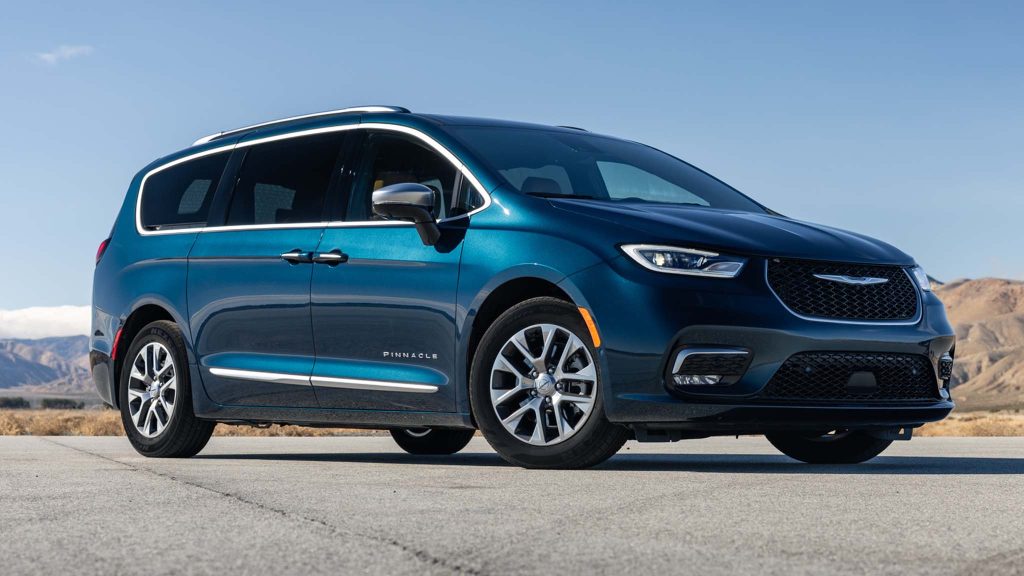
There is little room for error on width, however. The 48.8-inch wheel-well measurement means the plywood should be maneuvered carefully rather than forced into the cargo bay.
The verdict is a PASS. The Pacifica has enough published cargo length and measured width to accommodate a 4×8 sheet inside, making this minivan a surprisingly capable weekend-project vehicle.
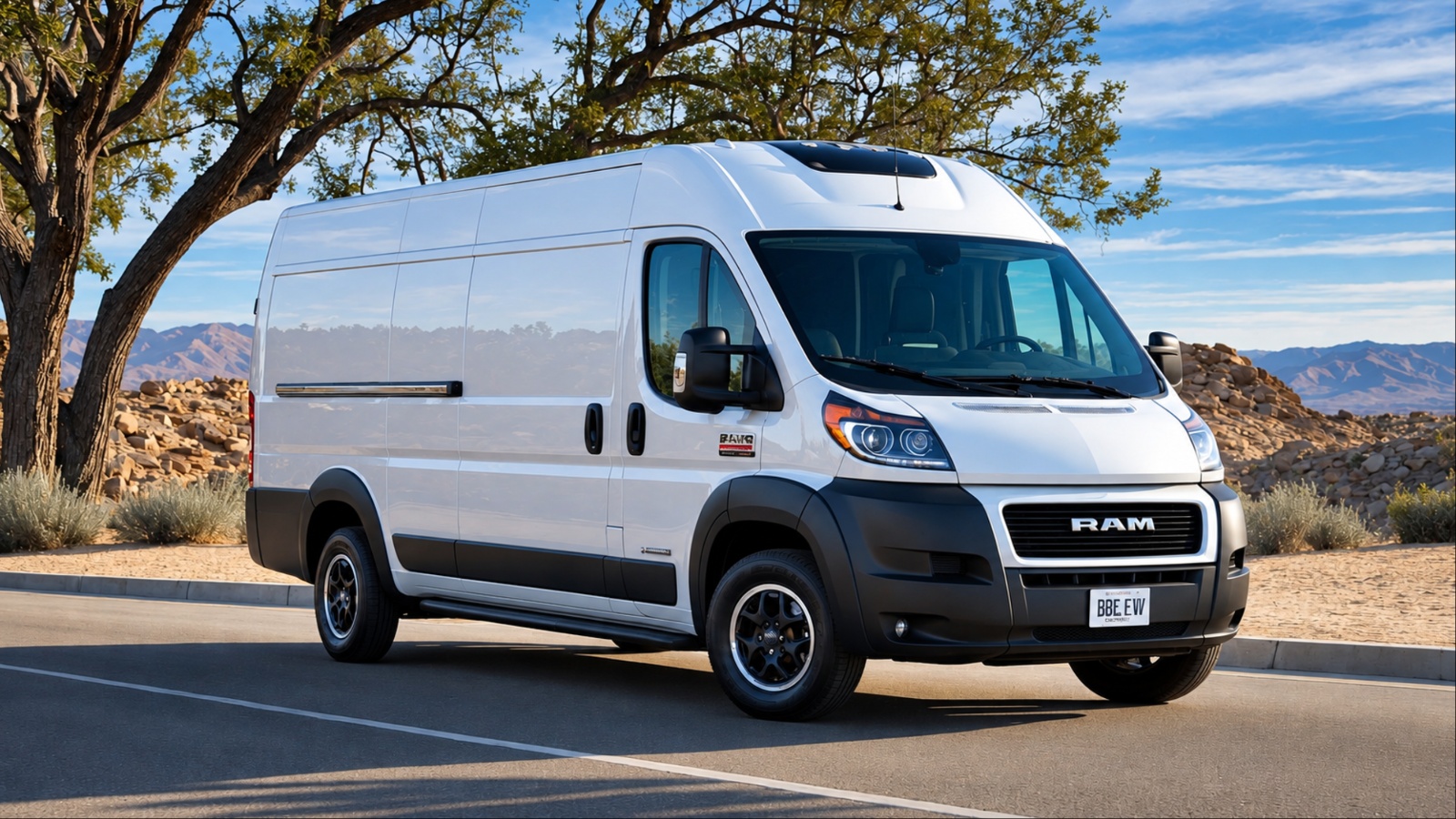
10. 2026 Ram ProMaster
If the goal is simply to move a full sheet of plywood without borrowing a pickup, the 2026 Ram ProMaster is considerably less ambiguous than most passenger vehicles. It is a commercial van rather than a conventional car, but its cargo dimensions were designed specifically around transporting bulky material.
Ram lists the ProMaster’s cargo area at up to 75.6 inches wide, with a minimum cargo width of 55.8 inches on the configuration cited in its specifications. The 118-inch-wheelbase low-roof model provides 105.1 inches of cargo length.
Those numbers completely change the plywood calculation. A standard 4×8 sheet is 48 inches wide and 96 inches long. Even using the narrower 55.8-inch figure, the ProMaster has 7.8 inches of width beyond the sheet, while 105.1 inches of cargo length provides another 9.1 inches beyond the eight-foot dimension.
Ram also advertises up to 63 inches of width between the wheel wells on the 2026 ProMaster, depending on configuration.
That means the sheet does not need to be balanced diagonally over the wheel arches or left protruding through the rear doors. It can sit inside the dedicated cargo compartment with substantial dimensional clearance.
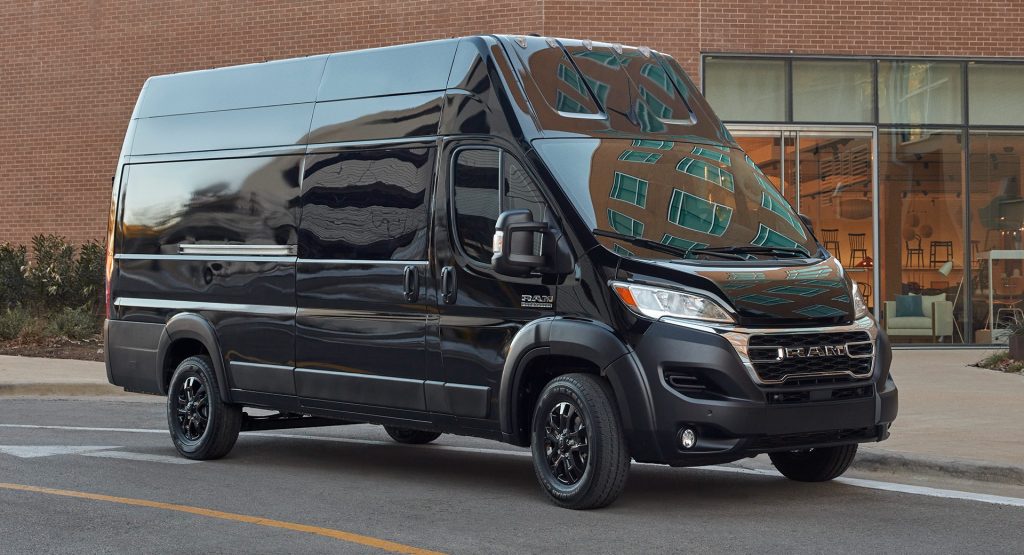
The low load floor is another practical advantage. Ram lists a 21-inch load-floor height for the ProMaster, making it easier to lift a large sheet into the van than into many tall pickup beds.
The verdict is an emphatic PASS. Among modern U.S.-market vehicles, the ProMaster is one of the least questionable choices for transporting standard 4×8 sheet goods completely inside the vehicle.