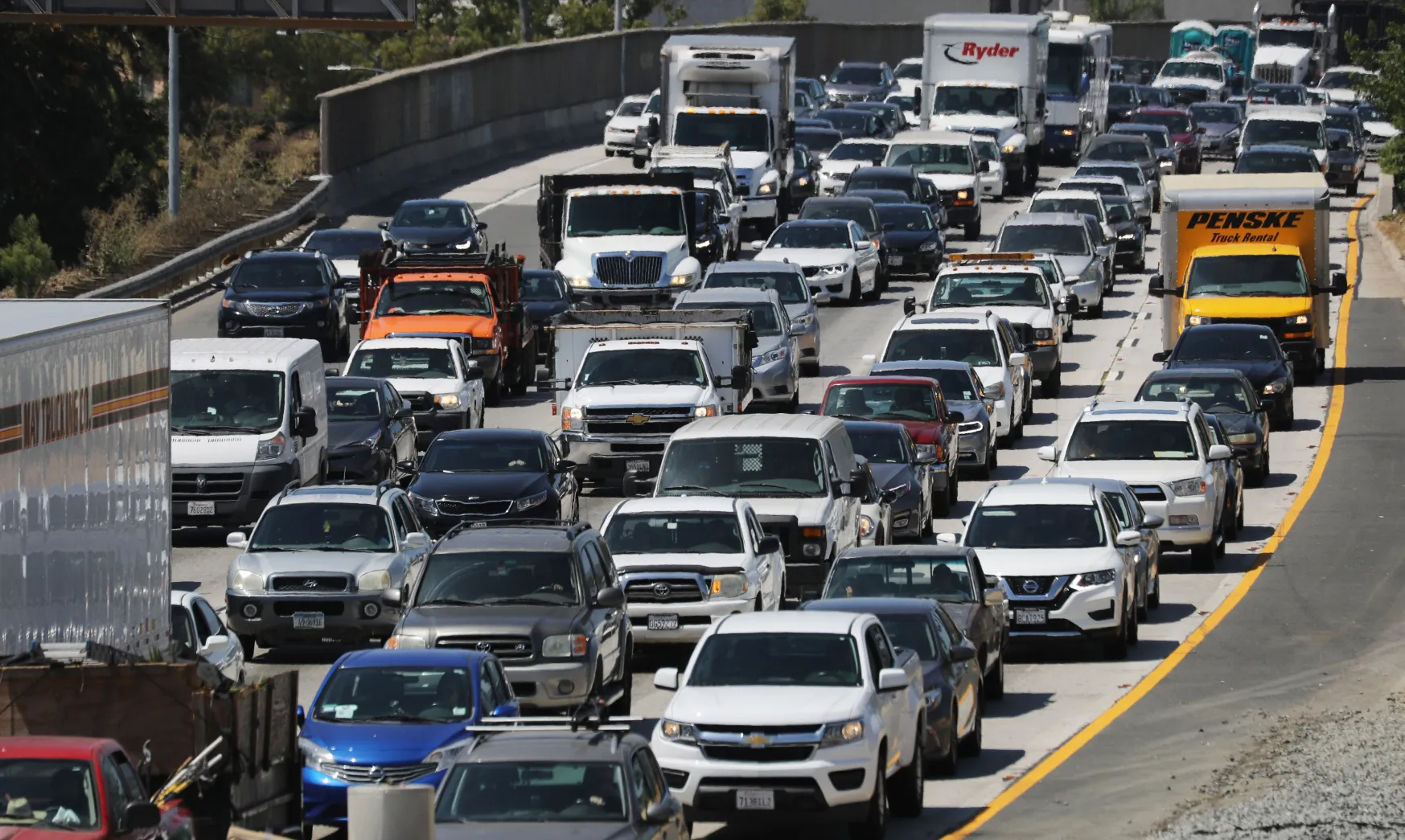
Poor road conditions are more than an inconvenience for drivers. Cracked pavement, potholes, uneven surfaces, and worn road markings can create added costs for motorists throughout the year. Drivers in Milwaukee are estimated to face about $1,290 in annual vehicle-related costs linked to rough roads, while Los Angeles drivers face approximately $1,186.
These expenses can include repairs, maintenance, fuel consumption, tire damage, and other ownership costs. For households already managing rising transportation expenses, damaged roads can place further pressure on monthly budgets. The figures also highlight how road quality can affect personal finances far beyond the inconvenience of a rough commute.
Why Rough Roads Are Expensive for Milwaukee Drivers
Milwaukee drivers face an estimated annual cost of $1,290 because poor pavement conditions can contribute to several forms of vehicle wear. Potholes can create sudden impacts that affect tires, wheels, suspension components, and steering systems. A single incident may not result in an immediate breakdown, but repeated impacts can gradually increase repair needs.
When a vehicle regularly travels over damaged pavement, parts designed to absorb road shocks can experience additional stress. This can shorten component life and leave motorists facing repair bills that might have been avoided on smoother streets.
Tire damage is another concern for motorists dealing with rough roads. Hitting a deep pothole can cause a tire to lose pressure, develop internal damage, or suffer a sidewall problem. Wheels can also become bent after a severe impact, particularly when the vehicle is traveling at higher speeds.
Alignment problems may follow, causing the car to pull to one side or produce uneven tire wear. Drivers may not immediately connect these problems with road conditions, yet recurring impacts can create a chain of maintenance expenses that adds up over time.
Fuel costs can also be affected by poor pavement. Vehicles generally operate more efficiently when traveling on surfaces that allow smooth and consistent movement. Rough roads can require drivers to slow down, accelerate repeatedly, brake more often, or change lanes to avoid damaged sections.
These driving patterns can influence fuel consumption. While the fuel effect from a single trip may appear small, frequent commuting over deteriorated roads can make the financial impact more noticeable across an entire year.
Milwaukee’s weather can make pavement maintenance particularly challenging. Freezing temperatures, snow, ice, and repeated cycles of freezing and thawing can place significant stress on road surfaces. Water can enter small cracks, freeze, expand, and contribute to further pavement deterioration.
As damage grows, potholes and uneven sections can become more difficult for drivers to avoid. Road repairs require public investment, but motorists may continue to experience higher vehicle expenses while damaged areas remain in service.
The estimated $1,290 annual burden shows that road quality can become a household financial issue. A driver who spends more on tires, suspension repairs, alignment services, and fuel has less money available for other expenses.
These costs may be particularly difficult for people who rely on their vehicles for work and cannot easily change their daily routes. The Milwaukee figure demonstrates that infrastructure conditions can have a direct connection to transportation budgets and vehicle ownership costs.
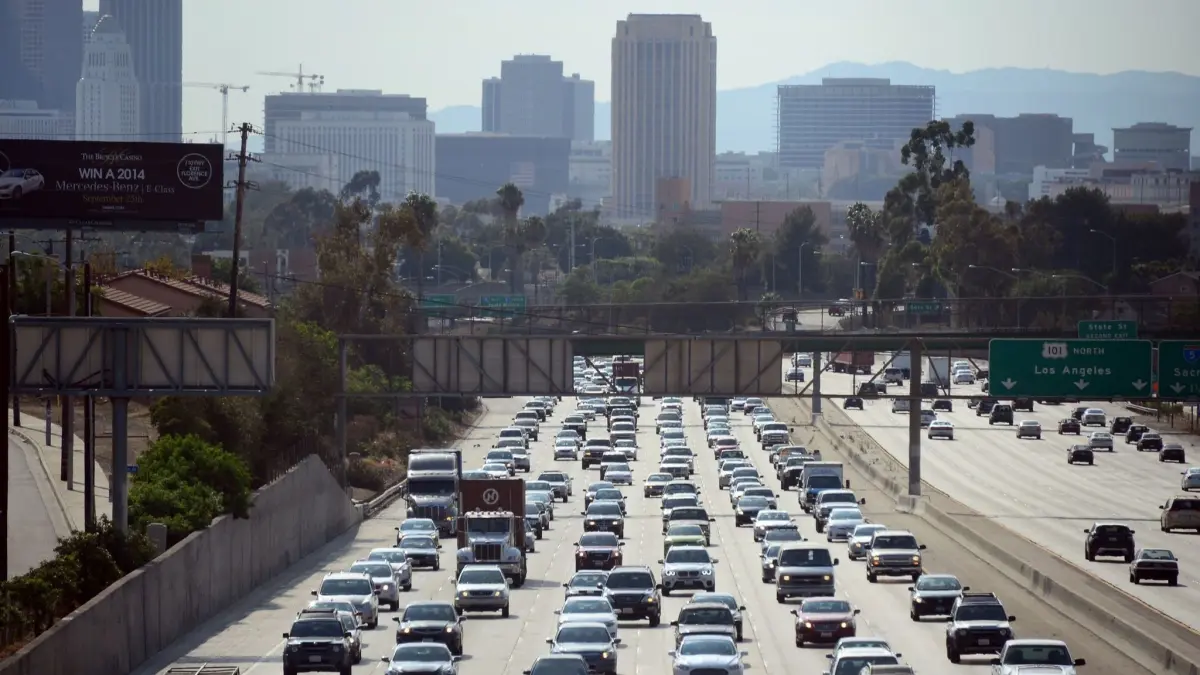
Los Angeles Drivers Also Face Significant Road Costs
Los Angeles drivers are estimated to lose about $1,186 each year because of the financial effects associated with rough roads. The figure is slightly lower than the estimated Milwaukee cost, but it still represents a meaningful expense for households.
Los Angeles is heavily dependent on automobiles for commuting, errands, work, and family activities. When vehicles spend large amounts of time on damaged or uneven streets, increased wear can become part of the normal cost of getting around.
Potholes can be particularly troublesome for vehicles traveling through busy urban areas. Drivers may have limited time to react when traffic is heavy, making it difficult to avoid damaged pavement safely.
Sudden impacts can affect tires and wheels, while repeated bumps can place stress on suspension components. Even when a driver avoids immediate damage, frequent exposure to rough surfaces can contribute to gradual deterioration. Regular inspections can help identify issues before they become more expensive repairs.
Traffic conditions can add another layer to the problem. Los Angeles motorists frequently deal with congestion, frequent braking, and repeated acceleration. When these conditions occur alongside rough pavement, vehicles can experience additional mechanical strain.
Drivers may also use alternative routes to avoid known road problems, potentially increasing travel distances and fuel use. This means the cost of poor roads may extend beyond direct repair bills and include indirect expenses associated with longer or less efficient journeys.
The Los Angeles estimate also illustrates why road quality matters in cities with high vehicle dependence. A motorist who drives thousands of miles each year may encounter damaged pavement repeatedly. Even modest increases in maintenance costs can become significant when they occur over many months.
Tires may need replacement sooner, alignment services may become more frequent, and suspension repairs may appear earlier than expected. These expenses can make the true cost of commuting higher than what drivers see in fuel and insurance bills.
At approximately $1,186 per driver each year, the Los Angeles figure should be viewed as a reminder that infrastructure affects everyday household spending. Roads are public assets, but their condition has private financial consequences.
Drivers pay for vehicle repairs and maintenance when pavement contributes to mechanical problems. Improving road surfaces can therefore provide benefits that extend beyond smoother journeys, including lower vehicle maintenance costs and potentially better long-term transportation affordability.
How Potholes and Damaged Pavement Affect Vehicles
Potholes are among the most recognizable forms of road damage, but their effects can reach several areas of a vehicle. Tires take the first impact when a car drops into a pothole, followed by the wheel and suspension system.
A hard strike can cause immediate damage, while smaller impacts repeated over months may gradually weaken components. Drivers may notice new vibrations, unusual noises, steering changes, or uneven tire wear after traveling regularly across damaged pavement.
Wheel alignment is another area that can be affected. Proper alignment helps tires maintain consistent contact with the road and supports predictable steering.
A significant pothole impact can alter alignment settings, which may lead to uneven tread wear and reduced handling quality. If the issue is ignored, tires can wear faster than expected. This creates an additional expense because the motorist may need replacement tires earlier than planned.
Suspension components also play an important role in handling rough surfaces. Parts such as shocks, struts, bushings, and other related components help control movement between the vehicle and the road.
Repeated impacts can accelerate wear in these systems. Once components become worn, drivers may experience a less comfortable ride, increased bouncing, or changes in vehicle handling. Repairing suspension problems can cost substantially more than replacing a damaged tire.
Drivers can reduce some risks by adjusting their habits. Maintaining correct tire pressure, keeping a safe speed, watching the road ahead, and leaving enough space from other vehicles can improve a driver’s ability to respond to potholes.
When avoiding a pothole, motorists should also consider surrounding traffic and avoid sudden movements that could create a separate safety problem. Preventive vehicle maintenance is equally important because worn components may be more vulnerable to additional road impacts.
The financial consequences become clearer when small expenses are considered together. A tire replacement, alignment service, suspension repair, and additional fuel consumption can collectively create a substantial annual burden.
That helps explain why rough roads can lead to repair bills of four figures for drivers in cities such as Milwaukee and Los Angeles. Road conditions can differ by neighborhood and route, but the underlying pattern is straightforward. Repeated exposure to potholes and damaged pavement can increase the cost of keeping a vehicle safe, functional, and reliable.
What Better Roads Could Mean for Drivers
Better road maintenance could help reduce the financial burden associated with damaged pavement. Timely repairs can prevent small cracks and surface problems from becoming larger structural defects.
Addressing potholes quickly may also reduce the number of severe impacts experienced by motorists. While road maintenance requires public funding and planning, keeping pavement in good condition can help limit the downstream costs faced by drivers.
Improved roads can also support more predictable travel. Smooth surfaces allow motorists to maintain steady speeds and reduce the need for abrupt braking, acceleration, and lane changes. Consistent pavement can make daily commutes easier on vehicles and drivers alike.
For people who drive to work every day, even small improvements in road quality can accumulate over hundreds of trips each year.
There can also be broader economic benefits. Vehicle owners spend money on repairs, replacement parts, tires, fuel, and automotive services. When unnecessary repair costs decline, households may have more money available for other needs.
Businesses that operate fleets can also benefit from reduced maintenance requirements. Delivery companies, service providers, taxis, and other commercial operators are particularly dependent on reliable road infrastructure.
For individual drivers, understanding the connection between pavement and vehicle costs can encourage better maintenance decisions. Regularly checking tire pressure, inspecting tread, addressing alignment problems, and responding to unusual vehicle noises can prevent minor issues from becoming major repairs.
Drivers should also document significant pothole damage and report hazardous road conditions through the appropriate local channels when available.
The Milwaukee estimate of $1,290 and the Los Angeles estimate of $1,186 demonstrate that poor roads can carry a substantial price for motorists. These figures put a dollar value on a problem that drivers often experience through daily frustration, vehicle damage, and maintenance bills.
Better pavement management can help reduce those costs over time. For motorists, smoother roads are not simply more comfortable. They can also mean fewer repairs, lower operating expenses, and a more predictable cost of vehicle ownership.