Long before modern automatic transmissions, dual-clutch systems, and computer-controlled gear changes became common, engineers were already searching for smarter ways to transmit power.
Vintage cars from the early and mid-20th century featured remarkable gearboxes that challenged conventional thinking through clever mechanical, hydraulic, electrical, and pneumatic systems. Many were expensive, complicated, or difficult to maintain, yet their designs anticipated technologies that would become popular decades later.
From preselector transmissions to electromagnetic gear changes, these pioneering systems proved that automotive engineers were willing to experiment. Here are eight vintage gearboxes that were genuinely ahead of their time and deserve recognition today.
1. Wilson Preselector Gearbox
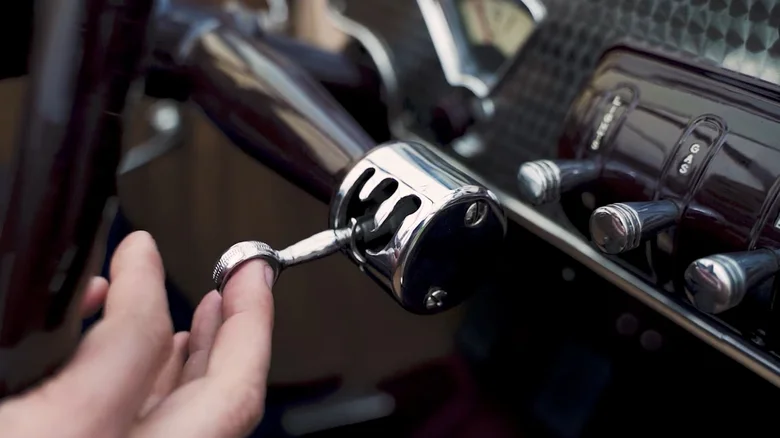
The Wilson preselector gearbox is among the most interesting transmission designs produced during the early decades of motoring. Developed by Walter Gordon Wilson and patented during the 1920s, the system approached gear changing in a very different manner from the conventional manual gearbox.
Instead of requiring the driver to coordinate a clutch pedal with a gear lever for every shift, the driver could select the next gear before the actual change occurred. The gearbox would then complete the shift when the appropriate control was operated. This made the system particularly attractive for large cars, buses, military vehicles, and performance applications where smooth and rapid gear changes were valuable.
The key idea behind the Wilson system was that gear selection and gear engagement were separated. A driver could move the selector to the desired ratio while the vehicle was still traveling in the current gear. The transmission remained in its existing ratio until the driver operated the clutch or associated control, at which point the internal mechanism completed the change.
This was a significant departure from the normal H-pattern manual gearbox. It reduced the amount of physical coordination required during a gear change and allowed drivers to prepare for an upcoming shift before it was actually needed.
Wilson transmissions became particularly famous through their use in vehicles such as the Armstrong Siddeley range and various commercial and military applications. The system also became associated with racing and competition cars during an era when reliable high-speed shifting was difficult to achieve with ordinary manual transmissions.
Drivers who understood the system could make rapid changes with relatively little interruption to engine power. The design was mechanically sophisticated, relying on epicyclic gear trains, bands, and hydraulic or mechanical controls depending on the particular application. For its period, it represented an impressive combination of automation and driver control.
What makes the Wilson gearbox especially interesting from a modern perspective is the philosophy behind it. Modern automated manuals and dual-clutch transmissions also separate the driver’s decision about the next gear from the physical process of engaging that gear.
A modern transmission can prepare the next gear ratio before a shift takes place, echoing what Wilson’s designers were attempting to achieve with purely mechanical technology. Although the hardware is completely different, the underlying goal remains the same. Make gear changes quicker, smoother, and less demanding for the driver.
The Wilson preselector was not perfect. Its construction was more complicated than that of a basic manual gearbox, and maintenance required knowledge of its specialized components. Drivers also needed to understand how the system behaved, since simply treating it like an ordinary manual transmission could lead to poor results.
Yet its influence and engineering ambition remain impressive. At a time when most drivers were still accustomed to simple manual gearboxes, Wilson’s design offered a glimpse of automated shifting without relying on electronic computers. That alone makes it an important milestone in vintage transmission history.
2. Cotal Electromagnetic Gearbox
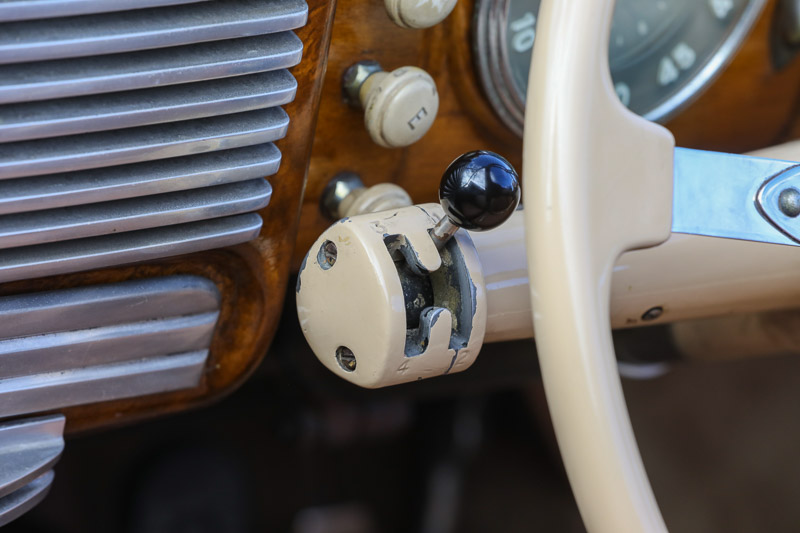
The Cotal electromagnetic gearbox takes an entirely different approach to the problem of changing gears. Produced in France during the 1930s and used in several high-end cars, the Cotal transmission used electromagnetic controls to operate its internal gear-changing mechanism.
Instead of relying solely on the driver’s physical movement of gears through a conventional manual linkage, the driver selected the desired ratio using a small control. Electrical signals then activated electromagnetic mechanisms inside the gearbox. This was a remarkably advanced idea for a period when most cars still used straightforward mechanical systems.
Cotal transmissions were generally based around epicyclic gear trains. These allowed different gear ratios to be produced by controlling various elements of the planetary gearset. Electromagnetic clutches and brakes could engage the required components according to the selected gear.
The driver could therefore make gear selections with a small dashboard-mounted or column-mounted control rather than moving a traditional floor lever through an H-pattern. The result was a transmission that could provide unusually smooth and convenient gear changes for its time.
The system found applications in prestigious French cars, including models from Delahaye, Delage, and other manufacturers associated with luxury and advanced engineering. During this era, European luxury cars often served as laboratories for experimental technology.
Buyers willing to pay for engineering sophistication could obtain features that were years ahead of what appeared on ordinary family cars. Cotal was particularly suited to this market because it provided an unusual driving experience while retaining a degree of driver involvement. It was not simply a basic automatic transmission designed to remove the driver from the process.
The electrical control system is perhaps the most fascinating part of the Cotal design. Modern motorists are accustomed to electronic transmission controllers, solenoids, sensors, and electrically operated clutches. Cotal achieved a related objective using technology that was available before the widespread development of electronic control units.
There were no microprocessors deciding shift points and no sophisticated digital sensors monitoring every aspect of vehicle operation. Instead, the driver’s selection directly influenced an electromechanical system that physically controlled the planetary transmission.
There were drawbacks, particularly complexity, cost, and sensitivity to electrical and mechanical conditions. A conventional manual gearbox could often be repaired by mechanics familiar with basic transmission construction, while a Cotal system demanded more specialized knowledge.
Electrical faults could also become transmission problems, something relatively unusual in the cars of its period. Even so, the Cotal electromagnetic gearbox deserves its reputation as a remarkably futuristic vintage transmission. Its use of electricity to control mechanical gear changes anticipated the increasingly electronic transmissions that would appear many decades later.
3. Maybach Variorex Transmission
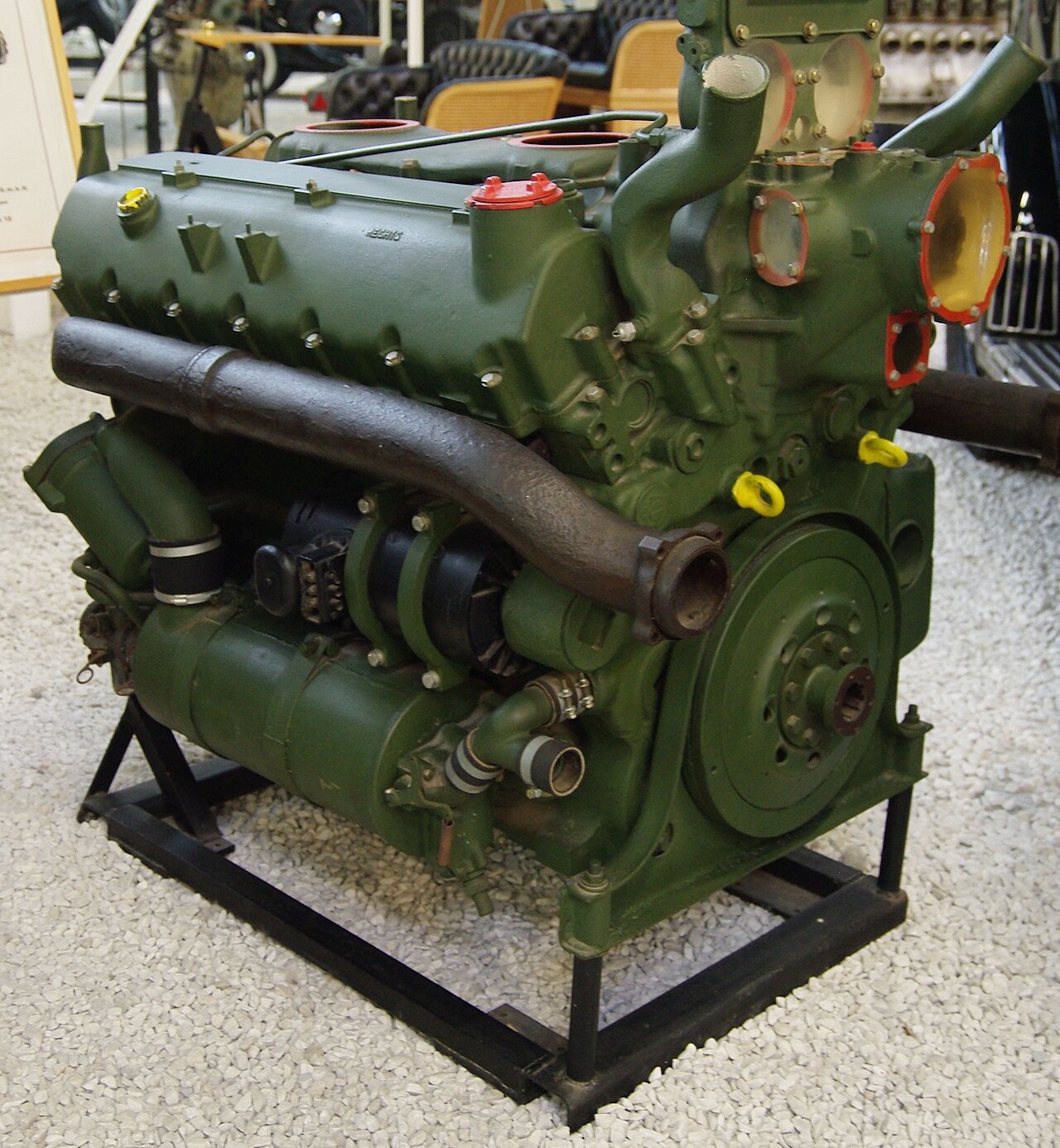
The Maybach Variorex transmission was another extraordinary example of pre-war transmission engineering. Developed by Maybach in Germany, the Variorex was a multi-speed preselector gearbox designed to provide smoother and more flexible gear changes than conventional transmissions of the period.
It became particularly important through its association with German military vehicles, including the Sd.Kfz. 251 half-track and other applications requiring dependable power delivery over difficult terrain. The design demonstrated that sophisticated transmission engineering was not limited to luxury automobiles.
The Variorex used multiple forward ratios with a preselection system that allowed the driver to prepare the next gear before the actual change. This approach was particularly useful in heavy vehicles because selecting the correct ratio could be physically demanding when operating on steep grades, soft ground, or rough terrain.
A transmission that allowed the next gear to be selected in advance could make vehicle operation considerably easier. The system was also intended to maintain smooth power delivery while reducing the interruption associated with conventional manual shifting.
Maybach’s transmission work was closely tied to the demanding requirements of heavy vehicles. Military machines needed to move under conditions that could place enormous stress on their drivetrains. They also required drivers to maintain control while concentrating on navigation, terrain, and vehicle operation.
A complicated conventional gearshift could become a burden in such circumstances. The Variorex offered a solution through mechanical sophistication rather than electronic assistance. Its design shows how transmission innovation was driven by practical requirements as well as the pursuit of speed or luxury.
From a modern perspective, the Variorex is interesting because it demonstrates how planetary gearsets and preselection could be combined to create a transmission with many ratios without relying on a conventional arrangement of parallel gears.
Modern automatic transmissions continue to use planetary gearsets because they can provide multiple ratios within a compact package. Contemporary units add hydraulic circuits, electronic controls, torque converters, and sophisticated software, but the fundamental planetary concept has remained extremely useful.
The Variorex was certainly complex compared with the ordinary manual transmissions used in passenger cars at the time. Complexity can be an advantage when it solves a difficult engineering problem, but it also increases manufacturing and maintenance demands.
That trade-off helps explain why highly sophisticated vintage transmissions often remained niche technologies. Even so, the Maybach Variorex deserves recognition because it demonstrated what could be achieved with mechanical engineering long before modern transmission electronics existed. Its combination of multiple ratios, planetary gearing, and preselection was exceptionally ambitious for its era.
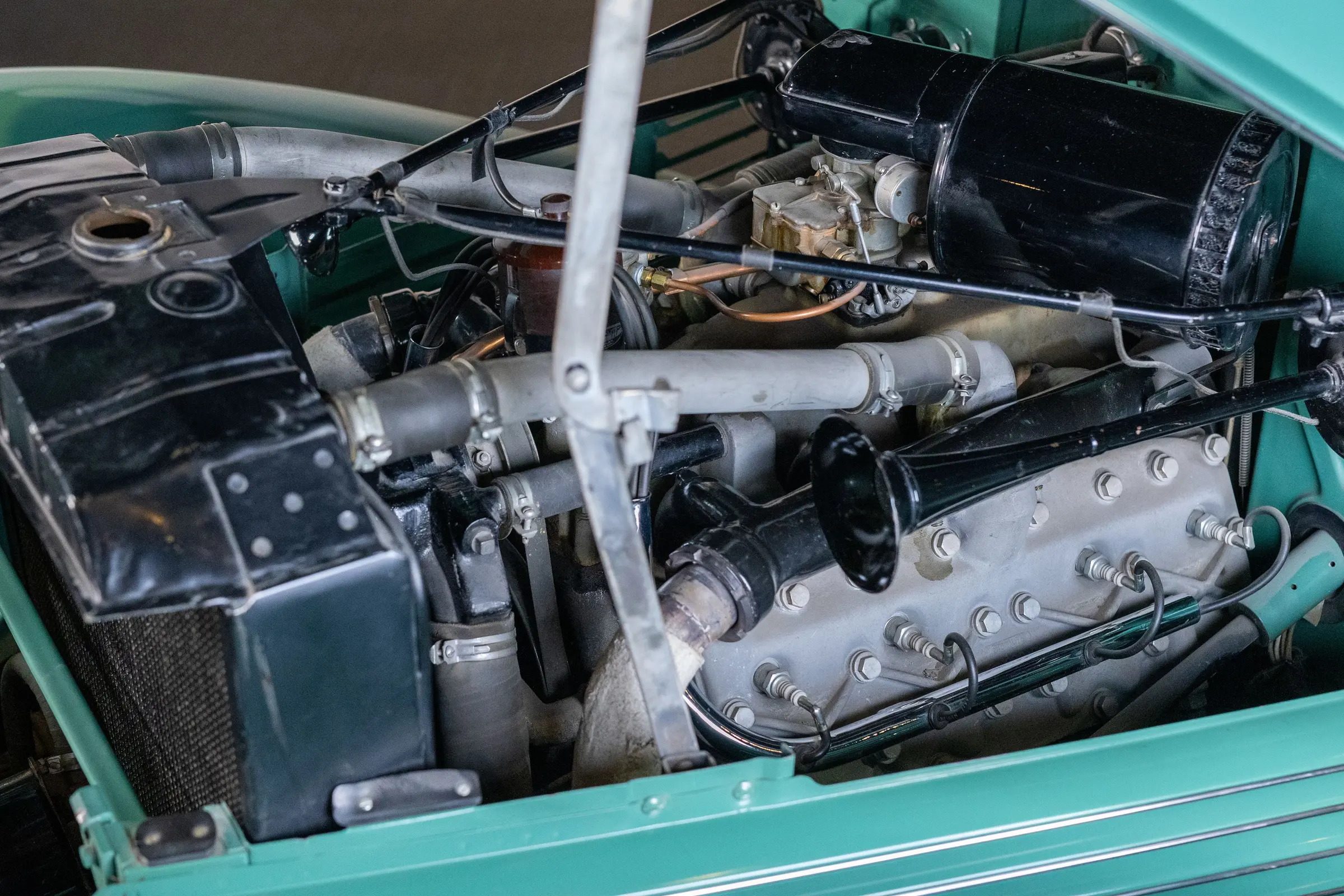
4. Cord 810 Preselector Transmission
The Cord 810 is remembered for its radical styling, front-wheel-drive layout, hidden headlights, and distinctive coffin-shaped body, but its transmission deserves equal attention. Introduced for the 1936 model year, the Cord 810 used a four-speed preselector transmission related to the Bendix electro-vacuum shifting system.
The arrangement allowed the driver to select a gear using a small selector while the actual shift was carried out through a combination of mechanical, electrical, and vacuum-operated components. It was an extraordinary technical package for an American automobile of the 1930s.
The front-wheel-drive layout already made the Cord mechanically unusual. Packaging the engine and transmission at the front while driving the front wheels created significant engineering challenges.
The preselector gearbox added another layer of complexity. Instead of a conventional floor-mounted manual transmission, the driver operated a selector positioned near the steering column. After selecting the desired gear, the driver could operate the clutch to initiate the shift. Vacuum assistance and associated mechanisms helped move the transmission into the chosen ratio.
The system offered a glimpse of a more convenient style of driving at a time when manual gear changes were still the norm. The driver did not have to make the same sweeping gear-lever movements associated with conventional transmissions.
In theory, this could make shifting faster and less physically demanding. The concept was particularly appealing in a technologically ambitious automobile like the Cord 810, which was marketed as a highly advanced American car rather than a conservative family vehicle.
In practice, the Cord’s transmission system gained a reputation for complexity and reliability problems. Vacuum-operated equipment could be troublesome when components were not correctly adjusted or maintained. Electrical and mechanical elements also had to work together properly.
A sophisticated design is only useful when it functions reliably under real-world conditions, and the Cord’s system did not always meet that standard. This is an important part of its historical story because technological ambition does not automatically guarantee commercial success.
Still, the Cord 810’s transmission remains significant. It showed that American engineers were willing to experiment with alternative methods of gear selection and transmission control. The concept of selecting a gear separately from physically engaging it would eventually become familiar in various forms of automated and sequential transmissions.
The Cord arrived far too early for the technology to become mainstream, yet its unusual gearbox remains a fascinating example of how aggressively some automobile manufacturers pursued innovation during the 1930s.
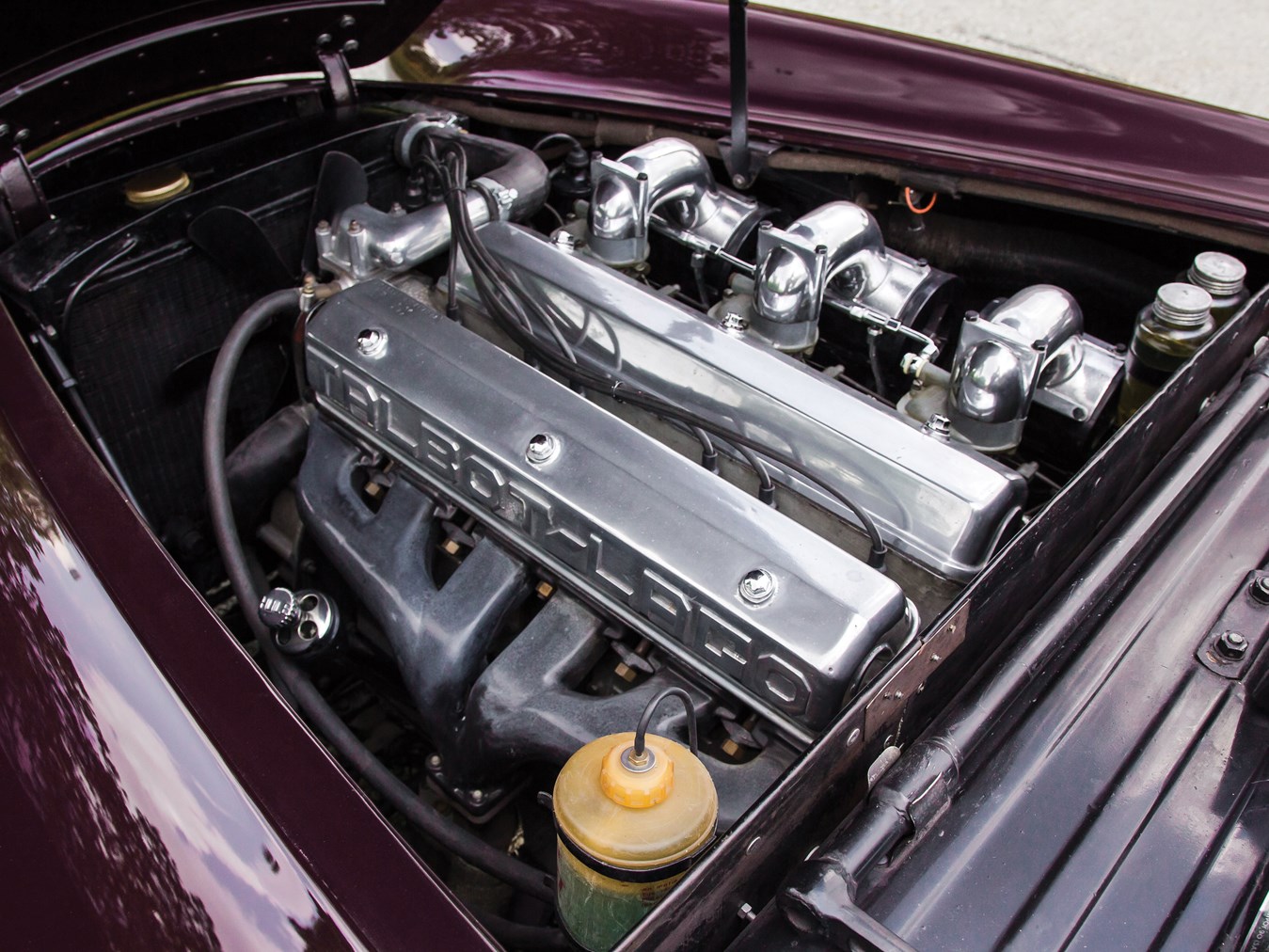
5. Talbot-Lago Wilson Preselector
Talbot-Lago was closely associated with sophisticated engineering and high-performance automobiles, and its use of Wilson preselector transmissions helped reinforce that reputation.
French cars of the 1930s and 1940s could be remarkably advanced mechanically, and Talbot-Lago’s approach to transmission design was particularly interesting because it combined a refined driving experience with the rapid gear selection demanded by powerful engines. The Wilson system was well suited to this type of vehicle because it allowed drivers to prepare the next ratio before completing the shift.
Talbot-Lago used advanced engineering throughout its cars, especially in models intended for competition and wealthy private customers. A preselector gearbox complemented the company’s performance philosophy.
Instead of forcing the driver to move through a conventional H-pattern, the transmission allowed the next gear to be selected ahead of time. Once the appropriate control was activated, the internal mechanism completed the shift. For skilled drivers, this could make fast driving considerably more fluid.
The technology was particularly valuable during an era when road and racing cars did not have the sophisticated synchronizers found in many later manual transmissions. Traditional gear changes could require careful clutch work and engine-speed matching. Preselector systems approached the problem differently.
By using planetary gearing and controlled bands, the Wilson transmission could change ratios without requiring the driver to manually engage individual sliding gears. This made the system particularly attractive to manufacturers seeking a premium or competition-oriented driving experience.
The Talbot-Lago application also demonstrates that vintage transmission innovation was not simply about creating the first automatic gearbox. Engineers were searching for intermediate solutions between a conventional manual transmission and a fully automatic system.
The preselector gearbox still gave the driver an important role because the driver chose the ratio. At the same time, the mechanical system handled the physical engagement. That combination resembles the philosophy behind several later automated manual and sequential transmissions.
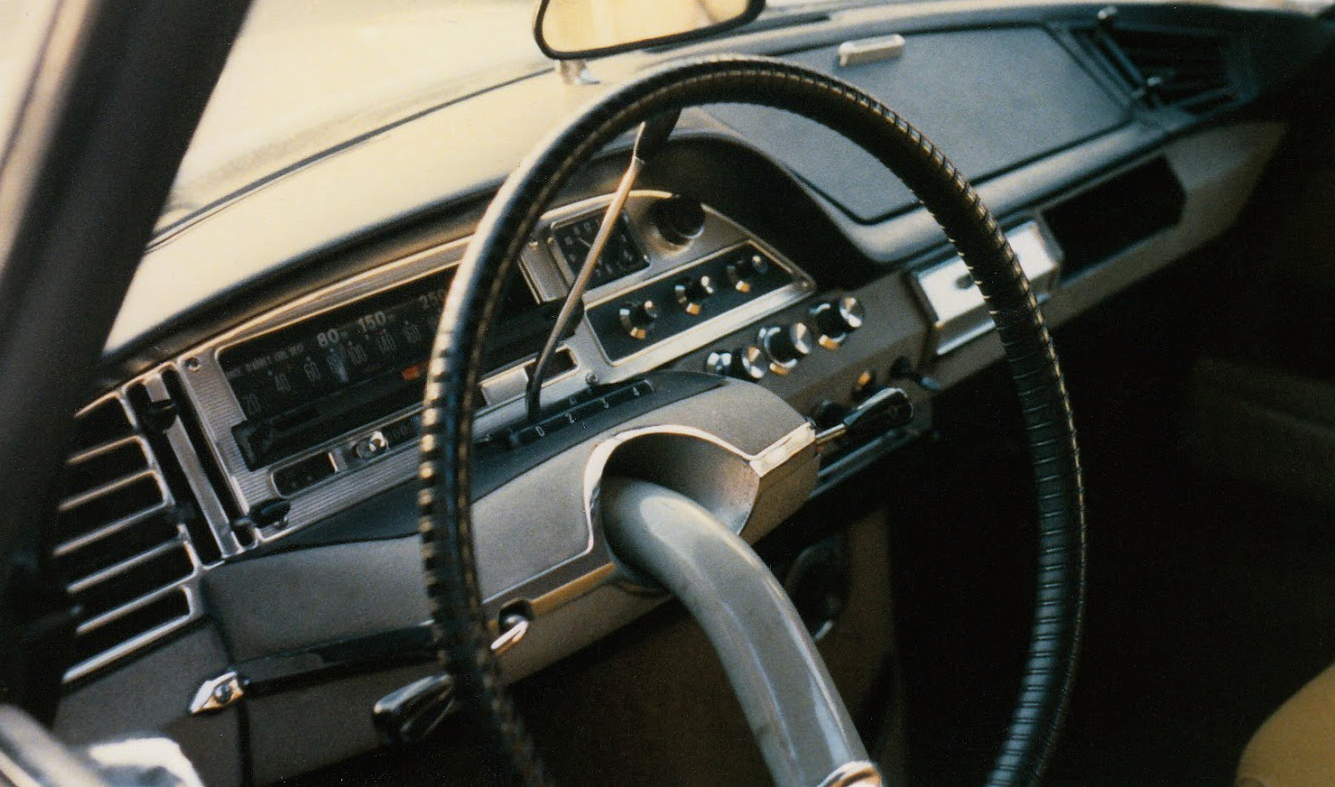
6. Citroën DS Semi-Automatic Transmission
The Citroën DS became famous for its futuristic appearance and innovative suspension, but its transmission technology was also unusually sophisticated. Introduced in 1955, the DS was available with a hydraulically controlled transmission system known as the Citromatic on certain versions.
Rather than relying on the driver to operate a conventional clutch pedal, the system used hydraulic pressure and mechanical controls to automate clutch operation and gear selection. This made the DS feel dramatically different from ordinary manual cars of the period.
Citroën’s engineers developed the DS around a high-pressure hydraulic system that controlled several major vehicle functions. The same general hydraulic philosophy was used for the suspension, braking system, steering assistance, and transmission-related functions. This created a highly integrated vehicle architecture.
The gearbox itself remained mechanically different from a modern automatic, since it was essentially a manually geared transmission with automated clutch operation and hydraulic control. The driver still selected the desired gear, but the car handled much of the work required to change ratios.
This approach was extremely unusual during the 1950s. Most drivers were accustomed either to a conventional manual gearbox or to an automatic transmission with a torque converter and planetary gearing.
The DS occupied an interesting middle ground. It provided the driver with direct gear selection while eliminating the need for a conventional clutch pedal. A driver could therefore experience a more relaxed driving style without completely surrendering control over the selected ratio.
The DS transmission also demonstrated how hydraulic technology could be used as a control medium rather than merely as a source of braking or suspension assistance. Modern transmissions rely heavily on hydraulic circuits, electrically controlled valves, and computer-managed pressure.
Citroën was already using high-pressure hydraulics as a central part of vehicle operation during the 1950s. The system required careful maintenance and could be intimidating for mechanics unfamiliar with its architecture, but its engineering ambition was extraordinary.
The Citroën DS is therefore important not just as a beautiful vintage automobile but as a rolling demonstration of advanced vehicle systems. Its transmission did not become the universal solution to automated gear changes, yet it showed how a conventional gearbox could be transformed through hydraulic control.
The idea of separating the driver’s gear selection from the physical work of clutch engagement would appear repeatedly in later transmission development. In that respect, the DS was far more than a stylish French car. It was a technological experiment that reached production.
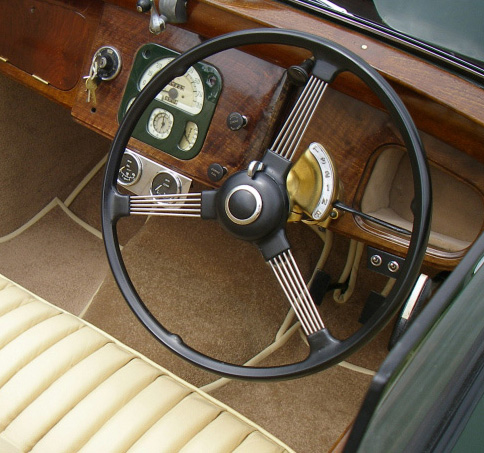
7. Daimler Fluid Flywheel and Wilson Preselector
Daimler’s combination of a fluid flywheel and Wilson preselector gearbox was another landmark in vintage transmission engineering. The fluid flywheel was not a conventional torque converter, but it used fluid coupling principles to transmit engine power without a direct mechanical connection between the driving and driven members.
When combined with a Wilson preselector gearbox, the result was a drivetrain that could provide unusually smooth starts and gear changes while reducing the driver’s need to operate a conventional clutch.
Daimler combined this fluid coupling with a preselector gearbox, creating a system that gave the driver a surprisingly advanced driving experience for the period.
The driver selected a gear in advance, while the transmission handled the physical change. The fluid flywheel allowed the vehicle to come to a stop without the engine stalling in the same way a conventional clutch-equipped manual car would. It also made starting from rest smoother and easier.
The system was particularly well suited to luxury cars, where refinement mattered as much as outright performance. Daimler had a long history of building vehicles for customers who expected quiet and effortless operation.
The combination of fluid coupling and preselection provided a level of smoothness that could be difficult to achieve with a conventional manual gearbox. It also demonstrated that several different technologies could be combined to solve separate problems within the same drivetrain.
8. Porsche Type 904 Racing Gearbox
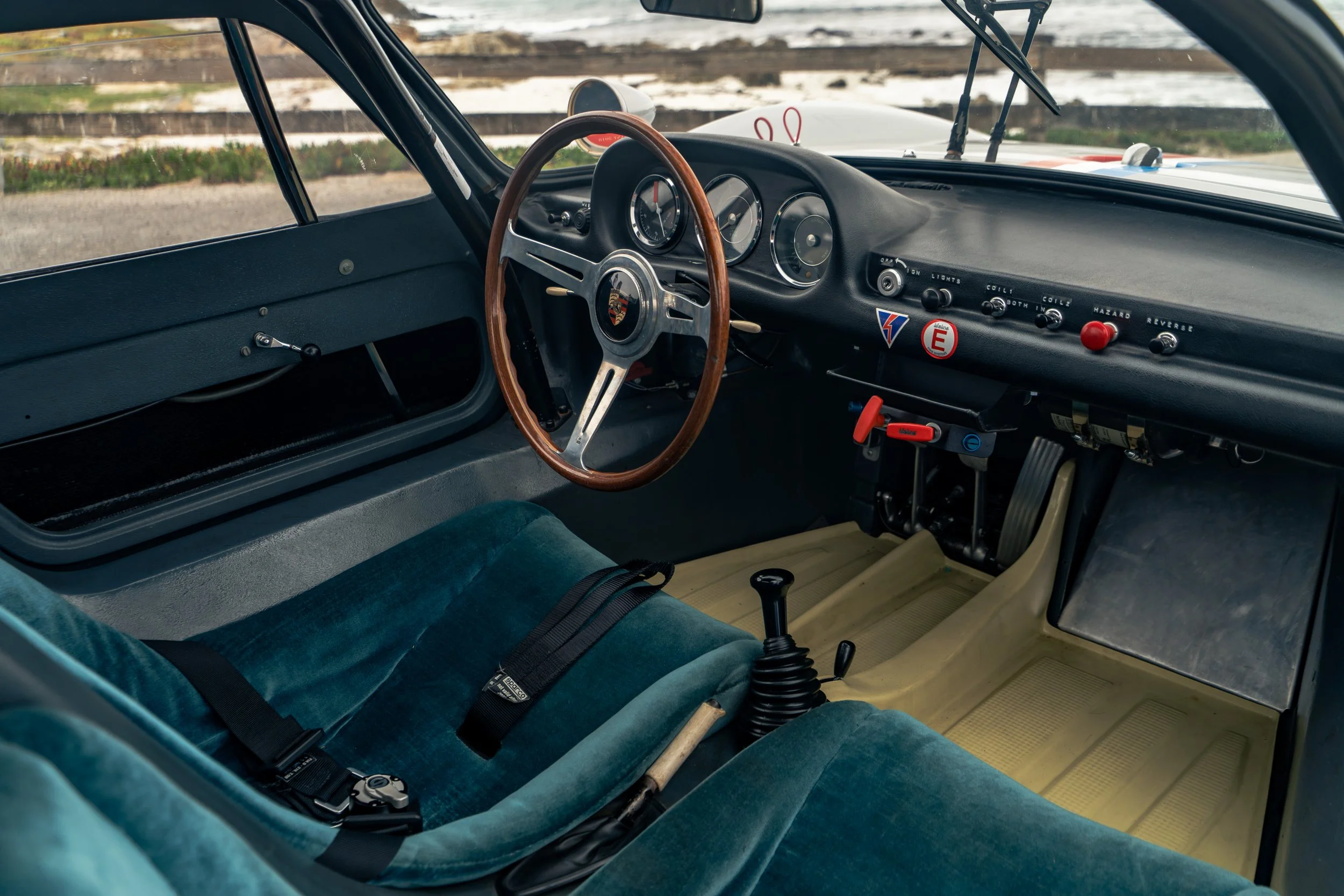
By the 1960s, racing transmissions had entered a more advanced stage of development, with Porsche demonstrating how compact, lightweight, and durable gearboxes could support serious competition use.
The Porsche Type 904, introduced in 1964, featured a purpose-built five-speed manual transaxle designed around its mid-engine layout. Its transmission reflected the priorities of racing engineering, including low weight, compact packaging, durability, and efficient power delivery.
Unlike road cars, competition vehicles subjected their drivetrains to repeated hard acceleration, rapid shifts, heavy braking, high-speed cornering, and sustained engine loads. The 904’s rear transaxle integrated the gearbox and final drive, helping engineers accommodate the mid-engine configuration while maintaining an efficient package. This approach became increasingly important as high-performance sports cars adopted more advanced layouts.
The five-speed arrangement also offered an important performance advantage. Racing engines often operated within relatively narrow power bands, making multiple closely spaced ratios valuable for keeping the engine near its most effective operating range. This allowed drivers to maintain strong acceleration while carrying speed efficiently.
Because the gearbox was manually operated, shift precision and driver skill remained essential. Porsche’s racing transmission technology also established principles that continue to influence modern performance gearboxes. Lightweight construction, compact dimensions, closely spaced ratios, durable components, and rapid shifting remain important engineering goals.
Although modern transmissions may rely on electronic controls, automated actuators, or dual-clutch systems, their fundamental purpose remains similar. Engineers seek to keep the engine operating efficiently while reducing weight, minimizing drivetrain losses, and delivering quick, precise gear changes.