
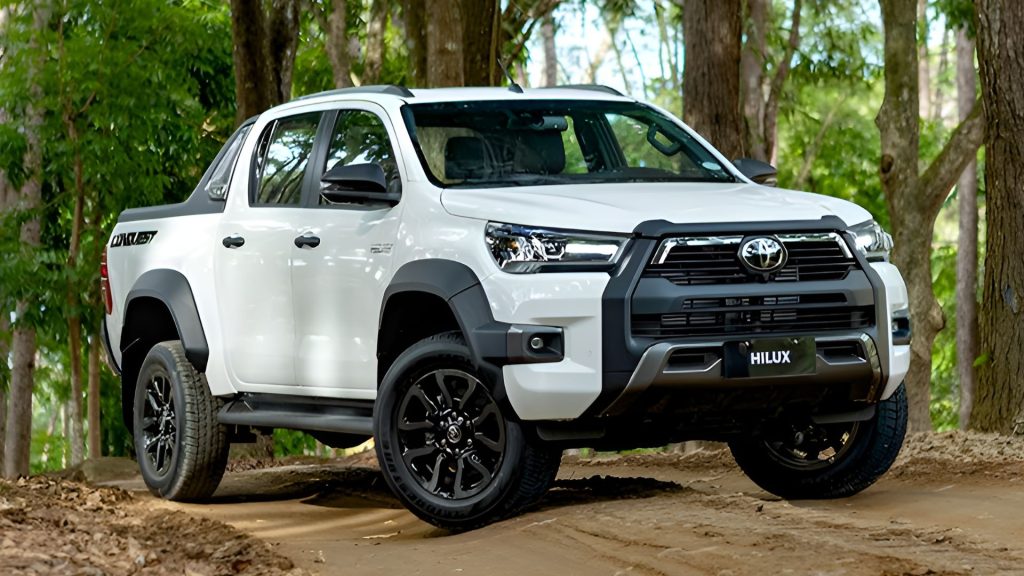
Mazda is moving ahead with plans for a new generation of its BT-50 midsize pickup, giving the Japanese automaker a fresh opportunity to compete in a segment dominated by trucks such as the Ford Ranger, Toyota Hilux, and Isuzu D-Max.
However, there is an important clarification to the current reports. Mazda has not announced a new pickup specifically for the North American market.
The confirmed project is a next-generation BT-50, with Mazda Australia indicating that a replacement is coming and that a launch around 2028 is likely. The truck’s availability in the United States remains highly doubtful. CarsGuide
Mazda Australia Managing Director Vinesh Bhindi confirmed to CarsGuide that the company still sees a need for a BT-50 and that a new generation is being developed. Mazda chief designer Eiji Kimoto, who worked on the current BT-50, also indicated that he is involved with its replacement, although he declined to disclose technical or design details. CarsGuide
The development is significant because Mazda’s current BT-50 is closely related to the Isuzu D-Max, while previous generations were linked to the Ford Ranger.
A new generation would therefore represent another important chapter in Mazda’s long-running strategy of partnering with another manufacturer to compete in the midsize pickup market.
A New BT-50 Is Confirmed, But the Formula Is Not
The most important confirmed detail is that Mazda intends to keep the BT-50 alive. CarsGuide reported that Bhindi answered “yes” when asked whether Mazda still needed a pickup and again indicated “yes” when asked whether that meant a new BT-50 was coming.
The report points toward a likely arrival around 2028, although Mazda has not announced a final launch date.
The current BT-50 was introduced in 2020 after Mazda ended its previous relationship with Ford for the model. Instead of continuing to use a Ranger-based platform, Mazda moved to an Isuzu-derived truck. The present-generation BT-50 shares its underlying architecture with the D-Max and is produced through the Isuzu partnership.
That partnership remains one of the possible paths for the next truck. CarsGuide reports that Mazda could continue working with Isuzu, which would provide a relatively straightforward route to another body-on-frame pickup.
A continuation of the relationship could also preserve the BT-50’s established focus on towing, payload capability, and off-road use. There is, however, another possibility.
Mazda has developed a closer relationship with China’s Changan, which supplies platforms for vehicles, including the Mazda 6e and CX-6e. That relationship could potentially give Mazda access to electrified pickup technology for a future BT-50.
CarsGuide specifically identified Changan’s Hunter K50 range-extender pickup as one possible technological reference point, although there is no confirmation that Mazda will use that vehicle’s platform or powertrain.
That distinction is important. A Changan-based solution is currently a possibility reported by automotive media, not a confirmed Mazda product decision.
The choice of partner will help determine whether the next BT-50 remains primarily diesel-powered or adopts some form of electrification.
Mazda has previously indicated that it was not immediately planning an electric or plug-in-hybrid version of the current-generation BT-50. The company instead emphasized conventional four-wheel-drive customers who use pickups for payload, towing, and off-road work.
The next generation could allow Mazda to reconsider that position as electrified pickups become more common.
The Ranger Is a Key Benchmark
The Ford Ranger remains one of the most important competitors for any new midsize pickup. In the United States, the 2026 Ranger offers a 2.3-liter EcoBoost four-cylinder as standard, an available 2.7-liter EcoBoost V6, four-wheel drive, and a maximum towing capacity of 7,500 pounds. Ford lists maximum payload at 1,767 pounds.
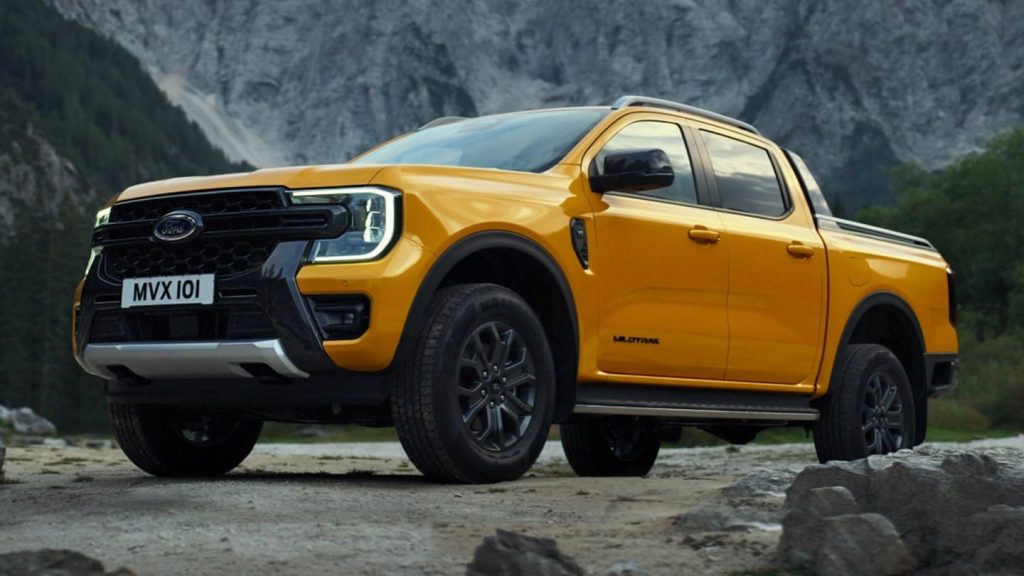
Mazda does not need to copy those specifications to compete globally, but the Ranger demonstrates how sophisticated the midsize-pickup category has become.
Today’s buyers increasingly expect their trucks to function as both work vehicles and daily transportation. That means a successful pickup needs useful towing and payload capability while also delivering comfortable interiors, advanced driver assistance, modern infotainment, and efficient powertrains.
The BT-50 already occupies that space in markets outside the United States. Mazda launched an updated BT-50 for 2025, and the truck remains an important product in Australia and several other markets. Mazda Mexico also introduced the BT-50 to its lineup for 2025, showing that the truck has expanded beyond its traditional markets.
Competition, however, has intensified. Australia has become particularly crowded, with established models such as the Ranger, Toyota Hilux, Isuzu D-Max, and Mitsubishi Triton facing newer electrified entrants, including the BYD Shark 6.
CarsGuide reported that the BT-50 ranked seventh in its segment during the first three months of 2026, with 3,113 sales, behind the Ranger, Hilux, D-Max, Triton, and newer competitors.
That competitive pressure helps explain why Mazda needs a new-generation product rather than simply extending the life of the current truck.
A redesigned BT-50 could give Mazda the opportunity to improve its positioning through updated technology, stronger styling, and potentially new powertrain choices.
North America Remains a Major Question
Despite the Ford Ranger comparison, American buyers should not assume the next BT-50 is headed for U.S. dealerships.
The current BT-50 is not sold in the United States, and the latest reporting provides no indication that Mazda has committed to bringing its replacement to America.
Autoblog noted that Mazda does not currently have a U.S. truck factory, while imported pickups face a 25% tariff under the U.S. light-truck tariff regime, commonly known as the Chicken Tax. That makes a direct U.S. launch considerably more complicated.
Mazda would have to either absorb the additional import cost, establish domestic or North American production, or develop a separate manufacturing arrangement that makes the business case work. None of those options has been announced for the new BT-50.
The situation is particularly notable because Mazda once had a much stronger presence in the American pickup market. The company’s B-Series pickup was sold in the United States for decades, and Mazda’s later North American pickup was closely related to Ford’s Ranger.
The current BT-50, however, followed a different path after Mazda ended its Ford relationship.
For now, the next BT-50 appears primarily aimed at markets where Mazda already sells pickups, particularly Australia.
The powertrain question could become just as important as the question of geography. Diesel remains deeply established among traditional midsize pickups, but electrified alternatives are gaining attention.
BYD’s Shark 6 has demonstrated that a plug-in-hybrid pickup can challenge conventional diesel models, while Isuzu has also developed an electric D-Max variant for selected markets.
Mazda could therefore have an opportunity to differentiate the next BT-50 by offering a more efficient powertrain without abandoning the capability expected from a one-tonne pickup.
Still, the company has not confirmed whether the next truck will remain diesel, adopt a hybrid system, use a range-extender setup, or offer multiple powertrains.
The confirmed details are relatively straightforward. Mazda is developing a successor to the BT-50, with a launch expected around 2028. The new truck is likely to remain in the midsize pickup segment, where it will compete with established models such as the Ford Ranger, Toyota Hilux, and Isuzu D-Max. However, Mazda has not yet finalized the platform or powertrain strategy.
For Mazda, keeping the BT-50 alive is about more than adding another vehicle to its lineup. The pickup gives the company access to a segment where SUVs and crossovers cannot provide the same combination of towing, payload, and off-road capability.
The next generation could also become an important test of Mazda’s ability to work with outside technology partners while maintaining its own design identity. Whether that partner remains Isuzu or Mazda and expands its relationship with Changan could have a major influence on what the truck becomes.
For now, the strongest evidence points toward a new BT-50 around 2028, rather than a confirmed U.S.-market Mazda Ranger rival.
If Mazda can combine the model’s established utility with improved technology and an appropriately chosen powertrain, the next BT-50 could give the brand a stronger position in an increasingly competitive global pickup market.
