
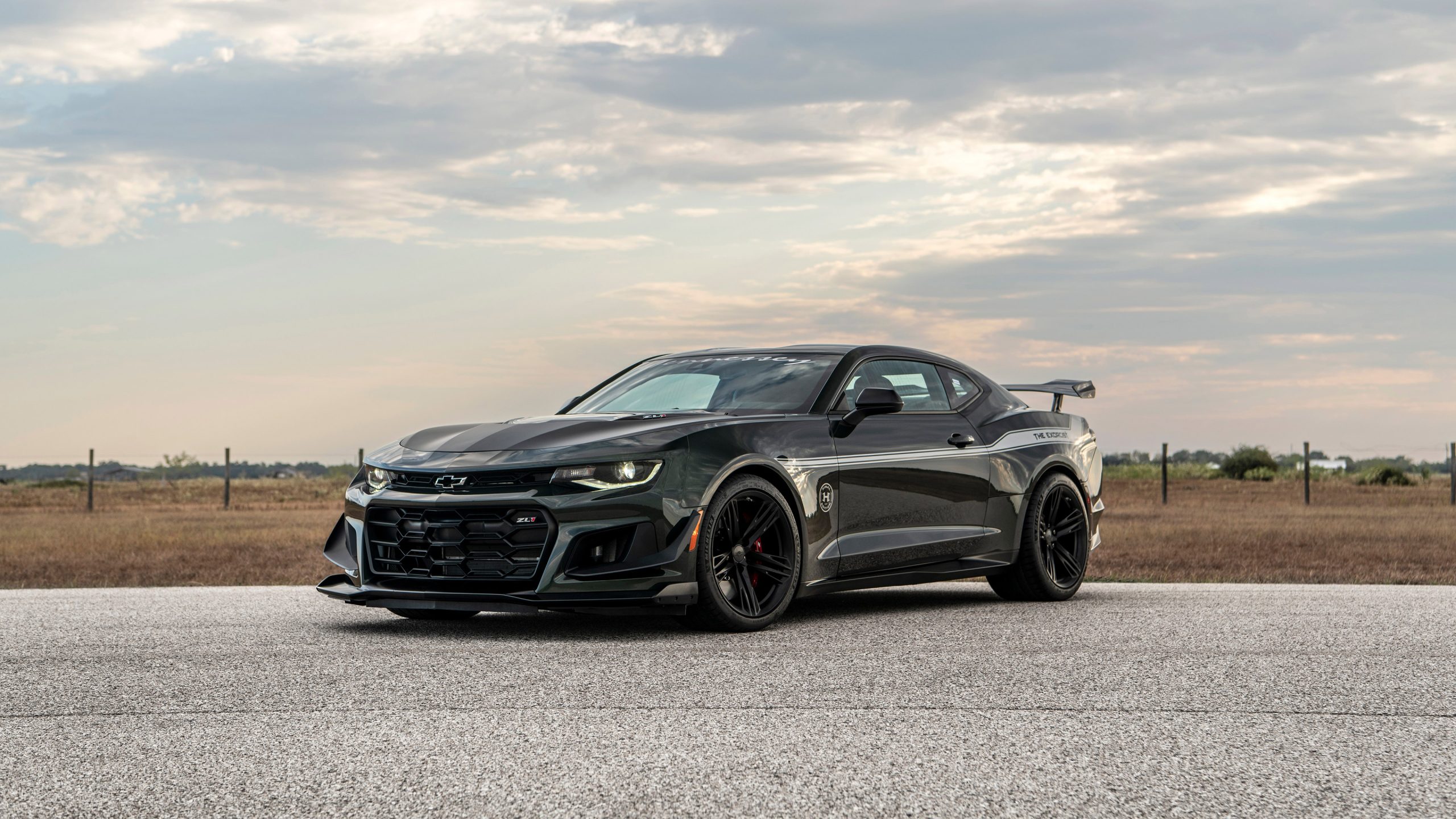
Luxury cars are usually associated with expensive servicing, costly replacement parts, and higher repair bills. Yet RepairPal’s annual repair-cost estimates reveal that this assumption does not apply to every vehicle.
Certain luxury models have lower estimated yearly repair expenses than mainstream cars, challenging the idea that an affordable badge always means affordable ownership. The Acura ILX averages $435 annually, while the Ford Mustang reaches $709.
The difference highlights how reliability, repair frequency, and the severity of common faults can matter more than a vehicle’s original price. These figures offer a useful starting point for comparing long-term ownership expenses.
5 Luxury Models Cheaper to Maintain Than Mainstream Cars
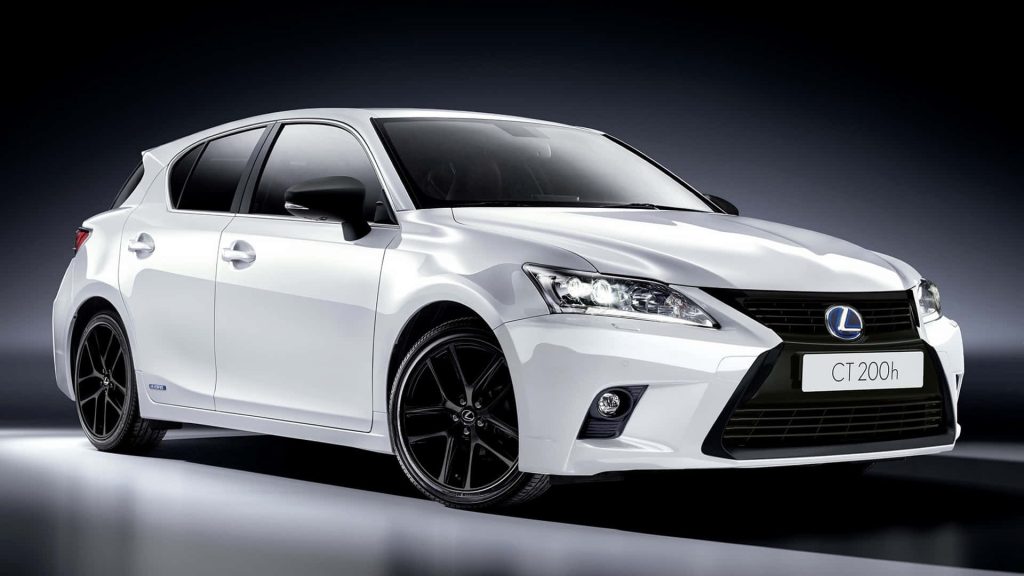
1. Lexus CT 200h
RepairPal average annual repair cost: $386
The Lexus CT 200h challenges the assumption that luxury ownership must involve luxury-sized repair bills.
RepairPal estimates its average annual repair and maintenance cost at $386, placing it below the $652 average across all vehicle models. That figure also compares favorably with the $801 average for luxury compact cars.
A major part of the appeal comes from the vehicle’s hybrid-oriented engineering. The CT 200h combines a gasoline engine with an electric motor and battery system, using a powertrain concept closely related to Toyota’s established hybrid technology.
Its drivetrain can reduce dependence on certain wear items associated with conventional driving, although the actual savings depend on use, maintenance, and the condition of the hybrid components.
The model is no longer sold new in the United States, so this comparison is particularly relevant to used-car shoppers. A well-maintained example can provide premium cabin materials, a quieter driving experience, and hybrid efficiency without automatically bringing the repair expenses associated with some larger luxury vehicles.
There are qualifications worth considering. The CT 200h is an older vehicle, and the condition of an individual example matters more than an attractive national average.
Hybrid-battery health, suspension wear, cooling-system condition, and service history should all be checked before purchase. A major hybrid-system repair could exceed several years of average repair spending.
Why include it? Because the data provides a concrete example of an upscale model with a relatively modest annual repair estimate. Buyers comparing used vehicles should not dismiss a luxury badge automatically. They should examine the particular powertrain, its known maintenance needs, and the evidence of proper servicing.
The $386 figure is not a fixed yearly bill, but it makes the CT 200h a useful benchmark for judging whether a particular used luxury vehicle offers reasonable running costs.
2. Acura ILX
RepairPal average annual repair cost: $435
The Acura ILX makes a strong case for looking beyond the price of a badge. RepairPal estimates its average annual repair and maintenance cost at $435, compared with $801 for the luxury compact-car category and $652 for all vehicles in its database.
Its published reliability rating is 4.5 out of 5, with an estimated 0.3 unscheduled repair-shop visits per year.
The ILX benefited from Acura’s connection to Honda engineering. Its compact dimensions and relatively conventional mechanical layout distinguish it from larger luxury cars packed with complex air suspension, elaborate powertrains, or expensive performance hardware.
Fewer specialized systems can mean fewer opportunities for particularly costly repairs, although no design eliminates the possibility of failure.
This model is especially relevant to buyers who want a premium interior and more equipment than a basic compact sedan without stepping into the cost structure of a high-performance European model. Used examples can be appealing to commuters who value comfort, manageable dimensions, and familiar mechanical components.
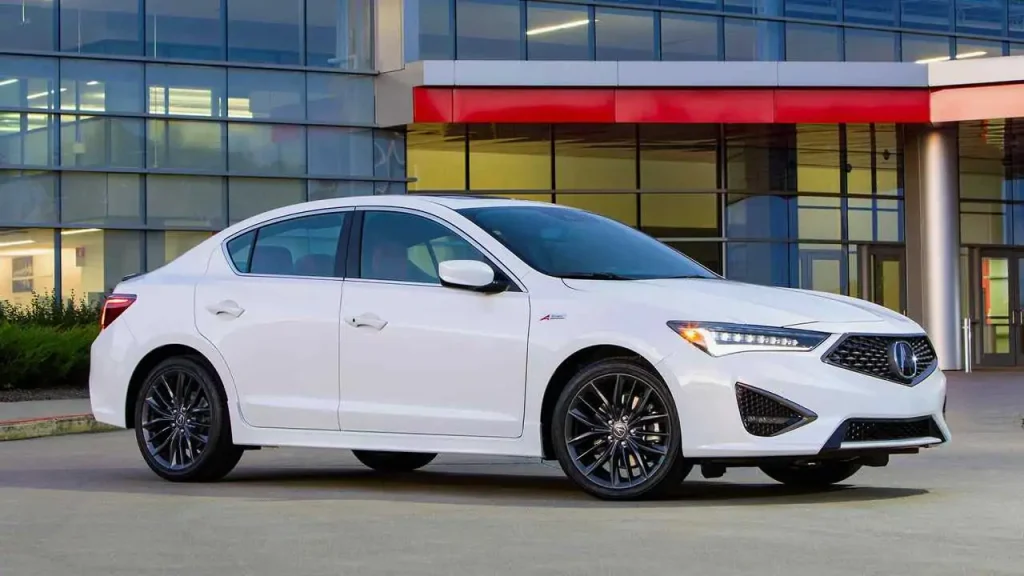
RepairPal estimates that the Acura ILX has a 6% chance of requiring a severe repair, compared with 11% for luxury compact cars and 12% for all vehicles. These figures help put the model’s estimated annual repair costs into perspective. Maintenance expenses are not just about how often a car needs servicing, but also the risk of facing a major and potentially expensive repair.
The ownership caveat is that the ILX has been discontinued, so shoppers are considering used vehicles rather than a new-car purchase. Condition, mileage, accident history, and maintenance records can produce significant differences between examples.
The Acura ILX is worth highlighting because it shows that a luxury compact sedan can have lower estimated annual repair costs than many mainstream vehicles. Although a professional inspection is still essential before buying a used model, the ILX is a strong option for buyers who want a premium interior and upscale driving experience without taking on excessive repair costs.
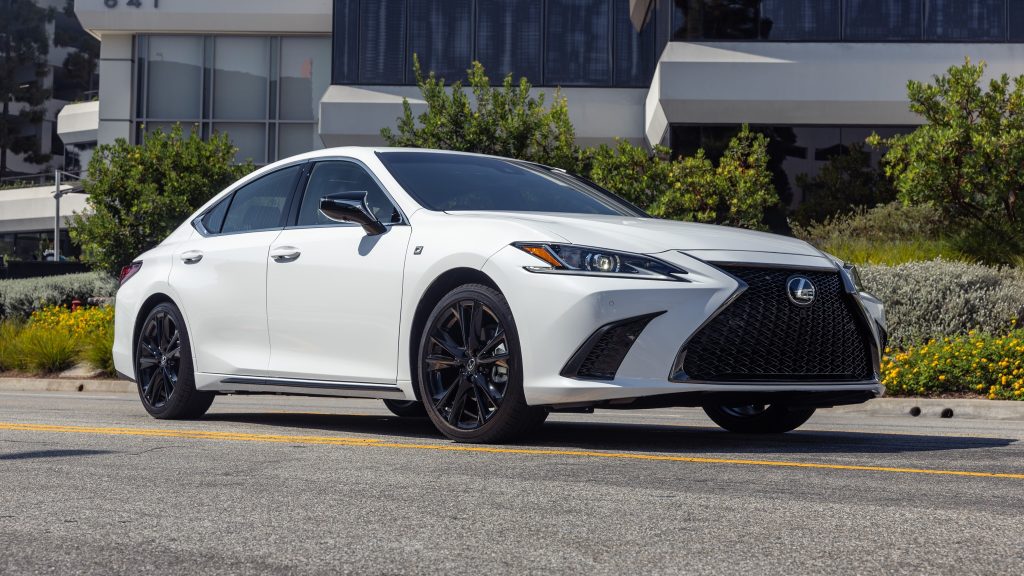
3. Lexus ES 350
RepairPal average annual repair cost: $468
The Lexus ES 350 shows that a comfortable midsize luxury sedan does not necessarily require an unusually large repair budget.
RepairPal puts its average annual repair and maintenance cost at $468, compared with $739 for the luxury midsize-car category and $652 for all vehicle models. The site’s reliability rating for the ES 350 is 4.0 out of 5.
The ES 350 has traditionally prioritized smoothness, quietness, and everyday comfort over aggressive performance. That philosophy matters when discussing maintenance because the vehicle is not built around the most demanding version of a performance-oriented powertrain.
Its naturally aspirated V6 in many model years also avoids some of the additional hardware associated with turbocharged engines, though specific configurations vary by year.
RepairPal estimates that ES 350 owners visit repair shops for unscheduled repairs about 0.6 times annually. Its reported probability of a severe repair is 6%, compared with 12% for the luxury midsize-car category.
These figures suggest that its relatively low annual expense is supported by a comparatively low likelihood of a major repair, even though smaller repairs may occur.
That makes the ES 350 particularly interesting in the used market. A buyer can obtain a spacious, quiet cabin and a premium driving experience without necessarily accepting the average repair burden associated with the wider luxury midsize category.
There is a practical warning, however. Older luxury sedans can still develop problems with suspension components, electronics, cooling systems, or age-related rubber parts. Repair costs also differ by model year and local labor rates. A neglected vehicle can quickly erase the benefit suggested by the average.
The ES 350 belongs on this list because the published estimate is lower than the all-vehicle benchmark and substantially below the luxury midsize category average. For shoppers who value comfort over sporty handling, it is a useful example of how an established luxury model can deliver a more restrained repair-cost profile than its reputation might suggest.
4. Acura TLX
RepairPal average annual repair cost: $440
The Acura TLX offers a more modern interpretation of the affordable-to-maintain luxury sedan. RepairPal estimates its average annual repair and maintenance cost at $440, against $739 for luxury midsize cars and $652 for all vehicles. Its published reliability rating is 4.5 out of 5, placing it first among 31 luxury midsize models in the rating presented by RepairPal.
What makes the TLX interesting is the combination of premium positioning and relatively modest repair estimates. It provides a more sophisticated cabin and a range of modern comfort and safety features, yet the data does not show the high annual repair burden that many shoppers might automatically associate with luxury ownership.
RepairPal reports an average of 0.2 unscheduled repair visits per year for the TLX, compared with 0.6 for the luxury midsize category and 0.4 for all vehicles. The estimated probability of a severe repair is 6%, half the 12% benchmark listed for all vehicles.
Those figures should not be mistaken for a promise that every TLX will be inexpensive to own. Equipment and powertrain choices differ between model years, and newer or more complex versions can have repair requirements that are not identical to those of older examples.
Buyers should also account for tires, brakes, insurance, and scheduled maintenance, which are not fully represented by an annual repair estimate.
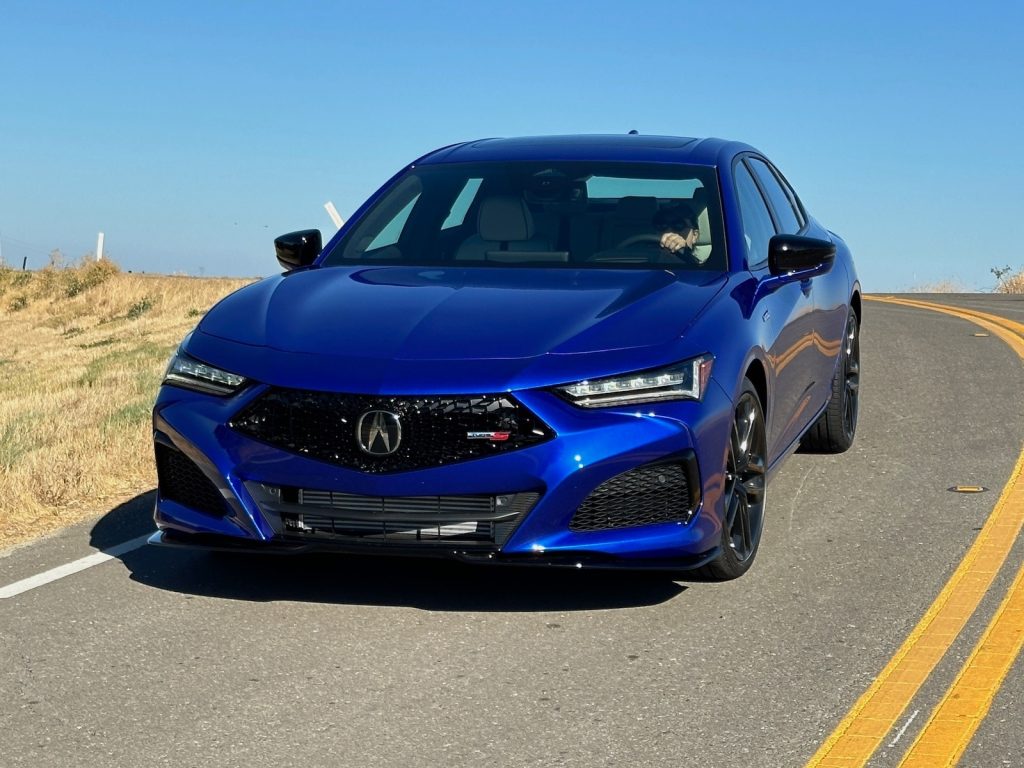
The TLX deserves attention because it offers a direct answer to the assumption that mainstream cars always cost less to maintain. Its estimated yearly repair expense is below that of several ordinary vehicles discussed later, including the Ford Mustang and Chevrolet Camaro.
For a buyer seeking a premium midsize sedan, the TLX demonstrates why model-specific reliability information is more useful than a broad comparison between luxury and mainstream brands.
5. INFINITI G37
RepairPal average annual repair cost: $540
The INFINITI G37 provides a different perspective because it combines luxury-sedan positioning with a more performance-focused character.
RepairPal estimates its average annual repair and maintenance cost at $540, below the $652 all-vehicle benchmark and the $739 average for luxury midsize cars. Its reliability rating is 4.0 out of 5.
The G37 used a naturally aspirated V6 in its principal configurations, delivering strong performance without relying on turbocharging.
That can make its mechanical layout more straightforward than some alternatives, although the engine is only one part of the ownership equation. Suspension components, transmission condition, electronics, and previous driving habits all affect repair costs.
RepairPal estimates approximately 0.5 unscheduled repair visits per year, compared with 0.6 for the luxury midsize category. Its estimated probability of a severe repair is 8%, below the 12% all-vehicle benchmark.
The model is now a used-car proposition, and that changes how the data should be interpreted. Many G37 examples are several years old, so age-related maintenance can be more important than the average alone suggests.
Buyers should pay particular attention to service records, cooling-system condition, suspension wear, transmission behaviour and evidence of modifications or hard use.
Why include a performance-oriented luxury car in a list about lower maintenance costs? Because it illustrates the difference between reputation and measured estimates. A vehicle can offer a premium badge and engaging performance without necessarily exceeding the annual repair costs of every mainstream alternative.
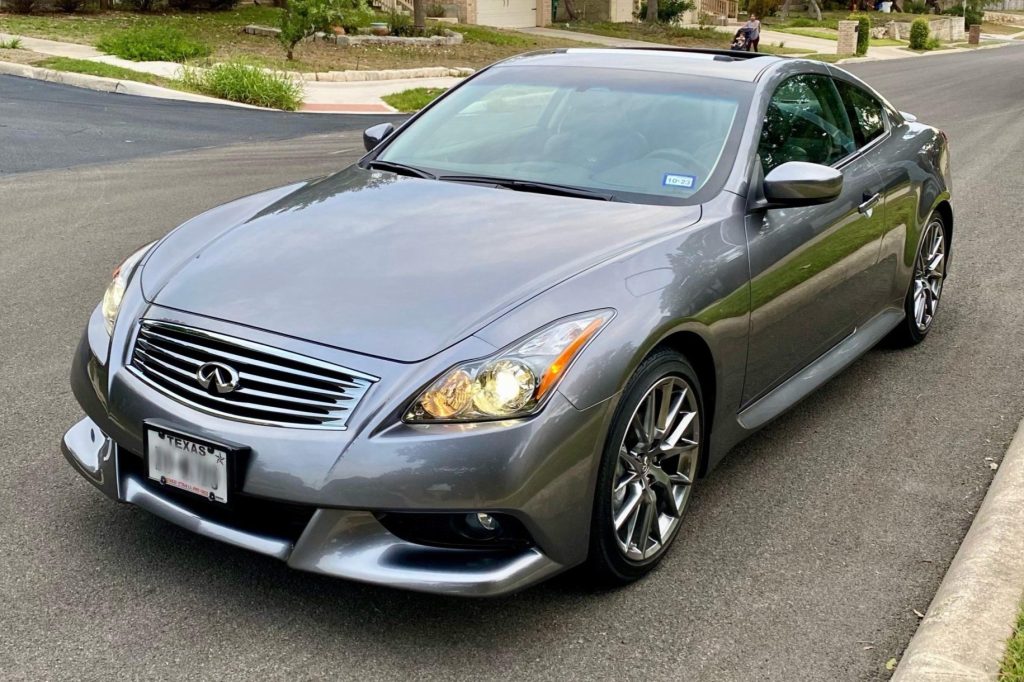
The $540 estimate remains higher than those of the Acura ILX, Acura TLX, and Lexus ES 350. Nevertheless, it sits below the Ford Mustang’s $709 estimate, providing a clear model-to-model comparison.
The G37 is therefore a useful reminder that ownership costs depend on engineering, reliability and the individual car’s condition, not simply the segment in which it was sold.
5 Mainstream Models That Cost More to Maintain
1. Ford Mustang
RepairPal average annual repair cost: $709
The Ford Mustang demonstrates how a mainstream badge can come with ownership costs above those of several luxury sedans.
RepairPal estimates the Mustang’s average annual repair and maintenance expense at $709, exceeding the $652 all-vehicle benchmark. It is also more expensive on this measure than the Acura ILX, Acura TLX, Lexus ES 350 and INFINITI G37.
The explanation begins with the Mustang’s mission. Unlike a conventional family sedan, it is designed around performance and driving enjoyment. Depending on the version, owners may be dealing with a powerful engine, sport-oriented suspension, larger brakes and tires selected for grip rather than maximum lifespan.
Those components are not automatically unreliable, but they can cost more to replace than ordinary commuter-car equipment. Driving style matters, too. Hard acceleration, repeated high-speed driving and aggressive braking can increase wear on tires, brakes and other components.
The Mustang’s $709 estimate does not mean every owner spends that amount each year. Some years may require little more than routine attention, while a year involving a major repair can exceed the average substantially.
RepairPal reports an average of 0.2 unscheduled repair visits annually, suggesting that repair frequency alone does not explain the total expense.
That distinction is important. A car can visit a workshop relatively infrequently but still generate substantial bills when something needs attention.
Why include the Mustang? It directly challenges the belief that a non-luxury badge ensures lower ownership costs. The model offers performance and character, but those qualities can bring additional expense.
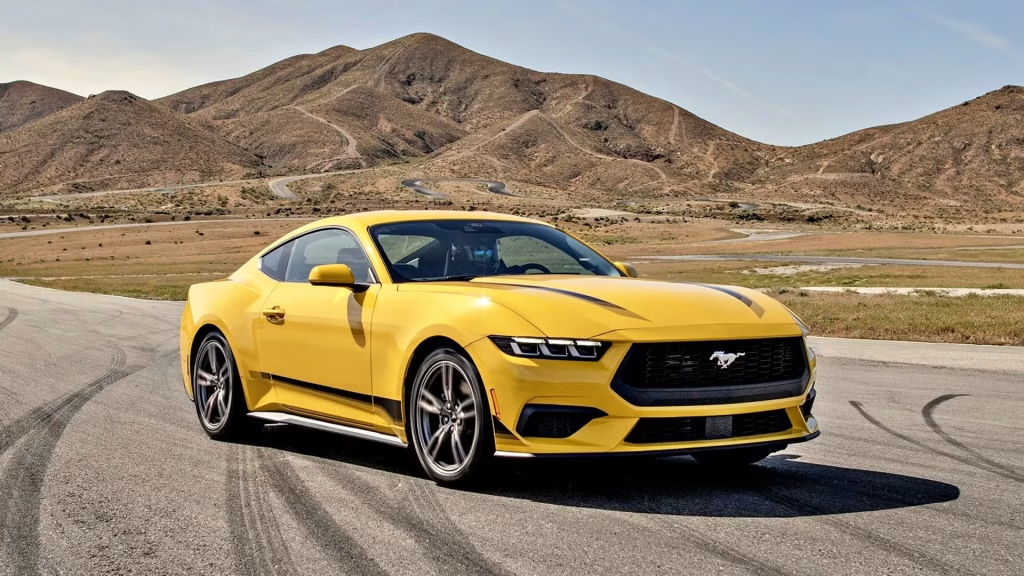
Buyers considering a used example should examine tire and brake condition, maintenance records, engine behaviour and evidence of modifications.
Compared with the $440 Acura TLX estimate, the Mustang’s $709 figure is $269 higher annually. That gap shows why the purchase price alone is an incomplete guide to long-term affordability.
2. Chrysler 300
RepairPal average annual repair cost: $631
The Chrysler 300 occupies an interesting position in the ownership-cost discussion. It is a mainstream-brand full-size sedan with an upscale appearance and a spacious cabin, yet RepairPal estimates its average annual repair and maintenance cost at $631. That is above the $468 estimate for the Lexus ES 350 and the $540 figure for the INFINITI G37.
The 300 was designed to offer substantial road presence and a comfortable long-distance driving experience. Depending on the version, it uses a four-cylinder or V6 engine, or a larger V8 in performance-oriented configurations.
The differences matter because engine choice affects fuel consumption, maintenance requirements and the price of some replacement components.
Age is another important factor. The Chrysler 300 was discontinued after the 2023 model year, so buyers are now shopping for used examples. Older vehicles can require attention to suspension parts, cooling systems, electrical components and wear items that may not have been replaced on schedule.
RepairPal gives the 300 a reliability rating of 3.5 out of 5 and estimates around 0.3 unscheduled repair visits annually. Its annual repair estimate is slightly above the $590 average for full-size cars, although it remains below the $652 average across all vehicle models.
That context matters because the Chrysler is not exceptionally expensive by every measure. Its relevance comes from the fact that some luxury sedans have lower estimated annual repair costs despite their premium positioning.
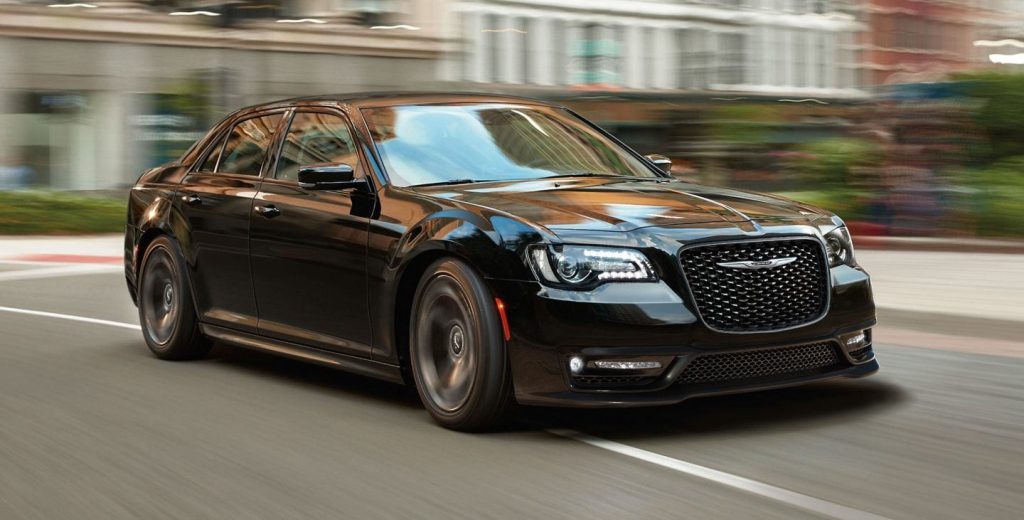
The Lexus ES 350, for example, has a $468 estimate, making the difference $163 per year. Over five years, that amounts to $815 if both annual averages remained unchanged, although actual costs can fluctuate.
The Chrysler 300 therefore belongs in this comparison because buyers should not confuse a mainstream manufacturer with guaranteed low running costs. A well-maintained example may still offer good value, but condition, engine choice and service history deserve careful consideration.
3. Chevrolet Camaro
RepairPal average annual repair cost: $585
The Chevrolet Camaro makes the comparison more interesting because its annual repair estimate is not dramatically higher than the industry benchmark, yet it still exceeds the figures for several luxury models.
RepairPal puts the Camaro’s average yearly repair and maintenance cost at $585, compared with $386 for the Lexus CT 200h and $435 for the Acura ILX.
Like the Mustang, the Camaro was engineered with performance as a priority. Depending on the model year and trim, buyers could choose from four-cylinder, V6 and V8 engines.
Higher-performance versions brought stronger acceleration and more specialised hardware, while even ordinary versions were designed around a sportier driving experience than a typical family sedan.
The financial consequences are not limited to the engine. Tires, brakes and suspension components can cost more when the vehicle is driven enthusiastically. Used examples may also have experienced modifications, track use or aggressive driving that is not always obvious from the exterior.
RepairPal rates the Camaro 3.5 out of 5 for reliability and estimates approximately 0.2 unscheduled repair visits per year. Its reported probability of a severe repair is 17%, compared with 12% across all vehicle models.
That higher severity figure deserves attention. A relatively low number of workshop visits does not necessarily mean the vehicle will always be inexpensive to own. One major fault can account for a substantial portion of a year’s expenses.
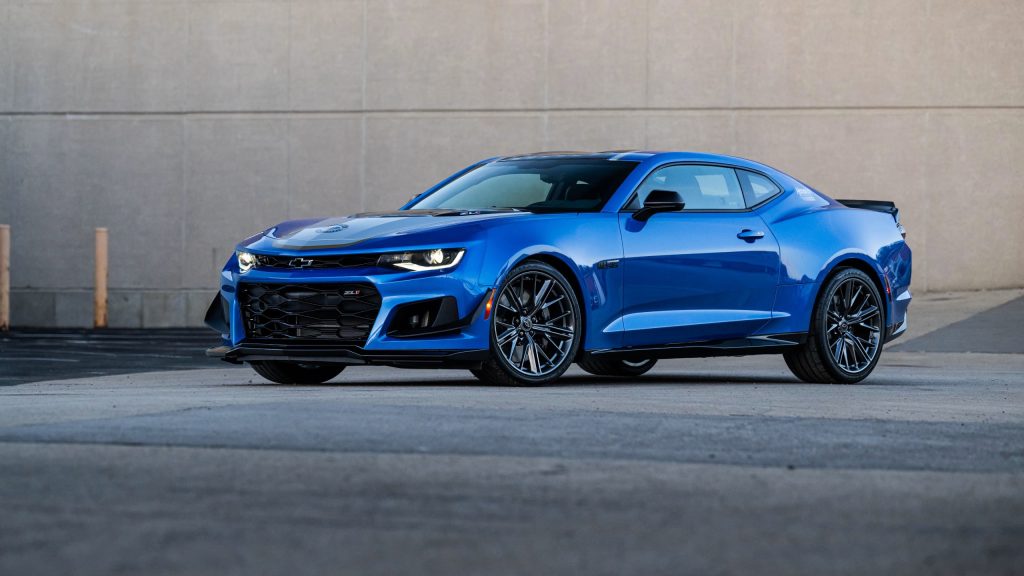
The Camaro was discontinued after the 2024 model year, which makes condition especially important in the used market. Buyers should inspect the drivetrain, cooling system, brakes, tires and suspension, while checking for signs of hard use.
Why include it? Because a performance-oriented mainstream car can cost more to maintain than a luxury hybrid or premium sedan.
The $585 annual estimate is $199 above the Lexus CT 200h’s figure. That comparison shows why a buyer’s intended use and the vehicle’s mechanical condition can matter more than its market category.
4. Dodge Charger
RepairPal average annual repair cost: $652
The Dodge Charger provides another example of a mainstream vehicle whose repair costs reach or exceed the industry benchmark.
RepairPal estimates average annual repair and maintenance spending at $652, exactly matching its published average across all vehicle models. The estimate is higher than the $540 figure for the INFINITI G37 and the $468 estimate for the Lexus ES 350.
The Charger’s appeal has traditionally rested on a combination of four-door practicality and powerful-engine options. Depending on the version, it can be a relatively conventional daily driver or a high-performance sedan with substantial power and specialised running gear.
That range makes the specific version important when estimating ownership costs. Larger engines, performance tires and more capable brakes can increase expenditure, especially when the vehicle is driven hard. A used example may also have a history of modifications or demanding use, making a careful inspection essential.
RepairPal rates the Charger 3.5 out of 5 for reliability. Its reported annual repair estimate is not the highest in the market, but it illustrates the point of this comparison: a mainstream vehicle can reach the same estimated annual repair cost as the all-vehicle average while some luxury models remain below it.
The Charger is also a useful case because its model history spans several generations and powertrain combinations. A single average cannot tell a buyer whether a particular car has been maintained properly or whether a specific engine and transmission combination will be economical.
The sensible approach is to assess the vehicle’s service records, engine condition, transmission behaviour, cooling system, brakes and suspension before buying.
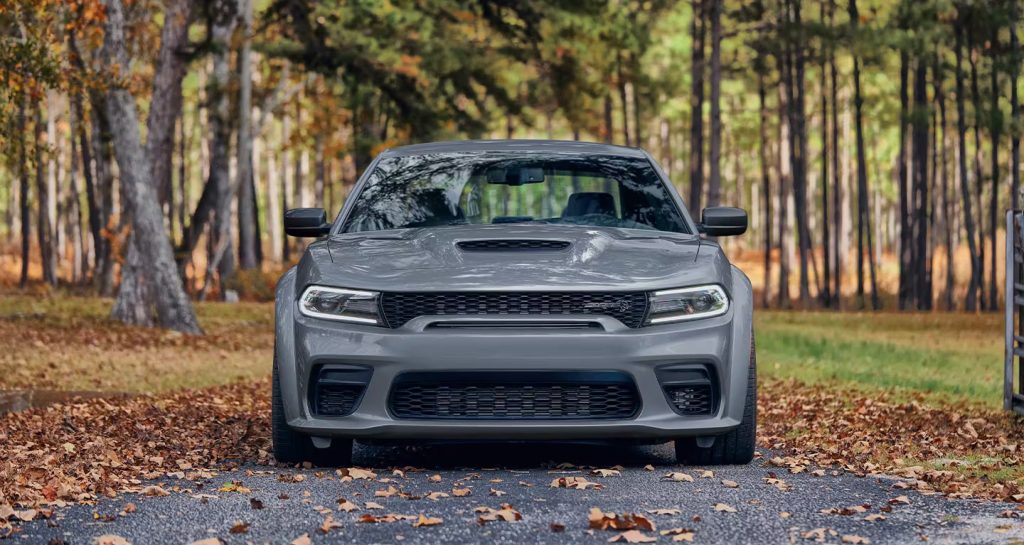
Why include the Charger? Because its $652 estimate is notably higher than several premium alternatives. The comparison does not establish that every Charger is less dependable than a Lexus or INFINITI. It establishes that mainstream branding alone cannot guarantee lower repair expenditure.
For buyers, the intended use matters. A commuter-driven example with complete records may present a different ownership proposition from a heavily modified performance version.
5. Ford Edge
RepairPal average annual repair cost: $611
The Ford Edge brings the discussion beyond performance cars and into the family-SUV segment. RepairPal estimates its average annual repair and maintenance cost at $611, higher than the $468 estimate for the Lexus ES 350 and the $540 figure for the INFINITI G37. The Edge also sits above RepairPal’s $573 average for midsize SUVs.
This is a useful comparison because family SUVs are often purchased for practicality rather than performance. Owners may expect an ordinary midsize crossover to be inexpensive to keep on the road, but repair bills can still rise as a vehicle ages or develops problems involving its engine, transmission, climate-control system or electronics.
The Edge was discontinued after the 2024 model year in the United States, so current buyers are primarily considering used examples. Age, mileage and maintenance history consequently play a major role in determining whether a particular vehicle is a sensible purchase.
RepairPal gives the Edge a reliability rating of 3.5 out of 5. It estimates an average of 0.3 unscheduled repair visits annually, while the probability of a severe repair is 13%, matching the reported average for midsize SUVs.

Those figures help explain why an ordinary family vehicle can still produce higher expenses than a selected luxury model. The Edge’s annual estimate is not extreme, but it is high enough to challenge the idea that mainstream SUVs always cost less to maintain.
A prospective buyer should pay particular attention to transmission operation, cooling-system performance, suspension wear, warning lights and the availability of complete service records. The cost of an individual repair can vary significantly with the model year and engine configuration.
The Edge belongs on this list because it illustrates a less obvious ownership-cost trap. Drivers do not need to choose a sports car to encounter repair expenses above those of some luxury vehicles. Even a practical family crossover can have a higher annual estimate than a premium sedan with a strong reliability record.
