Loading heavy boxes, groceries, strollers, or mobility equipment becomes much easier when the cargo opening sits close to the ground.
A low liftover height reduces how far an object has to be lifted before it reaches the cargo floor, which can make a meaningful difference for everyday use. The vehicles below are selected using U.S.-market measurements, with particular attention to measured or published liftover heights and practical cargo capacity.
Some figures come from independent measurements because automakers do not consistently publish liftover dimensions. The list includes minivans, SUVs, and crossovers, giving shoppers several ways to prioritize easier loading without sacrificing useful interior space.
1. Toyota Sienna
The Toyota Sienna demonstrates why minivans remain difficult to beat when cargo access matters. Its body sits relatively low compared with many SUVs, and the rear cargo opening is designed around frequent loading rather than off-road clearance.
For the current generation, independent measurements put the liftover height at just 25 inches from the ground to the top of the rear sill. The same measurement found a flush cargo floor, meaning there is no significant raised lip that a heavy object has to clear after being lifted to the opening.
That combination is particularly useful for items that are awkward to carry. A 25-inch lift is substantially different from placing the same object into a taller SUV, especially when the load is heavy enough that minimizing each inch of lifting matters.
The Sienna also has substantial room once the rear seating configuration is changed. Toyota’s U.S.-market specifications list up to 101 cubic feet of cargo volume behind the first row and 75 cubic feet behind the second row. The hybrid powertrain is standard, while the minivan remains available with seating for up to eight depending on configuration.
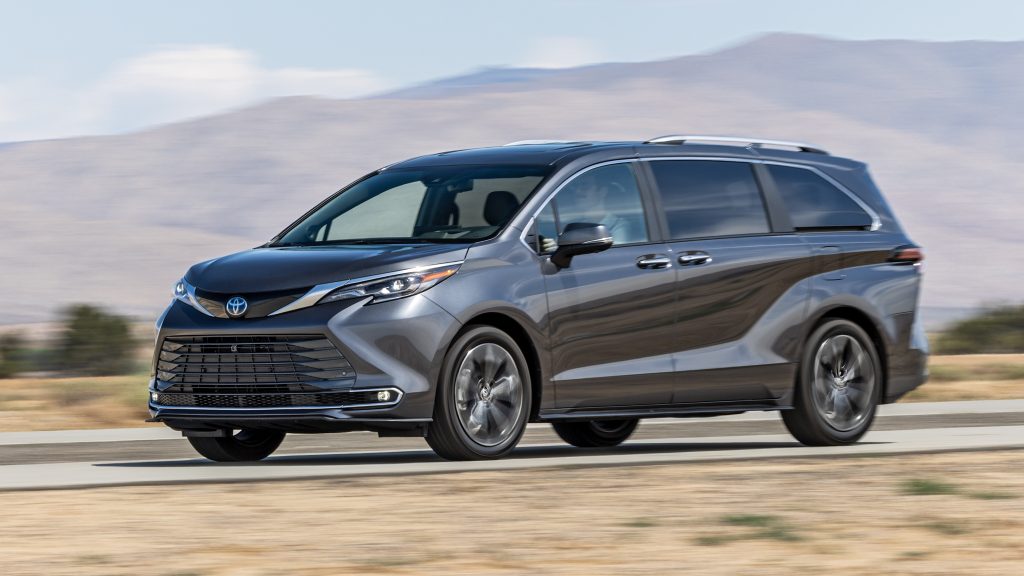
Another benefit is the Sienna’s fold-flat third row, which eliminates the need to lift out bulky seats when extra cargo space is required. Combined with its low rear opening, this design makes it easier to switch between carrying passengers and transporting larger items.
2. Honda CR-V
The Honda CR-V takes a different approach to easy cargo loading. Rather than relying on minivan proportions, Honda gives its compact SUV a relatively low rear loading point while retaining a useful amount of cargo space.
U.S. comparison data lists a 28-inch lift-over height for the current CR-V, putting the rear sill comfortably below that of many larger SUVs.
That figure becomes more impressive when paired with the CR-V’s cargo capacity. The current model provides 39.3 cubic feet behind the second row and 76.5 cubic feet with the rear seats folded, according to U.S. market comparison specifications.
The cargo floor is also broad enough to make the vehicle useful for normal household hauling rather than simply carrying small shopping bags.
The low loading point is especially helpful for owners who regularly move heavier objects without wanting a minivan. A box, suitcase, or folded stroller can be pushed farther into the cargo area without requiring the same upward movement needed with a taller vehicle.
Honda also gives higher CR-V trims a power liftgate, while the Sport Touring can use hands-free access. That does not change the physical height of the cargo floor, but it can make the loading process more convenient when both hands are occupied.
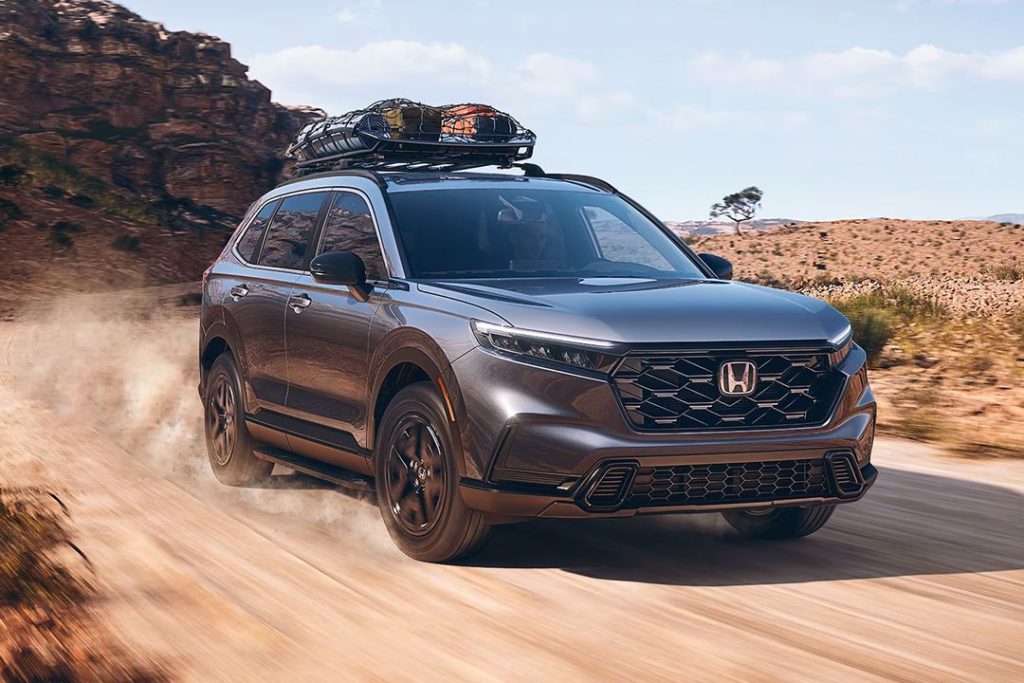
For buyers who want an SUV shape without accepting a high rear sill, the CR-V’s combination of a 28-inch liftover and generous cargo volume makes it one of the more practical choices in its class.
3. Subaru Outback
The Subaru Outback makes a strong case for a low cargo floor without giving up the ground clearance expected from a crossover. For 2026, Subaru lists a cargo liftover height of 28.3 inches on most versions at curb weight, while the Wilderness version sits slightly higher at 29.1 inches.
That distinction matters because the Wilderness gains additional ground clearance for rougher terrain, but shoppers focused strictly on easy loading are better served by the standard configurations.
There is considerable space behind that relatively accessible opening. Subaru’s U.S. specifications list 34.6 cubic feet of cargo volume behind the rear seats and 80.5 cubic feet with those seats folded. The cargo floor measures 43.3 inches between the wheel housings, giving the Outback useful width for bulky boxes and outdoor equipment.
The numbers become more useful when considering how the vehicle is actually loaded. Subaru lists 42.8 inches of maximum floor length with the rear seats raised and 75.9 inches with them folded. The rear gate opening is 44 inches wide at its lower point and 44.3 inches at maximum width.
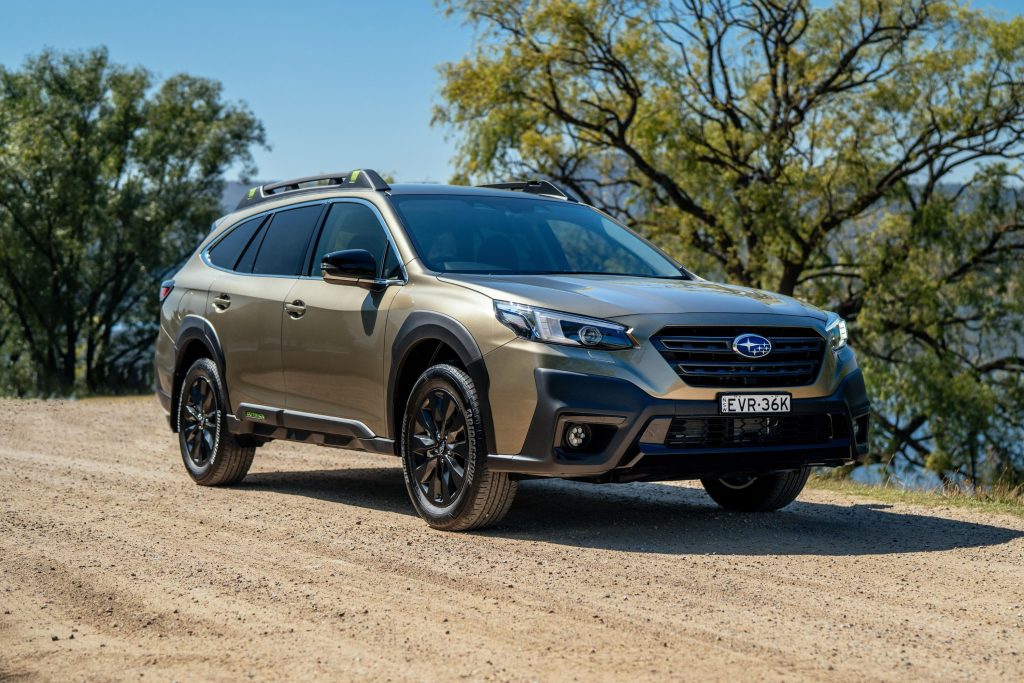
That combination makes the Outback particularly appealing to owners who regularly carry long or bulky objects. You get a lower lifting point than many conventional SUVs, but the vehicle still maintains 8.7 inches of standard ground clearance.
This design offers a practical combination of easy rear access for loading cargo and sufficient ground clearance for occasional light-duty outdoor activities.
4. Kia Carnival
The Kia Carnival approaches cargo access from the traditional minivan direction, and its dimensions show why that body style remains so useful for people who frequently load large or heavy items.
Kia’s U.S. specifications give the 2026 Carnival 40.2 cubic feet of cargo space in its minimum configuration and 145.1 cubic feet at maximum capacity. Those figures place a huge amount of usable space behind the rear opening.
Kia does not publish a liftover-height measurement in its official U.S. specification sheet, so it would be misleading to assign the Carnival a precise loading-floor height without an independent measurement.
What can be verified is the vehicle’s 6.8-inch minimum ground clearance and its 203-inch body length, dimensions that reflect its low-slung minivan packaging rather than the taller stance of a typical three-row SUV.
The practical advantage becomes particularly clear when the seating is configured for maximum cargo duty. The Carnival’s second and third rows can be repositioned or folded to create a much larger loading area, allowing owners to carry objects that would be difficult to fit through the rear of a conventional crossover.
Its low-floor design also keeps the cargo area closer to the pavement than many truck-based SUVs. That can reduce the amount of lifting required when moving groceries, luggage, or equipment into the vehicle.
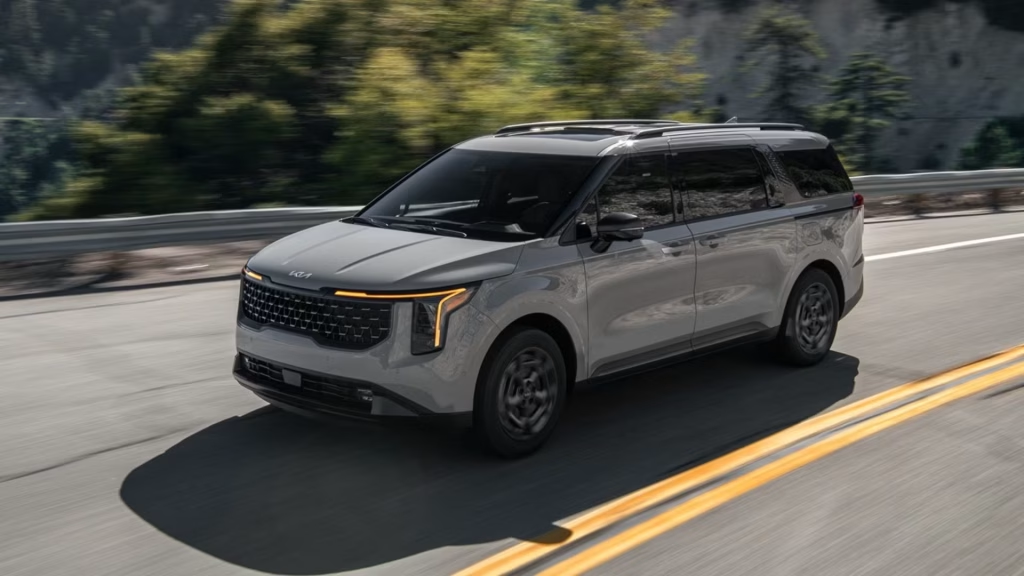
For this list, the Carnival earns its place because its minivan architecture prioritizes accessibility as well as capacity.
While a verified U.S. liftover measurement is not published by Kia, the manufacturer’s cargo-volume figures and low-ground-clearance packaging make the Carnival one of the most cargo-focused choices for buyers who value easy rear loading.
5. Subaru Forester
The Subaru Forester is not as low to the ground as a minivan, yet its cargo area remains remarkably accessible for an SUV with standard all-wheel drive. Independent U.S. specifications put the 2026 Forester’s liftover height at about 32 inches. Cars.com lists the same 32-inch figure, while The Car Connection measures it at 32.2 inches.
That number is important because the Forester also delivers a useful amount of cargo room. Depending on the specification source and measurement method, the 2026 model provides roughly 30 cubic feet behind the second row and about 74 cubic feet with the rear seats folded. Its cargo area is approximately 43 inches wide between the wheel wells.
Subaru’s packaging also gives the Forester a long, relatively flat cargo floor. With the rear seats folded, the cargo length extends to about 71 inches, making the space useful for longer objects rather than just grocery bags and luggage.
There is a tradeoff. The Forester has approximately 9 inches of ground clearance, so its rear floor cannot sit as low as the loading area of a conventional minivan. That extra clearance is deliberate, giving the Subaru an advantage on uneven roads and trails.
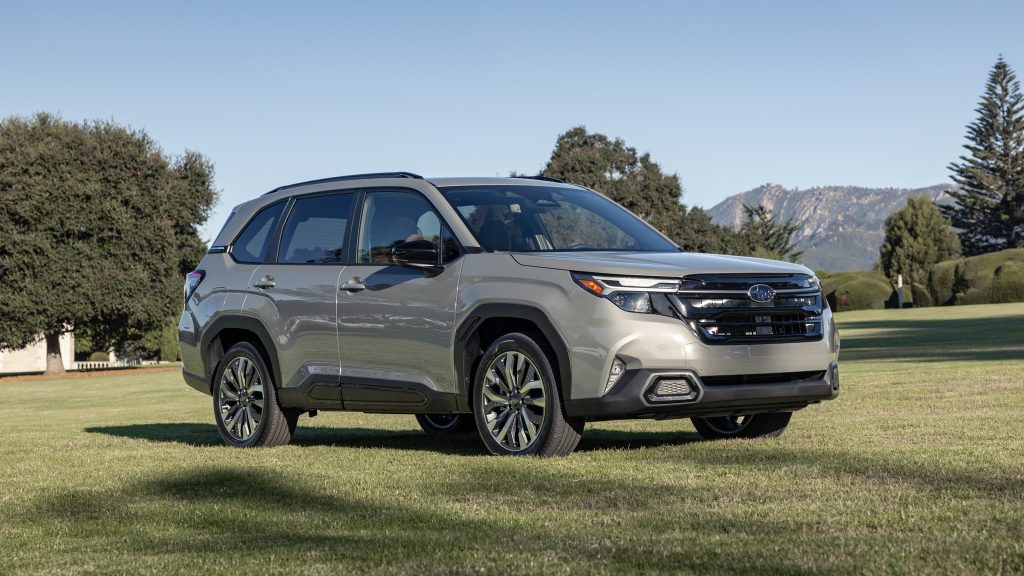
For someone who wants an SUV that can handle snow, gravel roads, and outdoor equipment while keeping the rear loading height manageable, the Forester offers a strong compromise. Its cargo opening is not the lowest here, but its combination of usable volume, wide floor, and moderate liftout makes heavy items easier to handle than in many taller SUVs.
6. Ford Escape
Ford does not publish an official rear lift-over height for the 2026 Escape in the U.S. market. Buyers can instead review its available cargo measurements and exterior dimensions to evaluate how easily items can be loaded into the rear storage area.
Cars.com lists the Escape at 66 inches tall with 7.5 inches of minimum ground clearance, while its cargo area provides 38 cubic feet behind the second row and 65 cubic feet behind the first.
The Escape’s cargo floor is also 41.4 inches wide between the wheel housings, according to Car and Driver. The available floor length reaches approximately 68.5 inches with the second row folded.
Those measurements give the compact Ford a useful advantage for routine loading. A lower crossover body generally requires less lifting than a high-riding truck-based SUV, while the Escape’s relatively compact exterior dimensions make it easy to position near a curb or garage when loading bulky items.
Another interesting point is the Escape’s adjustable second-row seating. The rear bench can slide to prioritize passenger space or cargo capacity, allowing owners to change the available luggage area depending on the trip.
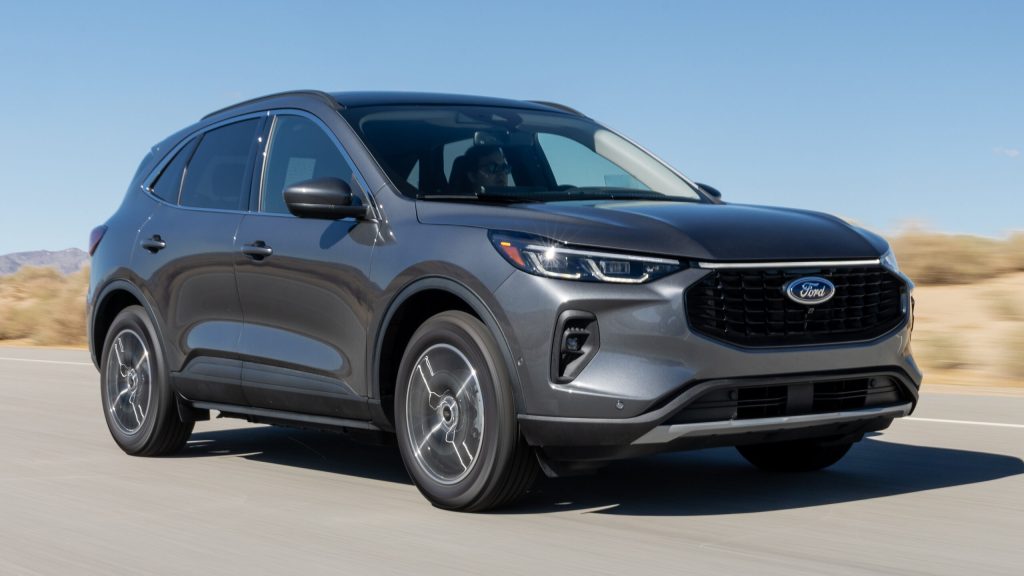
It is worth stressing that the Escape is included for its practical loading architecture, not because Ford publishes a specific low liftover claim. The absence of a verified U.S. liftover number means it should not be ranked ahead of vehicles with independently measured heights simply on the basis of speculation.
Still, its 66-inch body height, 7.5-inch ground clearance and useful cargo dimensions show why the Escape remains a practical choice for shoppers seeking a compact SUV that does not feel unnecessarily tall when loading everyday cargo.
7. Volkswagen Tiguan
The Volkswagen Tiguan earns a place on this list by combining a relatively low crossover body with a cargo area designed to make the most of its footprint. For the 2026 U.S. model, Volkswagen lists a 66.1-inch overall height and 6.6 inches of ground clearance.
Those dimensions put the Tiguan closer to a conventional compact crossover than to a tall, truck-based SUV.
Cargo capacity is where the Tiguan becomes particularly useful. Edmunds lists 33.8 cubic feet behind the second row and 69.8 cubic feet with the rear seats folded. That is a substantial amount of space for a vehicle measuring just 184.4 inches long.
Volkswagen’s packaging also benefits people who routinely carry smaller heavy objects. The relatively modest ground clearance means the cargo floor does not have to be positioned extremely high simply to provide additional clearance underneath the vehicle.
There is an important measurement caveat, however. Volkswagen does not publish a U.S. liftover-height figure in its standard specifications, and major U.S. comparison databases currently list the measurement as unavailable. That means the Tiguan should not be assigned a made-up number simply to create a more precise ranking.
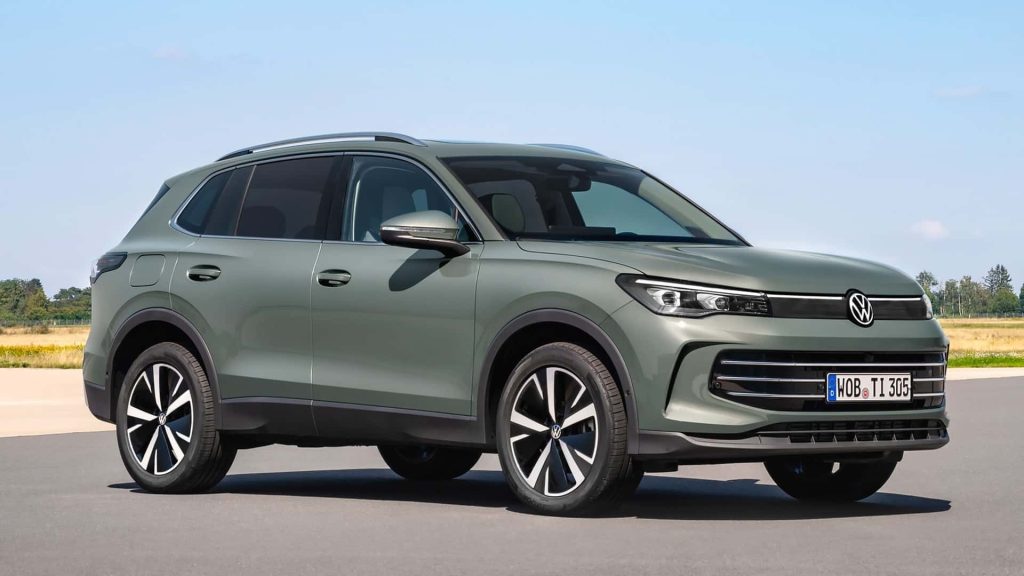
Instead, the verified dimensions provide the useful context. With its 6.6 inches of ground clearance and 33.8 cubic feet of rear cargo space, the Tiguan offers a practical loading height without requiring buyers to move up to a larger SUV.
8. Kia Sorento
The Kia Sorento brings three-row versatility to a package that remains relatively close to the ground. Kia’s official U.S. specifications list 6.9 inches of ground clearance, a 66.7-inch overall height and a 74.8-inch body width for the 2026 model. Those figures help explain why the Sorento does not have the imposing stance of larger three-row SUVs.
Cargo capacity varies according to how the second row is positioned, but Kia lists between 38.5 and 45.0 cubic feet behind that row. With the third row in use, there are 12.6 cubic feet available, while folding the rear seats opens as much as 75.5 cubic feet behind the first row.
That flexibility changes how the Sorento works from day to day. With all three rows occupied, it can handle everyday bags and smaller cargo. Fold the third row and the available floor expands considerably, giving heavier or larger objects a much more useful landing area.
The Sorento’s official specifications do not provide a specific rear liftover height, so a precise inch measurement cannot be responsibly claimed. Instead, its 6.9-inch ground clearance provides a verified indication of how close the lower body sits to the pavement. Independent comparison data also places the Sorento’s overall height at 66.7 inches.
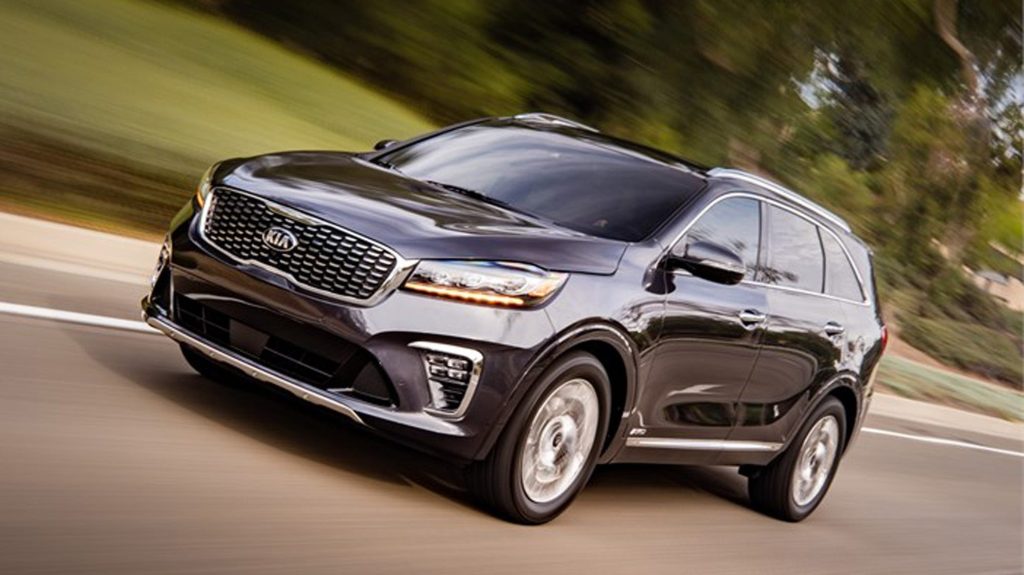
For shoppers who need three-row seating but do not want the taller proportions of a full-size SUV, the Sorento’s combination of moderate ground clearance and substantial cargo volume makes it a sensible option for easier rear loading.
9. Mazda CX-5
The Mazda CX-5 has one of the clearest documented liftover measurements among compact SUVs, with Cars.com listing a 31-inch height for the 2026 model. That puts the rear cargo sill below many taller crossovers while preserving the ground clearance expected from an SUV.
The same specification lists 8 inches of minimum ground clearance, so Mazda has managed to keep the loading point reasonably accessible without making the vehicle unusually low.
Cargo practicality is another strength. The 2026 CX-5 provides 34 cubic feet behind the second row, according to Cars.com, while the cargo area measures 41 inches between the wheel housings. That width gives the floor enough room for larger boxes that would not fit comfortably between the wheel wells of some smaller crossovers.
The 31-inch liftover figure is particularly useful when considering heavier household items. A large suitcase or storage container does not have to be lifted to the height of a three-row SUV’s rear floor. Instead, the object can be raised just enough to clear the sill and then pushed forward.
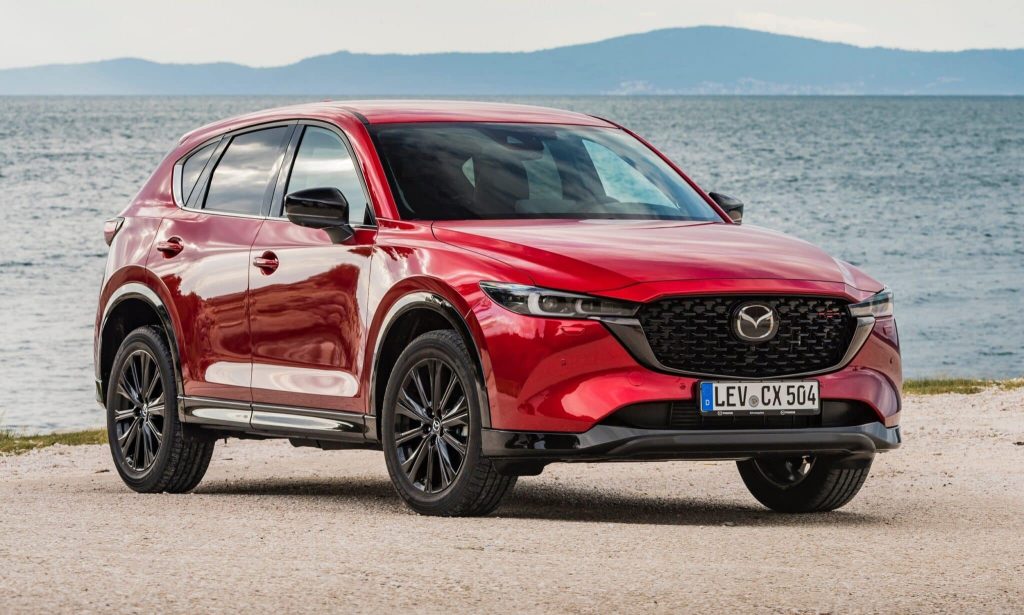
Mazda also keeps the CX-5’s exterior proportions relatively manageable. Cars.com lists its overall height at 67 inches, while the body measures 73 inches wide without mirrors.
For buyers who care about cargo access but still want a conventional five-seat crossover, the CX-5 offers a useful middle ground. Its verified 31-inch liftover is low enough to make frequent loading less demanding, while its 34-cubic-foot rear cargo area gives that easy access a practical purpose.
10. Honda HR-V
The Honda HR-V takes the low-loading concept into the smaller crossover category. Honda’s official U.S. specifications list just 63.4 inches of height for most 2026 HR-V versions, with the Sport measuring 63.8 inches. Ground clearance ranges from 7.0 to 7.3 inches depending on configuration.
Honda does not publish a U.S. liftover-height measurement for the HR-V, and Cars.com also lists that figure as unavailable. That makes it inappropriate to give the vehicle a precise loading-floor number simply to make the ranking look more complete.
What can be verified is the cargo capacity. Honda lists 24.4 cubic feet with the rear seatbacks upright and 55.1 cubic feet with them folded. The HR-V is also 179.8 inches long, giving it a compact footprint while retaining a useful amount of interior carrying space.
Its relatively low 63-inch body height is significant for everyday loading because the HR-V does not have the tall profile associated with larger SUVs. The rear opening remains easy to reach for many users, particularly when loading groceries, backpacks, small appliances or luggage.
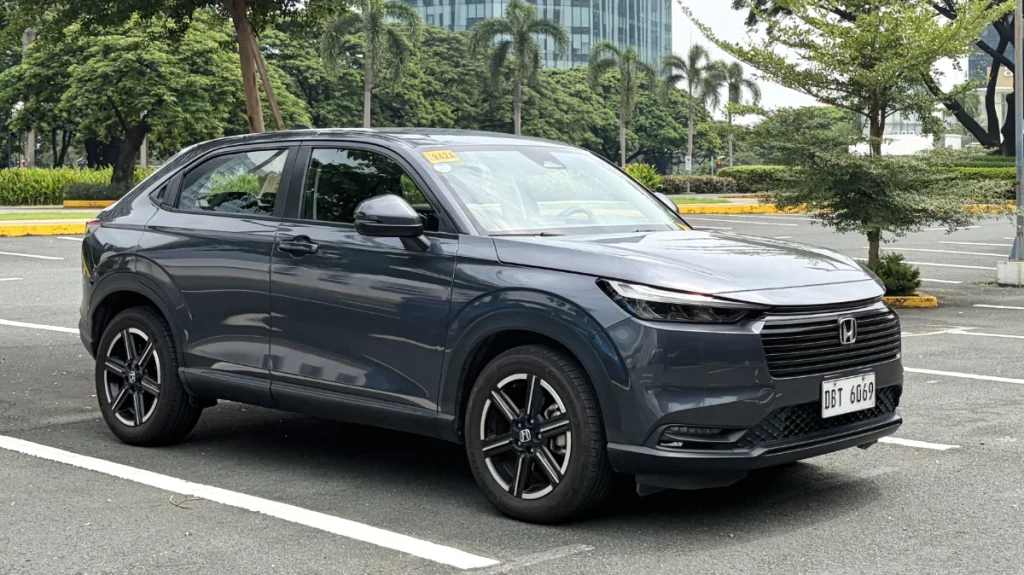
There is also a practical benefit for urban owners. A smaller vehicle with a moderate loading height is easier to position in tight parking spaces, where a high cargo floor can become especially inconvenient when lifting objects from a curb.
The HR-V is worth considering, although its exact rear lift-over height is not confirmed in U.S. specifications. Its published dimensions and cargo capacity still highlight its practicality for buyers seeking a compact SUV with convenient access to the rear cargo area.
11. Toyota RAV4
The Toyota RAV4 is another compact SUV where the low-loading argument is supported more by its body proportions and cargo measurements than by a published liftover figure.
Toyota does not provide a U.S. liftover-height measurement for the redesigned 2026 RAV4, and major specification databases also list that measurement as unavailable. That makes it important not to assign the vehicle an unverified inch figure.
What Toyota does provide is useful. The 2026 RAV4 measures 181 inches long and 73 inches wide in most versions, while ground clearance is 8.1 inches on standard grades. The Woodland increases clearance to 8.5 inches, while the GR SPORT sits at 7.5 inches.
Cargo capacity is substantial for a compact SUV. Toyota lists 37.8 cubic feet behind the second row and 70.4 cubic feet with the second row folded. The cargo deck is also height adjustable, allowing owners to change the floor position depending on how they want to use the rear compartment.
That adjustable deck is particularly useful when loading smaller but heavy objects. A lower floor can provide additional vertical space, while a higher position can reduce the step needed to move lighter items into the vehicle.
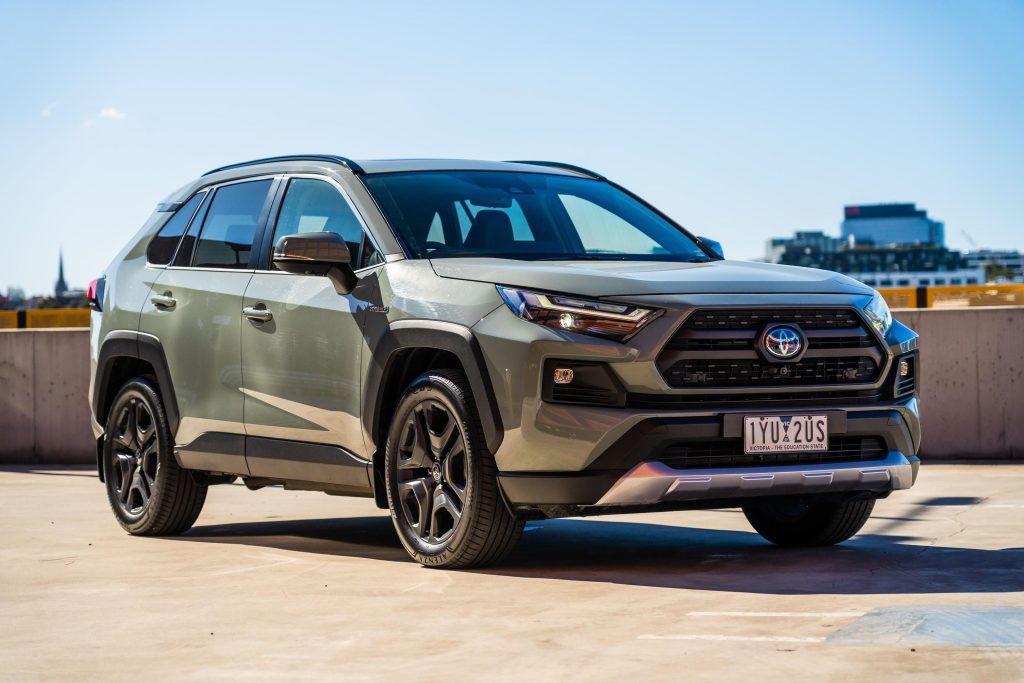
The 2026 redesign also means older RAV4 measurements should not automatically be carried over. Cars.com found the new model’s measured cargo area to be slightly larger than the previous generation, reinforcing why current-model measurements matter.
For shoppers seeking a compact SUV with a practical rear compartment, the RAV4 offers useful capacity and an adjustable cargo floor, even though a verified U.S. liftover height is not available.
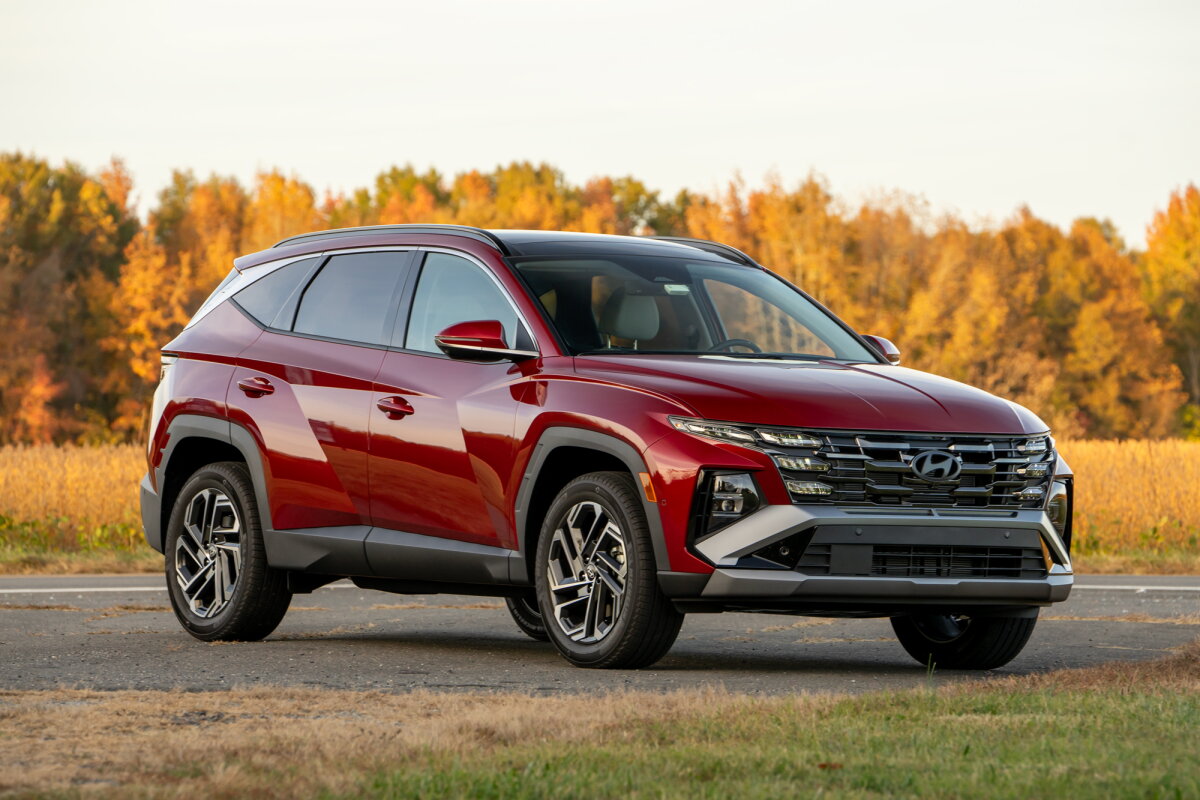
12. Hyundai Tucson
The Hyundai Tucson closes the list with a practical combination of a relatively low crossover body and a large cargo compartment.
Hyundai’s U.S. specifications put the standard 2026 Tucson at 65.6 inches tall with front-wheel drive and 66.3 inches with all-wheel drive. Ground clearance is 7.1 inches for front-wheel-drive versions and 8.3 inches for AWD models.
The cargo numbers are particularly strong for a compact SUV. Hyundai lists 41.2 cubic feet of maximum cargo volume behind the second row and 80.3 cubic feet behind the first row, although its SAE figures are 38.7 and 74.8 cubic feet, respectively.
That distinction is worth noting because cargo-volume figures can vary according to the measurement standard used. Using the SAE figures provides a more conservative comparison, while Hyundai’s maximum figures show the additional space available under its own measurement method.
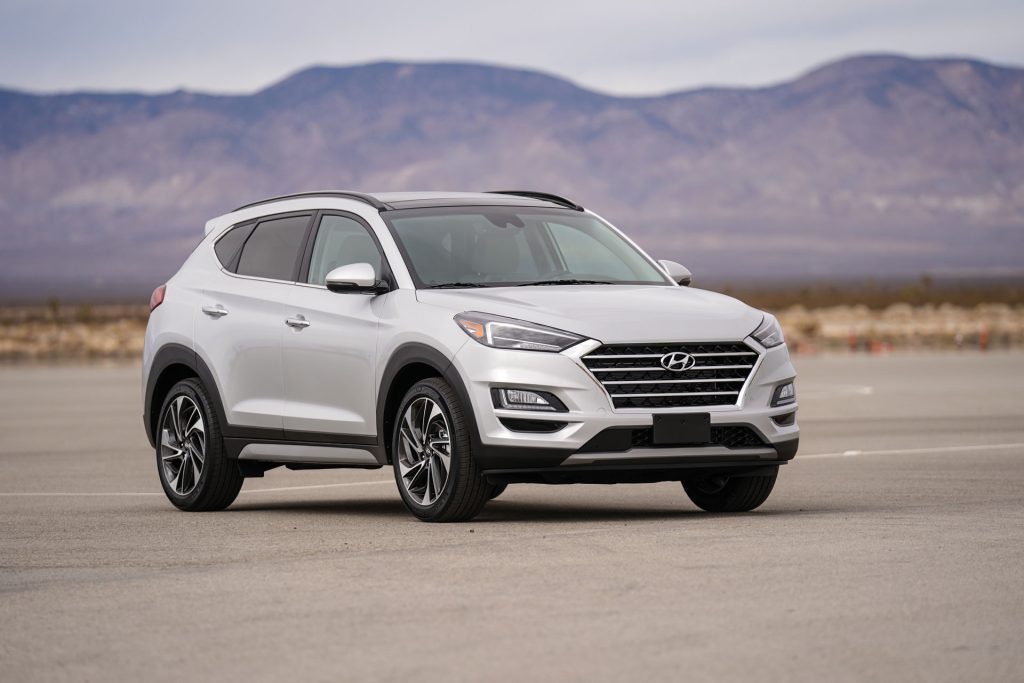
Hyundai does not officially publish the Tucson’s rear lift-over height, and Cars.com and Car and Driver do not provide a verified measurement for the U.S. model. Instead of estimating an unsupported figure, buyers can refer to the vehicle’s published dimensions and cargo capacity to assess its practicality for loading and carrying luggage.
At 182.7 inches long and 73.4 inches wide, the Tucson remains a manageable-size crossover while offering considerably more cargo volume than its exterior footprint might suggest.
That makes the Tucson a sensible final choice for buyers who regularly load luggage, household supplies, or recreational equipment but do not want the bulk of a larger SUV. Its relatively low body, modest ground clearance on FWD versions, and generous cargo capacity give it a practical, loading-focused design.