
A cheap used luxury car can look like a bargain until the first serious repair bill arrives. Depreciation can push expensive vehicles into surprisingly low price brackets, but the mechanical complexity that made them desirable when new does not disappear with age.
Air suspension, turbocharged engines, sophisticated electronics, advanced transmissions, and expensive replacement parts can turn an inexpensive purchase into a costly ownership decision.
For buyers shopping in the U.S. used-car market, the danger is especially noticeable with older luxury sedans and SUVs. These seven vehicles illustrate how purchase price and repair affordability can move in completely different directions.
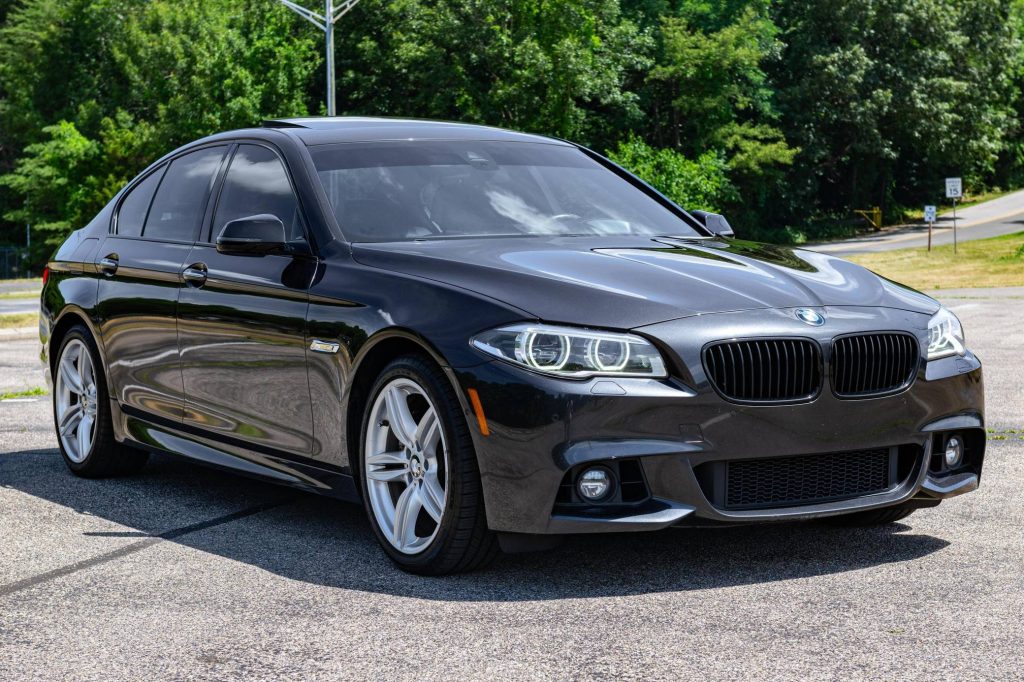
1. BMW 550i
The BMW 550i is a classic example of a used car whose purchase price can fall dramatically while its repair bills remain firmly in luxury-car territory. RepairPal gives the 550i a 1.5 out of 5 reliability rating and reports average annual repair and maintenance costs of $1,046.
More concerning for a bargain hunter, 25% of reported repairs are classified as severe, compared with 14% for the average luxury full-size car. Owners also average 1.1 unscheduled repair visits per year.
The numbers become more intimidating when looking at older V8-powered examples. The 550i was sold with a 4.4-liter twin-turbocharged V8 in later generations, producing substantial power but also relying on complicated cooling, turbocharging, fuel delivery, and electronic systems.
Age makes these components particularly important because a car that once cost tens of thousands of dollars more than a mainstream sedan can now be purchased for a fraction of its original price.
The problem is not that every 550i will become a financial disaster. A carefully maintained example with comprehensive service records can be a completely different proposition from a neglected one. The issue is the relationship between the car’s used value and the cost of major repairs.
A buyer might find an older 550i at an attractive price, only to discover that several thousand dollars in repairs can represent a substantial percentage of the vehicle’s market value. That is where the 550i becomes risky. Its performance remains appealing, but the economics can quickly favor walking away rather than repairing a worn-out example.
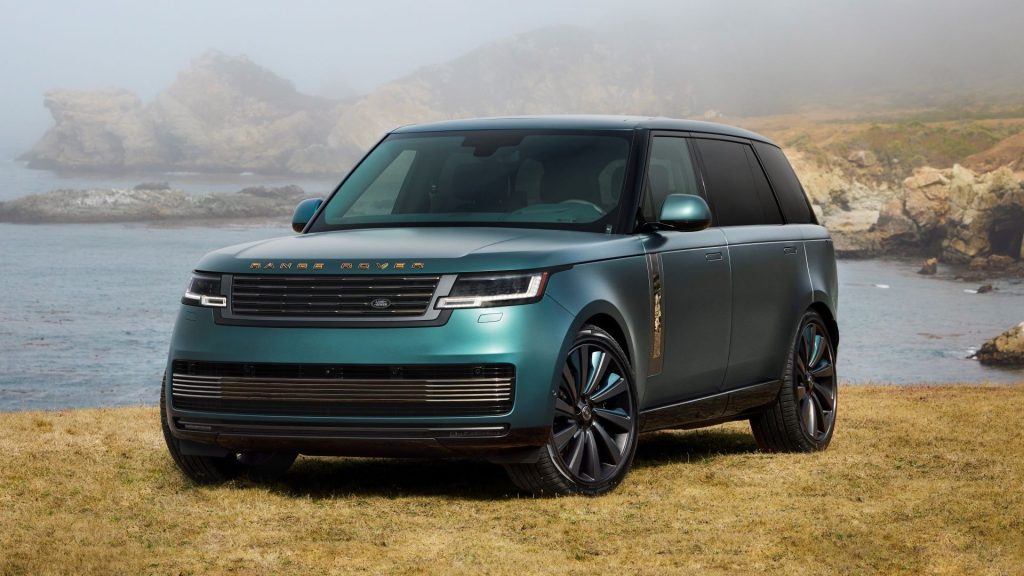
2. Land Rover Range Rover
Few luxury SUVs demonstrate the used-car repair problem more clearly than the Range Rover. The combination of depreciation, complicated hardware, and premium repair requirements can create a situation where an older example looks affordable in advertisements but becomes considerably more expensive once mechanical problems appear.
RepairPal currently rates the Range Rover at 2.0 out of 5.0 for reliability. Its reported average annual repair and maintenance cost is $1,258, compared with $1,127 for luxury full-size SUVs and $652 across all vehicle models. RepairPal also records a 19% probability of a repair being classified as severe.
The financial problem becomes even clearer when depreciation enters the equation. iSeeCars’ 2026 study of more than 950,000 five-year-old used vehicles found that the Range Rover had depreciated by 61.7%, representing an average loss of $69,856 from its original MSRP.
That means an expensive vehicle can lose enormous value while its sophisticated mechanical systems remain expensive to service.
Range Rovers combine luxury equipment with systems such as air suspension, advanced four-wheel-drive hardware, electronically controlled features, and powerful engines.
When everything works, that technology is a major part of the appeal. When multiple systems age simultaneously, however, the repair bill can become disproportionate to what the vehicle is worth.
The important distinction is that an inexpensive Range Rover is not necessarily an inexpensive vehicle to own. The purchase price may be low precisely because the market already accounts for its depreciation.
A buyer who has limited funds for unexpected repairs could therefore spend less upfront but face considerably greater financial exposure later.
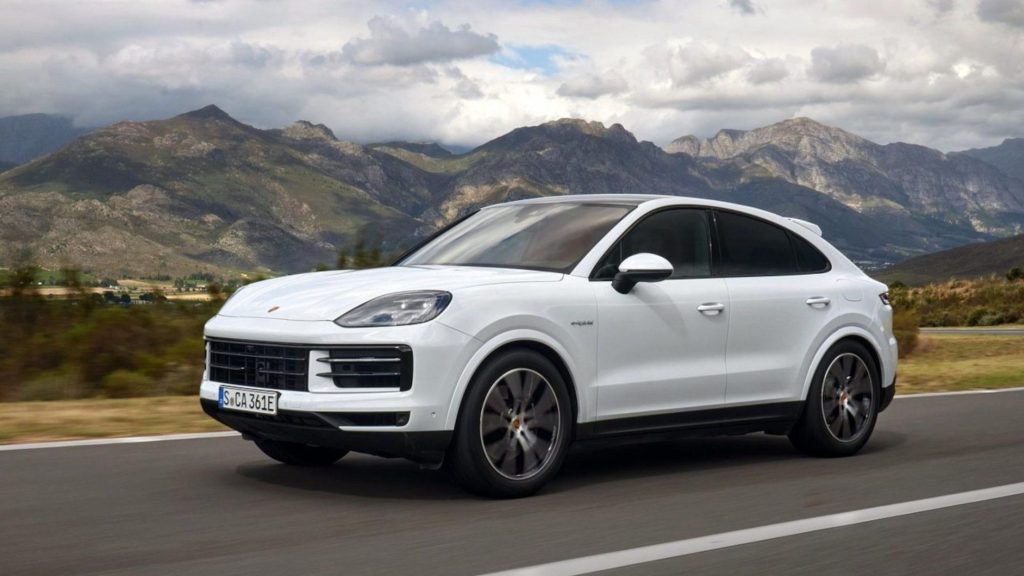
3. Porsche Cayenne
The Porsche Cayenne can be one of the most tempting luxury SUVs on the used market because depreciation places genuine Porsche engineering within reach of buyers who could never afford a new example. That low entry price, however, should not be confused with low ownership costs.
RepairPal gives the Cayenne a 1.5 out of 5.0 reliability rating and places it 14th out of 14 luxury midsize SUVs in its current reliability ranking. Its average annual repair and maintenance cost is $1,231, compared with $807 for the luxury midsize SUV category and $652 across all vehicles.
RepairPal also reports that both repair frequency and severity are higher than the category averages.
The potential mismatch becomes obvious when the repair estimates involve major components. Current RepairPal estimates for a Cayenne include roughly $4,068 to $5,074 for a camshaft replacement and about $2,602 to $3,687 for an alternator replacement, although actual prices vary by location, model year, and repair facility.
Those figures can be manageable for a newer Cayenne owned by someone who budgets appropriately for Porsche maintenance. They become a different proposition when an older vehicle is worth only a fraction of its original price.
The Cayenne’s appeal is easy to understand. It combines strong engines, excellent road manners, and genuine performance with SUV practicality. But buying one cheaply does not eliminate the engineering complexity associated with a premium vehicle.
That is the key warning for used shoppers. A $15,000 Cayenne does not have $15,000 in car repair costs. A major mechanical failure can consume a significant share of the vehicle’s market value, making a pre-purchase inspection and documented service history essential before committing to an older example.
4. Jaguar XJ
The Jaguar XJ is another luxury sedan that can become remarkably inexpensive on the used market while retaining the maintenance expectations of a premium flagship.
Its combination of elegant styling, strong engines, and sophisticated equipment makes it attractive to buyers searching for an affordable luxury car, but its financial equation changes when major repairs enter the picture.
RepairPal gives the XJ a 2.5 out of 5.0 reliability rating and ranks it 19th among 30 luxury full-size cars. The site’s data puts average annual repair and maintenance costs at $1,232, versus $976 for the luxury full-size category and $652 for all vehicle models.
The probability of a severe repair is reported at 16%, compared with 14% for the category and 12% for all vehicles.
The XJ also illustrates why an inexpensive used luxury car can be misleading. Its aluminum-intensive construction, sophisticated suspension systems, electronics, and premium powertrains helped make it competitive with far more expensive German rivals when new. Those same systems can become expensive as the car ages.
RepairPal’s data also shows that XJ owners average 0.5 unscheduled repair visits annually. That figure does not suggest constant breakdowns, but the severity and cost of individual repairs matter just as much as how frequently problems occur.
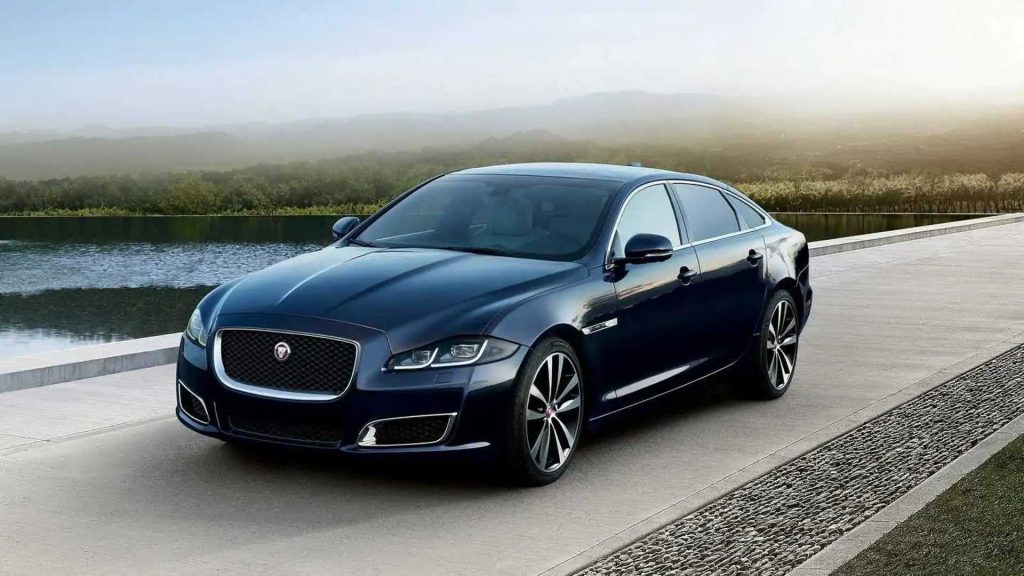
For a buyer looking at an older XJ, the purchase price should therefore be only one part of the calculation. A low-priced example with incomplete maintenance records can become a poor bargain if suspension, electronic, or engine-related work arrives soon after purchase.
The XJ makes sense for someone who deliberately wants an older British luxury sedan and has money set aside for maintenance. It becomes much harder to justify when the buyer’s entire budget is tied up in acquiring the car itself.
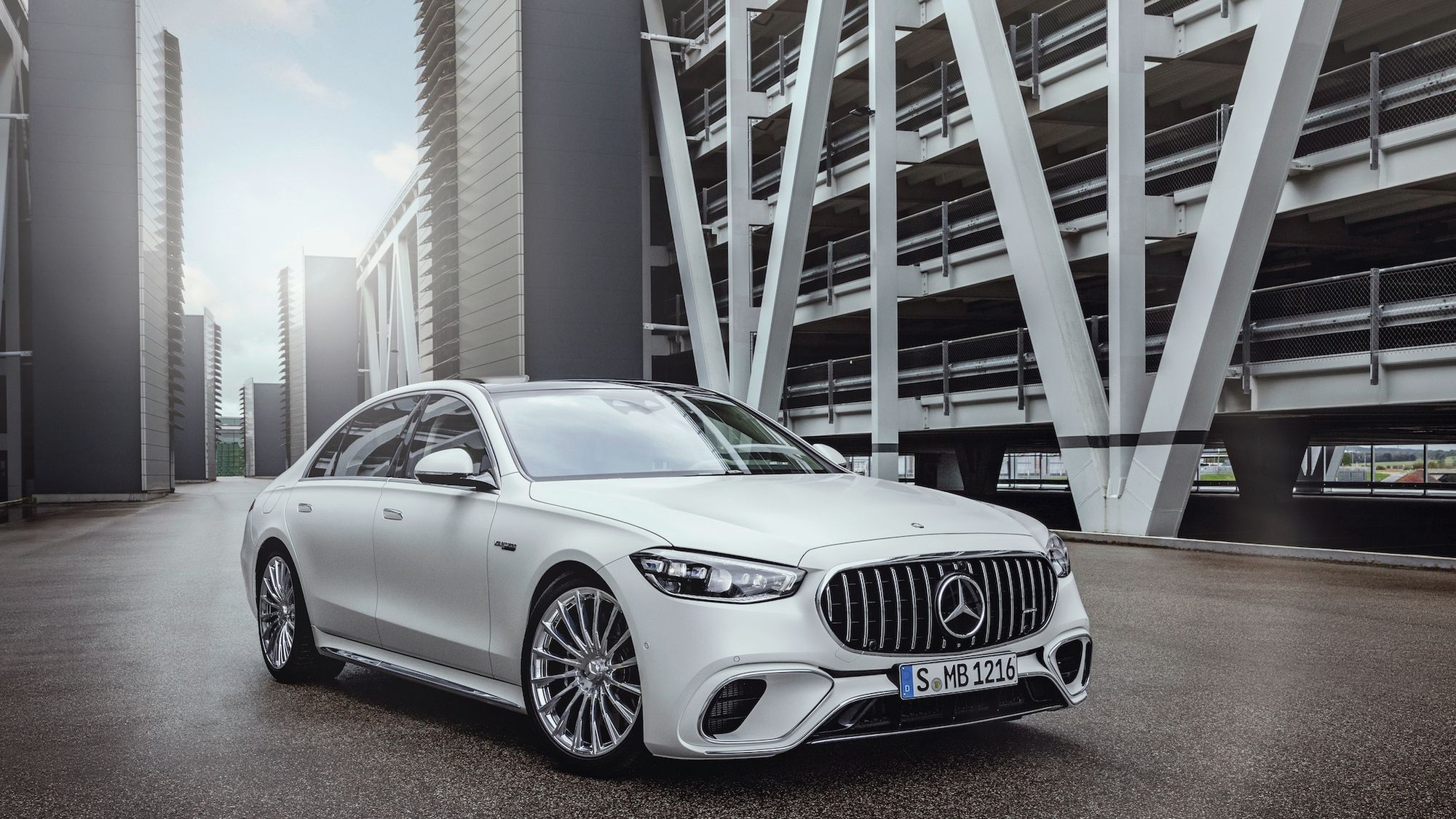
5. Mercedes-Benz S550
The Mercedes-Benz S550 demonstrates the problem from another angle. The flagship sedan delivers extraordinary technology, comfort, and performance, but those features were expensive to engineer when new and can remain expensive to maintain years later.
RepairPal rates the S550 at 2.0 out of 5.0, placing it 25th among 30 luxury full-size cars. The reported average annual repair and maintenance cost is $1,249, substantially above the $652 average across all vehicles.
RepairPal also reports that S550 owners average one unscheduled repair visit per year, compared with 0.8 for the luxury full-size category and 0.4 across all vehicles.
The most revealing figure may be repair severity. RepairPal estimates that 20% of S550 repairs are classified as severe, compared with 14% for the average luxury full-size car and 12% across all vehicles.
An older S-Class can be particularly deceptive because its used price can make the car appear comparable with mainstream vehicles. It is not.
The S-Class was designed as a technology showcase, with extensive electronics, sophisticated suspension, and numerous comfort systems. A failure involving one of those systems can require specialized diagnosis and expensive components.
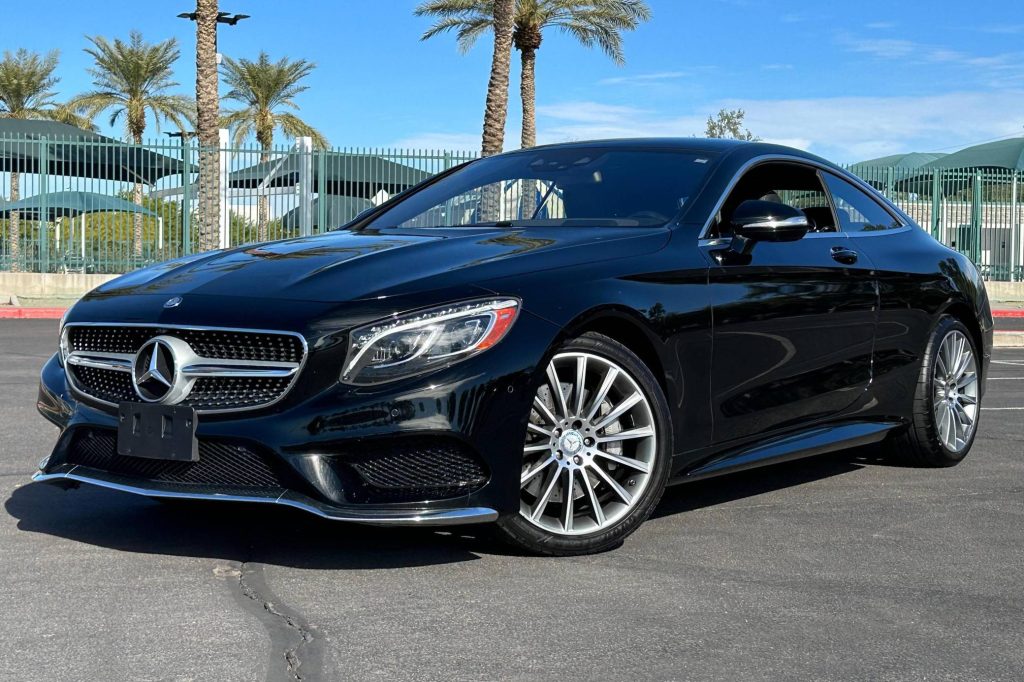
That does not mean every S550 should be avoided. A well-maintained car with strong records can still provide an exceptional driving experience. The concern is for buyers who stretch their entire budget to purchase one.
A useful rule is to think about the S550 as a depreciated flagship rather than an inexpensive luxury sedan. The market may have reduced its purchase price dramatically, but it has not reduced the complexity of the car. If the buyer cannot comfortably absorb a major repair, the apparent bargain can quickly disappear.
6. Audi A8
The Audi A8 is another sedan where used prices can fall much faster than repair expectations. Its combination of aluminum construction, sophisticated electronics, powerful engines, and advanced suspension technology helped establish it as an alternative to the Mercedes-Benz S-Class and BMW 7 Series.
These characteristics can also make an older A8 expensive to own. RepairPal does not currently provide a model-specific reliability rating for the A8, citing insufficient data to produce statistically meaningful results. However, vehicles in the luxury full-size category average $976 per year in maintenance and repair expenses.
RepairPal does, however, provide model-specific repair estimates. Examples include approximately $1,394 to $1,893 for an HVAC air-door actuator, $1,391 to $1,448 for a power-seat switch and $2,433 to $2,846 for a rack-and-pinion replacement.
These are estimates and can vary by location and repair facility, but they demonstrate how individual failures can quickly become expensive.
The A8’s depreciation makes the issue more significant. iSeeCars’ 2026 data places the Audi A8 L among the 25 vehicles with the highest five-year depreciation, at 57.6%, with an average difference of $54,824 from original MSRP.
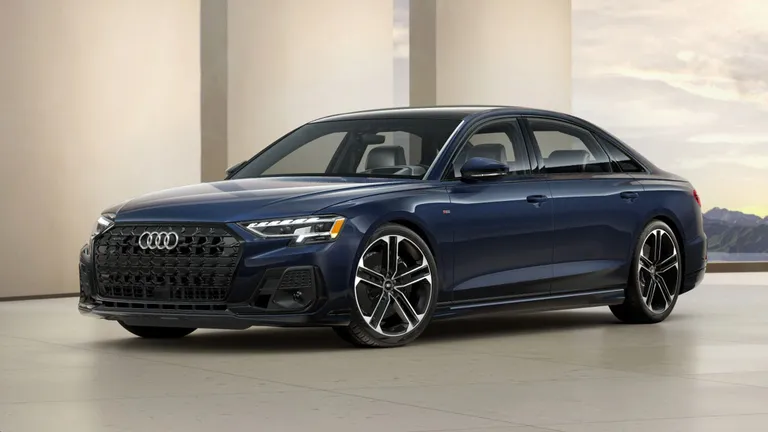
That combination creates the classic used-luxury trap. A buyer can acquire an impressive flagship for far less than its original price, yet the replacement parts and specialized labor remain associated with an expensive German luxury sedan.
For someone buying an A8 as a carefully maintained enthusiast car, that may be acceptable. For someone simply looking for cheap transportation, the financial equation is considerably less attractive.
7. BMW 7 Series
The BMW 7 Series rounds out the list because it combines steep depreciation with the mechanical and electronic complexity expected from a flagship sedan. The 7 Series has historically served as BMW’s technology leader, meaning buyers receive advanced features that can become expensive liabilities once the car gets older.
RepairPal’s current BMW data gives the brand a 2.5 out of 5.0 reliability rating, with average annual repair and maintenance costs of $968. BMW owners average about 0.9 unscheduled repair visits per year, compared with 0.4 across all vehicle models, and 15% of repairs are classified as severe.
The depreciation side is even more revealing. iSeeCars’ 2026 study ranks the BMW 7 Series sixth among the vehicles with the highest five-year depreciation. It reports a 61.6% depreciation rate and an average $61,141 difference from original MSRP.
That creates a potentially dangerous gap between what the car costs to buy and what it costs to maintain. A heavily depreciated 7 Series can look like a bargain beside a new luxury sedan, but the car’s original positioning has not changed.
Components such as sophisticated suspension systems, electronics, turbocharged engines and advanced comfort equipment can still require premium-level repairs.
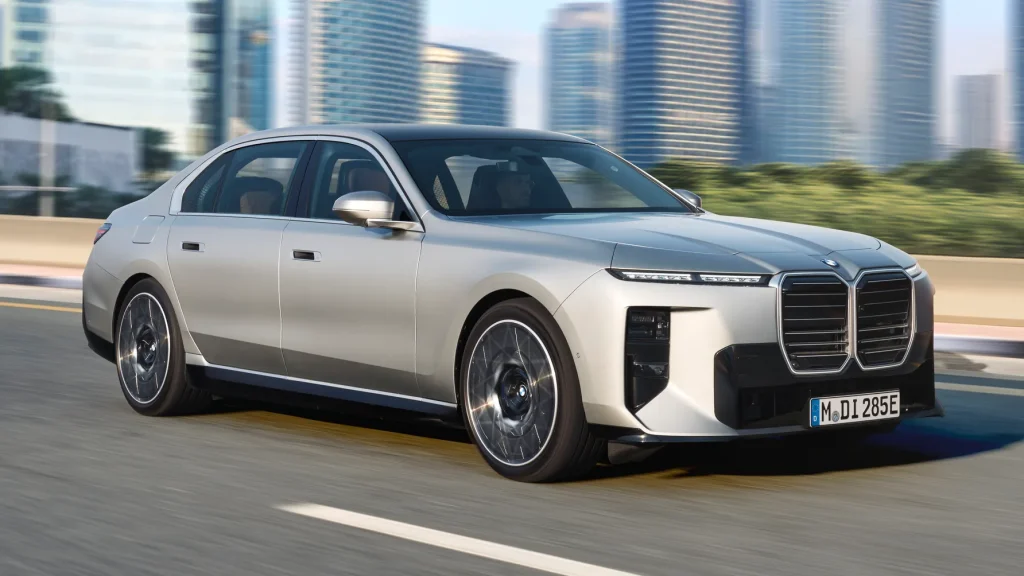
This is particularly important with older examples that have been purchased by several owners. A neglected flagship can accumulate deferred maintenance, and the next owner may inherit every postponed repair at once.
The 7 Series can make sense when purchased with a complete service history and a dedicated maintenance budget. Without those safeguards, its low used price can be misleading.
The car may be cheap to buy precisely because depreciation has already removed much of its original value, while its repair bills continue to reflect the engineering complexity of a flagship BMW.
