Building a car company is difficult enough, but keeping control of one can be even harder. In the early automotive industry, founders often depended on investors, bankers, and business partners to finance rapid expansion.
That created situations where the people who created a brand could eventually lose control of it. Some were forced out after financial problems, others clashed with investors or corporate boards, while a few lost authority after larger companies acquired their businesses.
These stories reveal a recurring pattern in automotive history. Building a successful car company and maintaining control of it for life are two very different achievements.
1. William C. Durant
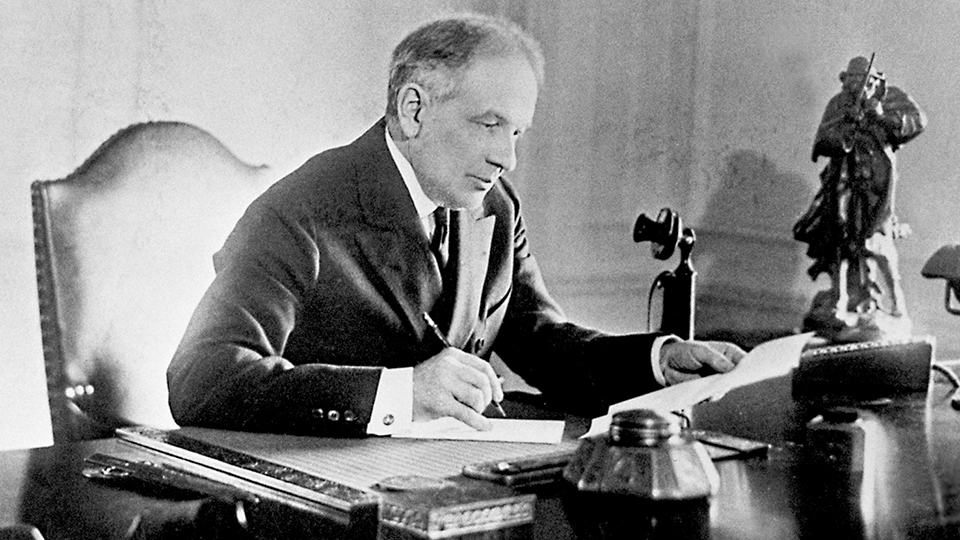
William C. Durant’s relationship with General Motors may be the most dramatic example of a founder losing control of his own automotive empire.
Durant founded General Motors in 1908 after building Buick into a major automobile manufacturer and using it as the foundation for a larger group of brands. Within a short period, GM had acquired companies including Oldsmobile and Cadillac.
The aggressive expansion created enormous financial exposure. By 1910, Durant had lost control of GM to a banker’s trust after the company’s acquisition strategy left it carrying substantial debt. The Detroit Historical Society records that Durant lost control of the company in 1910 and left the firm.
Durant did not simply disappear from the industry. After leaving GM, he partnered with racing driver Louis Chevrolet and helped establish Chevrolet Motor Company in 1911. Chevrolet’s sales eventually provided Durant with the financial leverage to regain control of General Motors in 1916.
GM’s own historical account confirms that Durant returned to the presidency after Chevrolet became successful.
His second tenure ended in 1920. A postwar economic downturn damaged the company’s finances, while Durant had accumulated substantial personal exposure through stock purchases.
GM’s own history states that Durant eventually resigned completely from the corporation after being bailed out, marking the second time he had lost control of the company he founded.
Durant then established Durant Motors, but the company eventually failed during the Great Depression. His career shows how the founder of one of America’s largest automakers could lose his company twice through financial and governance pressures.
2. Ransom E. Olds
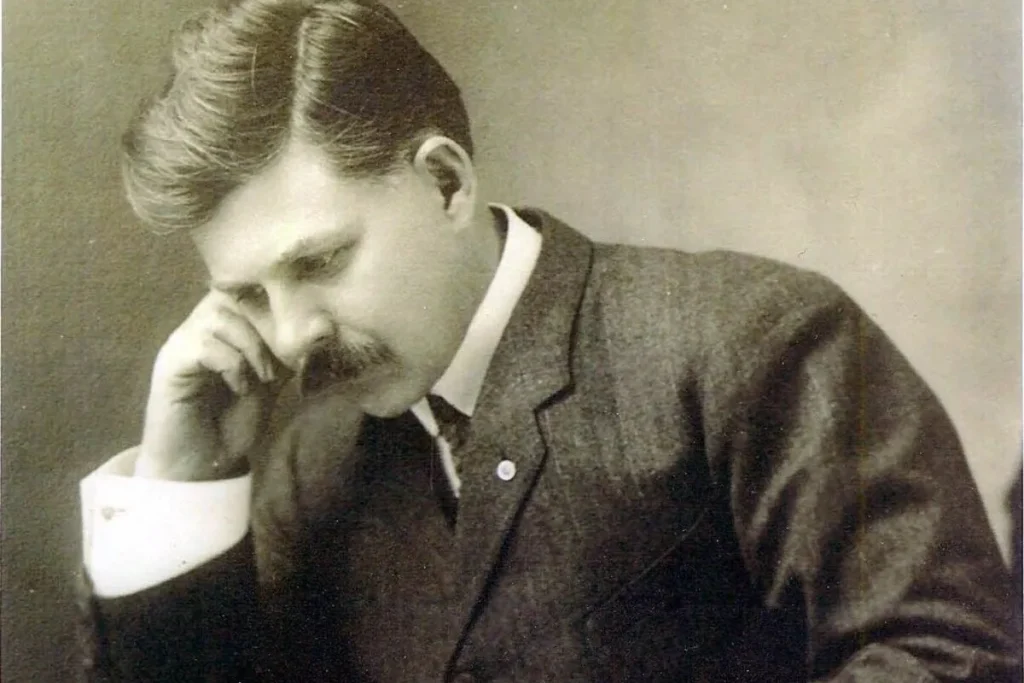
Ransom E. Olds created Oldsmobile, but the company that carried his name eventually became an example of how investors could overpower a founder. Olds established the Olds Motor Vehicle Company and became associated with the Curved Dash Oldsmobile, one of the earliest mass-produced American automobiles.
The Curved Dash was successful enough to make Olds an important figure in the young automobile industry. The trouble came when Olds clashed with controlling investor Samuel Smith and Smith’s sons over the direction of Olds Motor Works.
The disagreement was not simply personal. It involved the company’s products, production strategy, and Olds’ preferred approach to manufacturing.
In 1904, the conflict reached its conclusion. Christie’s historical description of an early REO identifies Olds as being forced out of Olds Motor Works by its controlling stockholders. Once removed from the company bearing his name, he could no longer use “Olds” on a new automobile business.
Olds responded in a remarkably direct way. In August 1904, he founded the R.E. Olds Motor Car Company and soon adopted the abbreviation REO. The initials allowed him to continue building automobiles without violating the ownership of the Olds name held by his former company.
REO eventually became a significant American manufacturer in its own right. Olds remained active in the business for years before withdrawing from active management in 1912.
His story is unusual because being pushed out did not end his automotive career. Instead, Olds created a second manufacturer using his own initials. The episode also shows why early automobile founders could be vulnerable when outside investors controlled the capital and voting power behind rapidly expanding companies.
3. Henry M. Leland, Lincoln Motor Company
Henry M. Leland had already established himself as one of Detroit’s most important engineers before he created Lincoln Motor Company. In 1917, he and his son Wilfred founded Lincoln to produce Liberty aircraft engines for the U.S. government during World War I.
After the war, the company turned its attention to luxury automobiles, eventually introducing the Lincoln Model L in 1920. The engineering was highly regarded, but the business struggled with production problems, conservative styling, and weak finances.
By 1922, Lincoln had entered receivership with nearly $8 million owed to creditors. Henry Ford purchased the company for $8 million, with the money going toward the principal creditors. The Lelands expected to remain involved in running the company, but their relationship with Ford management deteriorated rapidly.
The Henry Ford Museum records that Ford initially retained Henry and Wilfred Leland, but the arrangement lasted only a few months because of strong personality conflicts.
The final break came in June 1922. According to the National Park Service, Ford’s management and the Lelands clashed over how Lincoln should be operated, and both Henry and Wilfred were dismissed within months of the acquisition.
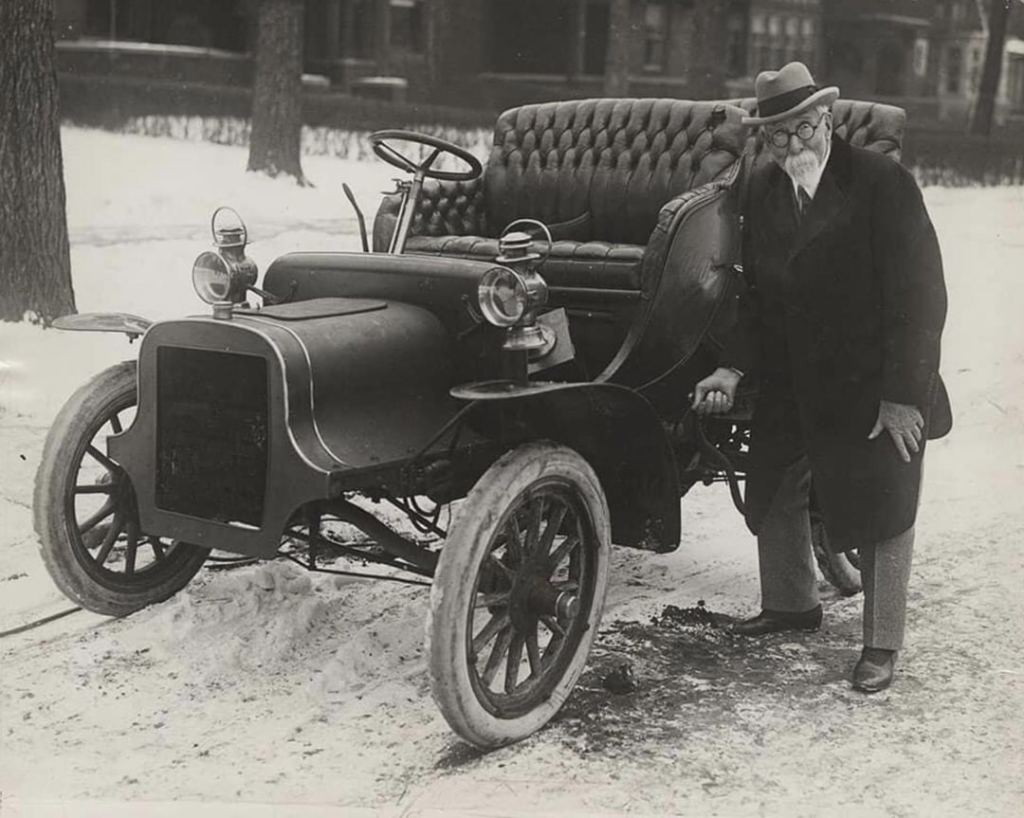
That made Leland another founder who lost control of a company bearing his own vision after financial difficulties opened the door to a larger automaker.
The irony is that Leland’s departure did not mean Lincoln disappeared. Ford transformed the company into one of America’s defining luxury brands, while Leland’s reputation remained tied to precision engineering and the creation of both Cadillac and Lincoln.
4. Kiichiro Toyoda, Toyota Motor Company
Kiichiro Toyoda’s departure from Toyota was dramatically different from the corporate takeover experienced by Henry Leland. Toyoda was the driving force behind Toyota’s move into automobile manufacturing and became president of Toyota Motor Company.
Yet only a few years after World War II, the company was facing a severe financial and labor crisis that ultimately ended his leadership.
The situation became critical in 1950. Rising raw-material costs collided with weak vehicle pricing, while Toyota’s financial position deteriorated.
Toyota’s own historical record states that the company recorded a loss of about ¥76.52 million during the four-and-a-half-month accounting period ending March 31, 1950. Management then proposed major restructuring measures, including significant workforce reductions.
Workers responded with a prolonged labor dispute over the proposed layoffs. The conflict lasted roughly two months and placed additional pressure on a company already struggling financially.
On May 25, Toyoda announced that he accepted responsibility for the labor dispute and would resign. He formally stepped down on June 5, 1950, with Taizo Ishida eventually taking over the presidency.
Calling Toyoda simply “fired” would miss an important part of the story. His resignation was an acceptance of responsibility during a corporate crisis rather than a straightforward boardroom dismissal.
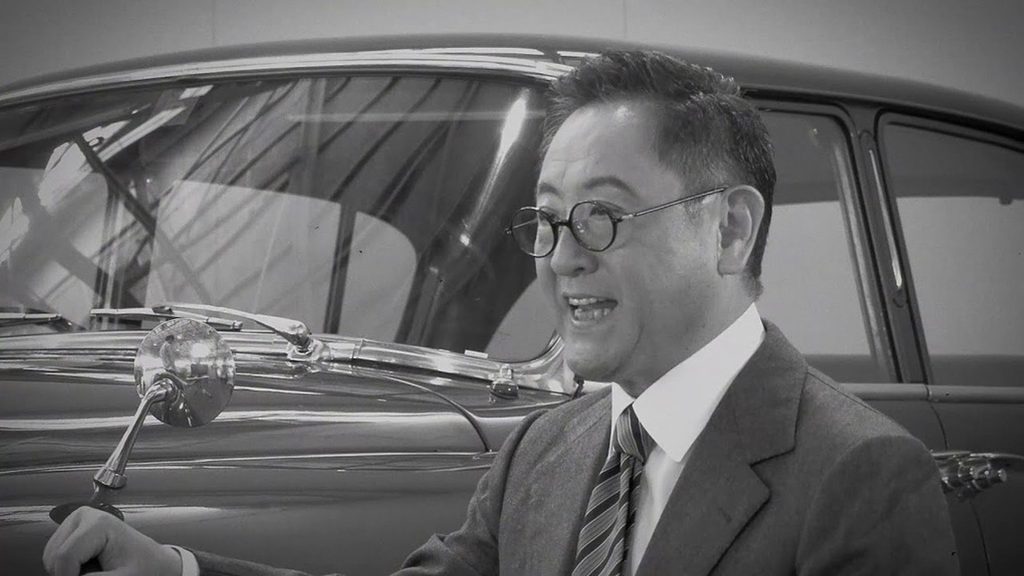
Still, the result was unmistakable. The founder who had pushed Toyota into automobile manufacturing was forced to give up the company’s top leadership role during one of its darkest periods after the war.
Toyota survived the crisis, and its subsequent growth became one of the most remarkable transformations in automotive history.
5. David Buick, Buick Motor Company
David Dunbar Buick’s name became one of the most recognizable badges in American automotive history, but the man behind it did not remain in control of the company for long.
Buick founded the Buick Motor Company in 1903 after developing gasoline engines and working with engineers on the overhead-valve technology that would eventually help distinguish his automobiles. The company, however, needed substantial financial backing to turn Buick’s engineering ideas into a viable production business.
That dependence on outside money gradually weakened Buick’s position. The company moved from Detroit to Flint in 1903 after financial interests became involved, and James H. Whiting’s group took an increasingly important role in the business.
Production remained small at first, with only 37 cars built during 1904, but the engineering reputation of Buick’s vehicles helped attract further investment. William C. Durant became involved and eventually took over management of the company in 1904.
By 1906, Buick had lost control of the company and sold his remaining stock. That distinction matters because the historical record does not show a simple boardroom firing.
Instead, Buick’s influence disappeared as financial and managerial interests surrounding the rapidly expanding company became more powerful. History records that the shares he sold would later have been worth millions.
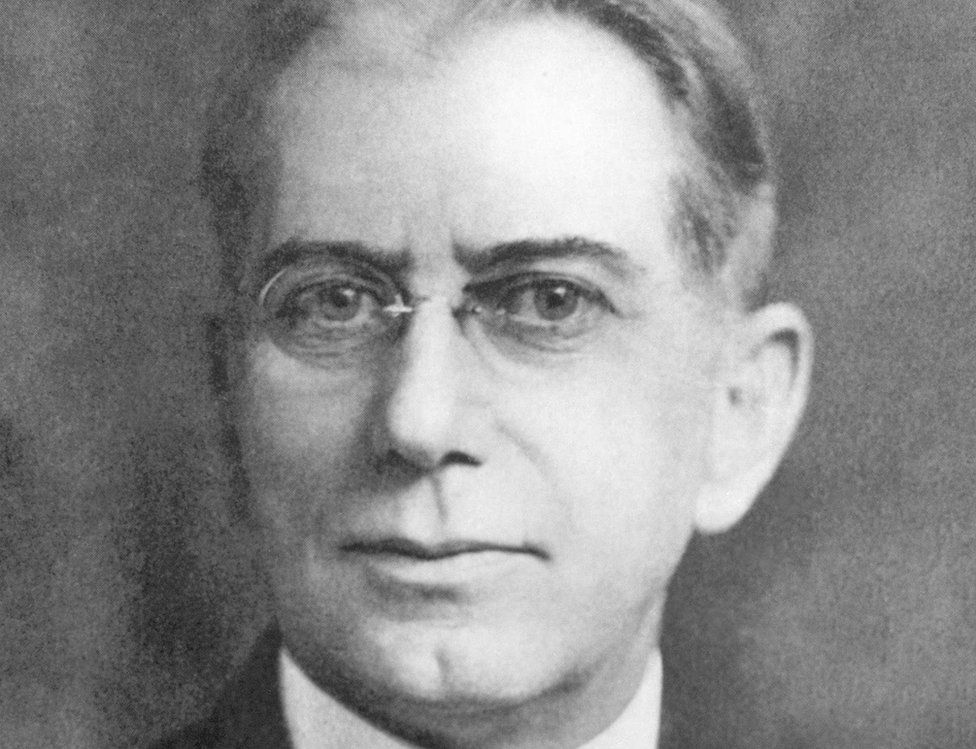
The irony was extraordinary. Buick lost his company before it reached its most important stage. In 1908, Durant used Buick as the foundation for General Motors, making the Buick operation the cornerstone of a much larger automotive empire.
Buick himself received little of the lasting financial reward associated with the brand that carried his name. He died in 1929 in relative obscurity and poor financial circumstances, despite having created one of America’s oldest surviving automotive nameplates.
6. Louis Chevrolet, Chevrolet Motor Company
Louis Chevrolet presents a slightly different version of the founder-losing-control story because his departure came from a fundamental disagreement over what his company should build.
Chevrolet was an accomplished racing driver and engineer when he teamed up with William C. Durant to establish the Chevrolet Motor Company in 1911. The business initially reflected Chevrolet’s preference for powerful, prestigious automobiles rather than inexpensive transportation.
The partnership began changing as Durant recognized an opportunity to challenge Ford with cheaper vehicles. Durant wanted Chevrolet to become a mass-market brand, while Chevrolet favored automobiles that emphasized performance and engineering.
The disagreement became increasingly difficult to reconcile, particularly as Durant shifted the company’s product strategy toward more affordable models.
Chevrolet eventually left the company and sold his stock. The Indianapolis Motor Speedway Museum records that Chevrolet and his brother Arthur left over a disagreement and sold their shares.
GM’s own historical material similarly explains that Durant’s decision to move Chevrolet toward economical transportation contributed to Louis Chevrolet’s departure.
The split proved particularly significant because Chevrolet’s name remained attached to a company he no longer controlled.
Durant’s strategy produced the inexpensive Model 490 and helped Chevrolet become an important part of his campaign to regain control of General Motors. GM eventually absorbed Chevrolet into its corporate structure in 1918.
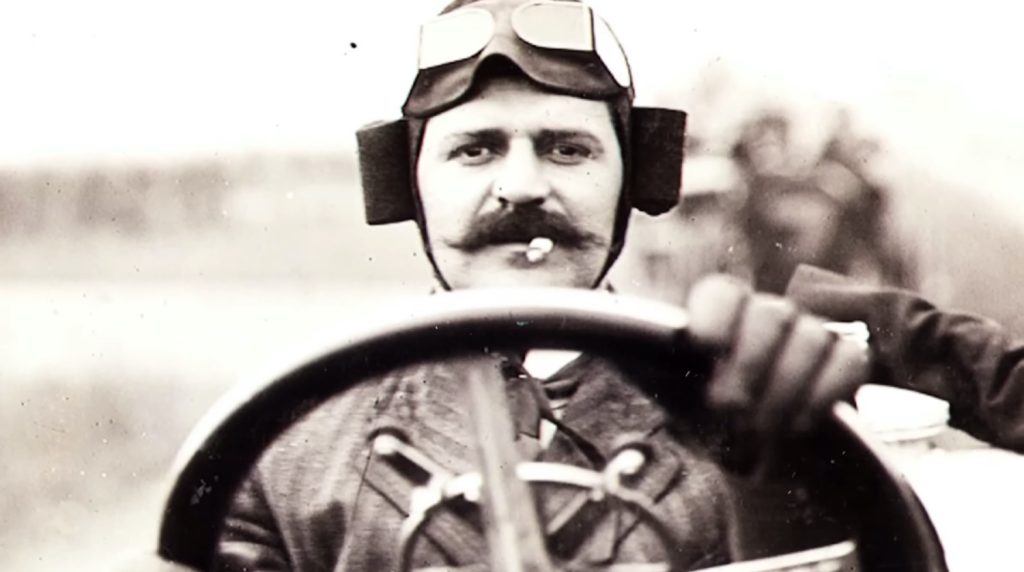
Chevrolet’s story is therefore less about being formally fired and more about losing his position in a company whose direction had moved away from his original vision. He retained his identity as an engineer and racing pioneer, but the brand bearing his surname grew into a massive American automaker without him at the wheel.
7. The Studebaker Family, Studebaker Corporation
The Studebaker story began long before the family entered the automobile business. In 1852, brothers Henry and Clement Studebaker opened a blacksmith shop in South Bend, Indiana.
John Mohler Studebaker later joined the business and became one of the key figures behind its enormous growth as a wagon and carriage manufacturer. By the late 19th century, Studebaker had become one of America’s leading makers of horse-drawn vehicles.
The family’s transition into automobiles initially looked successful. Studebaker entered the automobile market with electric vehicles in 1902 and gasoline-powered cars in 1904.
It also developed partnerships and acquisitions involving Garford and the Everitt-Metzger-Flanders company as it built the manufacturing capacity needed to compete in the rapidly changing automotive market.
The problem was that expansion required capital, and capital changed who held real power. In 1893, the company had already been reorganized into a modern corporation through the efforts of John Studebaker’s son-in-law, Frederick Fish.
That restructuring shifted significant authority away from the family toward investors represented on a new board of directors. The Studebaker family remained important, but it no longer possessed the same control it had enjoyed in the original family business.
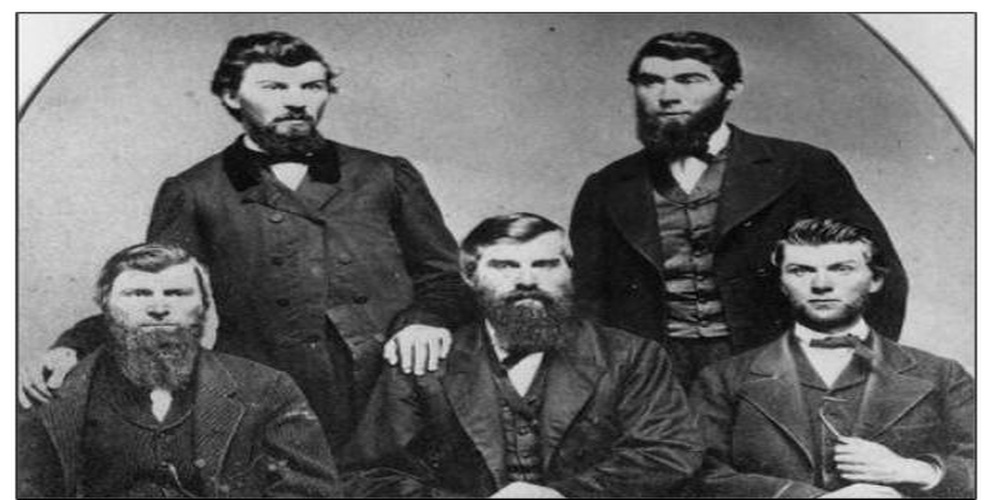
The decisive change came in 1911, when Studebaker combined with the Everitt-Metzger-Flanders Company to create the Studebaker Corporation. Historical accounts describe the restructuring as the point when the Studebaker family was pushed out of any significant operating role.
John Mohler Studebaker remained chairman of the board, but decision-making increasingly rested with management and a board influenced by financial interests.
Studebaker continued producing cars for decades, showing that the family did not have to remain in control for the brand to survive. But that is what makes its story notable. The people who built the original Studebaker empire ultimately watched outside financial interests gain control over the company’s automotive future.