Driver assistance technology has changed how modern cars handle highway travel, traffic jams, lane keeping, and emergency situations. These systems can reduce driver workload, but they do not replace an attentive person behind the wheel.
The Insurance Institute for Highway Safety, or IIHS, has tested several partial automation systems based on how well their safeguards encourage drivers to remain engaged. This ranking places 12 systems according to their IIHS safeguard performance, from stronger ratings to weaker results.
The grades focus on driver monitoring, attention reminders, operating limits, warnings, and other protections that help prevent misuse of automated driving technology.
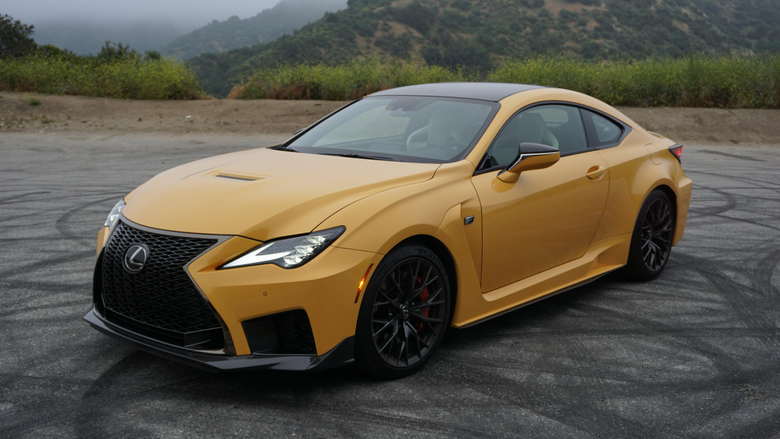
1. Lexus Teammate Advanced Drive
Lexus Teammate Advanced Drive stands at the top of the IIHS safeguard rankings with a Good rating. The system illustrates the importance of combining automation with effective driver monitoring. It is designed for use under specific conditions and provides assistance with steering, acceleration, braking, and other highway-driving tasks.
The driver remains responsible for supervising the vehicle, and the safeguards are intended to reinforce that responsibility rather than encourage the driver to treat the vehicle as fully autonomous.
A major strength of the system is its approach to driver attention. Effective monitoring helps determine whether the person behind the wheel is paying attention to the road instead of merely touching the steering wheel.
This distinction is critical because partial automation can make it tempting for motorists to divert their attention. A system that recognizes visual inattention can react more appropriately than a system that relies solely on detecting hand position. The purpose is not to punish distraction but to intervene before a lapse becomes dangerous.
The system also benefits from clear operating boundaries. Drivers need to understand when automation is available and when they must take direct control.
Such restrictions help prevent situations in which a person assumes that the technology will manage a road condition it was never designed to handle. IIHS gives strong consideration to these limitations because responsible automation depends as much on communication as it does on vehicle control.
A Good safeguard grade also indicates that the system addresses several potential weaknesses associated with partial automation. Warnings need to be timely, noticeable, and meaningful. If a driver ignores repeated prompts, the vehicle needs a strategy for escalating its response.
These measures create a safety layer around the driving assistance function. The technology is still not a substitute for an attentive driver, but its safeguards are designed to make misuse harder.
For consumers, the Lexus result shows why the details behind driver assistance deserve attention. A long list of automated driving features does not automatically mean a vehicle has strong protection against driver misuse.
Teammate Advanced Drive demonstrates that driver monitoring, warnings, operating restrictions, and escalation procedures can work together as part of a broader safety strategy. Its Good rating places it ahead of systems that may offer similar highway assistance but provide weaker protection when the driver stops paying attention.
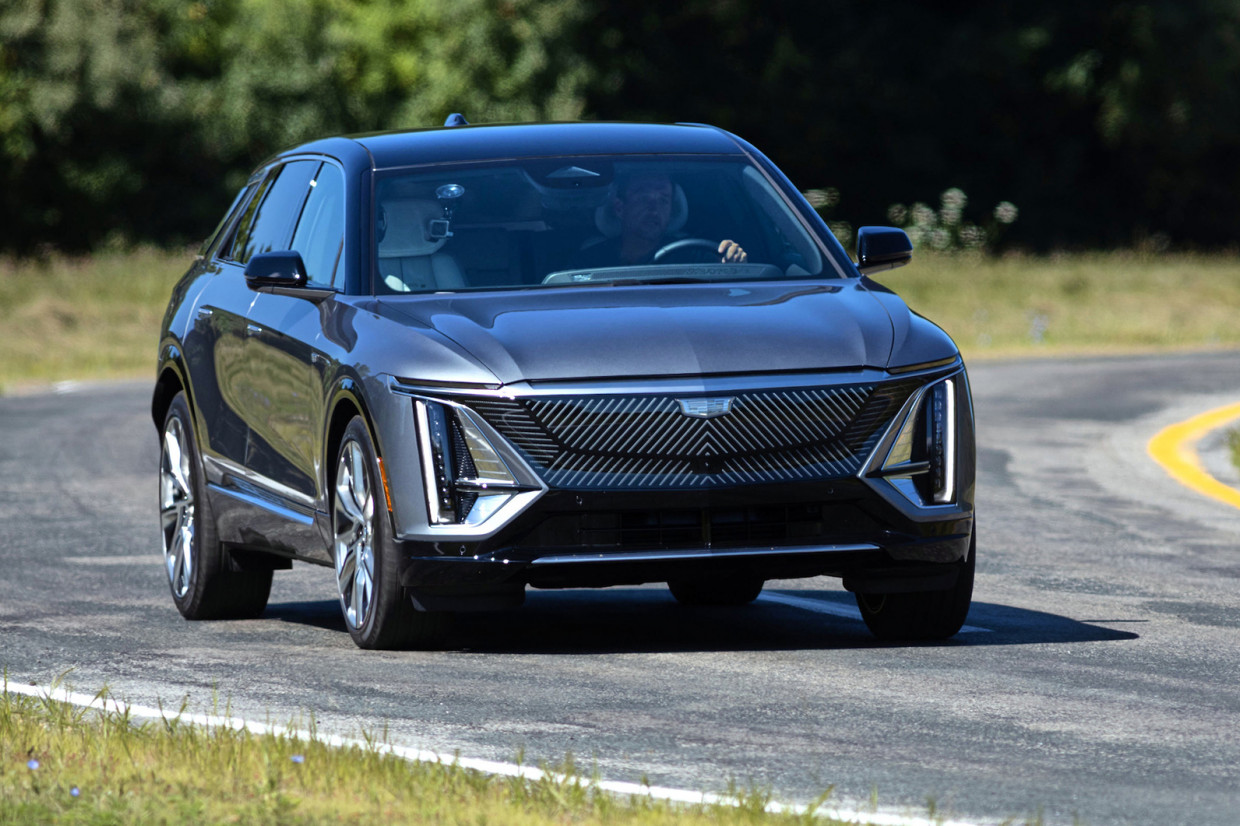
2. General Motors Super Cruise
General Motors Super Cruise receives an Acceptable IIHS safeguard rating. The technology is widely associated with hands-free highway assistance on compatible roads, but hands-free operation should not be confused with driver-free operation.
The driver still needs to supervise the road and remain ready to intervene. Super Cruise uses driver monitoring to help determine whether the driver is paying attention, which is an important part of maintaining a safe relationship between the person and the automation.
The system’s hands-free capability makes its monitoring strategy particularly important. Removing the need to keep both hands on the steering wheel can make traditional methods of checking driver engagement less useful.
A camera-based monitoring approach can provide a better indication of whether the driver is looking toward the road. This allows the vehicle to distinguish between hands-free assistance and genuine driver attention, which are not the same thing.
Super Cruise also uses mapped roads and defined operating conditions. Its availability is not intended to mean that the vehicle can independently handle every road, weather condition, or traffic situation.
Limiting the feature to supported environments can reduce the likelihood that drivers will attempt to use it where its capabilities are not appropriate. Clear information about system availability remains essential because misunderstandings about operating limits can create dangerous behavior.
The Acceptable rating indicates that Super Cruise has meaningful safeguards but does not achieve the highest IIHS assessment. That distinction matters for buyers comparing several advanced driver assistance systems.
A system can perform well during ordinary highway travel while still having room for improvement in areas such as warnings, attention monitoring, or escalation when the driver does not respond. IIHS evaluations are useful because they draw attention to these details, which may not be obvious during a short test drive.
Super Cruise therefore earns a strong position in this ranking, but it should still be viewed as supervised automation. Drivers should keep their attention on traffic, remain prepared to take control, and understand where the system can operate.
The Acceptable grade represents a meaningful level of safeguard performance, yet it also reinforces the fact that even advanced hands-free technology needs a responsible human operator.

3. Ford BlueCruise
Ford BlueCruise also falls into the Acceptable category in the IIHS safeguard assessment. Like Super Cruise, BlueCruise is designed to provide hands-free assistance on certain roads while using driver monitoring to make sure the person behind the wheel remains engaged.
Its technology can control steering, acceleration, and braking within its intended operating conditions, reducing the amount of routine work required from the driver.
Driver monitoring is especially important with BlueCruise because hands-free operation changes the traditional relationship between the driver and steering wheel. A motorist cannot simply be judged by whether their hands remain on the wheel.
The system needs another way to determine whether attention is directed toward the road. Camera-based monitoring provides that additional layer, helping the vehicle recognize situations in which the driver is not adequately supervising the driving task.
The system’s operating limits are another important safeguard. BlueCruise is designed for compatible road environments rather than unrestricted use. This approach can help drivers understand that the technology is intended for specific circumstances.
Highway assistance can be useful during long trips, yet roads can change quickly due to construction, poor weather, unusual traffic patterns, emergency vehicles, or other events. The driver remains responsible for dealing with situations beyond the system’s design.
An Acceptable rating places BlueCruise in a relatively strong position among the 14 systems assessed by IIHS. The grade does not mean the system is fully autonomous, nor does it mean that every aspect of its safeguard design is perfect.
Instead, it indicates that the system has a meaningful collection of measures designed to prevent misuse. That distinction is essential for consumers who may otherwise interpret hands-free driving as permission to disengage from the road.
BlueCruise’s position also highlights a broader trend in vehicle technology. As manufacturers make automated features easier to use, they need equally effective methods of ensuring that drivers remain responsible.
Convenience should not come at the cost of attention. The IIHS assessment gives buyers a way to consider the protective side of automation, rather than focusing only on how smoothly a vehicle can maintain a lane or adjust its speed.
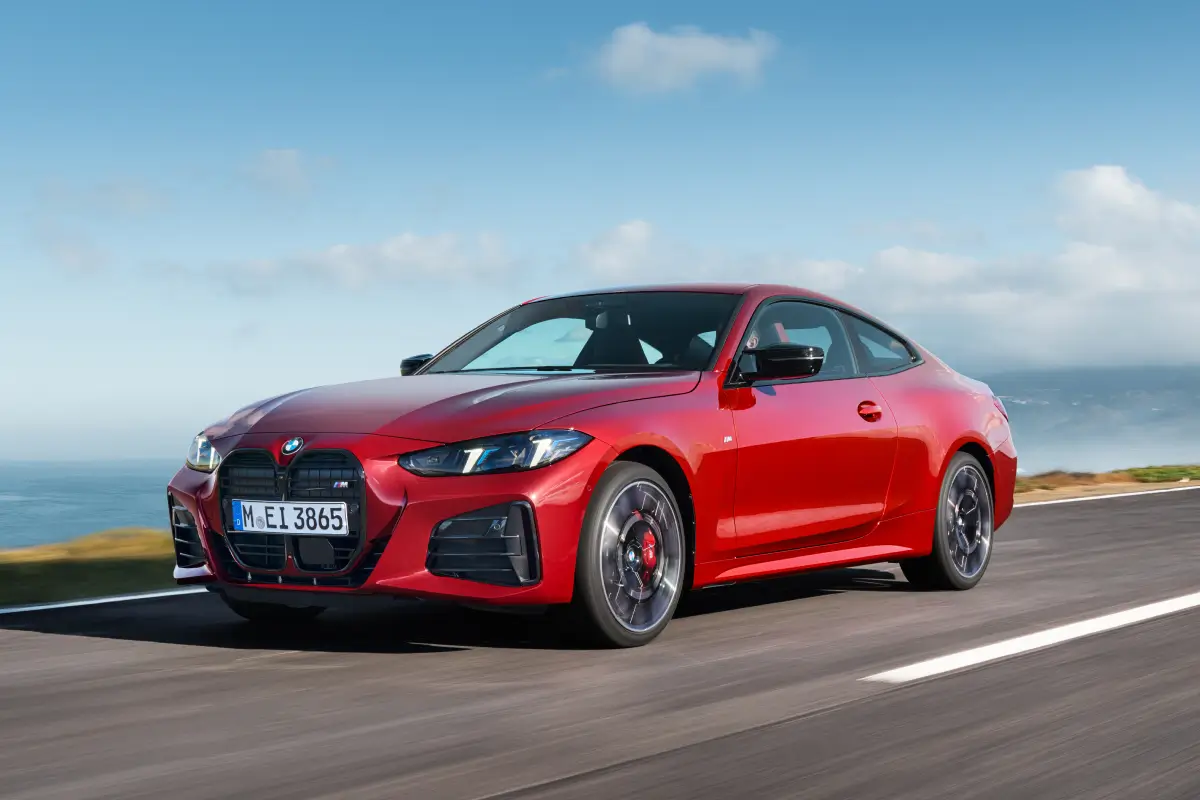
6. BMW Driving Assistant Professional
BMW Driving Assistant Professional combines several assistance functions designed to reduce the amount of routine work required during highway driving. Depending on the vehicle and market, the package can assist with maintaining speed, keeping the vehicle centered, and responding to surrounding traffic.
These functions can make long drives less tiring, but the technology remains a driver assistance system rather than a replacement for the person behind the wheel. The driver is still expected to monitor the road and respond when circumstances exceed what the system can handle.
Driver monitoring is particularly important with a system that can manage several driving tasks at the same time. When a vehicle controls steering and speed for an extended period, the driver may feel less pressure to remain actively involved.
That creates a potential attention problem because the human response may become slower when something unexpected happens. Effective monitoring is intended to reduce this risk by checking whether the driver remains engaged with the driving environment.
BMW’s system also illustrates why the availability of multiple automated functions does not automatically translate into a top safety grade. A vehicle can be highly capable at maintaining its lane or adjusting its speed while still having shortcomings in the safeguards surrounding those functions.
IIHS assessments place considerable emphasis on how the system manages driver engagement, warnings, and situations in which the person behind the wheel fails to respond.
Clear communication is another important part of the experience. Drivers need to understand when assistance is active, when it is unavailable, and when they need to take direct control.
If these messages are difficult to understand, there is a greater possibility that a driver could develop an inaccurate impression of the vehicle’s capabilities. Good system design therefore depends on both technical performance and an interface that communicates responsibilities clearly.
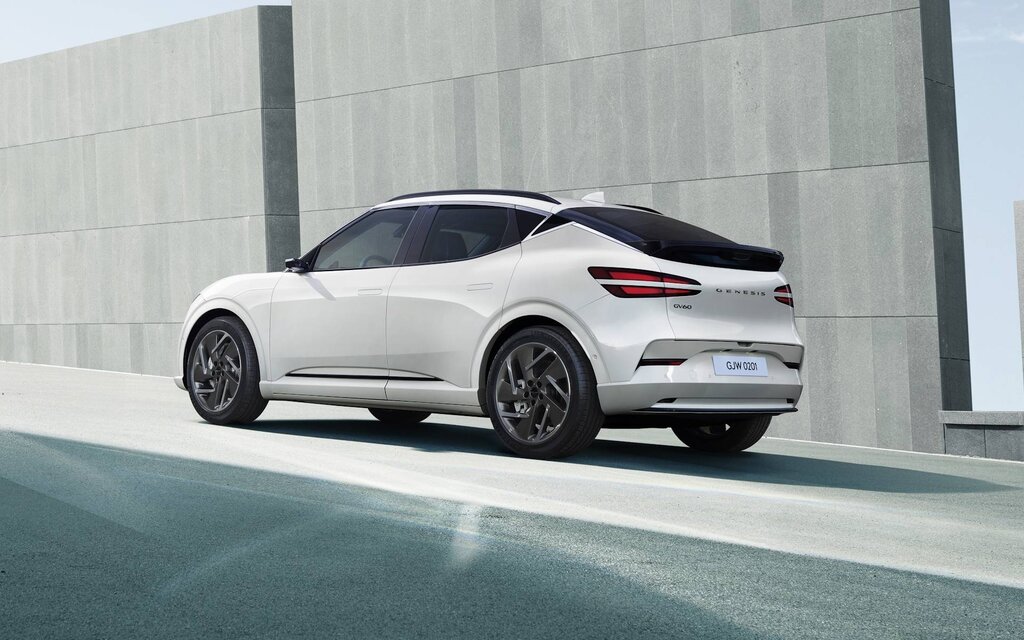
7. Genesis Highway Driving Assist
Genesis Highway Driving Assist is designed to make highway travel easier by assisting with speed control, lane positioning, and other routine driving tasks.
The technology can reduce the physical effort required during long journeys, particularly when traffic moves at a steady pace. Its usefulness, however, depends on the driver understanding what the system can and cannot do. The assistance does not remove the need for continuous supervision.
A major consideration with Highway Driving Assist is driver attention. Automation can create a comfortable driving experience, and that comfort can sometimes encourage motorists to pay less attention than they should. Effective safeguards are intended to counter that tendency. The vehicle needs to make the driver’s responsibilities clear and provide warnings when attention appears to be slipping.
Highway driving can change rapidly. Traffic may slow without warning, lanes can shift because of construction, and road markings can become difficult to follow.
A driver assistance system may perform well during ordinary conditions but require immediate human intervention when circumstances become unusual. This is why safeguard testing is important. It examines how the technology behaves when the driver does not perform the supervisory role properly.
The system’s interface also has an important job. Information about activation, limitations, warnings, and driver intervention needs to be understandable without creating unnecessary distraction.
Drivers should not have to guess whether a feature is currently controlling the vehicle or whether they need to take action. Simple and consistent communication can help prevent misunderstandings.
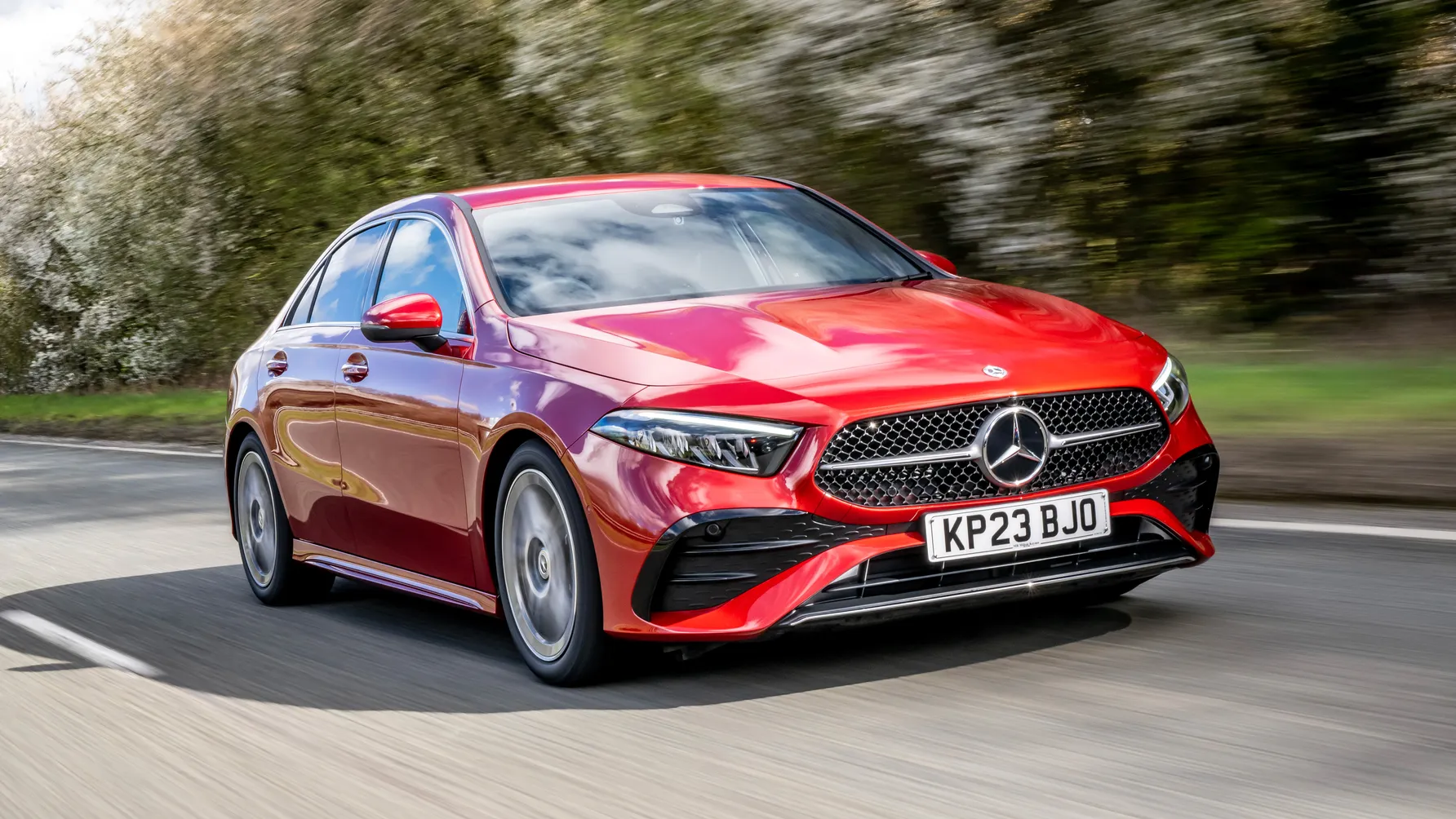
8. Mercedes-Benz Driving Assistance Package
The Mercedes-Benz Driving Assistance Package brings together several technologies intended to assist drivers during highway travel and other suitable situations.
Depending on the specific vehicle, these functions can help with speed control, lane positioning, braking, and responses to surrounding traffic. Such assistance can reduce workload, but it does not turn the vehicle into a fully autonomous machine.
Driver monitoring remains an essential part of this type of technology. When a vehicle can maintain its lane and distance from other traffic, drivers may become tempted to shift their attention elsewhere.
A robust monitoring system should discourage this behavior by recognizing signs of inattention and issuing appropriate warnings. The objective is to keep the driver involved even while the vehicle handles certain routine tasks.
The Mercedes system also demonstrates why consumers should examine safety ratings carefully. Marketing descriptions often focus on what a technology can accomplish under ideal conditions.
Safeguard evaluations ask a different question. What happens when the driver fails to respond as the system requires? This distinction is central to understanding partial automation and explains why sophisticated driver-assistance systems can still receive weaker safeguard assessments.
Warnings need to be noticeable without becoming confusing or excessive. A driver who receives a clear alert has an opportunity to redirect attention toward the road.
If the person continues ignoring the system, escalation becomes important. A vehicle should have a clear strategy for dealing with prolonged inattention rather than allowing the driver to remain disengaged indefinitely.
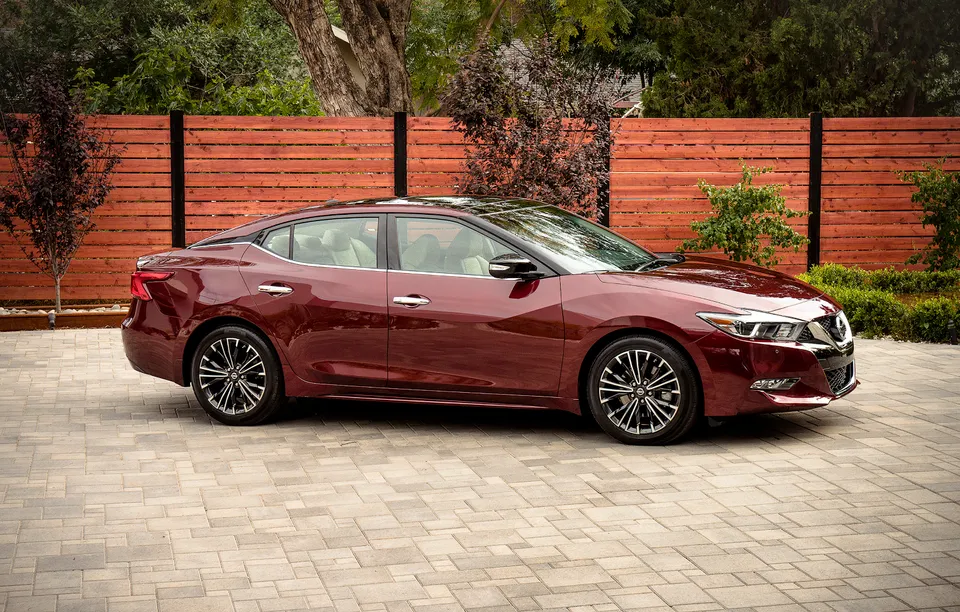
9. Nissan ProPILOT Assist
Nissan ProPILOT Assist combines adaptive cruise control with steering assistance to help drivers maintain their position and speed during suitable road conditions. It can reduce some of the repetitive work associated with highway travel, especially when traffic is moving steadily.
ProPILOT Assist can help manage aspects of driving, but the driver cannot simply transfer responsibility to the vehicle. Road conditions can change faster than a driver assistance system can respond, particularly when unusual objects or road layouts require an attentive driver who remains prepared to take control.
One important consideration is the difference between assistance and autonomy. ProPILOT Assist can help manage aspects of driving, but the driver cannot simply transfer responsibility to the vehicle. Road conditions can change faster than a driver assistance system can respond, particularly when unusual objects, road layouts, or traffic behavior are involved. Understanding this limitation is essential for safe use.
Driver monitoring and warnings play a central role in preventing misuse. A system needs to encourage the driver to remain engaged rather than allowing prolonged distraction.
If attention is not maintained, warnings should provide an opportunity for the motorist to resume proper supervision. The quality of these safeguards can have a significant effect on how safely drivers interact with automation.

10. Tesla Autopilot
Tesla Autopilot is among the most recognizable driver assistance systems on the market. It can provide steering and speed assistance under appropriate conditions, reducing some of the routine effort associated with driving.
Its name and capabilities have also contributed to widespread discussion about the difference between driver assistance and autonomous driving. Autopilot remains a supervised system, and the driver is responsible for monitoring the road.
The distinction between the system’s name and its actual operating requirements is particularly important. Drivers can misunderstand the level of automation available if they assume that the vehicle can manage every situation without intervention. A responsible driver needs to understand the system’s limitations and remain ready to take control whenever necessary.
Driver engagement is a central concern with any system capable of maintaining a vehicle’s direction and speed. A motorist may become less attentive when the vehicle performs these tasks smoothly for an extended period.
Safeguards are therefore intended to reinforce the driver’s role. Monitoring, alerts, and system limitations all contribute to preventing inappropriate reliance.
Tesla’s experience also illustrates the importance of consumer education. Advanced assistance features can be useful when drivers understand their purpose and limitations.
Problems arise when technology is treated as something more capable than it actually is. Clear terminology, effective warnings, and strong driver monitoring can help reduce this gap between expectation and reality.