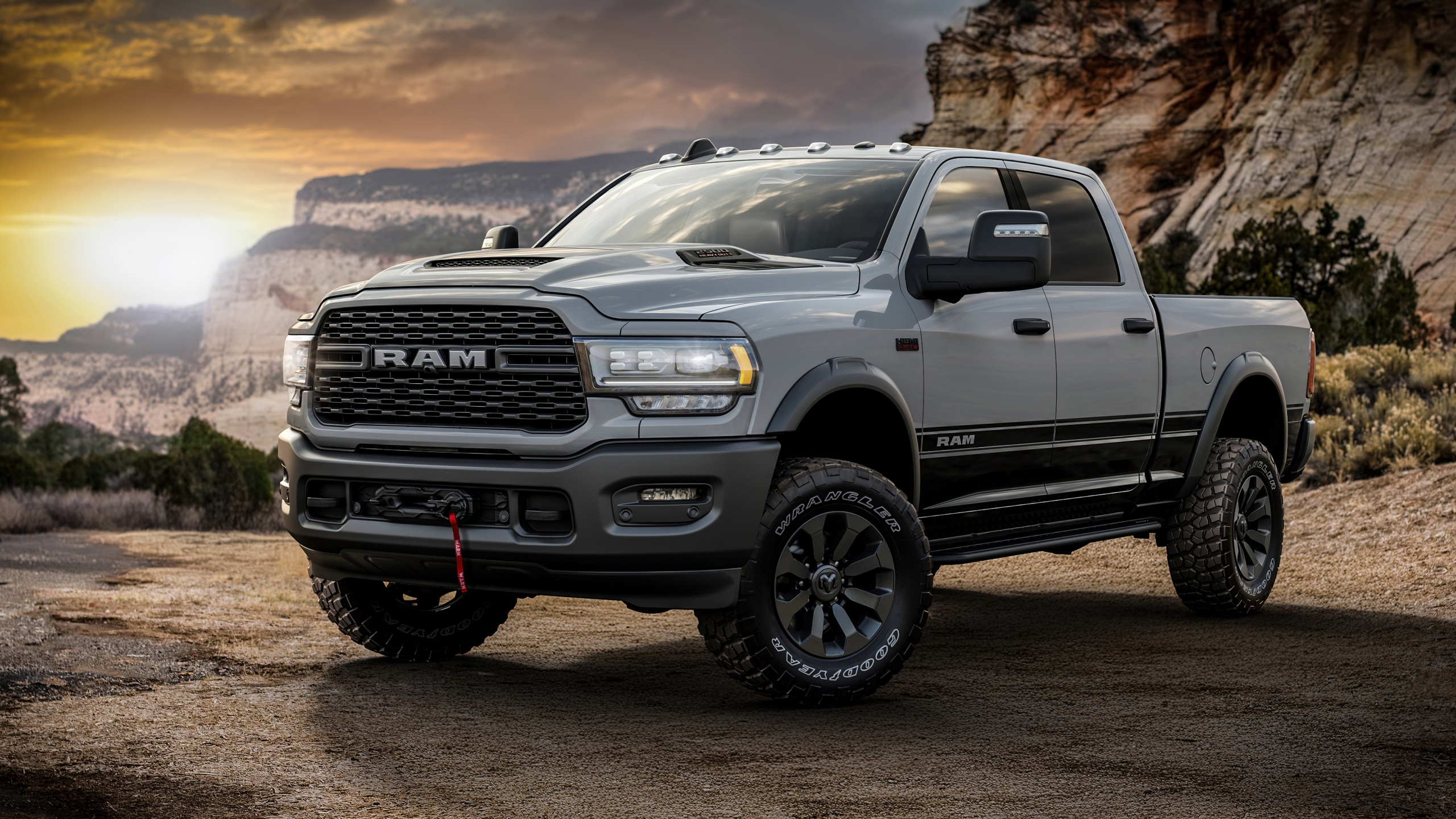
Large pickups are built to tow heavy trailers, carry equipment, and handle demanding jobs, but their size can create serious risks for people in other vehicles during a crash.
Research from the Insurance Institute for Highway Safety (IIHS) reveals a concerning trend, with several pickup truck configurations linked to some of the highest rates of fatalities among occupants of other vehicles involved in crashes.
The Ram 3500 crew cab leads the cited ranking at 204 other-driver deaths per million registered vehicle-years. These figures deserve careful interpretation because they measure real-world fatality rates, not the likelihood of every individual crash.
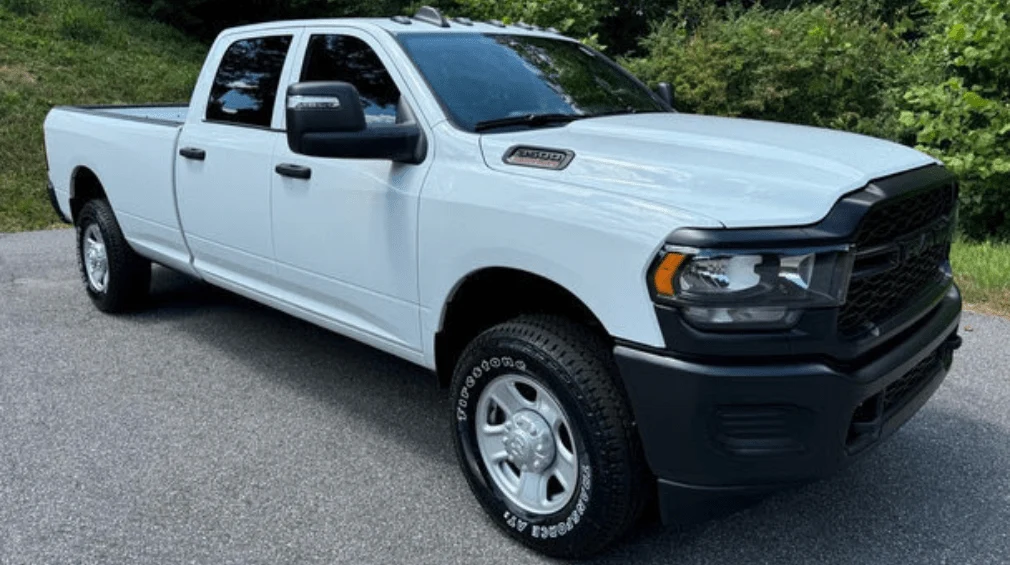
1. Ram 3500 Crew Cab Long Bed 4WD
The Ram 3500 sits at the top of the IIHS ranking for other-driver deaths, with a rate of 204 deaths per million registered vehicle-years for the crew cab, long-bed, four-wheel-drive configuration.
The figure is striking because it stands well above the study’s average of 53 other-driver deaths per million registered vehicle-years across all included models.
The truck’s heavy-duty design serves legitimate purposes. Buyers choose it for demanding towing, hauling, and work applications, where capability and durability matter.
However, those same physical characteristics raise concerns when a collision involves a smaller passenger vehicle. A large, tall, heavy pickup can interact differently with a car’s crash structures, and the consequences for people in the lighter vehicle can be severe.
The IIHS statistic needs careful interpretation. It does not mean that 204 people die every time a million Ram 3500 trucks crash, nor does it establish that the truck alone caused every death.
It is an exposure-based rate calculated using registered vehicle-years and fatal crash data. Driver age and gender are adjusted for, but factors such as road conditions, driver behavior, vehicle use, and crash-partner characteristics also influence real-world outcomes.
The specific configuration matters, too. These figures should not be applied indiscriminately to every Ram 3500, since cab style, bed length, and drivetrain can distinguish the model versions included in the study.
For consumers, the finding raises a broader question about how vehicle size and design affect people outside the vehicle. Heavy-duty capability may be essential for some owners, but it is worth considering whether a smaller pickup can meet the same needs with less mass and a lower front profile.
The IIHS result makes this configuration a particularly important example in the debate over pickup safety.
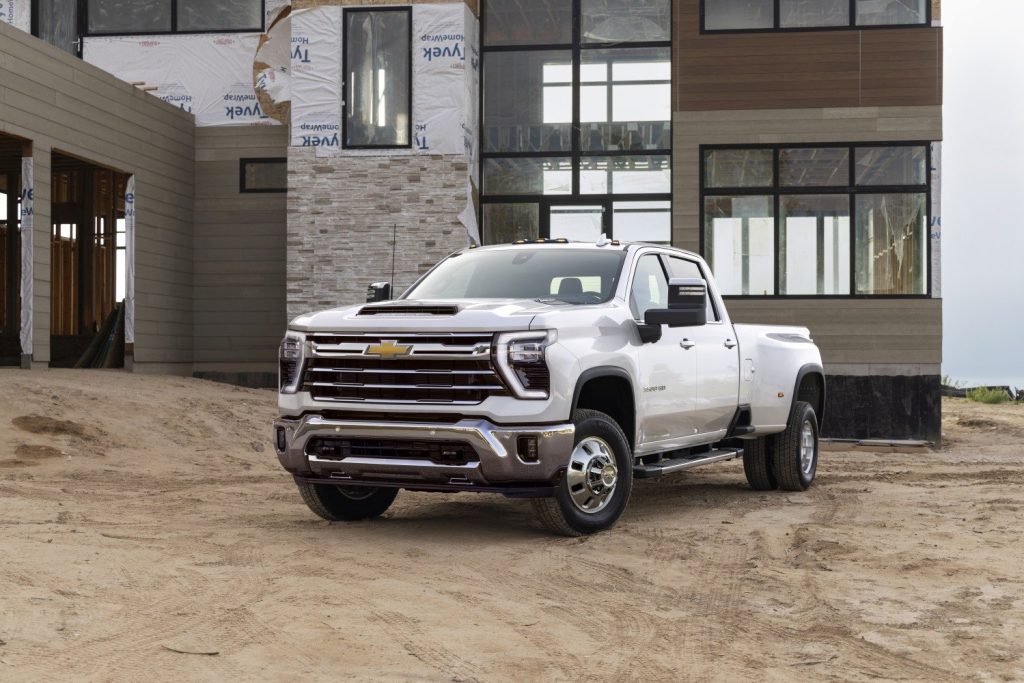
2. Chevrolet Silverado 3500 Crew Cab 4WD
The Chevrolet Silverado 3500 ranks next among the pickups in this dataset, recording 126 other-driver deaths per million registered vehicle-years.
That is substantially below the Ram 3500’s 204, but it remains more than twice the IIHS-wide average of 53. The result places this heavy-duty Chevrolet among the vehicles warranting serious attention when assessing risks to drivers in other vehicles.
Like other 3500-series pickups, the Silverado is engineered for substantial work demands. Depending on configuration, buyers may use it for towing heavy trailers, transporting equipment, or supporting commercial operations.
A vehicle designed for those jobs has different priorities from a compact commuter car. Its size and mass can be useful when carrying a load, but they can also create a mismatch when it collides with a much smaller vehicle.
The IIHS data do not prove that every Silverado 3500 is unsafe or that its size alone explains the entire rate. The statistic describes fatal outcomes involving drivers of other vehicles, adjusted for driver age and gender and expressed relative to registered vehicle exposure.
It is not a crash-test score, a probability attached to a single journey, or a prediction that a particular owner will be involved in a fatal collision.
The model-specific result also should not be confused with the safety of all Chevrolet Silverado variants. A Silverado 1500 differs from a 3500 in dimensions, weight, intended use, and configuration. The published rate belongs to the listed heavy-duty model, not the entire Chevrolet pickup range.
For buyers who genuinely need heavy towing capacity, the figure is a reason to pay close attention to visibility, braking, driver-assistance equipment, and safe driving practices.
For people who rarely use heavy-duty capability, a lighter vehicle may be worth considering. The key lesson is that the benefits of a work truck should be weighed against its potential impact on other road users.
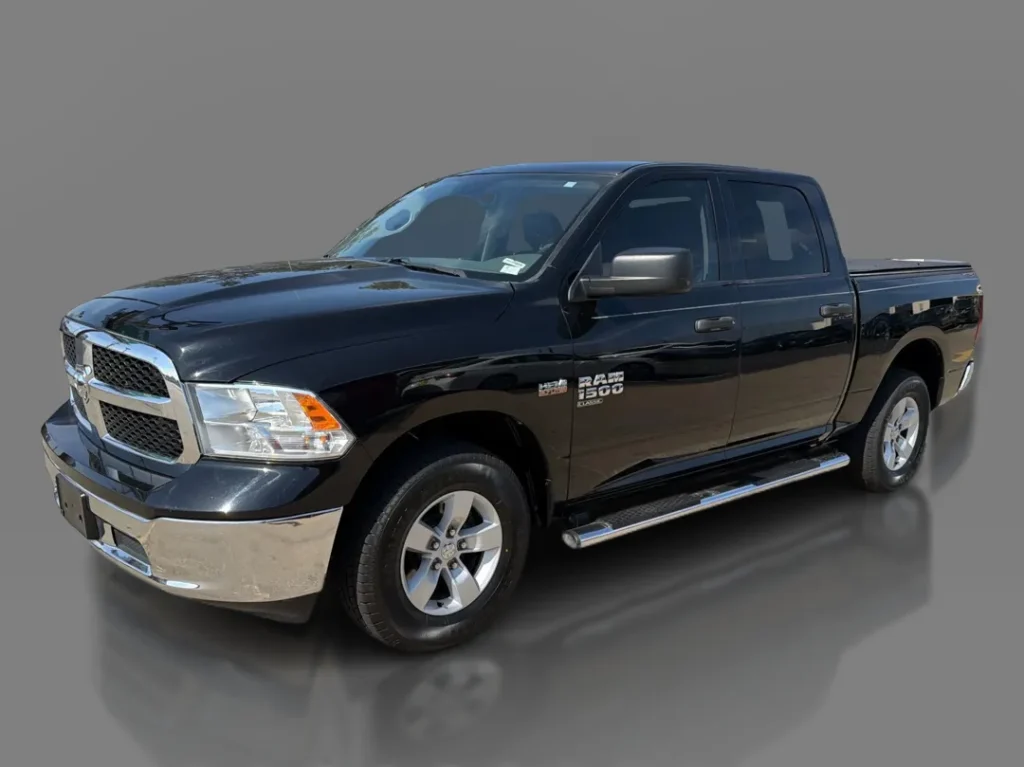
3. Ram 1500 Classic Crew Cab Short Bed 4WD
The Ram 1500 Classic recorded 124 other-driver deaths per million registered vehicle-years in the IIHS study, placing it among the highest-ranked vehicles for this measure. Unlike the heavy-duty Ram 3500, this is a full-size light-duty pickup, showing that the concern is not limited to trucks built primarily for demanding commercial work.
Its crew cab provides room for passengers, while the short bed makes it practical for everyday driving and carrying equipment. Yet a pickup’s size and front-end height can affect the way it interacts with smaller cars in a collision.
The IIHS findings highlight why a vehicle that feels substantial and protective to its own occupants may pose different risks to people in another vehicle.
The rate is not a prediction that a particular Ram 1500 Classic will cause a fatal crash. It represents deaths among drivers of other vehicles relative to registered vehicle exposure, adjusted for driver age and gender. Driving behavior, road conditions, and the vehicles involved in crashes also influence the results.
For shoppers, the useful takeaway is to consider more than towing capacity, cabin space, or crash protection for the pickup’s own occupants. If a full-size truck is necessary, features such as automatic emergency braking, effective headlights, and good visibility can support safer driving. No technology, however, removes the physical risks associated with a collision.
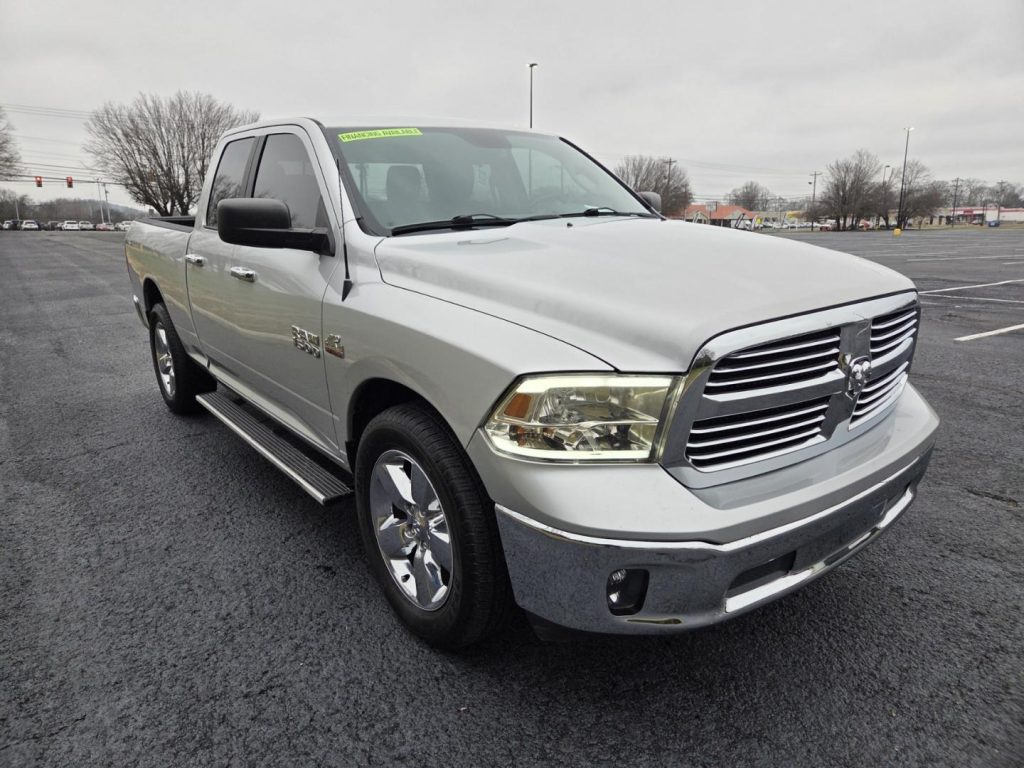
4. Ram 1500 Quad Cab 2WD
The Ram 1500 Quad Cab recorded 113 other-driver deaths per million registered vehicle-years, according to the IIHS ranking.
This configuration differs from the crew-cab, four-wheel-drive Classic above, and its separate result illustrates why the exact cab, drivetrain, and model version matter when interpreting vehicle safety data.
A two-wheel-drive pickup may suit drivers who primarily travel on paved roads and do not regularly need four-wheel-drive capability. The Quad Cab layout also offers rear seating without the same cabin arrangement as a larger crew cab.
However, drivetrain choice alone does not determine how dangerous a vehicle is to other road users. Vehicle mass, front-end geometry, crash-avoidance systems, and the circumstances of a collision all matter.
The IIHS rate concerns drivers in other vehicles, not the number of Ram occupants killed. It also does not mean that 113 deaths occur for every million crashes. The denominator is registered vehicle-years, making the statistic a comparison of fatality rates across models rather than a direct measure of crash probability on any individual trip.
For buyers, the result reinforces the need to think beyond the traditional idea that a larger vehicle is automatically safer. A pickup can offer useful capability, but its benefits should be weighed against the potential consequences for people outside it.
Safe following distances, careful speed choices, and effective crash-prevention technology remain essential, regardless of which drivetrain or cab configuration a buyer selects.
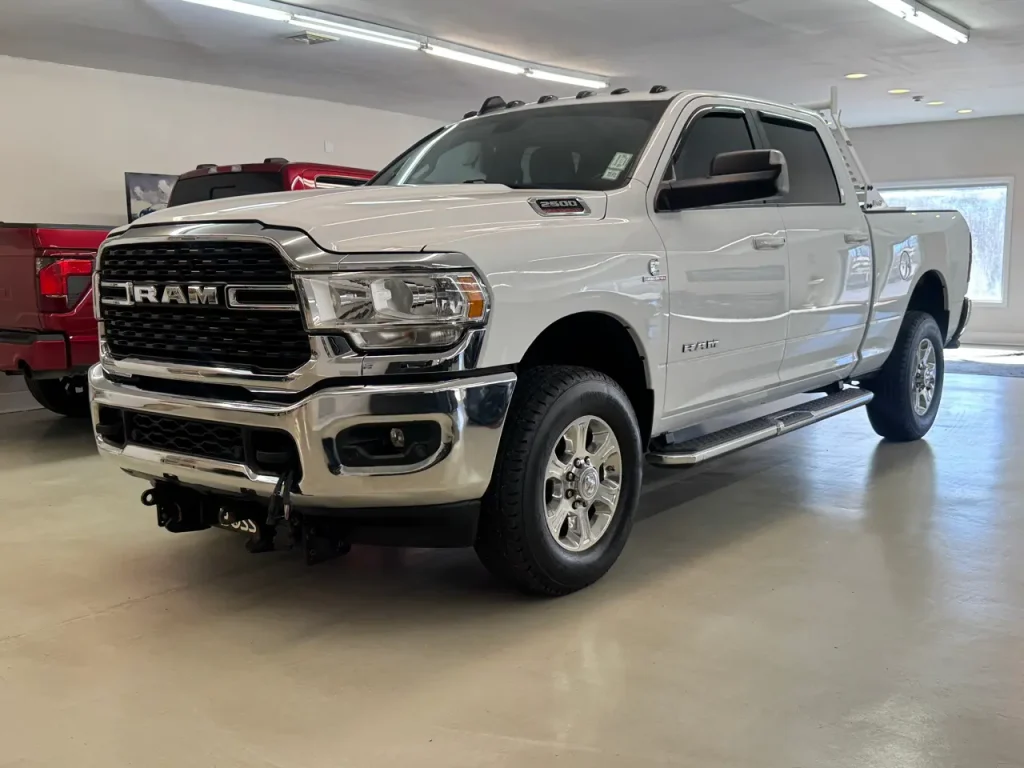
5. Ram 2500 Crew Cab Short Bed 4WD
The Ram 2500 adds another heavy-duty model to the IIHS list, recording 113 other-driver deaths per million registered vehicle-years for the crew cab, short-bed, four-wheel-drive configuration. The rate matches the Ram 1500 Quad 2WD figure, but the two trucks belong to different vehicle classes and serve different purposes.
The 2500 is designed for owners who need more capability than a typical light-duty pickup can provide. Its towing and hauling role can be valuable for work, recreational trailers, and heavy equipment.
Yet the extra size and mass can create a substantial mismatch when it collides with a smaller passenger car. The IIHS data show why safety discussions need to consider people outside the truck, not just the protection offered to its occupants.
This number is not a measure of how often the Ram 2500 crashes, nor does it prove that the truck alone caused each fatality.
IIHS calculates deaths among drivers of other vehicles per million registered vehicle-years, adjusting for driver age and gender. Real-world results also reflect driving conditions, behavior, and the types of vehicles involved.
For buyers, the practical question is whether a heavy-duty pickup is necessary. If regular towing or payload demands justify it, choose appropriate safety technology, keep tires and brakes in excellent condition, and pay attention to visibility around the truck. Drivers who do not need heavy-duty capacity may find a lighter vehicle better suited to their daily needs.
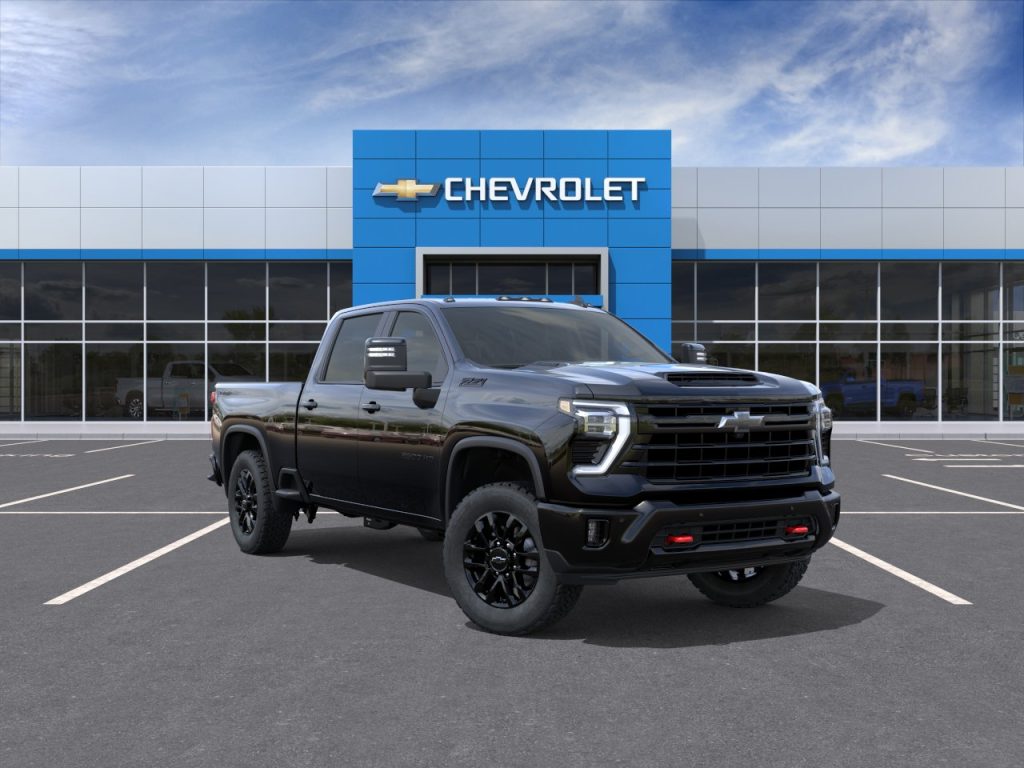
6. Chevrolet Silverado 2500 Crew Cab 4WD
The Chevrolet Silverado 2500 recorded 111 other-driver deaths per million registered vehicle-years in the IIHS figures. This places it among the highest-ranked vehicles for deaths involving drivers of other vehicles, although its rate is lower than those of the Ram 3500 and Chevrolet Silverado 3500 listed earlier.
The Silverado 2500 serves drivers who require substantial towing and hauling capability. Depending on its configuration, it may be used for commercial work, transporting equipment, or pulling a large recreational trailer.
That capability can be difficult to replace with a smaller vehicle, but it also means buyers should carefully consider how the truck’s dimensions and mass interact with other road users.
A heavy-duty pickup’s safety cannot be judged from a single statistic. The IIHS rate concerns drivers of other vehicles and is based on registered vehicle exposure, with adjustments for driver age and gender.
It is not a crash-test score, and it does not mean that every Silverado 2500 presents the same risk in every situation. Individual configuration, driver behavior, road conditions, and crash circumstances all matter.
For anyone considering this truck, the result is a reminder to evaluate safety features alongside capability. Check the availability of automatic emergency braking and other driver-assistance systems for the exact model year and trim. Good mirrors, careful maneuvering, appropriate following distances, and properly maintained brakes can also help reduce risk.
A Silverado 2500 may be the right tool for demanding work, but drivers who rarely need its heavy-duty capacity should consider whether a lighter pickup can meet their needs.
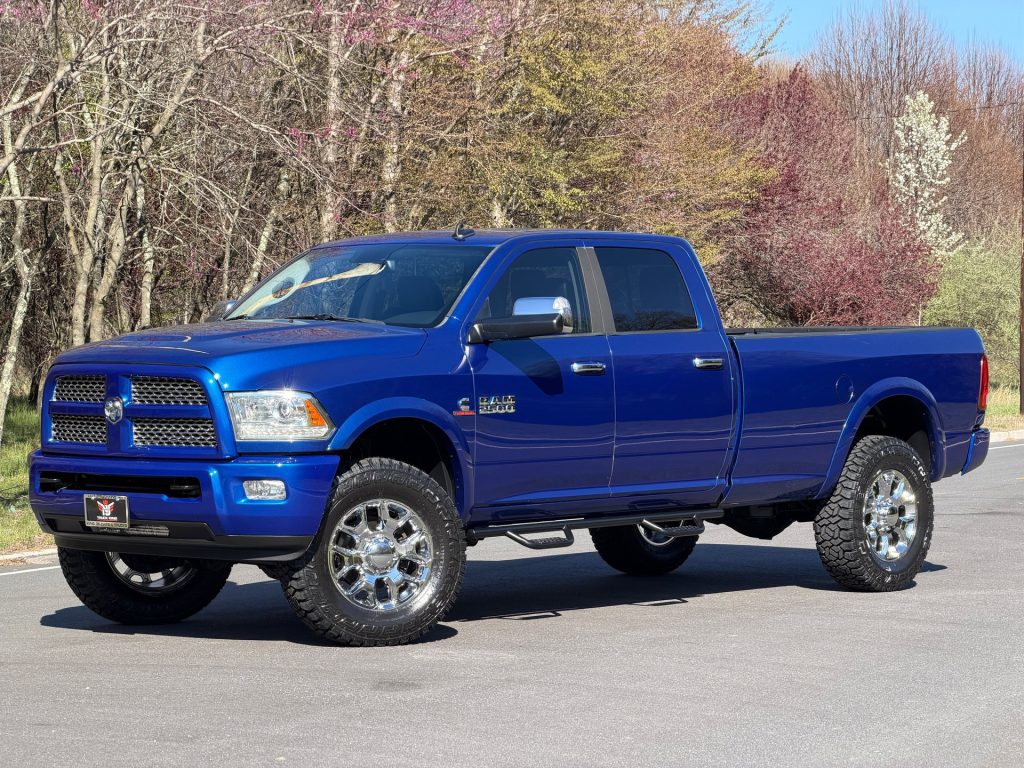
7. Ram 2500 Crew Cab Long Bed 4WD
The Ram 2500 Crew Cab Long Bed 4WD recorded 102 other-driver deaths per million registered vehicle-years in the IIHS study. Its rate is lower than that of the short-bed version, which recorded 113, but it remains nearly twice the study-wide average of 53.
The long-bed configuration is designed for buyers who need additional cargo space alongside heavy-duty capability. Contractors, equipment operators, and people towing substantial loads may find that combination useful.
However, a truck’s practical advantages do not eliminate the physical mismatch that can occur when it collides with a smaller passenger vehicle.
The IIHS figure measures deaths among drivers of other vehicles, not deaths among Ram occupants. It is also not a prediction that a particular truck will cause a fatal collision.
The study uses registered vehicle-years as its exposure measure and adjusts for driver age and gender, while real-world outcomes also depend on road conditions, driving behavior, and crash circumstances.
For buyers, the distinction between short and long beds should not be treated as a safety guarantee. The recorded difference does not establish that bed length alone caused the change in fatality rates. Both configurations deserve careful consideration when evaluating the potential effects of a heavy-duty truck on other road users.
Anyone who needs this level of towing or hauling capacity should prioritize effective braking, good visibility, appropriate safety technology, and responsible driving. If those capabilities are unnecessary for everyday use, a smaller pickup may be a more proportionate choice.
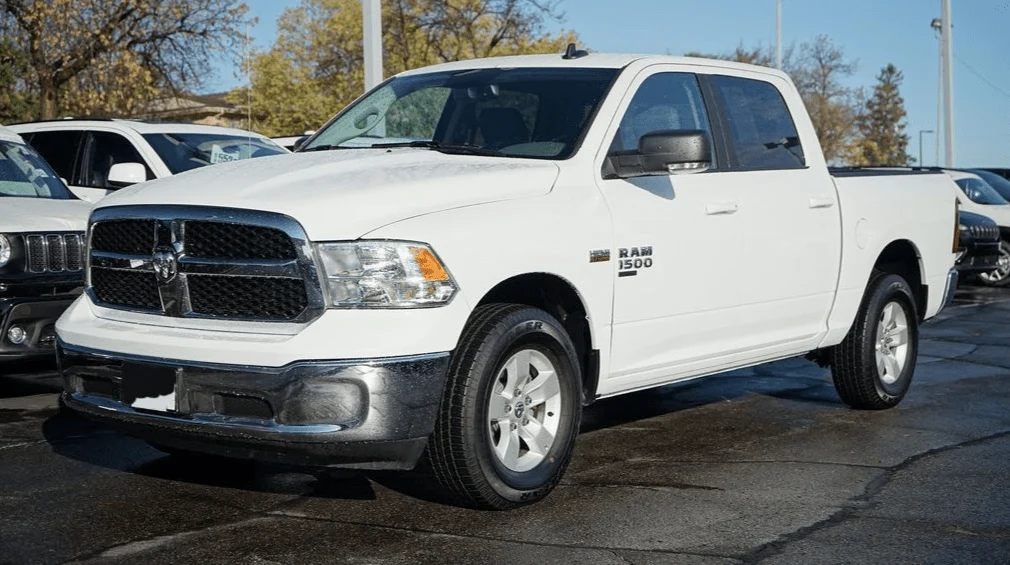
8. Ram 1500 Crew Cab Short Bed 2WD
The Ram 1500 Crew Cab Short Bed 2WD recorded 100 other-driver deaths per million registered vehicle-years, according to IIHS data.
This places it among the pickup configurations with elevated rates of fatal outcomes for drivers in other vehicles. The figure is almost twice the study-wide average of 53 deaths per million registered vehicle-years.
Unlike the heavy-duty Ram 2500, this light-duty pickup is intended for a broader mix of everyday driving, commuting, and recreational use. Its crew cab accommodates passengers, while the shorter bed keeps the vehicle practical for carrying equipment without the length of a long-bed configuration.
Nevertheless, a light-duty designation does not make a full-size pickup small. Its mass and front-end geometry can influence the consequences of a collision involving a lighter car. That is an important consideration for drivers who spend much of their time in crowded urban areas or on busy highways.
The IIHS statistic should not be read as proof that every Ram 1500 is dangerous or that its driver caused each fatal crash. It records deaths among drivers of other vehicles relative to registered vehicle exposure, with adjustments for driver age and gender. It does not measure the probability of a fatal outcome on any single journey.
For potential owners, the finding reinforces the value of comparing vehicle size with actual needs. A full-size pickup can be useful, but buyers should check available crash-avoidance features, maintain safe following distances, and take extra care when maneuvering around smaller vehicles and vulnerable road users.
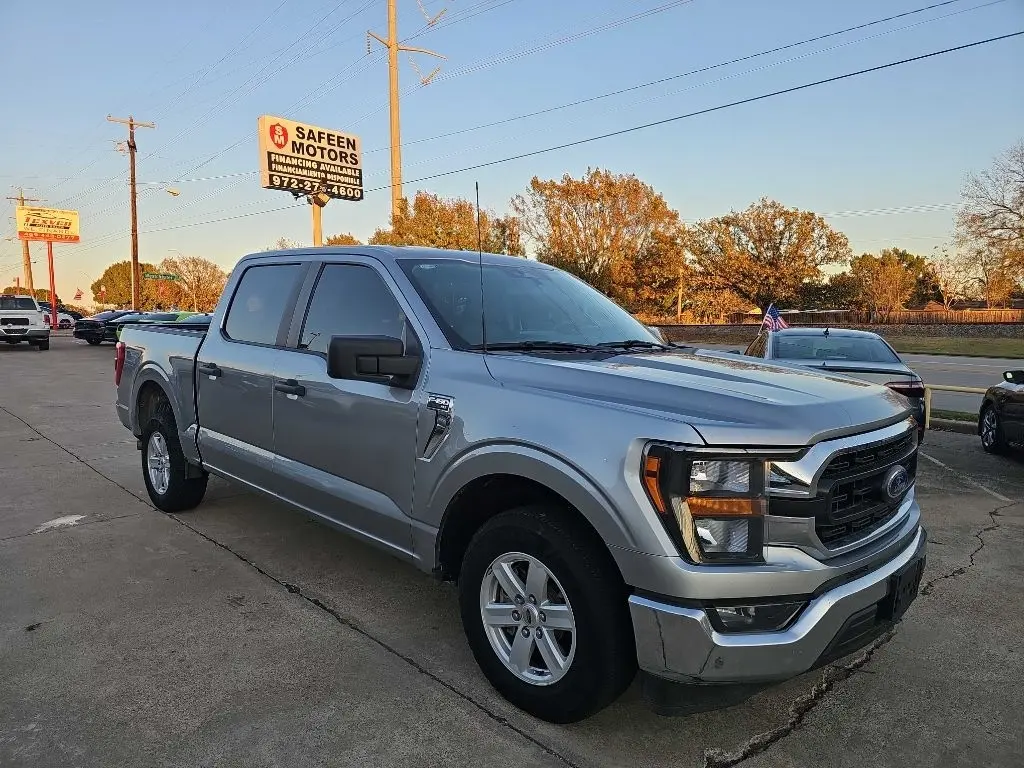
9. Ford F-150 SuperCrew 2WD
The Ford F-150 SuperCrew recorded 99 other-driver deaths per million registered vehicle-years in the IIHS study. It is the ninth pickup in this article’s ranking, placing it close to the Ram 1500 crew cab short-bed 2WD, which recorded 100. Both figures exceed the study-wide average of 53.
The F-150’s popularity reflects its versatility. Many American owners use it for commuting, family transportation, recreation, and work.
The SuperCrew configuration offers four full-size doors and a spacious passenger compartment, making it more than a traditional work truck. Yet widespread use does not remove the potential consequences when a large pickup collides with a smaller car.
The IIHS statistic measures deaths among drivers of other vehicles relative to registered vehicle exposure. It is not a prediction that every F-150 presents the same risk, nor does it establish that the truck alone caused each fatality. Driver behavior, road conditions, and crash circumstances also influence outcomes.
For prospective owners, the finding is a reminder to consider safety beyond the protection available to people inside the pickup. Check which crash-avoidance features are fitted to the specific model year and trim, since equipment can vary. Proper maintenance, careful driving, and awareness of surrounding traffic remain essential.
The F-150 can be a practical choice for buyers who need its capabilities. Those who rarely haul equipment or tow heavy loads should also consider whether a smaller vehicle could meet their needs while reducing the size mismatch with other road users.
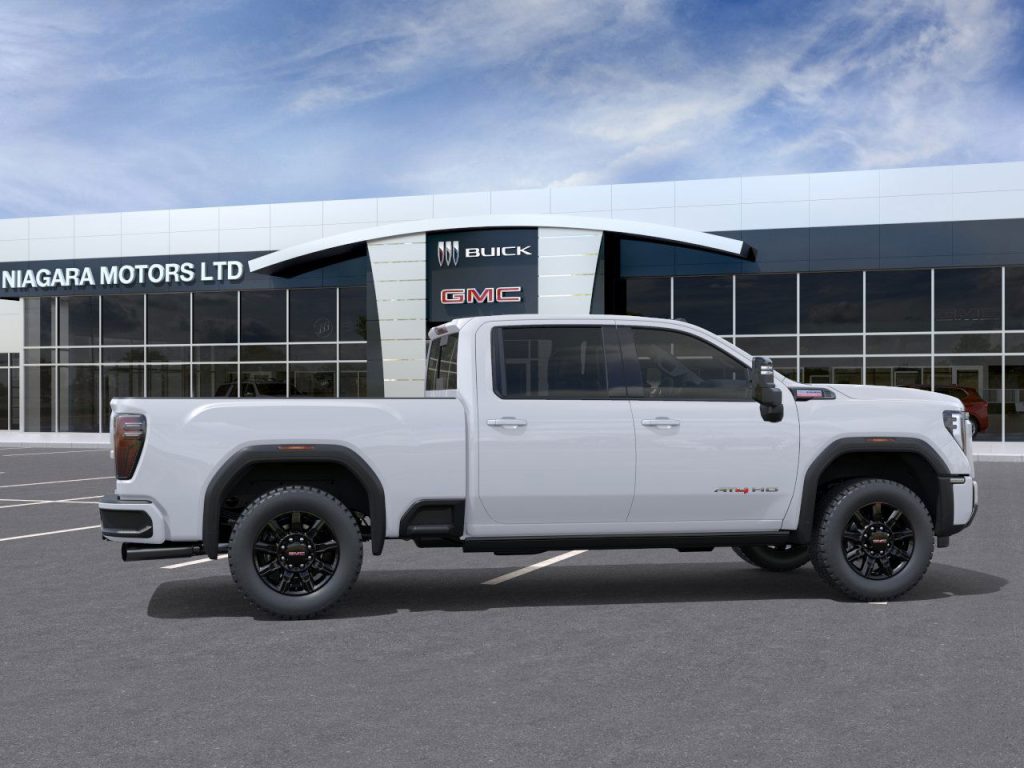
10. GMC Sierra 2500 Crew Cab 4WD
The GMC Sierra 2500 completes this pickup-focused ranking with 98 other-driver deaths per million registered vehicle-years. The figure places this heavy-duty truck among the 20 vehicles with the highest rates of deaths involving drivers of other vehicles in the latest IIHS study.
The Sierra 2500 is built for substantial towing and hauling demands, making it attractive to people who regularly transport equipment, tow trailers, or use a pickup for demanding work. Its crew cab also accommodates passengers, giving it a dual role as a work vehicle and family transport.
However, its heavy-duty construction means buyers should consider how its size and front-end geometry may affect people in smaller vehicles during a collision.
The IIHS figure is a rate, not a count of deaths in individual crashes. It compares deaths among drivers of other vehicles with registered vehicle-years and adjusts for driver age and gender. It does not prove that every crash involving this GMC produces severe consequences or that vehicle size alone explains the result.
For buyers, the practical lesson is to match the truck to genuine needs. Check available automatic emergency braking and other safety equipment for the exact configuration, maintain the brakes and tires, and take extra care when maneuvering around smaller cars and pedestrians.
A heavy-duty pickup may be necessary for particular jobs, but it is not automatically the best daily driver for everyone. The Sierra 2500’s result reinforces the importance of considering the safety of other road users alongside towing capacity, passenger space, and comfort.