
A car’s battery can become one of its most expensive components to replace, but the risk varies considerably between models. An aging electric vehicle may face a costly high-voltage battery repair, while a hybrid can continue running for years before its smaller battery needs attention.
Age, mileage, climate, battery chemistry, warranty coverage, and parts availability all influence the potential expense. This ranking considers vehicles sold in the United States, focusing on battery-related concerns and potential replacement costs rather than suggesting that every battery will fail.
For used-car buyers, the individual vehicle’s condition and service history matter more than the nameplate alone.
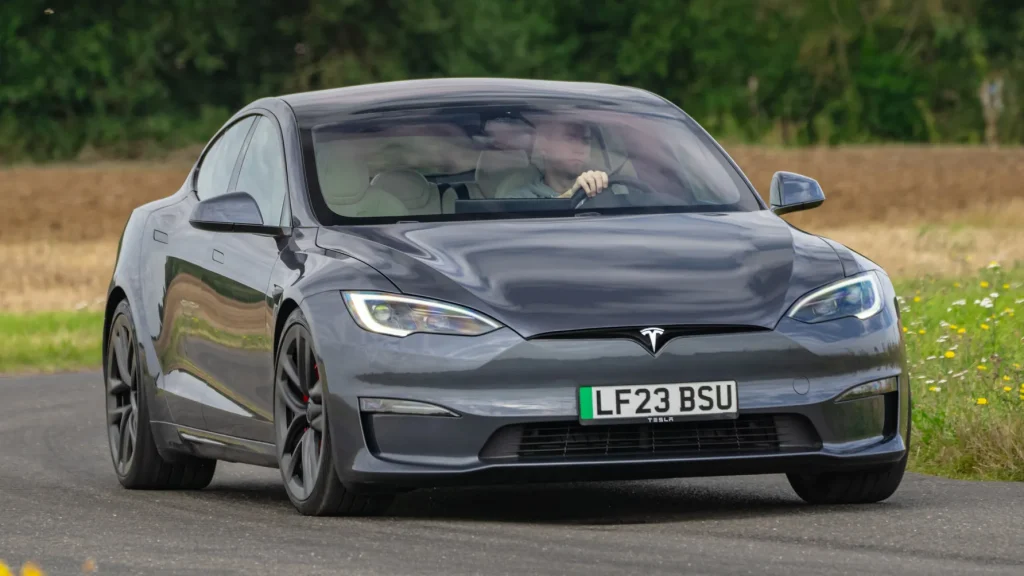
1. Tesla Model S
The Tesla Model S helped make long-distance electric driving more practical, but early examples are now more than a decade old. Many have passed their original battery warranty periods, leaving owners exposed to potentially expensive repairs.
Its large traction battery can represent a substantial share of an older car’s market value if replacement becomes necessary.
Battery configurations and warranty terms vary by model year. Many earlier Model S versions carried eight-year coverage with mileage limits that could reach 100,000 or 150,000 miles. Buyers should confirm the terms attached to the vehicle identification number (VIN), rather than assume every car has the same protection.
Battery degradation is not identical to battery failure. Gradually declining range is a normal possibility as a battery ages and does not automatically mean replacement is required. Temperature, charging habits, and driving conditions can affect displayed range, too.
Before buying, request a professional battery-health assessment, review charging performance, and check for high-voltage warnings. Obtain a written estimate if a fault is suspected.
The Model S ranks first because its age, potentially high repair bill, and expired coverage can combine to create significant financial exposure, not because most batteries are expected to fail.
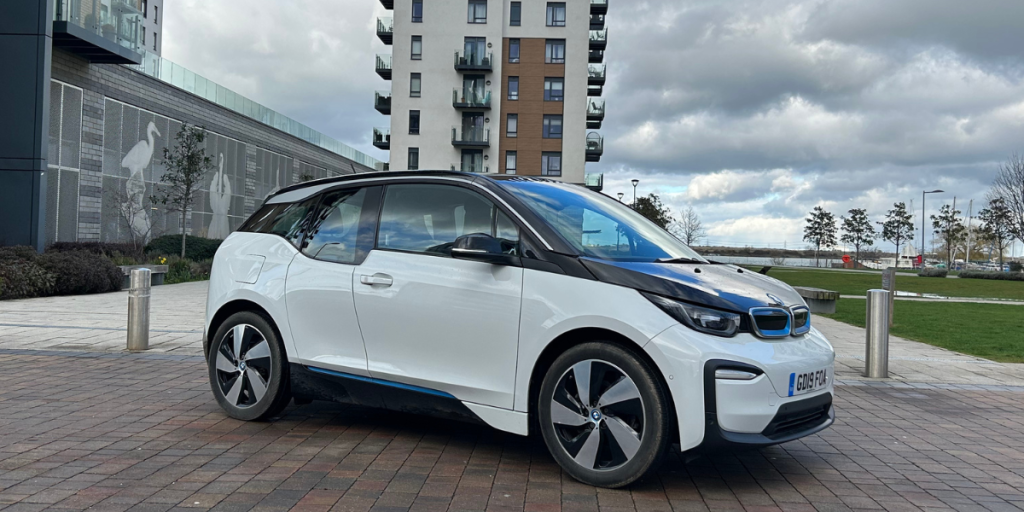
2. BMW i3
The BMW i3 is a compact electric car designed for urban driving, but its age makes battery condition especially important in the used market. U.S. sales began with the 2014 model year, and the car was offered with several battery capacities during production.
Early versions started with less range than later models, so capacity loss can have a noticeable effect on daily usefulness.
BMW’s U.S. warranty documentation for the 2016 i3 specified eight years or 100,000 miles of high-voltage battery coverage, whichever came first. Terms differ by model year, and many early examples may now be outside their original coverage.
Check the VIN, original in-service date, and applicable warranty documents before relying on any advertised protection.
Repair access also matters. Buyers should find out whether a local qualified technician can diagnose the high-voltage system and whether compatible replacement packs or repairable components are available. Any used battery should have clear information about its condition and warranty.
The i3 ranks second because early examples combine age, limited original range, and potential out-of-warranty expense. A carefully tested car can still be a sensible city vehicle if its remaining range meets everyday needs.
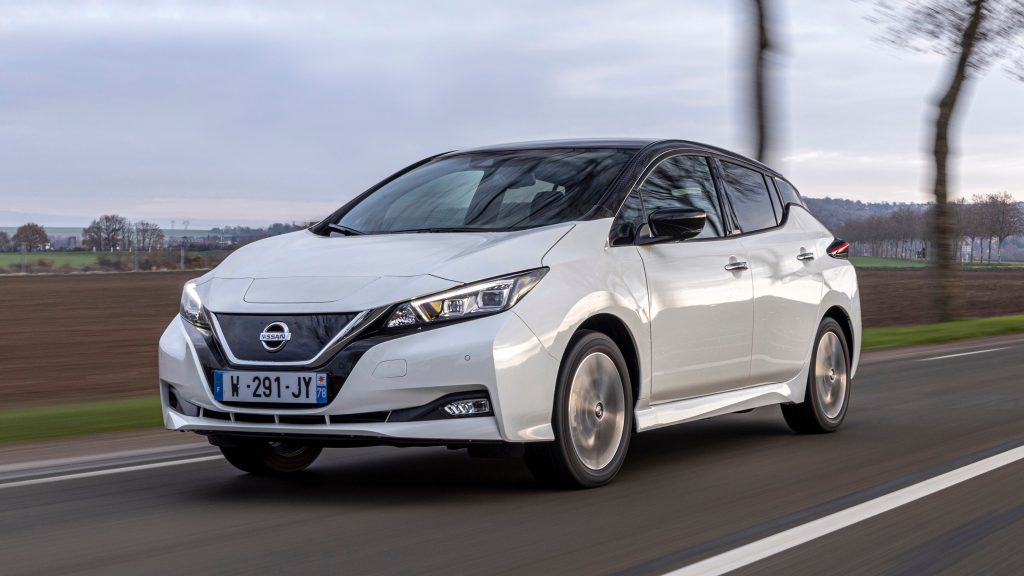
3. Nissan Leaf
The Nissan Leaf deserves attention because early versions used passive air cooling rather than an active liquid thermal-management system for the traction battery.
The simpler design helped keep the car accessible, but prolonged exposure to high temperatures can accelerate capacity loss. Buyers should be particularly careful with older Leafs that spent years in hot regions.
First-generation U.S. models arrived for the 2011 model year with a 24-kWh battery. Later versions introduced 30-kWh, 40-kWh, and 62-kWh packs. Larger batteries offer more range, but none is immune to age-related degradation.
Unlike a sudden component failure, battery capacity can decline gradually. A leaf that once handled a daily commute may eventually need more frequent charging or become unsuitable for longer trips. The dashboard’s battery-capacity bars provide an initial clue, but a specialist diagnostic offers a stronger basis for judging condition.
Replacement economics depend on battery size, compatibility, and parts availability. A smaller, older pack may be cheaper to source than a newer, larger unit, but buyers should verify that a proposed replacement is compatible and ask for a quote covering installation, condition, and warranty.
The Leaf ranks third because heat exposure, passive cooling, and limited remaining range can combine to make battery condition decisive. Before buying, inspect the capacity display, request diagnostic results, and consider whether the remaining range will cover normal journeys without inconvenient charging stops.
4. Tesla Model X
The Tesla Model X combines three-row practicality with strong performance, making it attractive to families looking for an electric SUV. Its large traction battery, however, can create substantial financial exposure if a major problem develops after warranty coverage expires.
The Tesla Model X debuted in the U.S. for the 2016 model year. Since its battery configurations have evolved over time, any replacement battery pack must be compatible with the specific vehicle. Unlike a standard 12-volt battery, a high-voltage battery pack requires specialized knowledge for diagnosis, handling, parts selection, and installation.
Tesla’s U.S. warranty information lists eight years or 150,000 miles for the Model X battery and drive unit, whichever comes first, with a minimum 70% battery-capacity retention requirement during the covered period. Earlier vehicles may have different contractual terms, so buyers should verify the original warranty for the individual VIN.
A complete pack replacement can reach five figures, although costs vary. A faulty module or another repairable component may cost less than replacing the entire assembly. Buyers should examine charging behavior, service records, warning messages, and prior high-voltage repairs, then obtain a written estimate if concerns appear.
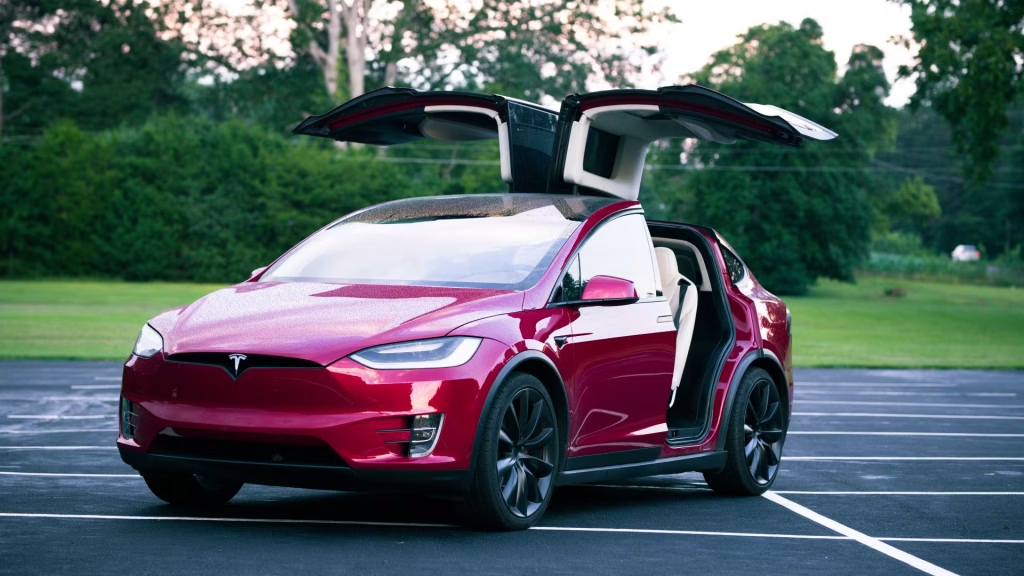
The Model X ranks fourth because its large battery and complex premium package can make an out-of-warranty repair painful. A documented service history and professional battery assessment are more meaningful than a low asking price alone.
5. Ford Focus Electric
The Ford Focus Electric presents a different concern, as its age and the availability of replacement parts can make major repairs more challenging. Ford ended production of the electric Focus after the 2018 model year, so buyers should carefully check repair options and parts availability before purchasing one.
The correct replacement depends on the model year and pack specification. Some owners may consider a used battery from a donor vehicle, but its capacity and service history may be uncertain. The assembly must also be compatible with the car’s electrical systems, and installation requires a technician experienced with high-voltage drivetrains.
Warranty terms depend on the vehicle’s model year and applicable Ford documents. Since even the newest Focus Electric examples are several years old, buyers should check the VIN and original in-service date rather than assume coverage remains.
A pre-purchase inspection should include battery-health testing, charging-system diagnostics, and a review of service records. Ask about previous battery repairs and request invoices.
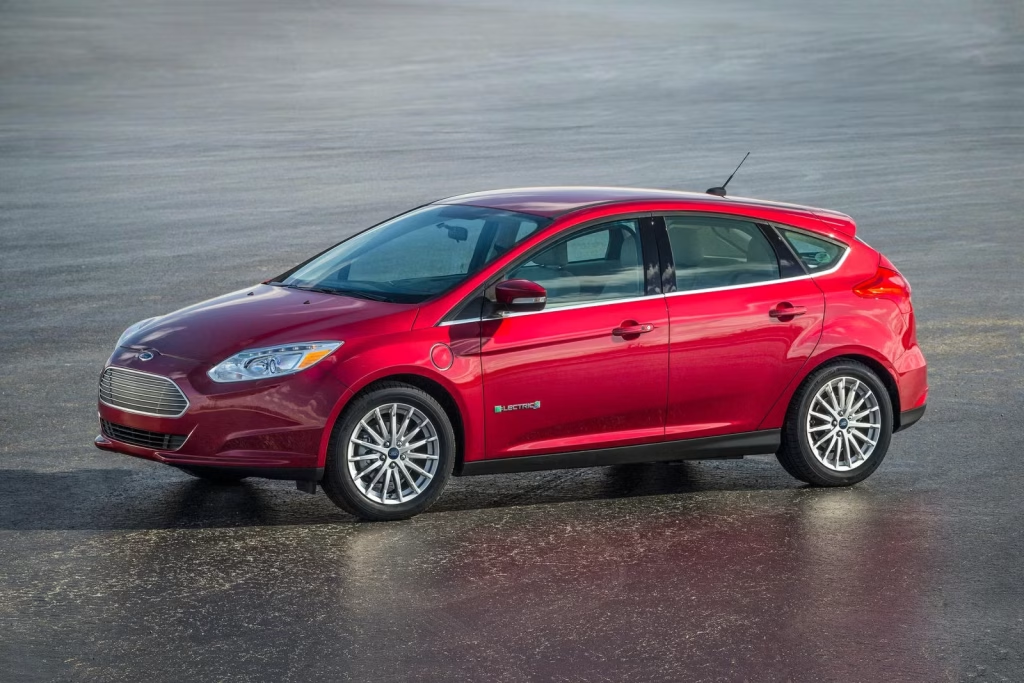
The Focus Electric ranks fifth because discontinued production and uncertain parts access can make repairs less straightforward. It can still work as a short-distance commuter if the battery is healthy and local specialist support is confirmed.
6. Chevrolet Bolt EV
The Chevrolet Bolt EV appears on this list because its history includes a major battery recall, not because every Bolt is expected to develop a battery problem.
General Motors recalled certain Bolt EVs after identifying manufacturing defects in battery cells that could increase fire risk. The recall and subsequent repair activity make documentation essential for used-car buyers.
Not every Bolt has the same battery history. Some affected vehicles received replacement battery packs, while others received remedies under the applicable recall program. The remedy depends on the VIN, campaign, and repair record. Buyers should verify the status with Chevrolet or an authorized dealer rather than rely on a seller’s verbal assurance.
Chevrolet’s U.S. EV warranty information identifies eight years or 100,000 miles, whichever comes first, for specified high-voltage electric propulsion components, including the battery. Exact coverage, exclusions, and any special provisions depend on the applicable documentation and vehicle history.
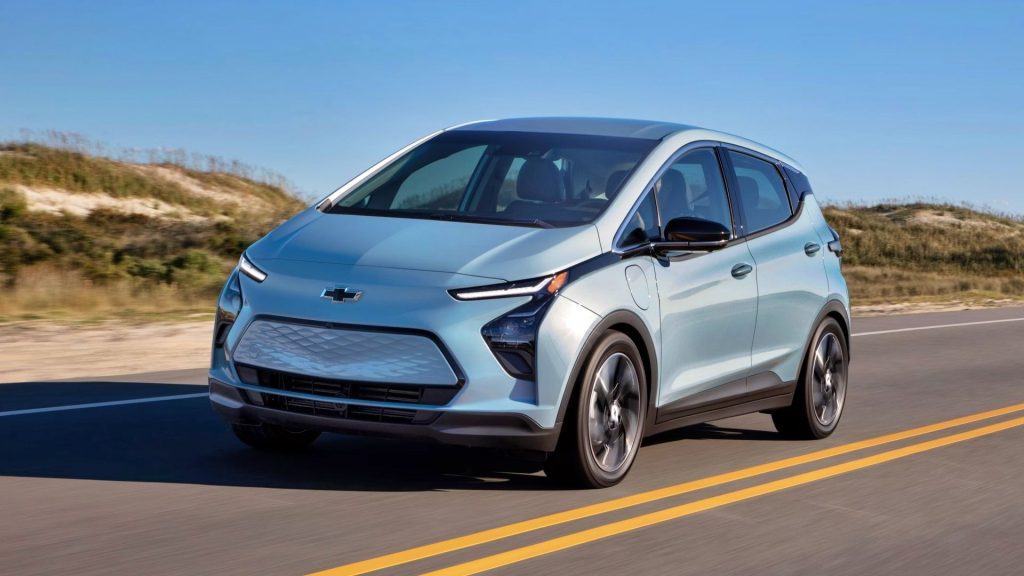
Replacement expenses vary with battery configuration, parts availability, labor, and the repair needed. Although the Bolt’s battery is smaller than those in some luxury electric SUVs, a smaller pack does not guarantee a low repair bill. Diagnosis and a vehicle-specific quote remain important.
The Bolt ranks sixth because its recall history creates a specific verification task. A properly repaired example with clear records may be a sensible used purchase, while missing paperwork or unresolved recall questions should be settled before buying.
7. Ford Mustang Mach-E
The Ford Mustang Mach-E combines crossover practicality with electric performance. Introduced in the United States for the 2021 model year, it has been offered with standard-range and extended-range batteries. The configuration affects driving range and the cost of a potential replacement.
Ford’s original U.S. high-voltage battery warranty is generally eight years or 100,000 miles, whichever comes first, subject to the applicable terms. The original warranty guide and VIN should be checked to establish remaining protection.
Age alone does not prove that a battery needs replacement, and a modest range reduction does not automatically qualify as a covered failure.
A repair involving one component can have very different costs from a complete pack replacement. A written estimate should identify whether the proposed assembly is new, remanufactured, or used and specify labor, programming, and warranty terms. Buyers should also check for unresolved battery-related recalls or service campaigns.
Some used Mach-E examples may still have meaningful factory coverage, depending on mileage and original in-service date.
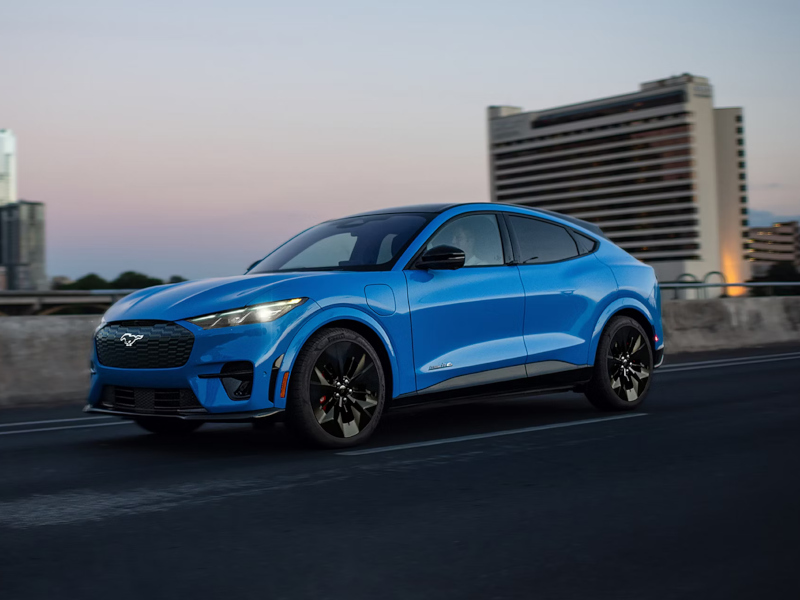
The model ranks seventh because a large traction battery can represent a substantial repair expense, even in a relatively modern vehicle. Buyers can reduce exposure by choosing a well-documented car with healthy diagnostic results and verified warranty protection.
8. Volkswagen ID.4
The Volkswagen ID.4 entered the U.S. market for the 2021 model year. Early examples have now had time to accumulate substantial mileage, making battery condition and remaining warranty coverage relevant to second-hand shoppers.
Battery capacities and drivetrain arrangements vary by model year and trim. A replacement pack must match the specific vehicle, while parts availability and access to technicians trained in high-voltage systems can influence repair costs. A generic quote for an ID.4 may not accurately represent the cost for a particular version.
U.S. electric-vehicle battery warranties commonly provide eight years or 100,000 miles of coverage, although precise terms, capacity-retention provisions, and exclusions depend on the manufacturer and applicable rules. Buyers should consult Volkswagen’s original warranty documentation for the vehicle rather than rely on a generic summary.
Request service records and arrange for a Volkswagen dealer or qualified EV specialist to scan the high-voltage system. Check whether applicable software updates, recalls, and service campaigns have been completed. If a fault is identified, obtain a written repair estimate before negotiating the price.
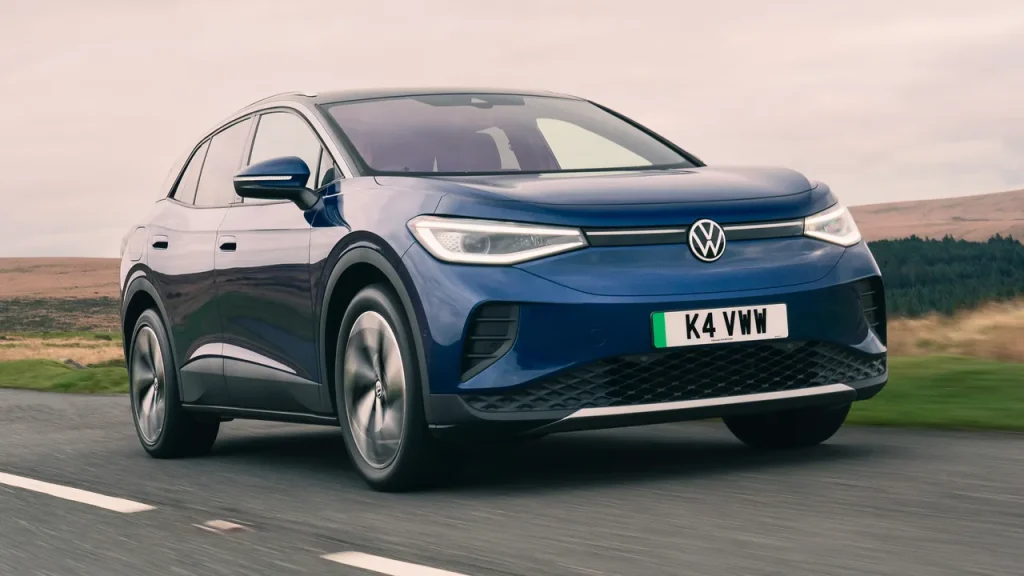
A healthy battery, complete service history, and substantial remaining warranty provide more reassurance than assumptions about the model. The ID.4 ranks eighth because a major battery repair could be expensive, but vehicle-specific evidence matters more than general fears about electric cars.
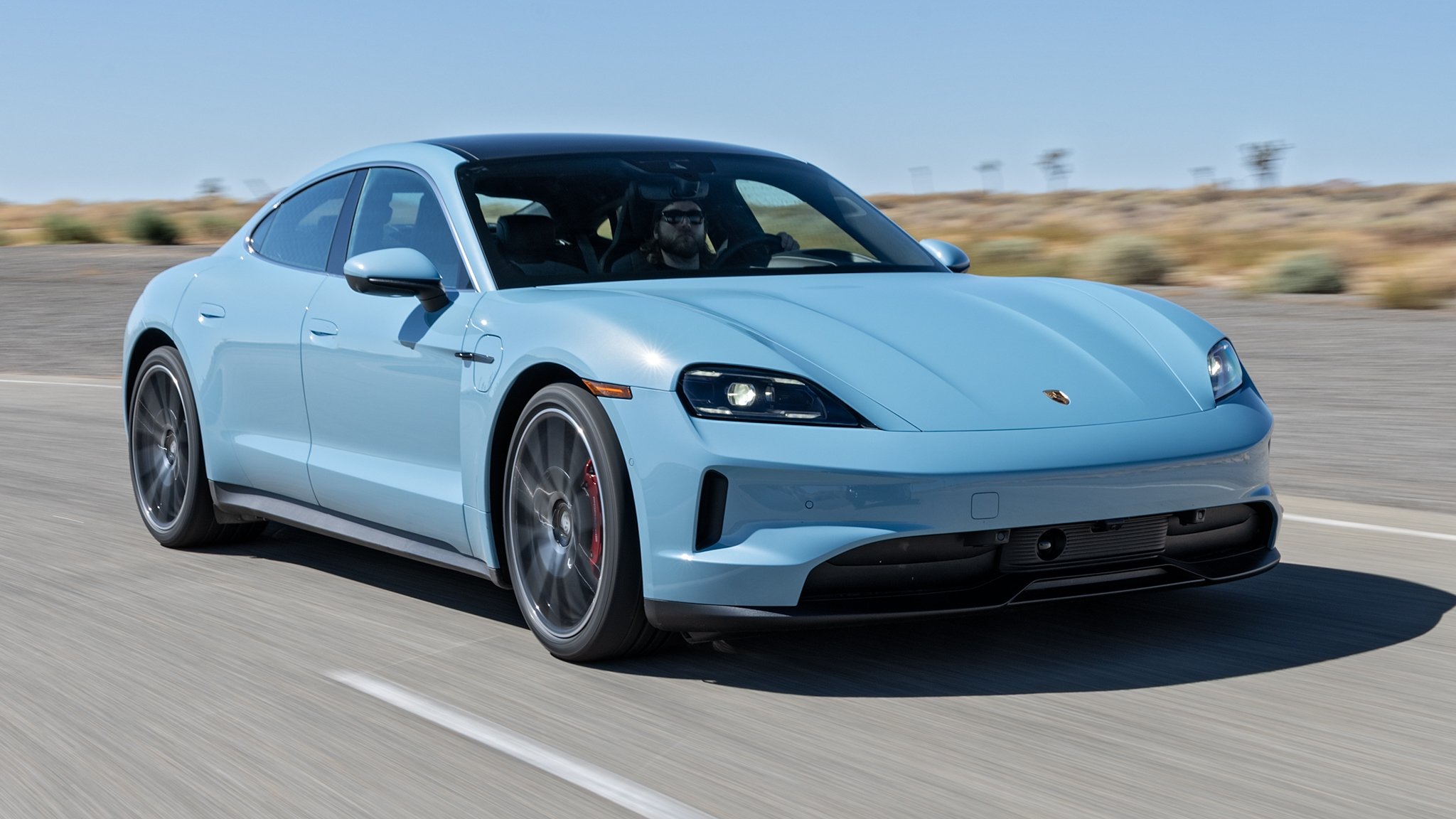
9. Porsche Taycan
The Porsche Taycan brings high-performance engineering to the electric-car market. Its rapid acceleration and sophisticated systems appeal to enthusiasts, but a major battery repair can cost substantially more than routine work on an ordinary commuter vehicle.
Porsche launched the Taycan in the United States for the 2020 model year. Early versions included Performance Battery and Performance Battery Plus configurations, and later model years brought technical changes. A replacement assembly must match the vehicle’s precise specification.
Acceleration alone cannot establish battery health. A Taycan can remain quick even when usable capacity has declined. Buyers should examine charging behavior, high-voltage warnings, diagnostic records, and any history of battery-related repairs. A Porsche specialist can help distinguish normal capacity loss from a fault requiring attention.
Warranty coverage is particularly important. The applicable U.S. Porsche warranty documents determine the coverage period and mileage allowance. Buyers should confirm remaining protection with a dealer and obtain written verification of any transferable or extended warranty.
Repair costs depend on the fault. A battery issue does not automatically require replacement of the complete pack, so diagnosis should precede any financial estimate. If a complete assembly is necessary, specialist labor, parts sourcing, and related procedures may increase the bill.
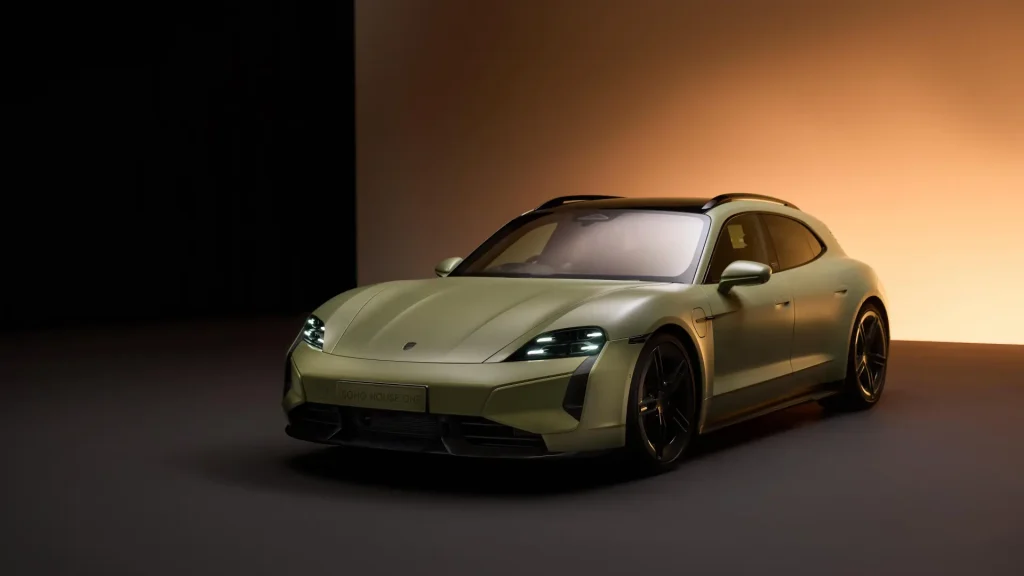
The Taycan ranks ninth because a major battery repair can be expensive relative to normal ownership costs. This does not mean every Taycan is unreliable. It means buyers should budget for premium-level repairs, investigate service history, and confirm warranty protection before purchase.
10. Hyundai Kona Electric
The Hyundai Kona Electric shows that battery concerns are not limited to luxury vehicles. Its compact dimensions and practical range have made it popular with commuters, but certain earlier U.S. examples deserve extra scrutiny because they were included in a significant battery recall.
Hyundai recalled certain Kona Electric vehicles after identifying a potential battery defect associated with fire risk. The affected population and remedy depend on the model year and VIN. Buyers must establish whether the vehicle was included in the campaign and whether the required repair was completed.
Battery capacity varies by model year and trim. Earlier versions and later redesigned models should not be treated as interchangeable when estimating repair costs or evaluating range. A professional assessment should use the correct specification and account for temperature and driving conditions.
Before purchase, ask a Hyundai dealer to check the VIN for open recalls, completed campaigns, and remaining battery coverage. Request invoices for any replacement pack and confirm the warranty attached to the installed components.
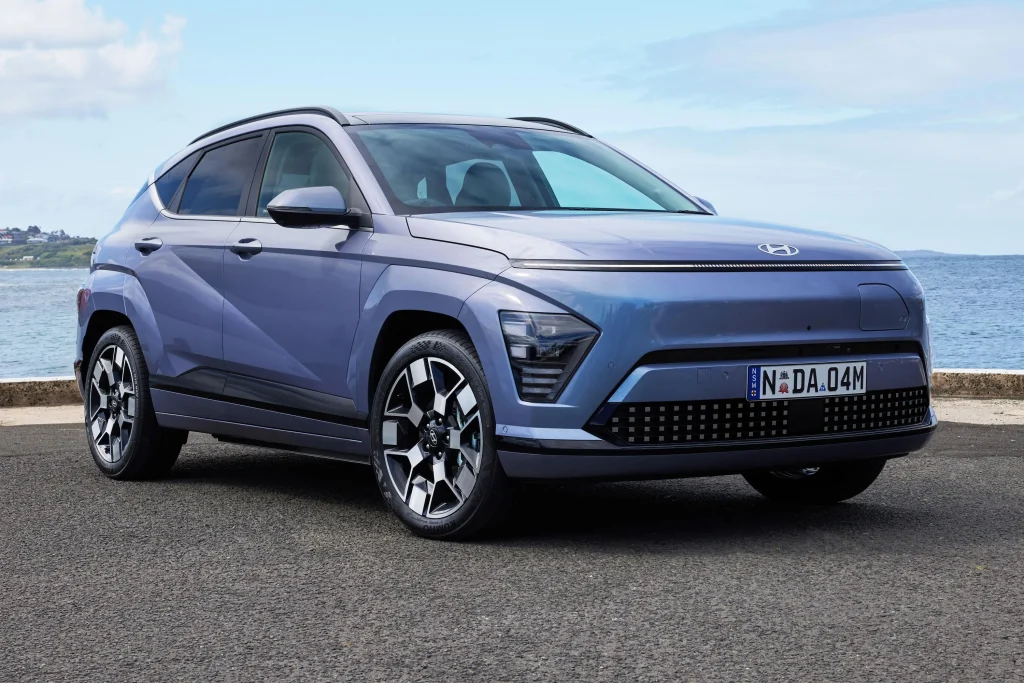
The Kona Electric ranks tenth because its recall history makes documentation particularly important. A verified repair record and healthy battery can make a used example appealing, but questions about the recall remedy should be resolved before purchase.
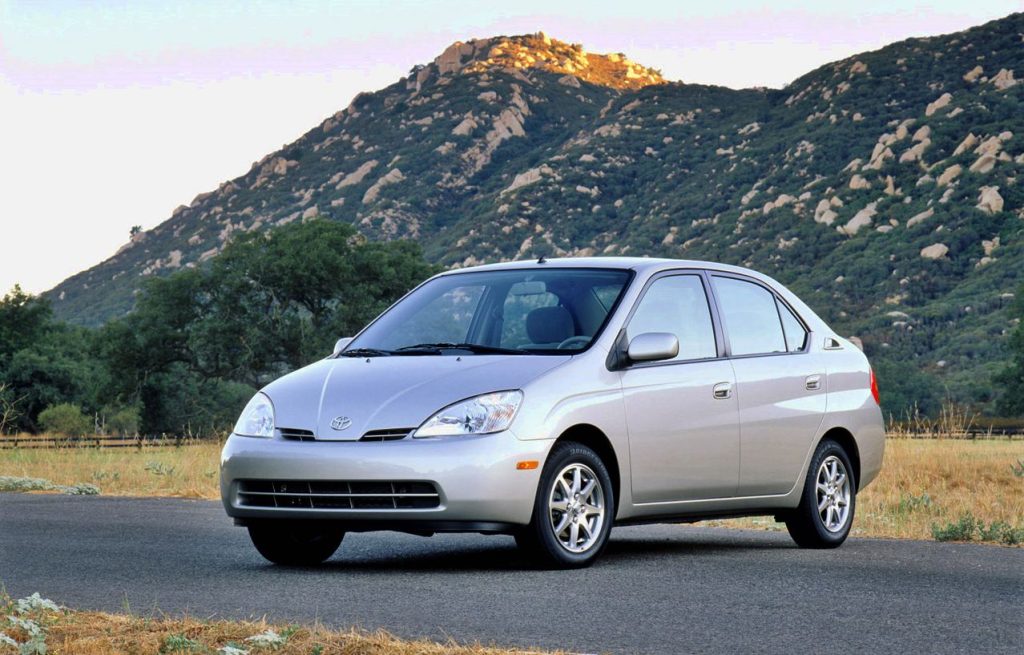
11. Toyota Prius
The Toyota Prius faces a different risk from a fully electric vehicle. Its hybrid system combines a gasoline engine with electric motors, so it does not rely on a large plug-in traction battery for all propulsion. That generally limits financial exposure compared with replacing a large EV pack, but hybrid battery failure remains possible.
Sold in the United States since the 2001 model year, the Prius spans several generations. Some versions use nickel-metal hydride batteries, while others use lithium-ion technology. Battery size and chemistry differ, so replacement estimates should be based on the exact model year and configuration.
Age can matter more than the odometer suggests. A low-mileage Prius may still have an aging battery, while a higher-mileage example may continue operating with its original pack. Heat exposure, storage conditions, usage patterns, and individual cell performance influence battery condition. Mileage alone cannot reliably predict when replacement will be needed.
Toyota’s U.S. hybrid battery warranty varies by model year. Some newer Prius models have longer coverage than older examples, so buyers should check the original warranty documents, VIN-specific eligibility, and any relevant extensions.
Replacement options include new, remanufactured, and used assemblies, each with different prices and warranties. A cheap battery is not necessarily good value if its history and remaining service life are unknown.
The Prius ranks eleventh because its smaller battery can limit potential expenses compared with a large EV pack. Nevertheless, a professional inspection is essential to distinguish routine maintenance from a major battery problem.
12. Toyota RAV4 Hybrid
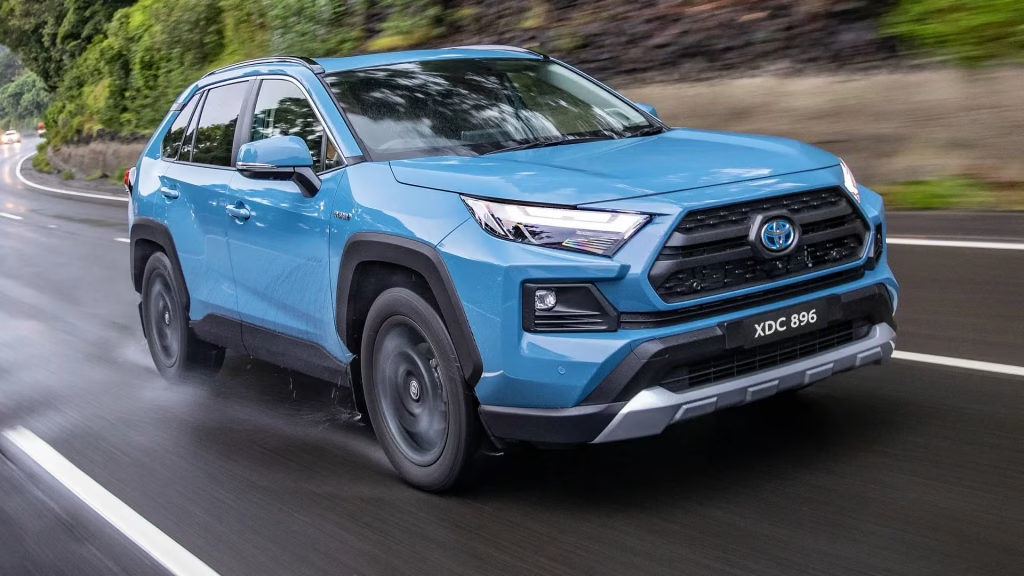
The Toyota RAV4 Hybrid completes this ranking because its battery-replacement exposure differs from that of a fully electric SUV. Its hybrid system combines a gasoline engine with electric motors, so it does not depend on a large plug-in traction battery.
That generally makes replacement less financially daunting, although the final bill depends on model year, chemistry, parts, and labor.
Toyota introduced the RAV4 Hybrid to the U.S. market for the 2016 model year. Depending on generation and configuration, it may use a nickel-metal hydride or lithium-ion traction battery. Buyers should identify the exact version before comparing replacement estimates because packs are not necessarily interchangeable.
Battery condition should be assessed as part of the entire hybrid system. Warning lights, declining fuel economy, or abnormal battery-charge behavior can indicate a problem, but other faults can produce similar symptoms. A qualified technician should check diagnostic codes, battery performance, and the cooling system before recommending replacement.
Battery cooling also deserves attention. Where a vehicle uses a dedicated battery cooling intake, dust or debris can restrict airflow and interfere with temperature management. Following maintenance instructions and keeping the intake clear can support normal operation, though it cannot reverse age-related degradation.
Ask for a written estimate that distinguishes a new pack from a remanufactured or used assembly and specifies the warranty. The RAV4 Hybrid ranks twelfth because its smaller battery generally limits potential replacement expenses compared with large EV batteries.
Even so, Toyota’s reputation for reliability does not mean its batteries will last forever. Maintenance records and a professional inspection are still essential when evaluating battery condition.
