
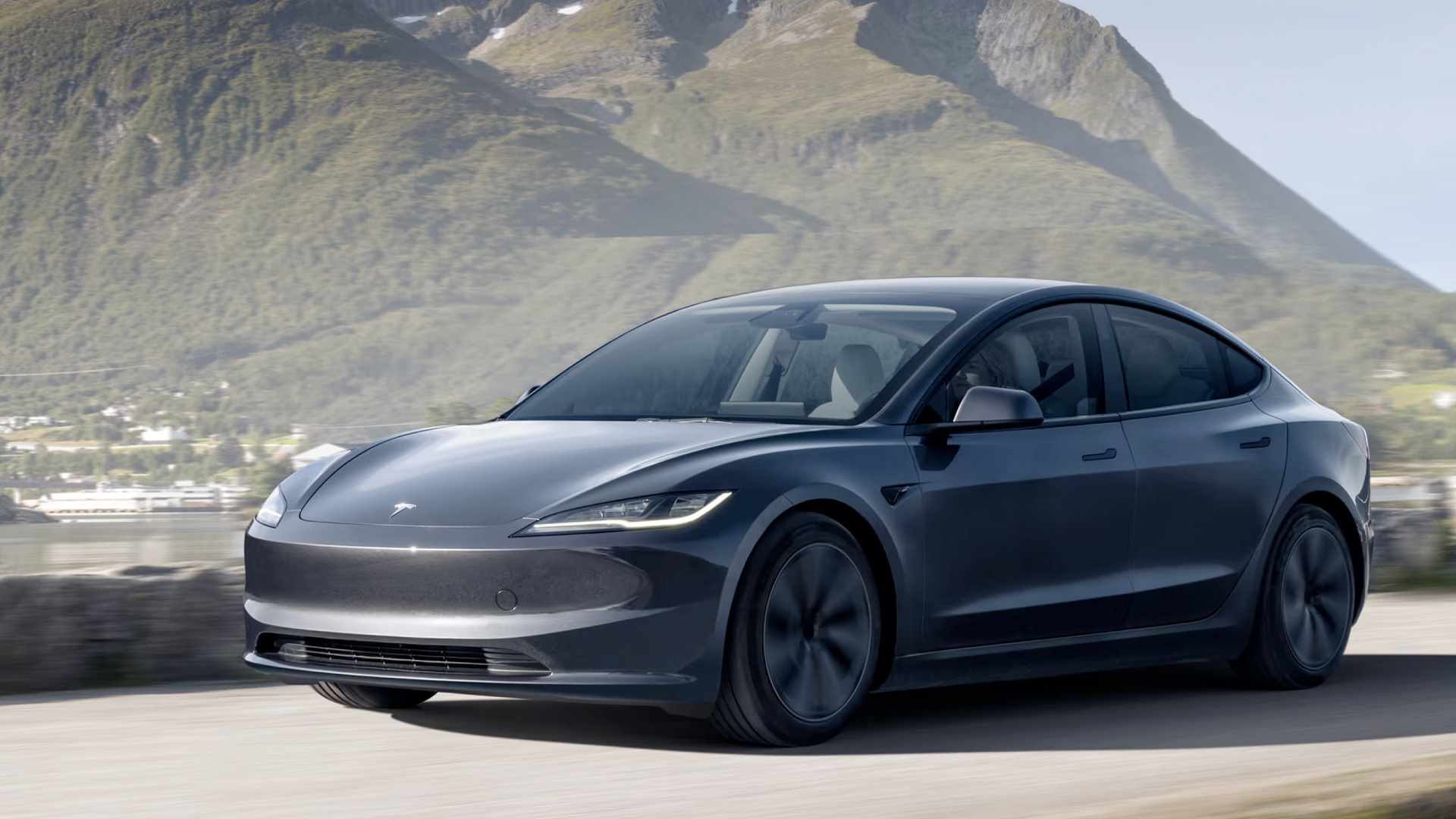
Buying a car is only the beginning of its expenses. Over the following decade, owners must budget for maintenance, repairs, tires, and other costs that can significantly increase the price of keeping a vehicle on the road. For buyers comparing electric vehicles with hybrids, these expenses can make a substantial difference to long-term ownership costs.
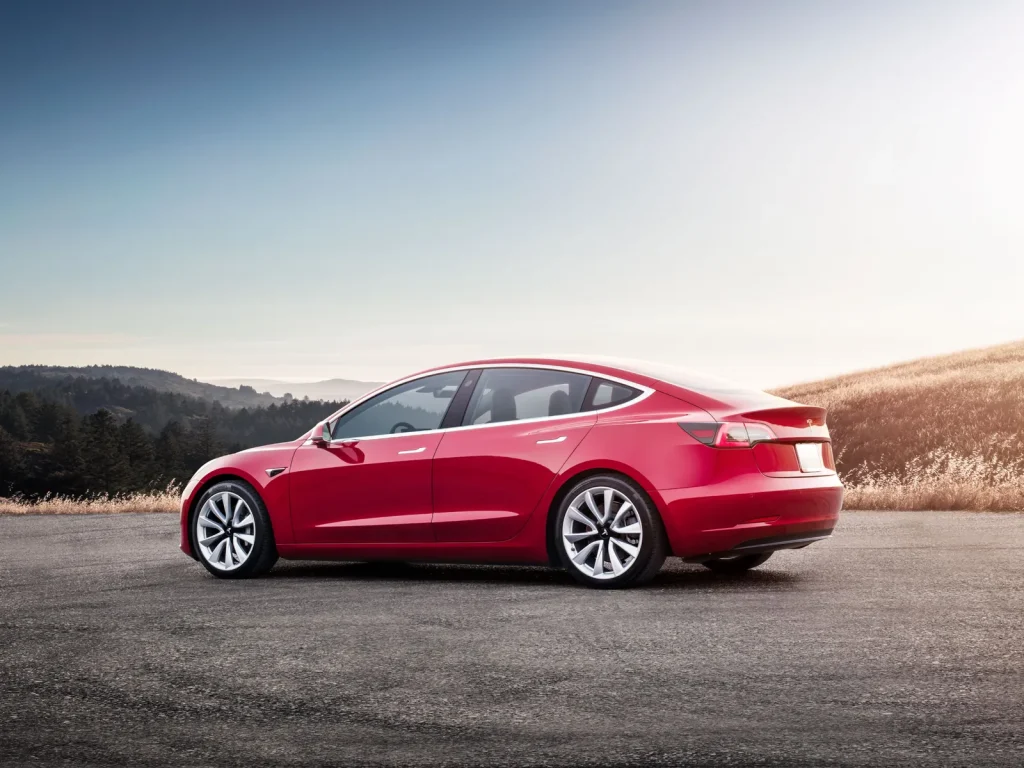
According to a HotCars report, the Tesla Model 3 has estimated maintenance and repair costs of $3,587 over ten years, putting it ahead of the Toyota Prius in the comparison. The result challenges the assumption that hybrids are always cheaper to maintain because they use less gasoline than conventional vehicles.
The Model 3 benefits from an electric powertrain that eliminates several routine services associated with gasoline engines. It does not require engine oil changes, spark plug replacements, or conventional exhaust-system maintenance. Regenerative braking can also reduce wear on traditional brake components.
However, the reported figure requires context. Maintenance expenses are not the same as total ownership costs, and estimates vary by model year, mileage, and methodology. Insurance, depreciation, financing, and energy costs can change which vehicle is cheaper to own.
Nevertheless, the Model 3’s relatively simple maintenance requirements make it an interesting option for buyers seeking to reduce recurring servicing expenses.
Why the Tesla Model 3 Has Lower Maintenance Costs
The Tesla Model 3’s main advantage comes from the way its electric powertrain operates. A gasoline-powered car relies on an engine with numerous moving components and supporting systems that require regular attention.
Oil and filter changes, spark plugs, fuel-system components, and exhaust equipment all contribute to the cost of maintaining a conventional vehicle.
An electric car eliminates many of these requirements. The Model 3 uses an electric motor and battery instead of a conventional combustion engine, reducing the number of routine powertrain services owners need to budget for.
Tesla still recommends regular maintenance. Its guidance generally calls for tire rotation every 6,250 miles or when tire-tread differences reach the specified threshold. Cabin air filters typically need replacement every two years, while windshield wipers generally require attention annually.
Tesla recommends checking brake-fluid health every four years and replacing the fluid if necessary. Requirements can vary with the vehicle, climate, and driving conditions.
These tasks are relatively straightforward compared with the recurring engine servicing required by many gasoline cars. Drivers covering substantial annual mileage may benefit particularly from eliminating repeated oil changes.
Regenerative braking provides another potential advantage. When the driver slows down, the electric motor can recover some energy and return it to the battery. This reduces reliance on conventional friction brakes in many driving situations and may extend brake-pad life.
However, brake wear depends on driving habits, road conditions, and climate. Drivers who frequently brake hard or travel through hilly areas may experience different results. Corrosion can also affect brake components, particularly in regions where roads are treated with salt.
Tires remain a significant maintenance expense for Model 3 owners. Electric vehicles can deliver immediate acceleration, and aggressive driving can increase tire wear. Vehicle weight, wheel size, alignment, and road surfaces also influence how frequently tires need replacing.
Unexpected repairs are another consideration. Suspension problems, electronic faults, and collision damage can generate substantial bills. High-voltage battery problems can also be expensive, although that does not mean every older electric vehicle will require battery replacement.
The reported $3,587 figure should therefore be treated as an estimate rather than a guarantee. Actual spending depends on mileage, maintenance history, driving conditions, and the costs included in the underlying calculation.
How the Toyota Prius Compares Over Ten Years
The Toyota Prius remains a strong alternative for buyers who prioritize fuel economy and practical everyday transportation. Its hybrid powertrain combines a gasoline engine with electric motors, helping reduce fuel consumption while retaining the convenience of refueling at conventional gas stations.
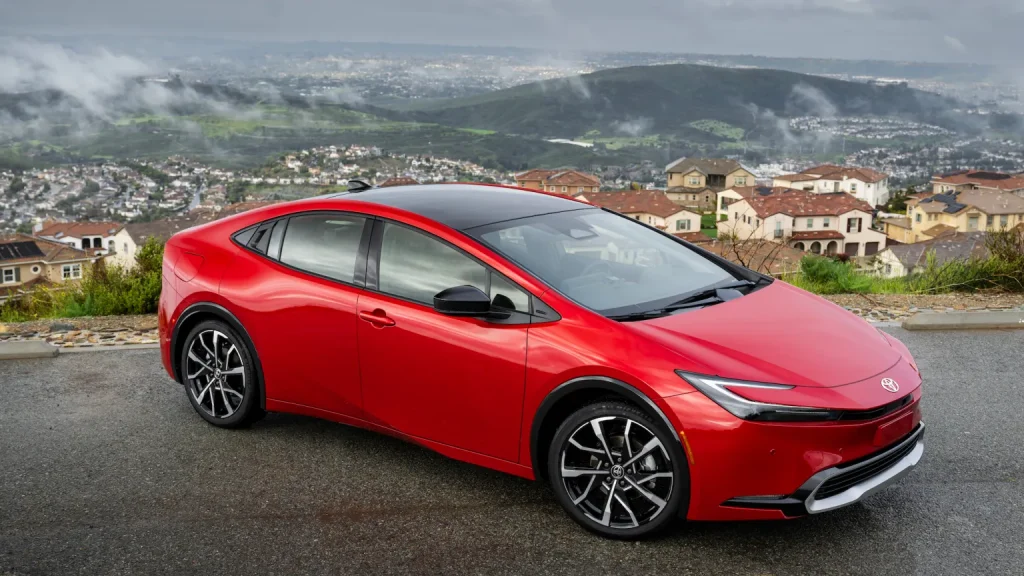
Unlike the Model 3, the Prius still requires engine oil and filter changes. It also retains combustion-engine components that can need servicing as the vehicle ages. Although Toyota’s hybrid technology has a long history, its maintenance requirements are not identical to those of a fully electric car.
The HotCars comparison cited in the headline places the Model 3’s estimated ten-year maintenance and repair costs at $3,587, compared with approximately $4,008 for the Prius. That represents a difference of $421 over ten years, or about $42 annually.
The gap is modest when spread across a decade. It does not mean every Model 3 will cost less to maintain than every Prius, and it does not establish which vehicle will be cheaper under every set of driving conditions.
Other estimates produce different totals. CarEdge’s published projections put ten-year maintenance and repair costs at approximately $3,224 for the Model 3 and $4,359 for the Prius. These figures also favor Tesla, but they produce a larger difference than the HotCars comparison.
The variation highlights the importance of checking how each estimate was calculated. Different sources may use different repair histories, maintenance schedules, mileage assumptions, and forecasting methods. The figures should not be treated as precise predictions for an individual owner.
The Prius has advantages of its own. It can be refueled quickly, does not depend on charging infrastructure, and can deliver strong fuel economy in everyday driving. Those characteristics make it appealing to drivers without access to home charging.
The Model 3 may be particularly attractive to drivers who can charge at home and want to avoid routine combustion-engine servicing. However, electricity prices and public charging costs vary, meaning its energy expenses depend on where and how it is driven.
What Buyers Should Consider Before Choosing Either Car
Maintenance is only one part of the ownership calculation. Insurance, depreciation, financing, and energy expenses can have a larger effect on the total amount a driver spends over ten years.
Insurance premiums depend on factors such as location, driving history, coverage, and vehicle repair costs. Buyers should get quotes for both models instead of assuming lower maintenance costs automatically mean cheaper insurance.
Depreciation also matters. A vehicle’s resale value depends on its age, mileage, condition, market demand, and the availability of newer models. Battery technology and changes in new-car pricing can influence electric-vehicle resale values, while the Prius has its own depreciation pattern.
Energy costs should be calculated separately. Model 3 owners need to consider electricity rates, charging efficiency, and how often they use public charging stations. Prius owners need to account for gasoline prices and actual fuel economy.
A driver charging an electric car cheaply at home may have a different cost profile from someone relying on public fast chargers.
Annual mileage can further change the comparison. Drivers covering many miles may benefit more from avoiding repeated engine servicing, although higher mileage also increases tire wear and the likelihood of other repairs. For people who drive only occasionally, the absolute maintenance savings may be smaller.
Before purchasing either vehicle, compare estimates for the exact model year and trim. Check the manufacturer’s maintenance schedule, obtain insurance quotations, calculate local energy costs, and research common repair expenses. For a used car, its condition and service history can matter more than average long-term projections.
The Model 3’s reported $3,587 maintenance estimate makes it a strong contender for buyers seeking lower servicing costs. Its electric powertrain eliminates several recurring maintenance tasks, while regenerative braking can reduce wear on conventional brakes.
The Prius remains a practical alternative for drivers who value gasoline refueling and do not want to depend on charging access. Ultimately, the better financial choice depends on the complete ownership picture, not maintenance costs alone.
