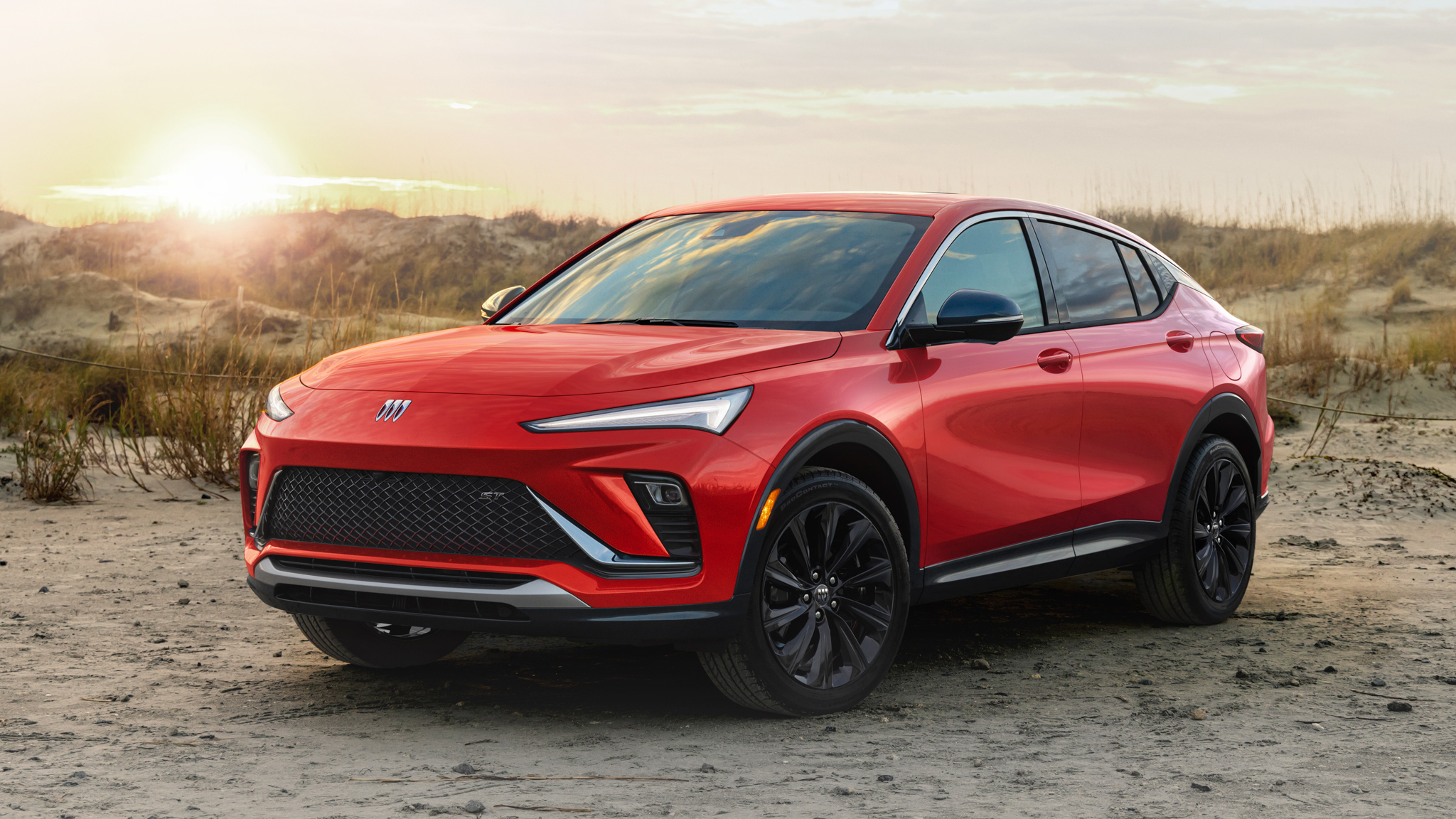
A car’s purchase price tells only part of the ownership story. Over a decade, routine maintenance and repairs can add thousands of dollars to the cost of keeping a vehicle on the road. CarEdge estimates show a wide gap between brands, from $3,518 for FIAT to $21,507 for Ram in its U.S. 10-year maintenance-cost ranking.
These figures are estimates, not guaranteed bills for every owner. Driving habits, mileage, model choice, labor rates, and repair history all affect spending. Still, the rankings provide a useful starting point for comparing long-term ownership costs.
1. FIAT
The least expensive brand in CarEdge’s ranking is FIAT, with estimated maintenance costs of $3,518 over 10 years. That is $1,952 less than the estimate for Toyota, the second-ranked brand, making the difference notable for budget-conscious American buyers.
FIAT’s position should be interpreted carefully. The estimate does not mean every FIAT will cost exactly $3,518 to maintain, nor does it prove that every model is more dependable than competitors. It represents CarEdge’s projected ownership costs across a decade.
The amount an individual owner spends depends on the vehicle, annual mileage, maintenance schedule, repair needs, and local labor rates.
For American shoppers, model availability is another consideration. FIAT has had a relatively limited U.S. lineup compared with major manufacturers, so the particular model and its parts support matter. Buyers considering a used FIAT should check whether nearby repair shops have experience with the vehicle and whether replacement parts are readily available.
A low maintenance estimate can make a vehicle attractive, but the purchase price, fuel economy, insurance, depreciation, and potential repairs must also be considered. A car that costs less to service is not automatically the cheapest vehicle to own if it loses value quickly or does not suit the buyer’s needs.
The sensible approach is to use the $3,518 figure as a comparison point, then investigate the exact model and model year. Request service records, inspect the vehicle before purchase, and compare insurance quotes. FIAT leads this ranking on estimated maintenance cost, but the best ownership decision still depends on the individual vehicle and its condition.
2. Toyota
Toyota occupies second place with $5,470 in estimated maintenance costs over 10 years, according to CarEdge. The figure is $1,952 higher than FIAT’s estimate, yet Toyota remains among the least expensive brands in this comparison.
One reason Toyota attracts long-term owners is its broad U.S. lineup, spanning compact cars, hybrids, family SUVs, and pickup trucks. That variety gives buyers options across different budgets and driving needs.
However, a brand-wide estimate should not be treated as a promise that every Toyota model will cost the same amount to maintain. A small sedan and a large, four-wheel-drive truck have different service requirements, tire costs, and mechanical complexity.
The distinction between scheduled maintenance and unexpected repairs matters as well. Oil changes, filters, tires, brakes, and fluid services are predictable expenses, while major component failures can change an owner’s budget considerably.
A vehicle’s service history and the way it has been driven may influence actual costs more than the brand name alone.
For shoppers planning to keep a vehicle for many years, Toyota’s relatively low estimate offers a useful reason to include the brand on a shortlist. It should still be compared with the purchase price and the specific model’s features.
A more expensive Toyota may not be the best financial choice if a competing vehicle meets the same needs at a substantially lower price.

Before buying used, verify maintenance records, check for open recalls, and arrange an independent inspection. Hybrid buyers should also confirm the condition and warranty status of the hybrid system. Toyota’s $5,470 estimate is a helpful benchmark, but the actual cost of ownership will depend on the vehicle chosen and how well it is maintained.
3. MINI
The MINI ranks third in CarEdge’s U.S. maintenance-cost comparison, with projected spending of $6,706 over 10 years. That is only $1,236 more than Toyota’s estimate, an interesting result for a brand often associated with premium styling and European engineering.
MINI’s appeal lies in its compact dimensions, distinctive design, and engaging driving character. Its American lineup has included small hatchbacks, convertibles, and crossovers, giving buyers several ways to enjoy the brand.
Maintenance expenses, however, depend on the particular model, engine, age, and mileage. A compact hatchback should not automatically be expected to cost the same to maintain as a larger, more complex vehicle.
CarEdge’s figure is a projection, not a fixed ownership bill. Its model estimates include maintenance and repair costs, and the company notes that actual expenses can differ considerably from its averages.
Owners who follow scheduled service intervals and address minor faults promptly may have a different experience from drivers who defer maintenance.
For used-car shoppers, the most important step is to examine the service history. Check whether scheduled services were completed, inspect tires and brakes, and look for warning lights or signs of neglected repairs. A pre-purchase inspection by a technician familiar with MINI vehicles can help identify issues that are not apparent during a short test drive.
The $6,706 estimate places MINI in a competitive position among the brands listed. Still, buyers should compare the price of the vehicle, insurance, fuel consumption, and repair options before deciding. A well-maintained example can be appealing, but choosing the right model and individual car matters more than relying on a brand-wide average alone.
4. Volkswagen
Volkswagen comes fourth in CarEdge’s ranking, with $6,764 in projected maintenance and repair costs over 10 years. The estimate is just $58 higher than MINI’s, making their projected long-term costs nearly identical in this dataset.
The brand offers a varied U.S. lineup, including compact sedans, hatchbacks, and SUVs. That variety makes a single brand-wide figure useful for broad comparison but not precise enough to predict what an individual owner will spend. A vehicle’s engine, transmission, age, mileage, and service requirements can all influence the final bill.
CarEdge’s model-specific maintenance page also estimates a 20.9% chance of a major repair during a Volkswagen’s first 10 years. In its methodology, the company classifies a repair costing more than $500, including parts and labor, as major.
This is a statistical estimate, not a guarantee that one in five individual vehicles will experience an identical problem.
For American buyers, access to qualified repair shops and the price of replacement parts deserve attention. Routine service may be straightforward, while certain repairs can require specialist knowledge or additional diagnostic work.
Checking the service schedule before purchase can help owners anticipate recurring expenses rather than react to them unexpectedly.
A used Volkswagen should be evaluated on its own merits. Ask for complete maintenance records, check for warning lights, and arrange an independent inspection. Verify that any recalls have been addressed, and compare quotes from reputable repair facilities if the vehicle is approaching a major service interval.
The $6,764 estimate places Volkswagen close to the lower-cost end of this ranking. It can help buyers compare ownership expenses, but the smartest purchase is one with a documented history, a suitable price, and a condition that supports many more years of driving.
5. Honda
Honda lands in fifth place with projected 10-year maintenance and repair costs of $6,799, just $35 more than Volkswagen in CarEdge’s ranking. The small difference makes these two brands nearly tied in estimated ownership expenses, although individual models can produce very different bills.
Honda’s U.S. lineup includes compact cars, family SUVs, minivans, and pickups. That breadth is important because maintenance costs depend on the vehicle’s size, powertrain, mileage, and service requirements. A Civic used mainly for commuting may have a very different cost profile from a larger SUV driven frequently with a full load of passengers.
CarEdge also estimates a 19.95% chance of a major repair within the first 10 years for Honda vehicles. The company’s definition of a major repair includes a repair costing more than $500, including parts and labor. This is a statistical estimate, not a prediction that every fifth Honda will experience the same failure.
For owners, routine service remains the most controllable part of the budget. Following the maintenance schedule, checking fluid levels, replacing worn tires, and responding promptly to warning lights can help prevent small issues from becoming more expensive.
Hybrid owners should also follow the model-specific service requirements rather than assume that fewer engine hours eliminate maintenance needs.
Used-car buyers should ask for service records and have the vehicle inspected before purchase. It is also worth checking recall status and comparing insurance costs, since maintenance is only one part of ownership.
Honda’s $6,799 estimate places it among the lower-cost brands in this comparison. The number is a useful starting point, but a vehicle’s history and condition will determine whether the experience matches the projection.
6. Mitsubishi
Mitsubishi’s estimated 10-year maintenance and repair cost is $6,822, putting it just $23 above Honda in the CarEdge ranking. That narrow gap shows how closely the two brands sit in this particular dataset.
Mitsubishi has a smaller U.S. lineup than some of the industry’s largest manufacturers, with vehicles such as the Outlander and Outlander Sport serving buyers who want practical transportation and available all-wheel drive.
A brand-level average provides a broad comparison, but the cost of maintaining a compact crossover may differ from that of a larger vehicle or a plug-in hybrid.
CarEdge’s model also estimates a 19.83% chance of a major repair within 10 years for Mitsubishi vehicles. That figure is close to Honda’s estimate, but the percentages should not be treated as direct predictions for every vehicle or every owner. The definition of a major repair and the underlying data matter when interpreting the result.
For buyers, parts availability and access to a qualified service center are worth checking before choosing a less common brand.
Routine work may be straightforward, but a repair requiring a specific component can be affected by local inventory and technician experience. Ask a nearby service department about maintenance intervals and obtain estimates for common scheduled services.
When shopping used, pay close attention to the service history, tires, brakes, and operation of the transmission and all-wheel-drive system where fitted. For a plug-in hybrid, have the electrified components checked as well.
Mitsubishi’s $6,822 estimate places it near the inexpensive end of this list. A sensible purchase still depends on the specific model, its condition, and whether the vehicle fits the owner’s needs. A low projected maintenance cost is helpful, but it should never replace an inspection.
7. Hyundai
Hyundai records an estimated $7,024 in maintenance and repair costs over 10 years, according to CarEdge’s U.S. brand ranking. That places it seventh, with projected spending only slightly above Mitsubishi but well below the estimates for several domestic truck-focused brands later in the list.
Hyundai’s American lineup includes compact sedans, crossovers, three-row SUVs, hybrids, and electric vehicles. This variety means that the cost of maintaining one Hyundai can differ significantly from another.
Tire size, powertrain complexity, driving conditions, and repair needs all influence spending, so the brand-wide estimate is best used as an initial comparison rather than a personal budget.
Warranty coverage can also shape ownership expenses. Hyundai has offered lengthy U.S. powertrain warranties on qualifying new vehicles, but eligibility and terms depend on the specific vehicle and ownership circumstances. Buyers should verify coverage rather than assume that every used Hyundai retains the same protection.
For a long-term owner, regular maintenance remains essential. Follow the manufacturer’s schedule, keep service receipts, and address warning lights promptly. Used-car shoppers should also check for open recalls, inspect the tires and brakes, and arrange an independent inspection before purchase.
Hyundai’s projected cost makes it a useful option for buyers trying to manage long-term expenses. However, the best choice is not necessarily the Hyundai with the lowest asking price. Compare the specific model’s features, fuel economy, insurance costs, and maintenance history against competing vehicles before deciding.
8. Subaru
Subaru’s estimated 10-year maintenance and repair bill is $7,291, placing it eighth in the CarEdge ranking. The brand costs more to maintain in this projection than Hyundai, but remains below the estimates for Mazda, Nissan, and several larger vehicle manufacturers.
Subaru’s U.S. lineup is known for standard all-wheel drive on most models, with the BRZ sports car being a notable exception. That setup appeals to drivers who regularly encounter rain, snow, or unpaved roads.
However, all-wheel drive also makes tire condition and matching particularly important, since significantly different tire circumferences can place additional stress on drivetrain components.
Maintenance costs depend on the model and how it is used. A Crosstrek driven mainly around town may have different needs from a turbocharged performance model or a larger family SUV. The brand-wide estimate cannot predict the bill for an individual vehicle, particularly one with incomplete service records.
Subaru shoppers should pay attention to scheduled fluid services, tire rotations, brakes, and any model-specific maintenance requirements.
When purchasing used, check for uneven tire wear, leaks, unusual engine noises, and evidence of neglected service. A mechanic familiar with Subaru vehicles can identify concerns before they become costly repairs.
The $7,291 estimate is a useful benchmark, not a guarantee of future spending. Subaru can make sense for drivers who value its traction and vehicle designs, provided they account for maintenance and choose a well-kept example. Compare actual service quotes and inspect the specific vehicle rather than assuming every model will match the brand average.
9. Kia
Kia’s projected 10-year maintenance and repair spending reaches $7,321, according to CarEdge’s U.S. ranking. That places the brand ninth, only $30 above Subaru, showing that its estimated long-term costs are close in this dataset.
Kia sells a broad range of vehicles in the United States, from compact sedans to three-row SUVs and electric models. Their maintenance needs differ, so a single brand-wide estimate cannot predict what every owner will pay.
Larger vehicles may require more expensive tires and brakes, while electrified models have different service requirements from gasoline-powered versions.
For a buyer planning to keep a vehicle for a decade, the most useful starting point is the specific model’s maintenance schedule.
Check the service intervals, expected consumables, and any warranty conditions. Kia’s factory coverage can be valuable, but the applicable terms and transfer rules should be verified for a used vehicle.
A used Kia deserves the same careful checks as any other brand. Review service records, inspect tire and brake wear, test electronic features, and check for open recalls. A professional inspection is particularly worthwhile when the car has incomplete records or has been driven extensively.
The $7,321 estimate puts Kia near the middle of the lower-cost brands in this ranking. It can help narrow a shopping list, but it should not be treated as a guarantee of reliability or a fixed bill. Choose a vehicle that fits your needs, has a documented history, and offers a meaningful value compared with alternatives.
10. Mazda
Mazda rounds out the first ten brands with $7,381 in projected maintenance and repair costs over 10 years. CarEdge places it just above Kia and $3 higher than Nissan, making these three brands tightly grouped in the ranking.
Mazda’s U.S. vehicles often emphasize handling and interior quality, with a lineup spanning compact cars and crossovers to larger SUVs. Maintenance expenses vary with engine choice, drivetrain, tire size, and use. A small sedan driven mostly on highways will not necessarily cost the same to maintain as a larger all-wheel-drive SUV.
The brand-wide estimate is useful for comparing long-term ownership projections, but it does not account for every individual vehicle’s history. Owners who follow scheduled service and address issues promptly may spend differently from those who delay repairs. Local labor rates and parts availability can also affect the final bill.
For used-car shoppers, examine maintenance records and check the condition of tires, brakes, suspension, and the transmission.
On all-wheel-drive models, confirm that the tires are appropriately matched and that required drivetrain services have been completed. An independent inspection can identify problems that are not obvious during a test drive.
Mazda’s $7,381 estimate suggests that its projected decade-long costs remain within a relatively narrow range of several mainstream rivals.
Buyers should compare the exact model’s purchase price, fuel economy, insurance, and service needs before making a decision. A carefully maintained vehicle is a stronger long-term bet than one chosen solely because its brand appears near the top of a cost ranking.
11. Nissan
Nissan’s projected maintenance and repair spending totals $7,384 over 10 years, according to CarEdge’s ranking. That places it eleventh, just $3 above Mazda. This tiny difference shows why brand rankings should not be treated as precise predictions for individual vehicles.
Nissan’s U.S. lineup includes compact sedans, family crossovers, larger SUVs, and sports cars. Each has different maintenance needs, and repair costs can vary substantially between powertrains.
Buyers should pay particular attention to the service requirements of the exact model and transmission, rather than assume every Nissan will match the brand average.
For used-car shoppers, transmission service records deserve careful review on models equipped with continuously variable transmissions. This does not mean every Nissan transmission will develop a problem, but proper maintenance and a professional inspection can help identify potential concerns before purchase.
The brand’s estimated cost also excludes many expenses that contribute to total ownership, such as fuel, insurance, registration, and depreciation. A Nissan with a lower purchase price may still be more expensive to own if it needs substantial repairs or carries unfavorable insurance costs.
Check the vehicle’s maintenance history, verify open recalls, and ask a qualified technician to inspect the engine, transmission, brakes, and suspension. Buyers should also confirm any remaining factory warranty coverage.
Nissan’s $7,384 projection is close to Mazda’s figure, making the two brands difficult to distinguish on maintenance cost alone. The final decision should depend on the model’s condition, price, features, and suitability for the driver’s needs.
12. Buick
Buick’s estimated 10-year maintenance and repair cost is $8,993, placing it twelfth in CarEdge’s ranking. That is $1,609 more than Nissan’s projection, marking a noticeable step up from the group of brands clustered around the $7,000 range.
Buick’s American lineup focuses primarily on crossovers, including models designed for buyers who want a comfortable ride and a more premium feel than some mainstream alternatives.
The size and equipment of the vehicle, however, can influence maintenance expenses. Tire replacement, brake work, and repairs to electronic features may vary according to trim and model year.
The $8,993 figure is a brand-wide projection, not a guaranteed bill. A well-maintained Buick may cost less to service than the estimate, while a neglected example or one requiring a major repair could cost considerably more. Maintenance history and condition are essential to any used-car decision.
Before buying, check the service records, look for warning lights, test the infotainment and driver-assistance systems, and inspect the tires and brakes.
A pre-purchase inspection can help identify problems that might otherwise become expensive surprises. Buyers should also compare insurance quotes and confirm the availability of replacement parts through local repair shops.
Buick may appeal to drivers who prioritize comfort and convenient features, but its projected maintenance cost should be part of the budget. Compare the actual vehicle with similarly priced alternatives before deciding whether the extra ownership expense is justified.