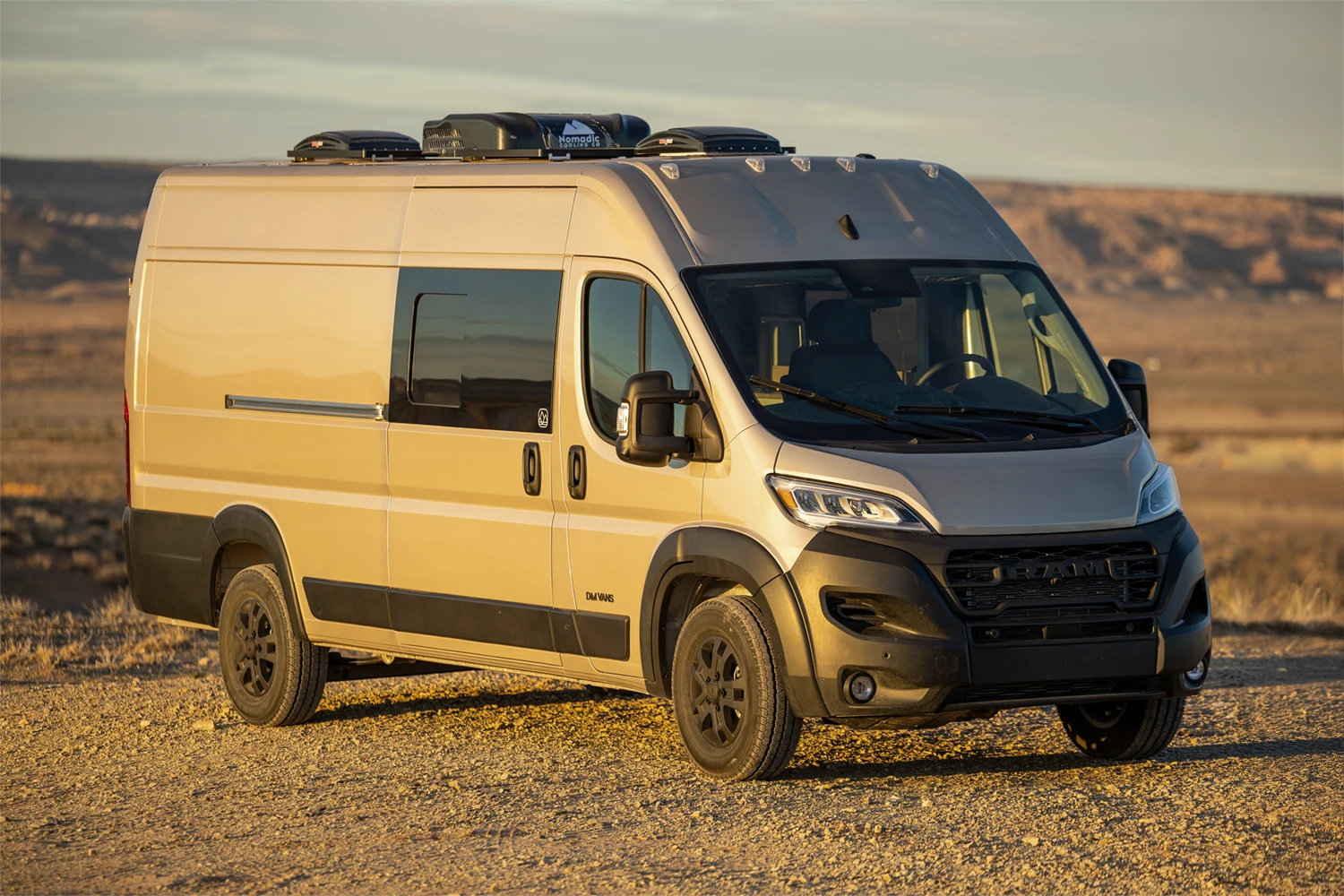
Choosing the right truck is an important decision when starting a food truck business. Your vehicle affects kitchen space, equipment installation, fuel expenses, food preparation, and the number of customers you can serve each day.
A suitable truck should provide enough room for cooking equipment, refrigeration, storage, and safe movement for staff. It should also fit your budget and the type of food you plan to sell. From compact delivery vehicles to full-size commercial trucks, several options can support a profitable mobile food operation with careful planning and the right equipment.
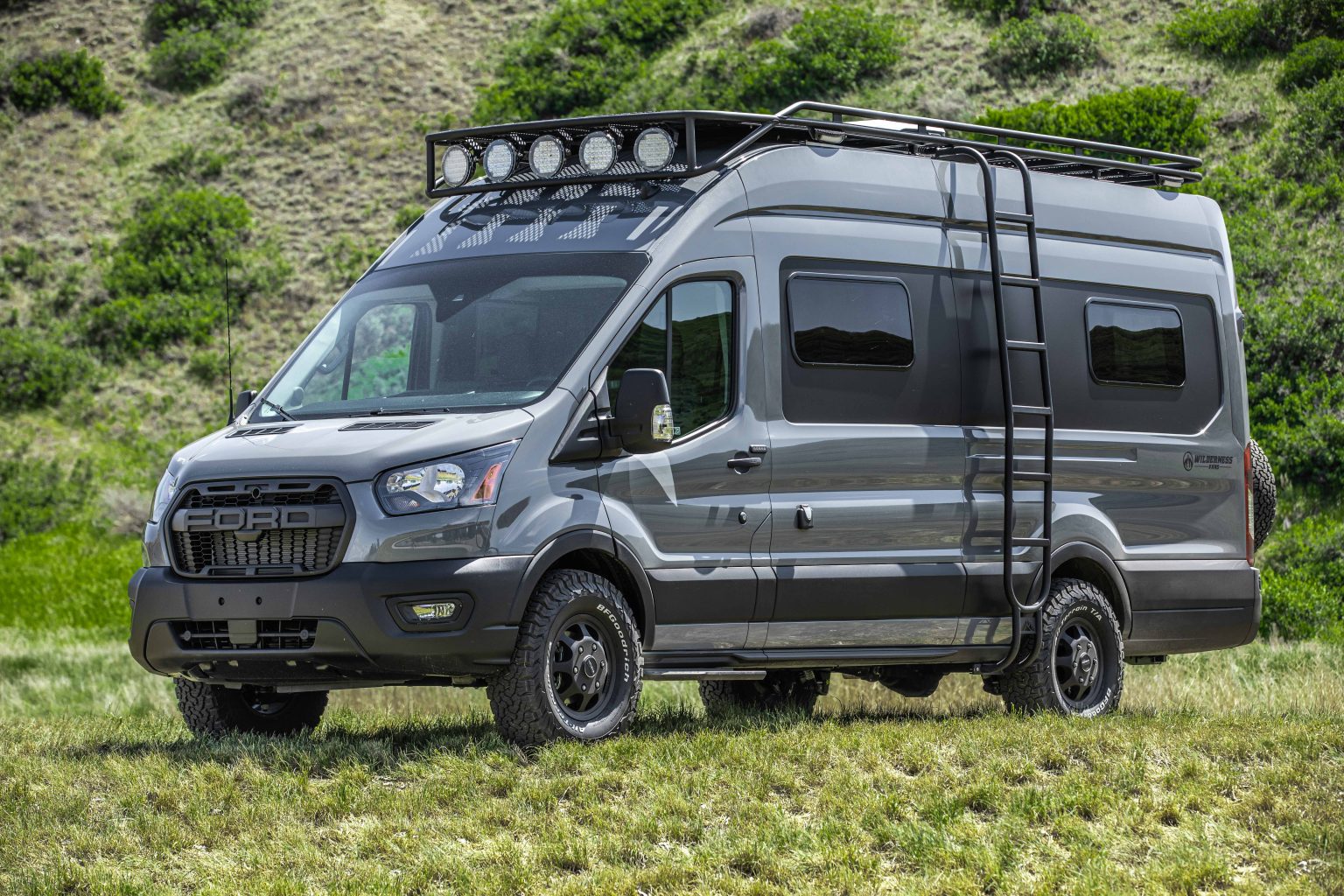
1. Ford Transit
The Ford Transit is a practical option for entrepreneurs who want to start a food truck business with a flexible vehicle platform. Its cargo van design offers space for food preparation counters, refrigerators, storage cabinets, and cooking equipment, depending on the selected configuration.
The high-roof versions can make it easier for staff to work inside the vehicle. Businesses selling sandwiches, burgers, wraps, coffee, baked goods, or packaged meals may find this model particularly useful. Before purchasing, owners should compare the available body dimensions, payload ratings, and conversion costs to determine whether the vehicle can support their planned kitchen layout.
A major advantage of the Ford Transit is its range of body lengths, roof heights, and configurations. These choices allow business owners to select a vehicle that matches their menu and expected customer volume.
A compact setup may be sufficient for coffee and snack service, while a longer model can provide room for additional refrigeration and preparation surfaces.
However, adding heavy appliances, water tanks, electrical equipment, and ventilation systems reduces the payload available for ingredients and supplies. The finished vehicle must remain within the manufacturer’s weight limits, including passengers and all installed equipment.
The interior can be customized to suit a particular food concept. For example, a sandwich business might need refrigerated ingredient storage, a preparation counter, a handwashing station, and space for packaging. A coffee operation could require an espresso machine, water filtration, a grinder, and a dependable power supply.
A burger business would need a more demanding arrangement with cooking equipment and suitable ventilation. Planning the layout before purchasing the van helps prevent expensive changes later. Every appliance should have a defined location, and staff should be able to move safely between the preparation, cooking, and serving areas.
Operating expenses also deserve attention when evaluating this vehicle. Fuel consumption, insurance, routine servicing, tires, repairs, and commercial registration can influence profitability over time. A new van may offer warranty coverage, while a used Transit may reduce the initial investment if its mechanical condition is satisfactory.
Buyers should arrange a professional inspection of used vehicles and review maintenance records before committing. They should also check the availability of qualified technicians and replacement parts in their operating area. Reliable transportation matters because an unexpected breakdown can lead to missed events, spoiled ingredients, and lost sales.
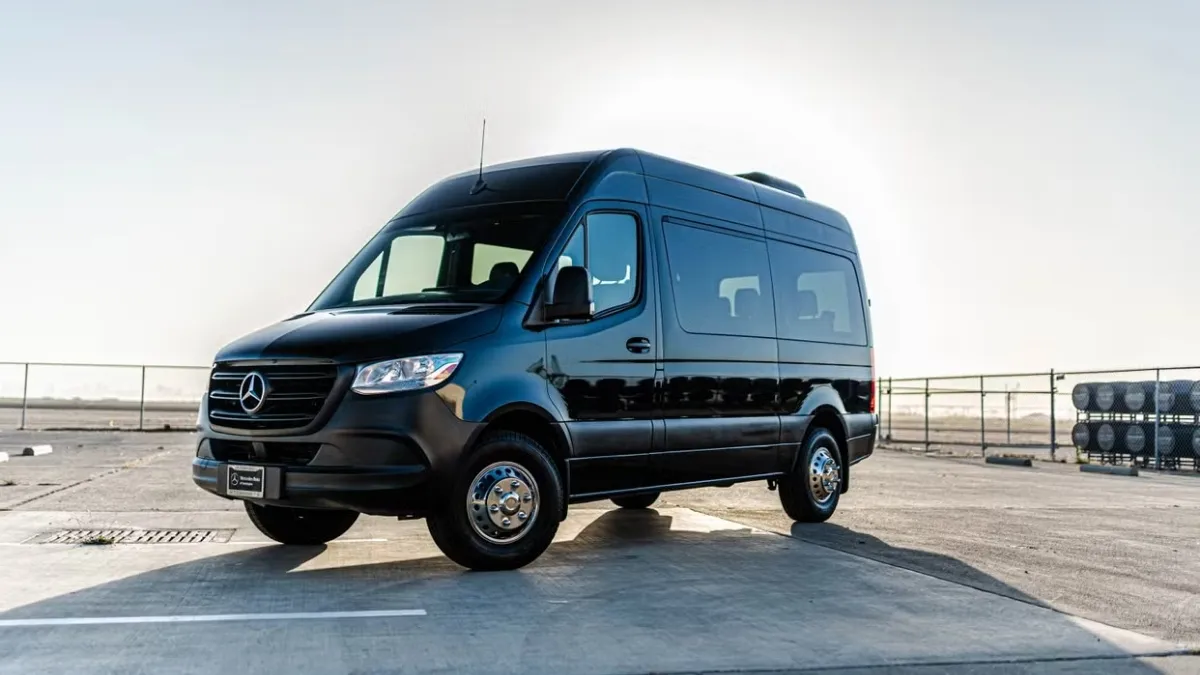
2. Mercedes-Benz Sprinter
The Mercedes-Benz Sprinter is worth considering for food truck businesses that require a spacious commercial van and a professional appearance. Its cargo configurations offer room for custom storage, refrigeration, preparation counters, and selected cooking appliances.
Different wheelbases and roof options provide flexibility when designing the interior. This vehicle can suit gourmet sandwich vendors, coffee businesses, specialty dessert sellers, and caterers who travel between private functions. Buyers should examine the exact model’s payload and cargo measurements rather than assuming that every Sprinter can accommodate a full commercial kitchen.
Interior planning is particularly important when converting a Sprinter into a mobile kitchen. Equipment must fit through the available doors and remain securely mounted during travel. Refrigerators, water tanks, shelving, and cooking appliances all contribute to the finished vehicle’s weight.
Owners should account for the weight of ingredients, packaging, staff, and other supplies when calculating the remaining payload. A conversion specialist can help determine whether the proposed arrangement fits the chassis and complies with applicable regulations. Careful planning also helps maintain practical working space, which is essential during busy service periods.
The Sprinter may appeal to operators who want to build a recognizable premium brand. A professionally finished exterior, clear menu graphics, attractive serving windows, and consistent colors can help communicate the business concept. However, the vehicle’s badge alone will not attract customers or guarantee higher profits.
Food quality, pricing, service speed, location, and customer experience remain central to success. Owners should direct sufficient funds toward ingredients, equipment, branding, and promotion rather than spending too much on the base vehicle. A balanced investment is more useful than an expensive truck with an incomplete kitchen.
Maintenance costs should be assessed before making a purchase. Commercial vans require regular inspections, servicing, and attention to wear caused by frequent stops and heavy loads. Depending on the model and local service network, repairs and specialist components may cost more than expected.
Business owners should investigate nearby authorized workshops, warranty conditions, and the availability of replacement parts.
A used Sprinter should receive a thorough mechanical inspection, including checks of its engine, transmission, brakes, tires, and electrical systems. The service history can provide valuable information about how well the vehicle has been maintained.
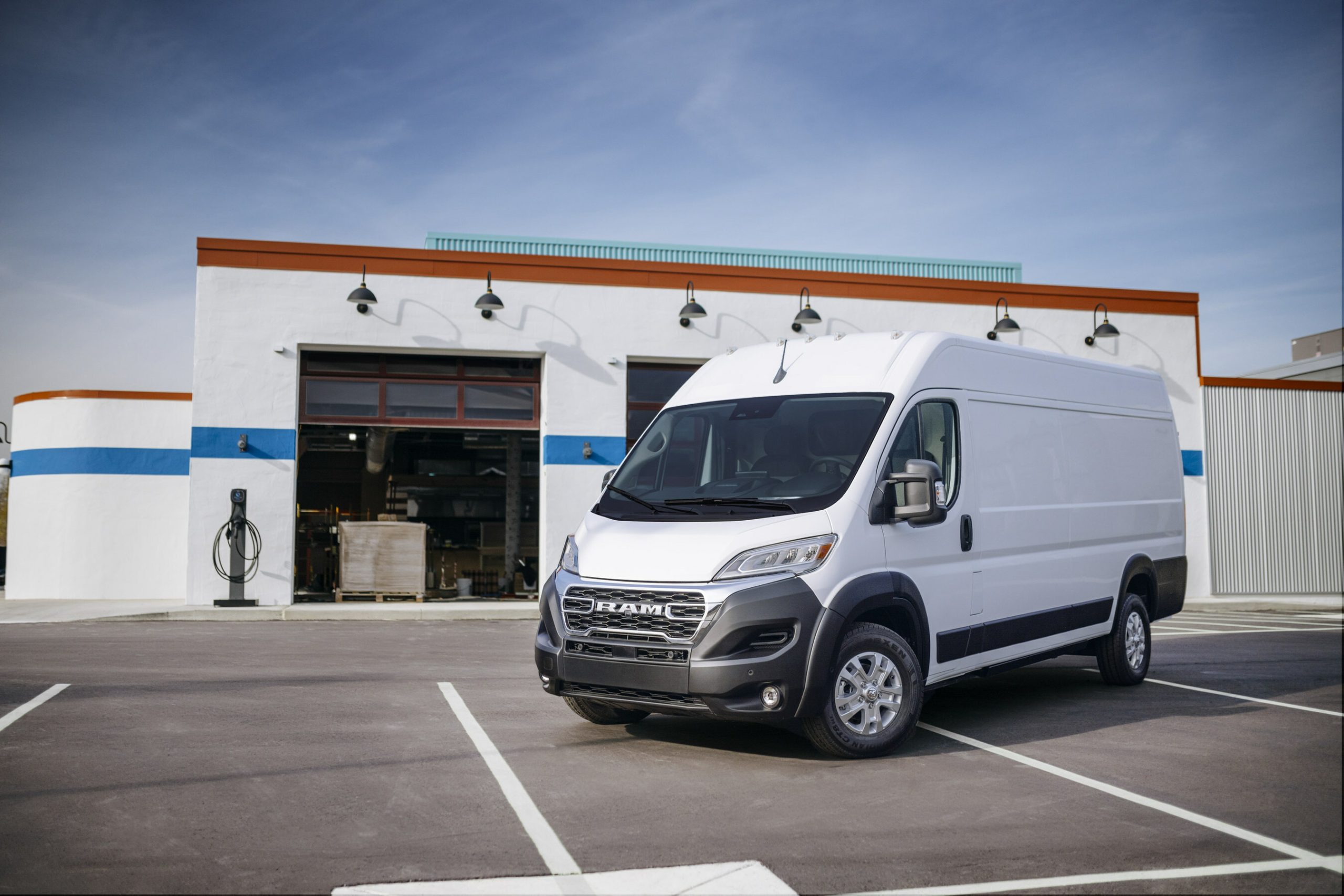
3. Ram ProMaster
The Ram ProMaster is a commercial van that deserves consideration for food businesses operating in busy urban areas. Its front-wheel-drive layout and cargo design can make it suitable for delivery routes, local catering, and mobile food service.
Available configurations provide different amounts of interior space, giving owners flexibility when planning counters, refrigerators, storage, and serving arrangements. The appropriate version depends on the kitchen’s weight, required working height, and intended customer capacity. Buyers should review the specifications for the precise model year and configuration before choosing a vehicle for conversion.
A useful feature of the ProMaster is its relatively low loading floor in applicable configurations. This can make moving supplies and equipment into the cargo area more convenient. During daily operations, employees may need to load crates of vegetables, containers of sauces, bags of flour, and packaged ingredients.
A manageable loading height can reduce effort during these repetitive tasks. Even so, the vehicle must be equipped with secure storage and suitable access arrangements. Heavy equipment should be installed by qualified professionals, and the final weight distribution must remain within the permitted limits.
The ProMaster can support several menu concepts when the interior is designed efficiently. A bakery vendor might prioritize display storage, packaging, and temperature-controlled space. A taco business may need preparation counters, refrigerated ingredients, and cooking equipment.
A coffee operation could use a compact arrangement with a machine, grinder, sink, and water system. Each menu creates different demands, so the conversion should begin with a detailed equipment list. Selecting the truck first and trying to fit an unsuitable kitchen afterward can result in cramped work areas and unnecessary expenses.
Business owners should also consider where the vehicle will be parked and serviced. Narrow streets, crowded markets, low parking structures, and restricted loading areas can affect daily operations. Drivers should understand the vehicle’s height, length, turning characteristics, and visibility before taking it into congested locations.
Parking permissions and vending restrictions need to be checked in advance. Routine service costs, insurance, fuel use, and the availability of local technicians should be included in the financial plan. These practical details can have a greater effect on long-term performance than a vehicle’s appearance.
The Ram ProMaster may suit small and medium-sized food businesses that need a customizable van for city-based service. It can be particularly useful for vendors who value cargo accessibility and want a manageable platform for a specialized menu. Its suitability depends on the required payload, available service support, and local vehicle regulations.
Before purchasing, compare it with other commercial vans using actual dimensions, equipment requirements, and ownership costs. A well-planned ProMaster conversion can provide an efficient working environment without requiring a larger truck than the business needs.
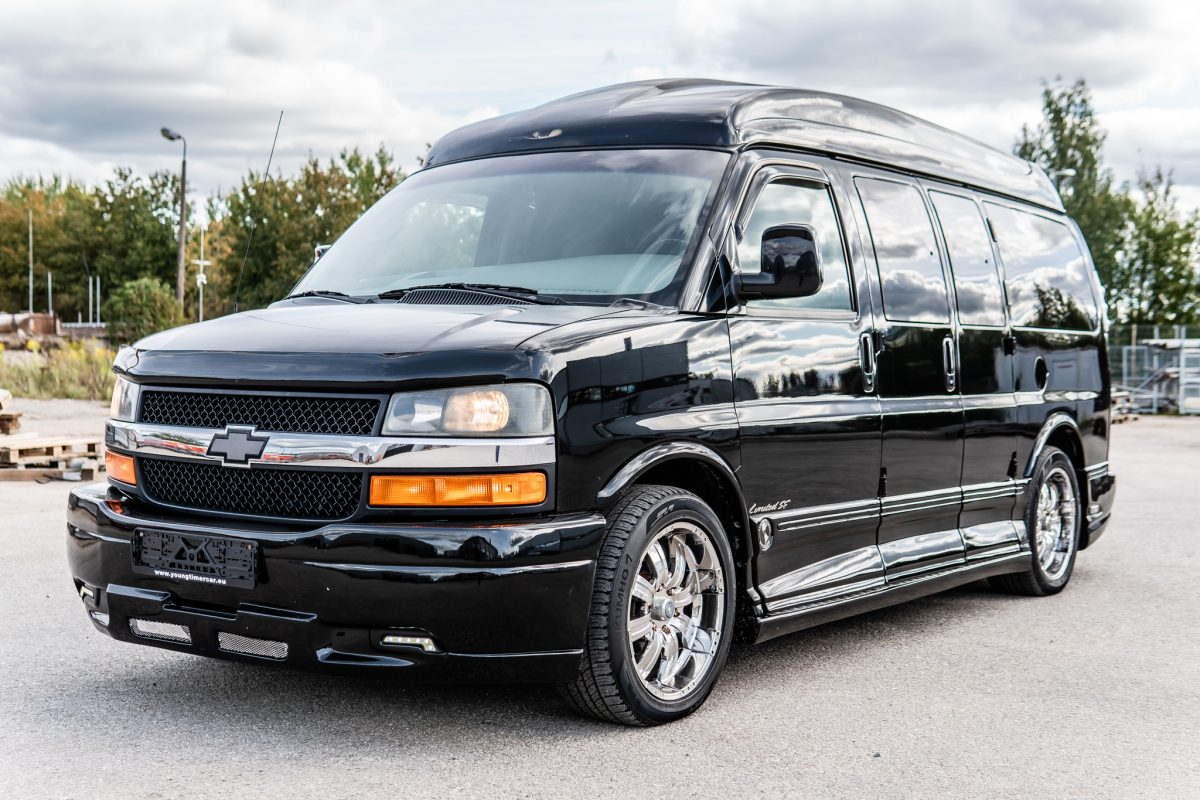
4. Chevrolet Express
The Chevrolet Express is a conventional commercial van that may appeal to entrepreneurs seeking a familiar vehicle platform for a food service business.
Depending on the model and configuration, it can provide a base for transporting catering supplies or building a specialized mobile food operation. Its traditional construction may be attractive to buyers who prefer a straightforward work vehicle.
However, the standard cargo area is more limited than that of some high-roof vans. Entrepreneurs must confirm whether the available height and width will accommodate their intended kitchen before buying.
The interior dimensions play a major role in determining whether the Express is appropriate for a particular menu. A business selling packaged snacks, baked goods, or pre-prepared meals may need less cooking space than a vendor making hot meals from raw ingredients.
Owners should measure the usable interior and account for insulation, wall finishes, counters, refrigeration, and other modifications. A serving window may also require structural work. Any changes to the body should be planned with a qualified conversion company to preserve structural integrity and avoid unsafe modifications.
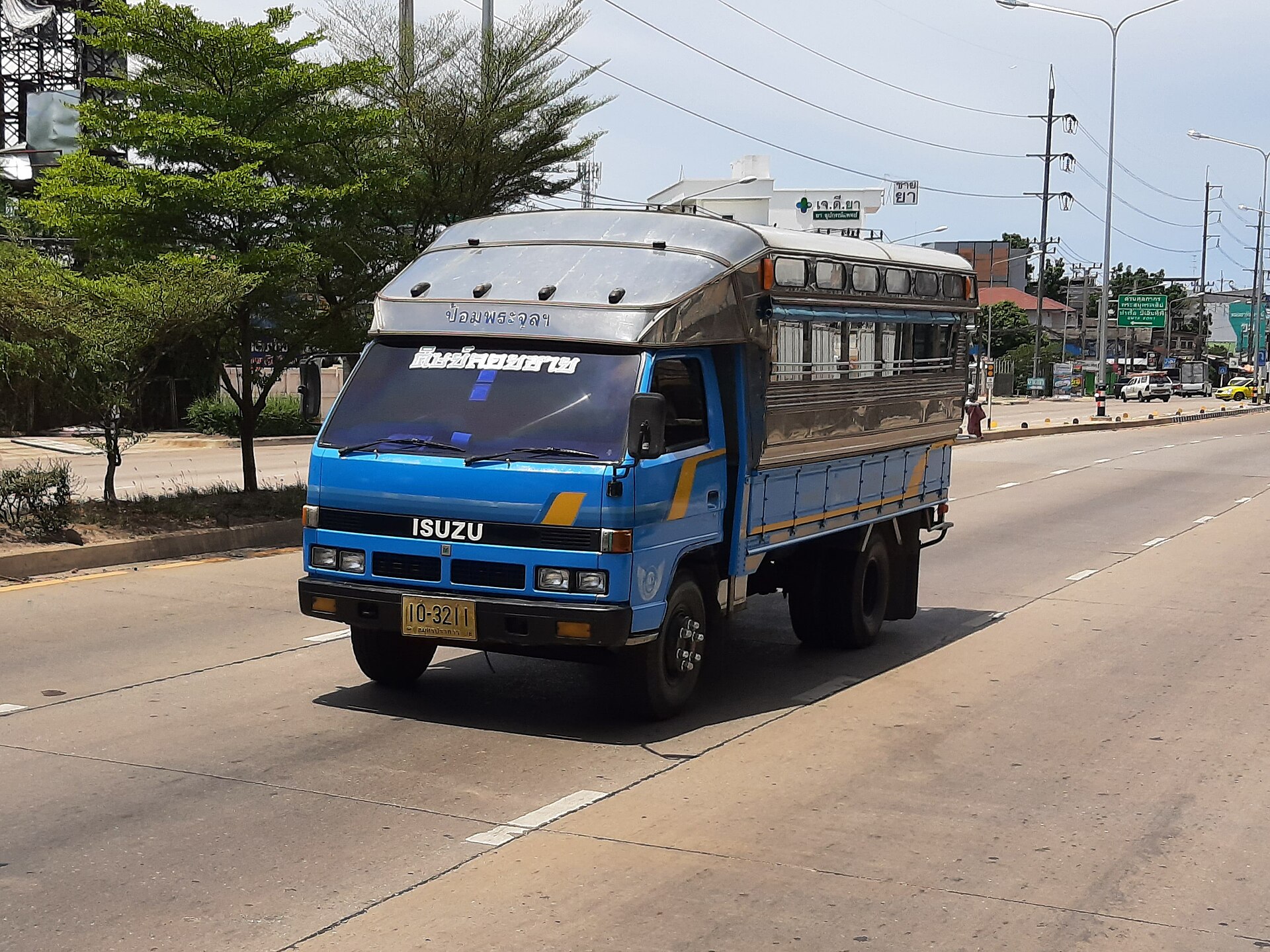
5. Isuzu NPR
The Isuzu NPR is a medium-duty commercial truck that can provide a useful foundation for a larger food truck business. Unlike a standard cargo van, it can be configured with a purpose-built body designed around the operator’s needs.
This makes it worth considering for businesses requiring substantial preparation space, commercial refrigeration, multiple appliances, and organized storage. The final body size and payload depend on the selected chassis and conversion. Entrepreneurs should review the vehicle’s gross vehicle weight rating, axle limits, and bodybuilder guidance before deciding how much kitchen equipment it can carry.
The NPR’s commercial chassis can accommodate a custom food service body when the conversion is engineered correctly. The layout might include separate areas for food preparation, cooking, washing, and storage. A larger body may allow staff to work more comfortably than they could in a compact van, depending on the design.
However, additional space brings extra costs and weight. Owners must consider the mass of counters, equipment, water, fuel, ingredients, and staff. Professional builders should calculate the finished weight and confirm that it remains within the permitted limits.
This type of truck can suit businesses serving substantial customer volumes at festivals, sporting events, fairs, and private functions. A larger kitchen may support a broader menu and several cooking stations, which can improve service capacity when demand is high.
Yet, the number of meals served depends on staff, preparation methods, equipment performance, and customer traffic. Purchasing a large truck before confirming demand can place unnecessary pressure on cash flow. Entrepreneurs should estimate daily sales and expected event attendance before investing in a medium-duty platform.
Operating an Isuzu NPR requires attention to commercial vehicle maintenance and local driving requirements. The owner should assess fuel consumption, tires, brake servicing, insurance, registration, and the availability of technicians familiar with the selected model.
The truck’s dimensions may restrict access to narrow roads, residential streets, and some parking locations. Drivers may need additional training, depending on the vehicle classification and local licensing rules. Planning is especially important for businesses that travel between different venues or operate in crowded urban districts.
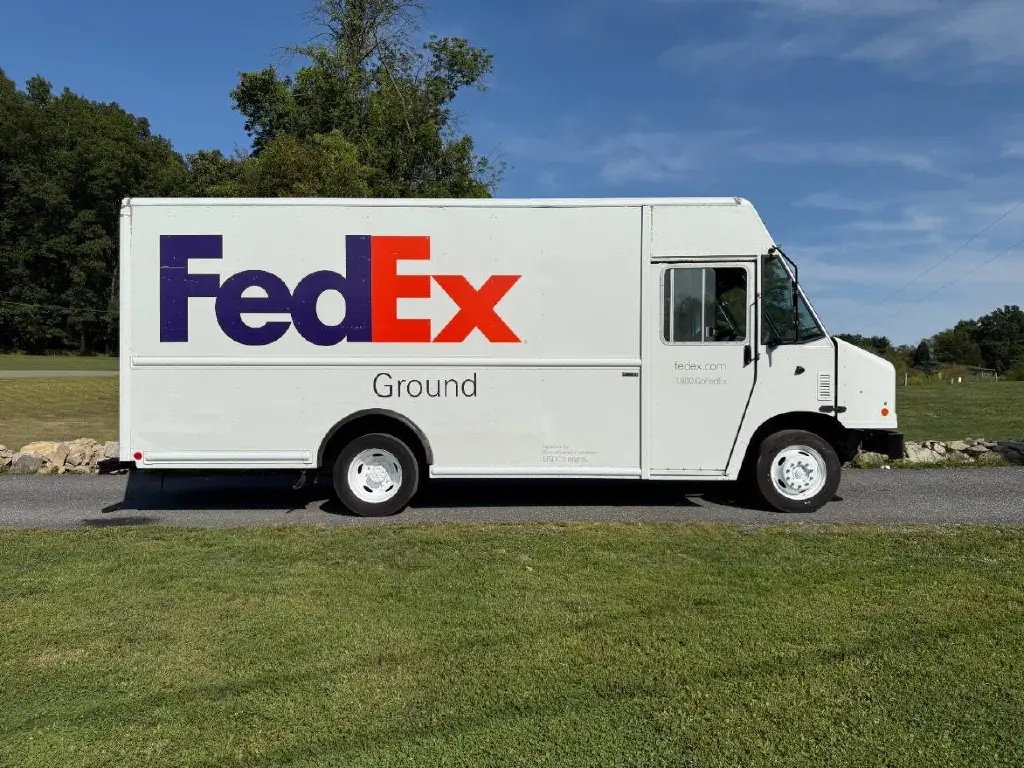
6. Ford F-59 Commercial Stripped Chassis
The Ford F-59 Commercial Stripped Chassis is worth investigating for entrepreneurs who need a dedicated platform for a large custom food truck. Rather than beginning with a finished passenger van, a stripped chassis allows a specialist bodybuilder to create a body around the business’s requirements.
This approach can provide room for commercial cooking equipment, refrigeration, preparation counters, and serving areas. Its suitability depends on the selected chassis specifications, intended body dimensions, and completed vehicle weight. Buyers should confirm current availability and support for the intended conversion before including it in their plans.
A custom body offers greater freedom when arranging the working kitchen. Operators may be able to plan separate stations for food preparation, hot cooking, cold storage, dishwashing, and customer service. The serving side can be designed to support an efficient queue, while internal storage can be arranged around frequently used ingredients.
These choices are important for businesses with several employees working simultaneously. However, custom construction can require a larger investment and a longer preparation period than converting an existing van. The design must be finalized carefully before fabrication begins.
A dedicated commercial chassis can make sense for businesses with a proven menu and reliable customer demand. For example, a burger operation serving large events may need several cooking appliances, extensive refrigerated storage, and room for multiple employees.
A catering business may require separate cold and hot holding equipment to support different menu items. A purpose-built body can be designed around those needs. Even so, every appliance adds weight and consumes space, so the owner should prioritize essential equipment instead of installing features that may rarely be used.
The total cost involves much more than purchasing the chassis. Buyers must budget for body construction, insulation, food-grade interior finishes, plumbing, electrical systems, ventilation, fire protection, refrigeration, branding, and inspection. Depending on the location and design, additional engineering or certification may be necessary.
The owner should request an itemized quote that identifies what is included and what will cost extra. A financial reserve is also advisable because custom projects can encounter unexpected expenses during fabrication and testing.
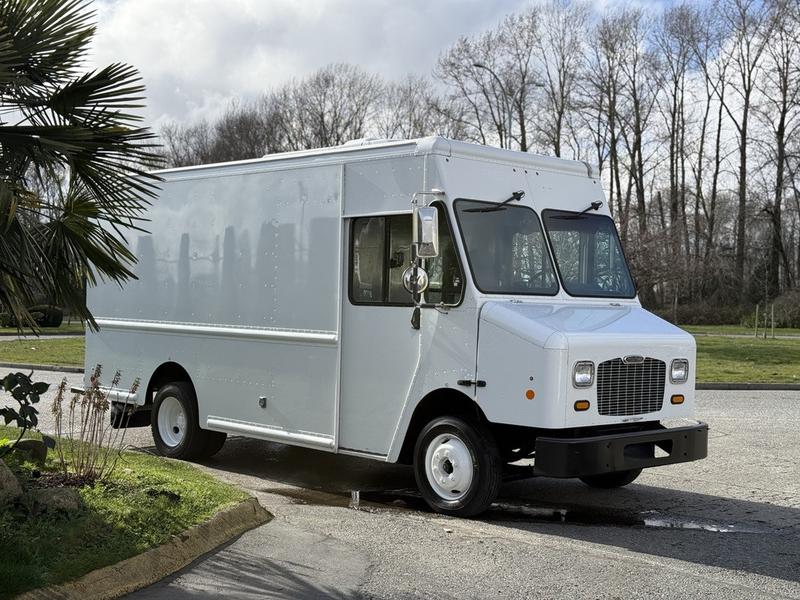
7. Freightliner MT45 Step Van
The Freightliner MT45 step van has been used as a platform for commercial delivery and specialized vehicle conversions. Its box-shaped body can offer a useful starting point for a food truck that needs more interior space than a conventional cargo van.
Depending on the specific vehicle and its condition, the body may provide room for cooking stations, refrigeration, dry storage, and a customer serving area. Buyers considering a used example should verify its exact specifications, title history, maintenance condition, and suitability for conversion before making a purchase.
A step van can be practical because its box-like interior may simplify the arrangement of work surfaces and storage. A specialist can design the kitchen around the selected equipment rather than trying to fit everything into an irregular space.
The layout could support a hot-food counter, refrigerated ingredients, handwashing facilities, and storage for packaging. Nevertheless, usable space depends on the body dimensions and existing construction. Insulation, wall panels, flooring, ventilation ducts, and electrical installations all reduce the room available for equipment and staff.
This type of vehicle may be appropriate for operators serving busy events or selling several menu items from a single location. Its larger body can help accommodate equipment that would be difficult to install in a small van.
For instance, a business might need a griddle, a commercial refrigerator, preparation tables, and storage for bulk ingredients. However, equipment selection must follow a clear service plan. An overcrowded kitchen can slow employees down, create safety hazards, and make cleaning difficult, even when the vehicle appears spacious from outside.
Buying a used step van requires careful evaluation because many examples have spent years in demanding commercial service. Prospective owners should inspect the engine, transmission, braking system, steering, suspension, tires, chassis, and body for damage or corrosion.
They should also check for signs of water intrusion and assess whether previous modifications have affected the structure. A professional mechanic familiar with commercial vehicles can identify problems that may not be obvious during a short test drive. The conversion budget should include repairs needed before kitchen installation begins.
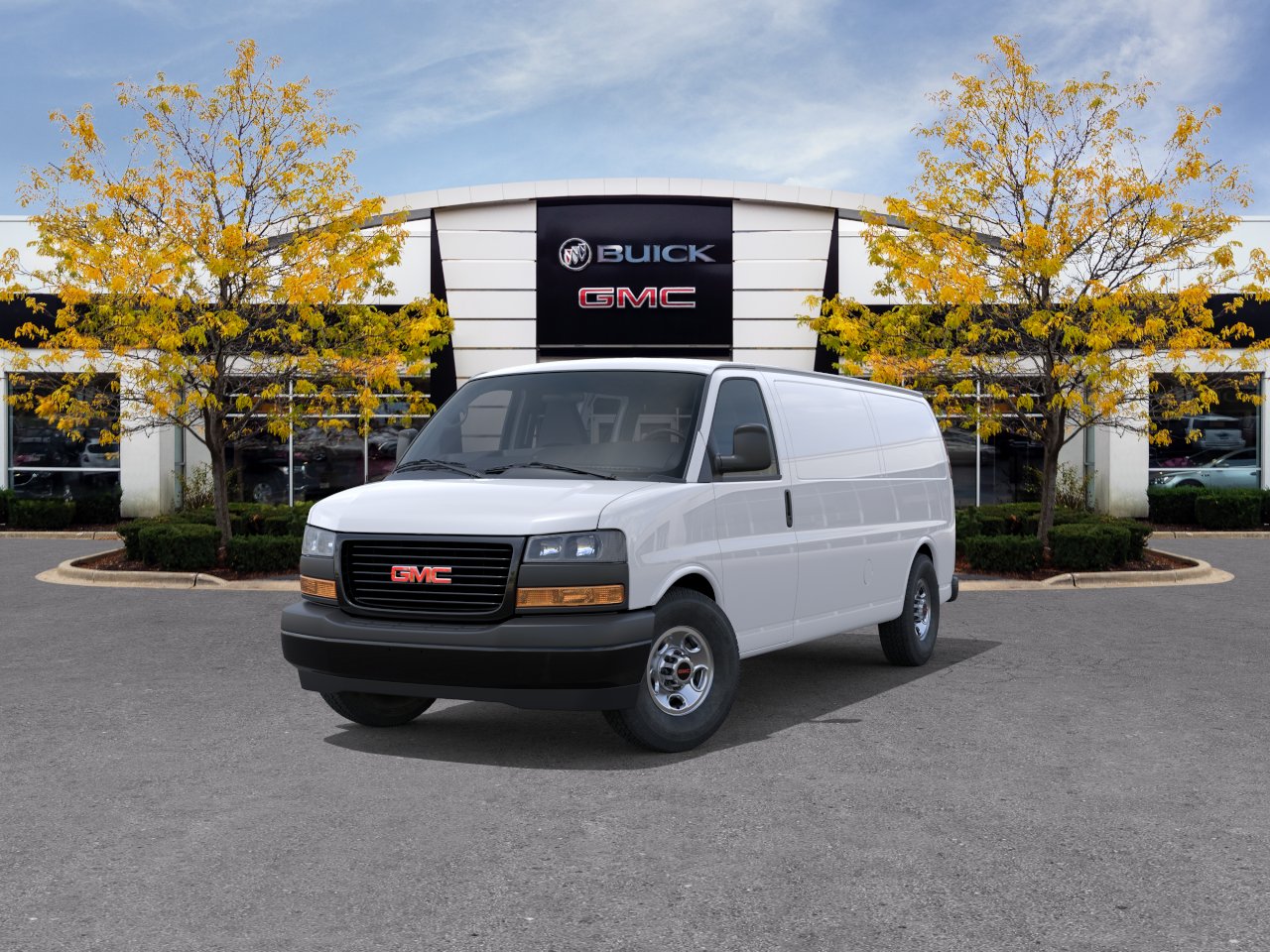
8. GMC Savana
The GMC Savana is another conventional cargo van that can provide a starting point for a small mobile food business. Depending on its configuration, it can be used to transport prepared meals, catering supplies, packaged products, or equipment for a specialized food service operation.
Its suitability for an onboard kitchen depends on the available interior space and the work required for conversion. Entrepreneurs should measure the cargo area and assess the finished layout before purchasing. A van that works well for deliveries may not offer enough room for cooking and serving.
A Savana can be a useful choice for a business with a focused menu and a relatively simple operating model. For example, an operator selling pre-prepared sandwiches, packaged desserts, or refreshments may need more storage than cooking space. A compact service arrangement can leave room for refrigeration, shelving, and packaging materials.
By limiting the menu and choosing equipment carefully, owners may reduce conversion costs and simplify staff training. However, food must still be stored at safe temperatures, and all preparation activities must comply with the rules applicable to the business.
When considering a conversion, owners should calculate the weight of every major component. Refrigerators, water tanks, sinks, counters, electrical systems, and cooking appliances can add substantial mass to a vehicle. The remaining capacity must also cover workers, ingredients, disposable packaging, and cleaning supplies.
A qualified conversion specialist can assess the proposed arrangement and determine whether the vehicle can safely support it. Structural alterations, including the installation of serving windows, should be carried out professionally to prevent problems with body strength, weatherproofing, and vehicle safety.
The business owner should also examine the local repair network and the availability of replacement parts. A commercial vehicle that is easy to service in its operating area may reduce downtime and make budgeting more predictable. Before purchasing a used Savana, arrange a mechanical inspection and check the service history.
Review the condition of the tires, brakes, suspension, engine, transmission, and cooling system. A vehicle that needs substantial mechanical work may cost more in the long term than a better-maintained example with a higher initial price.