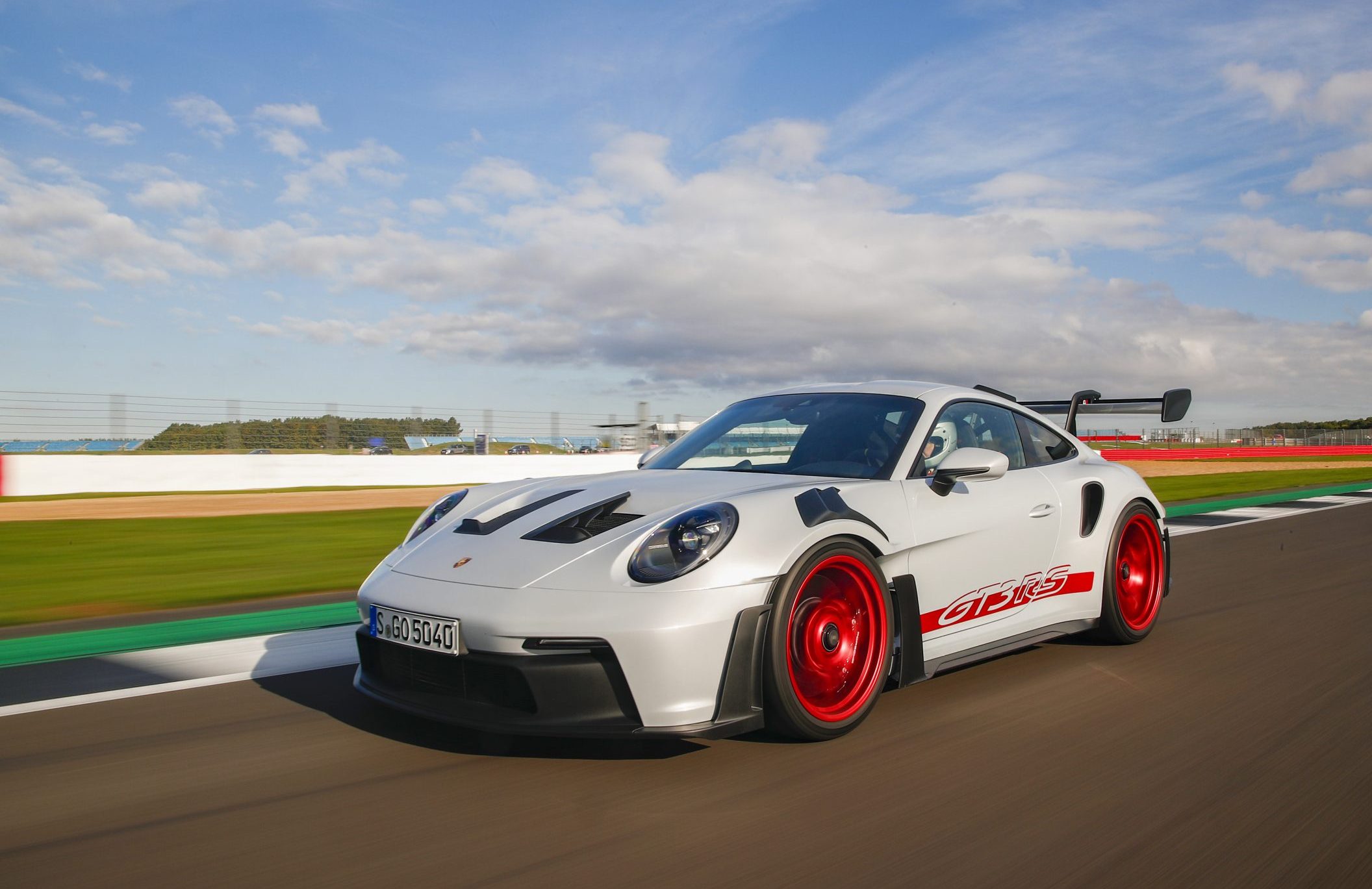
Porsche’s global deliveries fell 16% in the first nine months of 2026, as weakening demand in China, the departure of its combustion-powered 718 sports cars, and a strategic shift toward higher-value vehicles weighed on sales.
The German luxury automaker delivered 178,532 vehicles worldwide from January through September, down from 212,509 during the same period in 2025.
The decline comes as Porsche reshapes its business under a strategy that prioritizes brand desirability, exclusive performance models, and customer personalization instead of pursuing higher sales volumes at any cost.
The company wants to strengthen its position in the premium sports-car market while reducing the number of variants it offers and improving profitability per vehicle.
The change is significant for a manufacturer that expanded its global reach over the past decade through sports cars and luxury SUVs. Porsche is now attempting to make its business less dependent on selling large numbers of vehicles, particularly as competition intensifies in China and the company adjusts its product and powertrain plans.
Matthias Becker, Porsche’s board member responsible for sales and marketing, said the company remains focused on highly desirable sports cars, appealing derivatives and expanding its individualization offering.
His remarks highlight the core of Porsche’s current strategy, which is to maintain its premium brand image while enhancing the value customers see in its vehicles.
China and the 718 Exit Weigh on Deliveries
China remains one of Porsche’s most difficult markets. The company delivered 21,493 vehicles there in the first nine months of 2026, a 33% decline from the 32,195 delivered during the corresponding period a year earlier.
Porsche has attributed the pressure to challenging market conditions and is prioritizing long-term brand development over short-term sales targets.
The Chinese luxury-car market has become more difficult for international brands as domestic manufacturers strengthen their positions in electric vehicles and premium segments. Porsche must compete not only with established foreign luxury brands but also with Chinese automakers offering advanced digital features and increasingly sophisticated electric models.
The company’s challenges are not confined to China. North America, Porsche’s largest sales region, recorded 56,088 deliveries, down 13%.
Deliveries in Europe excluding Germany declined 11% to 44,949, while Germany itself recorded a 7% drop to 20,954 vehicles. The Overseas and Emerging Markets region fell 19% to 35,048 deliveries.
Porsche has also been affected by the end of production of its combustion-powered 718 Boxster and Cayman models. The departure of these cars has created a gap in the lineup while the company prepares electric successors. Porsche has indicated that the all-electric 718 models are expected to support deliveries in their first full year of production in 2028.
The phase-out matters because the 718 family served customers looking for a smaller, more accessible sports car below the 911. Replacing it with electric models introduces a different proposition for buyers who may value the sound, character, and driving experience of a combustion engine.
The timing also illustrates the difficulty of managing a product transition without disrupting sales. Porsche must prepare the next generation while responding to changing customer preferences and maintaining enough product availability to support dealers in different markets.
Despite the declines, some models are performing considerably better than the wider business. The 911 remains a notable bright spot, showing that demand for Porsche’s established sports-car identity can remain resilient even when broader luxury-car sales weaken.
The 911 Shows the Strength of Porsche’s Premium Appeal
Porsche delivered 42,217 units of the 911 during the first nine months of 2026, an increase of 12% year over year. The model’s performance contrasts with the broader delivery decline and supports the company’s decision to place greater emphasis on desirable sports cars and high-performance derivatives.
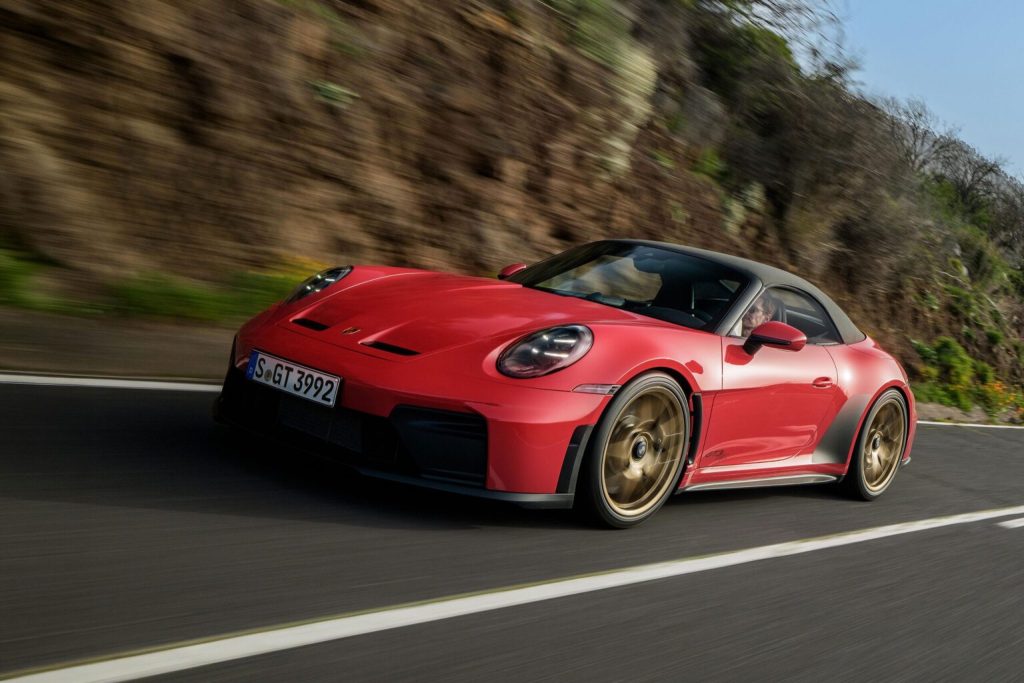
The 911 occupies a distinctive position within Porsche’s range. Its long history, recognizable design, and broad selection of performance versions give the company opportunities to serve customers with different budgets and driving preferences without abandoning the model’s core identity.
High-performance versions such as the GTS, Turbo, and GT models also allow Porsche to offer more specialized products at higher price points. These derivatives can appeal to enthusiasts seeking particular performance characteristics, exclusivity, or track-focused engineering.
Porsche’s strategy is to develop that appeal further rather than rely on continuously increasing production.
The company plans to reduce the complexity of its portfolio by cutting the number of model variants by approximately 20%. It expects this approach to increase sales per model variant by around 30% in the medium term.
Fewer variants could make production planning more manageable and help Porsche concentrate engineering resources on products with stronger customer demand. However, the strategy also requires careful decisions about which configurations and derivatives deserve continued investment.
Personalization is another important part of the plan. Porsche intends to expand its individualization offering, giving customers more ways to specify distinctive interiors, finishes, materials, and equipment. The company expects the customization business to become a substantially larger contributor to revenue.
The broader objective is to increase the value of each vehicle sold. Rather than competing primarily through discounts or higher production, Porsche wants customers to pay for the combination of performance, craftsmanship, exclusivity, and individual specification that distinguishes its premium models.
That approach carries risks. Higher prices and fewer choices could limit the pool of potential buyers, particularly in markets where economic uncertainty is affecting luxury spending. Porsche must therefore ensure that its more exclusive positioning translates into genuine customer demand rather than simply a smaller sales base.
Porsche’s Turnaround Targets Lower Volume and Higher Returns
The delivery figures arrive shortly after Porsche presented its Sportwagenschmiede ’35 strategy at its October 7, 2026, Capital Markets Day. The plan outlines a restructuring intended to strengthen profitability, reduce complexity, and make the company less dependent on high production volumes.
Porsche has set a long-term target of a 15% group operating return on sales. Its medium-term ambition is a margin of 10% to 15%, alongside an automotive net cash flow margin of 9% to 12%. These targets follow a difficult financial period in which the company’s operating return on sales fell to 1.1% in 2025.
A central element is lowering the company’s break-even point to fewer than 200,000 vehicles annually. That would represent a substantial change from the 279,449 vehicles Porsche delivered in 2025. The company aims to become profitable at a lower volume by increasing the value generated per vehicle and improving operational efficiency.
The restructuring extends beyond product planning. Porsche intends to reduce production personnel costs by up to 30%, cut management positions by 40%, and reduce development costs by as much as 20%.
It also plans changes to its sales organization to lower distribution costs. The measures include a workforce reduction program involving approximately 9,000 jobs.
These changes reflect the scale of the challenge facing the automaker. Porsche must invest in new products and technology while reducing costs and rebuilding profitability. A strategy centered on exclusivity can improve margins, but only if product development, manufacturing, and customer demand remain aligned.
The company is also adjusting its powertrain approach. Instead of relying on a single direction for its future lineup, Porsche plans to continue investing in combustion engines, plug-in hybrids, and battery-electric vehicles.
The strategy is intended to give it greater flexibility as customer demand develops differently across segments and regions.
Future products are expected to play a major role. Porsche plans the electric 718 Boxster and Cayman for 2028, and it also intends to introduce a new compact SUV to be offered alongside the electric Macan. The company has outlined plans for at least one brand-defining new product each year through 2030.
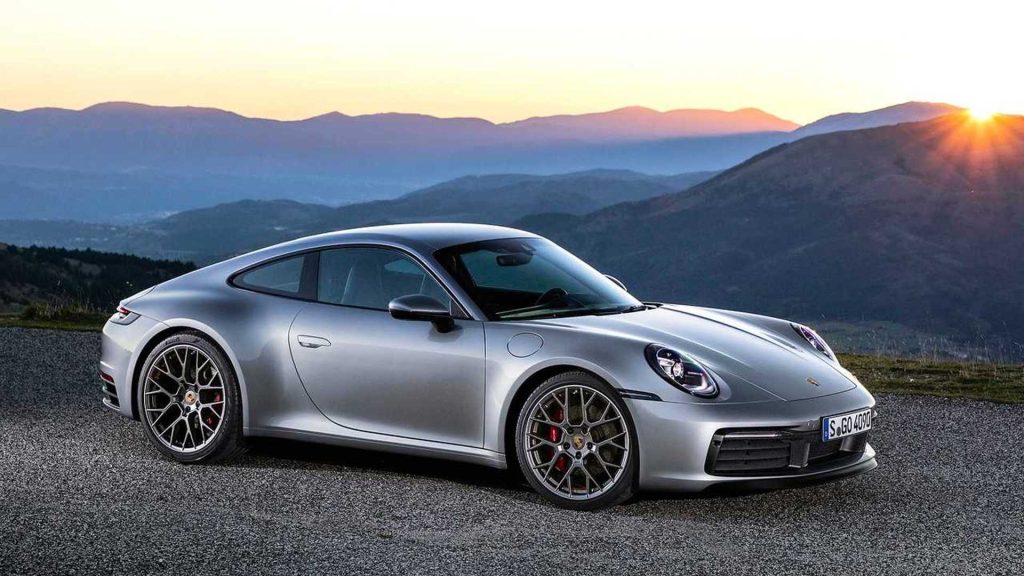
Porsche is also considering expansion into higher-priced segments, including a potential sports car positioned above the 911 and a possible SUV above the Cayenne. These remain part of its longer-term product planning, not confirmed production launches in every case.
The coming years will test whether Porsche can balance lower volumes with stronger profitability while preserving the qualities that made its sports cars desirable.
Its latest delivery figures show that the company still faces substantial pressure across several major markets, but the 911’s growth demonstrates that demand remains strong for at least some of its most distinctive products.
Porsche’s challenge is to extend that appeal across its lineup without diluting the brand through excessive variants or relying on sales growth alone.
Its shift toward exclusive derivatives, personalized vehicles, and a lower break-even point is designed to achieve precisely that balance. Whether the approach succeeds will depend on how effectively new models, pricing, and production discipline translate into stronger financial performance.