
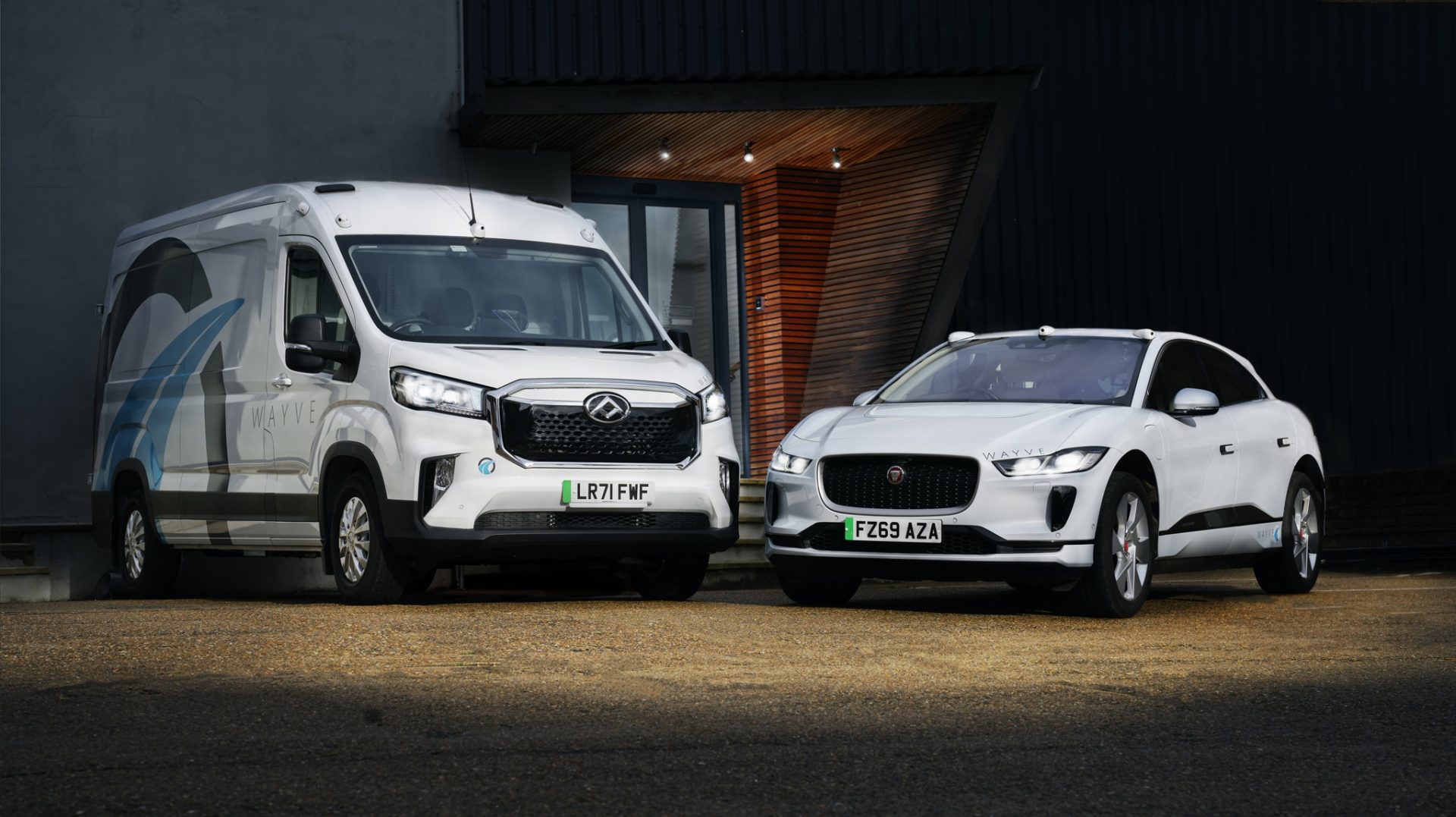
Stellantis is turning to artificial intelligence to accelerate the development of advanced driver-assistance systems, partnering with British autonomous-driving startup Wayve to reduce engineering costs and shorten the time needed to bring new driving features to market.
The automaker plans to integrate Wayve’s AI driving software into its STLA AutoDrive platform, with the first vehicle integration targeted for North America in 2028.
The partnership reflects a broader shift in the automotive industry, where manufacturers are increasingly relying on specialized technology companies to develop software-intensive features rather than building every component independently.
For Stellantis, which manages a wide portfolio of brands and vehicle platforms, the goal is to make advanced driving assistance scalable across multiple models while controlling development costs.
Speaking at the Wave by Vento technology event in Turin on October 9, Stellantis Chief Executive Antonio Filosa said collaboration with Wayve could help reduce the cost and development time associated with advanced driver-assistance systems.
He highlighted the importance of manufacturing scale in making hands-free driving technology more affordable and accelerating its adoption.
The planned integration could eventually extend across several Stellantis brands, including Jeep, Fiat, and Peugeot. However, the companies have not announced a complete list of production models that will receive the technology first.
How Wayve’s AI Will Work With STLA AutoDrive
Stellantis announced its strategic partnership with Wayve on May 21, 2026. The agreement combines Wayve’s AI Driver software with the automaker’s STLA AutoDrive platform, which provides the underlying technology framework for advanced driving assistance across its vehicle portfolio.
Wayve develops AI systems designed to help vehicles interpret their surroundings and respond to changing road conditions.
Its approach uses end-to-end AI models that learn driving behavior from real-world data, with the aim of operating across different vehicle types and geographical environments without depending on a separate, highly detailed map for every route.
For Stellantis, this approach offers a way to adapt a common driving intelligence system to vehicles with different sizes, characteristics, and brand identities. A Jeep SUV, a Fiat city car, and a Peugeot passenger vehicle have different driving requirements, but they could potentially share a common software foundation.
The STLA AutoDrive platform is intended to provide that foundation. Integrating Wayve’s technology could allow Stellantis to develop and deploy driving-assistance features across multiple models without creating an entirely separate system for every vehicle.
The initial target is Level 2++ supervised automated driving, designed to support hands-free driving in both highway and urban environments. The system is intended to allow the driver to take their hands off the steering wheel in supported situations while remaining responsible for supervision and ready to intervene. It is not a fully autonomous driving system.
Stellantis and Wayve have already demonstrated development vehicles using the integrated technology. At the Wave by Vento event, visitors could experience demonstrations in a Fiat 500e and a Maserati Grecale. The companies have also highlighted the system’s potential to work across different vehicles and configurations.
An important early milestone was the speed of integration. Wayve said its AI driver was integrated into a Stellantis vehicle platform in less than two months during initial development work.
That does not mean a production-ready system can be delivered within the same period, because validation, safety testing, vehicle-specific engineering, and regulatory approval remain necessary. It does, however, illustrate why the companies believe their combined approach can shorten development cycles.
Why Stellantis Wants Faster and Cheaper Development
Developing advanced driving assistance requires substantial investment in software, sensors, computing hardware, testing, and safety validation. Automakers must also adapt systems to different vehicle architectures and ensure they perform consistently under a wide range of road and weather conditions.
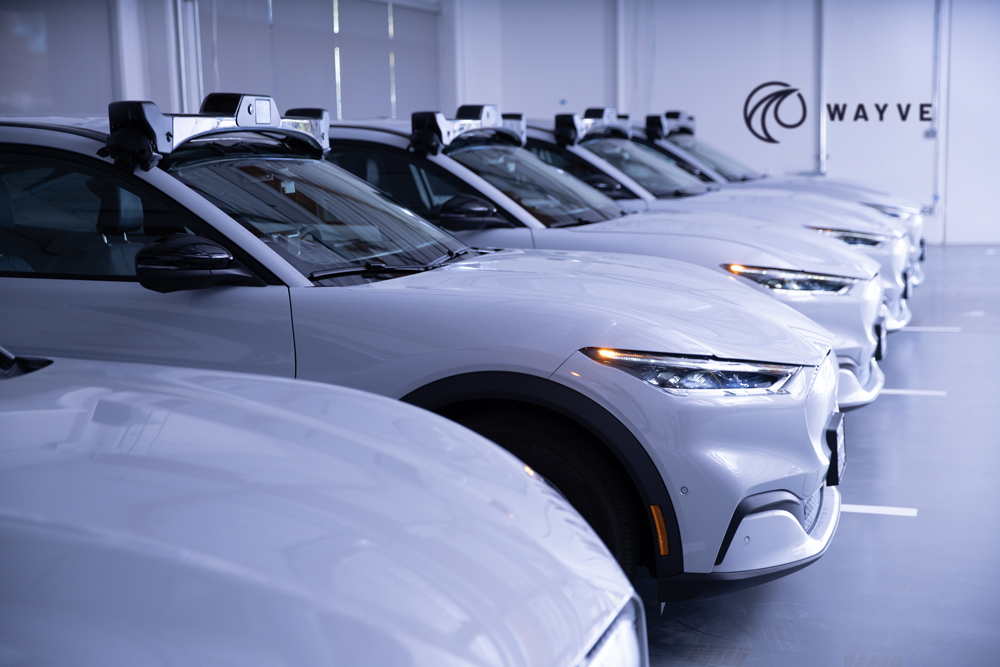
These demands become more complicated for a manufacturer operating several brands across multiple markets. Developing a separate technology stack for every model could duplicate engineering work and increase costs.
Stellantis hopes a shared AI foundation will help reduce that duplication. Wayve contributes its driving software, while Stellantis brings vehicle engineering expertise, manufacturing scale, and access to a broad portfolio of models.
The arrangement could allow software improvements to be adapted across several vehicles instead of requiring each brand to begin development independently.
Cost reduction is particularly important as automakers compete to deliver more advanced driver-assistance features at prices that mainstream customers can afford.
Sophisticated systems have often been associated with premium vehicles or expensive option packages. Spreading development costs across a larger number of vehicles could make wider deployment more practical.
Filosa’s comments also underline the importance of development speed. Reuters reported that Stellantis’ development cycles can take around 24 months, and the company expects partnerships with technology specialists to help accelerate the process. The actual reduction in development time and cost has not yet been quantified publicly.
The agreement also gives Stellantis access to technology developed by a company focused specifically on automated driving. Rather than relying exclusively on internal engineering, the automaker can combine its existing platform with Wayve’s AI expertise.
For Wayve, the partnership offers access to a major global vehicle manufacturer and the opportunity to deploy its technology across a broader range of production vehicles. The company has also worked with other automakers, including Nissan and Mercedes-Benz, as interest in AI-based driving systems grows.
North American Launch Targeted for 2028
Stellantis and Wayve are targeting 2028 for the first North American vehicle integration. The initial rollout is expected to focus on supervised hands-free driving, with the system designed to operate across supported highway and urban driving environments.
The companies have not yet confirmed the first production model, pricing, or a detailed rollout schedule.
The technology is intended to provide a foundation that can evolve as software capabilities, vehicle hardware, and regulatory frameworks develop. Stellantis has described the platform as having a pathway toward higher levels of automation, but that should not be confused with a commitment to deliver fully driverless vehicles in 2028.
Driver supervision remains a critical distinction. Even when a system permits hands-free operation, Level 2++ assistance does not make the vehicle responsible for the entire driving task. Drivers must follow the system’s operating requirements and remain prepared to take control when necessary.
Safety validation will therefore be central to the production rollout. AI-based driving systems must handle unpredictable situations, including complex intersections, pedestrians, cyclists, changing road markings, and unexpected behavior from other road users.
Performance in demonstrations is an early development milestone, not proof that a system is ready for unrestricted public use.
Regulatory requirements will also shape how and where the technology can operate. Features available in one market may require different approvals, operating limitations, or driver-monitoring requirements elsewhere.
The broader commercial opportunity extends beyond a single vehicle launch. If the software can be adapted successfully across Stellantis’ portfolio, the partnership could eventually support multiple brands and vehicle categories.
Jeep, Fiat, and Peugeot are among the brands that could benefit from the company’s common technology strategy, although specific production applications have not been confirmed.
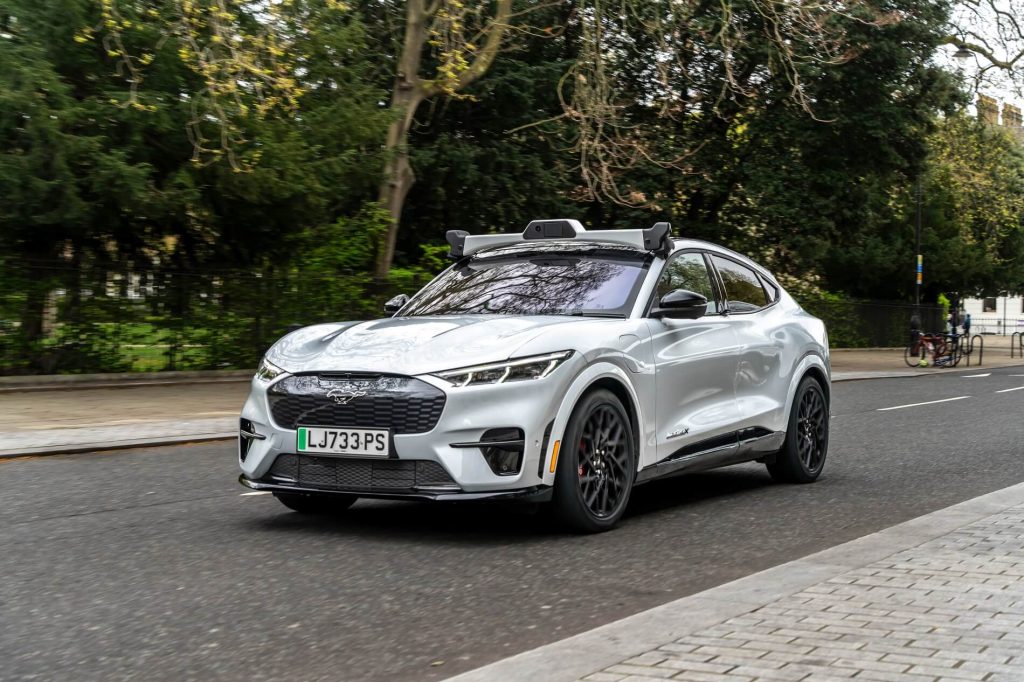
For Stellantis, the immediate objective is to make advanced driving assistance less expensive and faster to develop while preserving a consistent technical foundation across its lineup. For Wayve, the agreement offers a route to scale its AI technology through a large automaker’s engineering and manufacturing network.
The planned 2028 launch will be an important test of that strategy. Its success will depend not only on how quickly the software reaches production but also on safety performance, customer acceptance, regulatory approval, and the cost of equipping vehicles with the necessary hardware.
Stellantis is not announcing a fully autonomous vehicle with this partnership. Instead, it is pursuing a supervised driving-assistance system that could become available across several brands.
If the companies meet their targets, the collaboration could change how Stellantis develops future driver-assistance features, moving more of the work toward a shared AI platform rather than separate systems for individual models.
