Nissan has built vehicles for drivers who want dependable transportation without replacing their cars every few years.
From compact sedans that handle daily commutes to SUVs designed for family travel, several models have developed reputations for staying on the road well beyond 200,000 miles. Reaching that milestone, however, is not guaranteed by a badge alone.
Maintenance history, driving conditions, engine care, and repair costs all influence how long a vehicle lasts. Longevity research from iSeeCars offers a data-based starting point for identifying candidates, while individual service records help determine whether a used Nissan is worth buying.
1. Nissan Titan
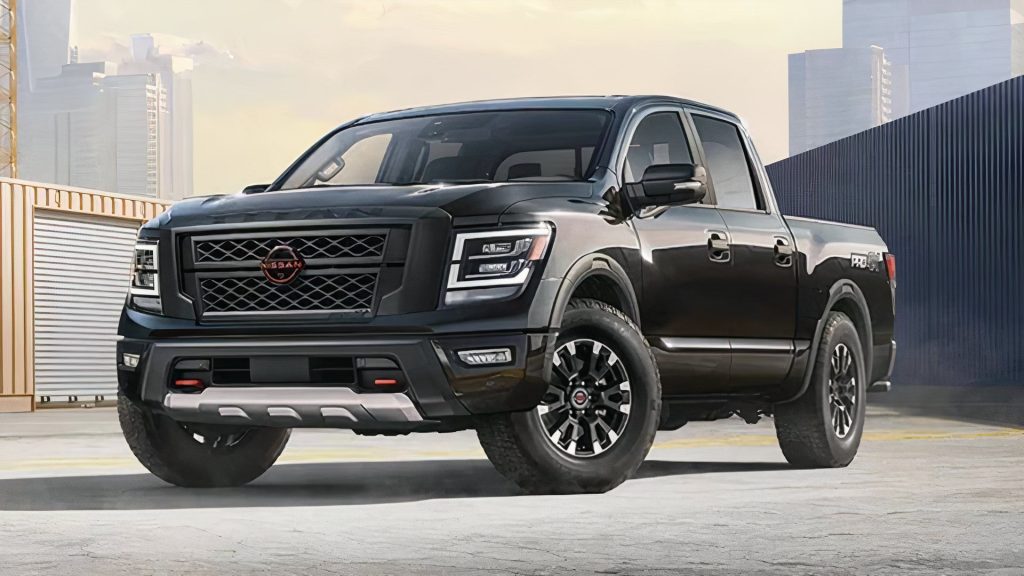
For drivers who need a full-size pickup capable of handling demanding work, the Nissan Titan deserves a place on this list. According to iSeeCars’ 2026 reliability analysis, the Titan has a predicted 29.4% chance of reaching at least 200,000 miles during its usable lifespan.
Its estimated average lifespan is approximately 166,089 miles, or 12.2 years. These figures make it one of the Nissan models worth considering for long-term ownership, although they do not guarantee that an individual truck will achieve the same result.
The Titan’s appeal comes partly from its traditional full-size pickup design. U.S. versions from its final production years used a 5.6-liter Endurance V8 producing 400 horsepower and 413 lb-ft of torque.
That output gave the truck the strength needed for hauling, towing, and regular highway driving. Nissan discontinued the Titan after the 2024 model year, so shoppers considering one today will be looking at used examples rather than new trucks.
Condition matters more than the odometer reading alone. A Titan that spent years towing heavy trailers, driving on rough job sites, or operating with neglected fluids may face expensive repairs before reaching 200,000 miles.
Buyers should inspect the transmission, cooling system, suspension, frame, and four-wheel-drive components where fitted. Maintenance records are especially valuable because they show whether previous owners followed service intervals.
A high-mileage Titan can still make sense for someone who needs pickup capability without paying new-truck prices. However, fuel costs, tire replacement, and repairs on a full-size truck can add up. iSeeCars’ probability is a useful statistical guide, not proof that every Titan is inexpensive to maintain.
2. Nissan Frontier
The Nissan Frontier offers a different route to high mileage. Instead of the Titan’s full-size footprint, this midsize pickup provides a more manageable alternative for everyday driving while retaining the utility expected from a truck.
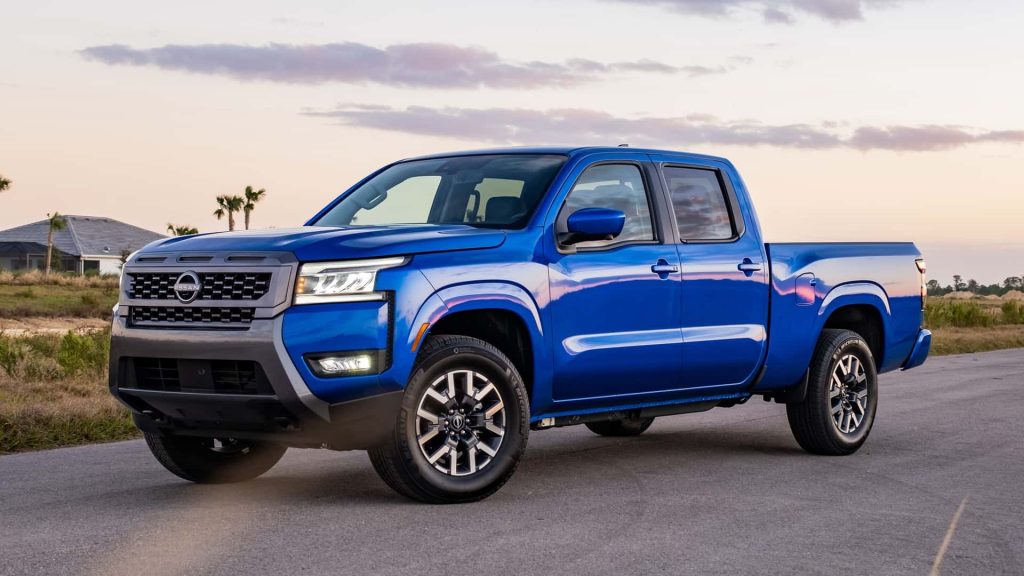
iSeeCars’ 2026 analysis estimates a 24.7% probability that the Frontier will reach at least 200,000 miles. Its predicted average lifespan is 162,674 miles, equivalent to approximately 12.7 years.
That longevity estimate makes the Frontier particularly relevant to buyers who want one vehicle for commuting, home projects, outdoor activities, and occasional towing. Its smaller size can make parking and maneuvering easier than in a full-size pickup, while the truck bed offers practical space for tools, supplies, and recreational equipment.
Model year deserves close attention. Older Frontiers and newer generations do not share identical powertrains or equipment. The current-generation U.S. Frontier uses a 3.8-liter V6 rated at 310 horsepower and 281 lb-ft of torque, paired with a nine-speed automatic transmission.
Earlier models used different engines and transmissions, so a used truck’s service requirements depend on its exact year and configuration.
Before buying one with substantial mileage, inspect the transmission’s operation, engine leaks, suspension joints, brakes, and underbody for corrosion.
Trucks used for off-road driving or frequent towing may have experienced more stress than examples used primarily for commuting. Ask for maintenance receipts rather than relying solely on a seller’s verbal assurances.
A well-maintained Frontier can be an appealing long-term workhorse, but no statistical estimate can replace a pre-purchase inspection. Check the specific truck’s history, outstanding recalls, and repair needs before deciding whether its asking price makes sense.
3. Nissan Altima
A midsize sedan does not need a truck’s heavy-duty construction to become a long-distance commuter. The Nissan Altima demonstrates why a practical four-door can remain attractive to used-car buyers who want comfortable highway driving, a spacious cabin, and manageable everyday dimensions.
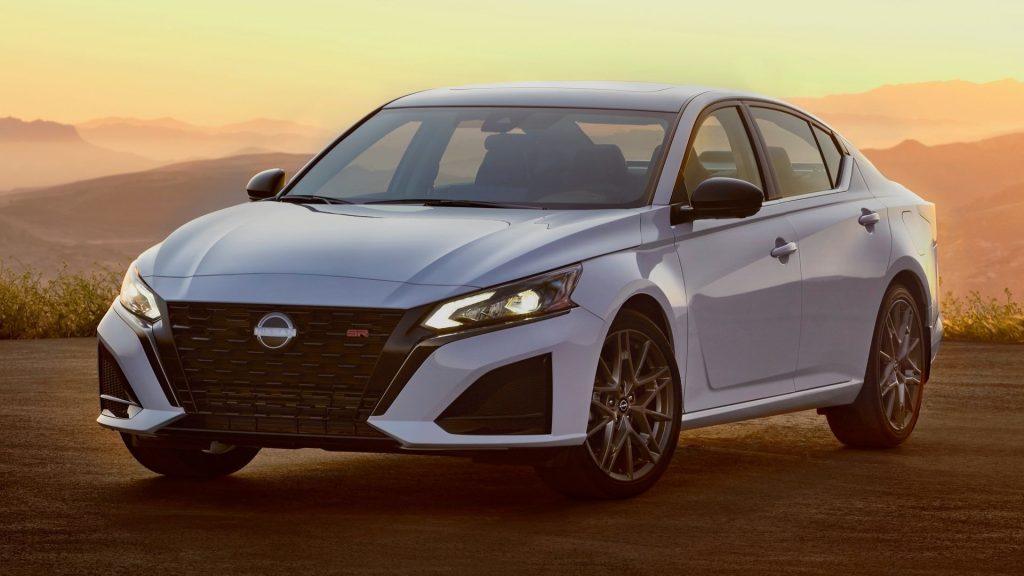
iSeeCars’ 2026 reliability analysis estimates that the Altima has a 22% chance of reaching 200,000 miles, with a predicted average lifespan of 157,867 miles, or roughly 10.6 years.
The Altima’s appeal is particularly easy to understand for drivers who cover substantial distances each year. Its sedan layout is easier to park than a full-size pickup, and many versions offer a comfortable ride for commuting and interstate travel.
Engine and transmission specifications vary by model year, so buyers should avoid treating every Altima as mechanically identical. Some older versions offered a 2.5-liter four-cylinder, while certain generations also offered V6 power.
The transmission deserves special attention during a used-car inspection. Many Altimas use a continuously variable transmission, or CVT, and the condition of that unit can significantly affect the cost of keeping a high-mileage example on the road.
Ask for maintenance documentation, check for delayed engagement or unusual noises, and have a qualified technician assess the vehicle before purchase.
The 22% figure is a statistical prediction, not a promise that an Altima will reach the milestone without major repairs. An inexpensive sedan with incomplete service records may become a costly purchase if it needs a transmission, suspension work, or extensive engine repairs.
For shoppers, the sensible approach is to compare several examples, prioritize documented maintenance, and check the vehicle identification number for open recalls. A carefully maintained Altima can serve as a useful high-mileage commuter, but the individual car’s condition should determine whether it deserves your money.
4. Nissan Murano
Comfort is the Murano’s calling card. This midsize crossover is aimed at drivers who prefer an elevated seating position and a more spacious passenger compartment than a traditional sedan provides.
According to iSeeCars’ 2026 analysis, the Murano has a predicted 17.2% probability of reaching 200,000 miles, while its estimated average lifespan is 153,645 miles, or about 12.5 years.
Those figures put the Murano on the radar for families and commuters searching the used SUV market. Its cabin-focused design makes it suitable for daily errands, road trips, and carrying passengers without moving into a larger three-row vehicle. U.S. versions have used different powertrains across generations, including a 3.5-liter V6 in many earlier models.
Buyers should verify the engine, drivetrain, and service schedule for the exact year they are considering rather than assuming every Murano has the same equipment.
High mileage changes the buying equation. A crossover may have accumulated wear in its suspension, brakes, air-conditioning system, electronics, and transmission even if the interior still looks presentable.
Pay particular attention to transmission behavior, fluid leaks, tire wear, and any warning lights. If the vehicle has all-wheel drive, ask the mechanic to inspect the relevant drivetrain components as well.
A full maintenance history is especially useful when comparing two Murano examples with similar mileage. Regular servicing and evidence of timely repairs provide a stronger basis for confidence than a low asking price or a seller’s claim that the vehicle has been trouble-free.
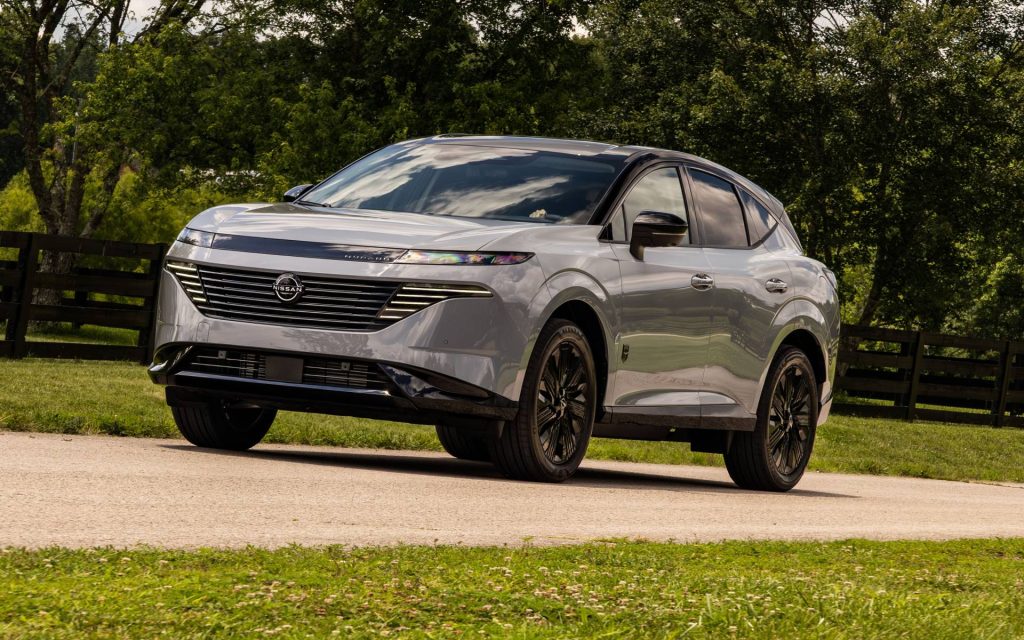
The iSeeCars estimate indicates that some Muranos can make it to 200,000 miles, not that every used example will do so economically.
Before buying, compare the purchase price with likely maintenance needs and obtain an independent inspection. That extra diligence can help you distinguish a genuinely well-kept crossover from one approaching expensive repairs.
5. Nissan Rogue
Compact SUVs have become popular with American households because they combine a relatively small footprint with useful cargo space. The Nissan Rogue fits that formula, offering a practical layout for commuting, shopping, family duties, and weekend travel.
iSeeCars’ 2026 reliability analysis estimates a 15.5% chance of the Rogue reaching at least 200,000 miles, with a predicted average lifespan of 149,876 miles, or approximately 11.7 years. The study draws on data from more than 300 million vehicles.
For a used-car shopper, the Rogue’s appeal is its versatility rather than any guarantee of exceptional durability. It offers SUV seating and cargo flexibility without the size or fuel demands of a full-size truck. However, its generations differ considerably in equipment and mechanical specifications, making the model year an important part of any buying decision.
Pay particular attention to the continuously variable transmission fitted to many U.S. Rogue models. During a test drive, look for hesitation, shuddering, unusual noises, or warning lights.
These symptoms do not automatically prove a transmission failure, but they justify a professional inspection before money changes hands. Check service invoices, fluid maintenance, cooling-system condition, and any available repair history.
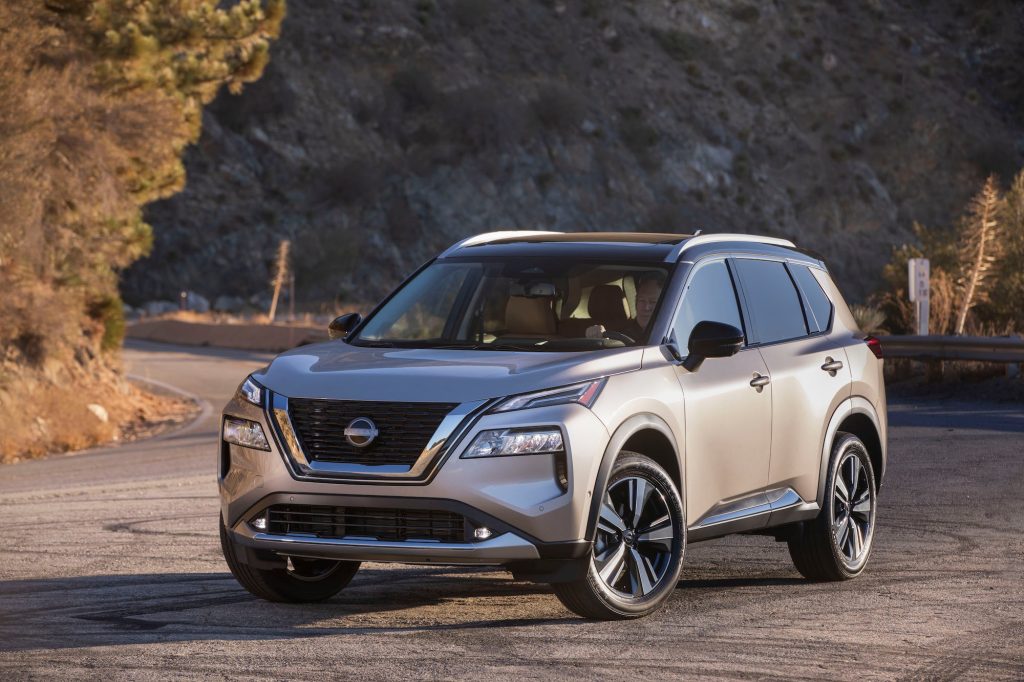
A Rogue with 170,000 miles and complete records may be a more sensible purchase than one with 110,000 miles and an uncertain past. The odometer tells only part of the story. Previous driving conditions, timely maintenance, and the quality of earlier repairs can substantially influence what happens next.
Before purchasing, obtain a vehicle history report and have an independent mechanic inspect the specific SUV. iSeeCars’ estimate provides useful context, but buyers should calculate likely repair costs against the asking price rather than assuming a Rogue will reach the 200,000-mile mark without major work.
6. Nissan Sentra
Not every high-mileage Nissan needs to be a pickup or SUV. The Sentra is a compact sedan aimed at drivers who value straightforward transportation, a smaller exterior footprint, and everyday practicality.
According to iSeeCars’ 2026 reliability data, the Sentra has a predicted 13% probability of reaching 200,000 miles. Its estimated average lifespan is 142,424 miles, equivalent to about 12.3 years.
The Sentra’s strongest use case is regular commuting. Its compact dimensions suit urban parking, while its four-door layout accommodates passengers and groceries without requiring a larger vehicle.
U.S. models have changed substantially across generations, so engine specifications, safety equipment, and maintenance requirements should always be verified against the exact year and trim.
The transmission deserves close attention when shopping for an older example. Many recent Sentras use a continuously variable transmission, and repair costs can become a significant consideration as mileage climbs.
On a test drive, assess acceleration from a stop, listen for unusual sounds, and watch for warning lights or inconsistent operation. A smooth drive is encouraging, but it does not replace a mechanic’s inspection.
Maintenance documentation can help separate a carefully maintained commuter from a car that has merely accumulated miles.
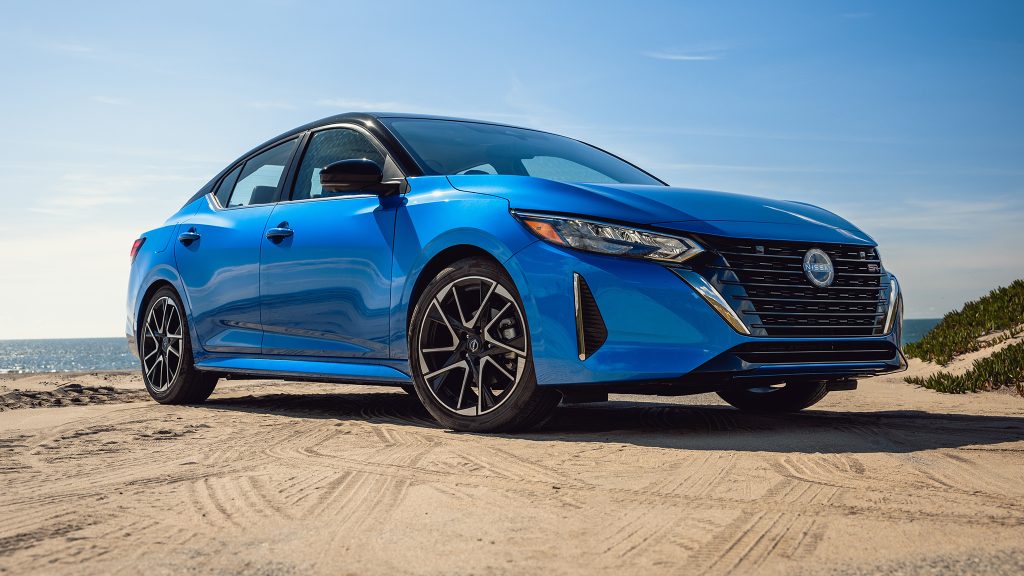
Look for evidence of regular oil changes, appropriate transmission servicing, cooling-system maintenance, and timely replacement of worn suspension and braking components. Also inspect for collision repairs, underbody corrosion, and uneven tire wear.
The 13% estimate should not be interpreted as a failure rate for any particular model year or as a promise of longevity. It is a model-level prediction based on vehicle data. For buyers seeking an affordable used sedan, the Sentra can remain a candidate, provided its condition, service history, and expected repair expenses justify the price.
7. Nissan Pathfinder
A three-row SUV needs to handle several responsibilities, from transporting passengers and accommodating family luggage to enduring years of long-distance highway driving.
The Nissan Pathfinder is designed for that role, and iSeeCars’ 2026 reliability analysis gives it a predicted 22.3% chance of reaching at least 200,000 miles. Its estimated average lifespan is 161,562 miles, or approximately 11.3 years. The analysis uses a large vehicle dataset to estimate the likelihood of reaching different mileage milestones.
For families buying used, the Pathfinder’s main advantage is its combination of passenger capacity and everyday versatility. It offers more room for people and cargo than a compact crossover, making it useful for school runs, road trips, and household duties.
However, buyers should pay attention to the model year and generation. Nissan Pathfinder models sold in the U.S. have featured different engines and transmissions over time, meaning reliability issues and maintenance requirements can vary from one vehicle to another.
Start with a detailed inspection of the transmission, engine cooling system, suspension, brakes, and air-conditioning system. On older examples, look for leaks, corrosion, warning lights, and evidence of overdue repairs.
If the SUV has been used to tow, ask how frequently it pulled trailers and whether the required maintenance was performed.
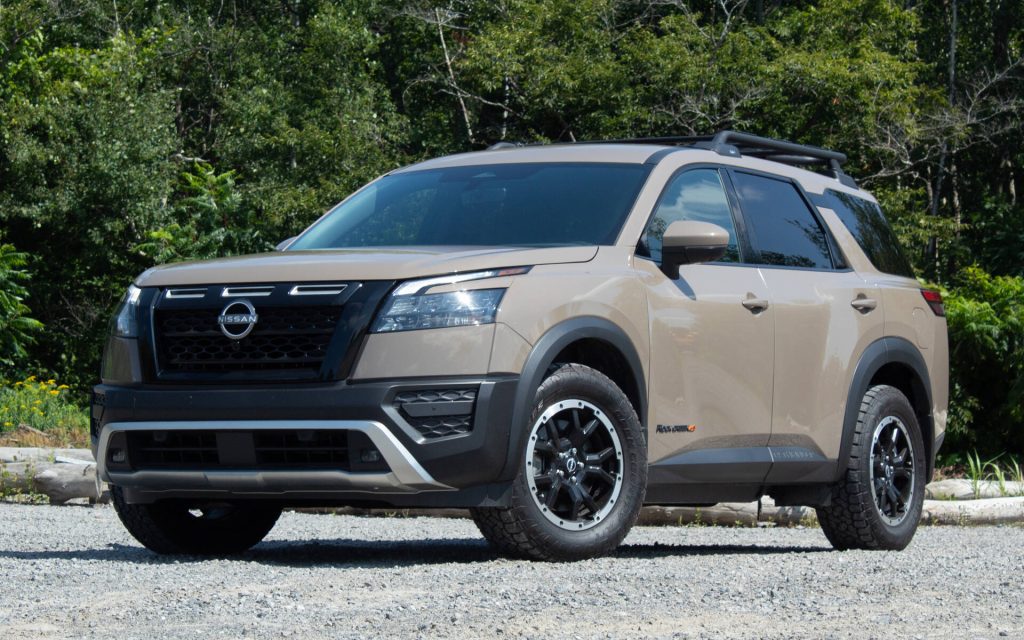
The mileage figure alone cannot tell you whether a particular Pathfinder is a smart purchase. A vehicle with a complete service history and sensible asking price may be worth considering even at higher mileage, while a neglected example can become expensive well before 200,000 miles.
Before committing, arrange an independent inspection and check the vehicle’s history and recall status. The iSeeCars estimate makes the Pathfinder worth investigating, but the condition of the individual SUV should guide the final decision.
8. Nissan Maxima
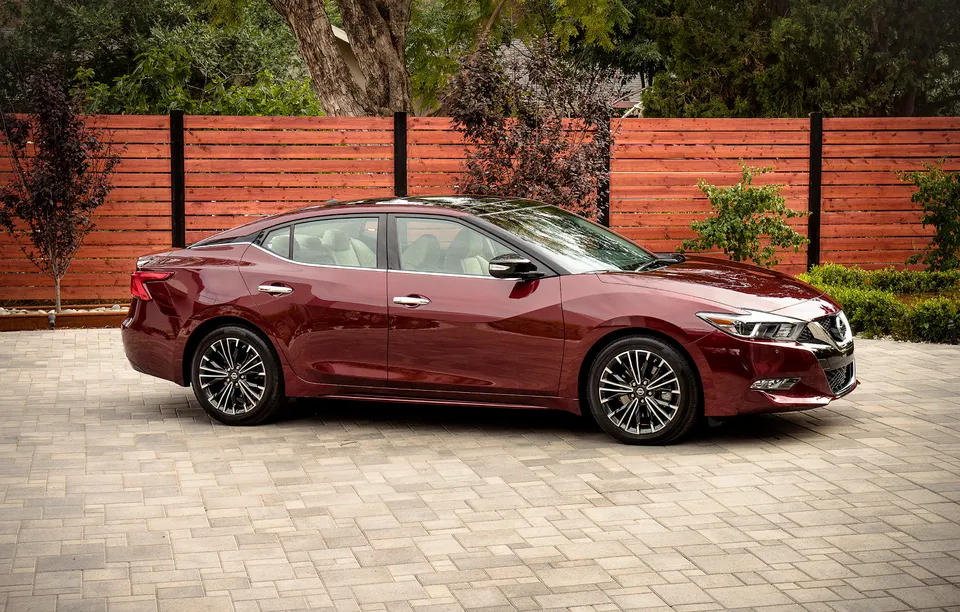
Drivers who want a larger sedan with a more powerful character may want to consider the Nissan Maxima. iSeeCars’ 2026 reliability analysis estimates a 19.4% probability of the Maxima reaching 200,000 miles during its usable lifespan.
The model’s predicted average lifespan is 151,319 miles, or about 12 years. These are statistical estimates across the model, not guarantees for any specific year or used example.
The Maxima differs from smaller commuter sedans through its performance-oriented approach. Many recent U.S. versions used a 3.5-liter V6 engine, producing 300 horsepower and 261 lb-ft of torque.
Nissan ended Maxima production after the 2023 model year, so buyers shopping today will be comparing used vehicles. Its stronger engine performance can make highway merging and passing feel effortless, although fuel consumption and repair expenses deserve consideration.
When assessing a high-mileage Maxima, pay close attention to the continuously variable transmission. Ask for maintenance records, watch for shuddering or delayed response during a test drive, and have a technician inspect the drivetrain before purchase.
Engine leaks, worn suspension components, cooling-system problems, and neglected fluid services can also turn a low purchase price into a costly ownership experience.
A well-cared-for Maxima may appeal to someone who wants a comfortable sedan with more power than a basic economy car. But it is important to compare the vehicle’s condition with its market value and likely repair costs. Review the service history, check for open recalls, and avoid buying solely because the odometer is below 200,000 miles.
9. Nissan Armada
Large SUVs carry a different set of ownership demands from compact cars. They have more passenger space, greater hauling capability, and substantial weight to manage, which can make maintenance particularly important as mileage increases.
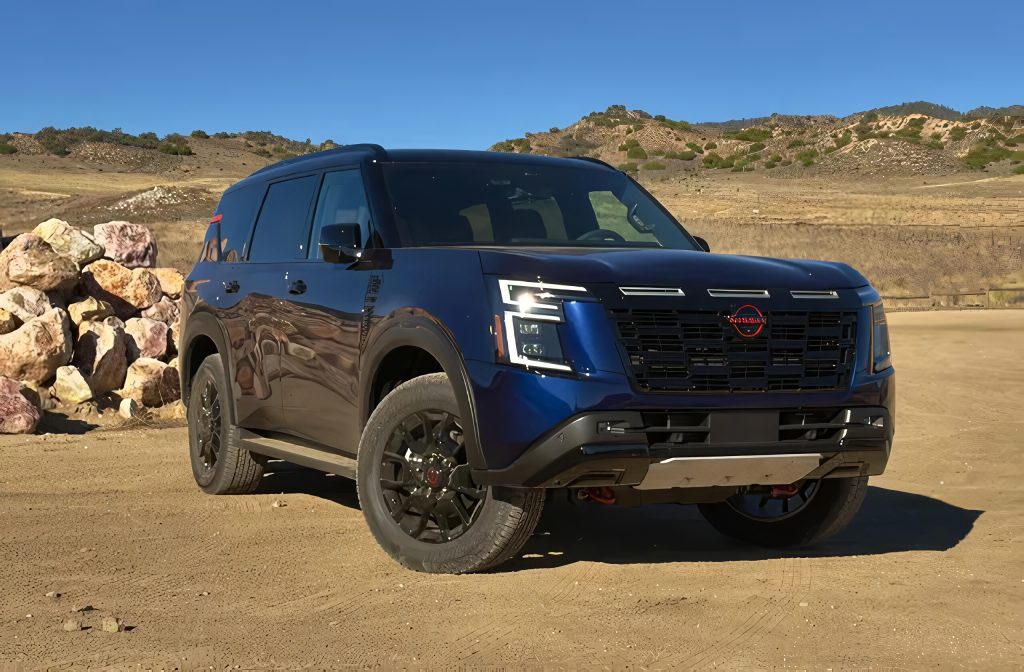
The Nissan Armada is a full-size SUV built around those needs. iSeeCars’ 2026 reliability analysis estimates a 17.8% chance of the Armada reaching at least 200,000 miles, with a predicted average lifespan of 136,317 miles, or approximately 8.8 years.
In the U.S. market, the Armada has traditionally appealed to buyers who want three-row seating and the ability to tow. Many earlier examples use a 5.6-liter V8, while newer generations have different powertrain specifications.
That distinction matters when comparing used vehicles because maintenance schedules, performance, and repair considerations vary by year.
An Armada approaching high mileage deserves a thorough mechanical inspection. Ask the technician to examine the engine, transmission, cooling system, suspension, brakes, and four-wheel-drive hardware if equipped. Inspect the tires for uneven wear and check the underbody for corrosion or damage.
If the previous owner regularly towed a trailer, request records showing that maintenance was performed according to the vehicle’s service requirements.
Ownership expenses deserve equal attention. A full-size SUV can consume more fuel than a compact sedan, and replacement tires, brakes, and certain mechanical repairs may cost more. Reaching 200,000 miles is only useful if the vehicle remains financially sensible to maintain.
The Armada’s iSeeCars estimate identifies it as a candidate for long-term ownership, not a guaranteed high-mileage survivor. Compare its service records, present condition, and anticipated running costs before deciding whether a particular example is worth buying.
10. Nissan Versa
The Nissan Versa completes this list with a reminder that a low-cost commuter can remain useful for years without being among the most likely vehicles to reach extreme mileage.
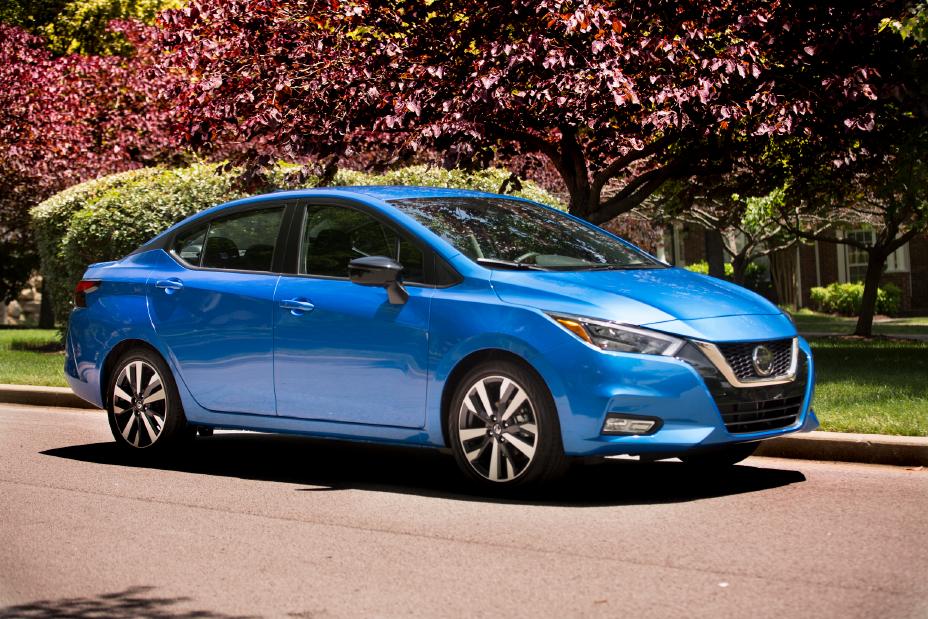
iSeeCars’ 2026 reliability analysis estimates a 6.8% chance of the Versa reaching at least 200,000 miles. Its predicted average lifespan is 128,164 miles, or approximately 9.1 years.
The Versa’s appeal is affordability and efficiency rather than high performance. Recent U.S. sedan models use a 1.6-liter four-cylinder engine rated at 122 horsepower and 114 lb-ft of torque. Its compact dimensions make it convenient for crowded streets and limited parking spaces, while its fuel economy can help keep routine commuting expenses manageable.
That relatively modest purchase price can be an advantage when looking for transportation with a limited budget. However, buyers should not confuse affordability with immunity from expensive repairs.
Many recent examples use a continuously variable transmission, making transmission condition and service documentation important considerations. During a test drive, check acceleration, listen for unusual noises, and look for warning lights. Have a mechanic investigate any hesitation or inconsistent behavior.
A Versa with high mileage may still be practical if its maintenance history is complete and its major components are healthy. Examine the brakes, suspension, tires, cooling system, and engine for wear or leaks. Also compare the price with similar vehicles and estimate upcoming maintenance expenses before negotiating.
The 6.8% probability is lower than the figures for several other Nissans on this list, so it should not be portrayed as a standout for reaching 200,000 miles. Nevertheless, a well-maintained example can provide useful transportation.
The best buying decision comes from evaluating the specific car, its service records, and its expected repair costs rather than relying on the model name alone.