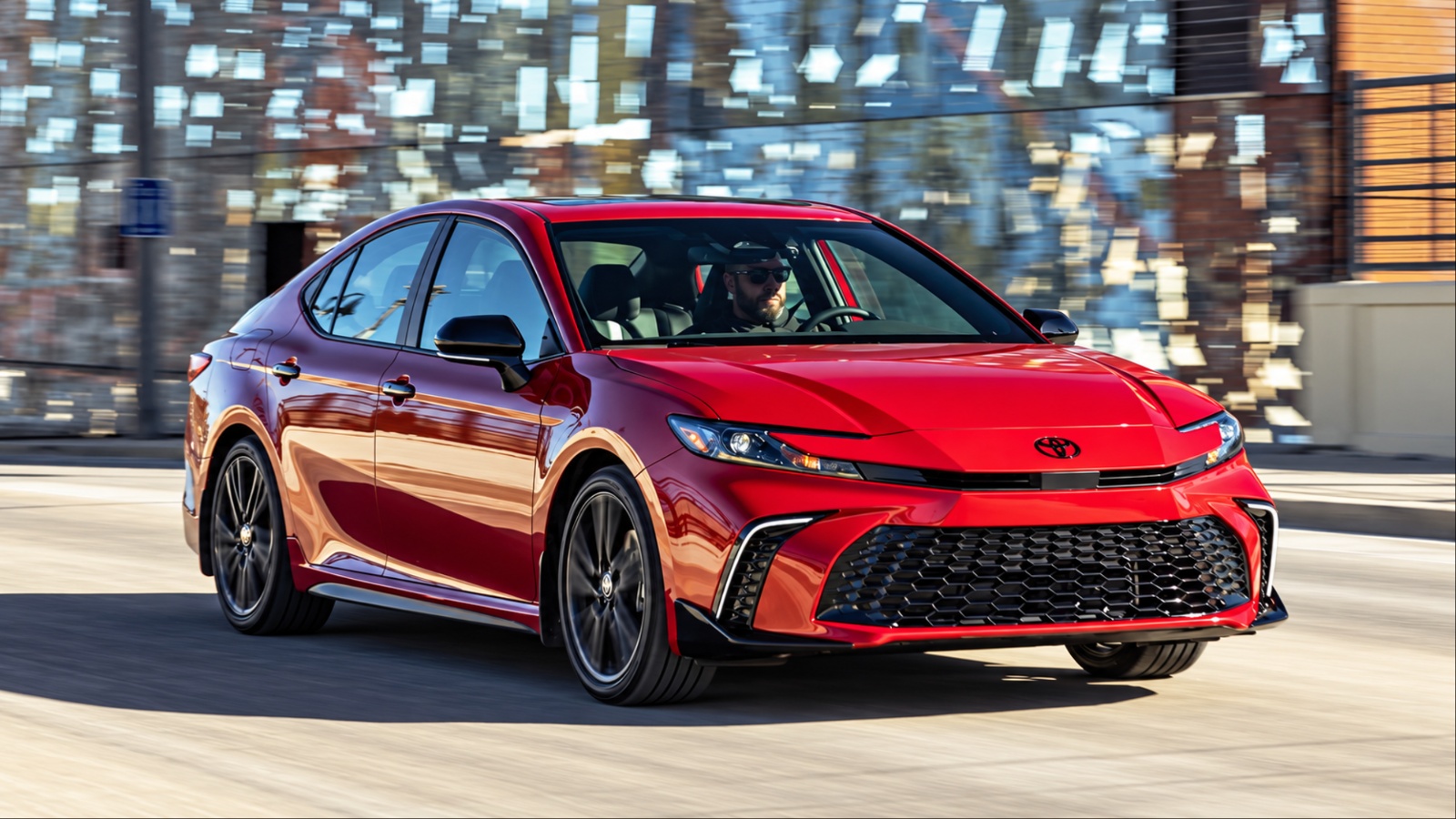
Visit a dealership, and the sales pitch often sounds familiar. Upgrade to a higher trim, add leather seats and a sunroof, and pay just a little more each month to get a better deal. However, the numbers tell a different story. Every extra dollar spent on options increases the vehicle’s purchase price, which can lose value over time.
According to Kelley Blue Book, the average 2026 vehicle is expected to retain only about 45% of its original value after five years, meaning more than half of its value could be lost during that period.
This list evaluates the value of choosing a lower trim level using two public sources, Kelley Blue Book’s residual value projections and RepairPal’s repair cost data. One important caveat is that RepairPal reports repair costs by model rather than trim, meaning the same reliability rating applies to both base and fully equipped versions.
This highlights a key consideration. Spending more on additional features does not necessarily improve reliability or durability, making the entry-level trim of a dependable model a smart choice for budget-conscious buyers.
1. Toyota Corolla LE
The Corolla is the cleanest example of the whole thesis. RepairPal rates it 4.5 out of 5 and ranks it first among 36 compact cars, with an average annual repair cost of $362 and a low probability of severe repairs. Those numbers belong to the model, not to a trim, so the entry-level LE gets the same dependability as the priciest version.
Toyota also benefits from KBB’s resale machine. The brand averages 53% retained value after five years, well above the 45% average for a 2026 vehicle, and it has won KBB’s Best Resale Value Brand award six years in a row. When a brand holds value across its lineup, the cheapest trim is protected, and you are not paying a premium for upgrades the used market will quietly discount.
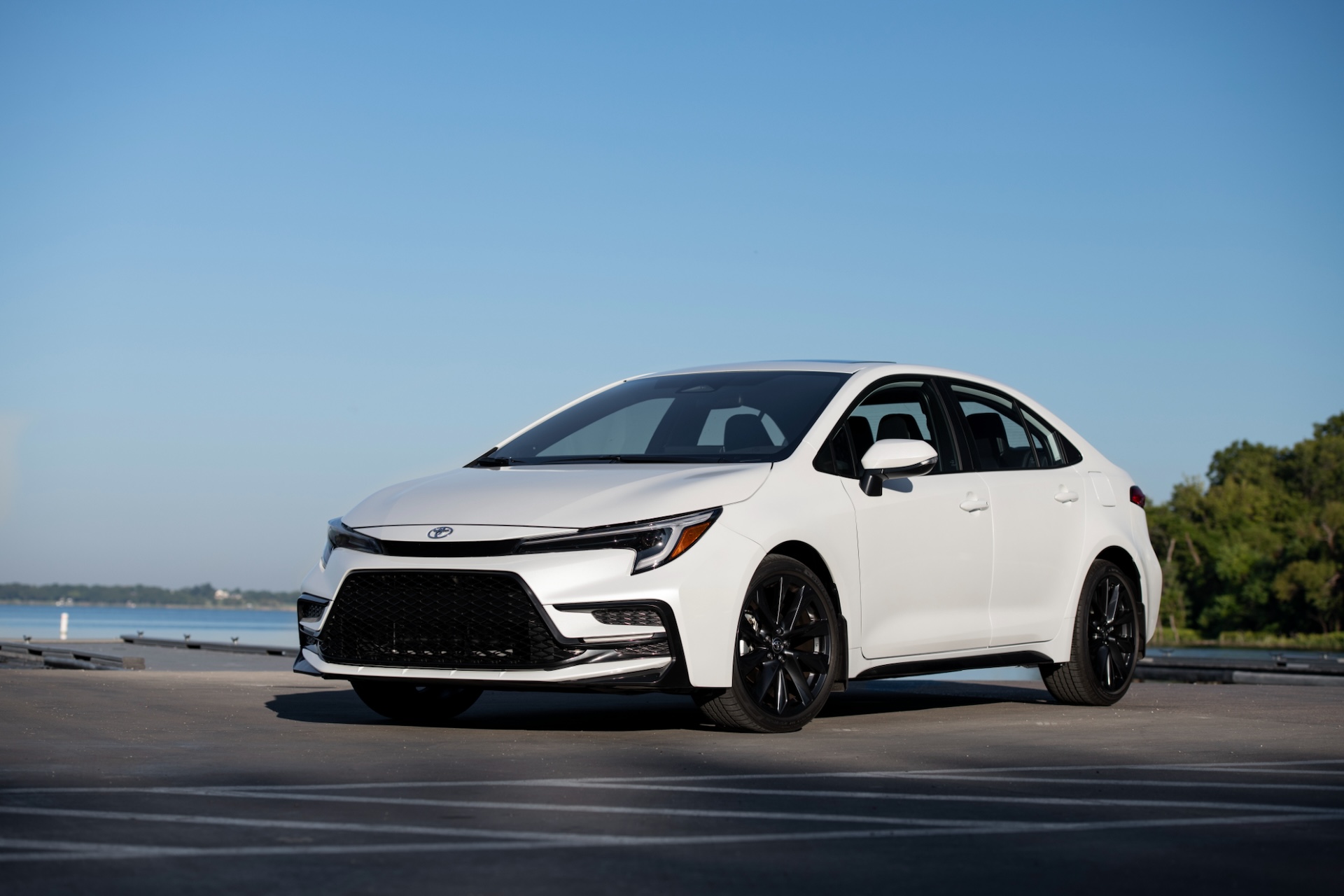
Safety is not what you give up, either. RepairPal notes that the Corolla comes standard with adaptive cruise control, lane-keeping assist, automatic high beams, and automated emergency braking in every version. That is the equipment most buyers actually care about, and it is already on the base car.
Compare that with the Nissan Sentra, which RepairPal ranks 14th of 36 at $491 a year, or the Kia Forte at $451. The Corolla beats both on cost.
The honest trade-off is performance. RepairPal lists the standard engine at 132 horsepower and says the Corolla ranks lowest on performance. If you want driving fun, spend elsewhere. If you want low-drama ownership, the LE is hard to beat.
2. Honda Civic LX
Honda’s Civic earns its place by pairing a 4.5 out of 5 RepairPal reliability rating, third among 36 compact cars, with an average annual repair cost of just $368. That beats the Elantra’s $452 and the Sentra’s $491.
Kelley Blue Book adds another layer to the argument. The Honda Civic was named a 2026 category winner in the Best Resale Value Awards, which estimate how much of a vehicle’s original price it retains after five years. KBB notes that the average 2026 vehicle retains only about 45% of its original value, making depreciation one of the highest costs of ownership.
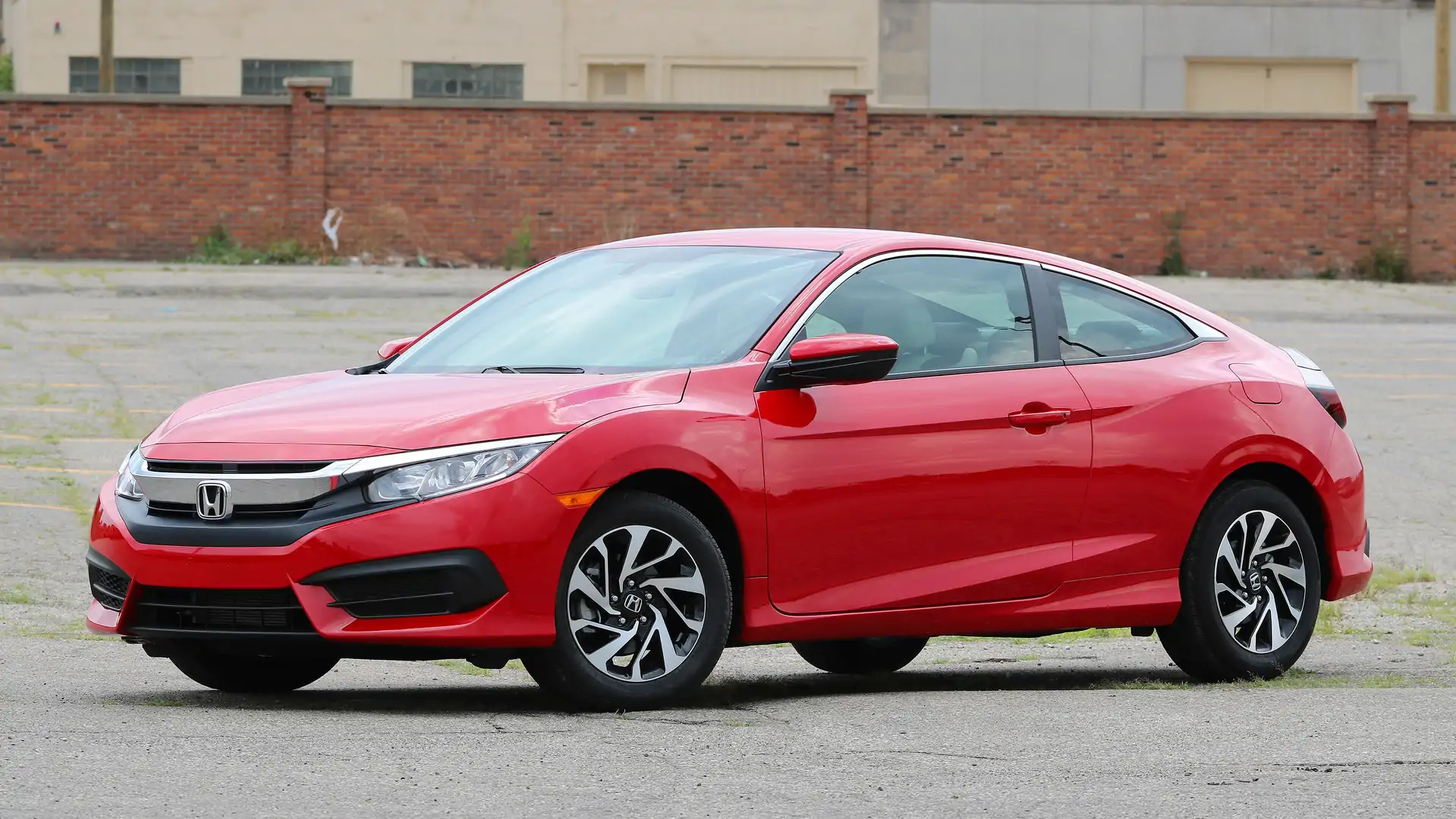
Choosing the base LX trim means starting with a lower purchase price and putting fewer dollars at risk as the vehicle loses value. Much of the Civic’s resale strength comes from the model’s reputation and market demand rather than the number of optional features included.
RepairPal also compared the Civic with the Mazda 3 and found Honda’s compact needs fewer unscheduled shop visits, about 0.22 a year against 0.33, with the same 10% share of urgent repairs.
Fewer visits are the quiet benefit of a simpler car. A base trim has fewer power seats, sunroof motors, and add-on modules that can turn into separate repair bills, although RepairPal does not break repair data out by trim, so treat that as reasoning rather than a measured result.
If you are choosing between the entry trim and a loaded one, the data suggests the money is better left in your account than spent on features the next buyer will barely pay for.
3. Toyota Camry LE
The Camry shows how a mainstream sedan can be cheap to keep and slow to lose value. RepairPal’s own model page gives it a 4.0 out of 5 rating, third of 24 midsize cars, and an average annual repair cost of $388.
A newer snapshot cited by CarMax is friendlier still, listing $327 a year, 0.6 unscheduled shop visits against 0.9 for the segment, and an 8% chance that a repair is severe, compared with 12% for midsize cars. Either way, the Camry sits below the segment average of about $430.
KBB named the Camry a 2026 category winner for resale value, and Toyota as a brand averages 53% retained value after five years. That means the LE, the lowest rung, is already a car the used market wants.
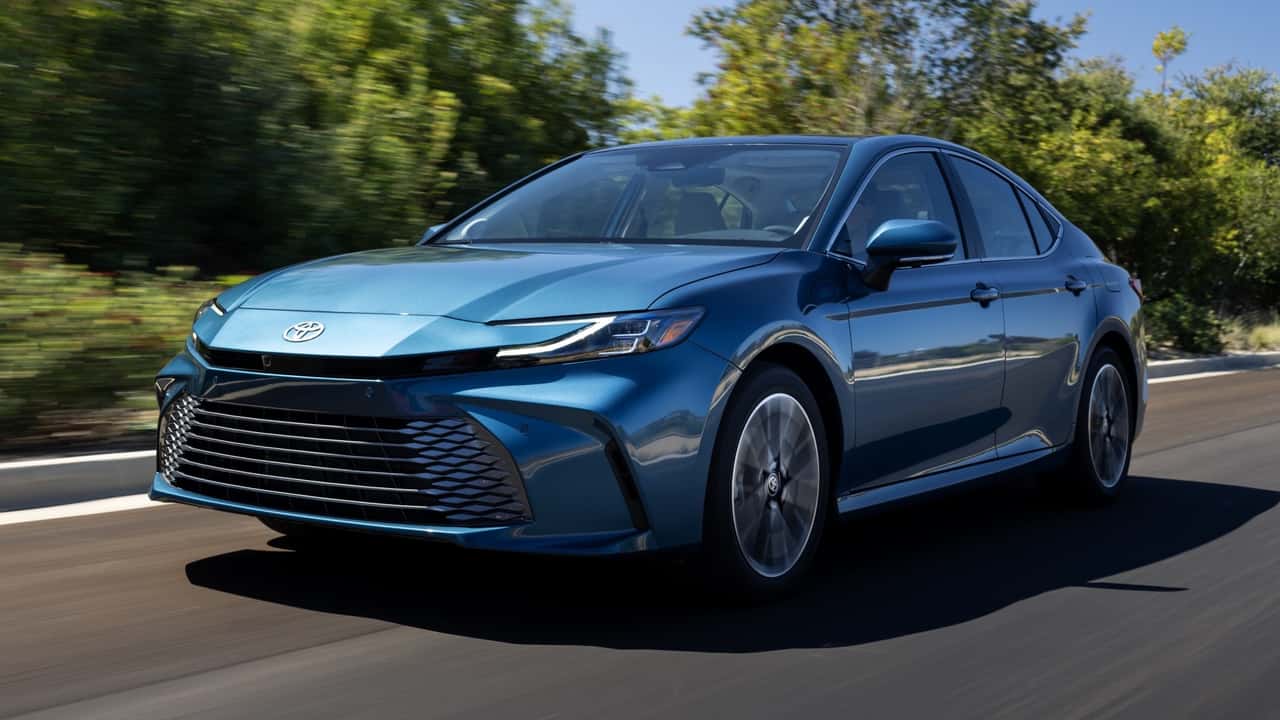
Climbing to a pricier trim adds leather, larger wheels and bigger screens, but it does not change the underlying reliability, and residual percentages apply to the whole sticker, so the extra spending depreciates right along with everything else.
The current Camry is also notable for fuel economy. CarMax lists EPA estimates of 44 mpg combined for the 2025 model, which helps running costs.
Compare the competition. RepairPal puts the Kia Optima at $471 and the Chevrolet Malibu at $532 a year, both ranked below the Camry in the midsize class.
The weakness is excitement. Reviewers call the interior plain and the cargo space smaller than rivals’. A higher trim will not fix either, so the LE remains the rational pick.
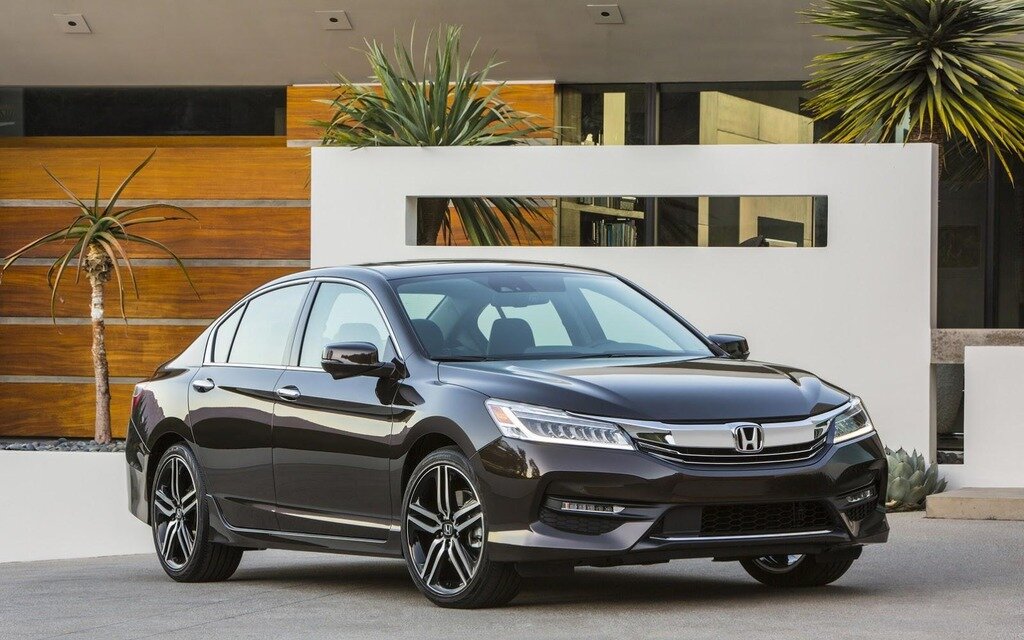
4. Honda Accord LX
If any midsize sedan makes the case for stopping at the entry trim, it is the Accord. RepairPal ranks it first among 24 midsize cars with a 4.5 out of 5 reliability rating and an average annual repair cost of $400. It describes the severity and frequency of Accord repairs as both much lower than other vehicles.
That reliability belongs to the nameplate, not the price tier. A base Accord LX shares its fundamentals with the version that costs thousands more, so the premium buys comfort and convenience rather than durability. RepairPal even says the Accord ranks highest in value among Honda’s passenger cars, which fits the idea that the sensible version of this car is the one most buyers should start with.
KBB’s residual projections explain why that matters. The average 2026 vehicle keeps about 45% of its original price after five years, and the best performers, KBB’s top 10, are projected to keep around 55% or more. Even a segment leader still sheds a large share of its sticker, and the loss is calculated on the full price, options included. Skip the options and you shrink the number that can shrink.
RepairPal’s comparison with the smaller Civic is instructive. The Accord costs $400 a year to repair against the Civic’s $368, a modest difference that shows you do not need the cheapest car on the lot to enjoy low costs. You do benefit from choosing the cheapest version of whichever excellent car you pick.
One drawback to consider is that RepairPal gives the Accord a low ranking for interior quality.
5. Honda CR-V LX
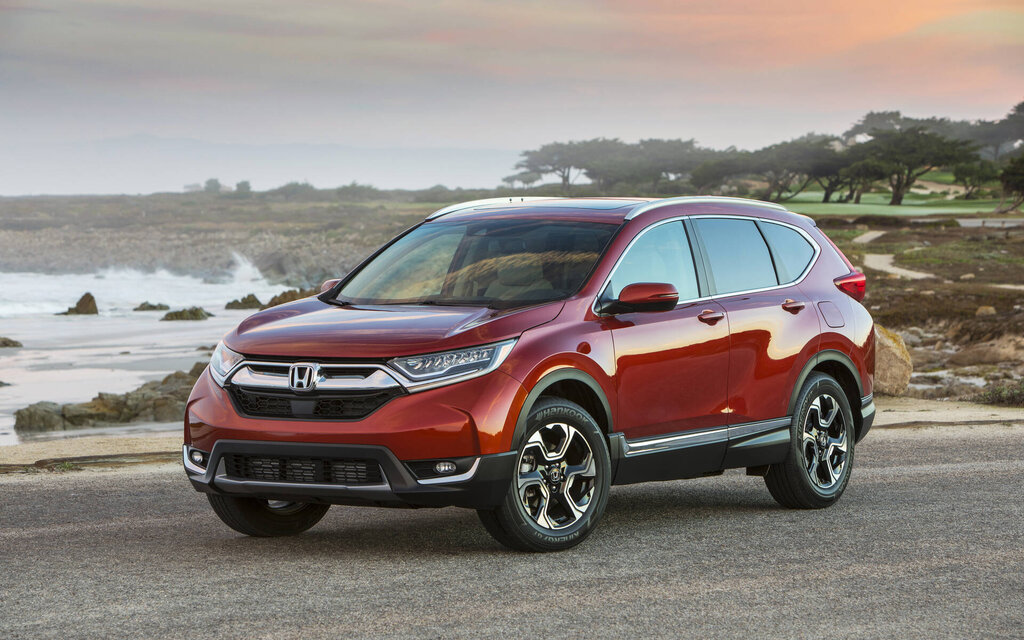
The Honda CR-V is a compact SUV that many families consider, and the data supports choosing a base trim. RepairPal gives it a reliability rating of 4.5 out of 5, ranking it second among 26 compact SUVs, with an average annual repair cost of $407. It also reports low repair severity and below-average repair frequency.
A CarMax summary of RepairPal data paints an even more favorable picture, showing annual repair costs of $358 compared with $473 for compact SUVs on average. The CR-V also averages 0.8 unscheduled repair visits per year, versus 1.0 for the segment, and has an 8% chance of a severe repair compared with 13% for its peers.
Even a reliable vehicle can face expensive repairs. RepairPal’s 2026 estimates illustrate the potential cost of occasional failures, with an ABS control module replacement ranging from $2,133 to $2,161, a heater core from $1,171 to $1,699, and a fuel pump from $1,083 to $1,223.
Since these estimates apply to the CR-V model rather than specific trim levels, owners of both base and fully equipped versions can face similar repair bills. Higher trims add extra features and systems that may eventually require maintenance, along with a higher purchase price that can lose value as the vehicle depreciates.
That is where the cheapest trim wins. With KBB estimating that an average 2026 vehicle keeps only about 45% of its value after five years, every optional extra is money you are likely to see only partly returned. Keeping the LX and banking the difference gives you a cushion for exactly those occasional big repairs.
The trade-off is cabin comfort and technology. CarMax’s review notes a basic entry-level touchscreen and limited small-item storage, which may frustrate some buyers.
6. Toyota RAV4 LE
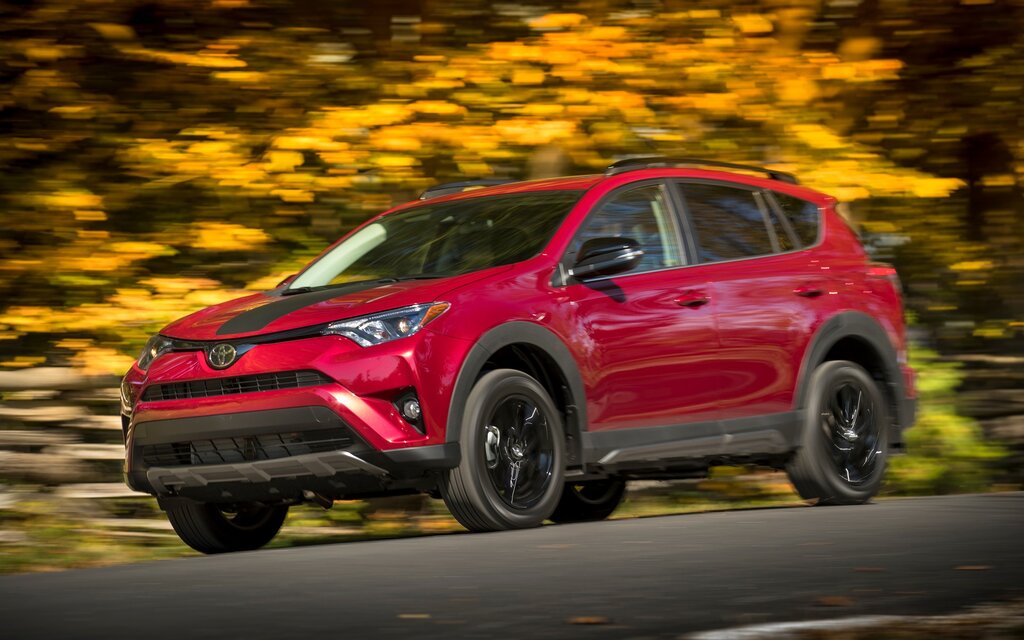
The RAV4 pairs strong reliability with the resale advantages of Toyota’s brand, which KBB says averages 53% retained value after five years. RepairPal’s model page rates it 4.0 out of 5, third of 26 compact SUVs, with an average annual repair cost of $429, and says the severity and frequency of repairs are much lower than other vehicles.
A newer CarMax snapshot lists $367 a year against $473 for the segment and a 7% probability of a severe repair against 13%.
The gap to rivals is clear. RepairPal puts the Chevrolet Equinox at $537 a year and ranks it 23rd of 26 compact SUVs. The RAV4 delivers a roomier cargo area, 73.4 cubic feet behind the front row, at a lower upkeep cost.
Because the RAV4’s reliability rating applies to the model as a whole, the base LE benefits from the same track record as more expensive trims. RepairPal’s estimates illustrate the potential costs owners may face with any version.
Replacing an AC evaporator can cost $1,323 to $1,878, a radiator $994 to $1,198, and a catalytic converter $921 to $1,020. Choosing a lower trim leaves more money available to cover unexpected repairs, while the extra cash saved retains its value better than spending it on features that may depreciate with the vehicle.
RepairPal also notes the RAV4 comes with Toyota Safety Sense as standard, so the base trim keeps the driver-assistance package. The hybrid option is the one upgrade worth pricing out, since it changes running costs rather than only adding comfort.
The compromise is a plainer cabin. For buyers who value reliability and resale more than finishes, the LE is the sensible starting point.
7. Toyota Tacoma SR
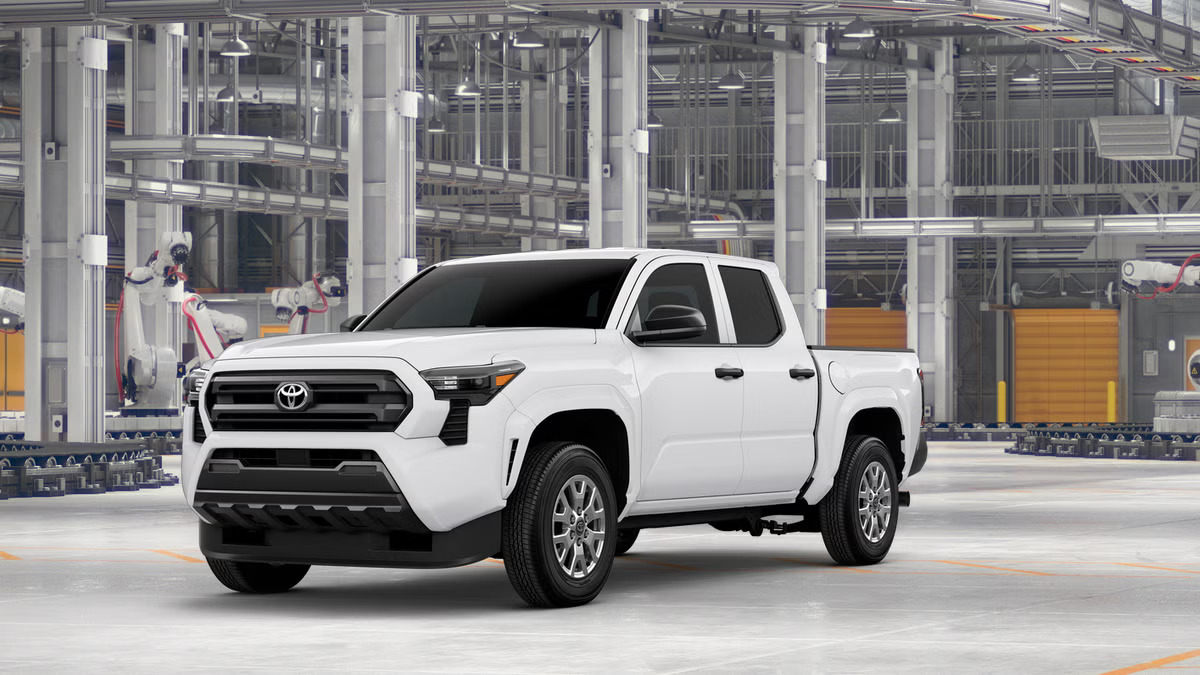
Trucks are where buyers are most tempted to overspend, and the Tacoma is the example for resisting. KBB’s 2026 awards were dominated by Toyota, which won nine of the vehicle category awards and made up half of the top 10. That halo covers the whole range, so the base SR benefits from the same demand as an expensive trim.
RepairPal’s model pages show an average annual repair cost of $478, and a CarMax snapshot lists $451 against a midsize-truck average of $460. The same snapshot ranks the Tacoma first of eight midsize trucks and says owners visit a repair shop for unscheduled repairs 0.6 times a year, against 1.3 for the segment.
The probability of a severe repair is 14%, close to the segment’s 15%, which is a reminder that truck repairs can be expensive when they do happen.
CarMax notes eight trims, which is exactly why a disciplined buyer should start at the bottom. Higher trims add comfort and off-road hardware that many owners never use, and because depreciation is applied to the full sticker, those extras are the first dollars to disappear. KBB estimates the average 2026 vehicle keeps about 45% after five years, and even strong performers are projected to keep only around 55% or more.
The cheapest trim has a real cost, though. CarMax lists a stiff ride on lower trim levels among the Tacoma’s cons, and the back seat feels cramped.
For everyone else, the SR is a dependable truck with fewer dollars at risk.
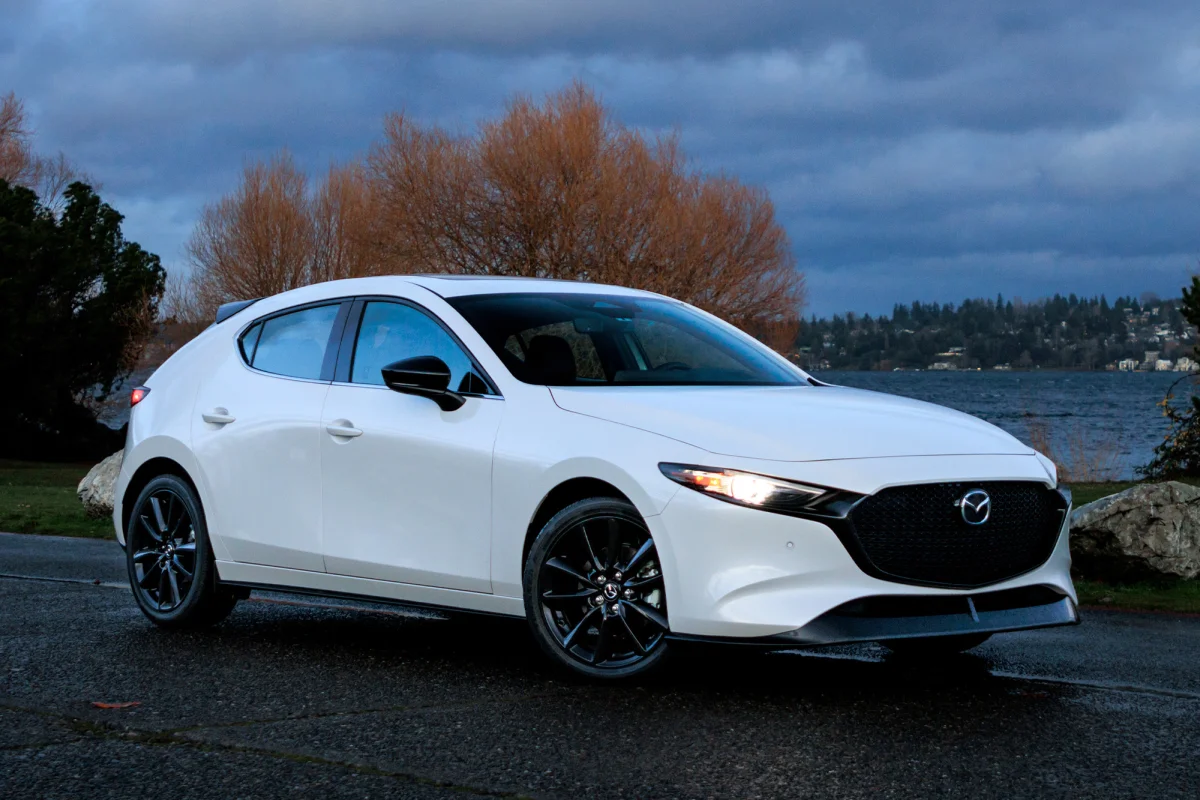
8. Mazda3 2.5 S
The Mazda3 is the least obvious entry here, and its case rests mostly on repair costs. RepairPal rates it 4.0 out of 5, ninth of 36 compact cars, with an average annual repair cost of $433 and a low probability of severe repairs. A CarMax snapshot lists $386 a year against $453 for compact cars, with a 9% chance of a severe repair against 12%.
Because these figures apply to the Mazda model as a whole, they are relevant to both the base trim and premium versions. Mazda’s higher trims primarily add upgraded interior materials and technology, while RepairPal’s estimates highlight the potential cost of repairs on any version.
Replacing a power steering pump can cost $1,237 to $1,422, while an AC compressor replacement ranges from $900 to $1,414. Choosing a simpler trim can help keep more money available for unexpected repairs instead of spending it on extra features.
CarMax praises its premium interior materials and supportive seats, so even the base car feels better than its price.
RepairPal’s comparison with the Honda Civic is the reality check. The Civic costs $368 a year to repair against the Mazda3’s $433 and needs fewer shop visits, 0.22 a year against 0.33. If lowest running cost is the goal, Honda still wins.
One important limitation is that this research did not identify a top-10 finish or category award for the Mazda3 in Kelley Blue Book’s resale value rankings, making the resale argument less compelling than it is for the Toyota and Honda models discussed earlier. Before making a purchase, check KBB’s latest residual value estimates.
Even with that uncertainty, the base trim remains a sensible choice for buyers who want to keep upfront costs down and avoid paying extra for features they may not need.
9. Hyundai Elantra SE
The Elantra is a value story, and the entry SE is the version that tells it best. RepairPal rates the Elantra 4.5 out of 5, eighth among 36 compact cars, with an average annual repair cost of $452. That sits comfortably below the Nissan Sentra’s $491 and within reach of the Civic’s $368, while Hyundai typically prices the base car aggressively.
The pairing of excellent reliability with a low entry price is exactly what the cheap-trim strategy needs. RepairPal’s comparison shows the Elantra’s standard engine makes 147 horsepower, compared with 158 for the Civic, and that its optional engine reaches 201 horsepower.
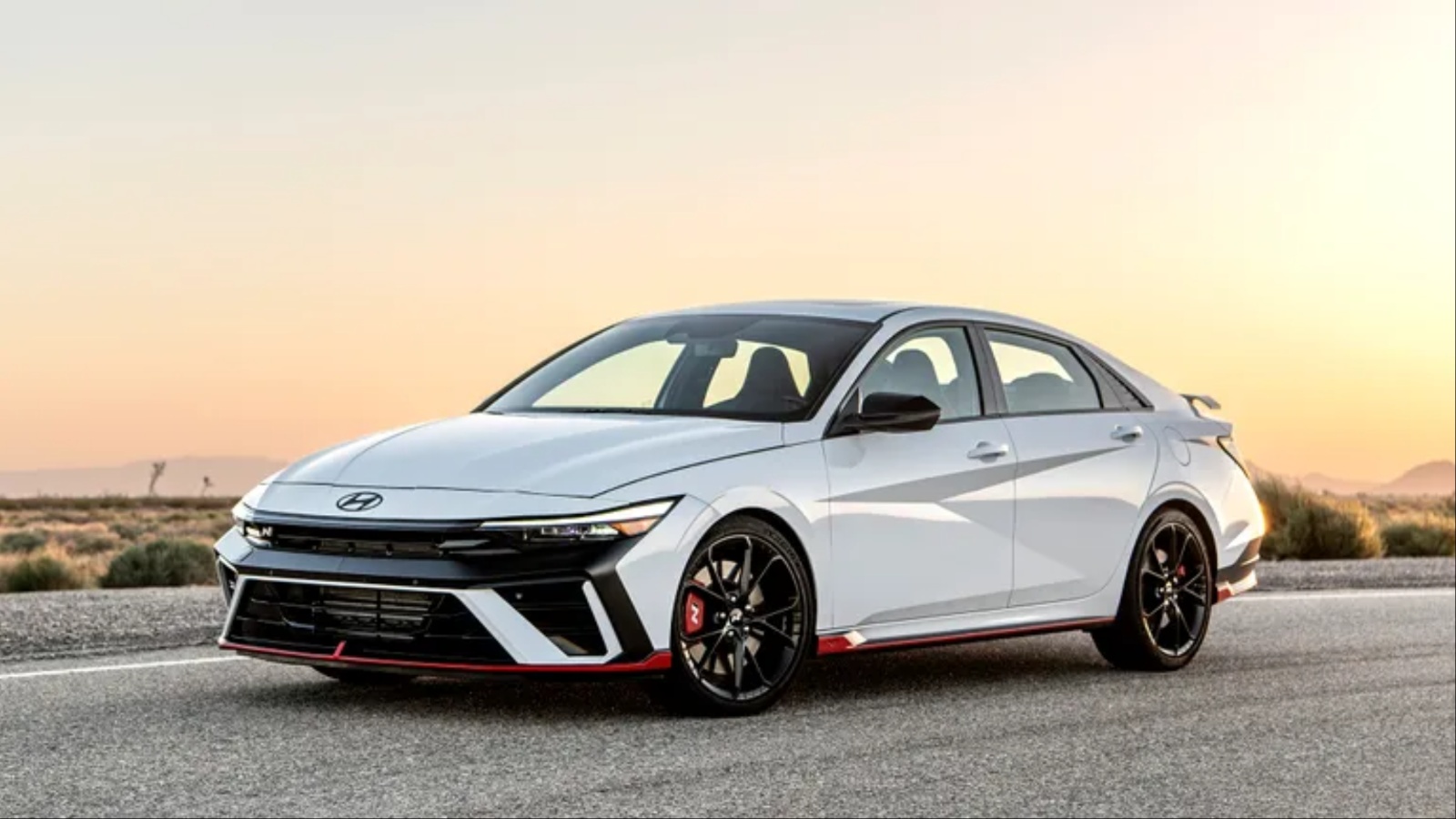
Those numbers matter for a trim decision because the extra power sits in the more expensive versions. If the standard engine moves you adequately, the performance premium is optional money.
Resale is where an honest buyer should be cautious. This research did not find an Elantra placement in KBB’s 2026 awards, where Toyota alone took half of the top 10, so you should not assume it will retain as much as a Corolla. That is another argument for the cheapest trim. When a model’s residual percentage is less certain, every dollar added above the base price is a dollar more exposed, and KBB’s own average of about 45% retained after five years shows how steeply cars lose value.
Check KBB’s residual projections for the SE and the trim above it before buying.
For many shoppers, the SE will win, because it combines a strong RepairPal rating with the smallest bet on resale.
10. Ford Maverick XL
The Maverick is the outlier on this list, and it shows when the cheapest trim matters most. KBB named it a 2026 category winner for resale value. Its repair data is thinner and weaker than the Japanese models above. RepairPal lists Ford’s brand average at $775 a year with a 3.5 out of 5 reliability rating, and one source reports the same 3.5 for the Maverick itself.
That mix of strong demand and middling repair history is the best argument for restraint. Buy a loaded Maverick and you pay a premium for equipment on a truck whose reliability is still being proven. Buy the XL and you keep your purchase price low while the resale strength KBB identified works in your favor.
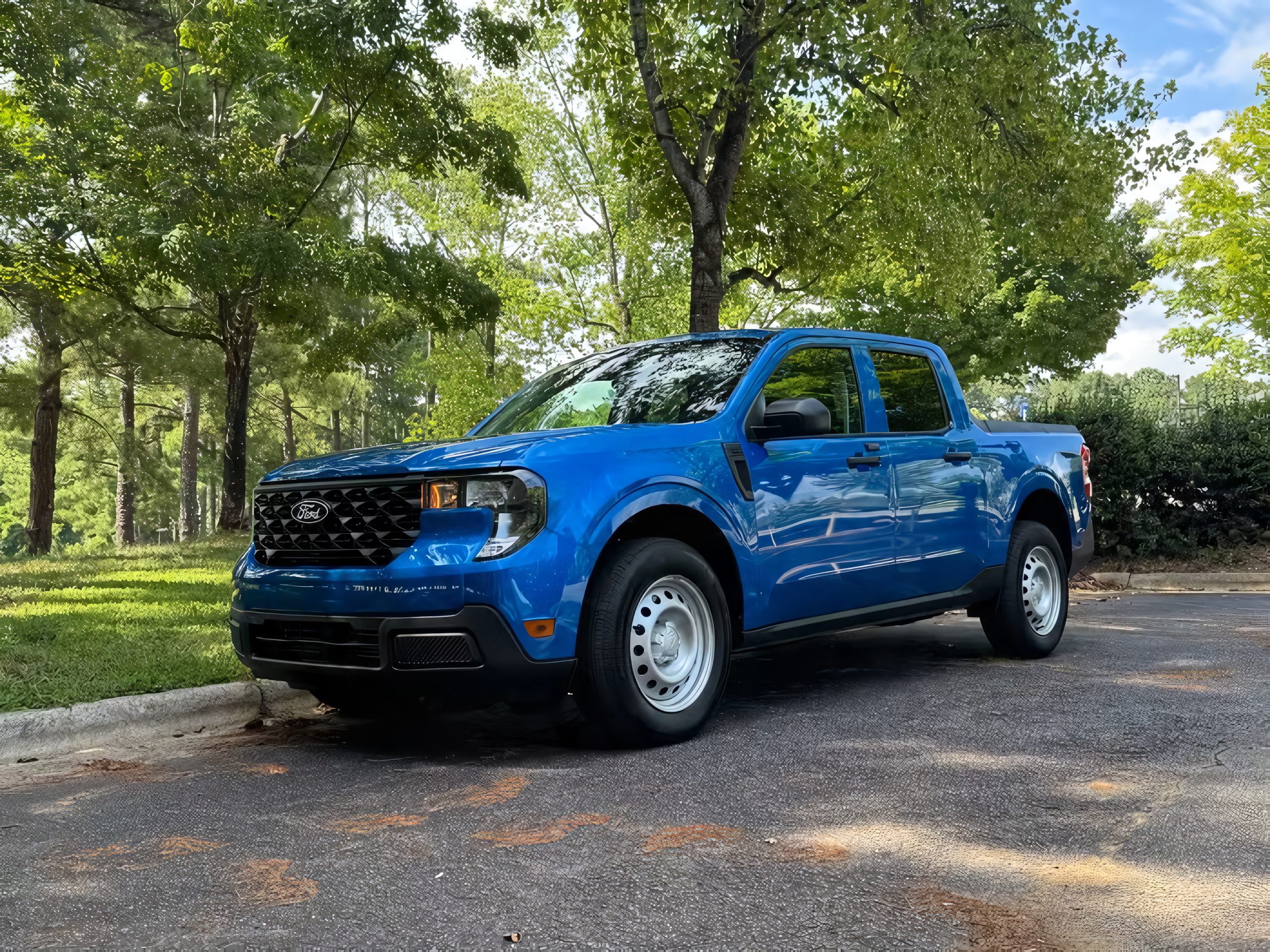
Model year matters. One reliability roundup flags 2022 and 2023 as years to avoid, citing powertrain and electrical issues, and rates 2024 and 2025 as the better choices. RepairPal’s page lists 33 known recalls, so checking a specific vehicle’s recall status is essential. RepairPal’s estimates also show a hybrid high-voltage battery replacement at $3,175 to $3,340, a cost that applies to hybrid versions regardless of trim.
That is why a disciplined budget helps. Dollars not spent on upgrades can cover a repair like that, and they will not depreciate. KBB estimates the average 2026 vehicle keeps about 45% of its value after five years, while a Maverick’s category win suggests it should do better.
Buy a newer model year, confirm the recall history, and choose the XL.