An RV warranty can save an owner thousands of dollars when a major appliance, electrical system, slide mechanism, plumbing component, or structural part fails unexpectedly. But warranties come with conditions.
Manufacturers expect owners to use the RV as intended, follow required maintenance schedules, keep service records, and avoid modifications that damage covered components. Ignoring those requirements can result in an individual warranty claim being denied, especially when the manufacturer can connect the failure to poor maintenance, misuse, or unauthorized alterations.
It is also important to understand that a single mistake does not normally erase every warranty protection on an RV. In the United States, warranty law generally prevents manufacturers from automatically canceling an entire warranty simply because an owner used an aftermarket part or independent repair shop.
Instead, the manufacturer typically needs a reasonable basis for connecting the modification or neglect to the failure being claimed. Warranty language also varies significantly among RV manufacturers, chassis builders, appliance suppliers, and component companies. Here are 11 situations most likely to put RV warranty coverage at risk.
1. Skipping Required Maintenance
Failing to perform required maintenance is one of the easiest ways to lose warranty coverage for a specific RV problem. Manufacturers generally provide maintenance schedules covering the chassis, engine, generator, roof, seals, plumbing, appliances, batteries, brakes, wheel bearings, and other systems. If an owner ignores those requirements and a related component fails, the manufacturer may deny the claim.
For example, an RV roof may require periodic inspection of seams, sealants, vents, skylights, and mounting points. If those areas deteriorate for years and water begins entering the structure, the manufacturer may argue that the damage resulted from neglected maintenance rather than a manufacturing defect.
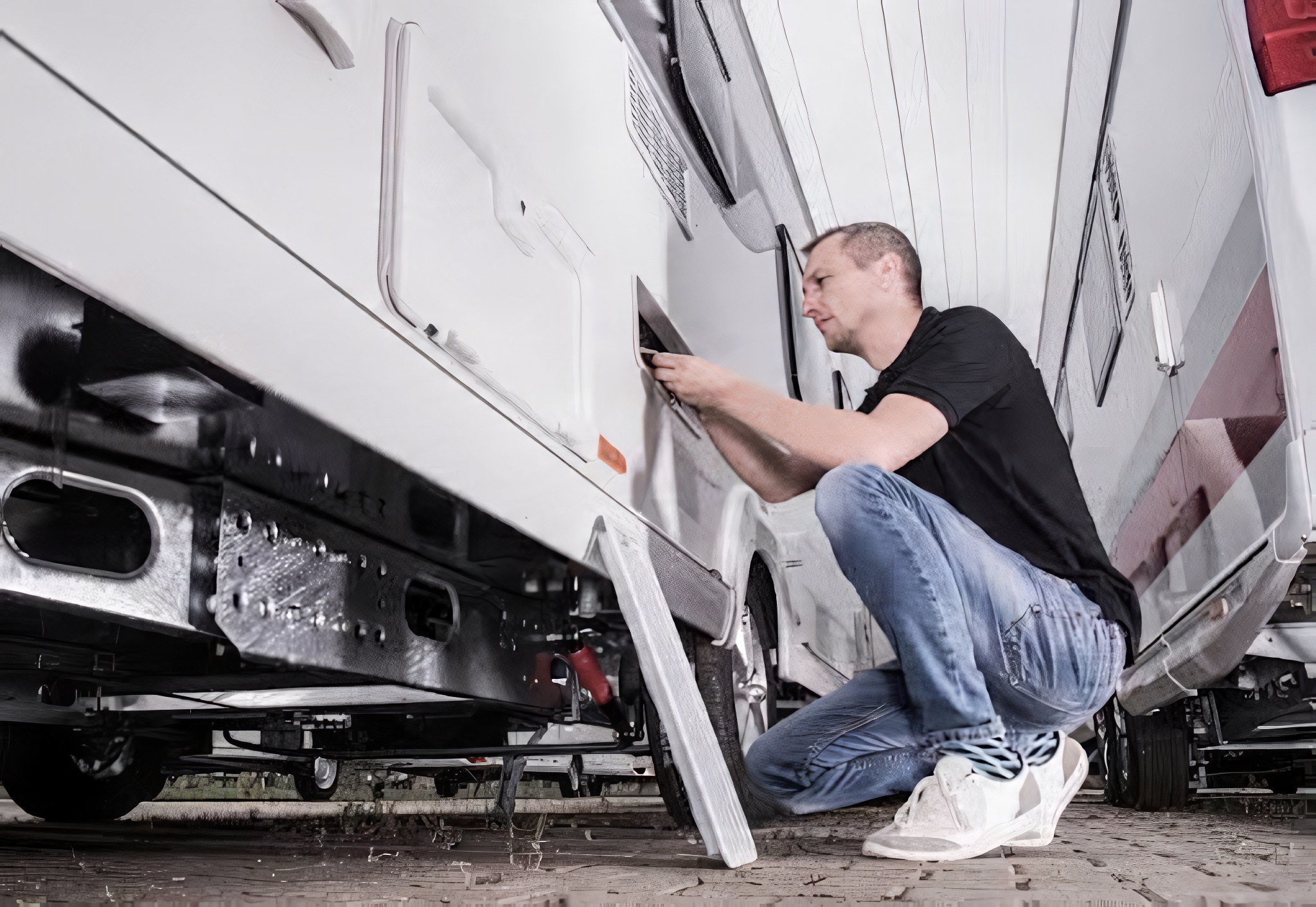
Similar reasoning can apply to engines that suffer lubrication damage after overdue oil changes or wheel bearings that fail after required inspections were ignored.
Documentation becomes extremely important. Owners should save invoices, receipts, inspection reports, photographs, and records showing when maintenance was performed. Even owners who perform maintenance themselves should record dates, mileage, products used, and work completed.
Skipping maintenance does not necessarily eliminate the entire RV warranty. Instead, it can make the manufacturer refuse coverage for damage connected to that neglect. A refrigerator defect, for example, may still be covered even if the owner missed an unrelated chassis service.
The safest approach is to treat the manufacturer’s maintenance schedule as part of the ownership contract. Read it early, follow it closely, and keep evidence that the work was completed.
2. Making Unauthorized Structural Modifications
RV owners love customization, but major structural modifications can create serious warranty problems. Cutting into walls, floors, roofs, frames, or support structures may affect components that manufacturers engineered to work together. If a modification causes cracking, leaks, electrical problems, or structural failure, warranty coverage for the affected area can be denied.
Examples include adding oversized roof equipment, cutting new openings for windows or vents, modifying slide-out structures, changing frame components, drilling into structural members, or installing heavy accessories without following manufacturer specifications.
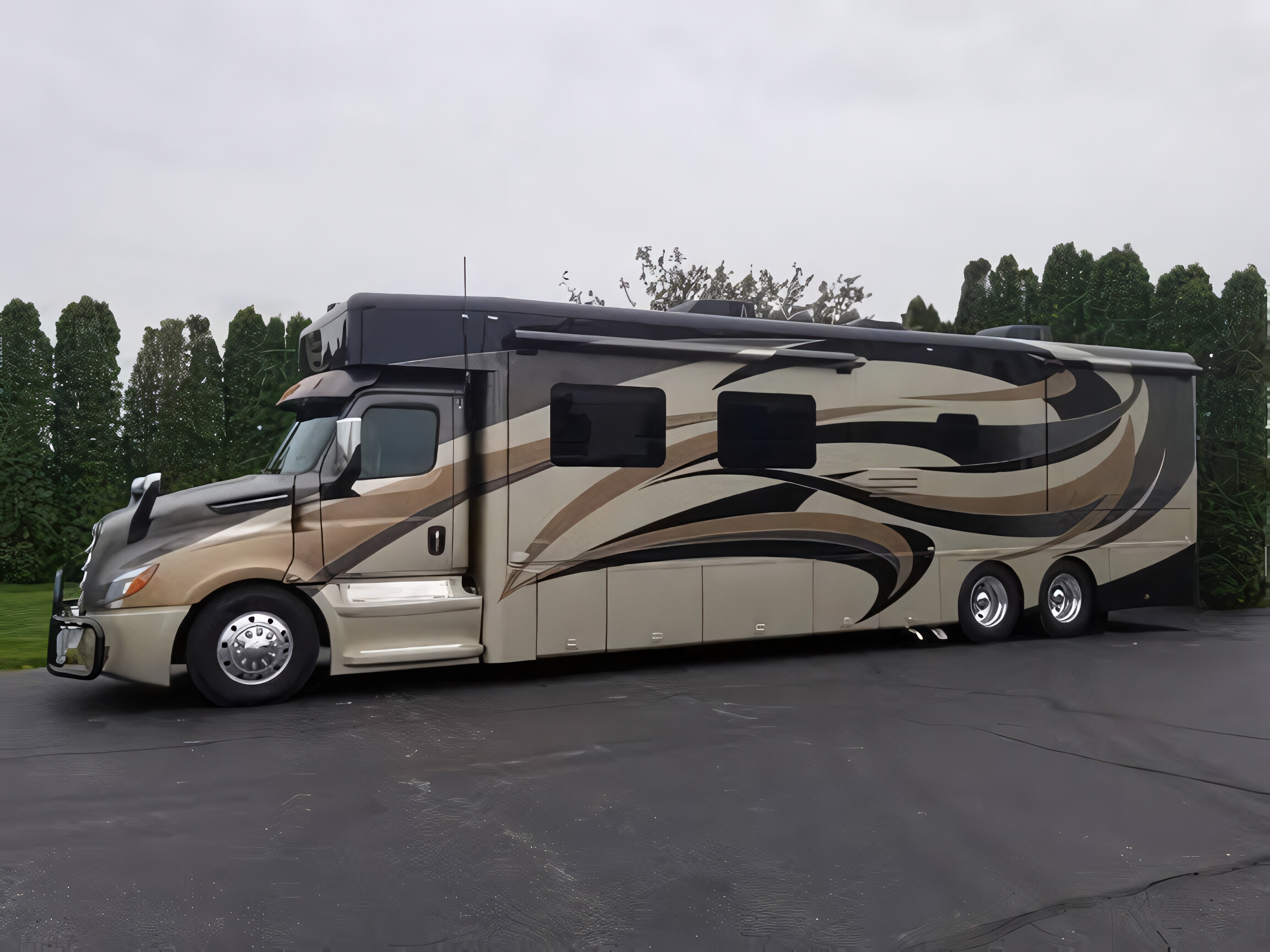
Weight is particularly important. An RV may appear large and strong, but individual walls, roof sections, storage compartments, and frame attachment points are designed around specific loads. Adding equipment such as large solar arrays, roof decks, additional air conditioners, generators, motorcycle carriers, or heavy storage systems can place stress where the manufacturer never intended it.
That does not mean every modification automatically voids an RV warranty. An owner can generally install accessories or aftermarket equipment without losing unrelated warranty protections. The key question is whether the modification caused or contributed to the failure being claimed.
If a roof begins leaking directly around an aftermarket skylight installed incorrectly, obtaining factory warranty coverage could be difficult. If an unrelated refrigerator circuit board fails, that roof modification should not automatically cancel refrigerator coverage.
Before making substantial changes, RV owners should check the warranty terms and installation requirements. For expensive structural modifications, getting written guidance from the manufacturer or using an authorized installer can prevent major disputes later.
3. Overloading the RV
Every RV has weight limits, and exceeding them can create both safety problems and warranty disputes. Important ratings include Gross Vehicle Weight Rating, axle ratings, tire load limits, cargo capacity, and, for towable RVs, hitch or pin-weight restrictions.
Overloading places additional stress on nearly every part of the vehicle. Tires run hotter, brakes work harder, suspension components carry greater loads, wheel bearings experience additional pressure, and frames can flex beyond their intended operating range. Towable RVs may also place excessive weight on the tow vehicle or hitch system.
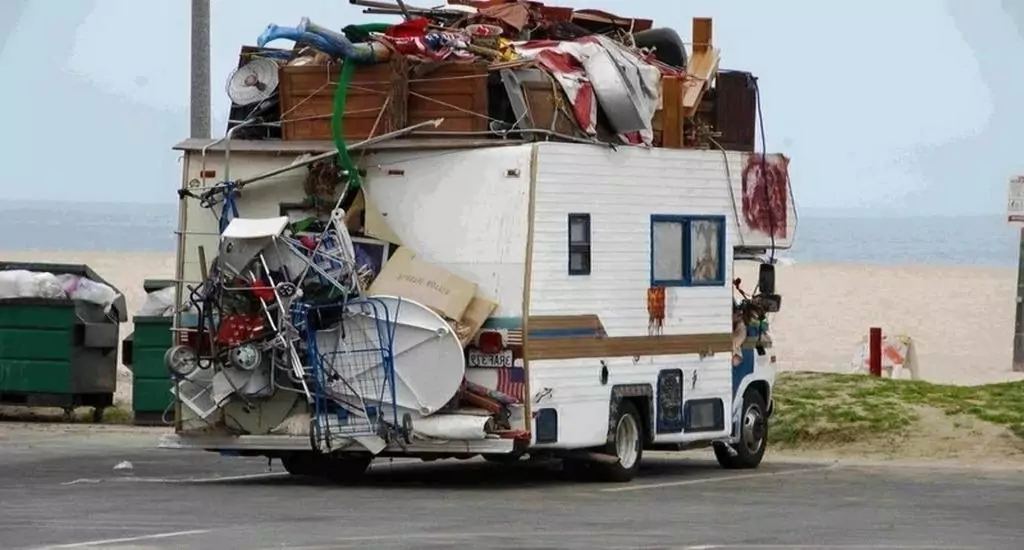
If a suspension component, axle, frame section, tire, or hitch-related structure fails and evidence shows the RV was operated significantly over its rated limits, the manufacturer may deny warranty coverage. The argument would be that the failure resulted from misuse rather than defective materials or workmanship.
Owners sometimes underestimate how quickly weight adds up. Fresh water is heavy, and batteries, propane, tools, food, bicycles, camping equipment, generators, and aftermarket accessories all consume available payload. A large RV can still have surprisingly limited cargo capacity once passengers and equipment are included.
The safest method is to weigh the RV when it is loaded for actual travel. Truck scales and specialized RV weighing services can show total weight and, ideally, individual axle or wheel loads.
Occasionally exceeding a cargo recommendation does not magically cancel the entire warranty. However, documented overloading can provide a strong reason for manufacturers to reject claims involving components affected by excessive weight.
4. Using the RV Outside Its Intended Purpose
RV warranties are written around an expected type of use. When an RV is repeatedly operated in conditions outside those expectations, certain warranty claims can become difficult.
One example is using a recreational vehicle for commercial work when the warranty specifically limits coverage to personal recreational use. Another could involve placing a model designed for seasonal camping into continuous heavy-duty service.
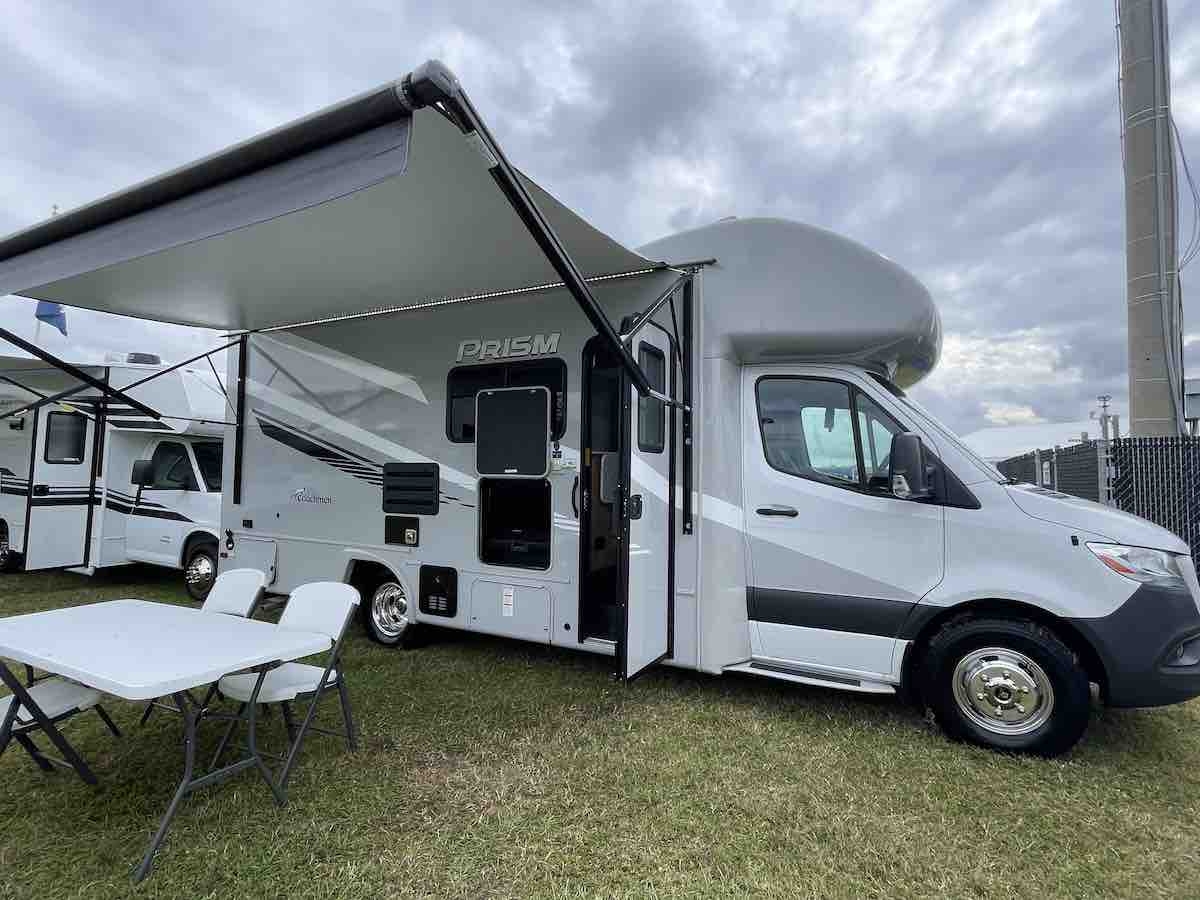
Some manufacturers provide separate warranty terms for full-time occupancy because continuous use places considerably more wear on appliances, plumbing, furniture, climate systems, and interior materials.
Extreme off-road use can create similar problems. Some RVs are marketed for rough roads or off-grid travel, but that does not automatically mean they are designed for rock crawling, deep-water crossings, severe impacts, or continuous travel over highly uneven terrain. Damage caused by excessive shock loads may be classified as misuse rather than a manufacturing defect.
Towable RV owners should also consider how the trailer is being pulled. Operating at inappropriate speeds, using an unsuitable tow vehicle, or ignoring hitch requirements can contribute to structural or suspension problems.
The important issue is the connection between use and failure. Using an RV on a gravel campground road should not eliminate coverage for an unrelated appliance defect. However, damaging the frame after repeatedly taking a conventional travel trailer over severe terrain may not qualify as a warranty repair.
Owners should read the warranty’s sections covering intended use, exclusions, commercial use, full-time occupancy, and off-road operation before assuming every activity is covered.
5. Failing to Maintain Roof and Exterior Seals
Water intrusion is one of the most expensive problems an RV can experience, and manufacturers often place substantial responsibility on owners to inspect exterior seals.
An RV contains numerous openings where water could enter. Roof vents, air conditioners, antennas, skylights, windows, doors, exterior lights, storage compartments, roof edges, and molding strips all depend on sealants or gaskets. Those materials deteriorate as they are exposed to ultraviolet light, temperature changes, vibration, and movement.
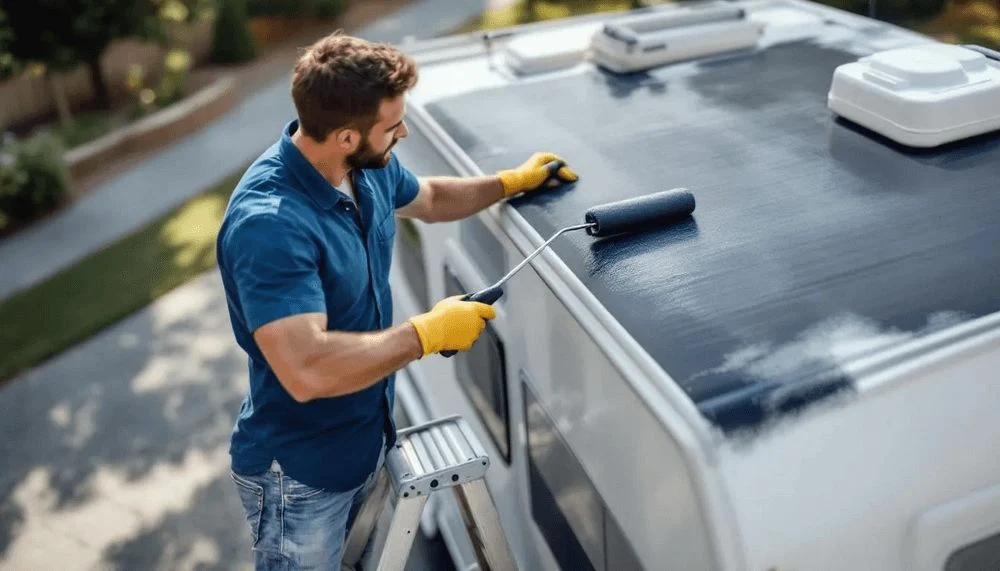
Many RV manufacturers instruct owners to inspect seals several times per year or at specified intervals. If a small crack in sealant is ignored, water can penetrate the wall or roof and gradually damage insulation, wood, flooring, wiring, and interior panels.
This is where warranty disputes commonly arise. If a roof panel fails because of defective manufacturing, that may be covered. If the roof rots because a deteriorated vent seal went unrepaired for two years, the manufacturer may classify the damage as an owner’s maintenance failure.
Water damage can spread far from the original leak, making the repair extremely expensive. A minor roof opening can eventually produce delamination, mold, stained ceilings, soft flooring, or structural deterioration.
Owners should inspect exterior seals regularly and document the condition with photographs. Use sealants approved for the RV’s roof and exterior materials, because incompatible products can create additional problems.
Routine seal inspection may seem minor, but it can be one of the most important steps for preserving both the RV itself and its warranty coverage.
6. Improper Winterization
Cold-weather damage is frequently excluded from RV warranty coverage when it results from improper winterization. Water expands when it freezes, and that expansion can crack pipes, fittings, valves, pumps, faucets, toilet components, water heaters, filters, and tanks.
A plumbing system can suffer major damage from a surprisingly small amount of trapped water. That is why manufacturers provide detailed winterization procedures for RVs stored or operated in freezing climates.
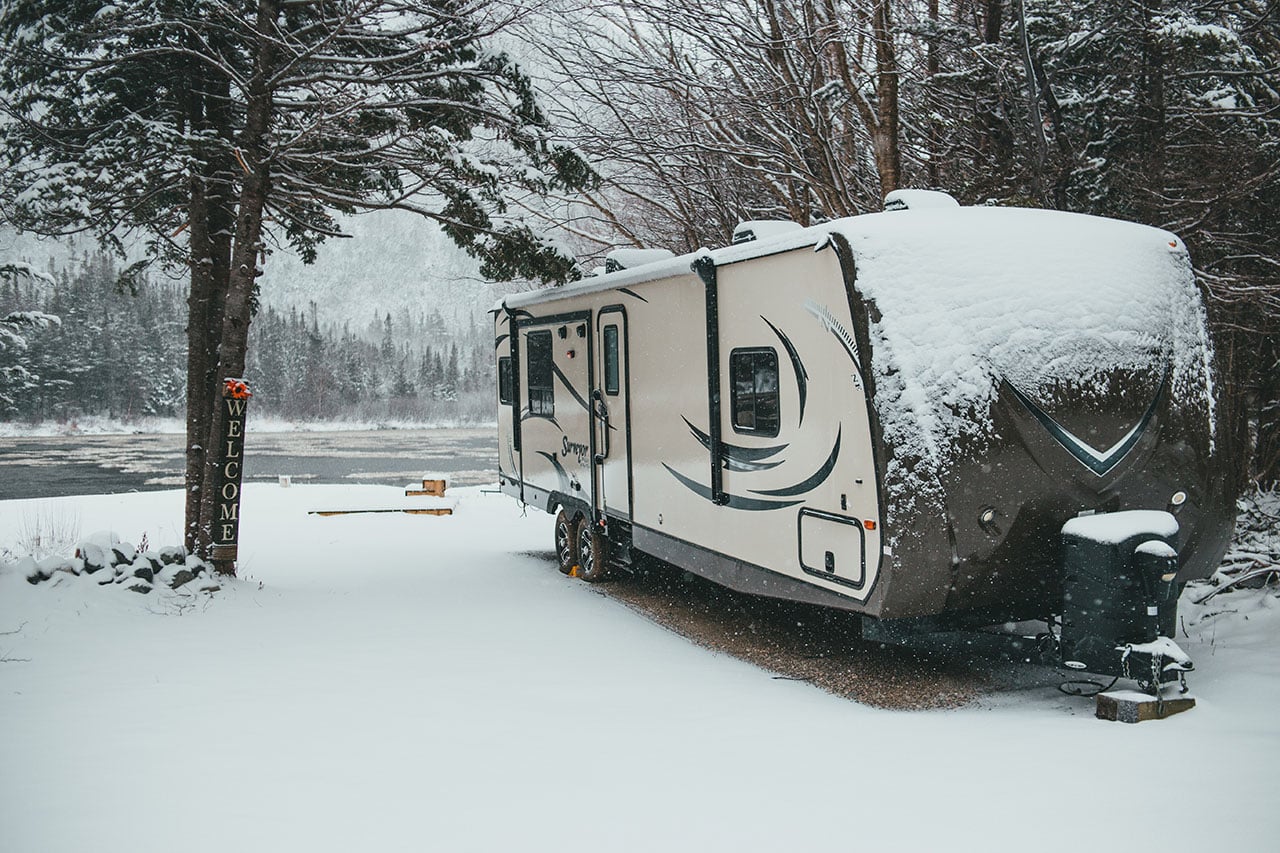
Typical preparation may involve draining fresh-water systems, bypassing or properly draining the water heater, clearing lines, protecting traps, and using RV-approved antifreeze where required. Exact procedures vary by model and plumbing design.
If spring arrives and an owner discovers cracked plumbing after leaving water inside the system through a hard freeze, the manufacturer may deny the repair because freezing is an environmental event rather than a defect in materials or workmanship.
Winterization mistakes can also occur when an owner assumes that simply draining the fresh-water tank removes water from every component. Pumps, valves, low points, filters, washing machines, icemakers, outdoor showers, and other equipment may still contain enough water to freeze.
Owners should follow the exact winterization instructions provided for their RV and its individual appliances. If a dealer performs the work, keep the receipt.
The same principle applies when de-winterizing. Systems should be restored correctly and inspected for leaks before normal operation.
Improper winterization usually does not cancel unrelated warranty coverage, but freeze-damaged components themselves may be excluded.
7. Installing Electrical Equipment Incorrectly
Modern RV owners commonly add solar panels, lithium batteries, inverters, chargers, additional outlets, refrigerators, lighting, entertainment systems, and other electrical equipment. These upgrades can be valuable, but incorrect installation can create expensive warranty problems.
RV electrical systems are more complicated than many owners realize. A typical unit may contain 120-volt AC circuits, 12-volt DC systems, shore-power connections, converters, inverters, batteries, solar controllers, transfer switches, and generator equipment. Changing one part of the system can affect another.
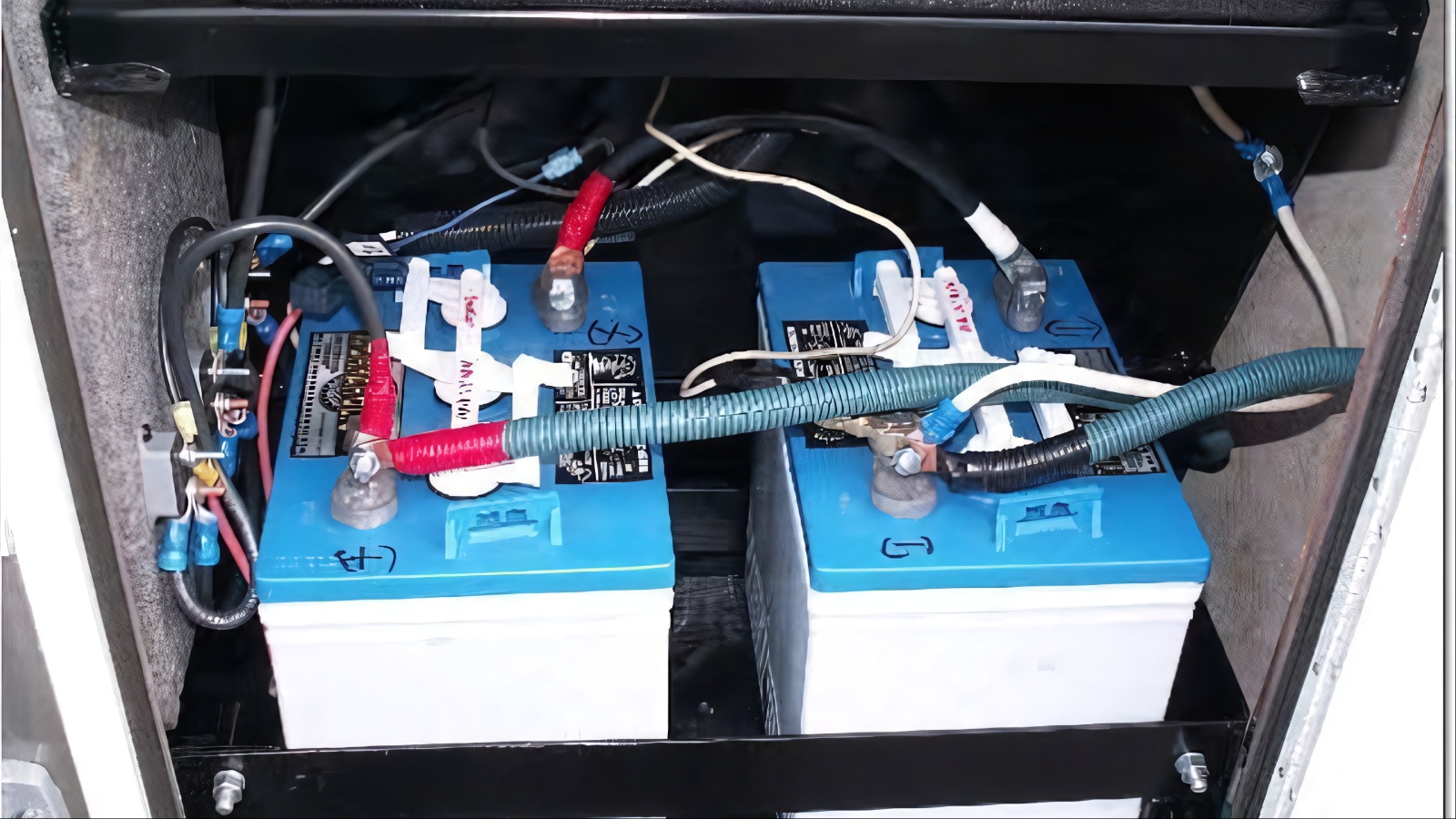
For example, installing lithium batteries without ensuring that the converter and charging system are compatible can result in improper charging behavior. Oversized inverters can place demands on wiring and batteries beyond their intended capacity. Improper grounding or undersized wiring can create excessive heat and fire risks.
If aftermarket electrical work directly damages the original RV system, the manufacturer can refuse coverage for that damage. A burned wiring harness caused by an improperly installed inverter is very different from an unrelated factory-installed appliance failing because of an internal defect.
Again, aftermarket equipment alone does not automatically erase the entire warranty. The relationship between the modification and the failure matters.
Owners planning significant electrical upgrades should follow manufacturer requirements and electrical standards. For complicated installations, using a qualified RV technician or electrician familiar with RV systems can be worthwhile.
Keep documentation showing the equipment used and who installed it. A professional installation record can be extremely valuable if a warranty question develops later.
8. Improper Towing or Hitch Setup
Towable RV warranties can be affected when damage results from an incorrect towing configuration. Travel trailers and fifth wheels are engineered around specific hitch loads, towing forces, and weight distribution.
Using the wrong hitch equipment can place abnormal stress on the trailer frame, coupler, suspension, and body. A poorly adjusted weight-distribution hitch may also change how loads are transferred between the trailer and tow vehicle.
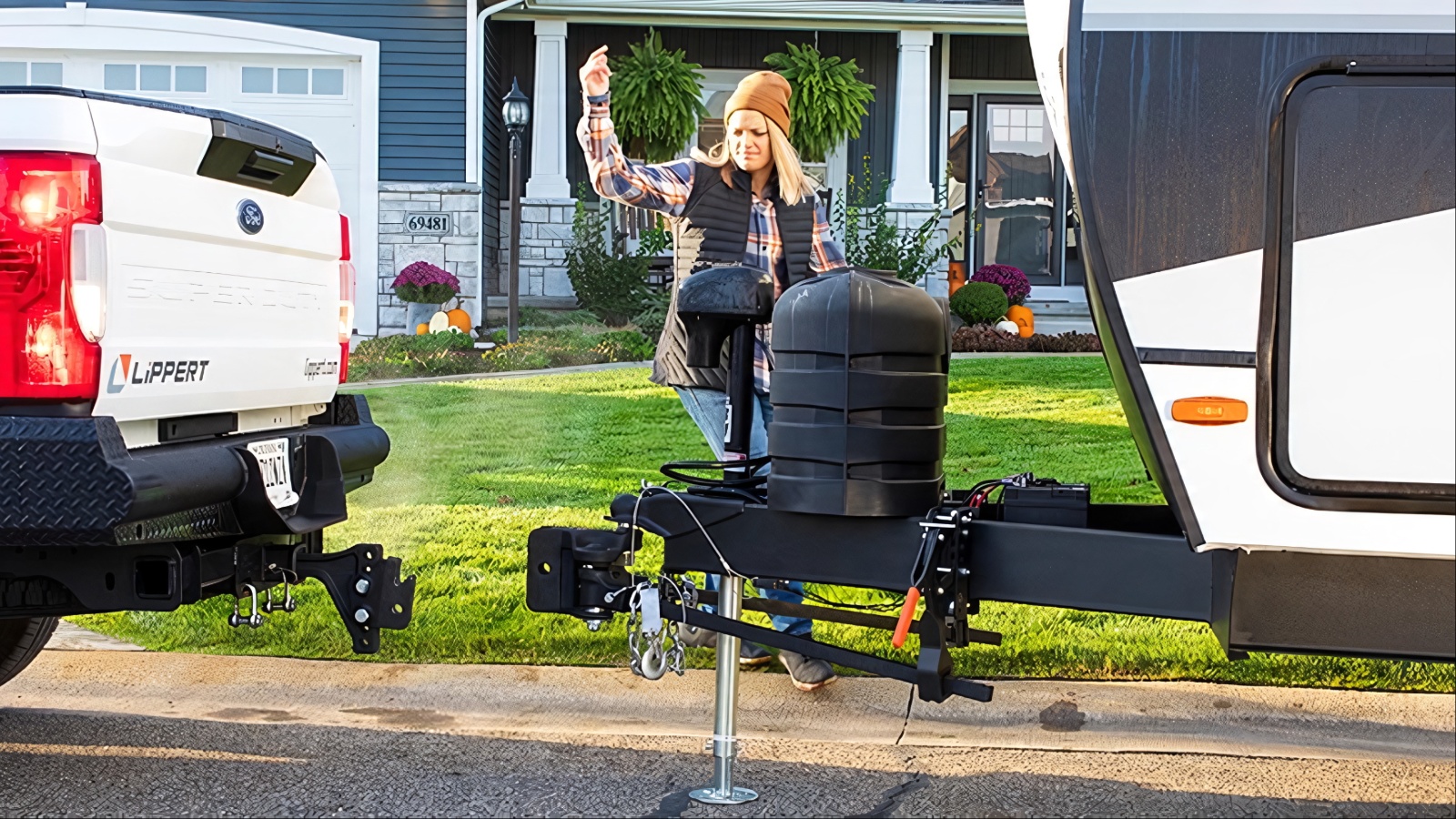
Fifth-wheel owners face similar concerns. Pin boxes, aftermarket adapters, gooseneck conversions, and hitch extensions can change the forces entering the frame. Some RV manufacturers specifically restrict certain adapters or require approval before they are used.
If frame cracks develop near the hitch area after an owner installs equipment that the manufacturer prohibits, warranty coverage can become difficult to obtain.
Tow-vehicle capability matters as well. The tow vehicle should have sufficient towing capacity, payload, axle capacity, and hitch ratings for the loaded RV. Proper brake controllers and trailer braking systems are also essential.
Owners should not rely solely on a salesperson saying that a combination is “fine.” Compare the RV’s actual loaded weight with the tow vehicle’s published limits and the specifications of the hitch equipment.
Manufacturers cannot reasonably blame every trailer problem on aftermarket towing equipment. But when the evidence shows that an improper setup produced excessive forces or abnormal movement, related warranty claims can be denied.
Following the RV and hitch manufacturers’ instructions is the safest way to protect both the equipment and warranty coverage.
9. Continuing to Use the RV After a Serious Problem Appears
A surprisingly common warranty issue occurs after the initial defect has already appeared. Owners may notice a warning sign but continue operating the RV, causing a small problem to become a much larger one.
Imagine that an engine develops an oil-pressure warning. The original failure might involve a relatively inexpensive sensor or component. If the driver ignores the warning and continues driving until the engine loses lubrication and suffers major internal damage, the manufacturer may dispute responsibility for the additional damage.
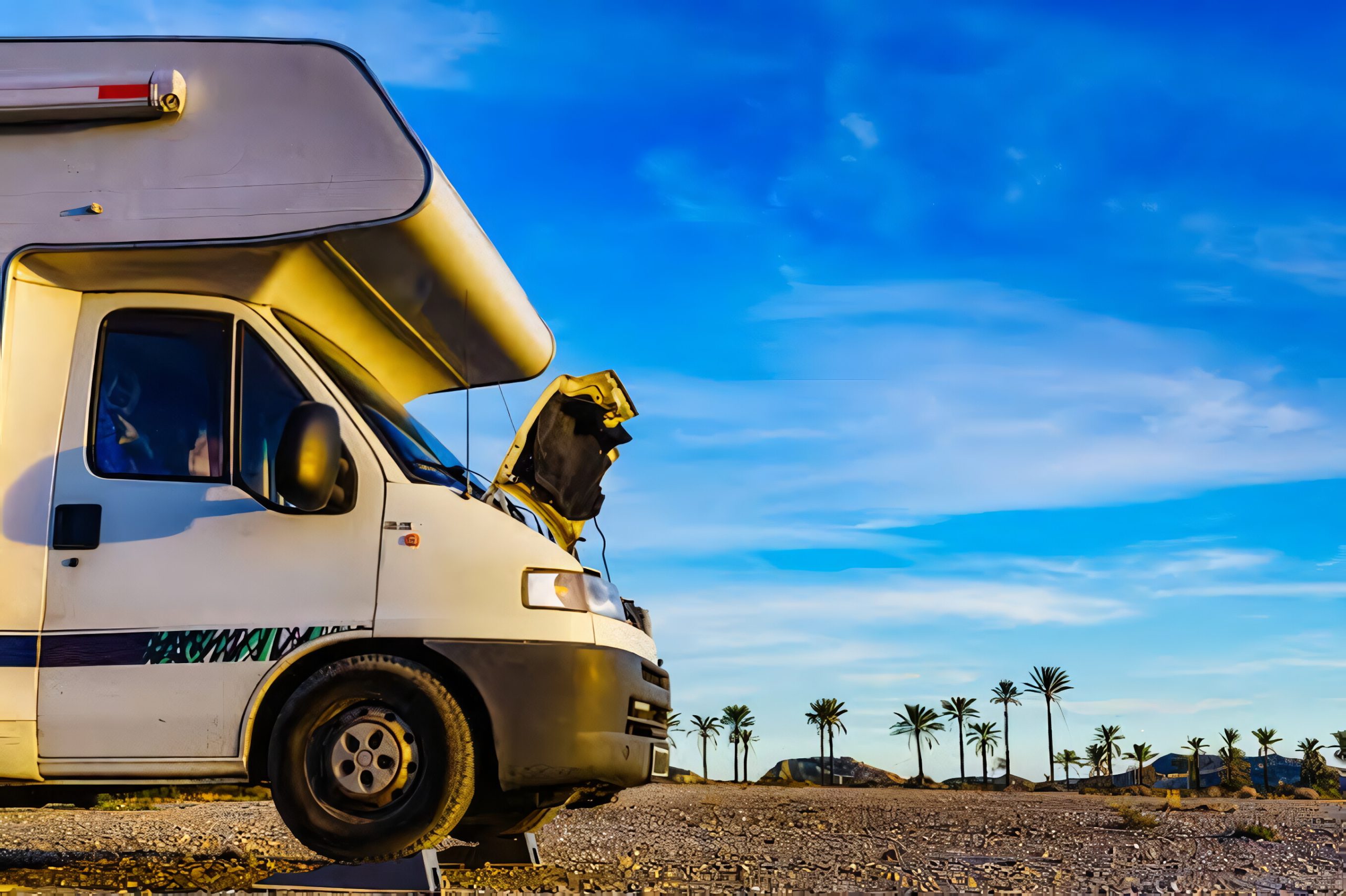
The same principle applies throughout an RV. Continuing to operate a leaking water system can cause extensive flooring damage. Running an overheating generator may damage internal components. Using a slide-out that is visibly misaligned can damage tracks, gears, motors, or walls.
Warranty terms often require owners to take reasonable steps to prevent additional damage once a problem becomes apparent. This is sometimes described as mitigating damage.
That does not mean owners must diagnose every problem themselves. The reasonable response to a serious warning is usually to stop using the affected system and contact the manufacturer, dealer, roadside assistance provider, or qualified technician.
Document the problem as soon as possible. Photographs, videos, warning messages, dates, mileage, and written communications can establish when the issue began.
A manufacturer may cover the original defective part while denying secondary damage caused by continued operation. Acting quickly protects the RV and improves the owner’s position when making a warranty claim.
10. Unauthorized Repairs or Tampering
Owners generally are not required to use a dealership for every maintenance task simply to preserve a warranty. However, poorly performed repairs or unauthorized alterations can cause coverage problems when they damage factory components.
This distinction is important. Having an independent mechanic change the oil does not automatically cancel an RV or chassis warranty. Installing an aftermarket part does not automatically eliminate warranty protection either. What matters is whether the repair or modification caused the problem being claimed.
For example, suppose an owner opens an air-conditioning unit and rewires internal components while attempting a repair. If the unit later fails because of incorrect wiring, the manufacturer may reasonably deny that claim.
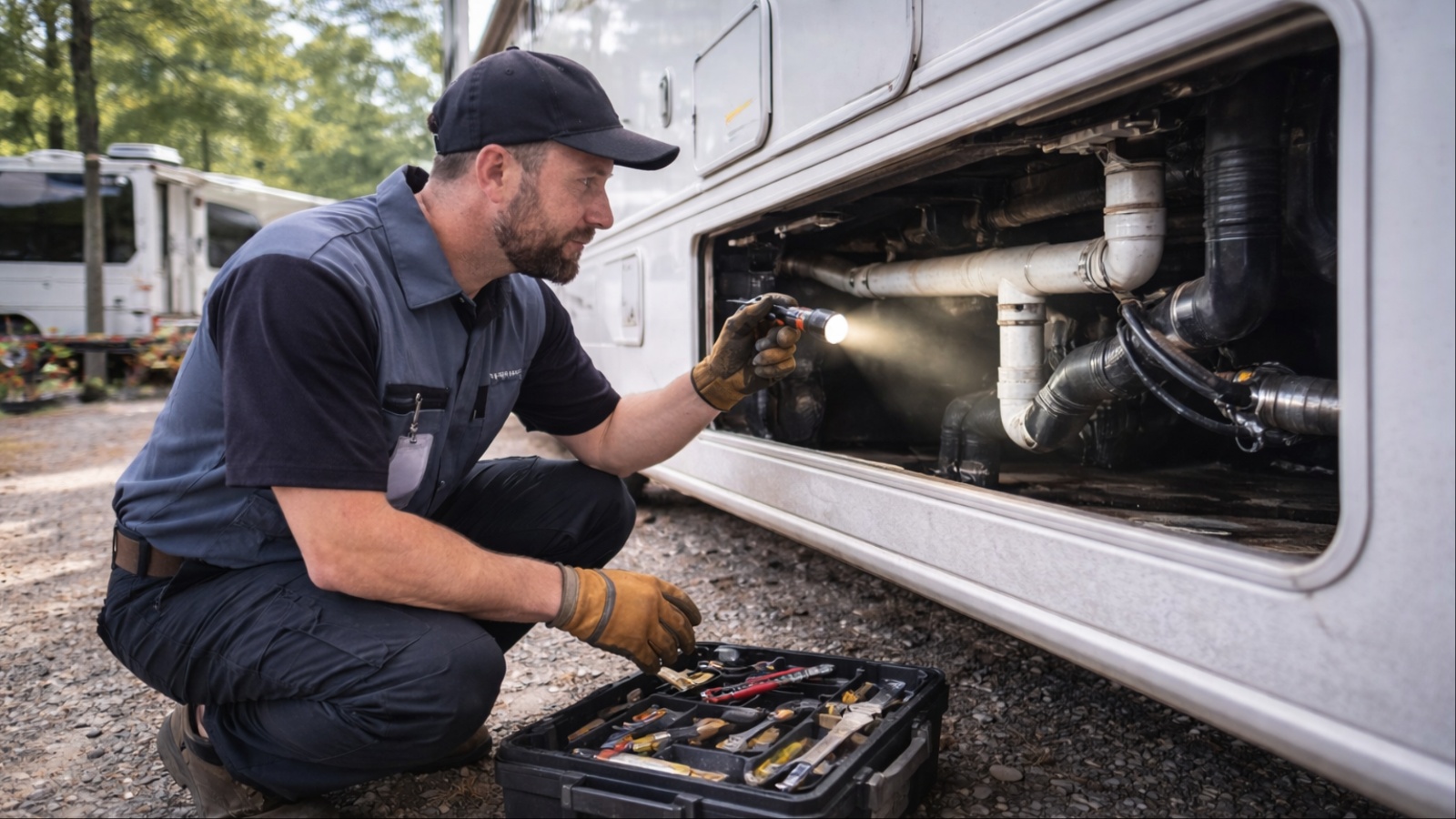
Engine tuning can create similar disputes. Aftermarket software that increases turbocharger boost, changes fueling, disables emissions controls, or alters transmission behavior can place additional stress on drivetrain components. A manufacturer investigating an engine or transmission failure may examine whether modified programming contributed to the damage.
Tampering with safety, emissions, electrical, or control systems can create legal problems in addition to warranty concerns.
When an RV is still under warranty and a major covered component fails, owners should contact the manufacturer or authorized service network before making substantial repairs themselves. Emergency situations may be handled differently, so documenting what happened is essential.
Independent repairs are not automatically prohibited. The danger comes from performing work incorrectly or altering systems in ways that create additional damage.
11. Damage From Accidents, Weather, Pests, or Other External Causes
A manufacturer’s warranty is designed primarily to cover defects in materials or workmanship. It is not the same thing as insurance. This distinction explains why damage caused by external events is frequently excluded.
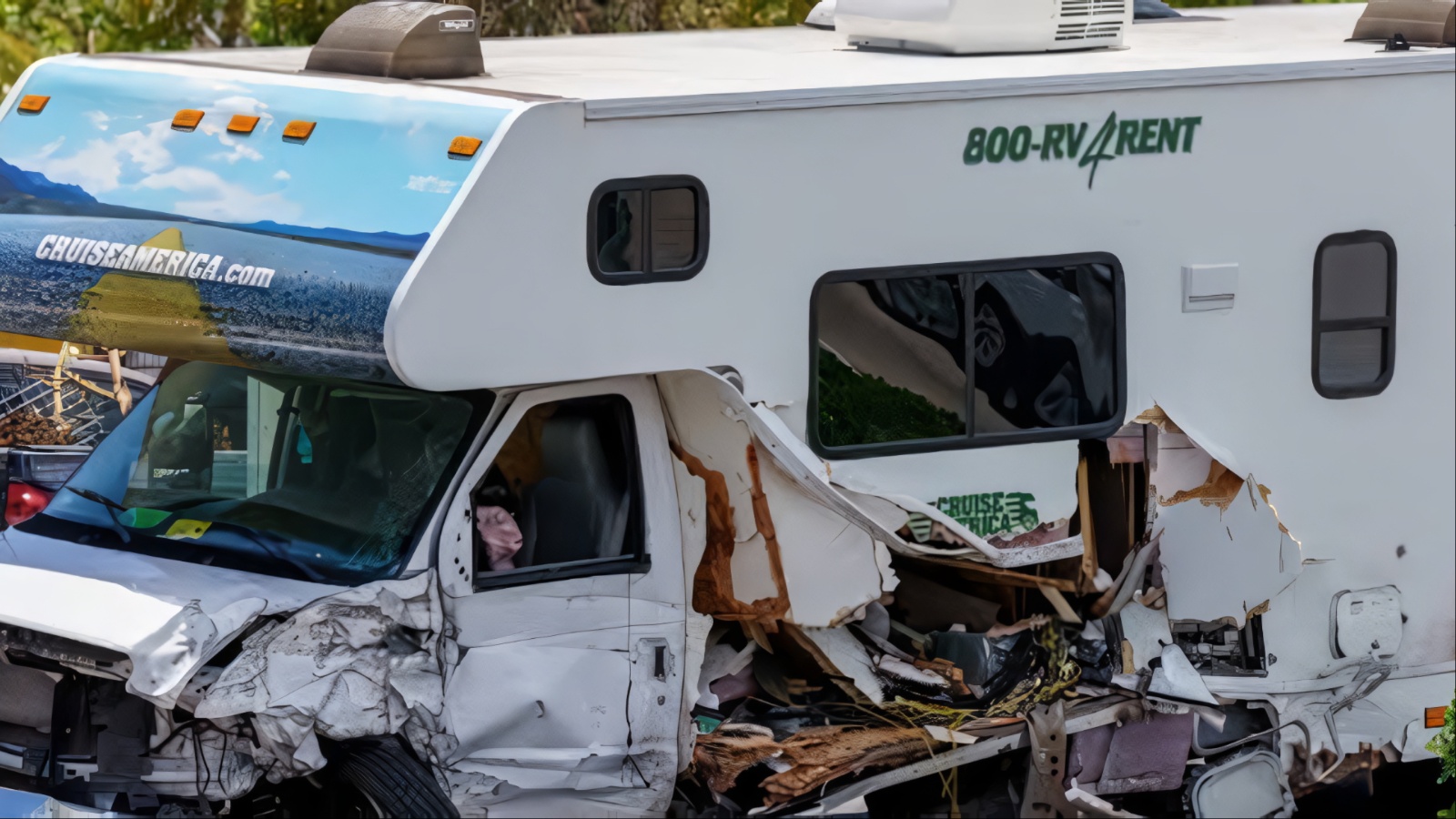
Collisions are an obvious example. If an RV’s wall cracks because another vehicle hits it, that is normally an insurance matter rather than a manufacturing warranty issue.
Weather creates similar situations. Hail can damage roofs and exterior panels. Falling branches can puncture roofing materials. Flooding can damage electrical systems and interiors. Lightning can affect electronics. Extreme wind can damage awnings and slide toppers.
Pests are another overlooked source of problems. Mice and other rodents can chew wiring, insulation, hoses, and interior materials. Insects can create nests inside appliances and ventilation systems. Manufacturers generally do not treat this type of damage as a factory defect.
The same applies to corrosion caused by environmental exposure when proper maintenance or cleaning has not been performed.
Owners sometimes describe these events as things that “void the warranty,” but technically that wording is usually too broad. An accident-damaged sidewall does not necessarily eliminate warranty protection for an unrelated refrigerator defect.
Instead, warranty coverage normally excludes the particular damage caused by outside forces.
Comprehensive RV insurance, proper storage, pest prevention, regular inspection, and quick repairs therefore complement the manufacturer’s warranty. Owners need both forms of protection because a warranty was never designed to cover everything that can happen to an RV.