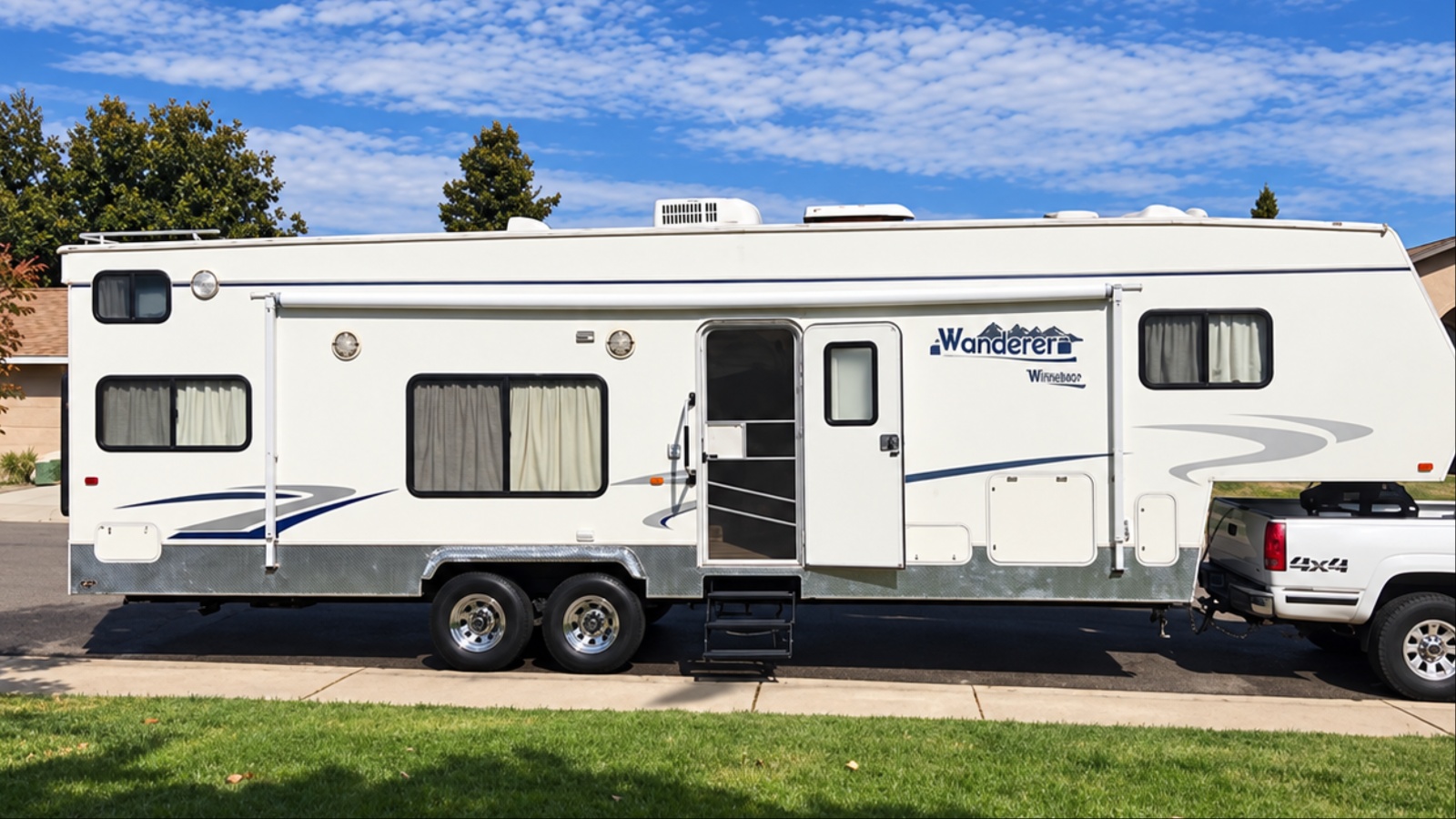
Buying an older RV can look like an incredible bargain. A used motorhome or travel trailer might sell for only a few thousand dollars, giving buyers an inexpensive way to travel, camp, or create a weekend getaway. The danger is that an RV combines the systems of a house with the mechanical components of a vehicle. When several expensive parts fail at once, a cheap purchase can suddenly become an extremely costly project.
Repair costs also vary enormously depending on the RV’s size, construction, parts availability, labor rates, and the extent of hidden damage. A $6,000 travel trailer with severe water intrusion may need structural work worth more than its resale value, while an aging motorhome can face engine, transmission, generator, and roof repairs at the same time.
The repairs below are not guaranteed to exceed an RV’s value, but on older or heavily depreciated rigs, these problems can easily turn a seemingly affordable RV into a financial write-off.
1. Complete Roof Replacement
Few RV repairs become expensive as quickly as replacing an entire roof. The roof is much more than the membrane visible from above. Underneath that exterior layer are decking, insulation, structural supports, wiring, vents, air conditioners, skylights, antennas, and interior ceiling materials. Once water penetrates deeply enough, replacing only the outer membrane may not solve the problem.
A complete roof job may require technicians to remove rooftop equipment, strip away the old membrane, replace damaged plywood or structural material, repair insulation, install new roofing, reinstall every opening, and reseal the entire assembly. Labor becomes a major part of the bill because so many components must be removed carefully and put back correctly.
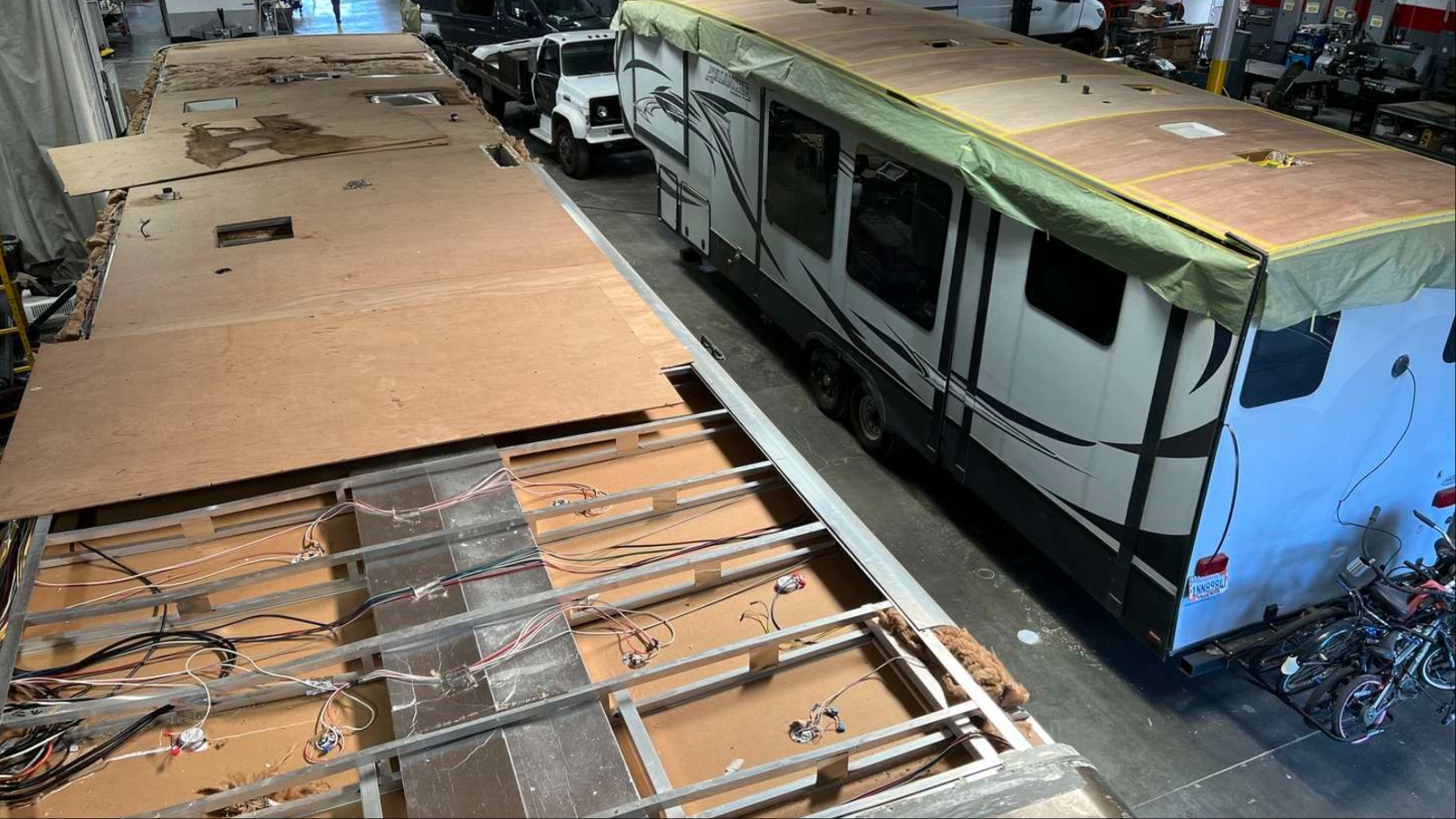
Large Class A motorhomes and long fifth wheels are particularly expensive because of their roof area. If rot has reached structural members, the project can become much more complicated.
This is how an older RV worth $8,000 or $10,000 can face a repair bill approaching or exceeding its market value. Owners may spend heavily because the RV has sentimental value or because replacing it would cost even more.
Before buying any used RV, inspect the roof carefully. Soft areas, cracked sealant, stains, bubbling surfaces, sagging ceilings, or a musty smell can indicate that the problem extends far beyond a simple resealing job.
2. Severe Water Damage and Wall Delamination
Water intrusion is one of the most destructive problems in the RV world. Unlike a simple plumbing leak in a house, moisture can spread inside thin laminated walls, floors, ceilings, and insulation before the owner realizes anything is wrong.
One common result is delamination. Many RV walls are constructed by bonding fiberglass, plywood, or composite materials, insulation, and interior panels together. Water can weaken the adhesive and underlying materials, causing the exterior fiberglass to develop bubbles, waves, or large separated areas.
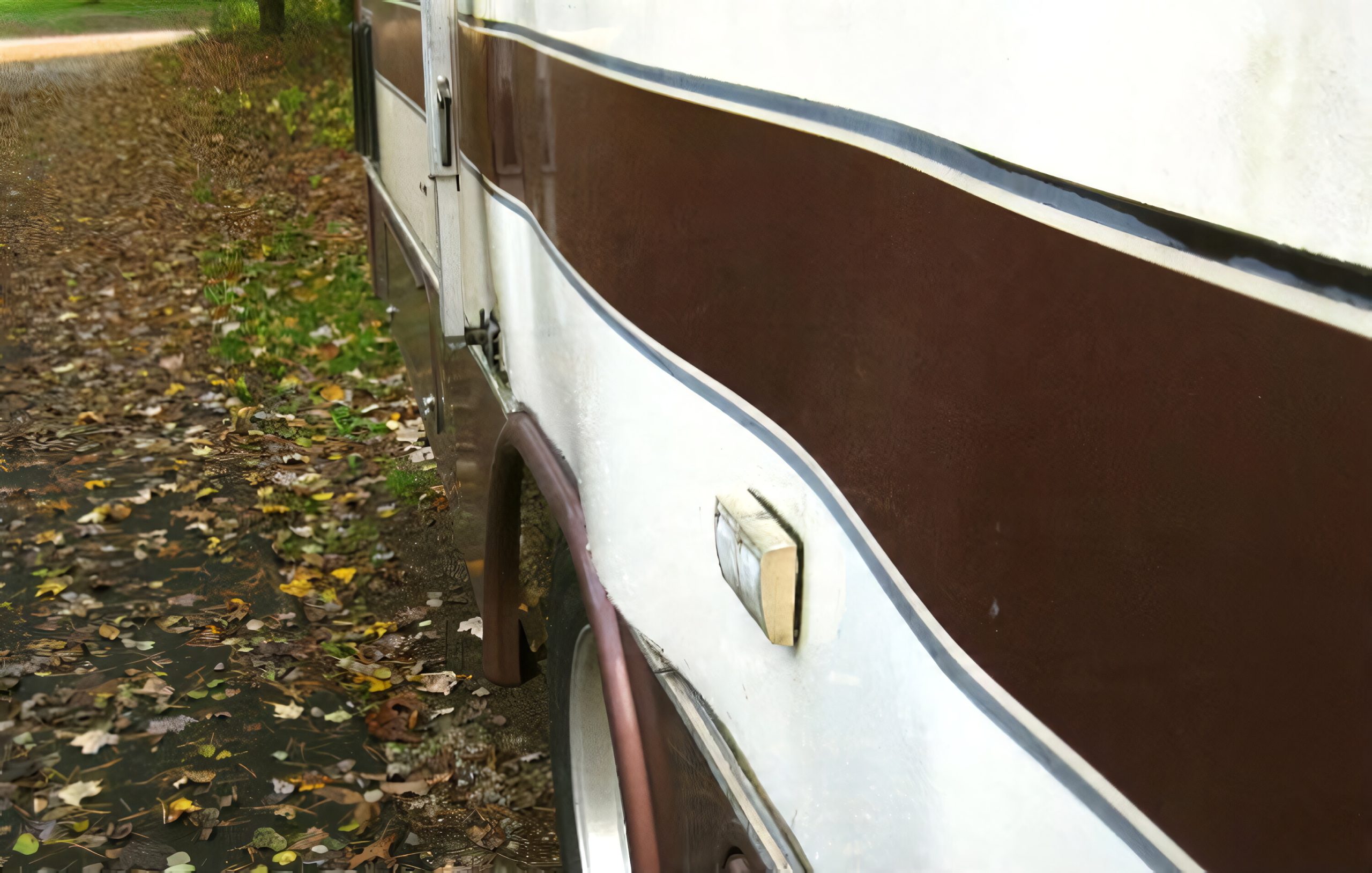
Repairing serious delamination may involve removing an entire exterior wall section, rebuilding damaged framing, replacing insulation, installing new panels, and refinishing the exterior. If water has also damaged cabinets, flooring, wiring, or the roof structure, the project can rapidly expand.
The financial problem is particularly severe on older travel trailers and fifth wheels. A trailer might be worth only $7,000 in good condition but require $10,000 or more in professional structural restoration.
Some owners attempt cosmetic fixes by injecting adhesive behind a separated fiberglass panel. That can work for small areas if the underlying structure remains sound, but it will not repair rotten wood or continuing leaks.
Water damage is therefore one of the most important reasons to inspect a used RV before purchase. A cheap trailer with hidden rot can be far more expensive than a newer one that initially costs several thousand dollars more.
3. Diesel Engine Replacement
A diesel pusher can lose value dramatically as it ages, but the cost of replacing its engine does not necessarily fall with it. That creates one of the most dangerous repair-to-value equations in the RV market.
Large diesel motorhomes may use heavy-duty engines from manufacturers such as Cummins or Caterpillar. These engines can last hundreds of thousands of miles when properly maintained, but failures can still occur because of overheating, lubrication problems, cooling-system issues, fuel-system failures, internal wear, or neglected maintenance.
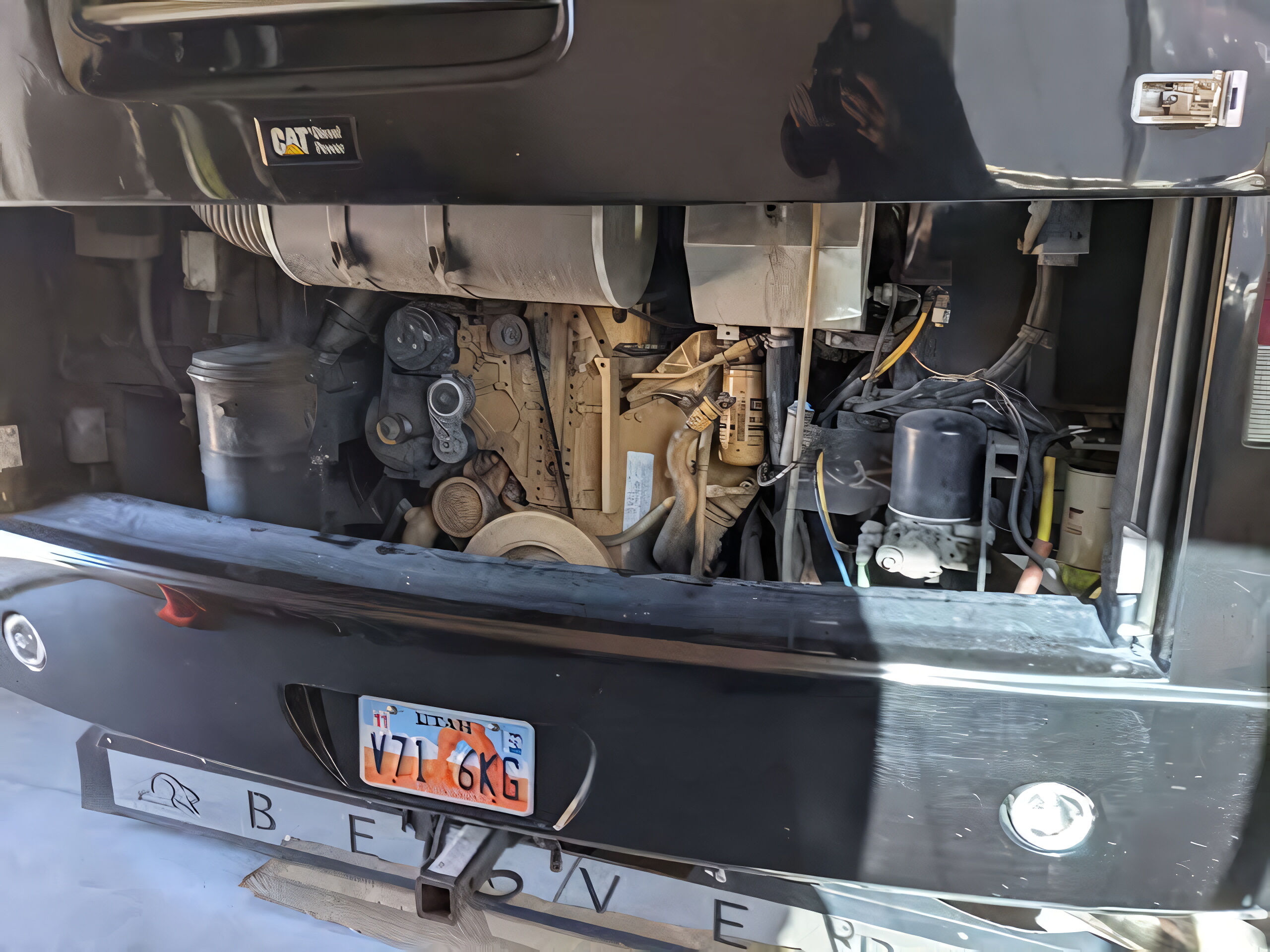
Replacing the engine can involve far more than purchasing a rebuilt or remanufactured unit. Labor to access and remove the engine may be substantial because a motorhome’s body is built around the drivetrain. Hoses, cooling components, turbochargers, wiring, mounts, exhaust systems, and fuel-system components may also require attention.
A major diesel replacement can easily reach tens of thousands of dollars. On an older luxury motorhome that has depreciated to $20,000 or $30,000, an engine failure can therefore approach or exceed the vehicle’s entire market value.
That does not automatically mean the RV should be scrapped. A well-maintained coach with an excellent interior and chassis may still justify the expense.
For buyers, maintenance records matter enormously. Coolant history, oil changes, overheating events, engine diagnostics, and service documentation can be more important than the mileage displayed on the odometer.
4. Transmission Replacement on a Motorhome
A motorhome transmission lives a difficult life. It must move a vehicle that may weigh many times as much as a passenger car while climbing grades, dealing with heat, towing another vehicle, and repeatedly accelerating a large amount of mass.
When the transmission fails, the repair can become one of the biggest mechanical bills an RV owner faces.
Gas-powered Class A and Class C motorhomes may use heavy-duty automatic transmissions that are expensive to rebuild or replace. Diesel pushers often use commercial-grade Allison transmissions that are extremely durable but costly if internal repairs become necessary.
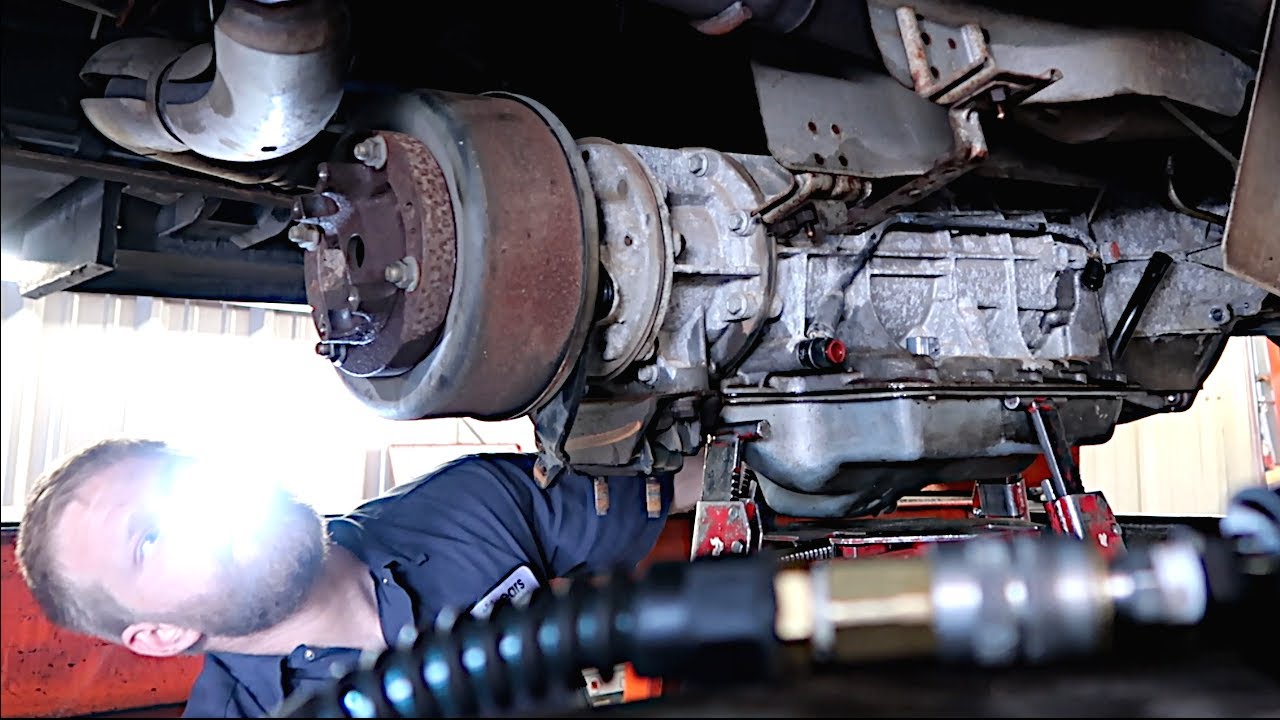
The final price depends on whether the unit can be repaired, rebuilt, or must be replaced. Labor also matters because access can be difficult. Related components such as transmission coolers, lines, mounts, electronic control modules, torque converters, or driveshaft components may need replacement at the same time.
For an older motorhome worth $10,000 to $20,000, a major transmission failure can consume a large percentage of the vehicle’s value. Combine it with old tires, a failing generator, or roof problems, and the economics can quickly stop making sense.
Warning signs include slipping, delayed engagement, harsh shifting, warning lights, fluid leaks, burnt-smelling fluid, and unusual noises.
A professional inspection before buying an older motorhome can be particularly valuable because the purchase price may represent only a fraction of what one major drivetrain failure could cost.
5. Full RV Floor Replacement
Soft flooring may look like an interior problem, but it can indicate extensive structural deterioration below the surface.
RV floors often consist of several layers. Depending on construction, there may be plywood or composite decking, insulation, structural framing, wiring, plumbing, tanks, and an underbelly beneath the visible flooring. When water enters through roof leaks, windows, plumbing, slide-outs, or exterior seams, those layers can begin to rot.
A small soft area near a bathroom or entrance may sometimes be repaired locally. Extensive damage is very different.
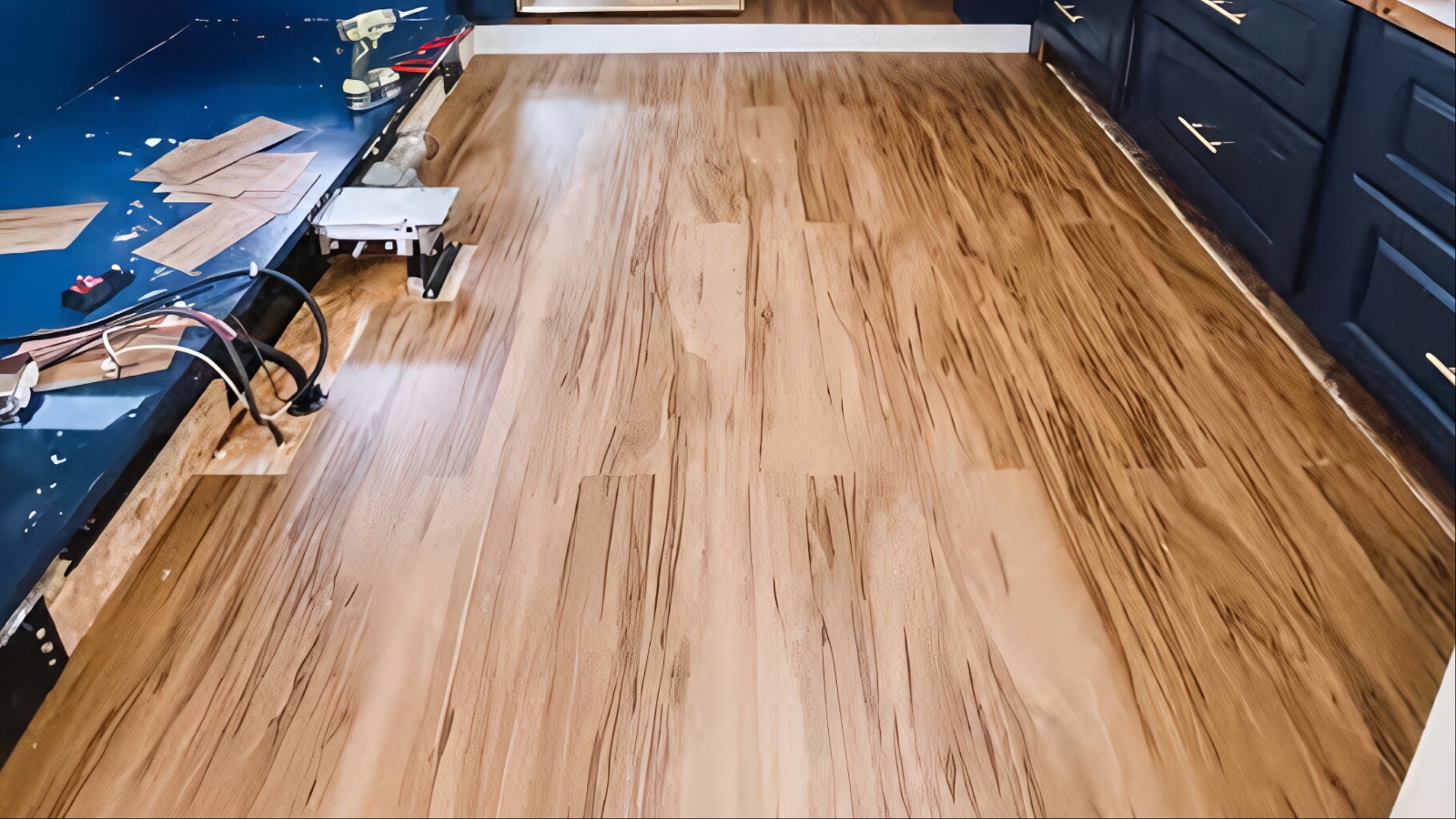
Technicians may need to remove furniture, cabinets, appliances, interior walls, plumbing fixtures, and flooring material simply to reach the damaged structure. Rotten decking must then be removed and reconstructed before the interior can be reassembled.
The labor involved can make the bill surprisingly high. On inexpensive older trailers, professional floor reconstruction can easily exceed the amount the owner originally paid for the RV.
The problem becomes even worse when floor damage extends beneath slide-outs or major cabinetry. Those components may need to be supported or removed temporarily.
Buyers should walk across every part of a used RV and pay attention to movement. Floors should feel firm. Softness near toilets, exterior doors, slide-outs, kitchens, and storage areas deserves careful investigation.
A $5,000 camper with a badly rotten floor is not necessarily a bargain. It may actually be a reconstruction project disguised as an inexpensive recreational vehicle.
6. Slide-Out Structural and Mechanism Repairs
Slide-outs transformed RV interiors by creating significantly more living space, but they also introduced some of the most complicated moving systems found in recreational vehicles.
A slide may use hydraulic cylinders, electric motors, cables, gears, racks, tracks, rollers, electronic controllers, seals, and structural supports. When a simple motor fails, the repair may be manageable. When the entire slide becomes twisted, damaged, or structurally misaligned, the cost can escalate rapidly.
Problems can begin with uneven movement, worn gears, damaged rollers, leaking hydraulic systems, failed synchronization, or water intrusion around the opening. Continuing to operate a malfunctioning slide can turn a small mechanical issue into structural damage.
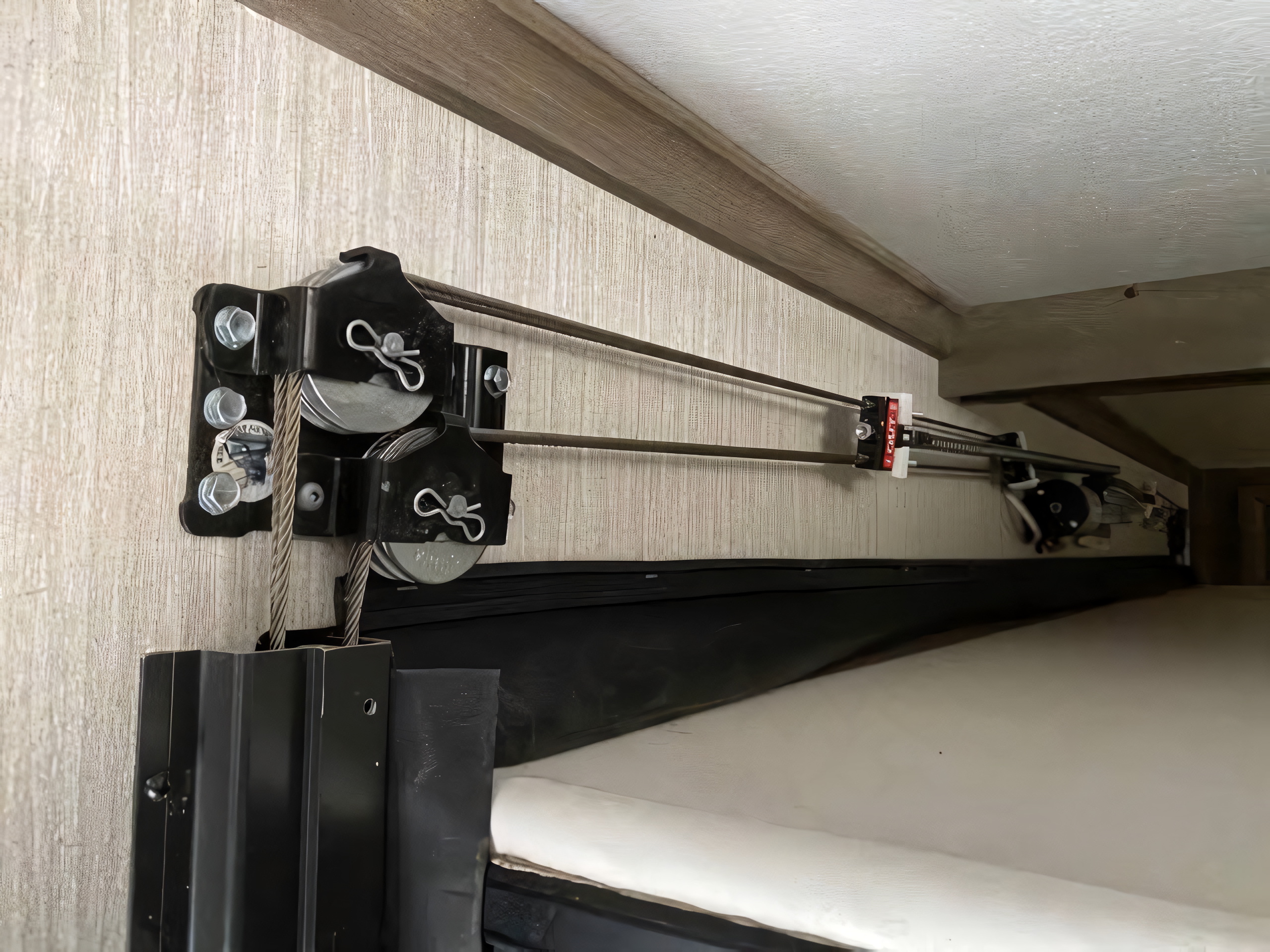
A severely damaged slide room may need to be partially or completely removed from the RV so technicians can repair the mechanism and surrounding structure. Large slide-outs containing kitchens, refrigerators, sofas, or heavy cabinetry are especially difficult to work on.
Repair costs can rise into thousands of dollars quickly. Multiple damaged slides can create a bill high enough to challenge the value of an older fifth wheel or motorhome.
Owners should keep slide mechanisms clean and properly lubricated where specified, maintain seals, and make sure the RV is positioned according to manufacturer instructions before operating them.
A used RV with a slide that jerks, binds, tilts, or makes loud mechanical noises deserves professional inspection before purchase.
7. Major Frame Damage
The frame is the foundation of an RV. When it develops serious cracks, bends, broken welds, or structural deformation, the repair can become both expensive and technically difficult.
Frame damage may result from collisions, severe overloading, improper towing equipment, corrosion, rough-road impacts, or long-term structural stress. On fifth wheels, problems may appear near the pin box or front frame area because substantial towing forces are concentrated there.
Small cracks may sometimes be repaired by an experienced welding and fabrication specialist. Extensive damage is another matter.
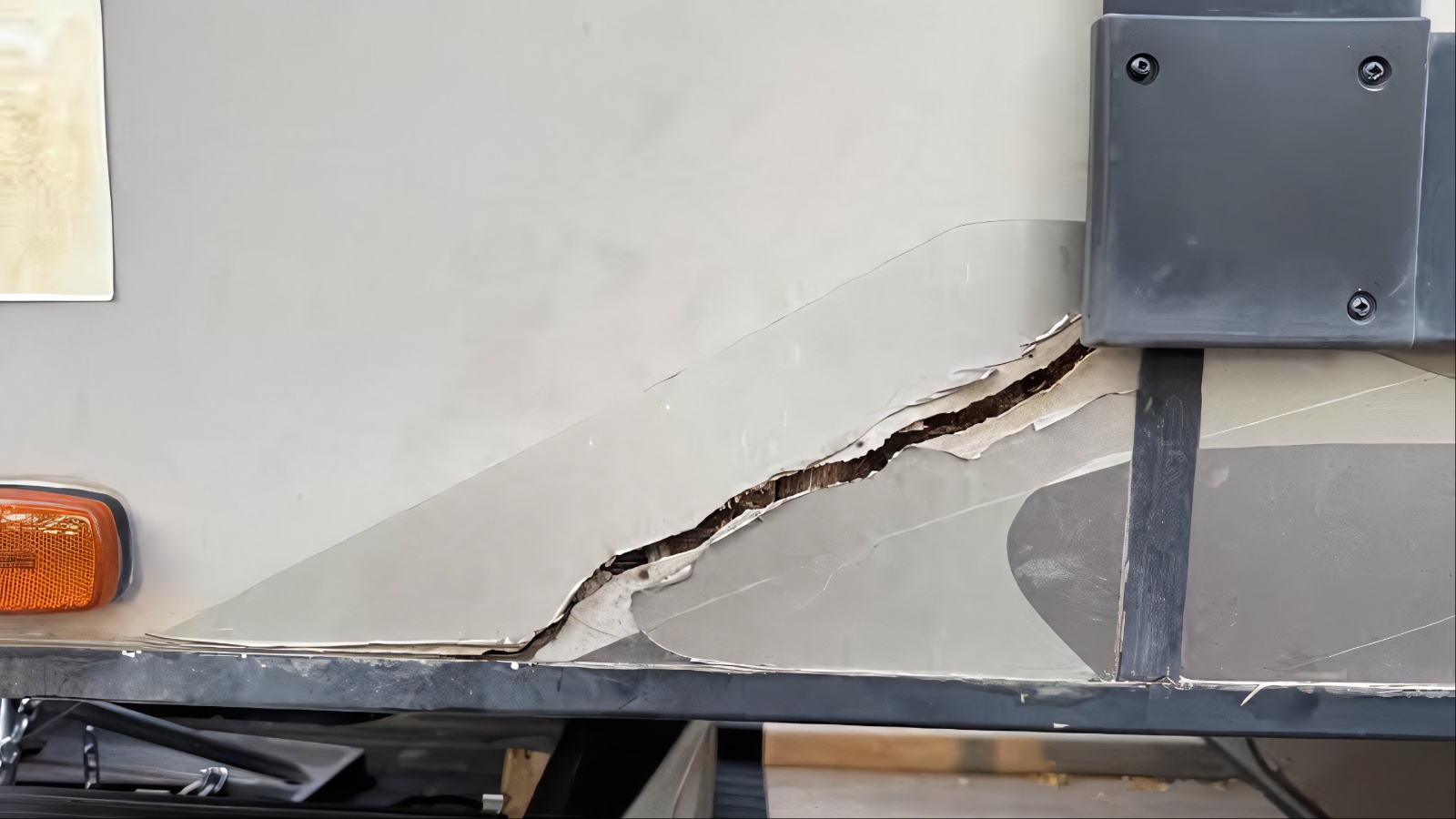
Technicians may need to remove body panels, tanks, underbelly material, plumbing, wiring, flooring, or interior components to reach the frame. Reinforcement must be engineered correctly because simply welding over a crack may move the stress somewhere else.
The repair also has to restore proper alignment. A distorted frame can cause uneven tire wear, suspension problems, body cracks, doors that no longer close correctly, and slide-outs that bind.
On an inexpensive older RV, major frame reconstruction can easily become economically questionable. Insurance companies may also consider severe structural damage when determining whether a vehicle should be repaired or declared a total loss.
Prospective buyers should pay attention to unusual gaps, cracked exterior panels, rippled sidewalls, abnormal tire wear, and doors or compartments that do not align properly.
A low purchase price is rarely enough to justify an RV with questionable structural integrity.
8. Generator Replacement
Built-in generators are easy to overlook when evaluating an RV, but replacing one can be surprisingly expensive.
Large motorhomes may have permanently installed gasoline, propane, or diesel generators designed to power air conditioners, appliances, battery chargers, and other equipment when shore power is unavailable. Premium diesel coaches can use large quiet-running generator sets capable of producing substantial electrical power.
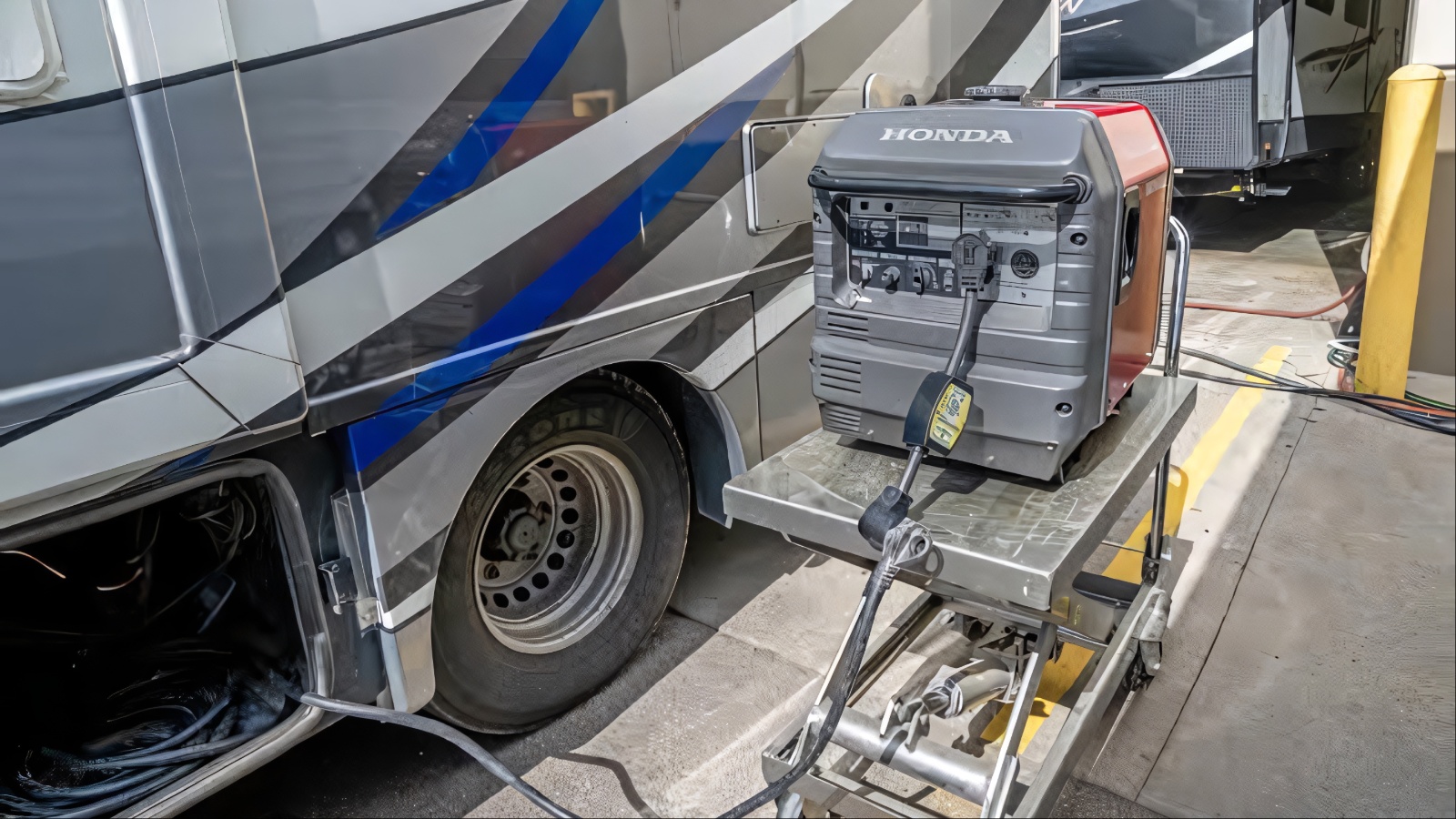
These units are much more sophisticated than inexpensive portable generators. They may include specialized cooling systems, sound insulation, remote controls, automatic start features, fuel connections, exhaust systems, electronic controllers, and dedicated mounting compartments.
When a generator stops working, the problem may be something relatively minor such as a starter, fuel pump, sensor, or control board. Complete engine or generator-head failure is much more expensive.
Removing a large built-in unit can also require significant labor. Some motorhomes use slide-out generator trays, while others have installations that are much harder to access.
A replacement generator plus installation can cost thousands of dollars. On an older Class A motorhome worth only a modest amount, that bill can represent a significant portion of the vehicle’s value.
Buyers should always test a used RV’s generator under load. Turn on major electrical equipment, verify stable output, check for excessive smoke or unusual noises, and confirm the generator operates after warming up.
Low generator hours are not always a benefit either. Generators that sit unused for years can develop fuel-system and corrosion problems.
9. Complete Exterior Sidewall Reconstruction
A damaged RV sidewall can be one of the most intimidating repairs because so many systems are incorporated into it.
The exterior wall may contain fiberglass or aluminum skin, structural framing, insulation, wiring, windows, doors, vents, cabinets, plumbing penetrations, and interior wall panels. If a collision or severe water intrusion damages a large area, repairing it is very different from replacing a dented panel on a car.
Technicians may have to dismantle a significant section of the RV. Windows and trim are removed first, followed by the exterior skin and damaged structure. Internal framing must be rebuilt, insulation replaced, and the outer panel bonded or installed correctly.
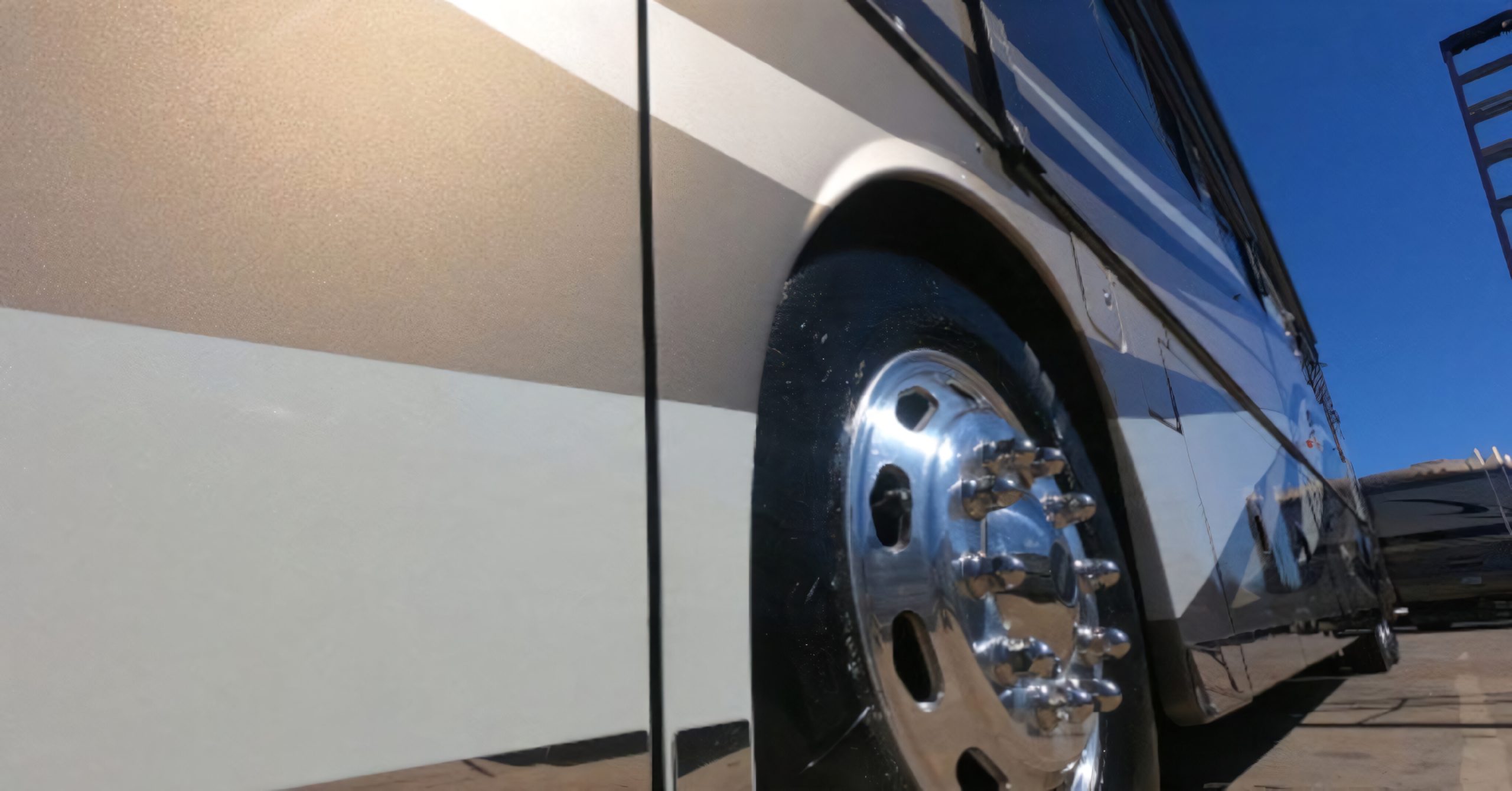
Matching the original exterior finish can be another challenge. Older decals may no longer be available, fiberglass colors fade with age, and full-body paint can require extensive refinishing to make the repair visually acceptable.
Professional labor can quickly push a major wall reconstruction into five-figure territory.
That creates a difficult decision for owners of older fifth wheels and motorhomes. Spending $15,000 repairing a wall on an RV worth approximately the same amount rarely makes financial sense unless the vehicle has unusual sentimental or functional value.
When inspecting a used RV, look down the sidewalls at an angle. Waves, bulges, separated fiberglass, cracks near openings, and discoloration can reveal damage that is easy to miss when viewed straight on.
The exterior may be telling you much more about the RV’s condition than its interior.
10. Multiple Appliance and HVAC Failures
One failed RV appliance usually does not total a vehicle. Several failed appliances at once can create a very different financial picture.
An RV may contain one or more roof air conditioners, a furnace, refrigerator, water heater, converter, inverter, microwave, washer, dryer, fireplace, leveling system, and other specialized equipment. Premium motorhomes can contain multiple climate zones and sophisticated energy-management systems.
As an RV ages, many of these components can reach the end of their useful lives at roughly the same time.
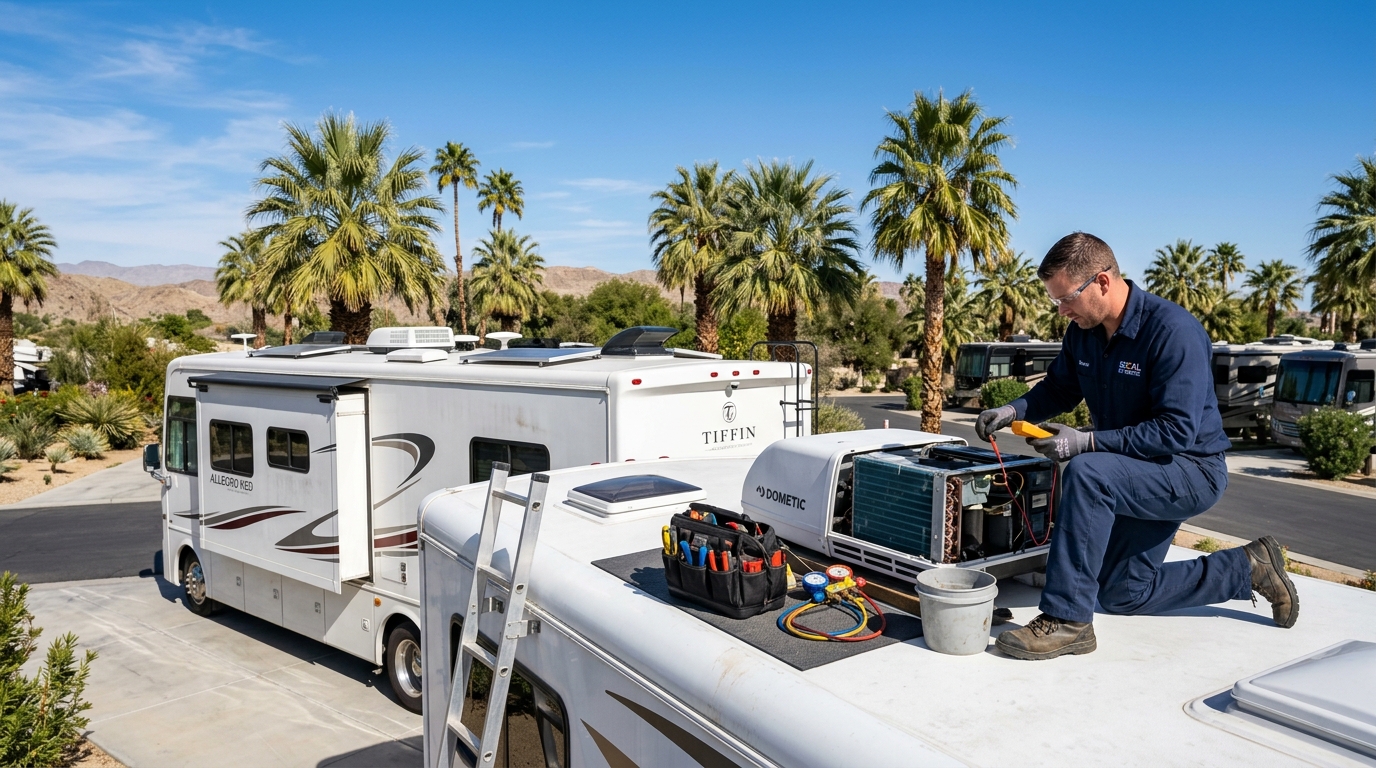
Replacing two or three air conditioners, a refrigerator, water heater, and furnace can easily add thousands of dollars to the cost of reviving an older RV. Labor and installation parts increase the total further.
Refrigerators can be particularly expensive, especially large absorption units or residential-style models that are difficult to remove through narrow RV doors. Sometimes windows or other interior components must be removed simply to move the old appliance out.
This creates a common used-RV trap. A neglected motorhome may look inexpensive because its engine runs and the interior appears presentable. Once every appliance is tested, however, the buyer discovers that half of the systems no longer work.
Always test every major component before buying. Run both air conditioners, operate the furnace, verify hot water, test the refrigerator on available power sources, inspect the converter, and check every electrical outlet.
A cheap RV with $12,000 worth of dead equipment is not cheap anymore.
11. Complete Electrical System Rebuild
Electrical problems can range from a blown fuse to a nightmare involving burned wiring hidden inside walls.
RVs combine multiple electrical systems. Most use 12-volt DC power for lighting and controls, 120-volt AC power from shore connections or generators, battery charging equipment, converters, inverters, solar systems, transfer switches, and numerous electronic control modules.
When a single component fails, replacement may be straightforward. Widespread damage from a major electrical fault is much more serious.
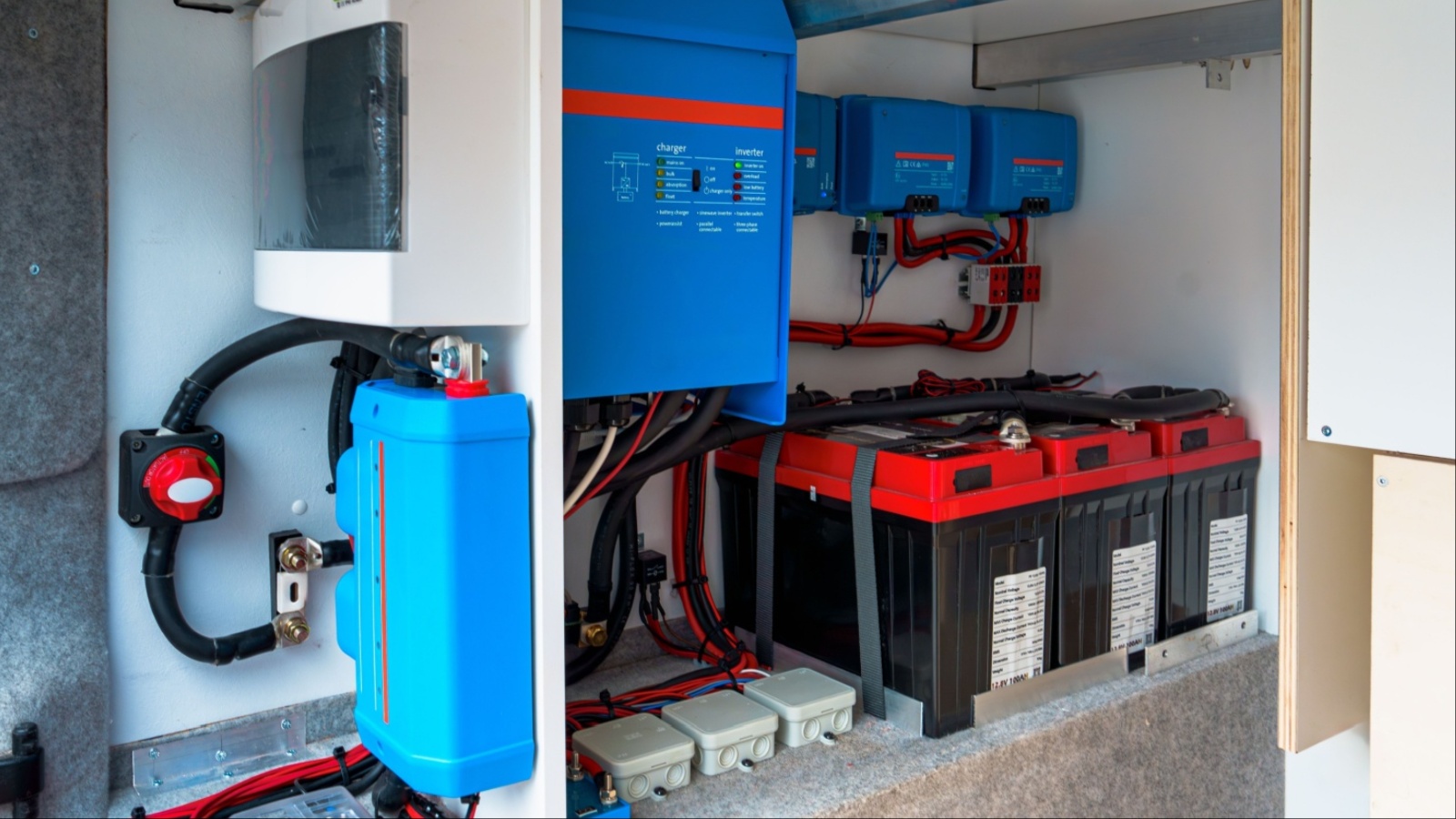
Incorrect aftermarket wiring, water intrusion, rodents, overheated connections, lightning, faulty shore power, or electrical fires can damage harnesses and equipment throughout the vehicle. Finding the source can require hours of diagnostic labor before repairs even begin.
If wiring buried inside walls or ceilings is damaged, technicians may need to remove interior panels and cabinetry to access it. Burned transfer switches, converters, inverters, control modules, appliances, and batteries can add thousands more.
Modern luxury motorhomes are particularly vulnerable to expensive electrical problems because they contain networked controls, multiplex wiring, touch panels, automated shades, sophisticated energy management, and dozens of electronic modules.
An old motorhome worth $15,000 can therefore become financially impractical if its electrical system has suffered extensive damage.
Before purchasing a used RV, test it on shore power, battery power, and generator power where applicable. Check every outlet, light, appliance, monitor, and control panel.
Electrical problems that appear small on the surface can hide some of the most labor-intensive repairs in the entire vehicle.
12. Combined Drivetrain, Roof, and Interior Restoration
The most expensive RV “repair” is often not one repair at all. It is the discovery that several major systems have failed at the same time.
Imagine an older Class A motorhome purchased for $12,000. The engine runs, but the transmission slips. The roof has leaked around an air conditioner. Part of the floor is soft. Two tires are badly aged. The generator will not start, and the refrigerator works only intermittently.
Individually, some of these problems might be reasonable to repair. Together, they can turn the RV into an economic total loss.
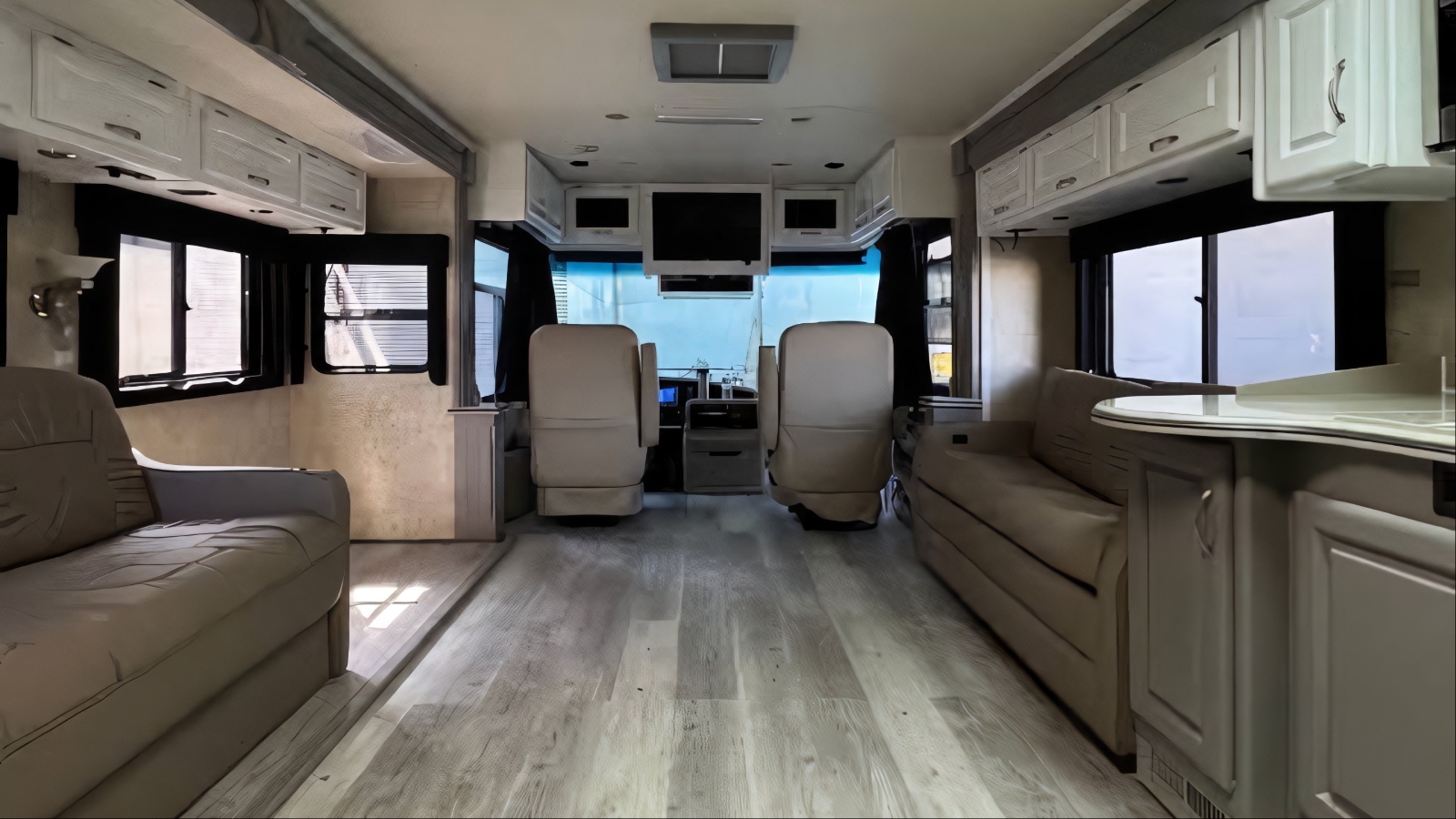
This is the danger of buying based entirely on purchase price. An older RV may have depreciated to a fraction of its original value, while labor rates and replacement-part prices remain high. A refrigerator does not become cheaper simply because the motorhome surrounding it is 20 years old.
Professional restoration can therefore exceed the finished RV’s market value long before every problem is corrected.
Owners sometimes continue because they love the vehicle, perform much of the labor themselves, or have already invested heavily in repairs. From a purely financial perspective, however, there comes a point where replacing the RV is cheaper than rebuilding it.
That is why a pre-purchase inspection can be one of the smartest expenses in RV ownership. The goal is not simply to find problems. It is to understand the total repair exposure before an inexpensive rig becomes an extremely expensive project.