Buying a used electric vehicle after its factory warranty expires can be an attractive way to get into an EV for less money. Depreciation can bring the purchase price down considerably, while lower routine maintenance requirements may help keep everyday running costs manageable.
However, one major concern can give potential buyers pause, particularly when it comes to the cost of replacing the battery or repairing other expensive electrical components.
The answer depends on the vehicle’s age, mileage, battery condition, warranty terms, and repair options. An EV that has passed its basic vehicle warranty may still have years of battery coverage remaining. Other vehicles may be outside both warranties, leaving the owner responsible for potentially expensive repairs.
In the United States, many manufacturers provide longer warranties for high-voltage batteries than for the rest of the vehicle.
Federal emissions rules also require qualifying manufacturers to provide at least eight years or 100,000 miles of warranty coverage for certain emissions-related components, including traction batteries in applicable electric vehicles.
California and states following its emissions rules can require longer coverage for qualifying vehicles. Exact requirements depend on the vehicle, model year, and applicable regulations.
The key is to distinguish an EV that is simply out of its general warranty from one whose battery warranty has also expired. Those are two very different financial situations.
Battery Warranties Can Outlast the Rest of the Vehicle
The first thing to check when shopping for a used EV is whether the battery warranty has expired. Many electric vehicles have separate coverage for the basic vehicle and the high-voltage battery, meaning a car can be outside its general warranty while its most expensive component remains protected.
Tesla provides a useful example. Its current U.S. warranty information lists basic coverage of four years or 50,000 miles, whichever comes first. Battery and drive-unit coverage varies by model and configuration, commonly extending to eight years with mileage limits of 100,000, 120,000, or 150,000 miles.
Several Tesla battery warranties also require the battery to retain at least 70% of its original capacity during the warranty period. Buyers should verify the terms for the exact model year and version they are considering.
That 70% threshold is particularly important. It does not mean the battery will suddenly fail once it reaches 69% capacity, nor does ordinary gradual degradation automatically qualify for a replacement.
Warranty coverage generally depends on the manufacturer’s specific definitions of defects, capacity loss, and eligible failures.
A battery that has lost some driving range may still work perfectly well for everyday commuting. For example, someone who originally had an EV with a 250-mile usable range might find that a reduced range remains adequate for a short daily commute.
The same vehicle could be less suitable for someone who regularly travels long distances without convenient charging stops.
Federal warranty rules also matter. Qualifying manufacturers generally must provide at least eight years or 100,000 miles of coverage for certain emissions-related components, including traction batteries in applicable electric vehicles.
California and states following its emissions regulations can require longer coverage for qualifying vehicles. These requirements are not identical for every EV, so buyers should confirm the rules that apply to the vehicle and its original sale.
Before purchasing, obtain the original in-service date, current odometer reading, and written confirmation of the remaining battery warranty. Some warranties transfer to subsequent owners, but coverage terms and exclusions vary.
Check whether the warranty remains valid after ownership changes, whether commercial use affects eligibility, and whether previous damage or unauthorized repairs could invalidate coverage.
An out-of-warranty EV is not automatically a bad purchase. A vehicle with a healthy battery, reasonable mileage, and a well-documented service history may be a sensible choice. The risk increases when the buyer has no reliable battery-health information and cannot comfortably absorb a major repair bill.
How Much Does an EV Battery Replacement Actually Cost?
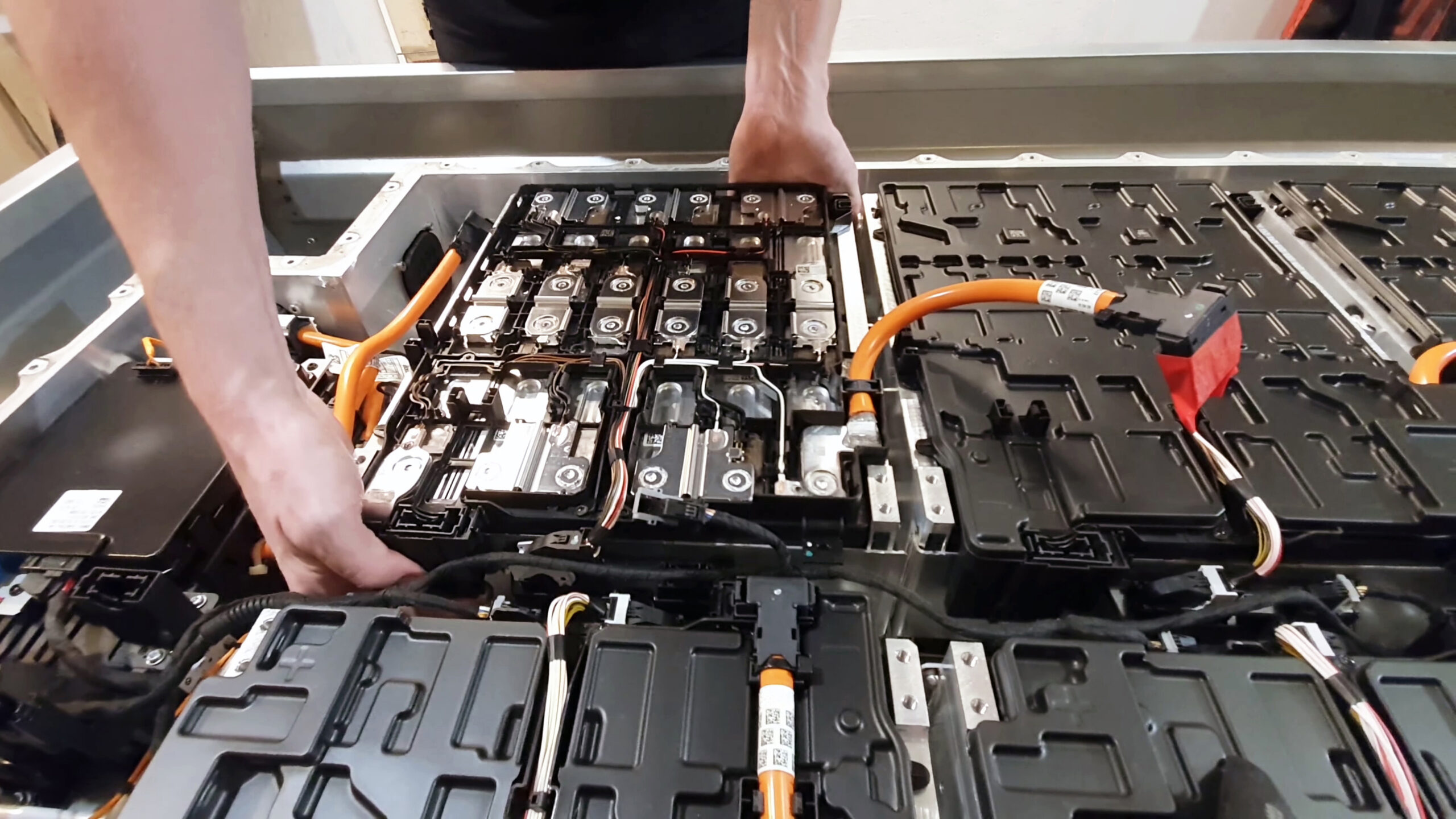
Battery replacement is often the biggest financial concern for used-EV buyers, and for good reason. The battery pack is a complex assembly containing numerous cells, electrical connections, cooling components, and monitoring systems. Replacement requires specialized equipment and trained technicians.
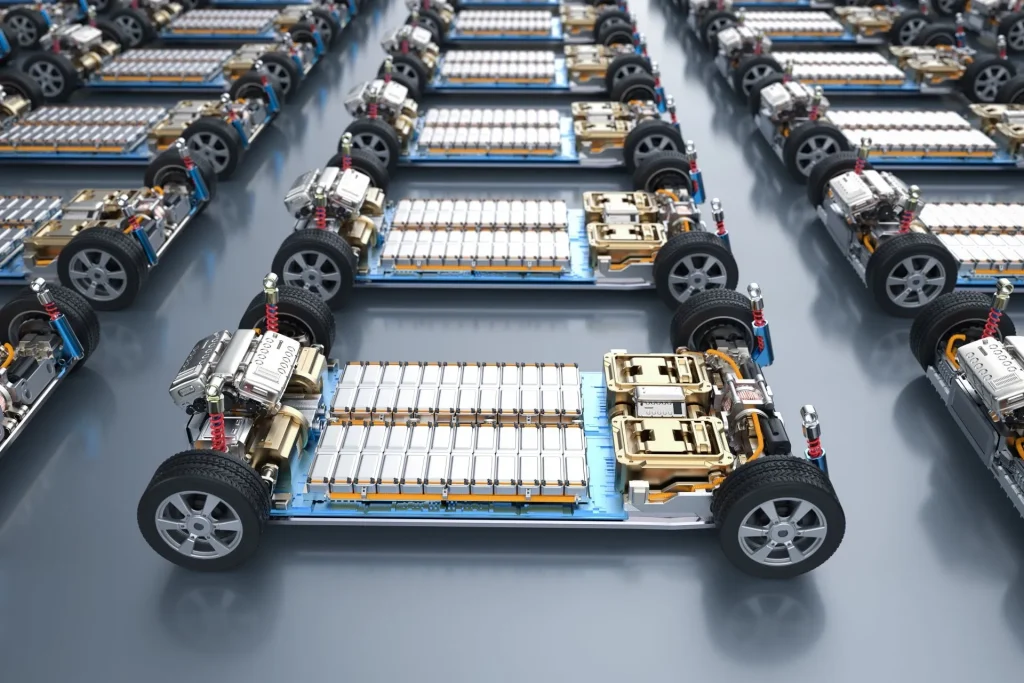
According to NerdWallet’s April 2025 review, replacing an out-of-warranty EV battery can cost approximately $5,000 to $20,000, depending on the vehicle and battery.
Recurrent’s December 2024 research gives a similar typical range of $5,000 to $16,000. These are broad estimates rather than quotes for every model, and some large or specialized packs can cost more. Labor and diagnostic work can increase the final bill.
The actual cost depends on the vehicle’s battery size, chemistry, pack design, parts availability, and the repair method offered. A manufacturer may recommend replacing a complete pack, while another repair facility may be able to address a failed component or module where the design and service procedures permit it.
That distinction can change the economics dramatically. A $6,000 repair on a used EV worth $15,000 may be manageable, while a $15,000 replacement on a vehicle worth $12,000 could make little financial sense. Buyers should compare the repair estimate with the car’s current market value before committing to a purchase.
It is also important not to assume that every battery problem requires a complete replacement. Reduced range can result from normal degradation, temperature, tire condition, driving speed, or other factors.
Charging faults may involve the charging system rather than the battery pack itself. A proper diagnostic assessment is necessary before deciding that a battery is failing.
Battery degradation is another issue worth separating from outright failure. Lithium-ion batteries gradually lose capacity with age and use, but the rate varies with chemistry, climate, charging behavior, and mileage. A battery that has lost some capacity can remain serviceable for years.
Before buying, request a battery-health report from a qualified EV technician or an appropriate manufacturer diagnostic service. Ask about remaining usable capacity, charging performance, diagnostic fault codes, and any evidence of battery damage. A short test drive alone cannot reliably establish the pack’s condition.
Do not rely exclusively on the estimated range displayed on the dashboard. That figure can change with recent driving efficiency, temperature, and climate-control use. A battery-health assessment that considers the vehicle’s data is more useful than treating one displayed range number as a definitive measurement.
The same caution applies to charging history. Frequent fast charging is not, by itself, proof that a battery is damaged. Its effect depends on the vehicle’s thermal management, battery chemistry, and how charging is managed. A comprehensive inspection is more informative than a blanket rule about avoiding EVs that have used public fast chargers.
When Buying an Out-of-Warranty EV Makes Sense
The smartest approach is to evaluate the entire vehicle rather than focusing exclusively on the battery warranty. An older EV can offer excellent value if its purchase price reflects its age, its battery is healthy, and replacement parts are available at a reasonable cost.
Start by comparing the asking price with similar vehicles that have different mileage and warranty status. A car with remaining battery coverage may justify a premium, but the amount should be reasonable relative to the protection provided. A large discount on an unprotected vehicle is less attractive if one major repair could erase the savings.
Next, inspect the rest of the car. Suspension components, tires, brakes, air conditioning, infotainment systems, and charging equipment can all require attention. Electric vehicles have fewer routine powertrain maintenance requirements than gasoline cars, but they are not immune to ordinary wear and electrical faults.
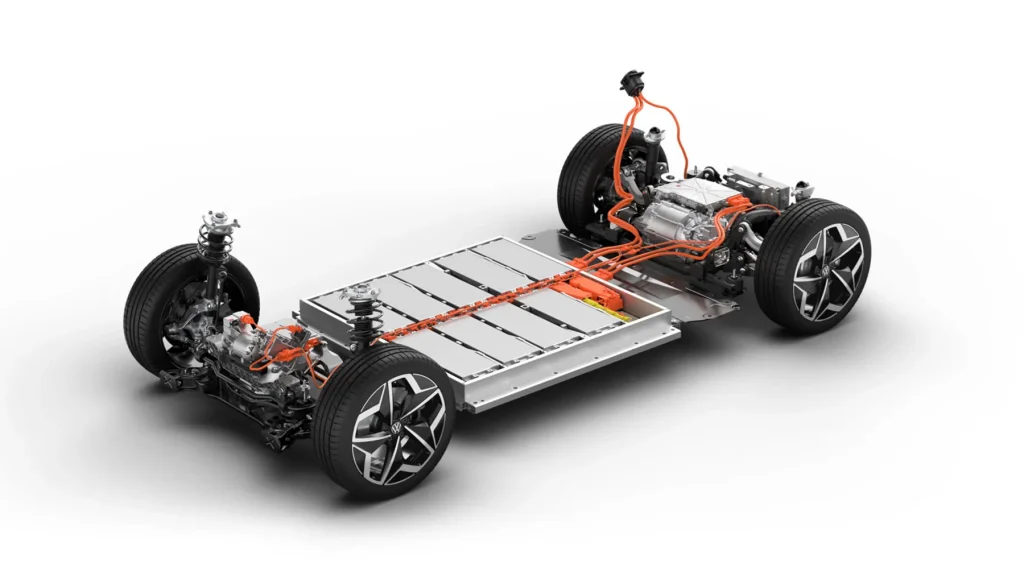
Check the service history, accident records, recall status, and charging equipment. Confirm that all charging ports and cables work properly, and make sure the vehicle can charge at the rates expected for its model. Outstanding recalls should be investigated through the manufacturer, since eligible recall repairs are generally handled without charge.
Consider your driving needs as well. A used EV with reduced range may be perfectly adequate for a short commute if you can charge at home. It may be a poor fit for frequent long-distance travel if the remaining range leaves little margin for weather, detours, or charging delays.
Finally, keep a repair reserve. Even after a thorough inspection, no test can eliminate every risk. Set aside money for unexpected repairs and determine in advance how much you could reasonably spend if the battery, drive unit, or charging system developed a fault.
An EV without warranty coverage can still be a smart buy, provided its battery condition is independently verified, its price accounts for possible repair expenses, and its range and capabilities fit your daily driving needs.
A healthy battery and a substantial purchase discount can make an older electric car an attractive option. Without a battery assessment or enough financial flexibility to handle a major repair, the lower asking price may not be worth the uncertainty.