
A vehicle that costs less to insure is not necessarily the one with the cheapest repairs. The Highway Loss Data Institute (HLDI) compares collision insurance losses using claim frequency and claim severity, with 100 representing the average for all passenger vehicles.
In its study of 2020 to 2022 models, the Toyota Tundra Double Cab Long Bed recorded an index of just 48, while the Jeep Wrangler two-door scored 53. These results measure relative insurance losses, not crash-test performance.
They can help buyers compare potential insurance costs, provided the model year and configuration match the data.
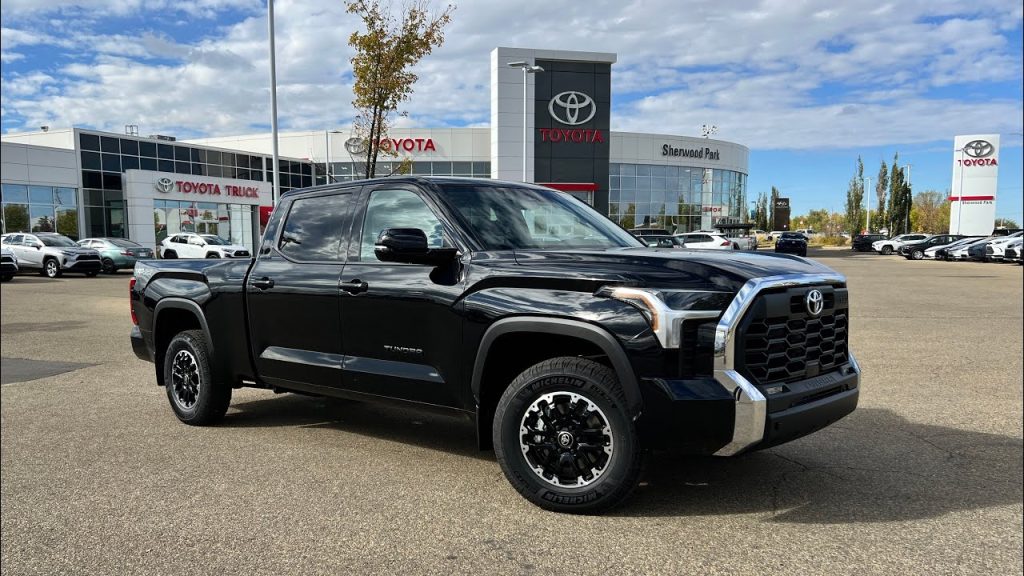
1. Toyota Tundra Double Cab Long Bed
The Toyota Tundra Double Cab Long Bed recorded the lowest collision loss index in HLDI’s 2020 to 2022 model-year study. Its score of 48 means its standardized collision losses were approximately 52% below the all-vehicle benchmark.
The report recorded 1,347 insured vehicle years of exposure for this particular configuration, so the result applies specifically to the long-bed double cab rather than every Tundra pickup.
The most notable finding is the Tundra’s claim severity index of 58, the lowest in the report’s collision-severity comparison. This indicates that the average collision claim payment was substantially below the benchmark after HLDI’s adjustments. Its low collision loss result therefore reflects not only claim frequency but also the relatively low cost of claims.
Why might a pickup produce relatively low collision losses? Repair costs and claim patterns depend on the vehicle’s design, the type of damage sustained, and the circumstances in which owners use it.
HLDI does not establish that one particular engineering feature caused the Tundra’s result. Its statistical method adjusts for factors such as driver age, location, model year, deductible, and other characteristics to make vehicle comparisons more meaningful.
For shoppers, this is a useful insurance-cost signal, not a guarantee of a low premium. Insurers price policies using individual factors such as driving record, location, coverage limits, and deductible. The Tundra’s index also says nothing by itself about crash-test performance or the safety of other road users.
Before buying, compare quotes for the exact truck configuration and model year. A different cab, bed length, drivetrain, or newer redesign may have a different insurance-loss profile.
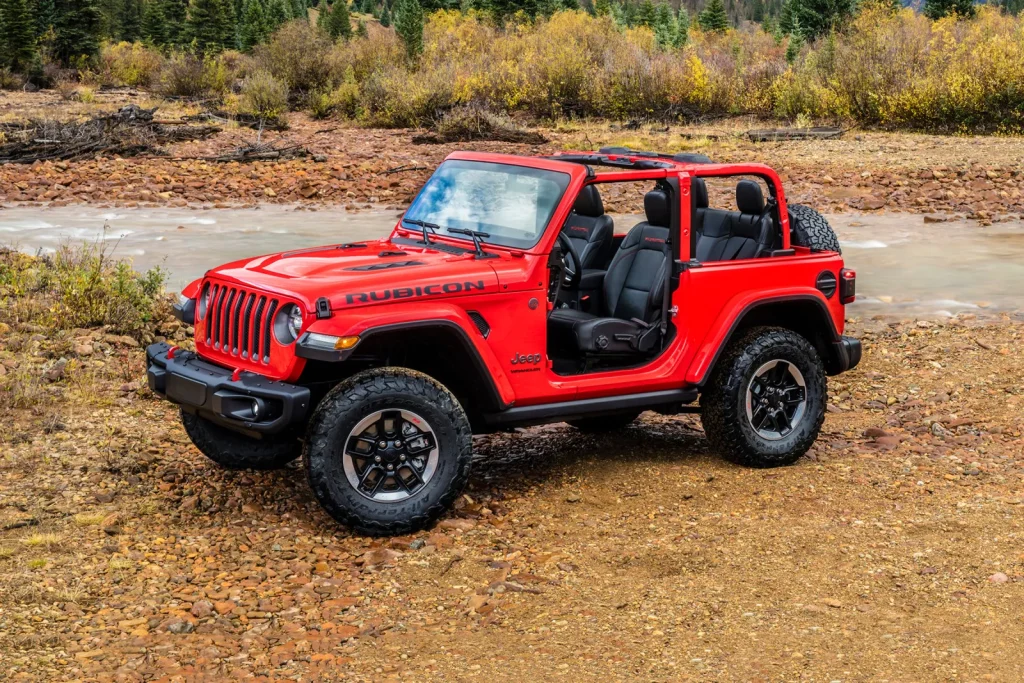
2. Jeep Wrangler Two-Door 4WD
The Jeep Wrangler two-door 4WD recorded a collision loss index of 53, placing it second in HLDI’s list of vehicles with the lowest collision losses for 2020 to 2022 models. Its reported exposure was 97,759 insured vehicle years, giving this result a much larger database than the Tundra’s specific long-bed configuration.
The Wrangler’s profile reveals why looking at the total index alone can be misleading. Its claim frequency index was 42, meaning collision claims occurred at around 42% of the benchmark rate.
Yet its claim severity index was 128, indicating that the average payment per claim was 28% higher than the benchmark. In plain English, claims were relatively uncommon, but when a claim occurred, the bill tended to be larger.
That contrast is especially relevant to buyers comparing insurance costs. The Wrangler’s removable roof and doors, distinctive body design, and off-road-oriented construction may influence how it is used and repaired, but HLDI’s figures do not prove that any one feature caused its low claim frequency or higher claim severity.
The study also does not say that the Wrangler is safer in a crash than every vehicle with a higher collision index. Collision losses measure insurance payments for damage to the policyholder’s vehicle, not the likelihood of serious injury or death. Crashworthiness requires separate evidence.
If a Wrangler is on your shortlist, request a quote for the exact model year and trim. Consider how often you plan to drive off-road, because damage from trail use and collision claims can have different insurance implications.
The index is encouraging for collision-loss costs, but the higher severity figure is a reminder that infrequent claims can still be expensive.
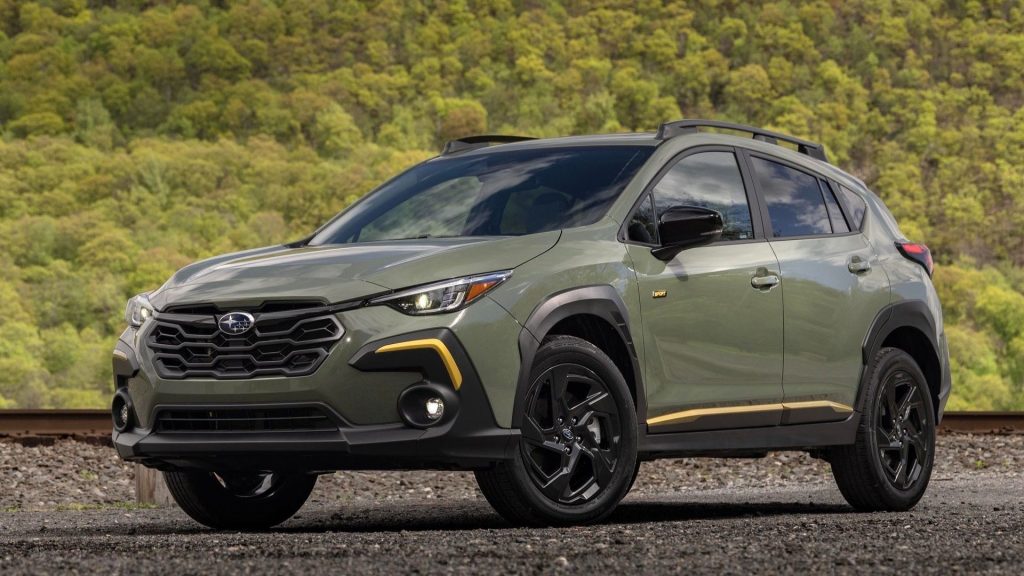
3. Subaru Crosstrek
The Subaru Crosstrek recorded a collision loss index of 54 in HLDI’s comparison, meaning its standardized collision losses were approximately 46% below the all-vehicle benchmark.
The result covers the 2020 to 2022 model years and reflects the specific configurations included in the report. It places the compact crossover among the vehicles with the lowest collision insurance losses in the study.
Unlike the Wrangler, whose low total score came alongside unusually low claim frequency and above-average severity, the Crosstrek’s result should be interpreted through its own frequency and severity figures.
The total collision index alone cannot tell a shopper exactly which factor contributed most. HLDI’s full table separates those measures, allowing readers to distinguish vehicles that rarely generate claims from those that tend to cost less when a claim occurs.
The Crosstrek’s compact size, standard all-wheel-drive system in the relevant U.S. models, and crossover layout appeal to drivers who want a practical daily vehicle with added capability in poor weather.
However, all-wheel drive does not guarantee shorter stopping distances on snow or ice, and HLDI’s collision-loss figure does not measure traction or crash-test performance.
Insurance losses can be influenced by repair costs, claim patterns, and how a vehicle is used. HLDI adjusts its comparisons for several driver and policy factors, but the index is still a model-level historical measure rather than a personal insurance quote.
For buyers, the best use of this result is as a shortlist filter. Ask insurers for a quote on the exact model year and trim, then compare deductibles and coverage limits. A Crosstrek’s low historical collision index is encouraging, but it cannot guarantee the lowest premium for every driver.
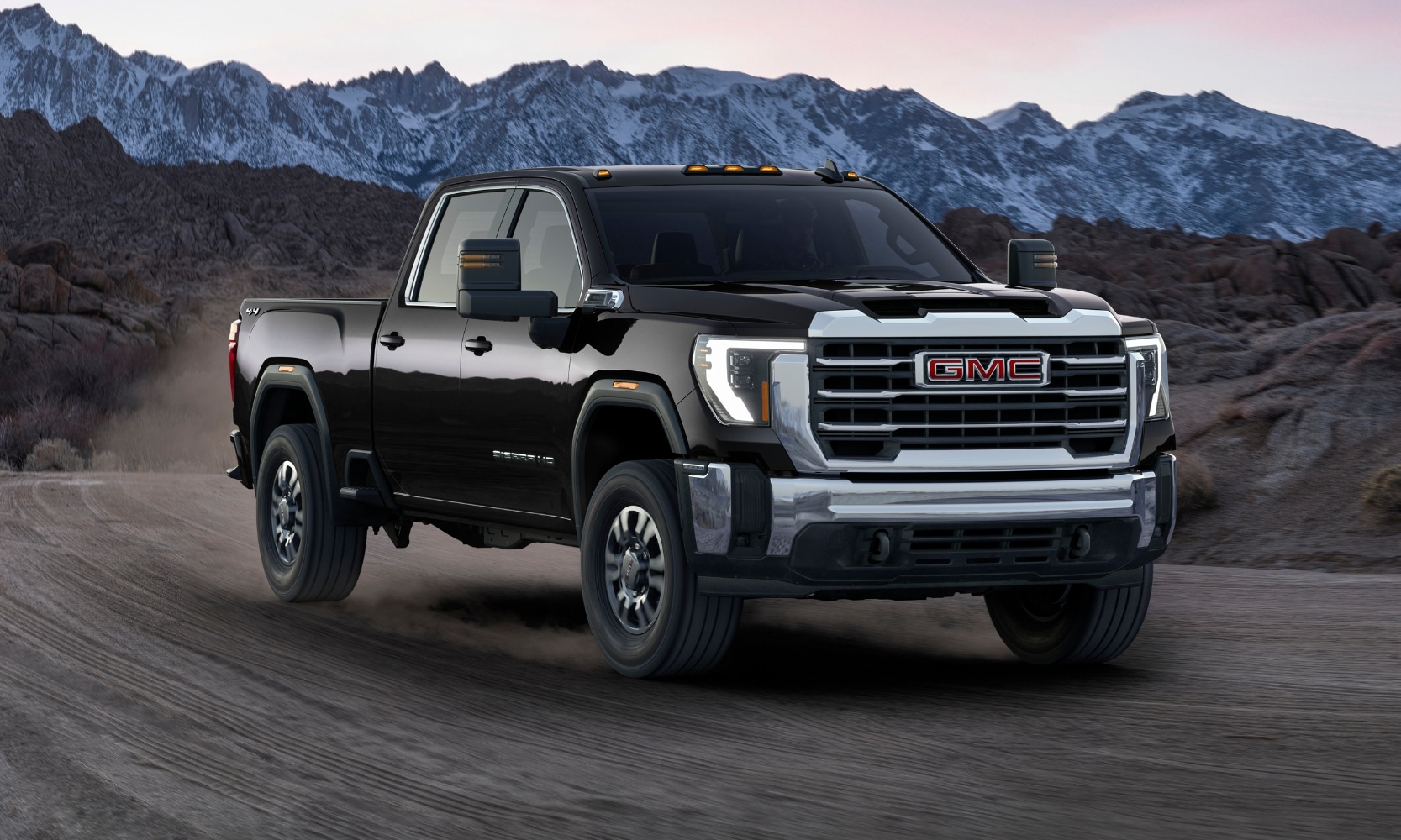
4. GMC Sierra 2500
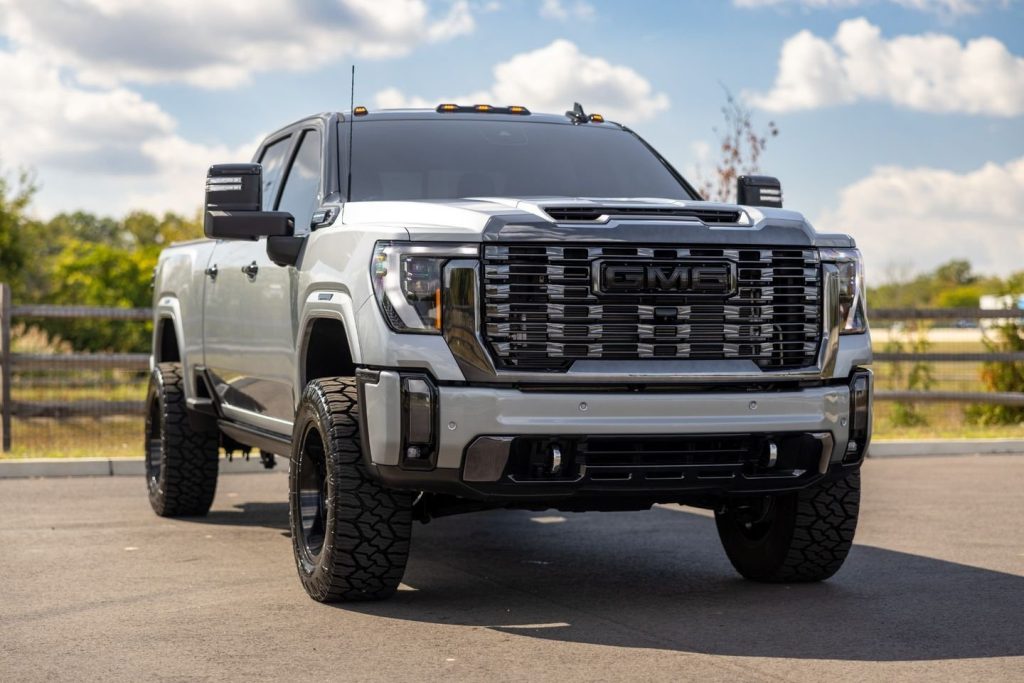
The GMC Sierra 2500 earned a collision loss index of 55, placing it among the four lowest-loss entries in the HLDI comparison. That score indicates standardized collision losses about 45% below the all-vehicle benchmark.
The result applies to the specific Sierra 2500 configuration and model-year group covered by the report, not automatically to every heavy-duty GMC pickup.
Heavy-duty pickups are often used for towing, hauling, construction work, and other demanding jobs. Those activities can expose a truck to different driving environments than a commuter car, but the HLDI index does not establish which use patterns produced the Sierra’s result.
The figure reflects insurance collision losses after statistical adjustments, not the amount of damage a truck can withstand or the likelihood of injuries in a crash.
Buyers should also remember that collision coverage generally concerns damage to their own vehicle after a covered collision. It is separate from liability coverage, which addresses damage or injuries caused to others, subject to policy terms.
A low collision loss index does not necessarily mean the truck is inexpensive to insure across every coverage category.
For a work truck, configuration matters. Engine, cab style, bed, drivetrain, and equipment can vary, and a different version may not share the same loss experience. A newer model year may also have different repair costs due to changes in parts, sensors, or body construction.
If you’re considering a used Sierra 2500, obtain a quote for the exact vehicle and tell the insurer about its intended use.
Check whether towing, commercial activity, or modifications affect coverage. The 55 index is a useful historical sign for collision losses, but it should be combined with a careful review of the truck’s maintenance history, safety equipment, and policy terms.
5. GMC Canyon Extended Cab 4WD
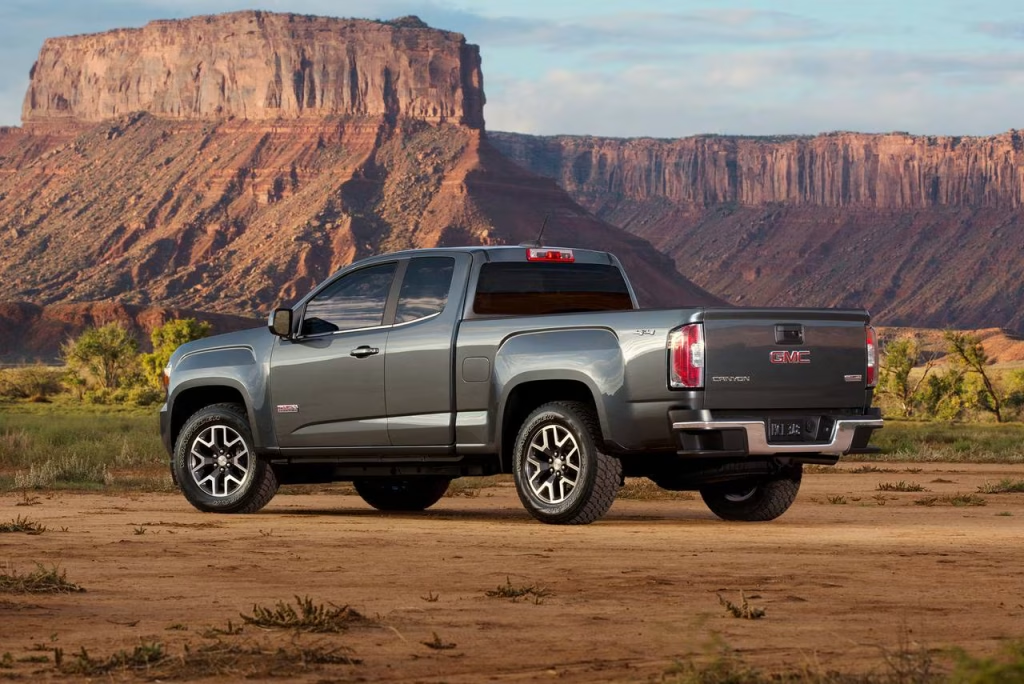
The GMC Canyon Extended Cab 4WD earned a collision loss index of 55 in the Highway Loss Data Institute’s analysis of 2020 to 2022 model-year vehicles. That puts it 45 percent below the reference level of 100 for collision insurance losses, placing this midsize-oriented pickup configuration among the lowest-loss vehicles in the study.
The extended-cab configuration matters here. HLDI separates vehicles by body style and drivetrain because differences in equipment, vehicle use, and the people who drive particular versions can influence insurance claims.
The result should not automatically be applied to every Canyon, particularly crew-cab versions that have different specifications and usage patterns.
Pickup trucks can also serve very different purposes. Some spend much of their time carrying tools or equipment, while others function as everyday transportation. Those differences can affect the kinds of collision claims insurers receive.
However, the index does not establish precisely why this Canyon configuration recorded a lower result, and it would be inaccurate to attribute the score to a particular engineering feature without supporting evidence.
For shoppers, the figure offers a useful comparison point when evaluating potential insurance costs on a used Canyon. It does not guarantee a lower premium, because insurers also consider location, driver history, annual mileage, coverage limits, and deductibles.
The key takeaway is that the GMC Canyon Extended Cab 4WD recorded a collision loss index of 55, not that every Canyon is inexpensive to insure or that the pickup is inherently safer in a crash.
6. Ford Transit T-350 4WD
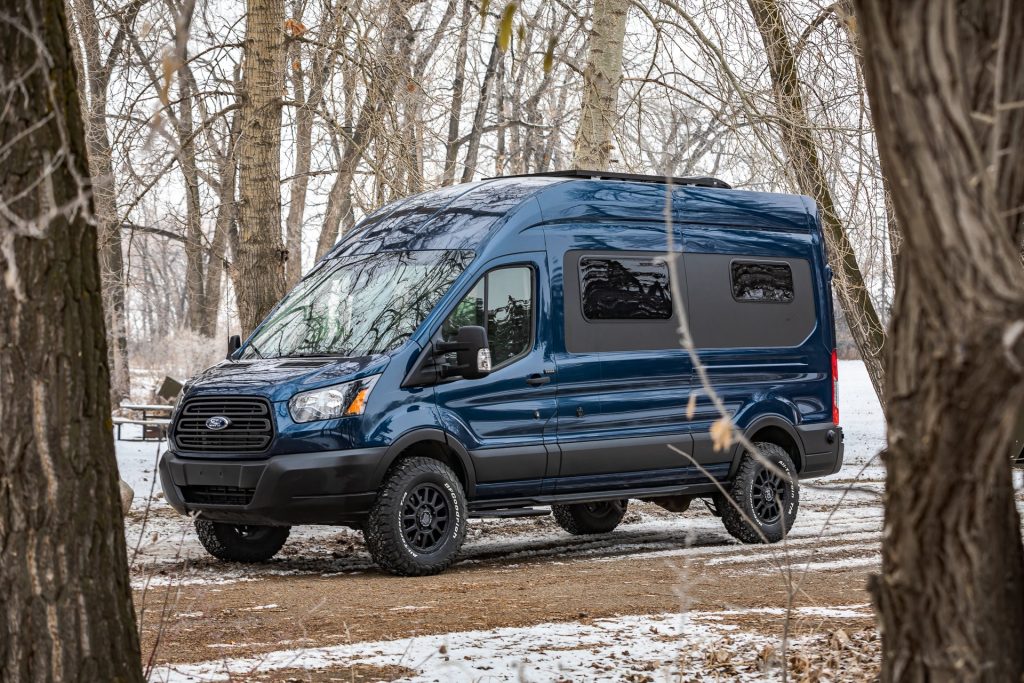
Commercial vans rarely attract the same attention as passenger cars, but their insurance records can make them stand out in vehicle-loss comparisons. The Ford Transit T-350 4WD recorded a collision loss index of 55 in HLDI’s analysis of 2020 to 2022 model-year vehicles, tying it with several other configurations near the top of this list.
The T-350 is a heavy-duty member of the Transit family, designed for applications where cargo capacity and working utility are important.
A van used by a business may follow a different driving pattern from a privately owned SUV, so the index should be read as an insurance-loss comparison rather than a simple measure of how well a vehicle performs on the road.
The distinction between Transit configurations is particularly important. HLDI lists the passenger-oriented T-350 separately from the T-350 Transit cargo, which appears later in this ranking with an index of 57. Although their names are similar, the published results refer to distinct vehicle series and should not be combined into one score.
An index of 55 indicates substantially lower relative collision losses than the all-vehicle benchmark. It does not mean the van has 55 percent fewer crashes in every real-world situation, nor does it predict the premium an individual business will receive.
Insurance costs depend on how the van is registered and used, the driver’s record, the insurer’s rating rules, and the coverage purchased.
For fleet operators comparing vehicles, this result is a useful starting point. They should still request insurance quotes for the exact model and intended use before making a purchasing decision.
7. Ford Transit T-150 Cargo 4WD
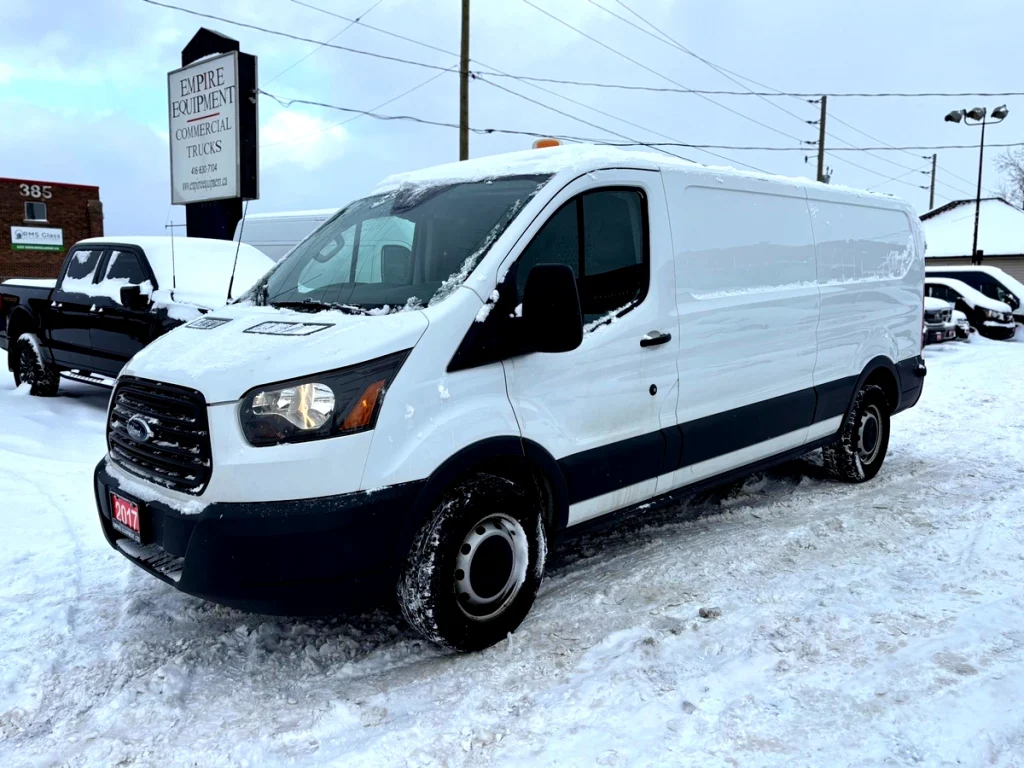
The Ford Transit T-150 Cargo 4WD posted a collision loss index of 56, putting it just one point above the T-350 4WD in HLDI’s 2020 to 2022 model-year comparison. Its result is still well below the benchmark of 100, indicating lower relative collision insurance losses in the study.
The T-150 cargo version serves a different role from a passenger van. Businesses may use it to carry supplies, tools, deliveries, or equipment, making it a practical choice for work that requires an enclosed cargo area.
Those applications can involve different driving routes and operating conditions, which is one reason it is useful to keep the specific vehicle series in view when comparing insurance data.
The score is not a direct evaluation of the van’s crashworthiness, braking performance or ability to avoid a collision. HLDI’s collision-loss results reflect insurance claims and the costs associated with them. A low index can result from a combination of claim frequency and claim severity, rather than one single characteristic of the vehicle.
That distinction is important for commercial buyers. A business may have lower relative collision losses with one model but still face substantial premiums because its vehicles cover long distances, operate in congested areas, or are driven by multiple employees.
Cargo weight, maintenance practices and driver training also matter to a fleet’s risk management, even though they are not summarized by this single number.
The T-150’s index of 56 makes it a noteworthy entry in this ranking, but buyers should compare quotes for the exact configuration and business use. It is a useful insurance-data signal, not a promise of a particular premium.
8. Ford Bronco Two-Door 4WD
The two-door Ford Bronco 4WD recorded a collision loss index of 57 in HLDI’s study, placing it among the vehicles with the lowest relative collision losses for the 2020 to 2022 model-year group. The Bronco’s result is especially interesting because its low total score comes alongside a very low collision claim frequency.
According to the HLDI table, the two-door Bronco had a claim-frequency index of 43. That means its collision claims occurred at a much lower relative rate than the benchmark. However, its claim-severity index was 131, indicating that claims that did occur were more costly than average.
These figures show why collision loss rankings require careful interpretation. A vehicle may have low total losses because collision claims are infrequent, even if the average cost per claim is relatively high. The Bronco’s results do not necessarily indicate inexpensive repairs; its severity index suggests that individual claims can be more costly.
The two-door body style is also essential to the result. HLDI lists the two-door and four-door Bronco separately, and the four-door version has a different claim-frequency result. Buyers should not assume the two-door’s index applies to every Bronco trim or body configuration.
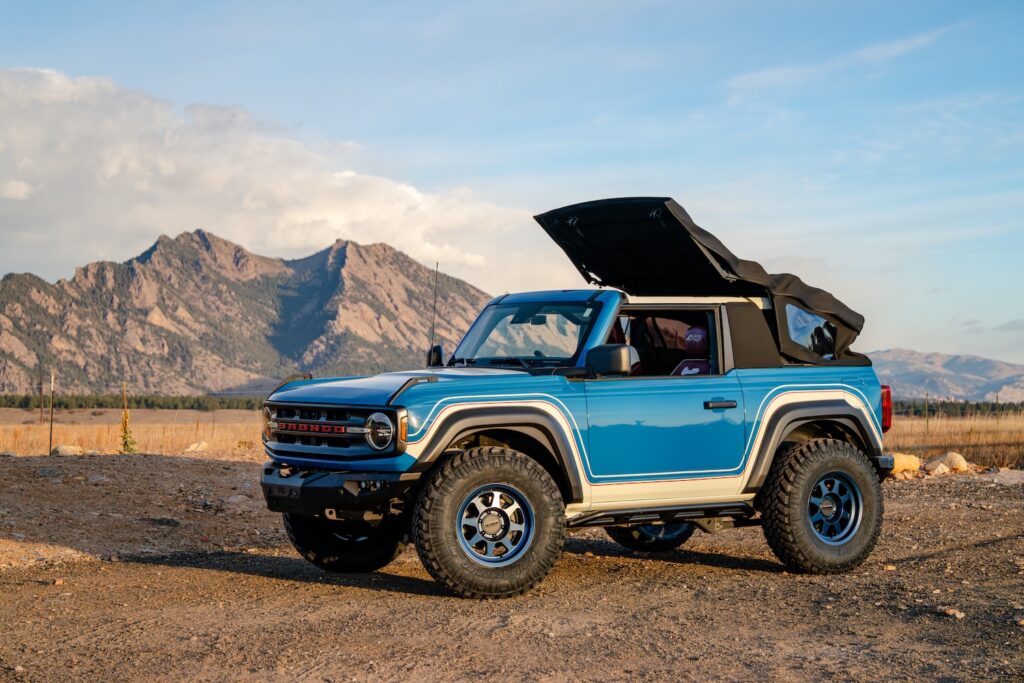
For someone considering a used Bronco, the index is a useful prompt to obtain a quote before buying. Actual insurance costs depend on the specific model year, equipment, driver, location and selected coverage. The index also says nothing by itself about crash-test ratings or the likelihood of injury in a collision.
The Bronco stands out for its unusual combination of relatively infrequent collision claims and above-average claim severity, meaning claims occur less often but tend to involve higher costs when they do.
9. Chevrolet Silverado 3500 4WD
Heavy-duty pickups are built for demanding work, and the Chevrolet Silverado 3500 4WD appears in HLDI’s lowest collision-loss group with an index of 57.
The result covers 2020 to 2022 model-year vehicles and places this specific truck configuration 43 percent below the all-vehicle reference level for relative collision insurance losses.
The Silverado 3500 occupies a different role from a light-duty pickup. Buyers may select it for towing, hauling or commercial work, and its equipment and operating demands can differ substantially from those of a truck used mainly for commuting.
HLDI’s ranking, however, measures collision insurance losses rather than towing capability, durability or performance under heavy loads.
The configuration matters because the report distinguishes the 3500 from other Silverado variants. The index should not be generalized to every Silverado 1500 or 2500, nor should it be interpreted as evidence that a larger truck will always generate lower insurance costs.
Results depend on the specific vehicle series and the claim experience represented in the data.
For owners, collision coverage helps pay for damage to their own vehicle after a covered collision, subject to the policy’s terms and deductible. A relatively low HLDI index can be encouraging, but it does not mean a heavy-duty pickup will be cheap to repair after a serious impact. Parts prices, damage extent and repair labor can still produce large bills.
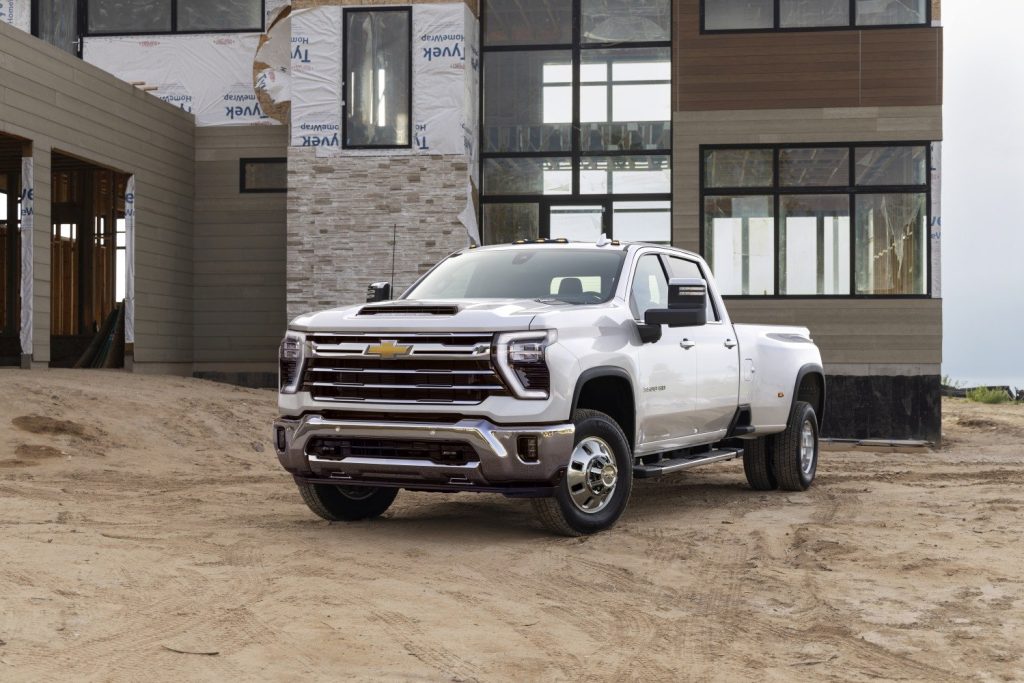
Businesses considering this truck should compare quotes based on the way it will actually be used, especially if it will tow regularly or operate commercially. Personal insurance and commercial policies may price risk differently.
The Silverado 3500’s index of 57 makes it a strong performer in this particular insurance-loss comparison. It is best treated as one useful data point alongside repair estimates, safety information and the cost of the coverage required.
10. Ford Transit T-350 Cargo 4WD
Rounding out the ranking is the Ford Transit T-350 Cargo 4WD, which recorded a collision loss index of 57 in HLDI’s analysis of 2020 to 2022 model-year vehicles. Although it shares the T-350 name with the van listed earlier, HLDI treats the cargo version as a separate series with its own result.
The cargo model’s position is supported by more than a low total-loss score alone. HLDI’s table lists a claim-frequency index of 43 for the T-350 Transit cargo 4WD, suggesting collision claims occurred at a substantially lower relative rate than the reference average.
The total collision-loss index combines the frequency and severity dimensions, so it should not be confused with either one on its own.
For companies that need a large enclosed work vehicle, the Transit Cargo can be configured for a variety of commercial tasks. Yet the published figure is not a universal prediction for every van in a fleet. Vehicle use, driver experience, mileage, geography and insurance policy terms can all influence the final cost of coverage.
It is also important not to mistake a low insurance-loss index for a safety award. The metric does not directly rate crash protection, driver-assistance systems or the risk of injury. It reflects relative collision insurance losses in the study’s observed vehicle population.
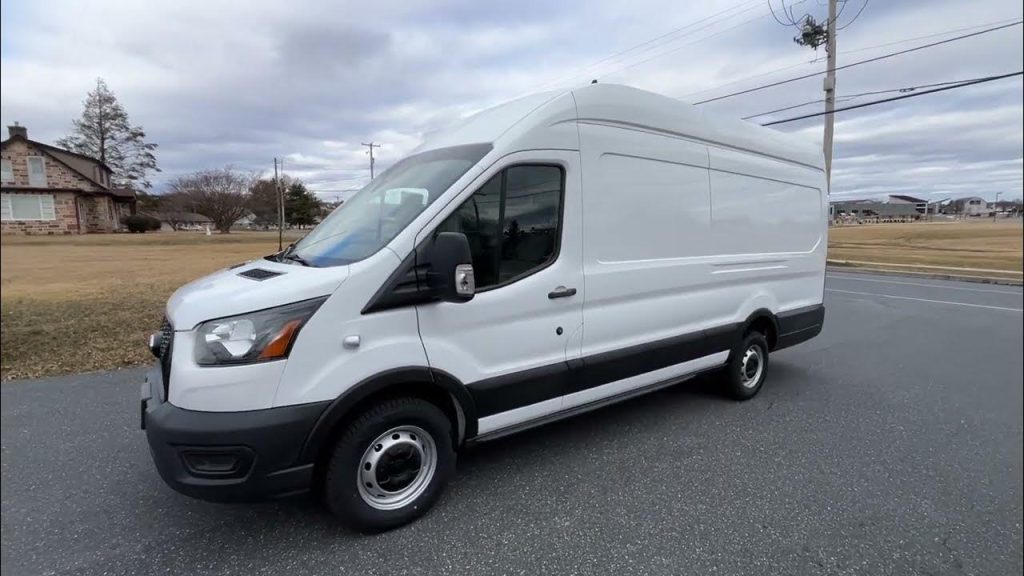
Fleet managers should use the result as a starting point, then request quotes for the exact cargo configuration and intended work. They should also consider downtime, repair access, maintenance and the costs associated with keeping a commercial vehicle in service.
With an index of 57, the T-350 Cargo 4WD completes a list dominated by trucks, SUVs and vans. The results show that some practical, work-focused vehicles can record low relative collision losses, but individual premiums and real-world outcomes will vary.
