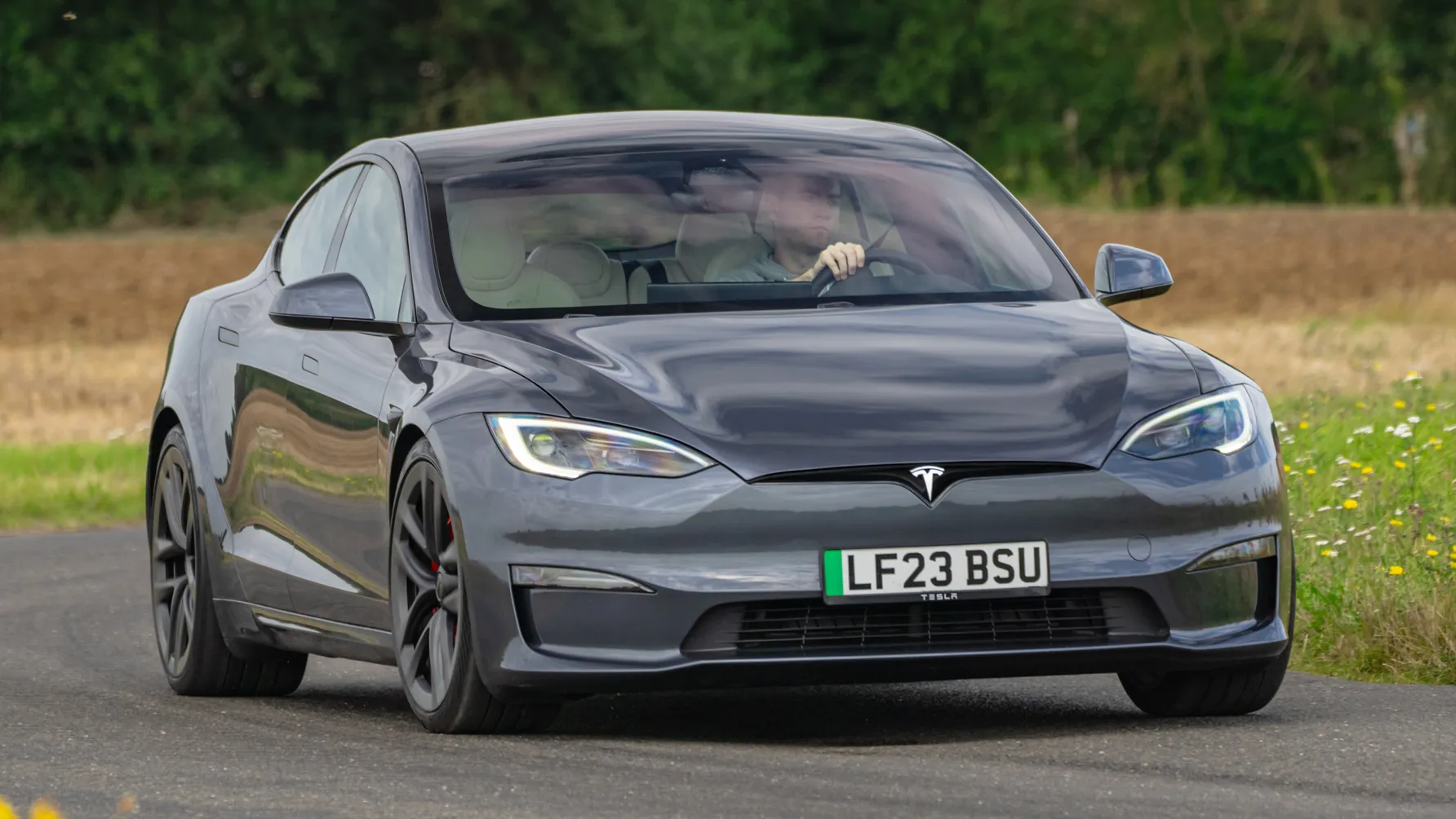
Cold weather is the quiet tax on every electric car. Batteries turn sluggish below freezing. Cabin heating draws real power. Cold air is also denser, so drag climbs.
The November 2025 winter range study looked at more than 30,000 vehicles. The fleet kept 78% of its maximum range at 32 degrees. At 20 degrees, that fell to 70%.
The gap between models is wide. The best car held 88% of its range. The worst held 69%. That is a huge swing in the same weather. One factor stands out above the rest. A heat pump is worth roughly 10 percentage points on its own. It moves heat instead of making it. That uses far less energy than a resistive heater.
Battery chemistry and thermal software matter too. So do weight, shape, and tires. Your own habits can shift the result as well. The list below runs from best to worst retention at 32 degrees. Each entry explains why the car likely landed there.
Treat it as a guide, not a guarantee. Your trim, climate, and driving style will change the numbers. Read on to find your car. Let us begin at the top.
1. Tesla Cybertruck
The Cybertruck leads the list. That is a surprise for such a blunt truck. Its thermal system explains most of it. Tesla built a heat pump into the design.
It recovers waste heat from the motors and electronics. That heat warms the pack and cabin. The battery is also very large. A deep buffer helps in cold weather.
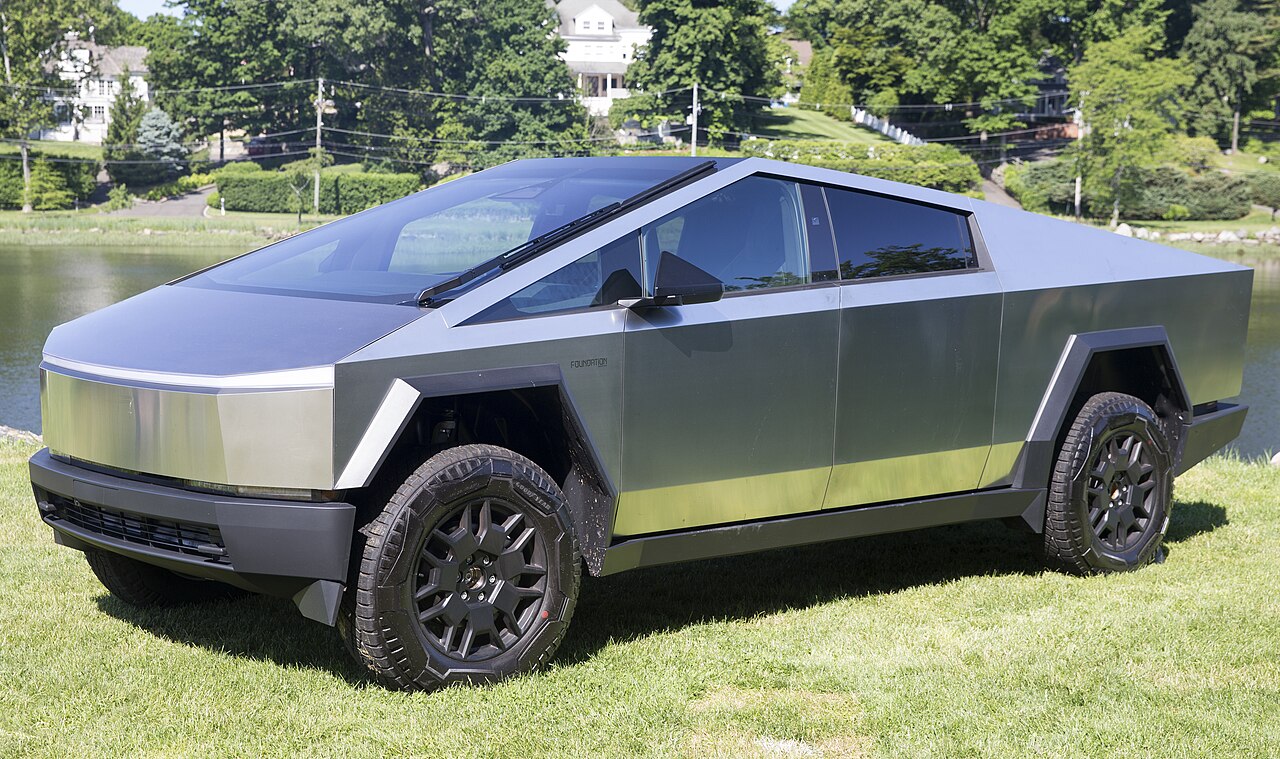
Drag is high, but the heating strategy offsets much of it. The result is a strong retention figure. Precondition it while plugged in. You leave with a warm cabin and a warm pack. Winter becomes much easier. Few trucks manage this well.
2. Tesla Model X with Heat Pump
The Model X with a heat pump takes second place. The heat pump version is the key. It clearly beats older builds. Tesla routes waste heat through a central coolant manifold.
The heat goes where it is needed. The battery stays in a comfortable range. The Model X is big, heavy, and tall. Those traits cost energy in every season. Cold air makes the drag worse.
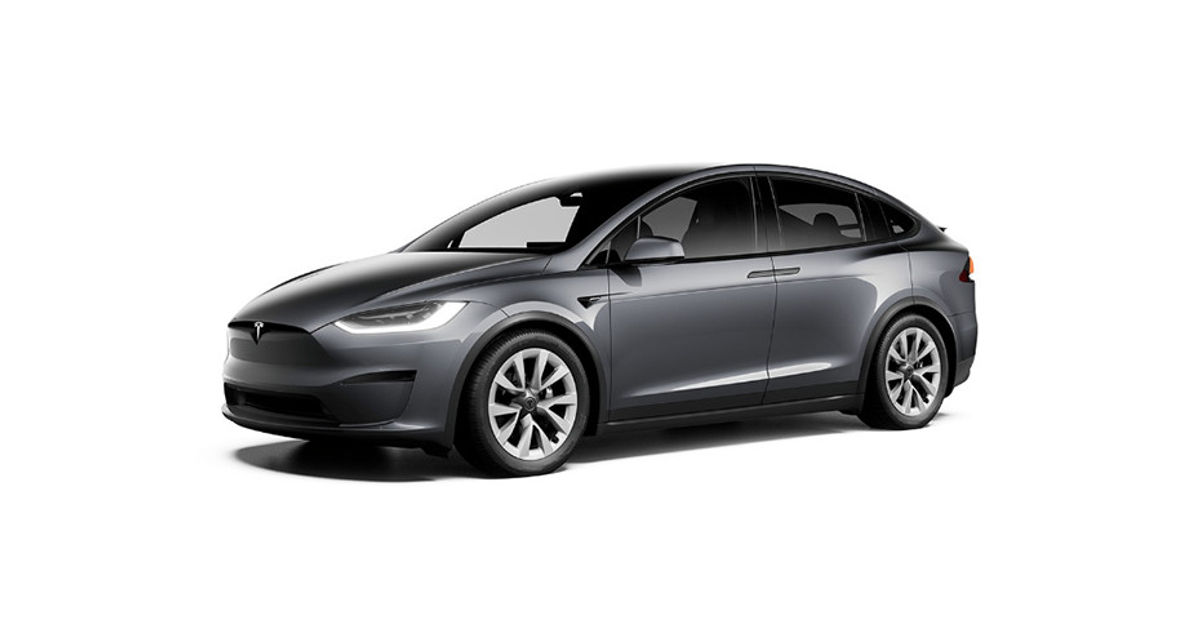
Even so, the efficient heating protects its range. That is the power of good thermal design. Older cars use resistive heating. They will not match this result. Check the build before buying.
3. Tesla Model S with Heat Pump
The Model S with a heat pump sits right behind. It shares the same efficient thermal design. The study treats it apart from older cars for good reason.
Its low, sleek body cuts through cold air well. That matters most at highway speeds. Aerodynamics gain value as temperatures fall. The heat pump trims the heating load sharply. More energy stays available for moving the car.
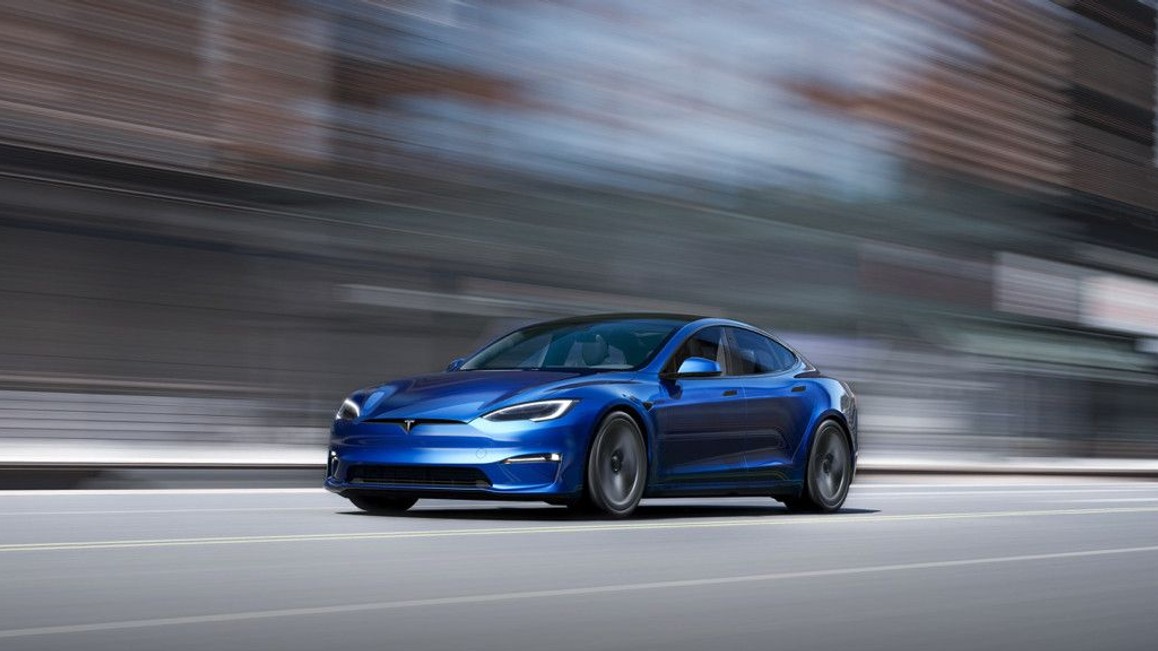
Earlier Model S cars lack this system. They lose more range in the cold. Check the model year before you buy. Precondition on shore power. Leave with a full, warm battery. Simple habits help.
4. Rivian R1S with Heat Pump
The R1S is the first non-Tesla on the list. Its heat pump gives it a big edge. The study singles out that version. Rivian built a capable thermal loop around the battery and cabin.
Waste heat from the drive units is recycled. Less energy goes into raw heating. The SUV is tall and very heavy. Its basic efficiency is only average. The heat pump does the heavy lifting.
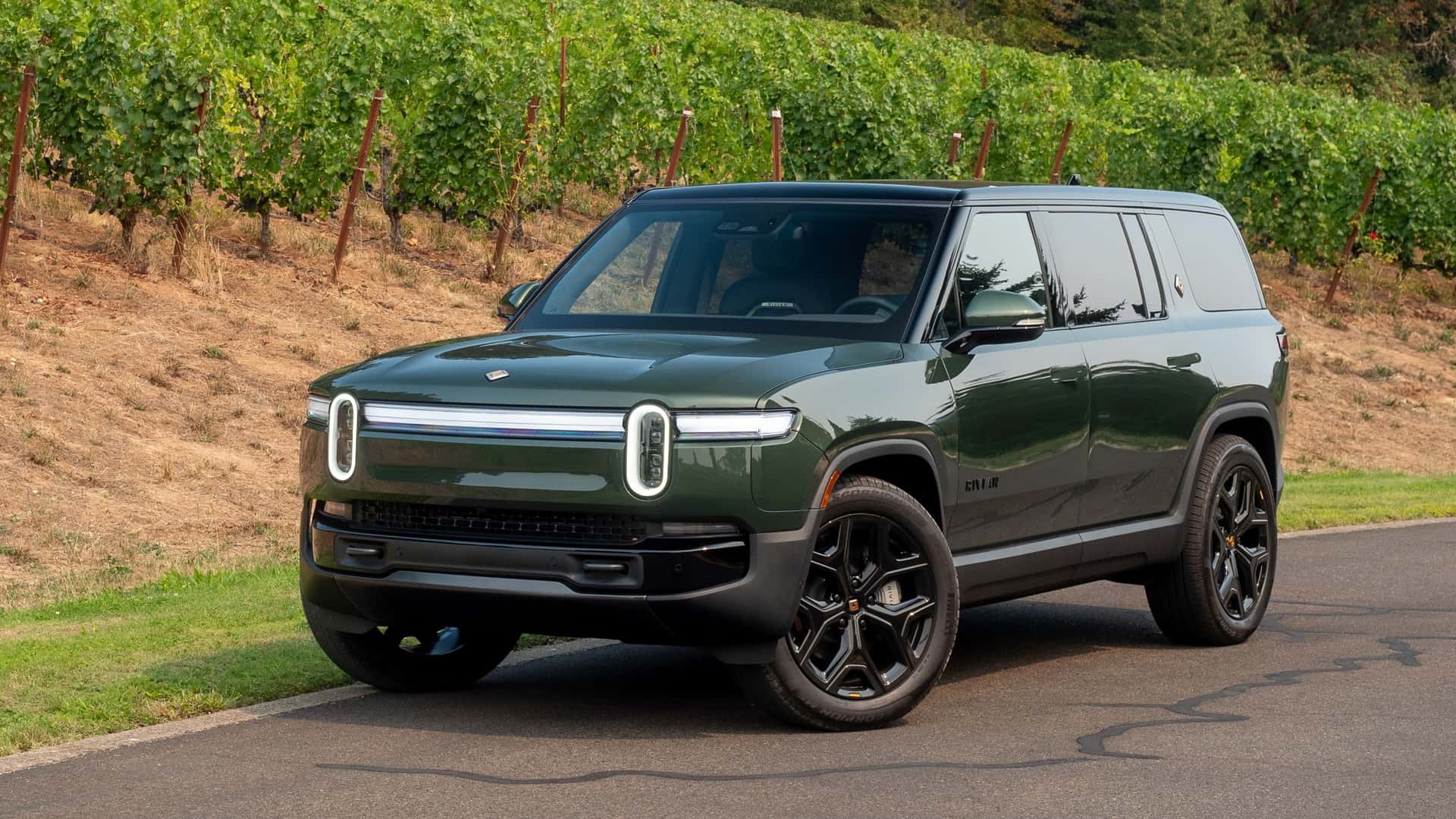
Off-road tires add rolling resistance. Keep tire pressures correct in the cold. Low pressure raises consumption. Buyers of earlier builds should check which version they have. It matters a lot.
5. Tesla Model Y
The Model Y is a strong winter choice. Its package works well as a whole. A smaller cabin heats faster. A heat pump keeps energy use low. Later builds have it. Earlier cars may not. Tesla also warms the battery before fast charging. That protects charging speed in winter. Road trips stay practical.
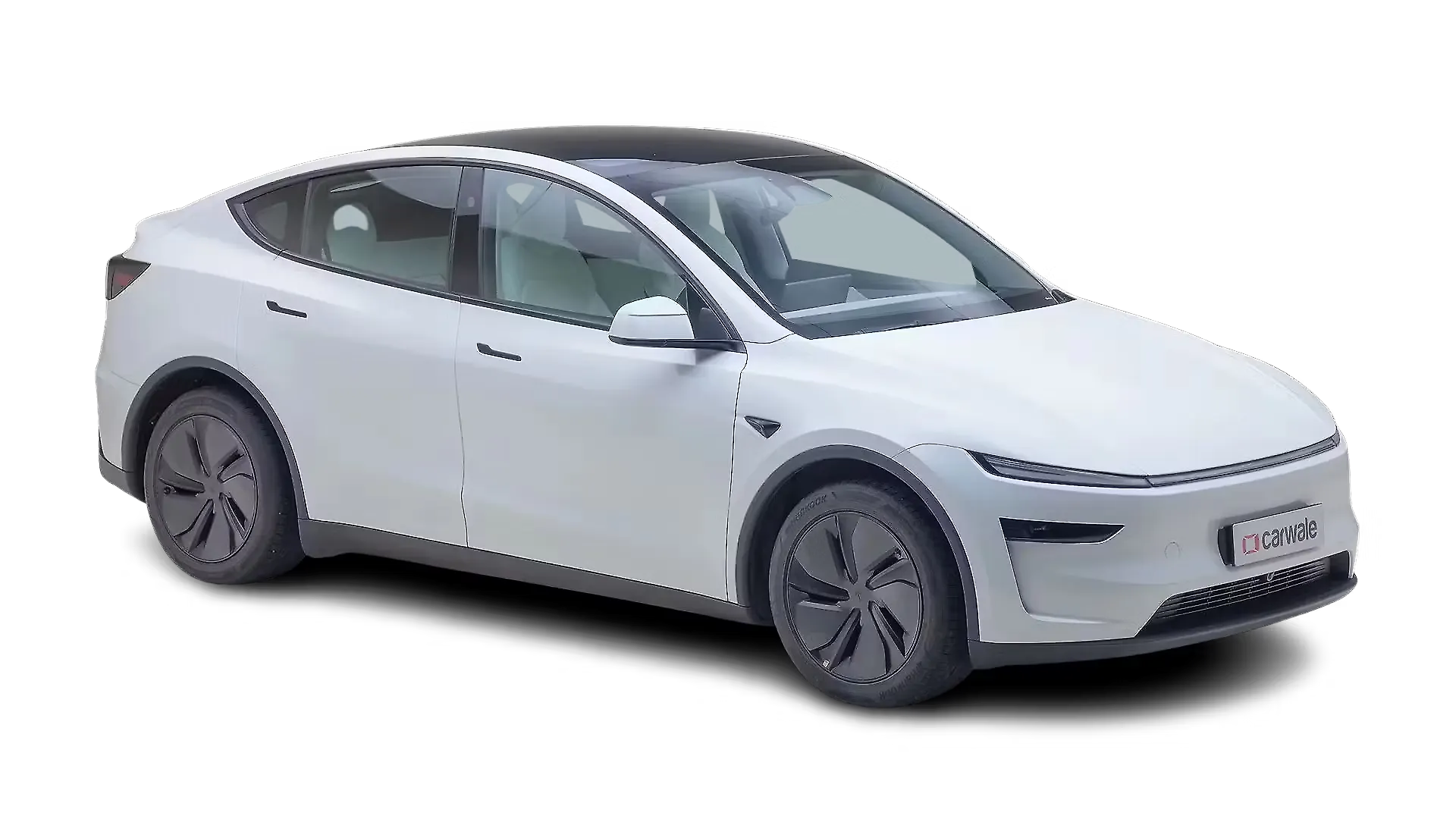
The body is tall for a crossover. Cold air raises drag. Efficient hardware cushions the hit. Use heated seats first. Then keep the cabin cooler. That saves battery for the road. Schedule departures while plugged in. It is the easiest range gain you can make.
6. Tesla Model 3
The Model 3 shares most of the Model Y’s strengths. It is lower and slipperier. That helps at highway speeds in cold air. Its heat pump arrived on later builds.
Those cars do better in winter. Earlier ones lean on resistive heating. The car is light and efficient in every season. That gives it a cushion. Absolute losses stay smaller.
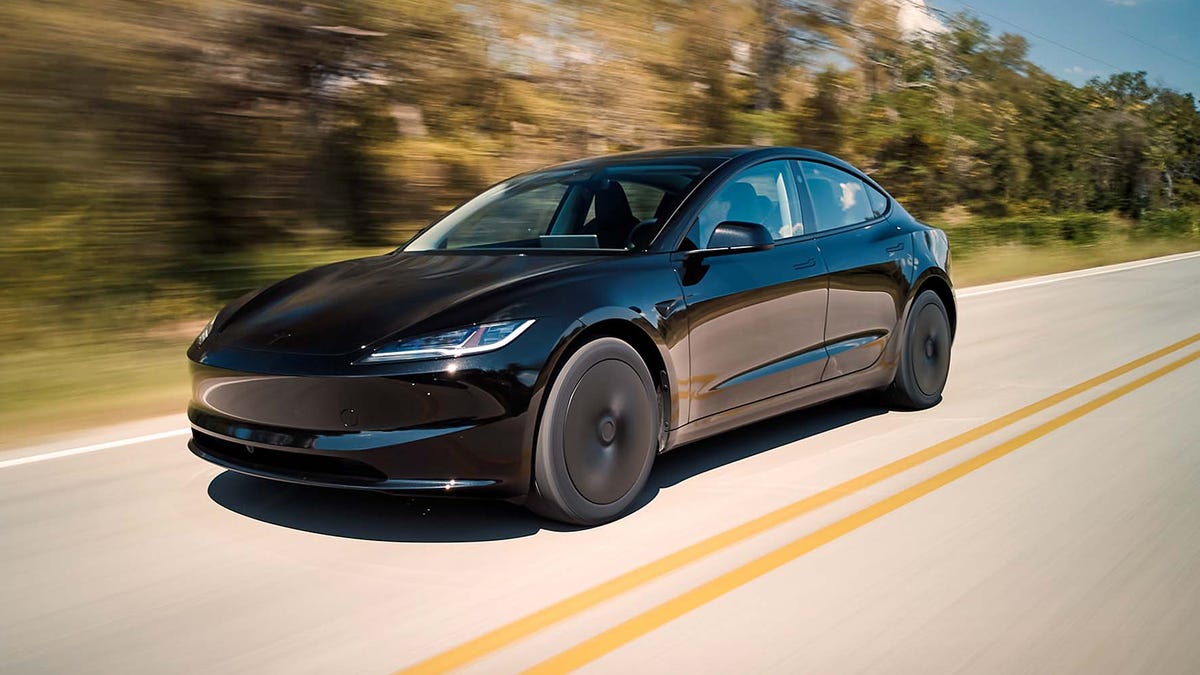
The compact cabin heats quickly. Seat and wheel heaters help further. Schedule departure while plugged in. Keep tire pressures checked. Cold air lowers them quickly. It sits just below the Model Y. The gap is small. Both are solid.
7. Ford F-150 Lightning
The Lightning ranks higher than many expect. A very large battery helps its retention percentage. That buffer is the main reason. It relies on resistive heating for much of its warmth.
That hurts efficiency. The percentage lost still looks modest. The miles lost are not small. The truck is heavy and blunt. Cold air raises highway drag.
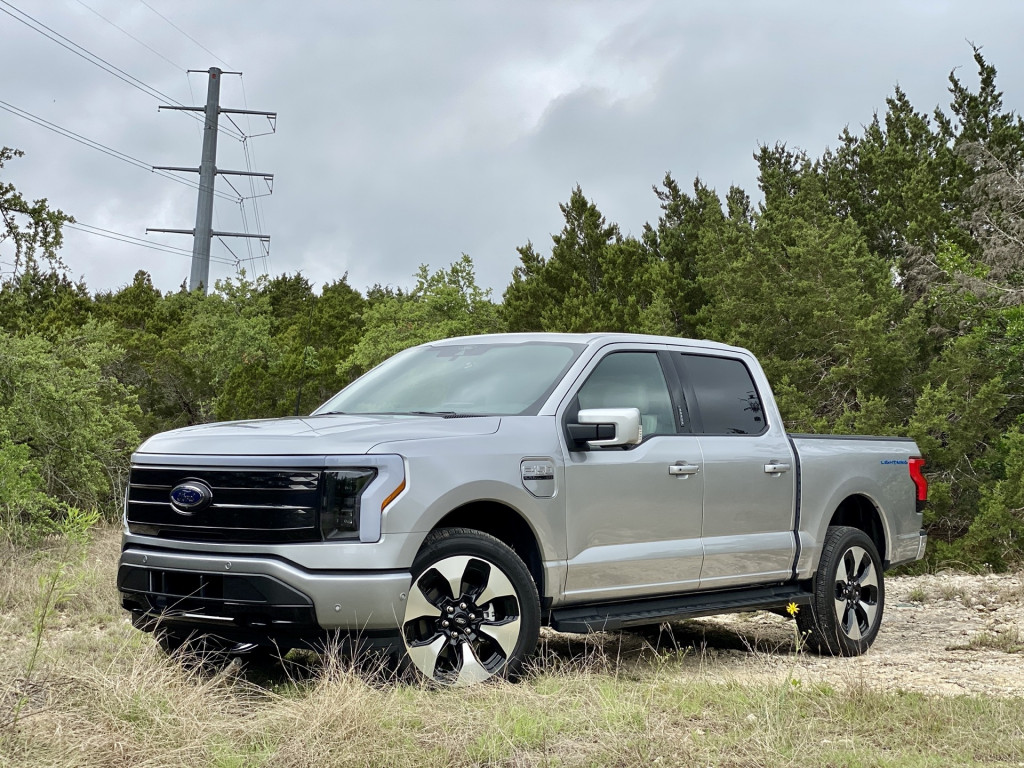
Towing in winter cuts range sharply. Plan charging stops generously. All-wheel drive handles snow well. The cabin is spacious and comfortable. Precondition before every fast charge. A cold battery accepts power slowly. Patience pays off. Warm it first. Drive a little slower.
8. Kia Niro EV
The Niro EV is a quiet standout. Kia fitted a heat pump to this small crossover. That choice pays off in the cold. Low weight keeps consumption down.
A small cabin is cheap to heat. The percentage held is strong. The battery is modest in size. Winter losses feel larger in miles. Plan a little extra margin.
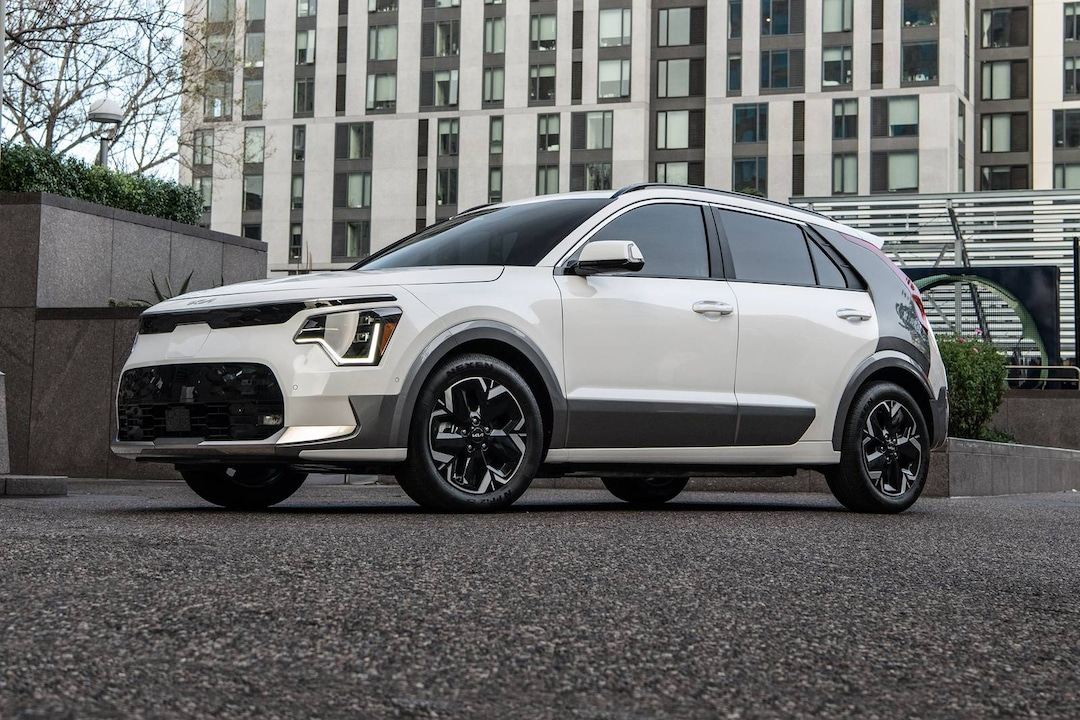
It proves that affordable cars can do winter well. Smart heating matters more than price. Check that your trim has the heat pump. Some earlier versions did not. Use heated seats and preconditioning. Small habits add up over a long winter.
9. Hyundai Ioniq 6
The Ioniq 6 is built around aerodynamics. Its teardrop shape is among the slipperiest on sale. That matters more in winter. Cold air is denser, so drag costs more.
A low-drag body softens that penalty. This is where it gains ground. Hyundai’s heat pump recovers heat from the powertrain. It helps both cabin and battery.
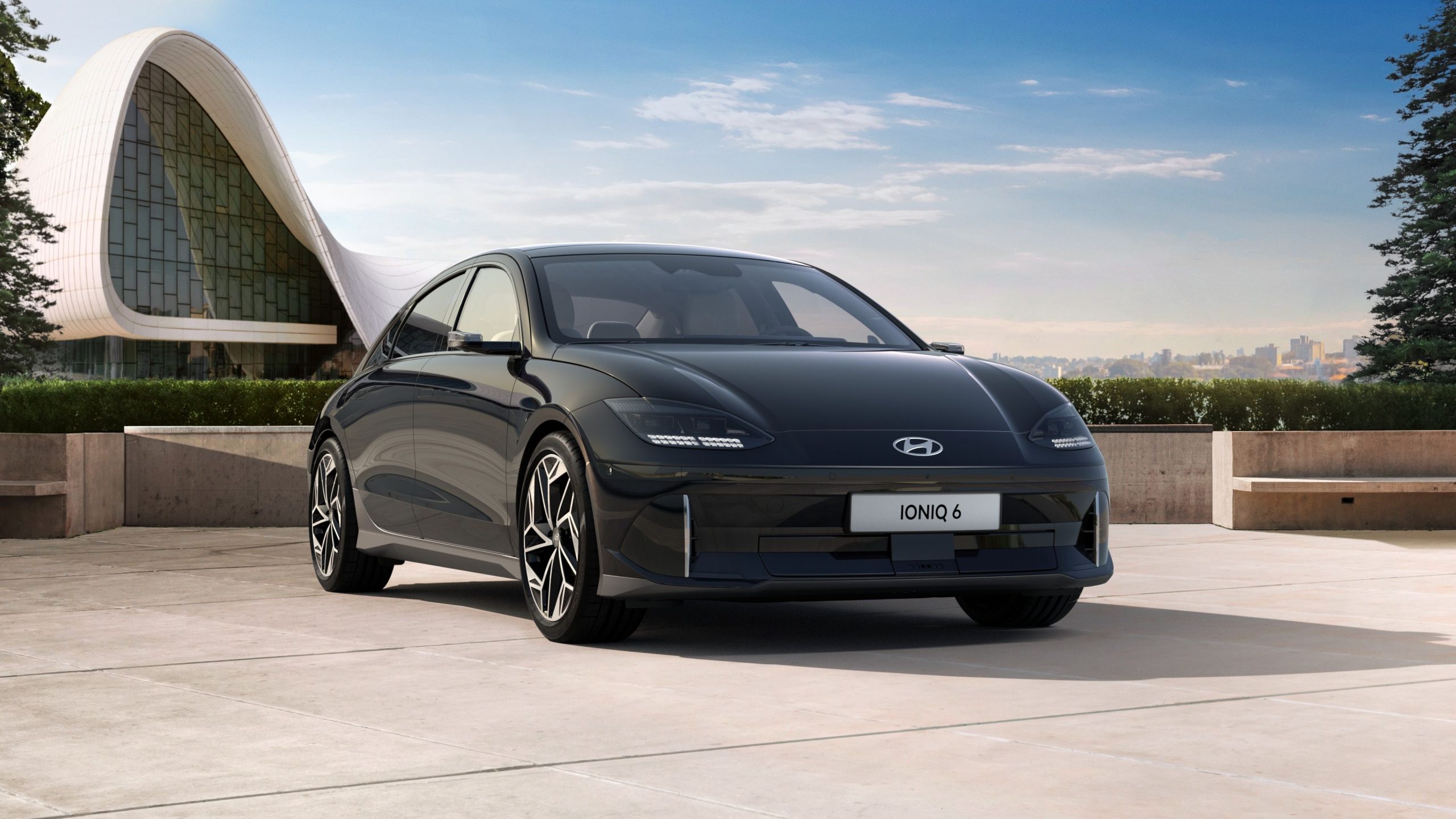
The 800-volt system charges fast in good conditions. Cold slows it. Use navigation to precondition before a charger. You arrive ready to charge quickly. Winter tires cost a little range. They are still worth it for safety. Grip comes first.
10. Audi e-tron
The first e-tron holds a respectable place. It does so without a heat pump. That makes the result impressive. It uses resistive heating, which is energy-hungry.
A heat pump would have helped a lot. The large battery softens the loss. The SUV is heavy and fairly tall. Cold air raises drag at speed. Real range still shrinks noticeably.
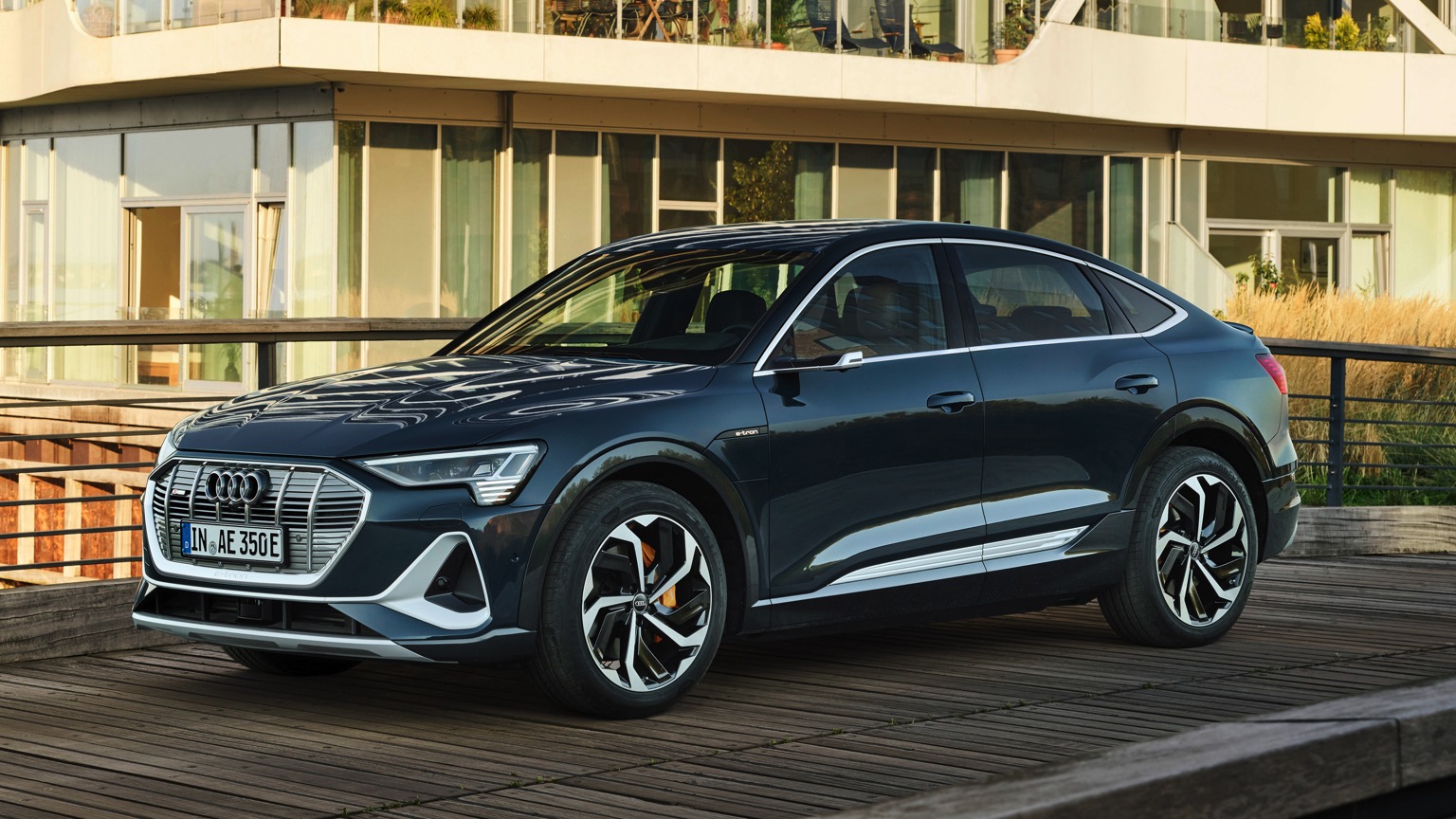
All-wheel drive gives confidence in snow. Heated seats help owners cope. Warm the car while plugged in. That saves battery for the road. The liquid-cooled pack is managed reasonably well. Charging speeds still drop when it is cold.
11. Nissan Leaf
The Leaf has a long history in cold climates. It also has a known weakness. That explains its mid-table spot. Many Leafs use passive battery thermal management.
The pack cannot manage its own temperature well. Cold exposes this. Newer cars with a heat pump fare better. Many older ones lack it. Age and trim matter here.
The small battery makes losses feel sharper. Garage charging helps a lot. Plan shorter hops in deep winter. Keep the cabin temperature modest. Heated seats and a heated wheel are efficient. Use them whenever fitted. They stretch every mile. Simple and effective.
12. BMW iX
The iX is a modern, efficient luxury SUV. It uses a heat pump to stretch range. That lifts it above the middle. BMW designed the thermal system with cold in mind.
Waste heat is recovered where possible. The battery stays happier. The pack is large. The shape is smooth for an SUV. That helps in dense, cold air.
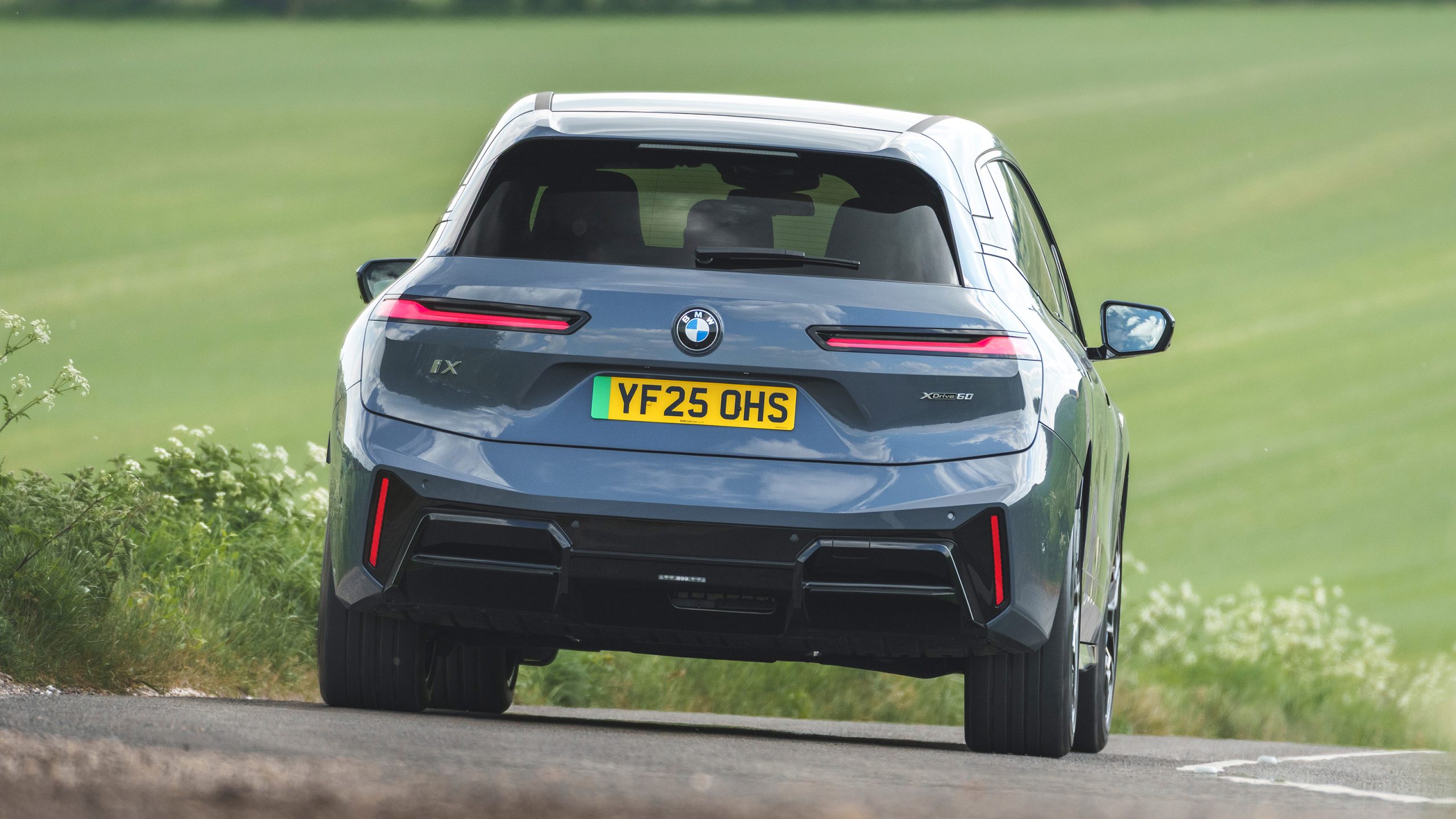
Heated surfaces warm occupants directly. You can lower the cabin temperature. That saves energy. Charging is strong in good conditions. Cold slows it. Precondition before every fast charge. The iX is still heavy. It pays an energy price, but a smaller one than most.
13. Kia EV6
The EV6 shares its platform with the Ioniq 5. Its heat pump is a real advantage. It places the car in the upper half. Kia pairs it with battery preconditioning.
The pack warms before fast charging. That protects charging speed. The low, sporty shape helps on the highway. Cold drag still bites. The heat pump limits the damage.
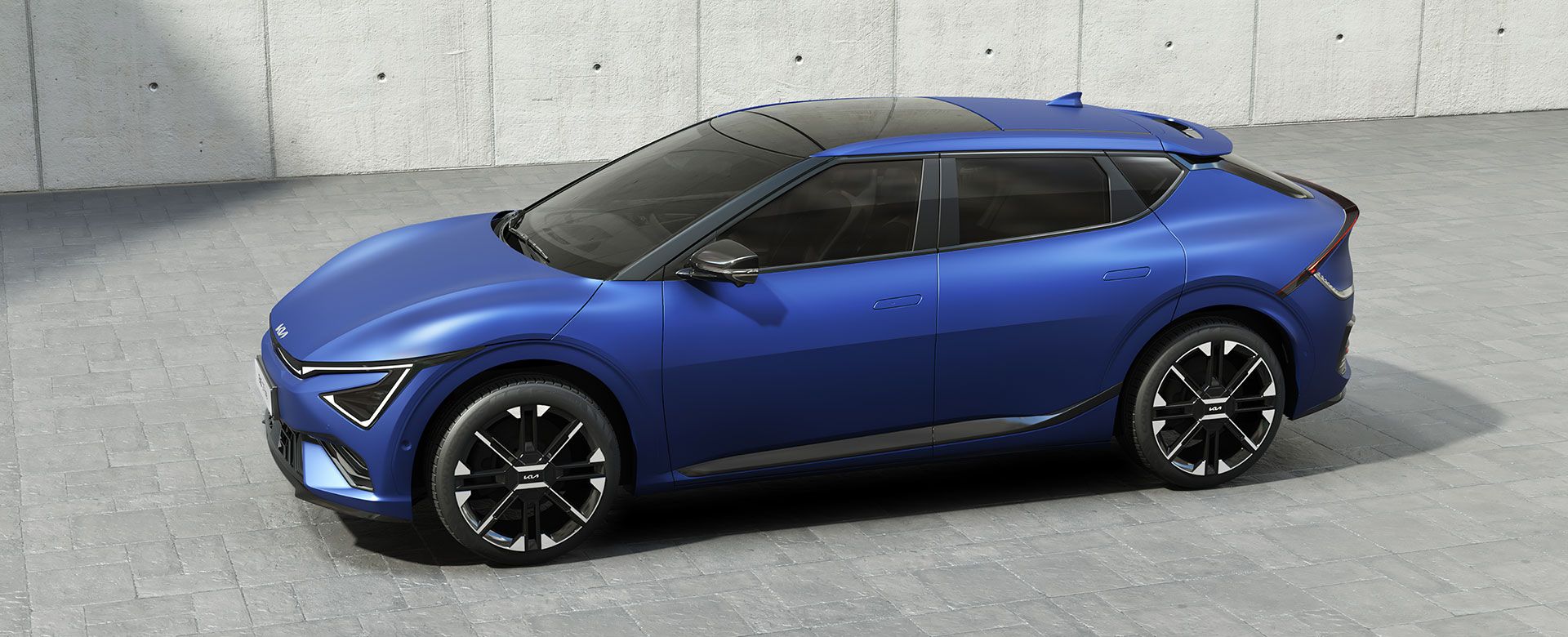
Heat pump availability can vary by market and trim. Check the spec sheet. It is worth confirming. The EV6 combines efficiency, fast charging and practical heating. Few rivals match the whole package. Use heated seats first. Save the fan for later.
14. Hyundai Ioniq 5
The Ioniq 5 is boxier than its cousin. That costs some aerodynamic efficiency. It ranks just below the EV6. Its heat pump makes up for much of it. Heat recovery trims winter consumption.
The cabin warms without draining the pack. Preconditioning is a big help. Set a departure time and plug in. You get a warm car and a warm battery.
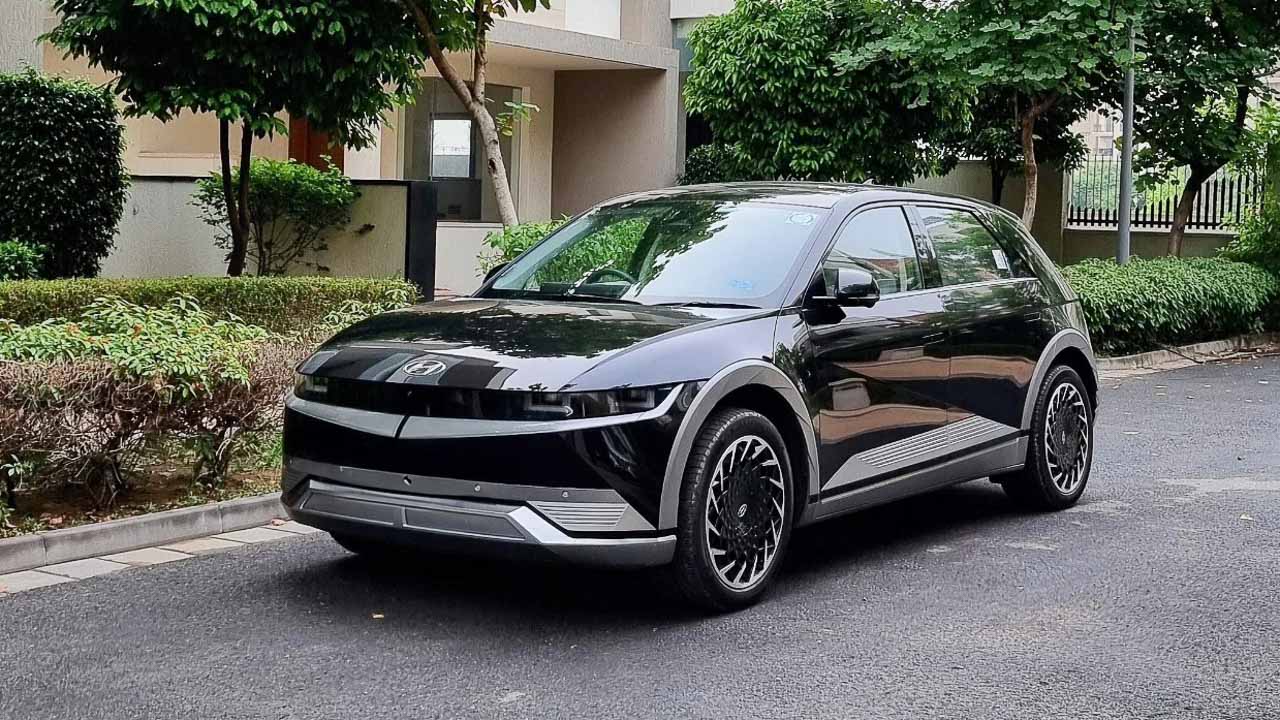
The cabin is airy and spacious. Big cabins take longer to warm. Use heated seats first. Winter tires are worth considering. Grip matters more than a small range loss. It remains a strong performer. Plan ahead and it rewards you.
15. MINI Hardtop 2-door
The MINI Hardtop is a small, light city car. Its small battery limits long trips. Winter makes that limit obvious. It uses little energy per mile. That helps in the cold. Short trips stay manageable. It lacks a modern heat pump. Resistive heating takes a larger share of a small pack. That puts it mid-table.
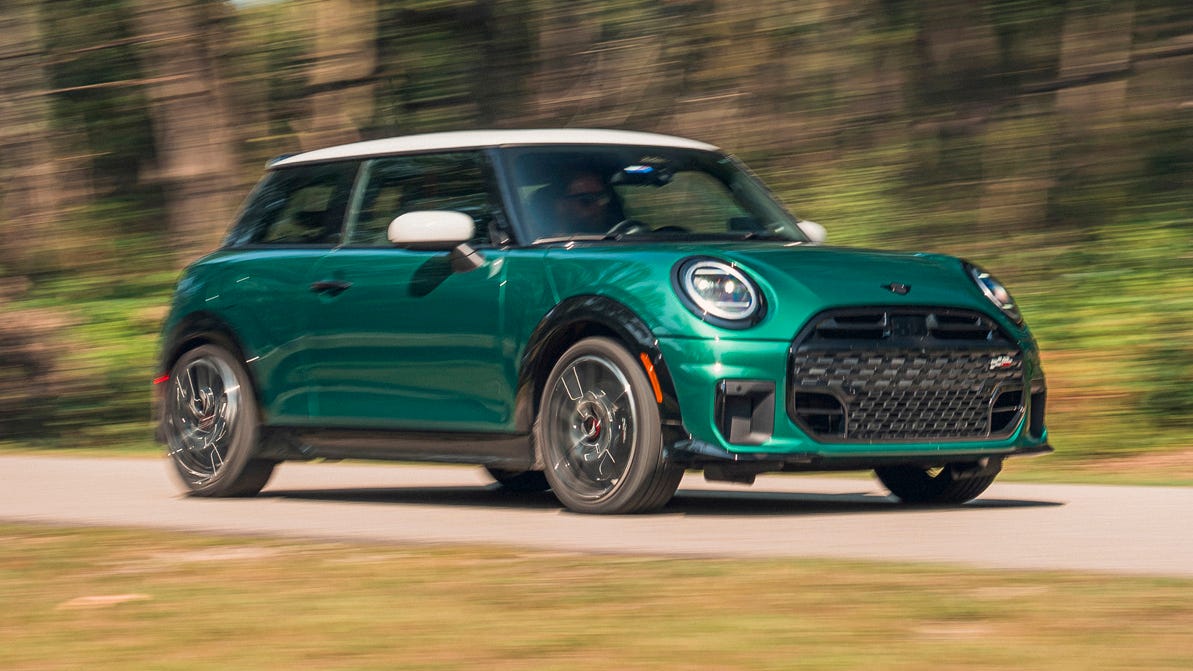
The cabin warms fast. Heated seats add comfort. Pre-warm it on shore power. Snow tires transform its grip. Accept the small range loss. Its short wheelbase makes it nimble. Cold crosswinds can still unsettle it at speed. Keep highway runs short.
16. BMW i4
The i4 is a low, sleek sedan. Its aerodynamics help at highway speeds. That matters in cold, dense air. BMW fits a heat pump on many versions. It cuts heating energy use. Winter retention stays steady. The battery is mid-size. Cold shrinks it, but not dramatically. Efficiency gives a comfortable buffer.
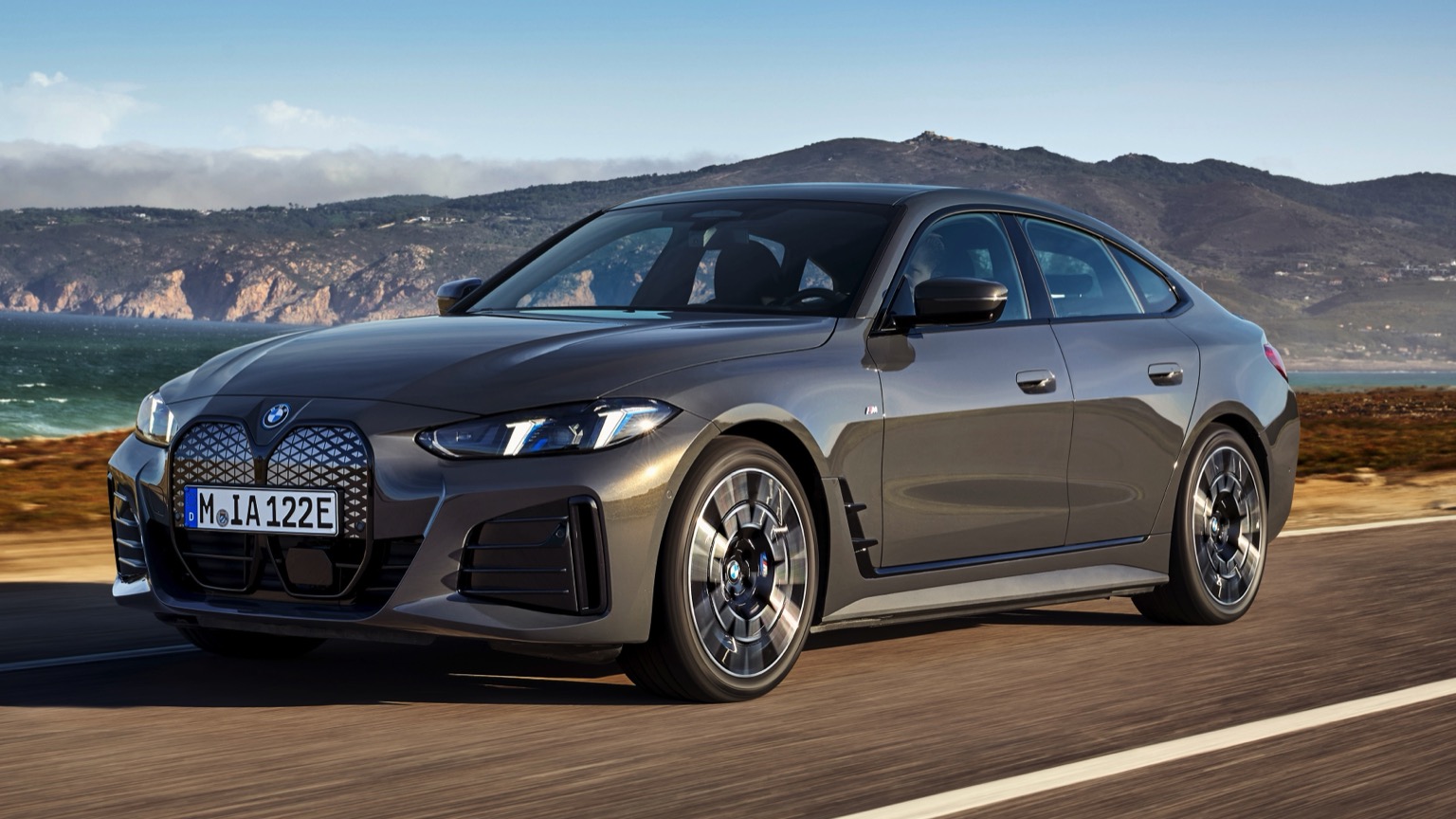
Eco modes reduce heating demand. Heated seats and wheel are efficient companions. Confirm the heat pump on your trim. It is not always standard everywhere.
All-wheel-drive versions handle snow better. Rear-drive cars need good tires. Charging speeds are good, not class-leading. Cold slows them. Precondition.
17. Hyundai Ioniq Electric
The Ioniq Electric is an older, efficient hatchback. It was a pioneer in low consumption. That frugality helps in winter. Its small pack is the limit. Cold hits real-world miles hard. Yet it handles winter reasonably well. The design is simple and light. A small cabin is cheap to heat.
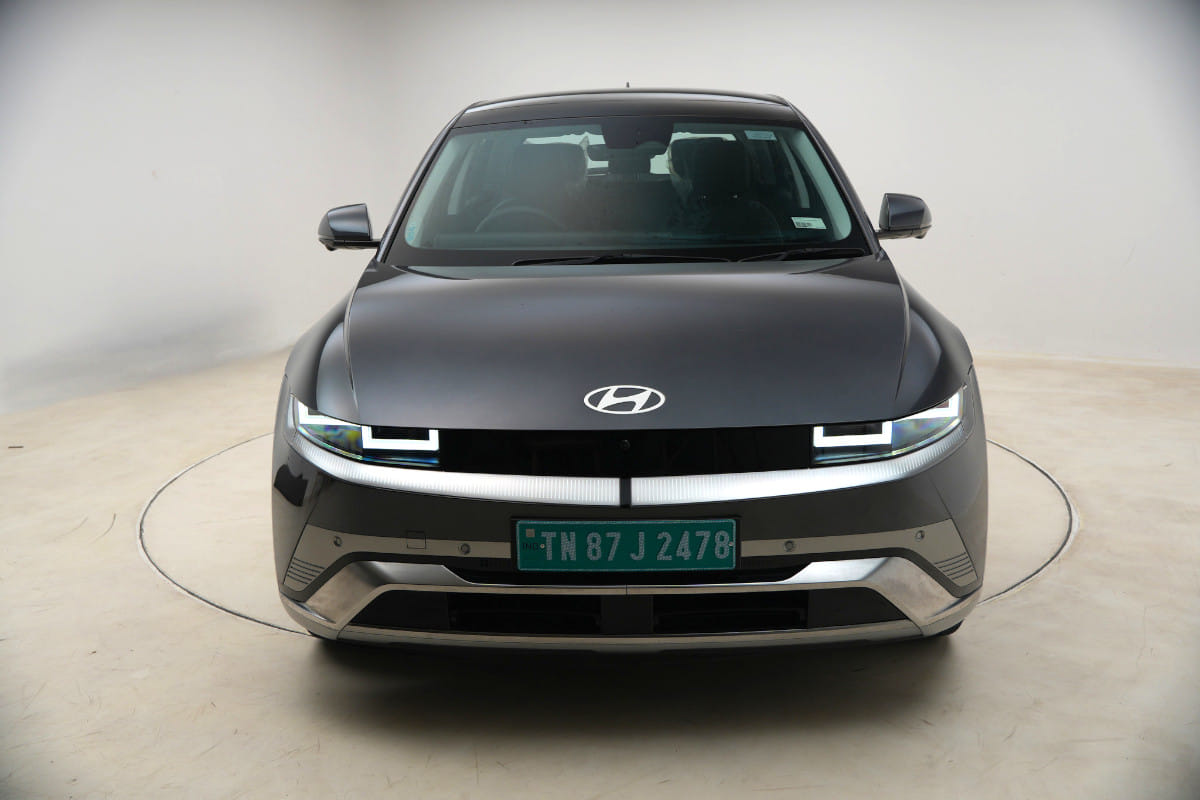
Later versions improved the thermal setup. Check the model year. Charging speeds are modest. Cold slows them further. It suits commuters with home charging. Preconditioning makes life easy. A frugal car loses fewer miles in absolute terms. Efficiency always counts. Combine trips to keep it warm.
18. Audi Q8 e-tron
The Q8 e-tron evolves the original e-tron. Audi improved efficiency and thermal management. That helps in cold weather. Heat pump availability varies by trim and market. That explains the mid-table result. The battery is large and the body is heavy. The buffer is useful. The weight still demands energy.
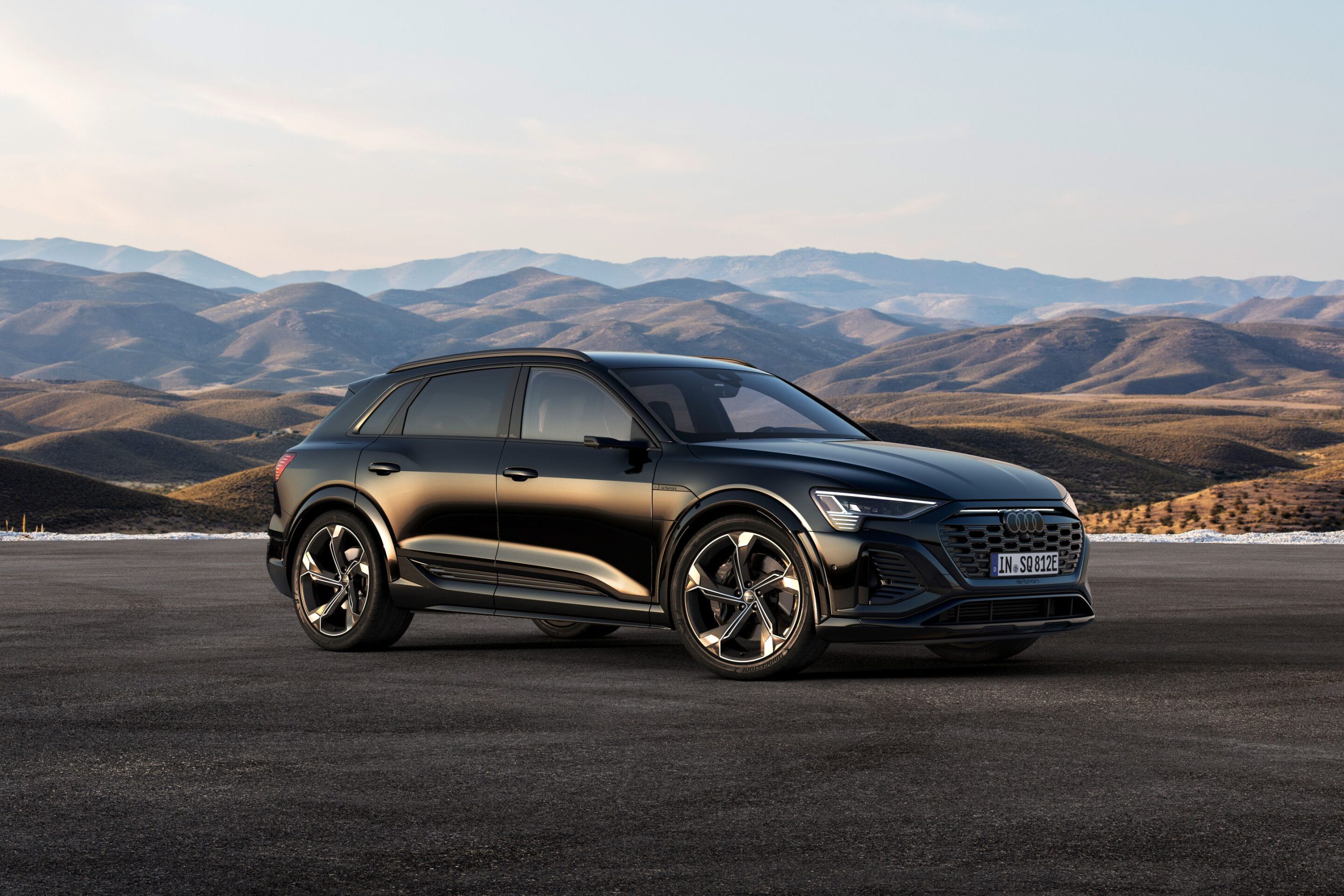
The shape is smoother than before. Aerodynamic tweaks help on the highway. Quattro drive gives confidence in snow. The cabin is quiet and well insulated. Preconditioning is essential. Warm the cabin on shore power. Then drive away with a warm battery. Check for the heat pump when buying used.
19. Jaguar I-Pace
The I-Pace is a stylish early luxury EV. Its winter performance is mixed. It sits near the middle. It has a good-sized battery and a sporty body. Its thermal design is dated compared to newer rivals. Heating draws noticeable power. Some model years add heat pump features. Earlier ones rely more on resistive heating.
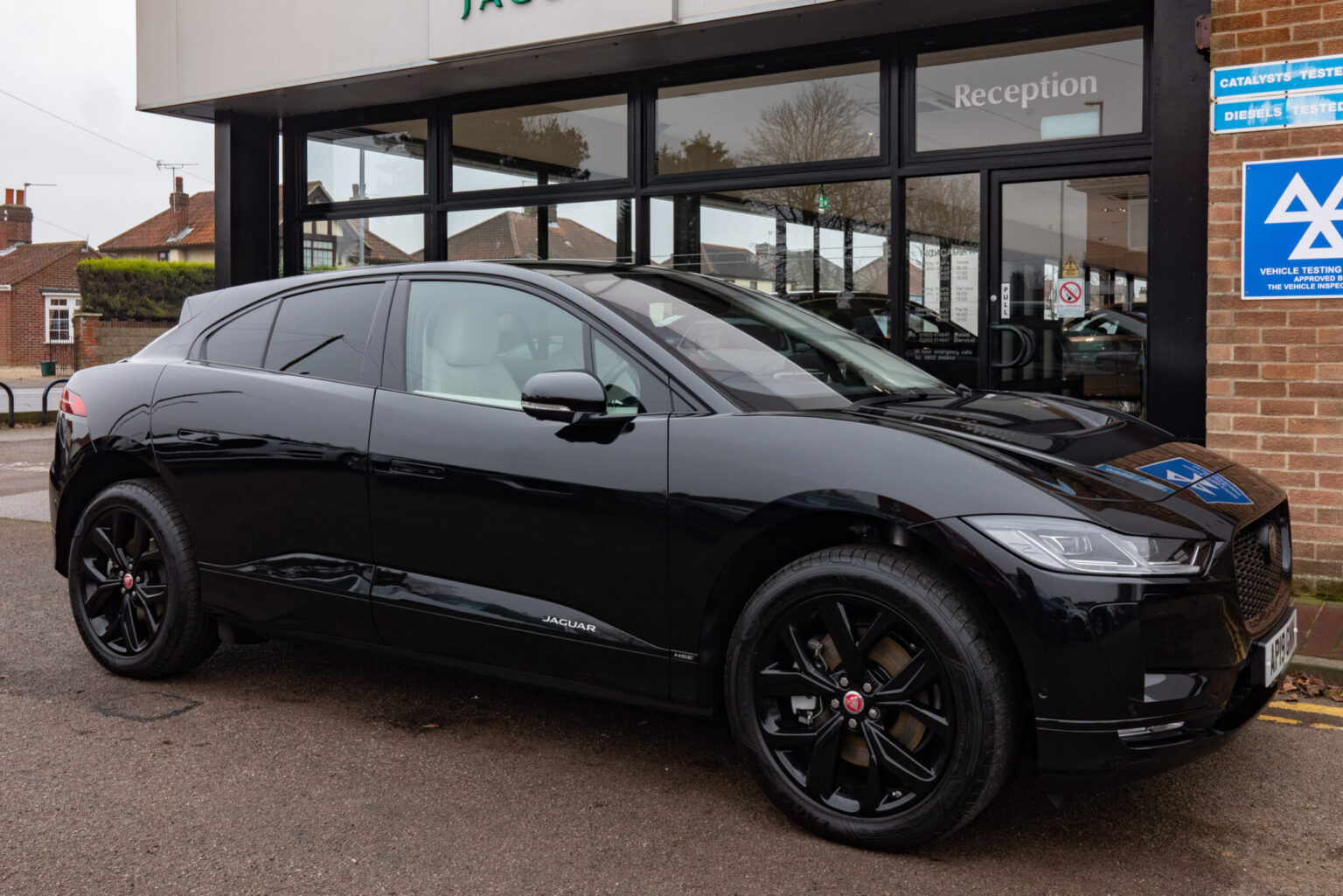
Software updates have helped over time. Ask about them when buying. Charging speeds are modest. Cold makes them slower. Allow extra time at fast chargers. It is pleasant to drive in cold weather. The ride is comfortable. Winter tires are a smart idea.
20. Ford Mustang Mach-E
The Mach-E is popular and roomy. Its winter results sit in the middle. They are slightly disappointing for a modern car. It leans largely on resistive heating.
That costs efficiency in the cold. Battery management is capable, not class-leading. The pack is sizable, so the buffer helps. The percentage loss is still noticeable.
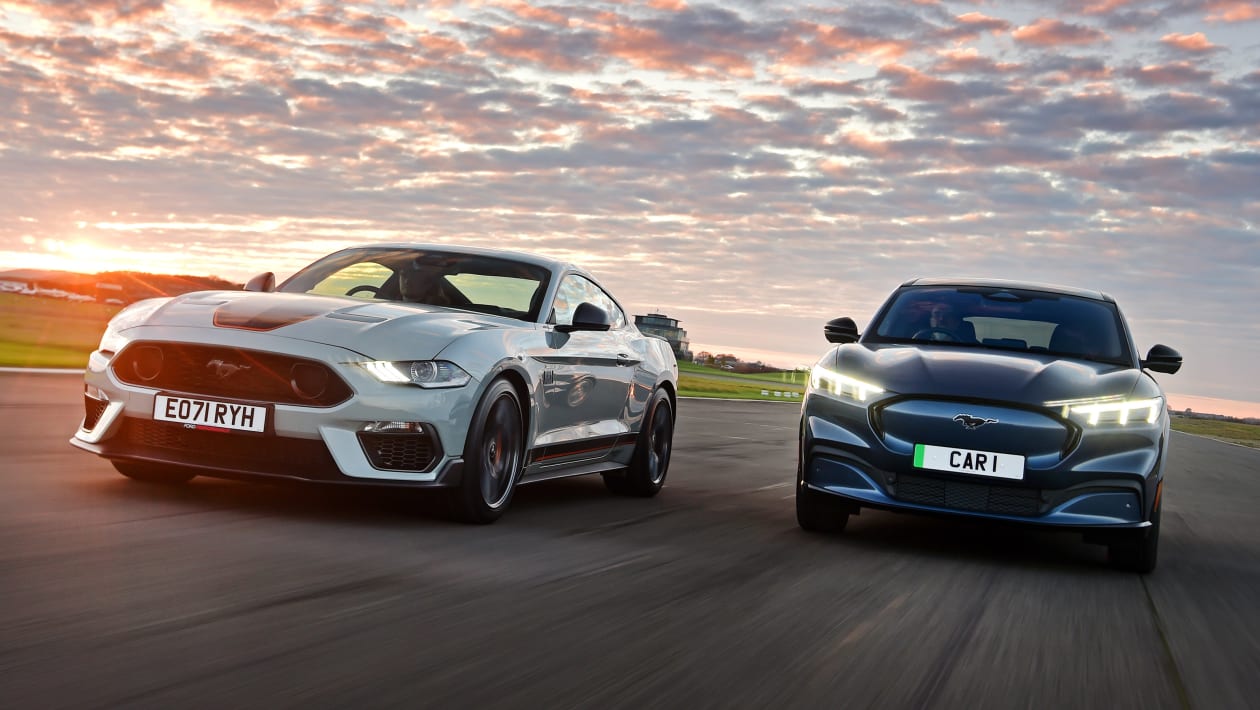
Preheating while plugged in helps a lot. Use the scheduling feature. Owners report big gains. All-wheel-drive versions handle snow well. Winter tires make it even better. Charging in the cold can be slow. Go through the charger so the car can precondition. Heated seats save energy.
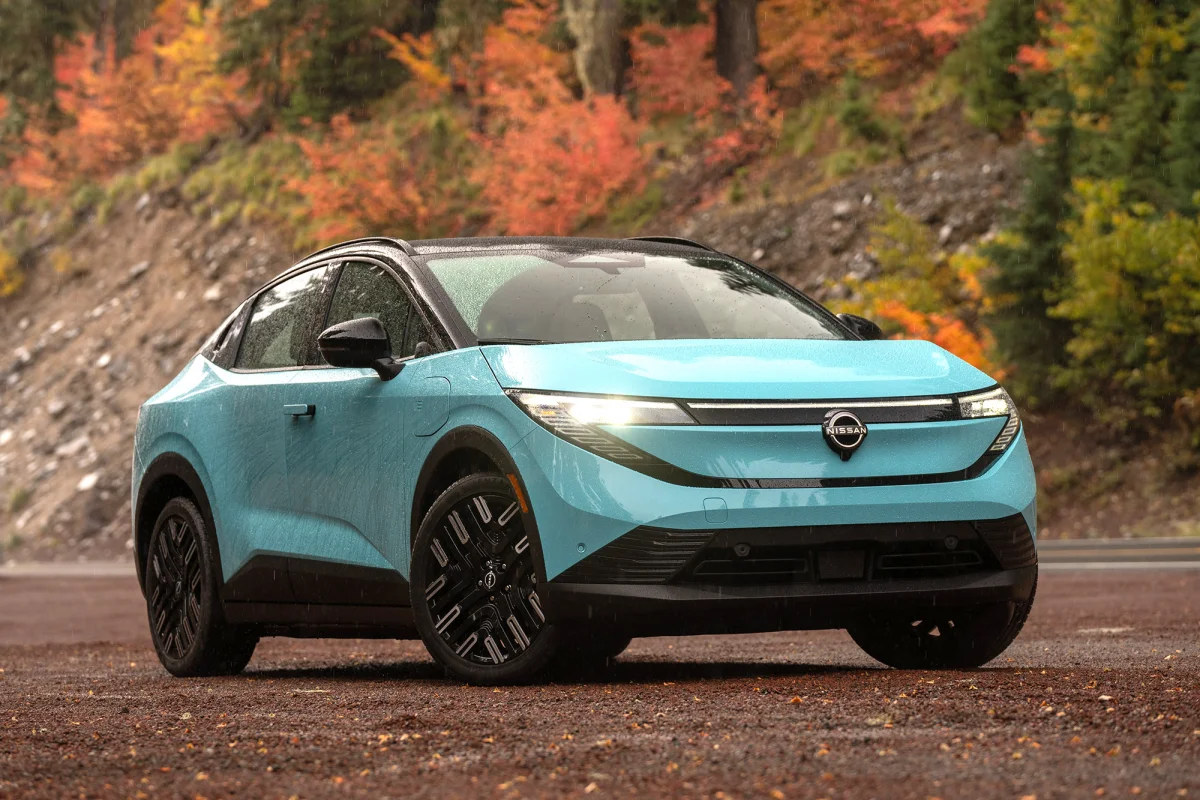
21. Nissan Ariya
The Ariya is a comfortable family crossover. Nissan offers a heat pump on some trims. That detail matters for winter range. Those trims do better in the cold. Others lean on resistive heating. Trim choice matters a lot. The body is smooth, and the battery is large. Efficiency is decent. Cold still dents it.
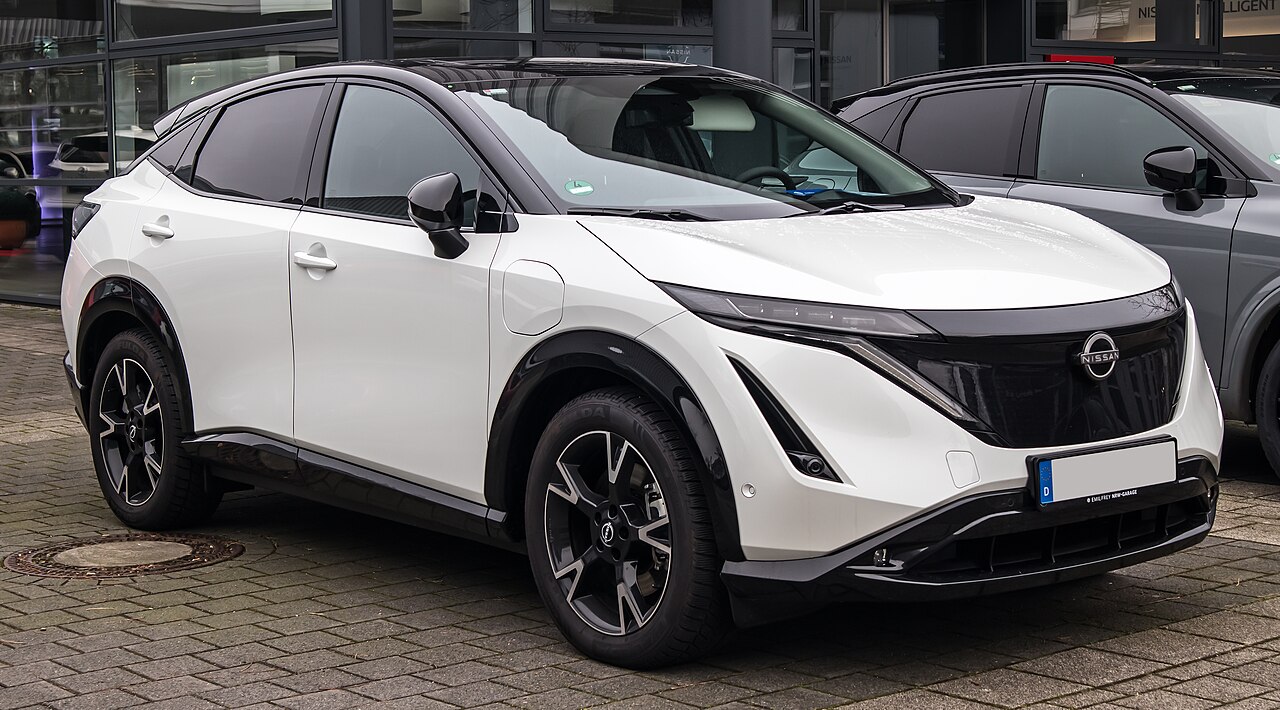
It has liquid thermal management for the battery. That is a big step up from the Leaf. The cabin is quiet and calm. Heated seats and a heated wheel make winter pleasant. Plug in nightly and use scheduled preheating. Start every cold day with a warm pack.
22. Kia EV9
The EV9 is a large three-row SUV. Its size works against it in winter. It ranks in the lower half. It has a heat pump, which helps. A big, heavy, boxy body still eats energy. Cold air makes it worse. The battery is large and gives a useful buffer. Retention is middling.
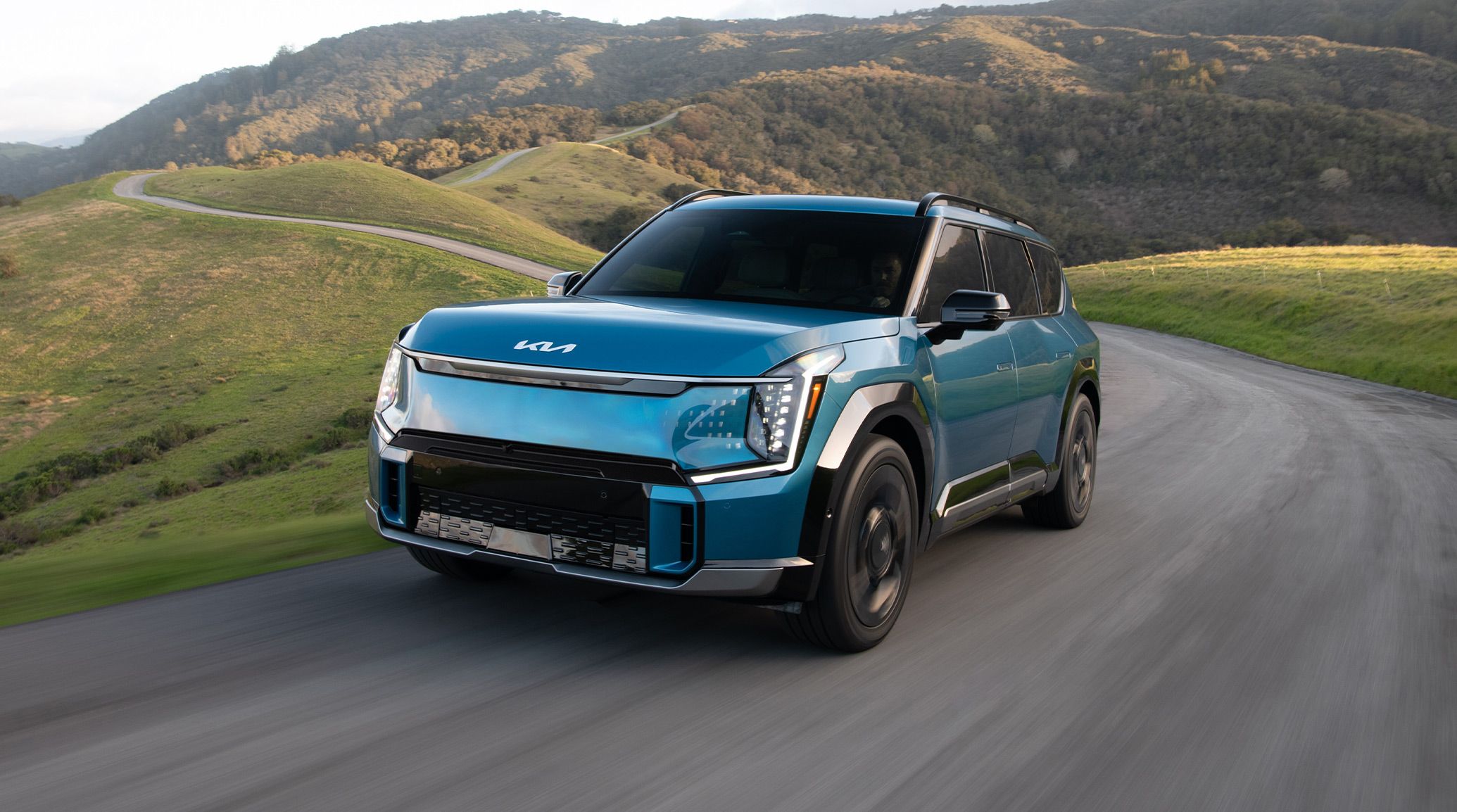
The cabin is vast and slow to warm. Heated seats become more valuable. A full load adds weight. Plan extra stops in deep winter. Precondition before every fast charge. Keep tire pressures correct. Low pressure raises consumption. Do not trust summer range figures. Plan ahead.
23. Rivian R1T
The R1T shares much with the R1S. Yet it ranks lower in this study. Equipment and build year likely explain it. Not every R1T has the heat pump. That gap affects the result.
The study separates the heat pump R1S. The truck shape and weight cost energy. Cold air intensifies that penalty. Off-road tires add rolling resistance.
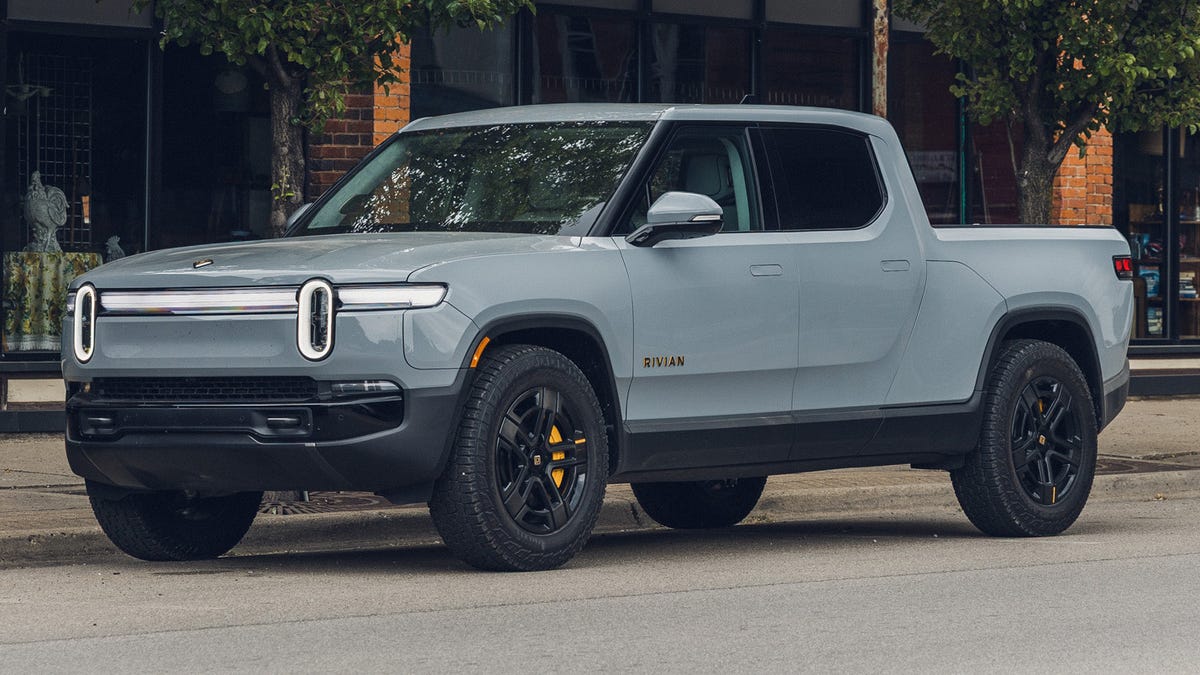
The battery is large, which helps the buffer. Winter losses remain noticeable. Traction is superb. Snow and ice hold little fear. Check your configuration. Heat pump versions perform better. Use navigation to precondition before charging. Allow time for slower speeds.
24. Audi e-tron Sportback
The e-tron Sportback is a sleeker e-tron. Its aerodynamics are slightly better. That helps at highway speeds. It shares the older thermal system. Resistive heating dominates. That limits winter retention. The large battery softens the blow. Real-world range remains decent. It is not a star in the cold.
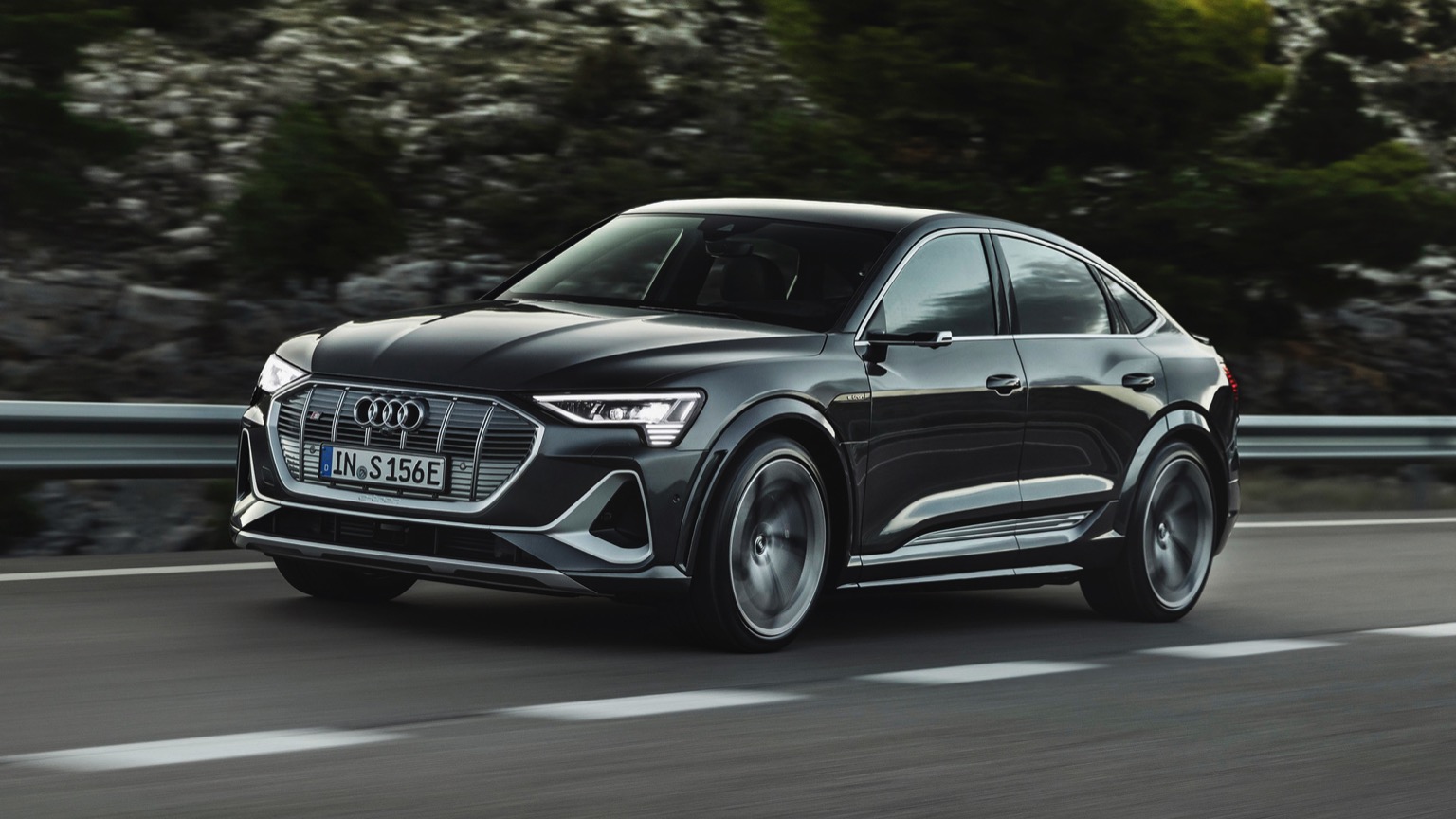
The car is heavy and powerful. All-wheel drive is excellent in snow. Seat heaters and preconditioning help. Use them every day. They stretch range with little effort. It sits just below the regular e-tron. The differences are small. The same trade-offs apply. Leave a comfortable margin on winter trips.
25. Hyundai Kona Electric
The Kona Electric is a compact, efficient crossover. Winter makes its story mixed. Some versions include a heat pump. Others do not. That split affects winter results.
Check the equipment list when buying used. A heat pump is a real bonus. The mid-size battery loses range quickly in the cold. The car stays efficient.
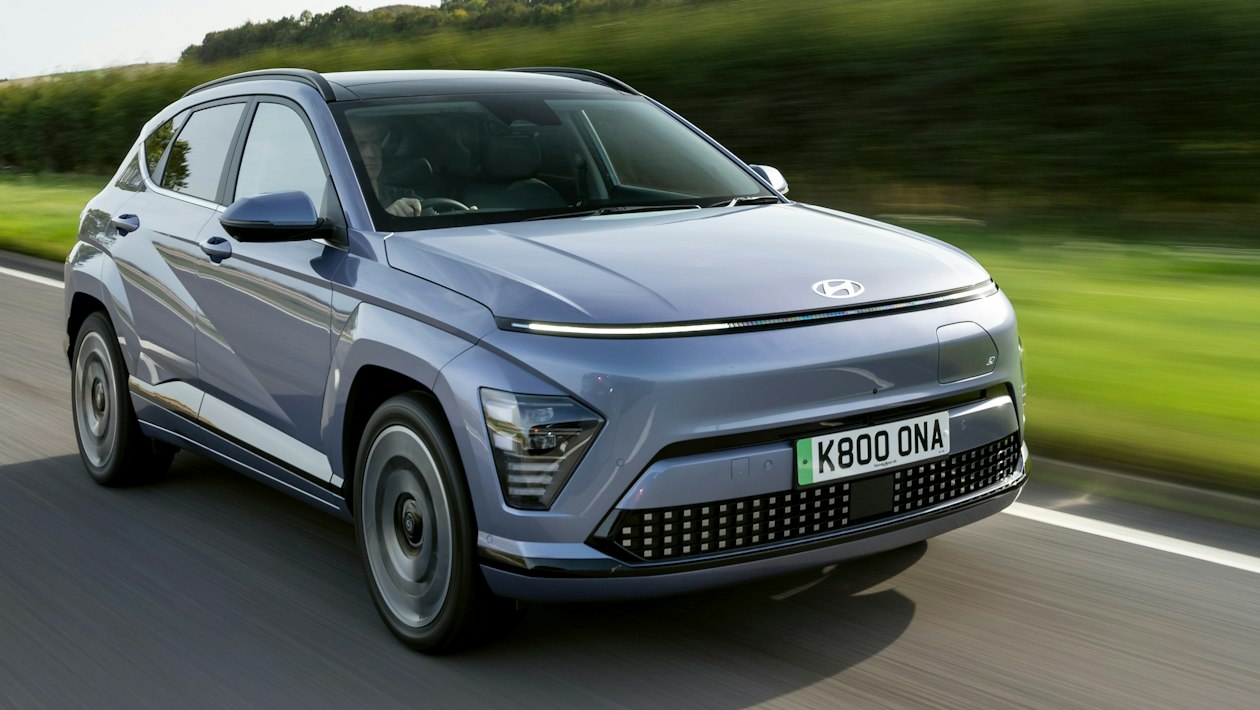
It is light and small. That keeps consumption low. The small cabin heats quickly. Heated seats help further. Charging speeds are moderate. Cold slows them. Plan stops with extra time. Precondition while plugged in. It helps every owner. Make it a habit.
26. Volkswagen e-Golf
The e-Golf is a small, civilized hatchback. It is a good commuter. Winter is not its best season. The small battery makes winter range tight. Heating consumes a meaningful share. Short trips are fine. Some versions offered a heat pump. It makes a noticeable difference. Early cars lack one.
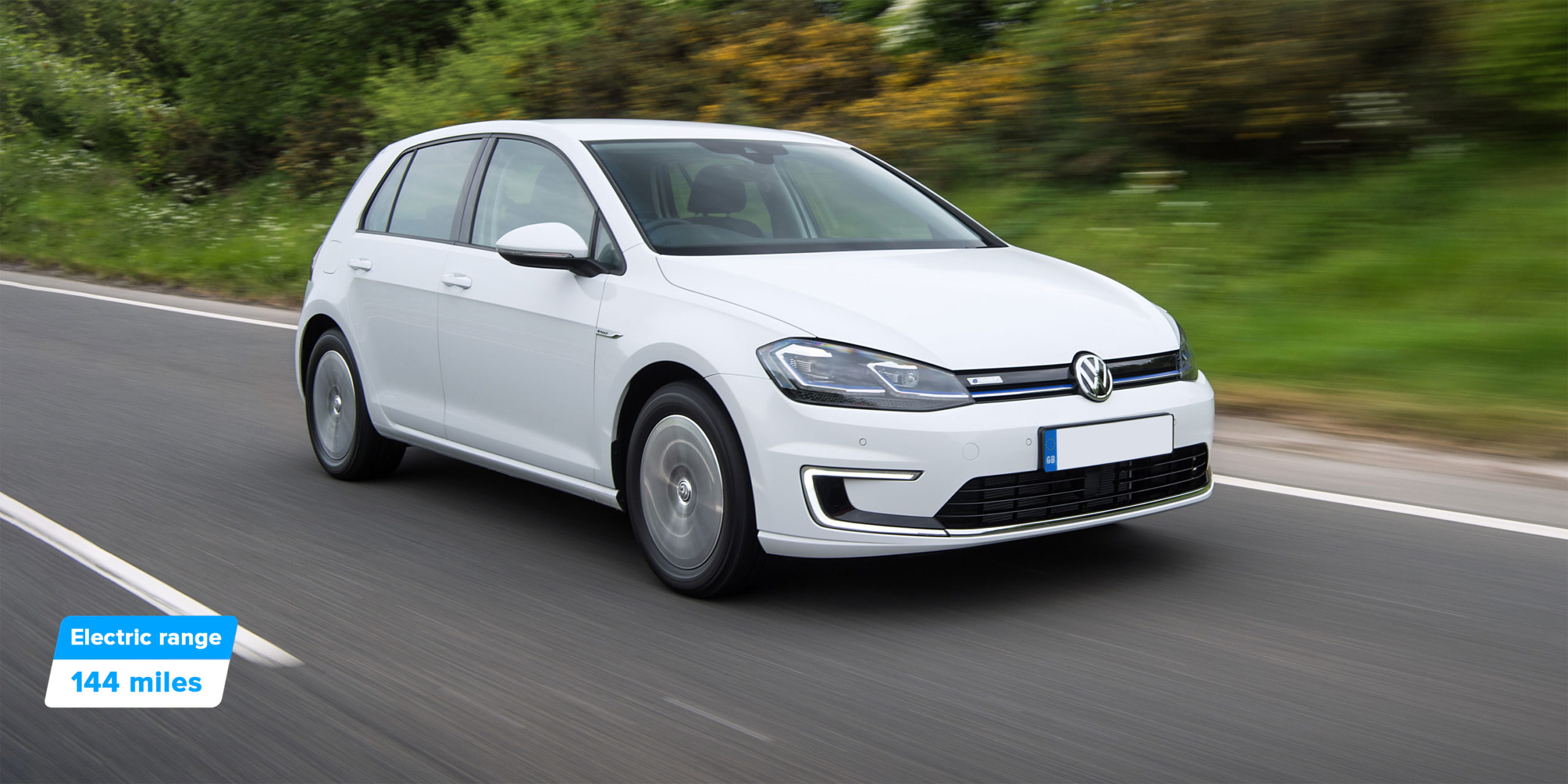
It is light and efficient. That helps in cold weather. Charging speeds are modest. Cold slows them. It suits home charging best. Park in a garage if you can. Precondition on shore power. Use heated seats to keep cabin heat low. Plan for less range than in summer.
27. Cadillac Lyriq
The Lyriq is a smooth, quiet luxury SUV. Its winter retention is below average. That is a little surprising for a new car. It has a big battery and a heavy body. Efficiency is middling. The shape is tall, so drag is higher. Heat pump availability depends on the version. Cars without one use more energy.
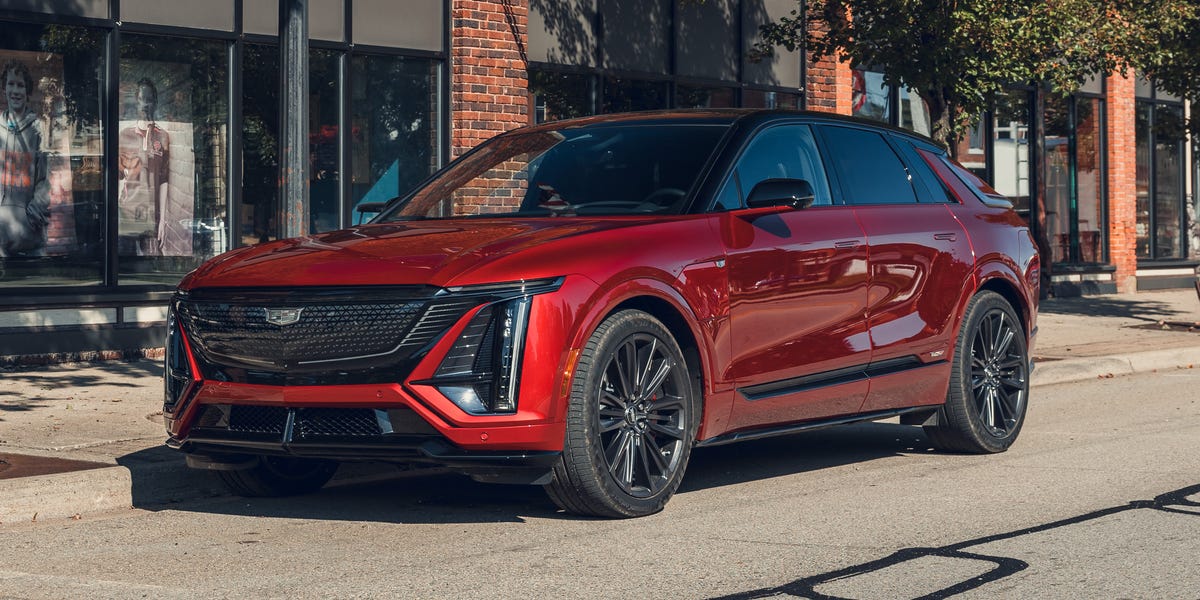
Heated seats are common. Use them first. Charging speeds are decent. Cold slows them. Preconditioning helps. All-wheel-drive versions handle snow well. Winter tires improve them further. Plan charging carefully on long trips. Do not push the battery low. Expect a larger loss than top performers.
28. Volkswagen ID.4
The ID.4 is a practical family crossover. Its winter reputation is mixed. It lands in the lower third. Early versions lack a heat pump in many markets. They rely on resistive heating. Range drops noticeably. Software updates have improved things. Later trims add better thermal management. Check the model year.
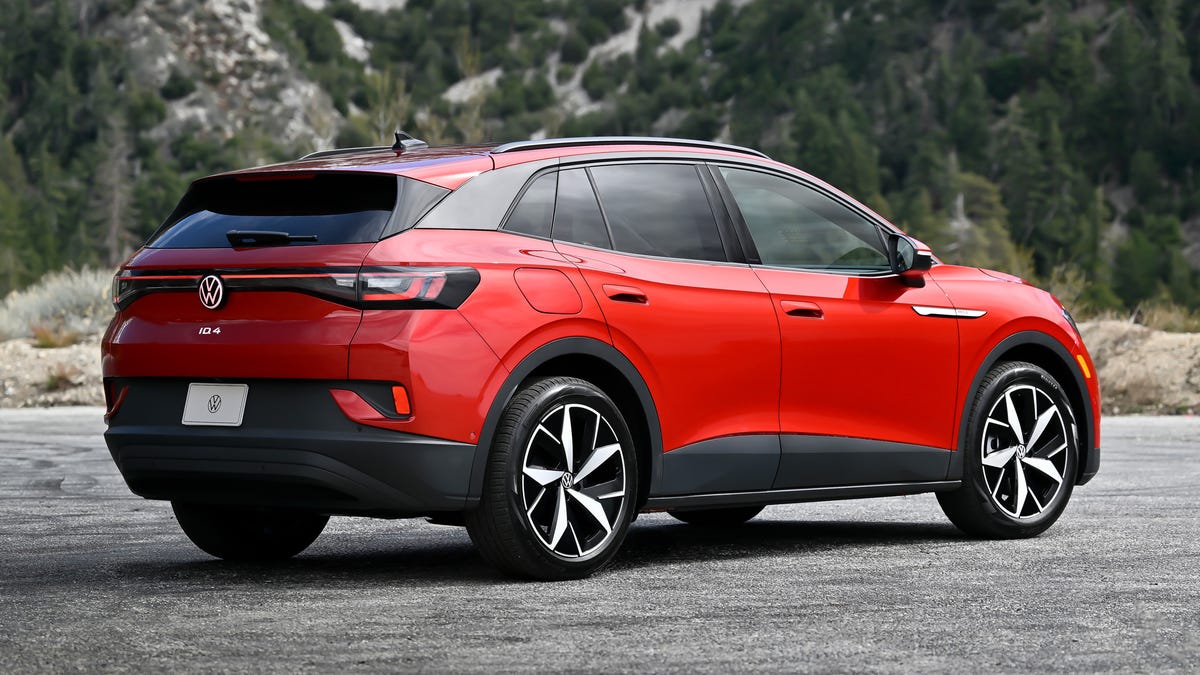
The shape is tall and not especially slippery. Cold drag adds up. Charging speeds are modest. Cold slows them more. Rear-drive versions need good tires.
All-wheel-drive versions are better in snow. Precondition every time you can. Plug in overnight. Heated seats save energy too. Keep the cabin cooler.
29. Chevrolet Bolt EV and EUV
The Bolt is affordable and efficient. Its winter results are below par. It has no heat pump. It uses resistive heating. Heating draws heavily from the pack. Range shrinks fast. The battery is moderate in size. Losses show up quickly. Short hops are fine.
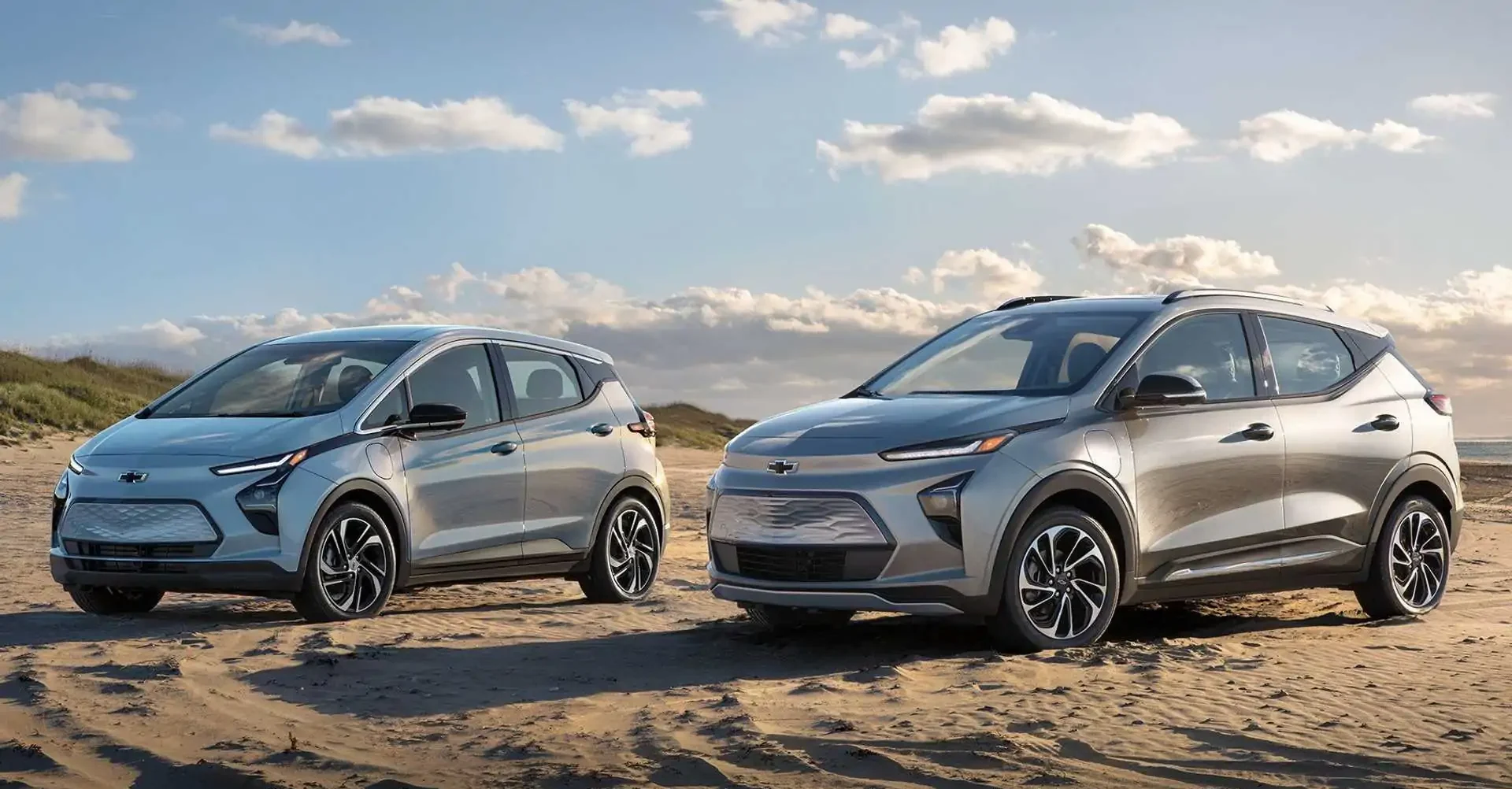
The car is light and compact. A small cabin warms quickly. Charging speeds are modest. Cold slows them further. It remains a great value. Winter driving simply needs planning.
Garage charging and preheating are strongly advised. Warm the cabin from the wall. Use the heated wheel and seats. Leave a margin. Short, predictable routes work best.
30. Chevrolet Equinox EV
The Equinox EV ranks surprisingly low. It has a heat pump on many trims, yet struggles. That result is a puzzle. The large, boxy shape raises drag. Cold air makes it worse. Efficiency suffers more than expected. Thermal software may also play a part. Early builds are still being refined. Updates could help.
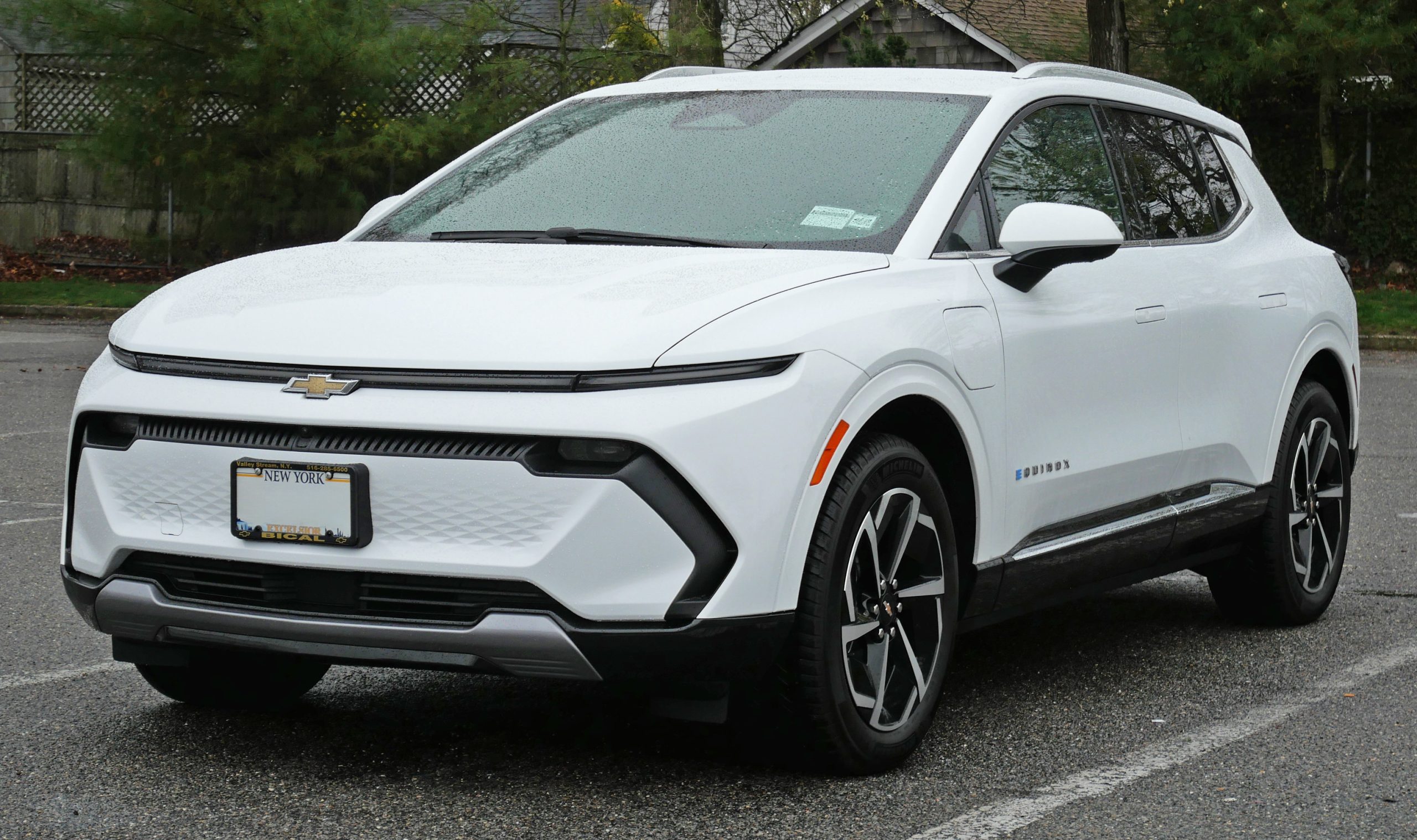
The battery is large, which helps the buffer. The percentage loss is still significant. It is spacious and affordable. Winter range just needs more planning. Expect a bigger hit than rivals. Charge more often in deep cold. Use scheduled preheating at home. Check for updates.
31. BMW i3
The i3 is a quirky, lightweight city car. It is an early pioneer. Winter is not its strongest suit. The small battery is the problem. Heating takes a large share. Range falls quickly. It lacks a modern heat pump. Resistive heating dominates. That hurts its result.
The carbon-fiber body keeps weight low. That cannot overcome the small pack. The tall, narrow shape adds drag. Cold air makes it worse. Some owners chose the range-extender version. It eases range worries. Keep trips short in the cold. Precondition while plugged in. Park in a garage when possible. It is still charming.
32. Chevrolet Blazer EV
The Blazer EV lands last. It holds roughly 69% of its range at 32 degrees. That matches the worst result in the study. It has a large battery and a heavy body.
Efficiency is not its strength. Cold air magnifies the problem. Thermal management appears less optimized than rivals. Early software issues may play a part. Improvements could follow.
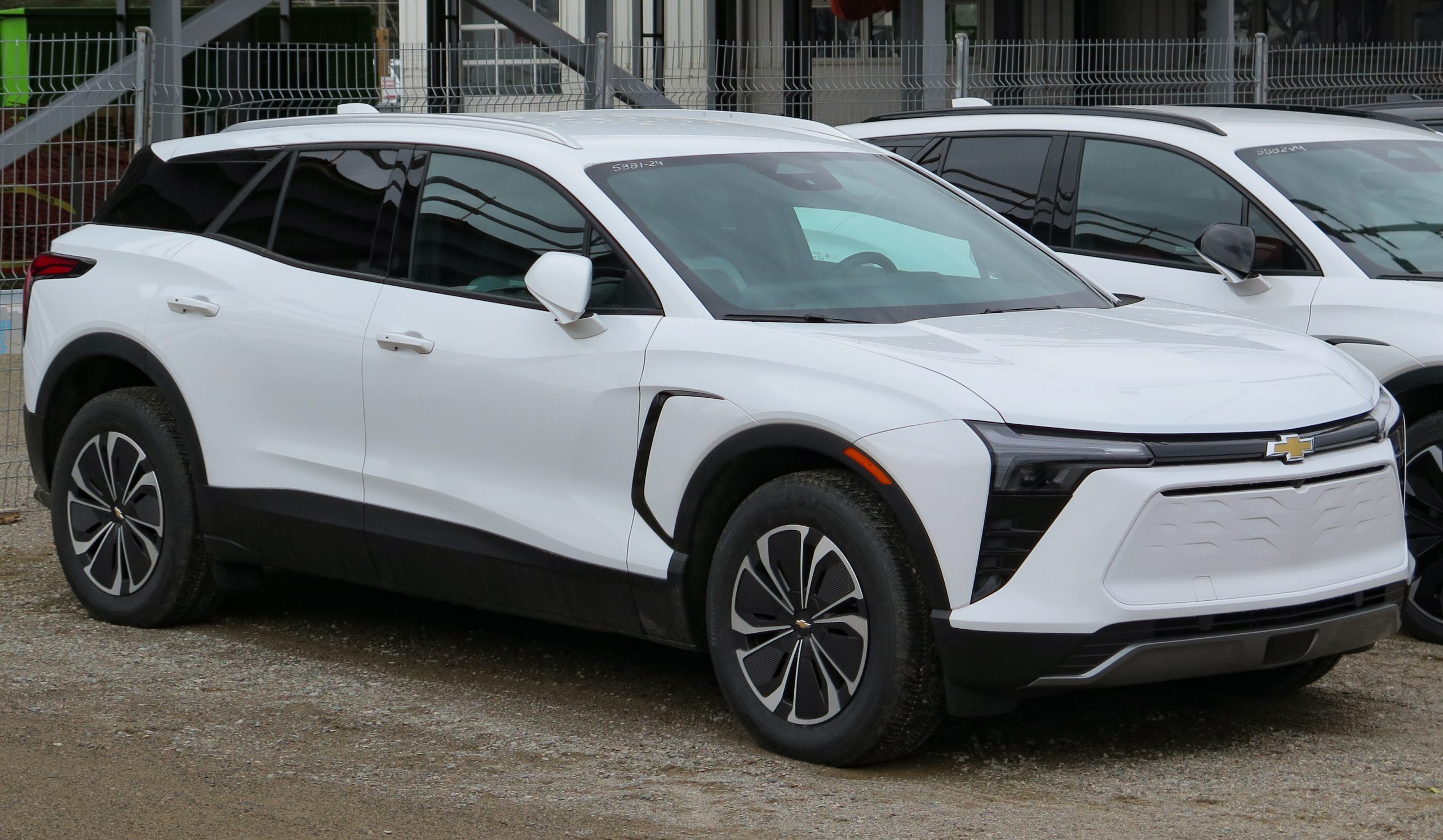
The shape is boxy and substantial. Drag is high at highway speeds. Charging is decent in good conditions. Cold slows it. Preconditioning is important. Expect more frequent charging stops. Leave a larger margin. Use scheduled preheating and heated seats.