Prices have climbed hard since 2021. By federal consumer price data, everyday goods now cost roughly a fifth more. Trucks rose with that tide at the dealership.
That raises a fair question for owners. Did your truck keep pace with inflation, or fall behind? Resale value tells the real story. A large price analysis of more than three million vehicles tracked what trucks lose in five years.
It compared each model against its original sticker price. It also adjusted the results for inflation. The findings split the market in two. Trucks lose about 34 percent in five years, which beats the 41.8 percent average for all vehicles. Yet inside that group, the gap is huge.
Some models keep nearly 83 percent of their value. Others lose close to half. Below are five trucks that held firm and five that slipped. Each has hard numbers behind it. Each has a clear reason.
5 Trucks Whose Resale Beat Inflation
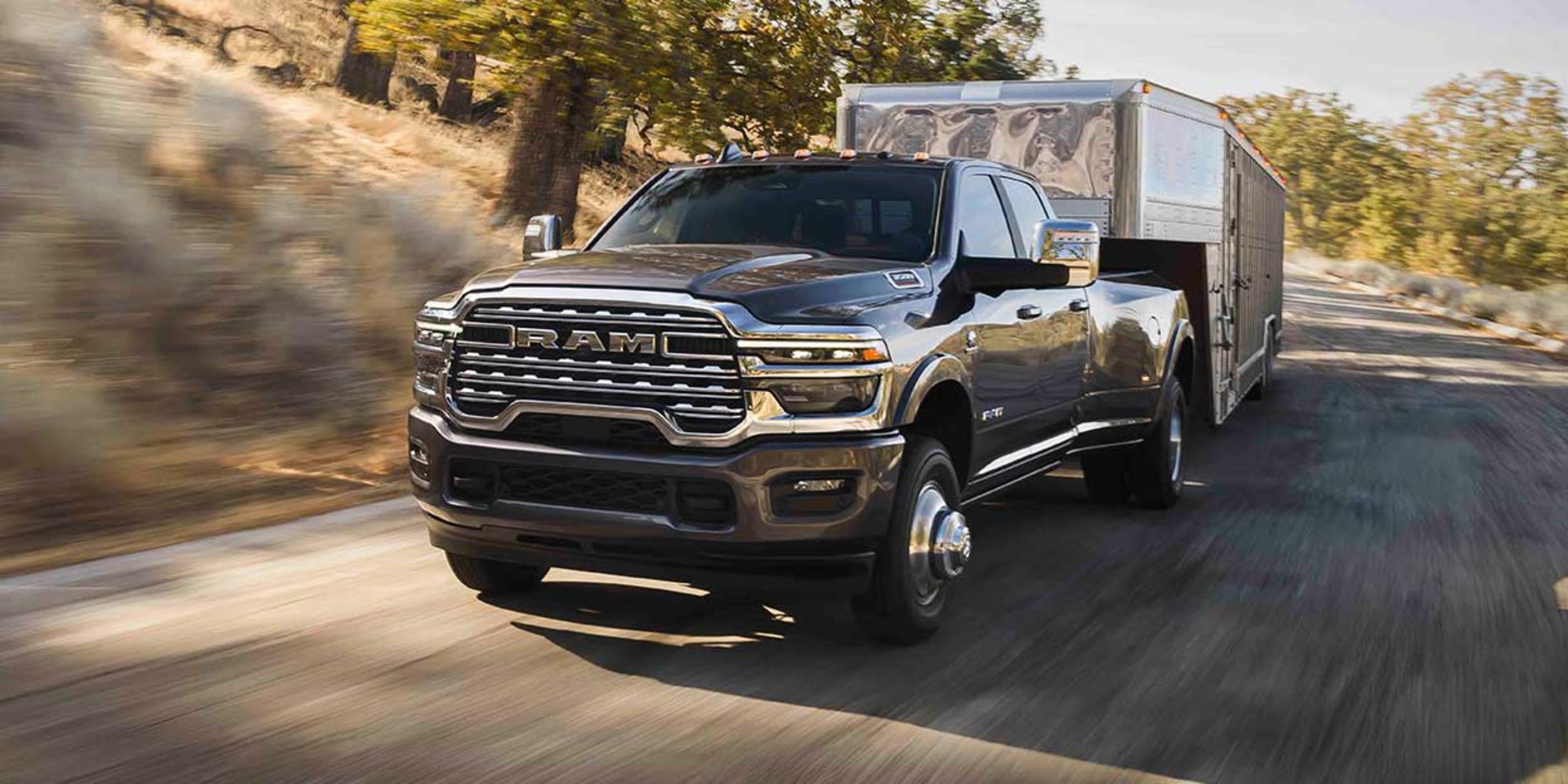
The Ram 3500 leads all trucks, keeping about 82.6% of its value after five years thanks to its Cummins diesel and limited supply. The Ford F-350 Super Duty follows near 80%, helped by fleet maintenance records.
The Toyota Tacoma retains 80.1%, topping the midsize class on reliability. The Toyota Tundra holds 78.6%, nearly 17 points above the full-size average, and the Ford F-450 keeps 77.7% as a specialist hauler with few rivals.
1. Ram 3500
The Ram 3500 leads every truck class in the study. It keeps about 82.6 percent of its value after five years. That is the best score among heavy duty trucks.
The heavy duty average sits near 77 percent. The 3500 clears it by more than five points. In a market where most vehicles sag, that is a rare result.
Buyers of this truck are rarely casual. They tow trailers, haul equipment and run job sites. They pay for capability and they keep paying for it on the used market. The Cummins diesel option plays a big part. It has a long reputation for durability. Used buyers trust it with high mileage.
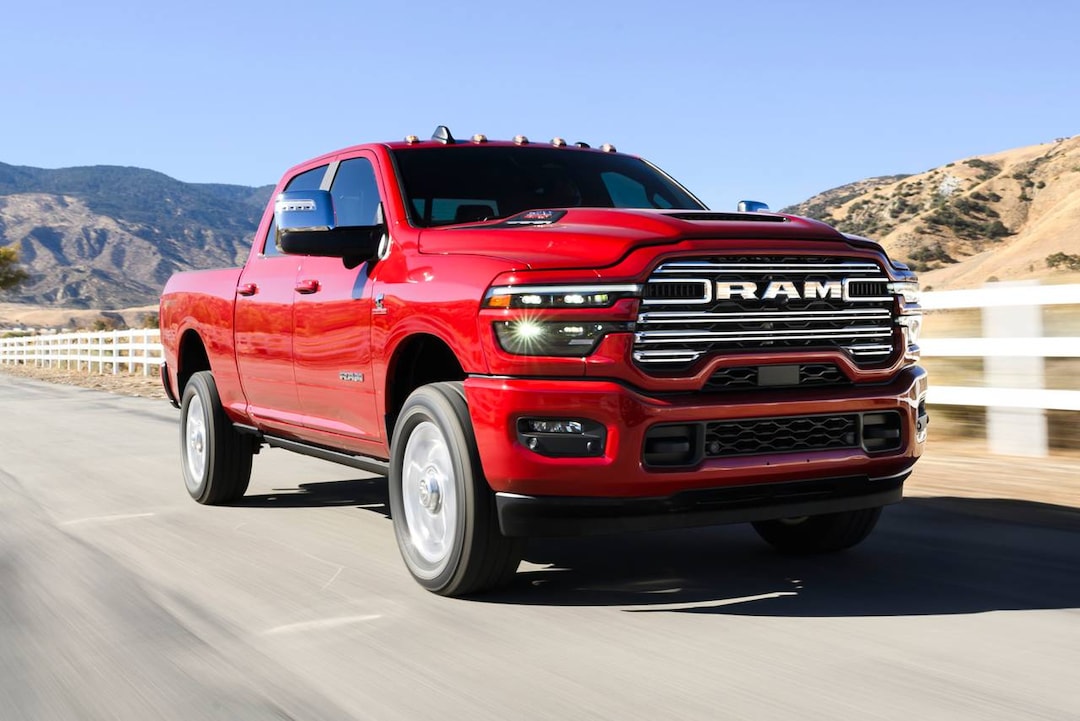
Dual rear wheel versions add another layer. They suit buyers who need real payload. That demand never fades. Supply also helps. Heavy duty trucks are built in smaller numbers than half-ton pickups. Fewer used examples reach the market. Prices stay firm as a result.
Inflation raised the cost of a new 3500 sharply. Used buyers then faced a simple choice. Pay a steep new price or pay up for a clean used one. Many chose the used one. That choice kept values high. The 3500 did more than keep pace with inflation. It held ground against it.
2. Ford F-350 Super Duty
The F-350 Super Duty ranks second among heavy duty trucks. Its resale value sits about 3.4 percent above the class average. That puts it near the 80 percent mark.
Ford sells this truck in huge numbers for its class. Many go to fleets and contractors. Those owners maintain their trucks well. Maintenance records matter in the used market. A truck with a clear service history sells faster. It also sells higher.
The F-350 also benefits from its six-seat crew cab layout. In the six-seater group, it ranks second. Its resale value there runs about 11.9 percent above that segment’s average.
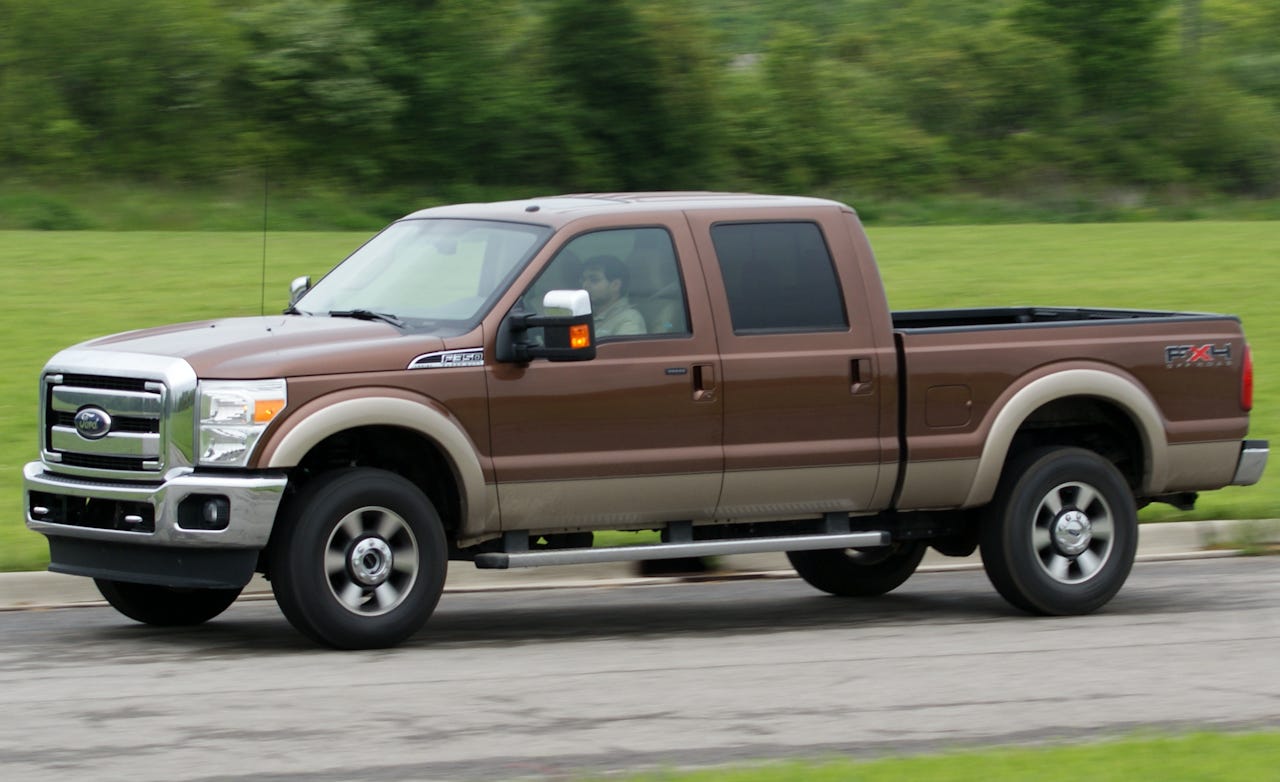
That tells a useful story. Buyers want space for a crew and power for a trailer. The F-350 gives both. Engine choice adds flexibility. Buyers can pick a gas V8 or a diesel. Each has loyal followers. Both hold value.
Rising new truck prices also pushed buyers toward used ones. A three- or four-year-old F-350 often costs far less than new. It still offers modern towing tech. That gap keeps demand strong. Strong demand keeps prices high. The F-350 shows how a work truck can act like a stable asset.
3. Toyota Tacoma
The Tacoma wins the midsize class. It keeps about 80.1 percent of its value after five years. The class average is 67.7 percent. That is a gap of more than twelve points. It is one of the widest leads in the study. An older analysis found the Tacoma losing only 26 percent in five years.
Reliability is the core of this story. Tacomas have a long record of high mileage without drama. Used buyers know it. A five-year-old Tacoma today is a 2021 model. That is the third generation.
It has a proven V6 and a manual option that enthusiasts still seek. Size matters too. Full-size trucks have grown large and costly. Many buyers want something easier to park and cheaper to run.
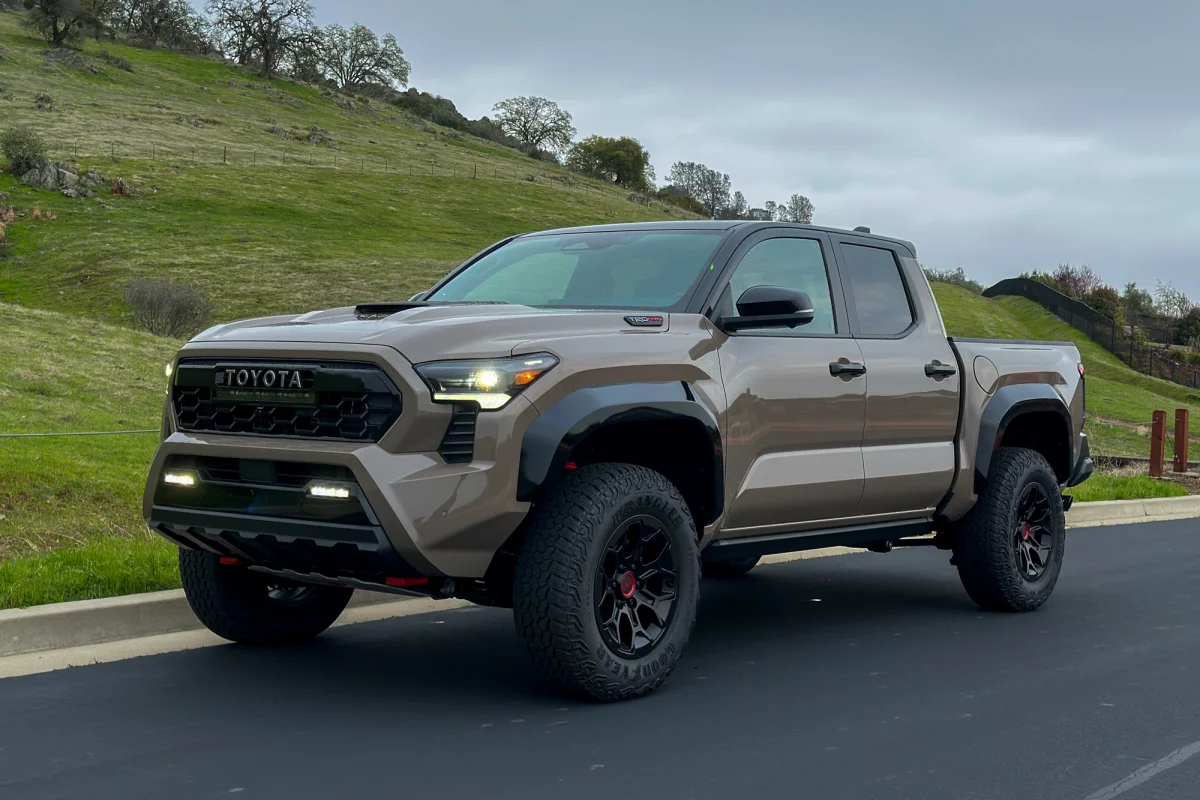
The Tacoma fits that need. It still handles trails, towing and daily commuting. Few rivals match that mix. Off-road trims have a cult following. Models like the TRD Pro often sell for near new prices. Demand outruns supply.
Inflation hit new truck sticker prices hard. A used Tacoma offered a cheaper way into a trusted nameplate. Buyers lined up for them. That is why its resale held up. It is simple. People trust it, and they pay for that trust.
4. Toyota Tundra
The Tundra tops the full-size class. It retains about 78.6 percent of its value after five years. The full-size average is only 61.7 percent. That makes it nearly seventeen points ahead of the pack. In this segment, that is a big edge. Most rivals lose far more.
The truck on used lots today is the older generation. It runs the proven 5.7-liter V8. That engine has a strong record for longevity. Toyota built the Tundra in modest volumes.
It never chased fleet sales the way rivals did. Fewer trucks means fewer used ones. That scarcity props up prices. A clean Tundra is not easy to find. Sellers know it.
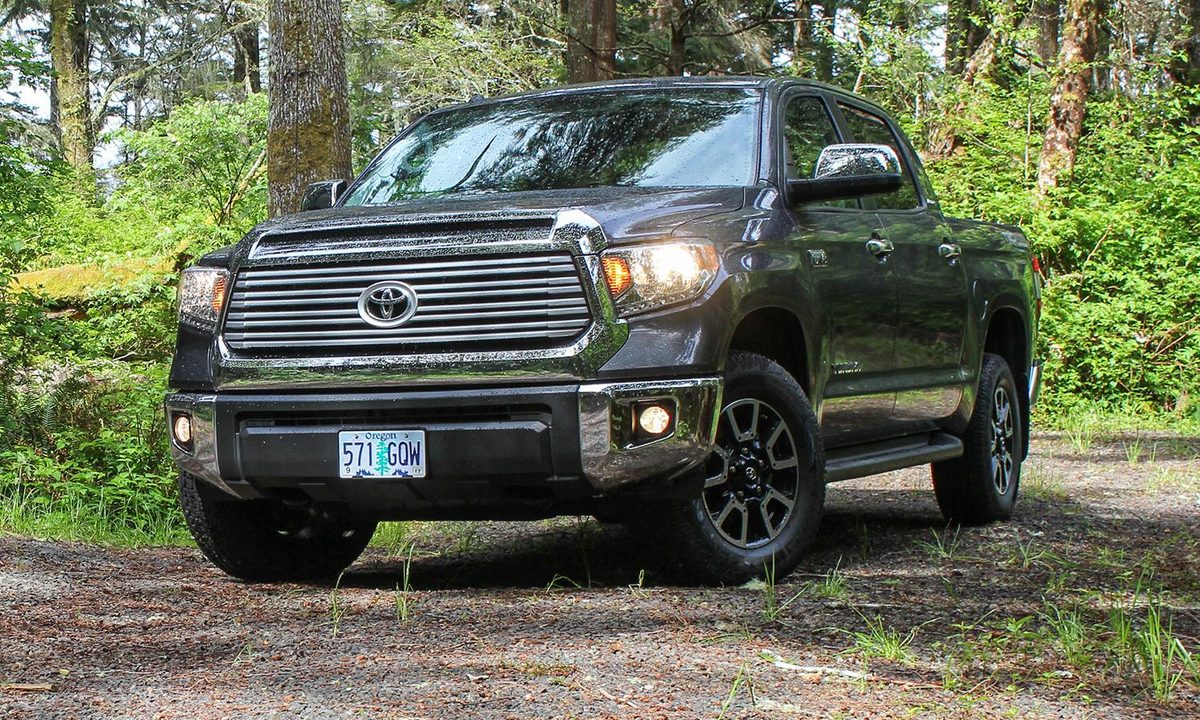
The Tundra also carries Toyota’s image for lasting quality. Owners keep these trucks for a decade or more. Many reach very high mileage. The newer hybrid version also leads its class. It sits about 8.2 percent above the hybrid full-size average. That shows the pull of the badge.
Inflation made new full-size trucks painful to buy. Many buyers crossed over to used ones. They wanted something dependable. The Tundra answered that call. Its used values stayed firm while competitors faded. It is the clearest example of reputation turning into cash.
5. Ford F-450 Super Duty
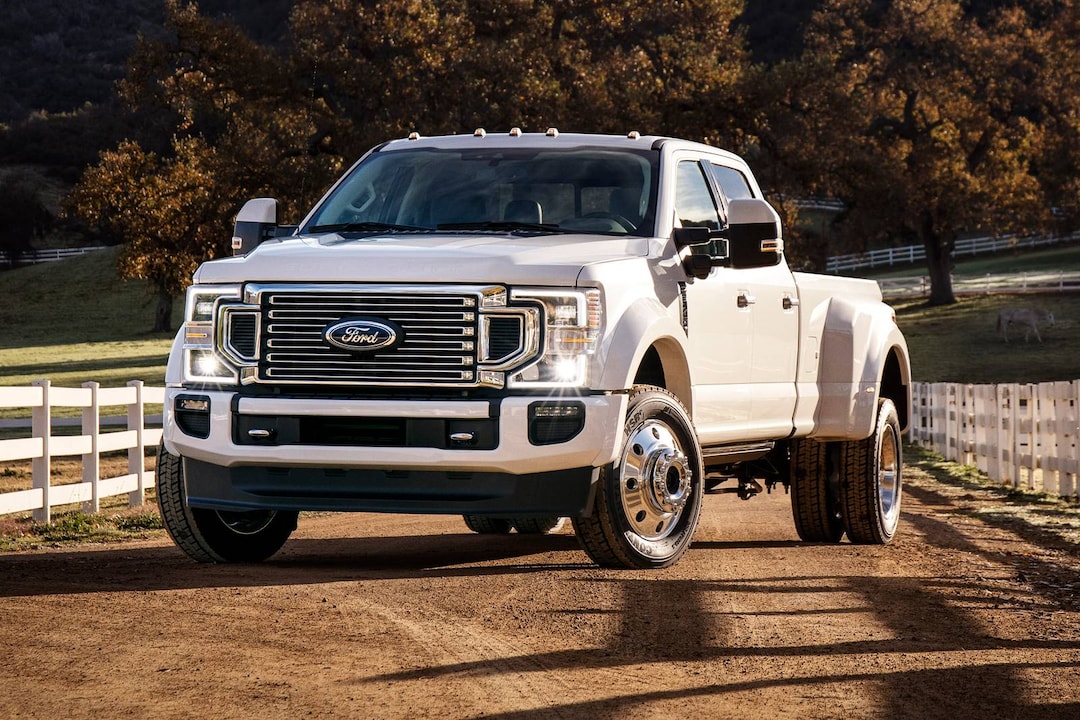
The F-450 Super Duty keeps about 77.7 percent of its value after five years. It ranks third among six-seater trucks. It sits about 9.2 percent above that group’s average.
The average five-year-old F-450 sells for around $71,517. That is a striking figure for a used truck. It shows how high the bar sits. This is a specialist machine. Buyers use it for heavy trailers, large campers and commercial work. Few alternatives exist.
That narrow focus protects values. When a truck has no true rival, demand holds. Used buyers have fewer places to go. New prices pushed even higher in recent years. A well-equipped F-450 can cross the $90,000 mark. Used examples became the smarter path for many.
Powertrain strength adds trust. The diesel option offers big torque for towing. Buyers expect a long life. Cost of ownership also supports resale. These trucks are built to work for years. Owners often keep detailed records.
Inflation inflated every part of the heavy duty world. Steel, labor and electronics all cost more. That lifted replacement costs and kept used prices high. The F-450 did not just match inflation. It rode it. Few vehicles can say the same.
5 That Did Not
The Nissan Titan lost about 48.1% and the Titan XD roughly 47.9%, hurt by low sales and discontinuation. The Ford F-150 Lightning keeps only 47-48% amid battery worries and lost incentives. The Rivian R1T retains about 45.5%, and the Chevrolet Silverado EV shows early losses of 45-55% within two years.
1. Nissan Titan
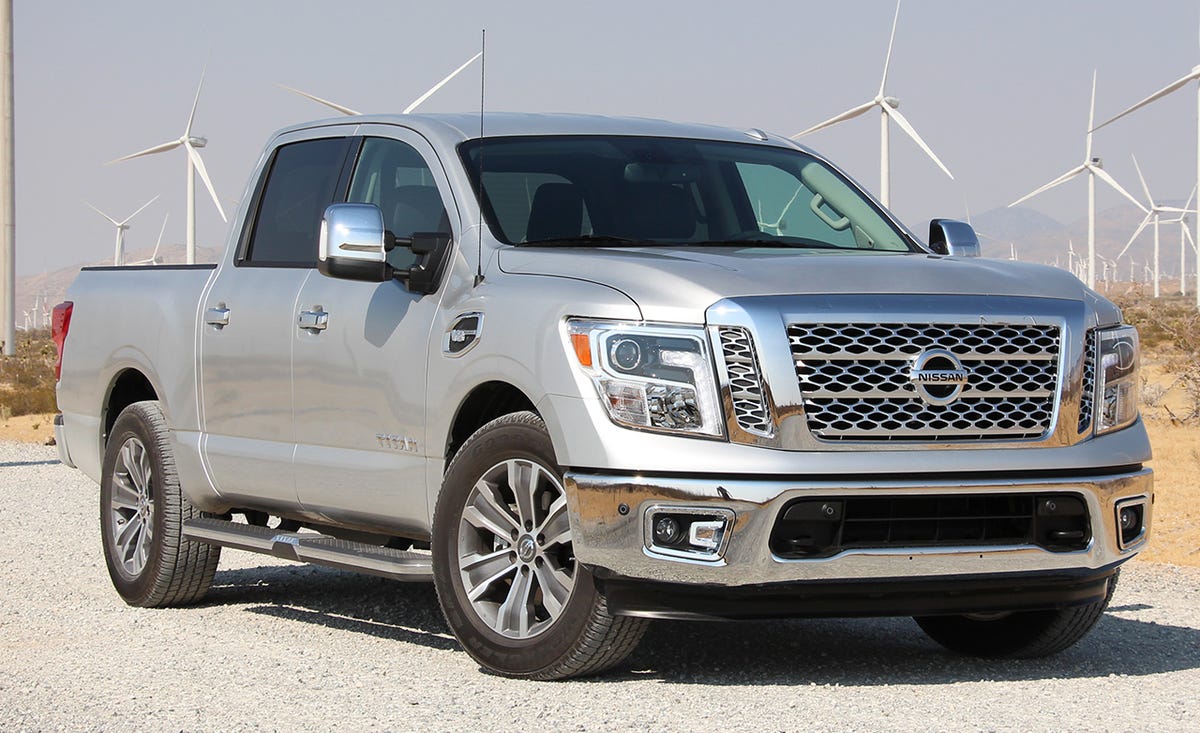
The Titan lost about 48.1 percent of its value in five years. That is roughly $22,459 gone from the original price. It trails the leaders by a wide margin.
The full-size class average is a 38 percent loss. The Titan fell well below it. It never found a comfortable place in the market. Sales tell the first part of the story. The Titan always trailed the F-150, Silverado and Ram 1500. Low volume meant low brand presence.
Nissan then ended production after the 2024 model year. That news hit resale hard. Buyers fear orphaned models. Parts and service support rarely vanish overnight. Still, perception matters. Many shoppers simply skip a discontinued truck.
The Titan also lacked a hybrid or electric option. Rivals kept adding features. The Titan stood still. Dealers often discounted new Titans heavily. Big rebates push down used prices. Used buyers see the gap and expect a bargain.
Inflation made things worse. New truck prices rose across the board. The Titan’s used values did not rise with them. An owner who bought one in 2021 lost ground in real terms. The truck was solid. The market simply moved on.
7. Nissan Titan XD
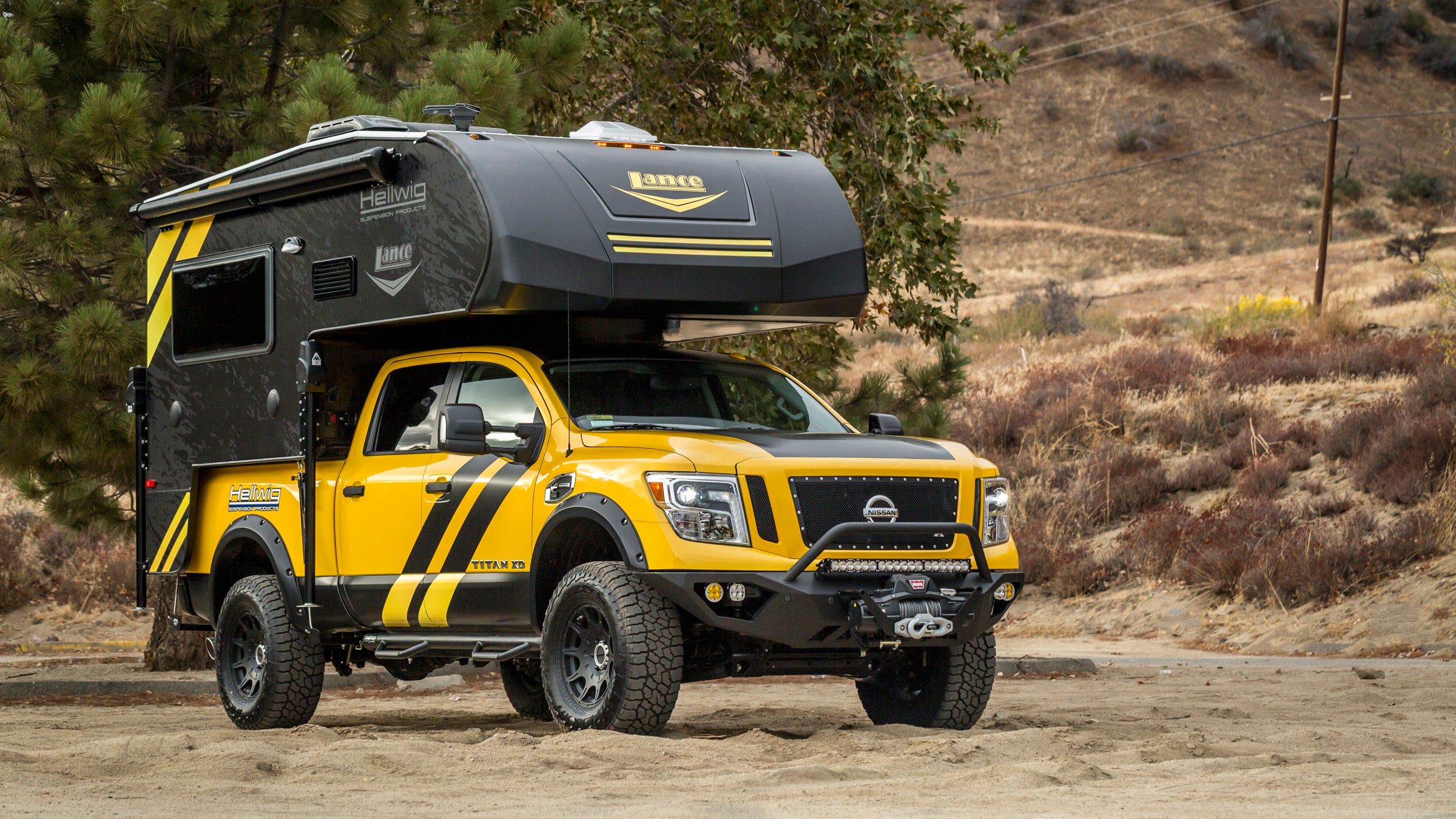
The Titan XD fared slightly better on percentage but worse in dollars. It lost about 47.9 percent of its value. That equals roughly $25,306. The XD was a bigger, pricier version of the Titan. It offered a Cummins diesel option. On paper, that sounded like a winner.
In practice, it landed in an awkward spot. It was heavier than a half-ton and lighter than a true heavy duty. Many buyers found no clear reason to pick it.
Half-ton buyers chose the F-150 or Ram 1500. Heavy duty buyers chose the F-250 or Ram 2500. The XD fell between them. Its fuel economy did not shine either. Towing numbers trailed true heavy duty rivals. The middle path pleased few.
Low sales volume hurt resale. A thin used market makes pricing hard. Dealers hesitate to stock slow movers. Discontinuation of the Titan line made it worse. Used buyers worry about long-term support. That worry cuts the price they will pay.
The dollar loss is the sharp edge here. A buyer who paid a high price lost over $25,000. That is a heavy bill. Inflation made new XDs costlier, yet used ones barely moved. The gap between what owners paid and what they got back widened.
8. Ford F-150 Lightning
The F-150 Lightning leads electric full-size trucks on resale. Yet that title carries a warning. It retains only about 47 to 48 percent of its value. The electric full-size average is about 45.3 percent. The Lightning clears it by a small margin. Even the best performer loses more than half.
Compare that with the Tundra at 78.6 percent. The distance is enormous. Electric trucks live in a different value world. Several forces drive this gap. Battery worry sits at the top.
Used buyers fear costly pack replacement. Technology also moves fast. Newer models offer more range and faster charging. Older ones feel dated sooner.
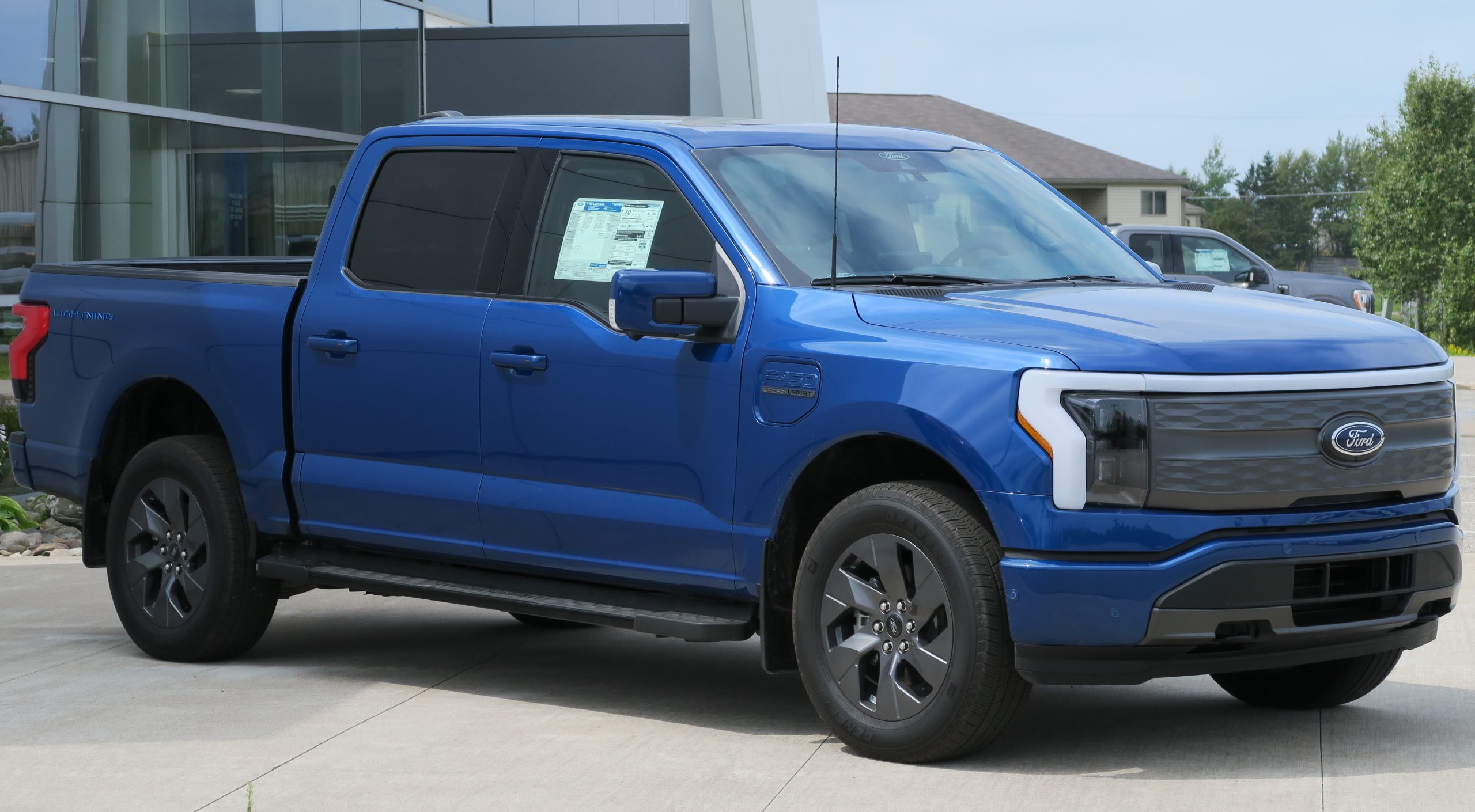
Incentives matter too. The federal purchase credit for new EVs ended in late 2025. Without that support, used prices lost a prop. New EV pricing also dropped through discounts. Lower new prices drag used values down. Owners feel it first.
Real world towing hurts range. Many buyers expect a truck to haul. An EV truck loses a large share of range when it does. The Lightning is a capable machine. Many owners love it. The market just values it far below its gas sibling. Against inflation, the result is poor. A buyer lost far more than prices rose.
9. Rivian R1T
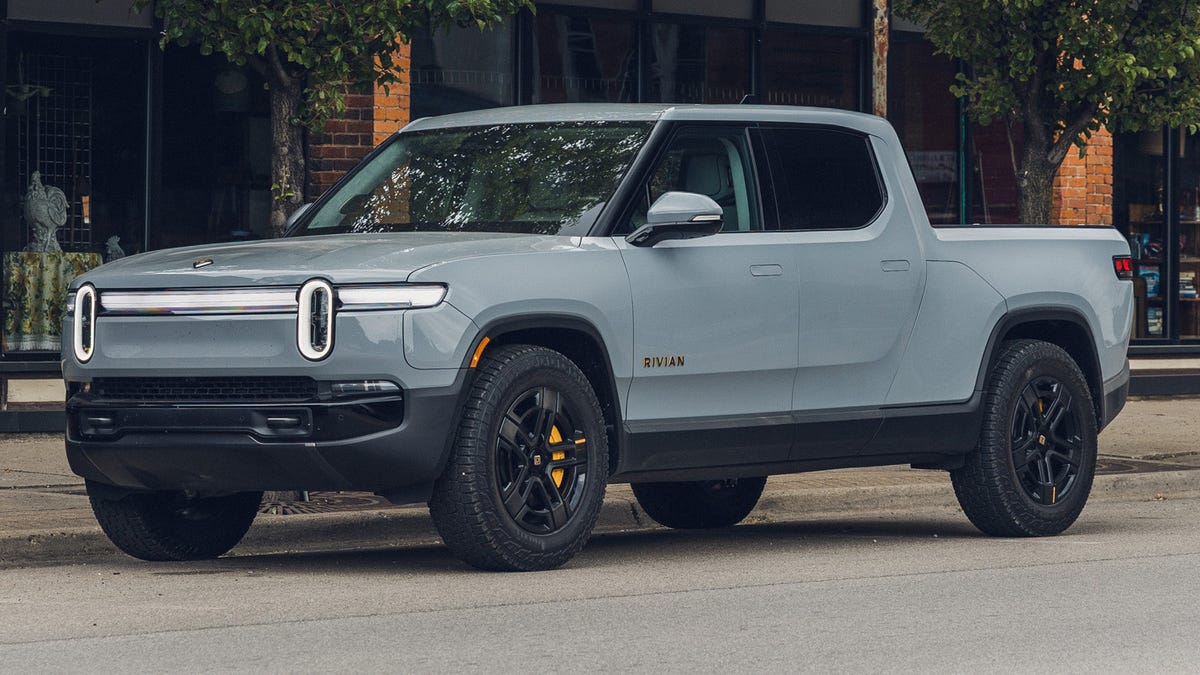
The R1T tops electric midsize trucks on resale. Even so, it keeps only about 45.5 percent of its value. That is essentially the class average. This truck launched at a premium price. Many trims climbed well above $70,000. A high start means a large dollar drop.
Rivian is also a young company. Used buyers weigh long-term support. A newer brand carries more perceived risk. Service access plays a role. Rivian has fewer service centers than legacy brands. Repairs can mean long waits.
Software updates add another layer. They can improve a truck. They can also confuse buyers who prefer simple machines. The R1T draws strong enthusiasm from its owners. Reviews praise its speed and off-road skill. Yet enthusiasm does not equal resale strength.
Battery size and warranty matter heavily here. Buyers want proof of lasting packs. Five years of data is still thin. The market also grew crowded. More electric trucks arrived.
Choice pulled prices down. For inflation, the math is harsh. An owner who paid a premium lost more than half. That is a steep price for early adoption.
10. Chevrolet Silverado EV
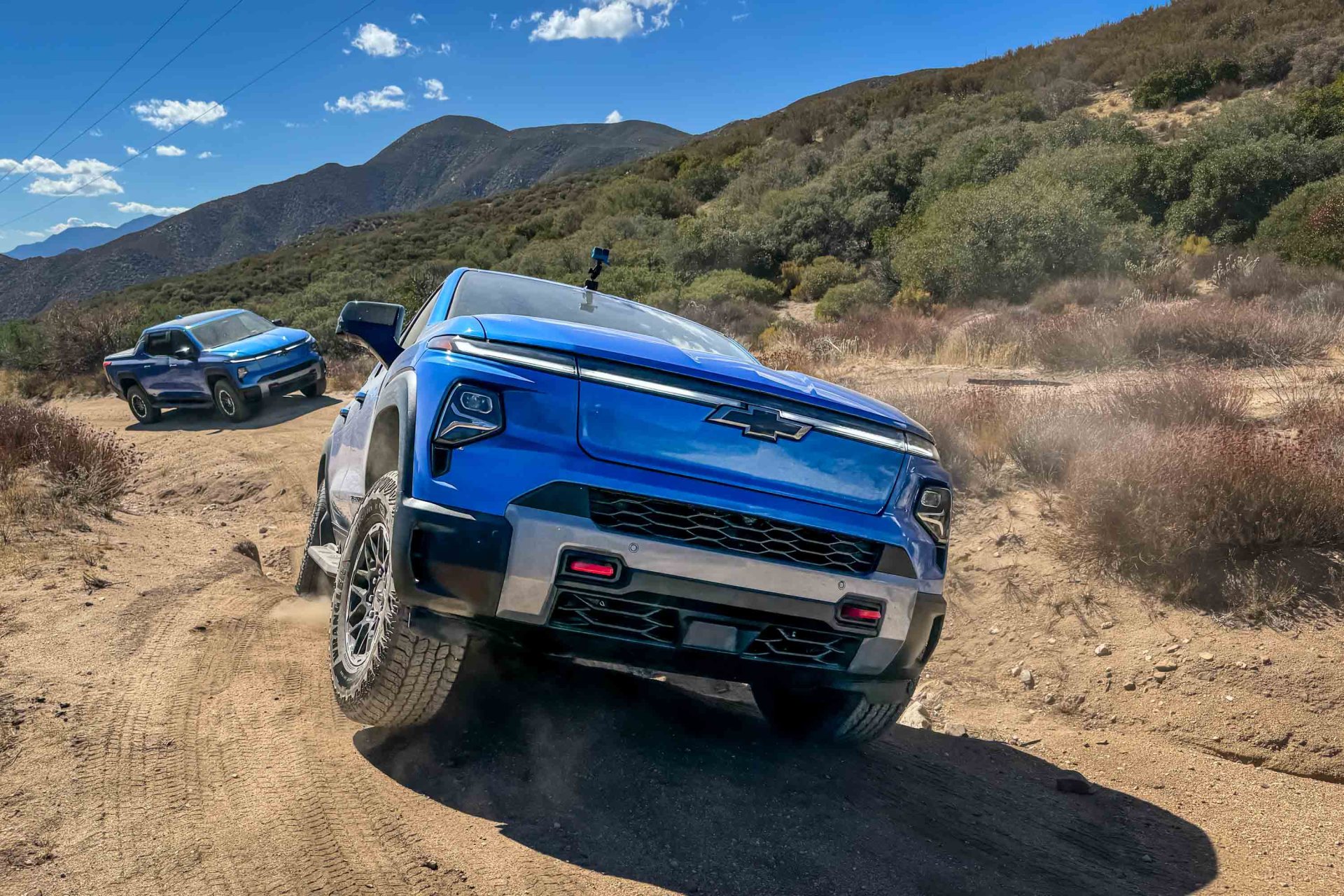
The Silverado EV has no five-year record yet. It is too new. Early data still tells a cautionary tale. One early analysis suggested a loss of 45 to 55 percent within about two years. That is a startling pace. Treat the range as an early signal, not a final result.
The truck launched with a very high price. Early launch editions cost well over $90,000. Later trims came in cheaper. That created a problem. Cheaper new trims undercut earlier buyers. Used values fell to meet them.
Electric truck demand also cooled. Shoppers grew wary of range and charging. Dealers faced growing EV inventory. Heavy discounts followed. When new trucks sell at a discount, used ones fall faster. This is basic market math.
The Silverado EV offers impressive specs. It has big range figures and strong towing claims. Yet buyers want proof over time. Compare it to the Silverado 1500 gas truck.
That model lost about 41.5 percent over five years. It sits far above the EV in resale terms. Against inflation, the early view is bleak. A buyer who paid launch prices saw the value drop fast. Time may help, but the start looks rough.