
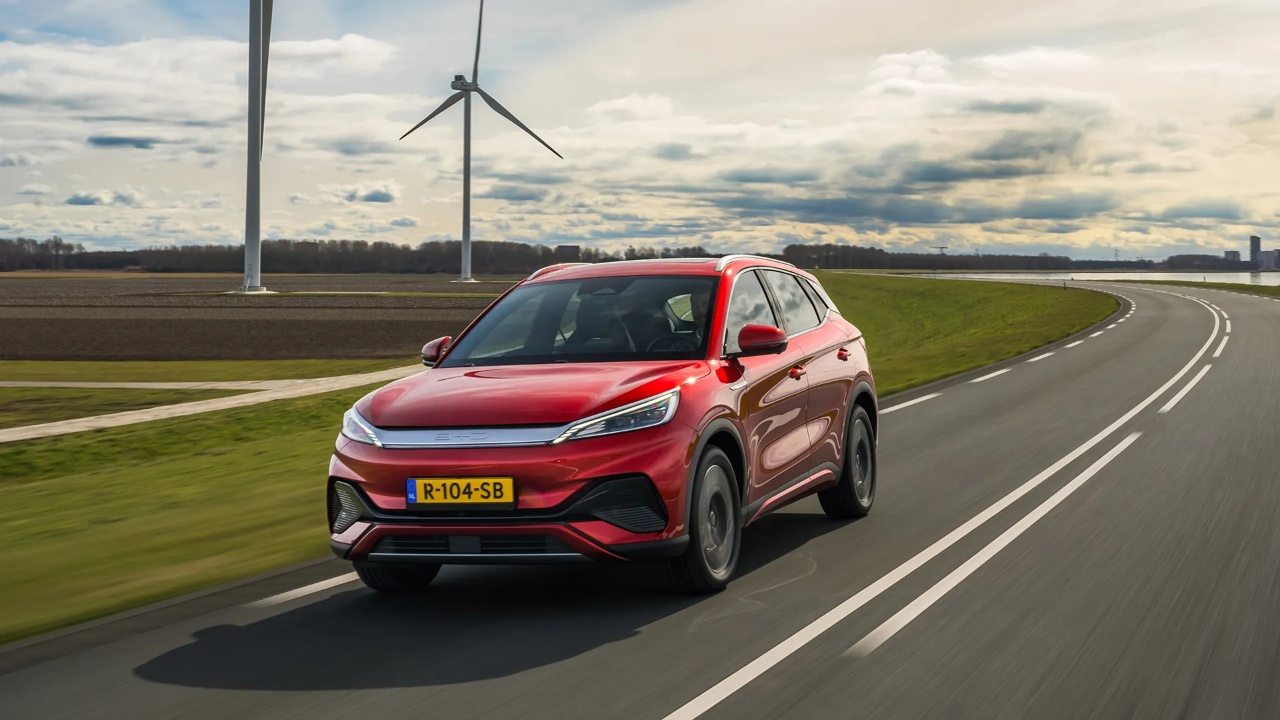
The European Union and China have reached a preliminary understanding aimed at reducing the rapid growth of Chinese hybrid and plug-in hybrid vehicle exports to Europe, marking a new step in efforts to ease automotive trade tensions.
Announced on October 9, 2026, after talks in Beijing, the arrangement could cut projected exports by more than half over four years compared with a scenario in which policies remain unchanged.
European Trade Commissioner Maroš Šefčovič described the agreement as an important first step, while acknowledging that further negotiations remain necessary. The discussions also cover tariffs, access to China’s market, and the supply of rare earth materials, issues that have become increasingly important to European automakers.
Why the EU Wants to Slow Chinese Hybrid Imports
The agreement comes as Chinese-made vehicles gain ground in Europe and European manufacturers face pressure from lower-priced imports, high production costs, and changing consumer demand.
Plug-in hybrid vehicles, which combine a combustion engine with an electric motor and a rechargeable battery, have become a particularly important part of this competition.
According to Reuters, imports of plug-in hybrids into the EU rose by 86% in the year to September 2026, while prices declined by 20%. More than half of these vehicles were coming from China.
These figures help explain why European policymakers have become concerned about the effect of growing imports on domestic production and the region’s automotive supply chain.
Chinese manufacturers have developed a broad range of electrified vehicles, often offering competitive pricing and extensive equipment.
Their growing export presence has given European consumers more options, but it has also intensified competition for established manufacturers such as Volkswagen, Renault, BMW, and Mercedes-Benz.
European companies are investing heavily in electrification while managing factory costs, workforce changes, and the transition away from conventional powertrains.
The EU’s concern extends beyond individual vehicle sales. Automotive manufacturing supports jobs across assembly plants, component suppliers, engineering operations, and distribution networks.
If imports gain market share quickly, European manufacturers may face greater pressure to reduce costs or adjust production. Reuters has reported that European automakers have announced job cuts amid wider commercial challenges, adding to political pressure to protect the region’s industrial base.
However, the proposed arrangement should not be interpreted as a general prohibition on Chinese vehicles. Its focus is on moderating exports of hybrid and plug-in hybrid cars, rather than closing the European market to every Chinese brand or every electrified powertrain.
The distinction matters because the EU already has separate trade measures affecting battery-electric vehicles made in China.
In October 2024, the EU imposed additional countervailing duties on Chinese battery-electric vehicles following an anti-subsidy investigation. That investigation did not cover hybrid vehicles, according to a European Commission response published in 2026.
The latest understanding therefore addresses a different part of the market and reflects the continuing effort to manage trade concerns through negotiations as well as existing trade-defense mechanisms.
How the Understanding Could Change Europe’s Automotive Market
The most significant detail is the scale of the potential reduction. Šefčovič said the understanding could reduce Chinese hybrid and plug-in hybrid exports by more than half over four years, potentially preventing several million additional vehicles from entering the EU compared with the expected trajectory without the arrangement.
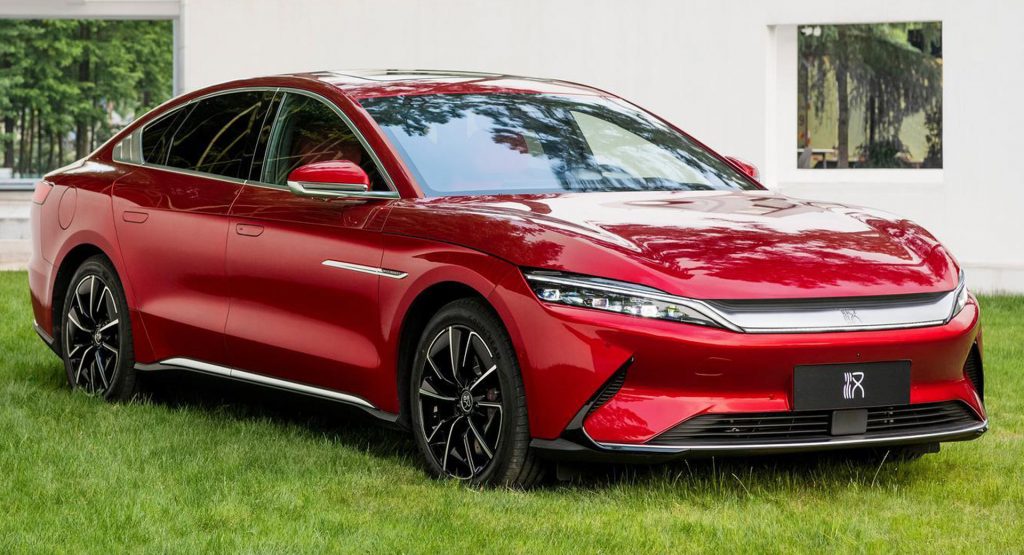
However, officials have not yet provided a complete implementation framework, including a clearly defined baseline, export allocation system, or detailed enforcement process. The projected reduction should therefore not be treated as an immediate 50% cut in current imports.
That uncertainty matters for automakers on both sides. Chinese companies have been expanding their European presence through competitive pricing, new model launches, and investments in distribution.
If export growth is constrained, manufacturers may need to reconsider how they allocate production between China and Europe. Some could increase their focus on local manufacturing, while others might adjust their model mix or export plans. These are possible responses, not confirmed commitments resulting from the agreement.
European automakers could gain additional breathing room if the arrangement slows the pace at which Chinese hybrids enter the market. That may help companies manage pricing pressure while they develop their own electrified lineups.
But the agreement will not automatically resolve the challenges facing European carmakers, including high operating costs, competition in China, investment in electric platforms, and changing consumer preferences.
The understanding also leaves room for continued discussion about price undertakings in the EU’s separate anti-subsidy case involving Chinese battery-electric vehicles. Under a price undertaking, an exporter can agree to specified pricing conditions as an alternative to certain duties, subject to regulatory assessment.
The European Commission has already published guidance for evaluating such offers, including considerations involving minimum import prices and sales channels.
This approach could provide a negotiated route for addressing trade concerns without relying exclusively on tariffs. Its effectiveness, however, will depend on the terms agreed, the ability to monitor compliance, and whether both sides consider the resulting conditions fair.
The latest understanding does not mean existing electric-vehicle duties have automatically disappeared, nor does it settle every disagreement over market access.
Consumers could also feel the effects, although the direction is not yet clear. Slower import growth could reduce the number of competitively priced Chinese hybrid models available in Europe.
On the other hand, European manufacturers may respond with discounts, additional equipment, or more aggressive product launches. Pricing will depend on individual brands, production costs, local manufacturing decisions, and the eventual terms of the arrangement.
The impact may differ across European countries because their automotive industries and consumer markets are not identical. Germany has major established manufacturers, while other EU countries host important assembly plants and component suppliers.
Chinese investment has also become significant in some markets. A trade arrangement that changes import patterns could therefore create different effects for employment, competition, and investment from one country to another.
Tariffs, Rare Earths, and the Next Stage of EU-China Negotiations
The discussions were not limited to vehicles. The EU and China also reached understandings aimed at improving European companies’ access to Chinese markets and making China’s export licensing for rare earths and permanent magnets easier.
These materials are important to several industrial supply chains, including automotive manufacturing, where permanent magnets can be used in electric motors and other equipment.
China’s willingness to continue facilitating export licenses through a faster approval mechanism could help European businesses obtain greater predictability. Yet the arrangement should not be mistaken for a complete removal of export controls.
Companies will still need to follow the applicable licensing framework, and the practical effect will depend on how the process operates.
The two sides also discussed potential tariff reductions on selected European products entering China.
Reuters reported that the negotiations covered seven tariff categories representing nearly €4 billion in current European exports, with the European Commission estimating potential duty savings of at least €225 million if the measures are implemented as envisaged.
These trade concessions form part of the wider effort to address an imbalance that extends well beyond the automotive sector.
The broader economic backdrop is substantial. Reuters reported that the EU’s trade deficit with China exceeded €1 billion per day in 2025.
European officials want better access for their exporters, while Beijing has argued that China is a partner in addressing the bloc’s economic challenges rather than their sole cause. Both sides have incentives to avoid an escalation that could disrupt trade across multiple industries.
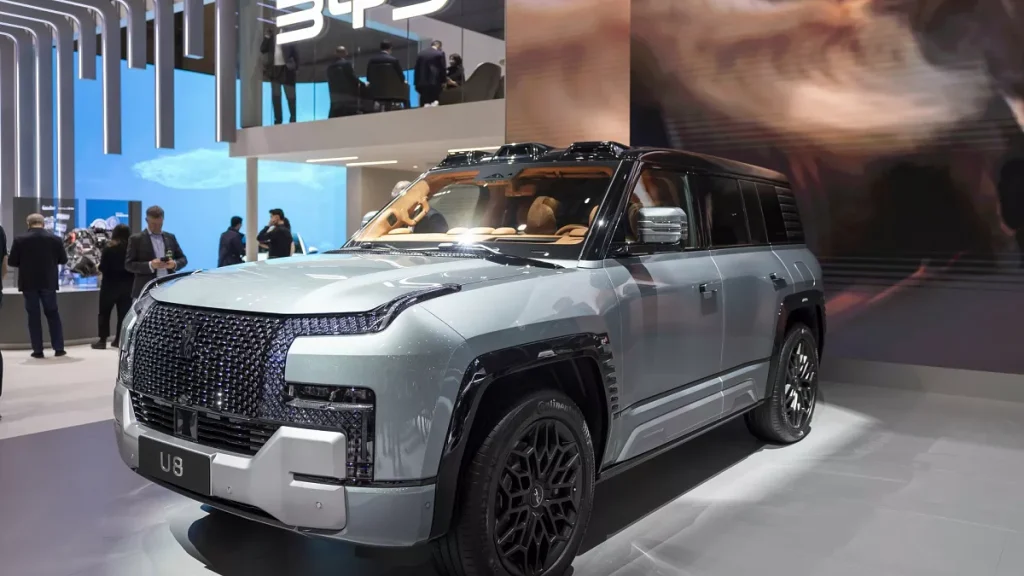
Further negotiations are expected to continue into 2027, with a ministerial video conference planned for January and another meeting of the EU-China trade and investment consultation mechanism expected in March, according to CnEVPost’s account of the discussions.
Those meetings should help clarify how the hybrid export understanding and the other trade commitments will be put into practice.
For the automotive industry, the agreement represents progress in negotiations rather than a final settlement. European manufacturers may gain time to respond to growing competition, while Chinese exporters face the prospect of slower growth in one of their important overseas markets.
But the absence of detailed implementation terms leaves major questions about how exports will be measured, how any reduction will be administered, and how the arrangement will affect individual brands.
The next stage will determine whether the understanding produces a measurable change in trade flows or remains a broad political commitment.
Until the mechanisms are clarified, manufacturers and consumers should avoid assuming that prices, availability, or production plans will change immediately. The direction is clear, but the commercial consequences will depend on the details still to be negotiated.
