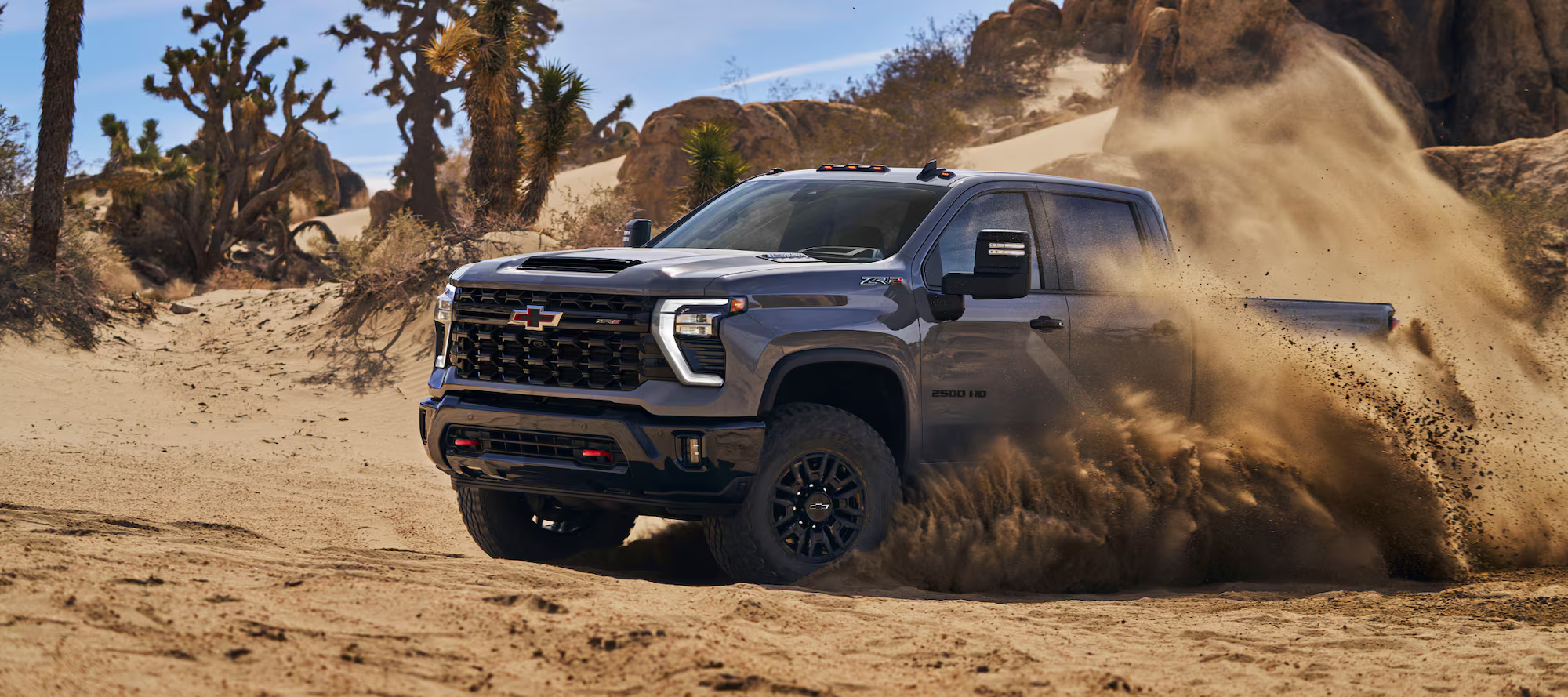
Chevrolet has increased prices for its Silverado HD heavy-duty pickup trucks, with some models receiving price hikes of up to $1,500. The cost of the new Duramax diesel engine has also drawn attention, as the powertrain carries a reported price of $11,400.
These changes could influence buyers who depend on heavy-duty trucks for towing, hauling, commercial operations, and recreational travel. For customers considering a new Silverado 2500HD or 3500HD, understanding the latest pricing changes is essential. From engine choices to trim levels and ownership expenses, several factors deserve attention before making a purchase decision.
Chevrolet Silverado HD Prices Increase by Up to $1,500
Chevrolet’s Silverado HD lineup serves customers who need more capability than a conventional light-duty pickup can provide. The Silverado 2500HD and 3500HD are designed for demanding jobs, including towing heavy trailers, transporting equipment, supporting construction businesses, and handling large recreational vehicles.
With prices increasing by as much as $1,500, buyers must consider how the latest adjustments affect their budgets. The actual increase depends on the specific model, configuration, trim level, and applicable pricing changes. Customers should confirm the current manufacturer’s suggested retail price before visiting a dealership or negotiating a purchase.
Price increases in the heavy-duty truck segment can influence buyers differently depending on how they use their vehicles. Someone purchasing a Silverado HD for personal towing may have greater flexibility than a contractor who needs several trucks for daily operations.
Even a relatively modest adjustment can become significant when a business purchases multiple vehicles. For example, an additional $1,500 on four trucks would increase the initial purchase expense by $6,000 before taxes, registration, financing, or other charges.
Fleet operators therefore have good reason to compare model-year pricing carefully and consider whether an alternative configuration could meet their requirements at a lower cost.
The Silverado HD range offers multiple trim levels, giving customers choices that prioritize work capability, comfort, technology, or appearance. Lower-priced configurations generally appeal to buyers who value practical equipment and dependable performance, while higher trims provide additional convenience and premium features.
Since pricing adjustments do not necessarily affect every version equally, shoppers should avoid assuming that the entire lineup has received an identical increase. A comparison of individual configurations provides a clearer picture of the financial impact.
Buyers should also distinguish between manufacturer pricing and dealership charges, as destination fees, optional equipment, taxes, and regional expenses can affect the final amount paid.
The timing of a purchase may also influence the price a customer receives. Dealership inventory, manufacturer incentives, financing promotions, and regional demand can all affect the transaction. A truck advertised at a particular MSRP might qualify for a discount, while another vehicle with desirable equipment could sell closer to its listed price.
Buyers should request an itemized quotation that separates the base vehicle price from optional packages and other charges. Comparing written offers from multiple dealerships can help reveal meaningful differences. However, customers should evaluate the full purchase agreement rather than focusing exclusively on the headline price or a temporary promotional offer.
For buyers planning to keep their trucks for many years, the purchase price represents only part of the financial decision. Fuel, maintenance, insurance, tires, repairs, and depreciation contribute to the long-term cost of ownership.
Heavy-duty trucks can also require more expensive replacement components than smaller vehicles, particularly when used for frequent towing or demanding commercial work. A $1,500 increase may not dramatically change the economics of a truck that generates substantial business value, but it still deserves consideration.
The most sensible approach is to compare the updated price with the truck’s capabilities, expected workload, equipment requirements, and projected ownership expenses.
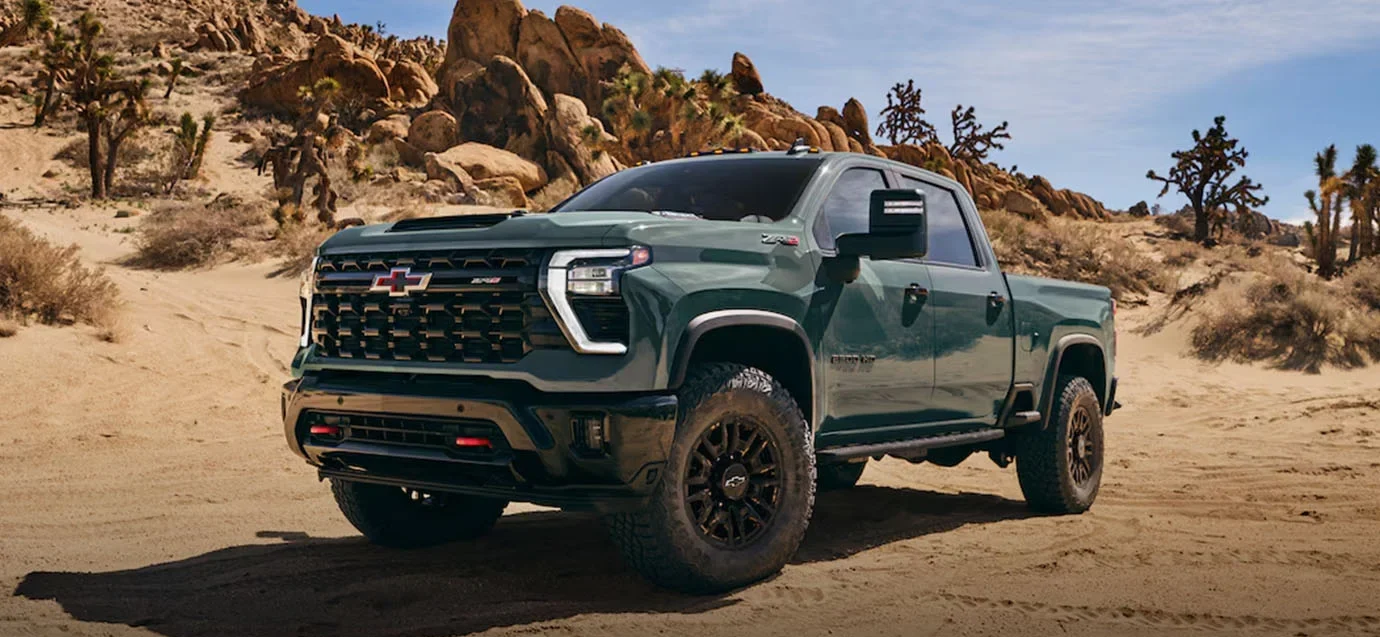
The New Duramax Diesel Engine Carries an $11,400 Price Tag
The reported $11,400 price associated with the new Duramax diesel engine is an important consideration for customers choosing a Silverado HD. Diesel powertrains are popular among heavy-duty truck buyers because they can provide strong torque, sustained pulling capability, and characteristics suited to demanding workloads.
However, the exact cost and availability of a particular engine depend on the model year, vehicle configuration, and manufacturer’s ordering information.
Buyers should confirm whether the quoted amount represents the engine option itself or a package that includes additional equipment. This distinction matters because bundled features can affect the value of the purchase.
For customers who regularly tow heavy trailers, a diesel engine may offer practical advantages. High torque at relatively low engine speeds can make it easier to move substantial loads, while diesel powertrains are often well suited to extended highway travel under demanding conditions.
These qualities can benefit recreational vehicle owners, agricultural operators, construction companies, and commercial drivers. Nevertheless, the advantages depend on the trailer weight, terrain, driving conditions, and truck configuration.
A diesel engine does not automatically make every Silverado HD the best choice for every customer. Buyers should evaluate their actual towing requirements before paying a substantial premium for additional capability.
Fuel economy is another factor that deserves careful attention. Diesel engines can offer favorable fuel consumption under certain conditions, particularly during long-distance driving and heavy-duty work. Yet real-world results vary with payload, trailer weight, speed, weather, maintenance, and driving habits.
Diesel fuel prices can also differ significantly from gasoline prices in a given region. As a result, customers should not assume that improved efficiency will automatically recover an $11,400 engine cost.
A buyer who travels long distances with heavy loads may benefit more than someone who uses a pickup primarily for short trips or occasional recreational towing. Estimating annual mileage and fuel expenses can help clarify the financial difference.
Diesel ownership also involves maintenance considerations that buyers should understand before making a decision. Depending on the engine and emissions system, maintenance can involve diesel exhaust fluid, fuel filters, specialized oil, and additional emissions-control components. Certain repairs may be more expensive than comparable work on a gasoline-powered truck.
These expenses do not mean a diesel engine is a poor investment, but they should be included in a realistic ownership budget. Drivers who follow recommended service intervals and use the vehicle within its intended operating limits can help support long-term reliability. Reviewing the warranty and scheduled maintenance requirements is particularly important for commercial customers.
The right decision depends on how the truck will be used. Buyers who frequently tow heavy equipment, cover substantial annual mileage, or need the specific capabilities of a diesel powertrain may find the additional expense worthwhile.
Customers who rarely tow and primarily use their pickups for everyday transportation may receive better value from a suitable gasoline configuration. Comparing the available engines in terms of purchase price, payload, towing ratings, fuel costs, maintenance, and resale expectations provides a more complete picture.
Rather than choosing diesel power solely for its reputation, shoppers should determine whether its practical advantages justify the reported $11,400 expense.
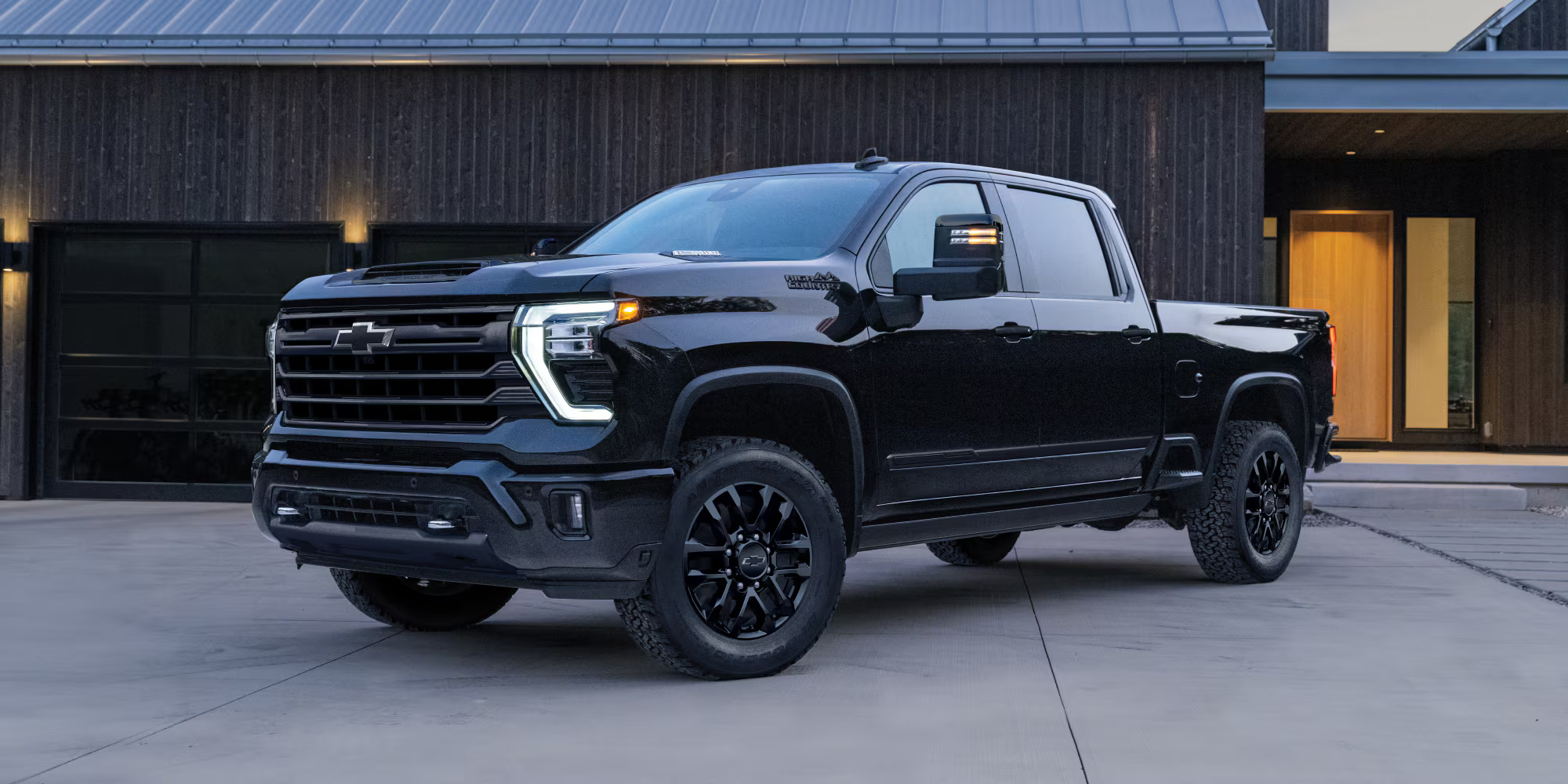
Is the Silverado HD Still Worth Considering?
The Chevrolet Silverado HD remains a relevant option for drivers who need a heavy-duty pickup with substantial work capability. Its appeal depends on the specific configuration and the customer’s priorities, including towing requirements, interior comfort, available technology, and operating expenses.
Price increases of up to $1,500 may affect purchasing decisions, but they do not automatically make the truck a poor value.
Buyers should compare its features and capabilities with competing heavy-duty pickups, using equivalent engine options and equipment levels wherever possible. Such comparisons provide a fairer assessment than looking at base prices without accounting for differences in specifications.
The Duramax diesel option requires particularly careful evaluation because its reported $11,400 cost represents a substantial additional expense. Customers who routinely tow large trailers or operate their trucks under demanding conditions may appreciate the engine’s torque and long-distance capabilities.
For them, the purchase premium could be justified by practical advantages that support their work or recreation. Buyers with lighter requirements should consider whether a gasoline engine can deliver the performance they need at a lower initial cost. The decision should be based on actual usage rather than assumptions about which powertrain is inherently superior.
Reliability, warranty coverage, service access, and maintenance planning also contribute to a truck’s value. Customers who depend on their vehicles for work need confidence that scheduled servicing can be completed conveniently and that replacement parts are available when necessary.
A strong maintenance history can support long-term ownership, while neglecting service requirements can increase the likelihood of costly problems. Buyers should review the manufacturer’s warranty terms, understand the recommended service schedule, and consider local dealer support.
These factors can be particularly important for owners who plan to accumulate substantial mileage or keep their trucks beyond the typical financing period.