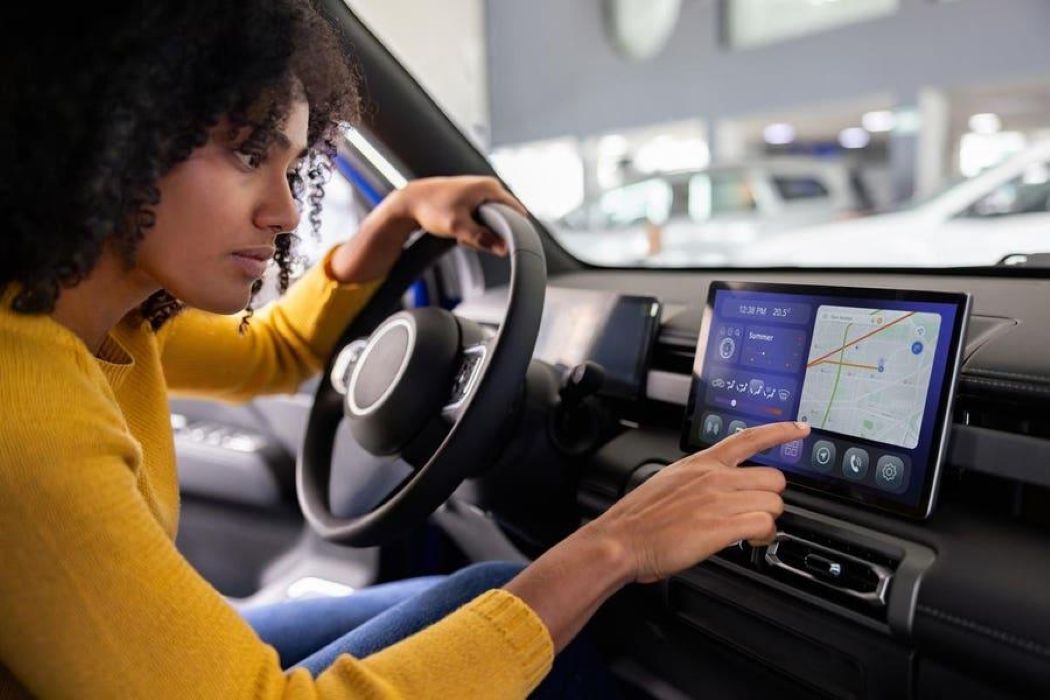
For a decade, carmakers have replaced switches with glass screens. Dashboards have turned into large tablets, and simple controls have moved deep into menus.
That trend has now hit a safety wall in Europe. Euro NCAP will take points away from cars whose controls pull the driver’s eyes off the road. Euro NCAP is a safety rating body founded in 1997. Its star ratings strongly shape how families and fleets choose new cars.
The new rules apply from 2026 and target distraction directly. Wipers, indicators, hazard lights, the horn, and emergency calling are the main focus.
Real data backs this move. Independent tests show screen tasks keep drivers distracted far longer than buttons do. One Swedish test found a 2005 car with buttons beat modern screens by a wide margin.
A repeat test in 2026 shows the gap is not closing. This article explains the rules, the numbers behind them, and what comes next. Every key point rests on published data and test results.
The New Rules That Are Bringing Buttons Back
The shift matters for every driver, not just car fans. One missed glance at highway speed can cover dozens of metres. Buttons are not nostalgia here. They are a measurable safety feature.
Euro NCAP published new protocols in spring 2025 on how car interfaces must avoid driver distraction. The scoring applies to assessments from 2026.
Euro NCAP is not a lawmaker, but it carries real political influence. Carmakers listen because its ratings reach buyers directly. The group began with crash tests only. It later added pedestrian protection, driver assistance checks, and interface design.
To earn the highest rating, five functions must have dedicated physical controls: turn signals, hazard lights, windshield wipers, the horn, and the SOS system. Providing these functions only through touchscreen menus is not enough to receive full credit.
An earlier proposal said these controls would add five points to the Safe Driving score. That makes them a scoring lever rather than a ban. Euro NCAP testing is voluntary and not a legal requirement. Yet carmakers watch star ratings closely because buyers do.
Euro NCAP’s strategy director called touchscreen overuse an industry-wide problem. His point was that moving key controls onto screens raises the risk of distraction crashes.
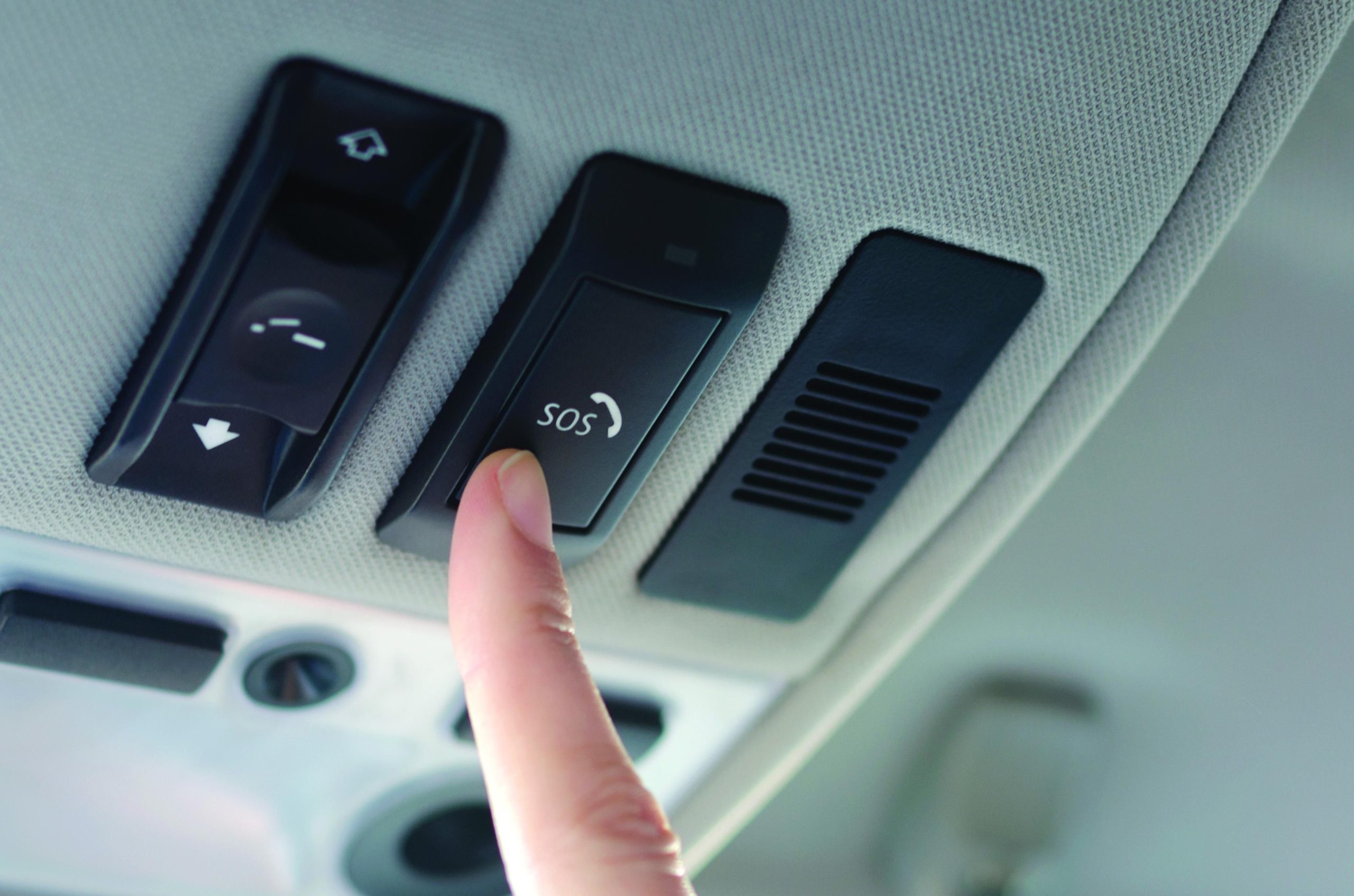
The protocol ranks every function by urgency and frequency. Tasks needing a fast reaction to outside events must be quick to reach. The wiper, for example, must use a physical switch where drivers expect it. The same applies to turn signals, the gear lever, hazard lights, the horn and e-call.
Touch surfaces are accepted for items like seat adjustment, door locks and climate control. But the control must be easy to find by feel and clearly separate from others.
Non-essential functions, such as the rear window defroster, may use the screen. Even then, they must take no more than two steps. Voice control is allowed for infotainment functions. An alternative input method must still exist.
Driver monitoring is part of the same assessment. It must be on by default, and a simple button press cannot switch it off. Weak results can cost a car one star. Even four stars instead of five is a clear commercial disadvantage.
What the Data Says About Screens and Distraction
In 2020, a German court fined a Tesla driver who changed the wiper interval through the screen. He took his eyes off the road too long and drove into an embankment.
So far, legal responsibility rests with the driver, not the manufacturer. That could change as regulators focus on interface design. A 2023 Dekra report compared two cars of the same type, built in 2012 and 2022. Participants completed many functions faster in the older car.
Dekra blamed cognitive overload from too many functions. It also named the lack of touch feedback, since screens cannot be used blindly. A Swedish car magazine tested 11 modern touchscreen cars against a 2005 Volvo V70. The old Volvo has no touchscreen and acted as the benchmark.
Drivers did simple tasks on the move, such as changing radio stations and adjusting climate and seat heating. Each driver learned the systems first, so unfamiliarity was not the excuse.
The Volvo finished all tasks in 10 seconds and 306 metres. That is the number every modern car was measured against. Across the touchscreen cars, the average was 24.7 seconds. That is nearly 2.5 times longer than the screenless car.
The worst car needed 44.9 seconds and rolled about 1.3 kilometres. That is roughly the length of thirteen football pitches. A BMW with both buttons and a screen needed 30.4 seconds. Mixing buttons with screens does not guarantee a good result.
The best touchscreen car was the Dacia Sandero at 414 metres. Simple design can beat expensive design. The worst screen car needed 1,400 metres for the four tasks, while the best car without one needed 300. That gap is more than four times.
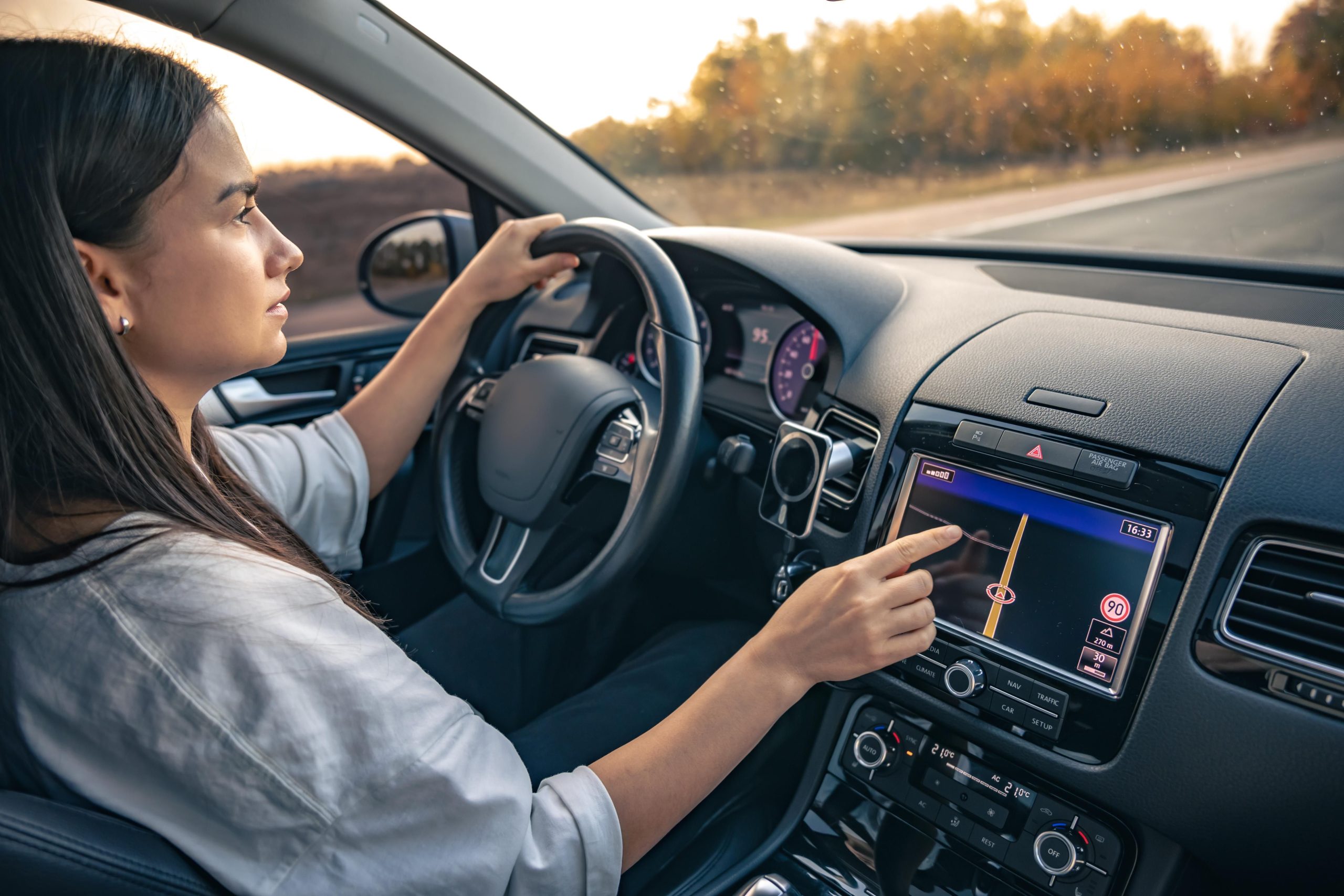
The 2022 test measured distance at 110 km/h on a closed airfield. At that speed, a car travels about 30 metres every second. A quick calculation agrees with the data. 24.7 seconds at that speed is roughly 755 metres, which matches the reported average of 756.
The magazine repeated the test in 2026 using the same method. The average distance rose from 756 to 813 metres. That equals about two extra seconds per set of tasks. Screens became bigger and better placed, yet results got worse.
The Mercedes CLA needed 35 seconds, which is 15 seconds slower than the GLB tested in 2022. Its screen also took 19 seconds to respond after unlocking.
The best 2026 car was the Volvo XC60 at 485 metres. That still trailed the Volvo C40 from the 2022 test by 68 metres. The Tesla Model Y did better than the Model 3 did in 2022. So progress is possible when designers focus on it.
The 2026 test covered ten cars. It is a small sample from a magazine, not a peer-reviewed study. Even so, the direction is clear and consistent across years. Dekra’s research points the same way.
The Insurance Institute for Highway Safety says voice commands can reduce glances away from the road. It adds that they must understand natural speech and avoid on-screen confirmations. Pushing functions into screens is cheaper than fitting manual controls. That cost saving is a key reason the trend spread.
What Comes Next for Drivers and Carmakers
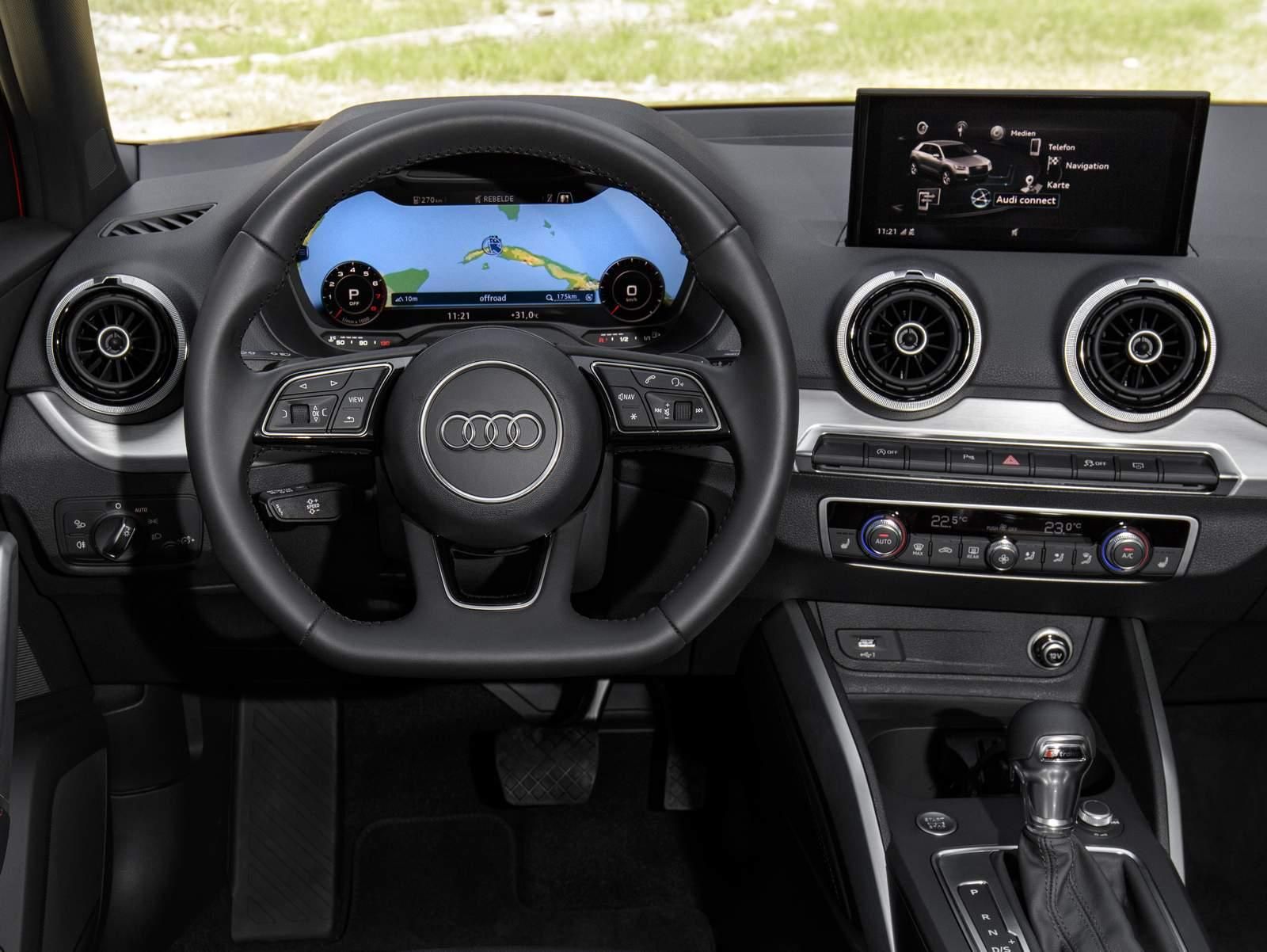
Expect a clearer split between tactile controls and screens. Driving-critical functions get buttons, while navigation and media stay on the display. The Audi Q2 is cited as a good example of this approach. Important functions use direct buttons, and the touchscreen handles navigation and entertainment.
The commercial pressure is real. Losing a star affects marketing, fleet contracts and resale appeal. Buttons cost more to build and fit. Carmakers must now weigh that cost against the rating risk.
Expect fewer cars that bury wipers or hazard lights in menus. Those are exactly the functions the protocol targets. Expect better hybrid designs too. Stalks, wheel controls and physical dials can sit beside a clean screen.
Software speed will matter as much as hardware. A screen that needs 19 seconds to wake up wastes attention before any task begins. Voice control will grow, but it cannot stand alone. The rules require another input method alongside it.
Driver monitoring will become standard in rated cars. It must work for different body sizes, glasses and facial hair. Legal pressure may follow the rating pressure. The 2020 court case shows how a menu design can end up in a courtroom.
It is worth being honest about limits. Euro NCAP rules shape ratings, not laws, and carmakers can still ignore them. Published results from the first cars rated under the new protocol were not available at the time of writing. The latest Euro NCAP reports will show how the scoring plays out.
Buyers can use this data today. A few minutes in the showroom reveals a lot. Try the wipers, hazard lights and demisters without looking at the screen. If they cannot be found by feel, treat that as a warning.
Count the steps for climate and heated seats. More than two taps for a common task is a poor sign. Time how long the system takes to start. A slow screen is a hidden distraction.
Test voice control with natural phrases. If it fails, the driver ends up back at the touchscreen. Check that driver monitoring is on by default. Under the new rules it should not be easy to disable.
The broader lesson is about design, not hostility to screens. Screens suit tasks that can be done when parked or stopped. Physical controls suit tasks that must be done instantly. Wipers in sudden rain are the classic case.
The numbers tell one story. Old buttons took about 10 seconds, and modern screens averaged nearly 25. At highway speed, that difference is hundreds of metres. No dashboard feature is worth that cost.
Euro NCAP’s move will not erase touchscreens. It will, however, push them back into their proper role. For drivers, that is good news. The next car on the driveway may finally let them change the wipers without looking away.