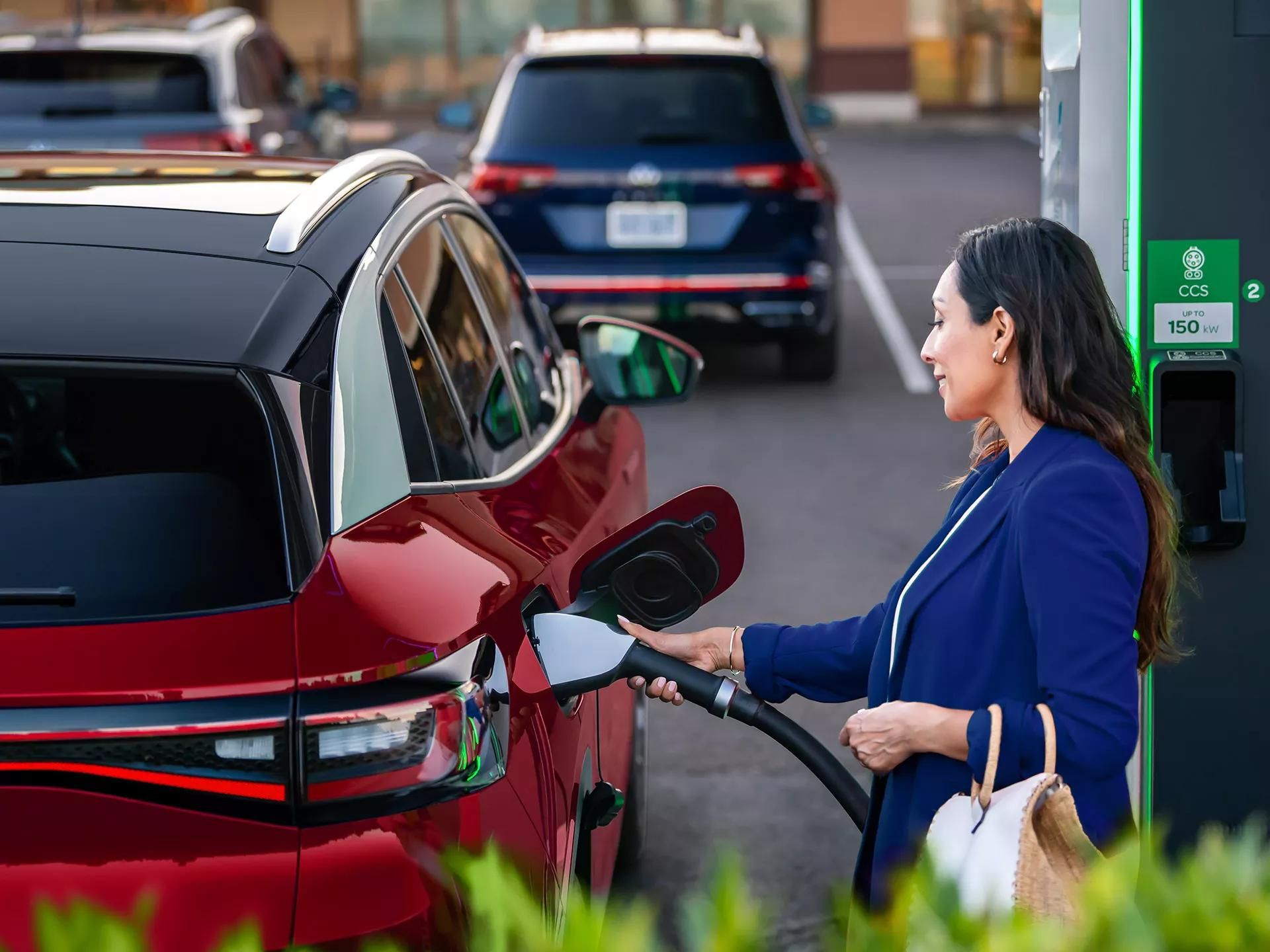
Public EV charging has a reliability problem. Drivers know it well. A trip to a broken charger wastes time and trust. Now the numbers are moving the right way.
The J.D. Power 2026 U.S. Electric Vehicle Experience Public Charging Study reports a record low. The non-charge visit rate fell to 12%, down from 14% a year earlier.
A non-charge visit means a driver arrives but cannot charge. The cause may be a dead unit, a payment error, or a blocked bay. Each case sends the driver away empty.
This is the lowest rate in the six-year history of the study. It matters because charging worries keep many shoppers away from EVs. Fewer failures can change that story.
The study surveyed 6,594 battery-electric and plug-in hybrid owners. Responses were collected from January to June 2026. The results show clear winners and clear gaps.
Fast chargers improved sharply. Slower Level 2 chargers slipped. New automaker-backed networks led the rankings. This article explains what the 12% figure means. It covers who is winning and why. It also looks at the problems that remain.
What the Record-Low 12% Really Means
A drop from 14% to 12% sounds small. It is not. It means about one in eight visits still fails, compared with one in seven before. Think of it in simple terms. If a driver makes 100 charging stops, two fewer end in disappointment. Across millions of sessions, that adds up fast.
The rate covers the most recent quarter of the study. It is compared with the same period a year earlier. This keeps the comparison fair across seasons.
Seasonality matters in charging. Cold weather and holiday travel can strain stations. A same-period comparison removes that noise. The study is now in its sixth year. Throughout that time, failed visits have been the sore spot. This is the best result ever recorded.
That context gives the number weight. It is not a one-quarter fluke in a bad market. It is the high point of a long-running series. Failed visits hurt more than most service problems. A driver may be low on range. There may be no backup nearby.
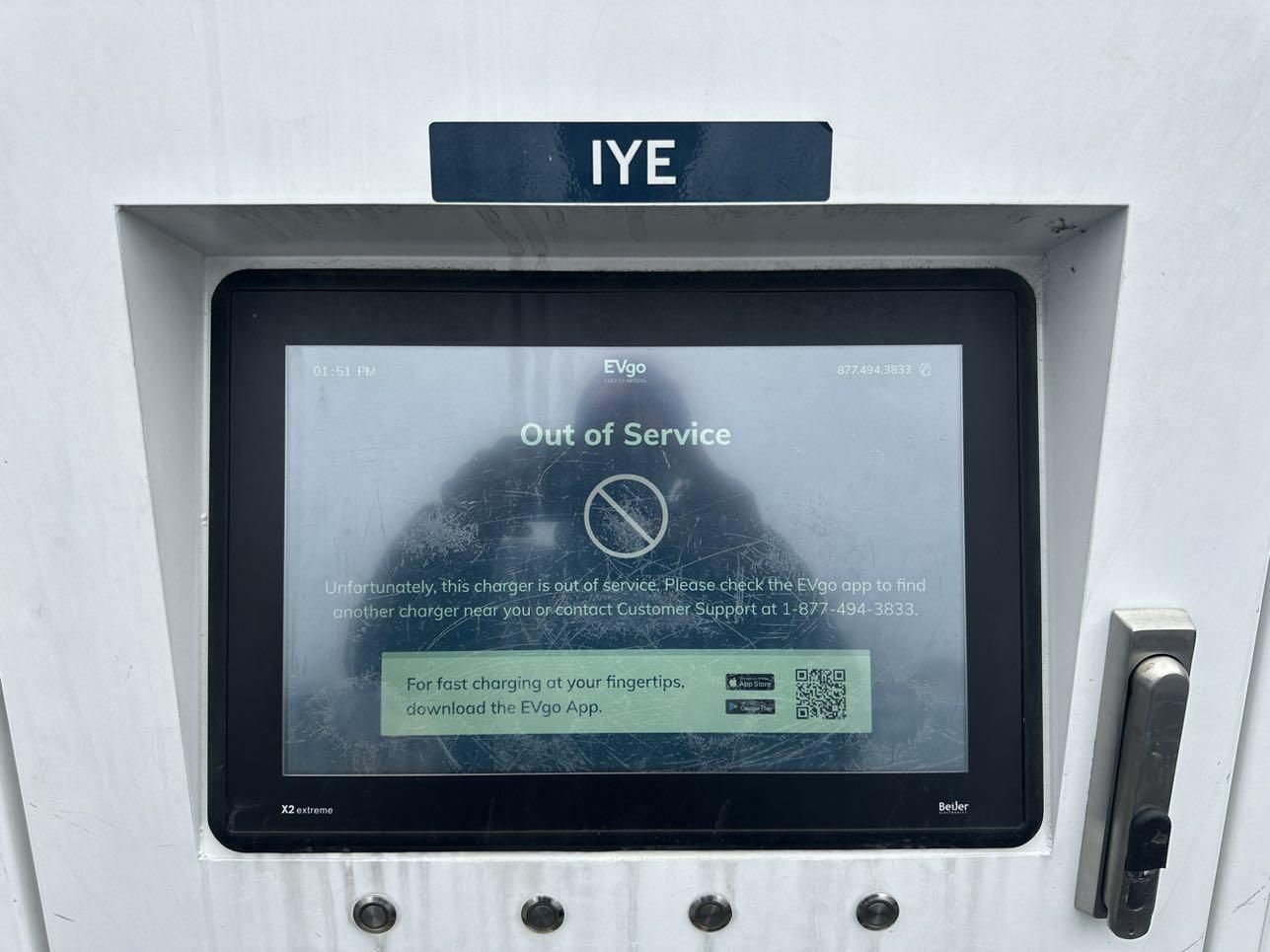
A failed visit also costs trust. One bad stop can shape how a driver feels about every network. Fewer failures rebuild that trust. The timing is interesting. EV sales growth has slowed in the United States. Yet charging quality is rising anyway.
That is a useful reminder. Infrastructure does not only improve when demand booms. Operators keep fixing hardware and software even in slower years.
J.D. Power has noted that public charging is the top reason new-vehicle shoppers reject EVs. That finding makes reliability a sales issue. It is not only a technical issue.
A shopper does not need to own an EV to fear a dead charger. Stories travel quickly. A better failure rate gives dealers a stronger answer. Satisfaction with DC fast charging also rose. It climbed 12 points to 666 on a 1,000-point scale. Gains appeared in all ten factors measured.
Those ten factors include ease of charging and charging speed. They also cover station condition, availability, and location. Cost, safety, and ease of payment are part of the index too.
Some gains stood out. Charger availability rose 27 points. Safety and cost of charging each rose 18 points. Availability is closely linked to failure. A station with working units has more open bays. That lifts the whole experience.
Safety is a quiet but real factor. Many drivers charge at night or on unfamiliar roads. Better lighting and better siting raise comfort. Cost satisfaction improving is also notable. It suggests pricing is feeling fairer to drivers. Clearer pricing may help as well.
The 12% figure should still be read with care. It comes from owner surveys, not from sensors on every charger. Self-reported data can differ from hardware logs.
Even so, the direction is hard to ignore. Several measures moved up together. That pattern supports the headline. Another independent survey tells a more mixed story. A driver survey from an advocacy group found that more than half of non-Tesla owners met a broken charger in the past year. Both can be true.
The two measures ask different questions. One counts failed visits per attempt. The other counts drivers who saw any failure at all. A driver can have many good sessions and one bad one.
That driver still answers yes to the second survey. So the improving rate and the broken-charger stories can sit side by side. The takeaway is balanced. Reliability is better than ever. It is not yet good enough to be invisible.
Who Is Winning and Why the Gap Is Widening
The rankings carry the biggest surprise. Three automaker-backed networks took the top spots. They beat older, established operators. Ionna ranked first among DC fast networks with a score of 807. It earned that rank in its first year of award eligibility. That is a striking debut.
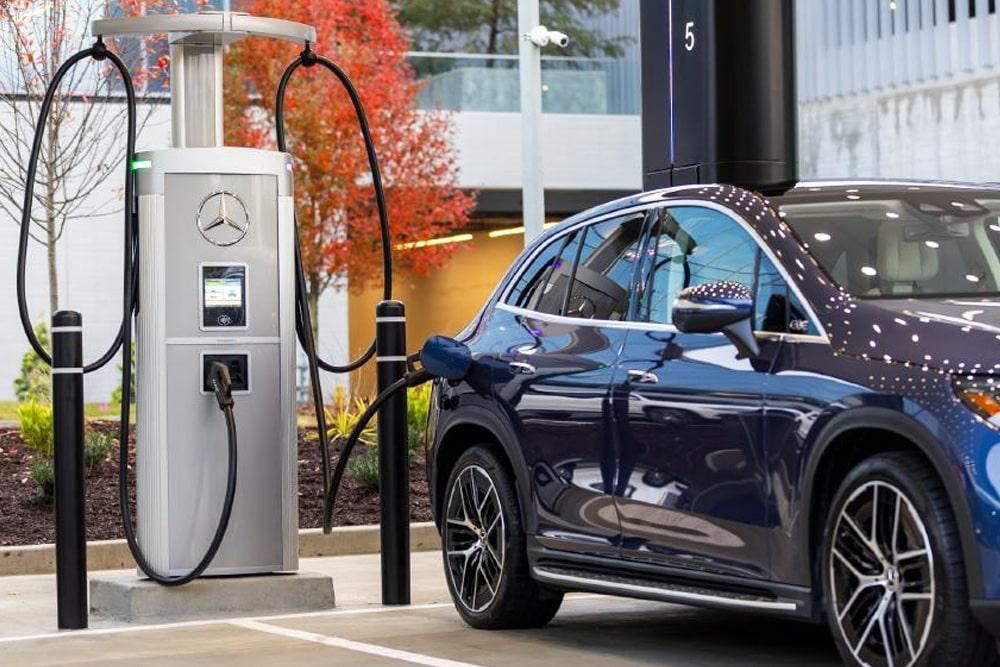
Mercedes-Benz Charging Network came second at 797. The Rivian Adventure Network placed third at 755. All three sit far above the industry average of 666.
That gap is large. It is more than 80 points even for the third-place network. It shows how much newer builds can outperform older ones. Why do newer networks do better? The simplest reason is age. New hardware breaks less often than old hardware.
Design also plays a role. Newer stations are built with lessons from earlier failures. Cables, screens, and payment readers are often improved. Software matters just as much. Many failed visits come from payment or connection errors. Modern systems handle these with fewer steps.
Newer networks also tend to choose sites with care. They favor busy, well-lit, amenity-rich locations. That raises satisfaction before a single kilowatt flows.
Automaker backing brings another edge. Carmakers have money and brand pride at stake. A bad station reflects on the car, not just the network. Backing also helps with maintenance. A well-funded operator can fix faults faster. It can also replace weak units sooner.
Legacy networks are improving too. The study notes that older operators also posted gains. The rising tide is lifting more than the new arrivals. Last year, Tesla topped both the Level 2 and DC fast rankings in the same study. This year, the DC fast podium looks different. That is a real shift in the market.
It does not mean Tesla’s network is weak. It means rivals have closed the distance. Competition is working. Location type also shapes the experience. Hotels scored highest at 692, followed by gas stations and convenience stores at 689. Restaurants came next at 688.
These sites share a feature. They give drivers something to do while they wait. A coffee, a meal, or a restroom makes a twenty-minute stop feel shorter.
Dealerships scored lowest, at 570. That is a steep fall from the top group. It is more than 100 points behind the best location type. The reason is likely mixed. Dealer lots may have older units. They may also lack seating, food, or good signage.
There is a lesson for dealers here. Many sell EVs and also host chargers. A weak charger on the lot sends a poor message about the product they sell.
Fast charging itself is the success story of the year. Speed, ease, and availability all earned praise. Drivers notice when a fast charger simply works. The leaders show what that looks like. Plug in, start, and go. No app crashes and no card declines.
That smooth flow is the new standard. Older operators now have a clear target. Drivers will compare every station to the best one they used. The widening gap has a cost. Drivers who live near a top network get a great experience. Others may still face the old problems.
Geography therefore matters. A new network may cover major corridors first. Smaller towns may wait longer. For drivers, the practical advice is simple. Check recent user reports before a long trip. Keep a second option in mind for every stop. For operators, the message is also simple. Reliability wins customers. Satisfaction scores now reward uptime more than novelty.
The Gaps That Remain and What Comes Next
The good news has a catch. Not every charger type improved. Level 2 charging moved the other way. Public Level 2 satisfaction fell 12 points to 595. That is a clear step back. It stands in sharp contrast to the fast-charging gains.
The main causes were ease of payment and ease of charging. These are basic functions. When they fail, nothing else matters. Level 2 chargers are slower and often cheaper to install. Many sit at workplaces, malls, and city parking spots. They are the daily workhorses for many owners.
Their problems are often small but frequent. A card reader that rejects a card is one example. An app that will not connect is another. These issues feel worse because Level 2 sessions are long. A driver may leave the car for hours. Coming back to find no charge is a real letdown.
The split also shows where investment has gone. Fast charging has drawn large sums and big brands. Level 2 has drawn less attention. That imbalance needs fixing. Most charging still happens close to home or work. Daily reliability matters as much as road-trip speed.
Payment is the clearest target. Drivers want to tap a card and charge. They do not want three apps and a sign-up form. Standard, simple payment would help at once. Contactless readers and clear pricing are easy wins. Operators of Level 2 sites should treat them as a priority.
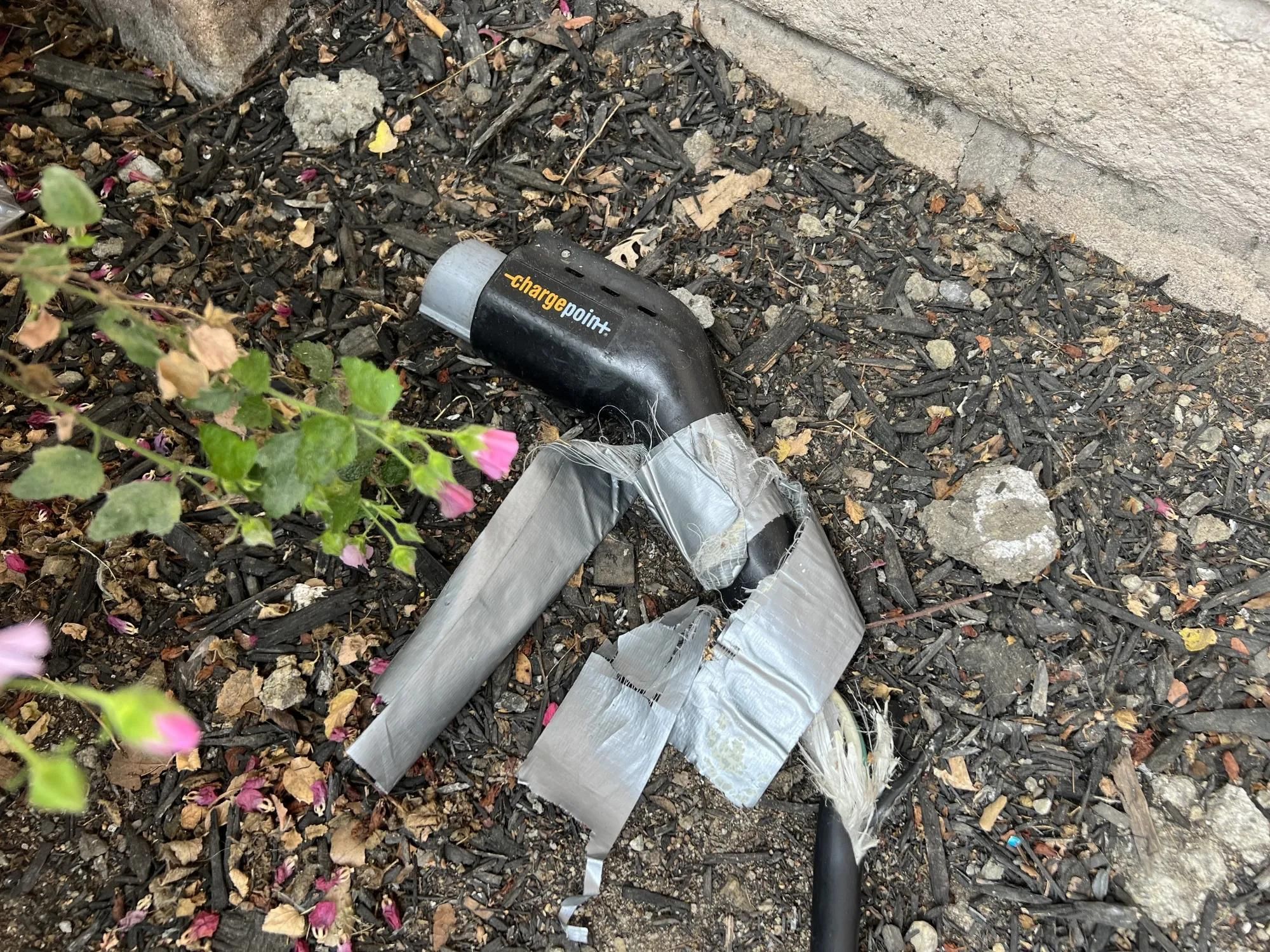
Maintenance is the next target. A broken unit should be flagged and fixed fast. Many networks still lack quick reporting tools. Better monitoring can catch faults before drivers do. Remote diagnostics can restart a unit in minutes. Simple fixes should not wait for a truck visit.
Open data would also help. Drivers benefit from live status that is accurate. A map that shows a working charger saves a wasted trip. The 12% rate still leaves room to grow. Reaching single digits would be a major milestone. It would bring public charging closer to the feel of a fuel pump.
Policy can play a part. Public funding programs often set uptime goals for charger projects. Clear targets and honest reporting make those goals meaningful.
Standards for reliability give operators a shared bar. They also give drivers a way to compare. Good rules reward those who build well. Automakers have a role as well. Their growing stake in networks ties the car and the charger together. Owners may soon expect a seamless link from vehicle to station.
Features like route planning and preconditioning help here. A car that knows a charger is down can reroute early. That cuts failed visits before they happen.
Shopper perception is the final piece. Better data must reach the people who are still on the fence. Many have not tried an EV and rely on stories. Dealers and carmakers can share the facts. Failed visits are at a record low. Fast charging satisfaction is rising across the board.
Honesty will matter. Overselling would backfire the first time a driver meets a dead unit. A fair message builds lasting trust. Looking ahead, the trend looks encouraging. New networks are still expanding. Older networks are being pushed to catch up.
Several things could slow progress. Weak Level 2 service may drag down the average. Uneven coverage may leave some regions behind. Still, the study offers real hope. In six years, public charging has gone from a constant worry to a steadily improving service.
The latest result is the strongest sign yet. The record 12% is not the finish line. It is proof that focus and investment work. The next goal is to make failed visits rare enough to forget.