
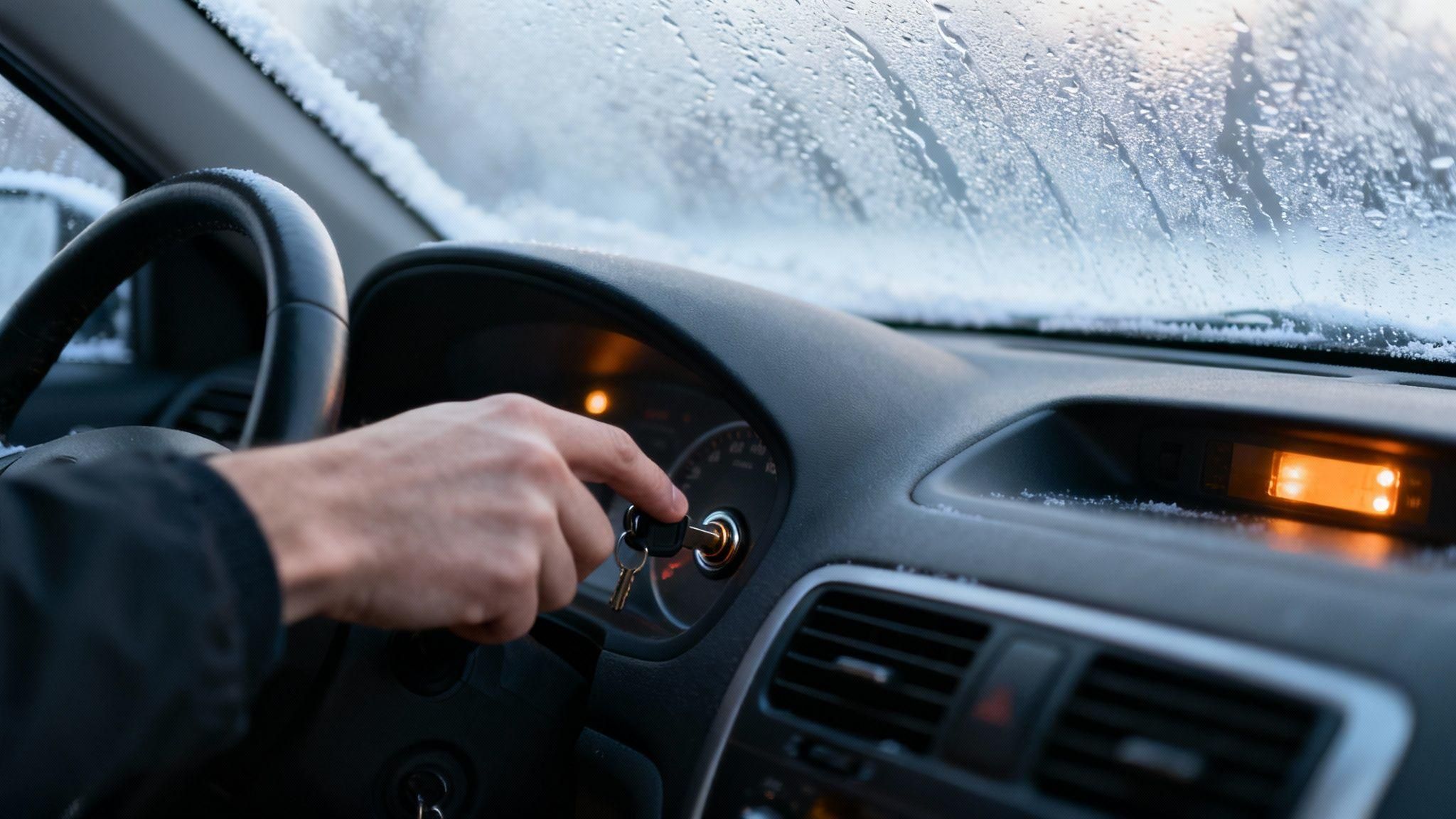
Every morning, millions of drivers start the engine and wait. They believe the car needs time to warm up before it moves. This habit comes from an older era of cars. Carburetors then needed heat to mix fuel and air properly.
Modern cars work very differently. Computers now manage fuel, air, and spark with great precision. So the old advice no longer fits most vehicles. Waiting for minutes often does more harm than good.
Still, driving off at full speed on a cold engine is not smart either. The real answer sits somewhere in the middle. Gentle driving after a short pause is the method most engineers recommend. It protects the engine and saves fuel.
In this article, we look at what really happens inside a cold engine. We also cover when idling helps and when it hurts. You will learn simple habits that suit petrol, diesel, and turbo cars. Let us begin with the science.
Why Idling to Warm Up Is Mostly a Myth Today
Older cars used carburetors to mix fuel and air. A cold carburetor delivered a poor mixture, so the engine stalled. Drivers had to wait several minutes. That wait kept the car running smoothly.
Modern engines use electronic fuel injection. Sensors read temperature and adjust the mixture within milliseconds. The engine control unit adds extra fuel when the engine is cold. This keeps the car running well from the first second.
Because of this, long idling is no longer needed. A car is ready to move almost right after it starts. Oil circulation is the most important factor at startup. Modern oils reach the engine parts within a few seconds.
Most of the wear happens in those first seconds. Waiting longer at idle does not remove that risk. Idling is actually a slow way to warm the engine. The engine produces very little heat at low speed.
A car may take ten minutes or more to warm at idle. The same car warms in a few minutes when driven gently. Long idling also wastes fuel. Many cars burn about half a litre or more per hour while standing.
That fuel gives you zero distance. Over a year, the waste adds up to a real amount of money. There is also a hidden problem with a cold engine. The extra fuel it uses can wash oil off the cylinder walls.
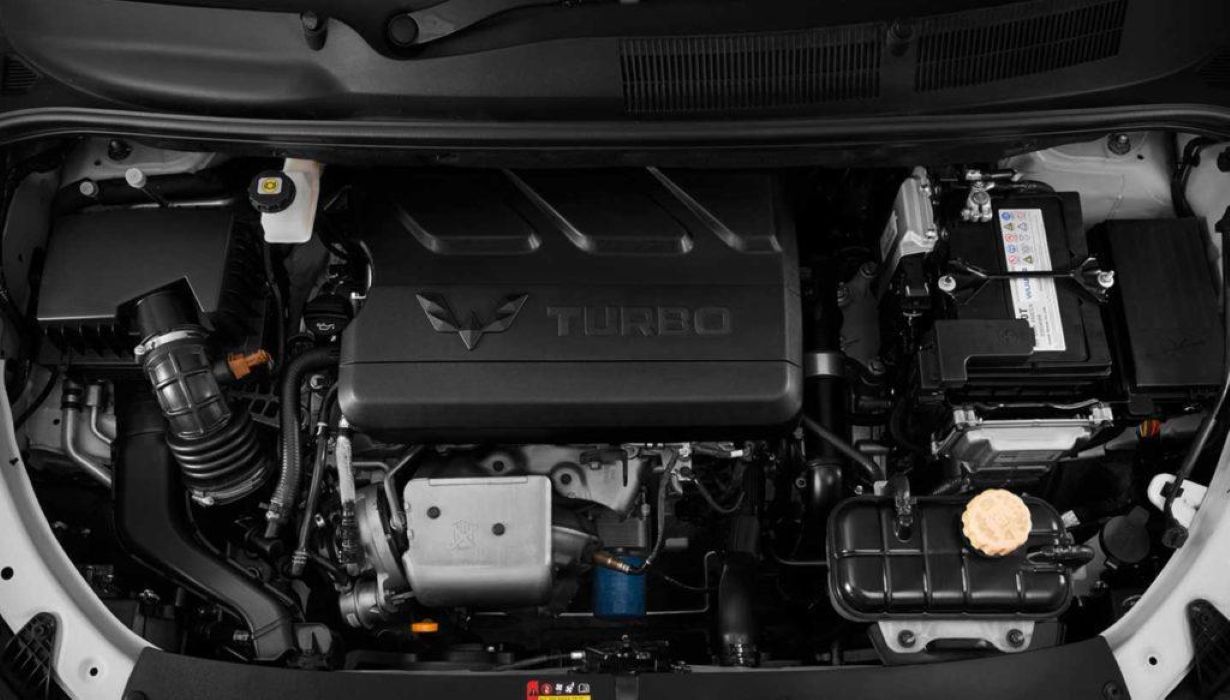
This thin oil film protects the pistons and rings. Losing it increases wear over time. Some of the extra fuel also seeps into the engine oil. This dilutes the oil and reduces its strength.
Incomplete combustion is another issue. A cold engine does not burn fuel completely. This leaves carbon deposits on spark plugs and valves. Over years, those deposits can hurt performance.
The exhaust system suffers too. A catalytic converter needs heat to clean emissions. At idle, it heats up slowly. So the car pollutes more during a long warm-up.
Moisture can build up in the exhaust as well. Short idling sessions never get it hot enough to dry out. This moisture may speed up rust inside the pipes. It is a small but real effect.
Environmental rules reflect these facts. Many cities discourage or limit unnecessary idling. Fuel waste and fumes harm the air we breathe. This matters most in crowded neighbourhoods.
Another point is that only the engine warms up while idling. The gearbox, wheel bearings and tyres stay cold. These parts need movement to warm up. Only driving can give them that.
So the main idea is simple. Idling does little for your car and costs you money. A short pause is enough for most cars. After that, it is better to start moving.
How Gentle Driving Warms Your Car the Right Way
Gentle driving warms every part of the car together. The engine, gearbox and suspension all gain heat as you move. This even warming is healthier for the whole machine. It also reaches working temperature much faster.
Start by letting the engine run for about 30 seconds. This gives the oil time to spread to the top of the engine. In mild weather, even 15 seconds is often enough. Use the time to fasten your seat belt and check your mirrors.
Then pull away smoothly. Keep your foot light on the accelerator. Avoid high engine speed for the first few kilometres. A good rule is to stay below about 3,000 rpm.
Do not floor the pedal or rev the engine hard. Cold oil is thicker and does not flow as freely. Watch the temperature gauge as you drive. The needle usually rises to the middle within five to ten minutes.
Once it settles, the engine is at its normal temperature. Only then should you ask for full power. Some cars show oil temperature as well. Oil takes longer to warm than coolant, so give it extra time.
Turbocharged cars need special care. The turbo spins at very high speed and depends on good oil flow. Avoid hard boost until the oil is warm. Gentle driving protects the turbo bearings.
The same rule helps after a long drive. Let a turbo car cool down by driving slowly for the last minute. This is not about idling for minutes at the end. A calm last stretch of road is enough.
Gentle driving also helps the transmission. Gearbox fluid is thick when cold and shifts may feel stiff. Smooth acceleration lets the fluid warm up slowly. This reduces stress on the gears and clutches.
Tyres benefit too. Cold rubber grips less, so early braking and turning should be gentle. The suspension and steering also loosen up with movement. You will notice the ride feels smoother after a few kilometres.
Choosing a calm route for the first minutes helps. Avoid steep climbs or heavy traffic if you can. Light, steady driving at a moderate speed is ideal. City streets or quiet roads work well.
Short trips deserve attention. Many trips under five minutes never let the engine reach full temperature. This is hard on the engine over time. If you can, combine small errands into one longer drive.
Fuel savings are a pleasant bonus. A car that moves gently uses less fuel than one that idles and then rushes. Your brakes and tyres also last longer with smooth habits. Gentle driving is good for the whole car.
Diesel engines deserve a mention. They take longer to warm up, even while driving. So give a diesel a bit more patience at first. Keep the load light for the first few minutes.
Automatic and manual cars follow the same idea. Shift early and avoid holding high revs. In manual cars, shift up before the engine gets loud. This keeps the load easy on cold parts.
Hybrid cars handle much of this for you. Their systems manage the engine start and warm-up smartly. Electric cars have no engine to warm. They may still warm the battery, so gentle driving helps in cold weather.
Remember that every car is different. Your owner’s manual gives the best advice for your model. Many manuals say to drive off soon after starting. This shows that engineers prefer gentle driving to long idling. Following this method takes no extra effort. It is simply a change of habit.
When Idling Still Makes Sense and Smart Habits to Follow
There are times when a longer idle is reasonable. Extreme cold is the main example. At temperatures far below freezing, oil turns very thick. A minute or two of idle may help it flow.
Even then, ten minutes is too long. Two or three minutes is plenty for most cars. Most Indian drivers rarely face such freezing weather. Even on cold winter mornings in the plains, short idling is enough.
Older cars with carburetors are another case. They really do need a little more time to run smoothly. If your car stalls or hesitates when cold, give it a minute. Do not leave it running for long periods, though.
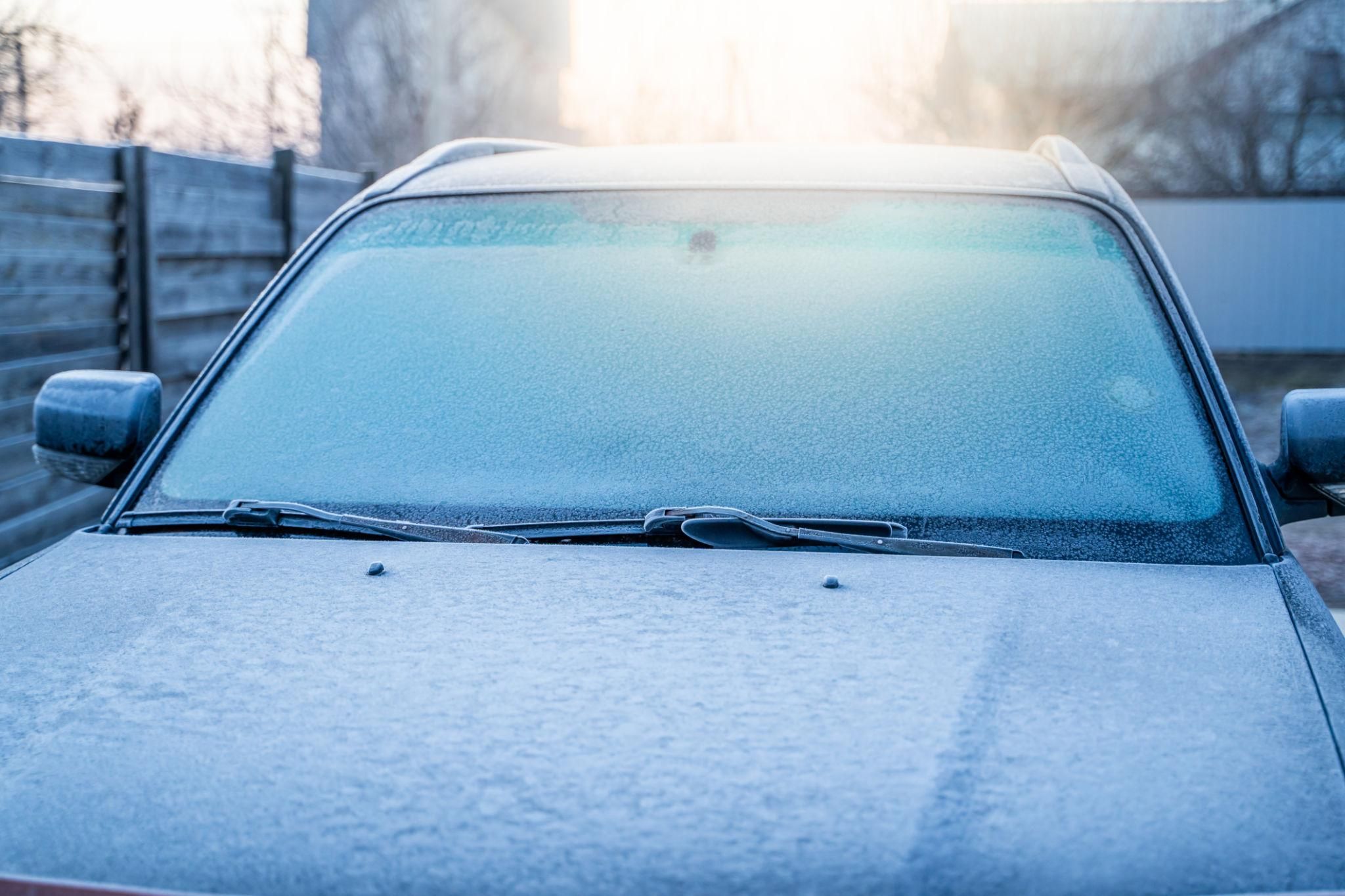
Visibility is a safety matter. Foggy or frosted windows must be cleared before you drive. Use the defogger and wiper to clear the glass. Safety always comes before saving a few sips of fuel.
Winter fog is common in northern India. Take your time to clear the windscreen fully. Never drive with blocked vision. A short wait is better than a risk on the road.
Do not idle in a closed garage. Exhaust fumes contain carbon monoxide, which is deadly. Always open the garage door before starting the engine. Better still, move the car outside first.
This is a serious safety rule. Many accidents happen because of poor ventilation. Air conditioning is another reason people idle. In hot weather, a few minutes of cooling can feel important.
You can cool the cabin while moving instead. Open the windows briefly, then switch on the cooling. Waiting in traffic is a different matter. If you stop for more than a minute, switching off can save fuel.
Many new cars have an auto start-stop system. It shuts the engine off at red lights to save fuel. Modern starters and batteries are built for this. Repeated restarts cause very little wear.
A good routine is easy to follow. Start the car, fasten your seat belt, and check your surroundings. After 20 to 30 seconds, pull away softly. Keep the revs low until the gauge starts to rise.
Use quality oil of the grade your maker suggests. The right oil flows quickly when cold. A thinner grade, such as 0W or 5W, flows faster at startup. Check your manual before changing anything.
If you drive a company car or taxi, the savings grow. Less idling means lower fuel bills over many trips. It also means less noise and fewer fumes near your home. Neighbours will thank you for it. Do not worry about doing it perfectly. A small pause and a gentle start already give most of the benefit.
