A car is one of the most complex things most people ever own. It is built from thousands of small pieces that must work together. Many people ask how many parts a car has. The honest answer depends on how you count.
If you count only major assemblies, the number is small. If you count every nut, bolt, clip and wire, it grows very large. Industry sources often say a modern car has around 30,000 parts. This number includes even the smallest fasteners.
A car from 1980 had fewer parts. Most estimates put it between 12,000 and 20,000. These are estimates, not exact counts. Brands, models and counting methods all change the result. The gap between then and now is not only about numbers. It is about what kind of parts were added.
In 1980, a car was mostly mechanical. Metal, rubber and glass did most of the work. Today, a car is also an electronic machine. Sensors, chips and software now sit beside the engine.
This article compares both eras. It lists the main parts in each and explains why the count changed. Let us begin with the typical car of 1980. Think of a Ford Fairmont, a Toyota Corolla or a Chevrolet Malibu.
Introduction and the Car of 1980
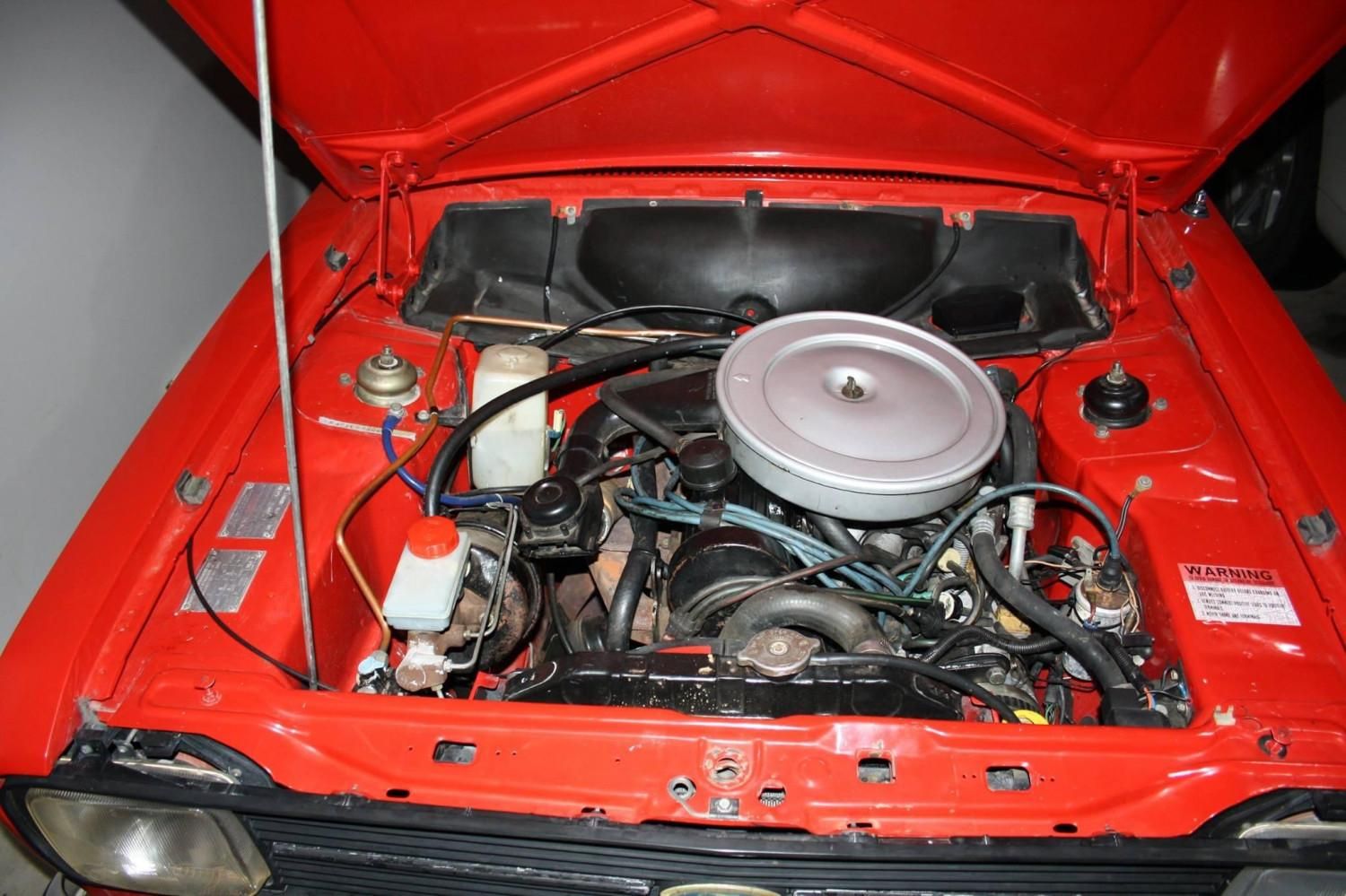
The engine was the heart of that car. Most had a four, six or eight cylinder petrol engine. The engine block held the cylinders. The cylinder head sat on top and held the valves.
Inside each cylinder was a piston. Each piston had rings, a pin and a connecting rod. The crankshaft turned the pistons’ motion into rotation. The camshaft opened the valves at the right time.
Valves, springs, lifters and rocker arms made up the valvetrain. Pushrods were common in many American engines. A timing chain or belt linked the crankshaft and camshaft. Gears and a tensioner kept it tight.
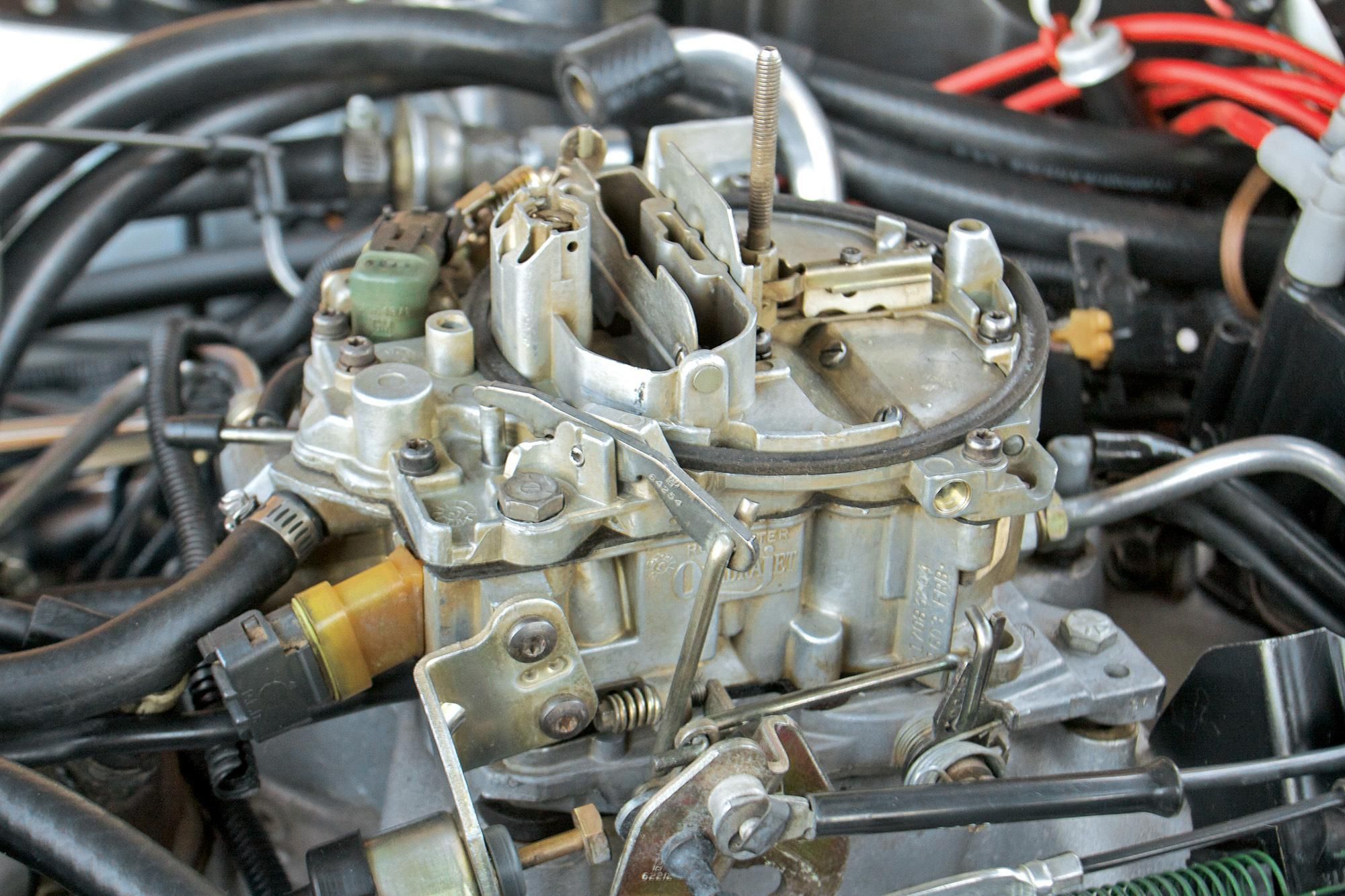
The fuel system was simple. A mechanical fuel pump sent petrol to the carburetor. The carburetor mixed air and fuel. It had jets, a float, a choke and a throttle plate.
A fuel tank, fuel lines and a filter completed the system. Fuel injection was still rare in 1980. The ignition system used a distributor. Inside it were contact points and a condenser.
A coil made the high voltage. Spark plugs and thick plug wires carried it to each cylinder. The cooling system had a radiator and a water pump. A thermostat, hoses and a fan kept heat under control.
The lubrication system had an oil pump and an oil pan. An oil filter caught dirt. The exhaust system started at the manifold. A pipe led to the catalytic converter on many models.
The muffler reduced noise. Hangers and clamps held the pipes in place. Emission controls were basic but growing. A PCV valve and an EGR valve were common.
Some models had an air pump and a charcoal canister. These cut pollution but added parts. The transmission came in two forms. Manual boxes had gears, shafts and synchronizers.
Automatics had a torque converter and clutch packs. A hydraulic valve body controlled the shifts. A manual car also had a clutch. It included a disc, a pressure plate and a release bearing.
The driveline sent power to the wheels. Rear-wheel drive cars used a driveshaft and a differential. Front-wheel drive cars used CV joints and half shafts. This layout was spreading quickly in 1980.
The suspension carried the weight of the car. Springs and shock absorbers soaked up bumps. Control arms, ball joints and bushings held the wheels. Many cars used leaf springs at the rear.
The steering system had a wheel, a column and a rack or box. Power steering added a pump and hoses. The brakes were hydraulic. A master cylinder, lines and calipers or wheel cylinders did the work.
Front discs and rear drums were the usual setup. Pads, shoes, rotors and drums wore out over time. Anti-lock brakes were not common in 1980. Most drivers had to pump the pedal in a skid.
The wheels and tyres were simple. Steel rims, hubcaps, lug nuts and bias-ply or radial tyres were standard. A spare tyre and a jack sat in the boot. These were counted as parts too.
The body was made of stamped steel panels. Doors, hood, fenders, roof and trunk lid formed the shell. Hinges, latches and locks kept everything closed. Rubber seals stopped water and wind.
Bumpers were large and made of chrome or heavy plastic. They sat on shock-absorbing mounts. Glass included the windshield, side windows and rear glass. Wipers and a washer pump kept the view clear.
The interior was plain. Seats had springs, foam and cloth or vinyl covers. The dashboard held round gauges. A speedometer cable often linked to the gearbox.
The heater had a blower motor and a heater core. Air conditioning was an optional extra. The radio was an AM/FM unit with a few speakers. Some had a cassette player.
The electrical system had a battery, an alternator and a starter motor. A fuse box and a wiring loom tied it all together. Lights included headlamps, tail lamps, indicators and brake lights. Bulbs and simple switches controlled them.
Safety parts were limited. Seat belts were present, but airbags were almost unknown. A rough count for such a car falls near 15,000 parts. Fasteners alone made up a big share of that.
Electronics were minimal. A few relays and one or two simple modules were typical. Total wiring was short, roughly a few hundred metres. The whole car was easy to understand and repair.
Owners could fix many faults in the driveway. A basic toolkit and a manual were often enough. That was the car of 1980. Now let us see what changed.
The Car of Today
A modern car still has an engine, wheels and a body. But almost every system has grown in complexity. The commonly quoted figure is around 30,000 parts. That is roughly double the 1980 estimate.
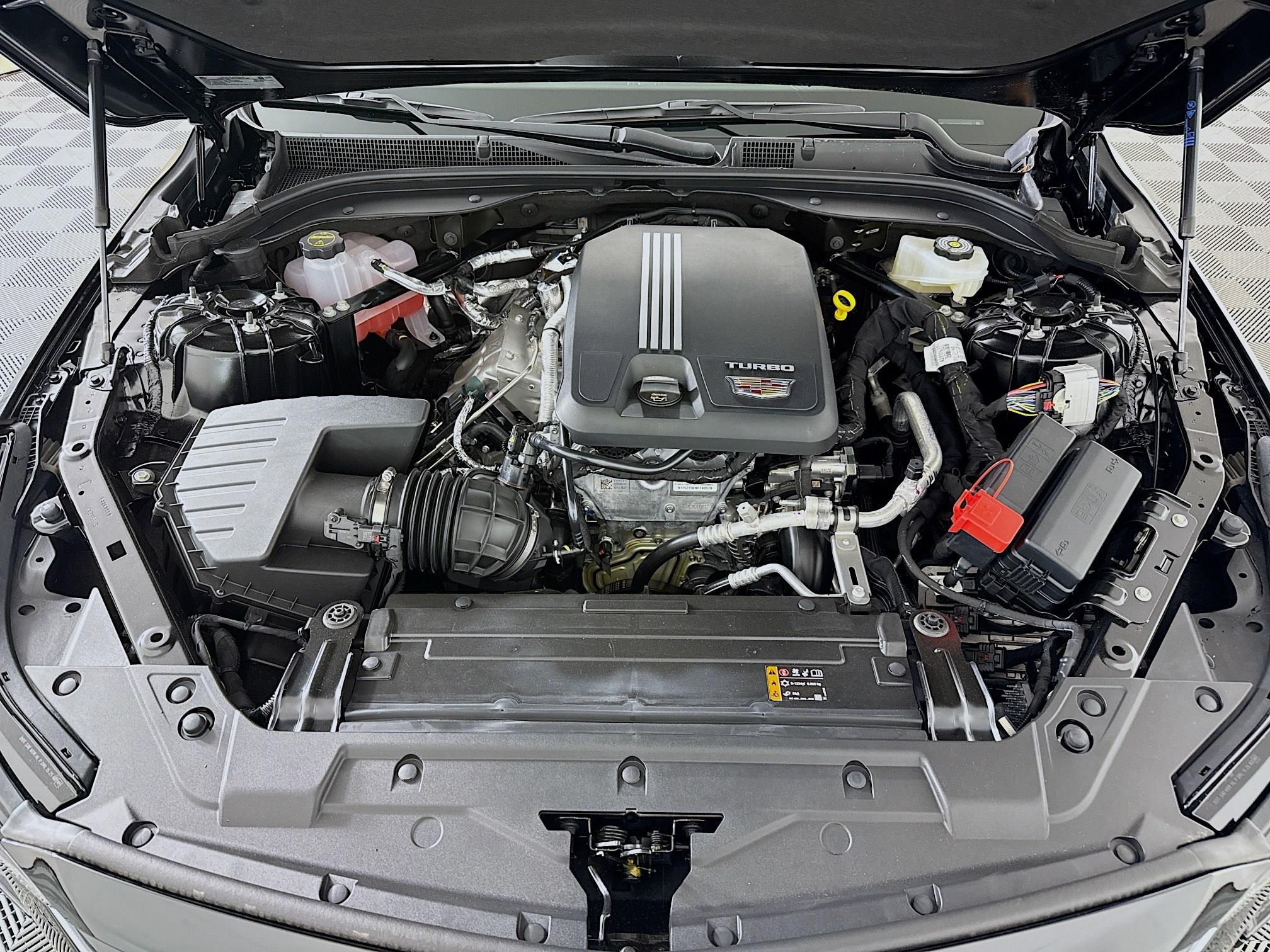
Engines today are smaller but smarter. Many use turbochargers and direct fuel injection. A turbocharger adds a turbine, a compressor and an intercooler. It also needs oil lines, coolant lines and a wastegate.
Fuel injectors replaced the carburetor. A high-pressure pump and a fuel rail feed each cylinder. Variable valve timing is now common. It adds actuators, solenoids and phasers to the valvetrain.
The distributor is gone. Each cylinder now has its own coil, often mounted on the spark plug. Sensors are the biggest new group of parts. A modern engine has an oxygen sensor, a knock sensor and an airflow sensor.
Others measure crank position, cam position, coolant temperature and manifold pressure. Each one sends data to the computer. The engine control unit is the brain. It reads sensors and adjusts fuel, spark and timing many times a second.
A whole car may carry 50 to over 100 electronic control units. They handle the engine, gearbox, brakes, doors and more. These units are linked by data networks. A CAN bus and other networks replace much of the old point-to-point wiring.
Even so, total wiring is much longer. A modern car can carry two to five kilometres of cable. The exhaust system is far more advanced. It has a close-coupled catalytic converter and a particulate filter on many engines.
Diesel cars add urea injection systems. A tank, pump and nozzle reduce harmful nitrogen oxides. Transmissions have changed too. Eight, nine and ten-speed automatics are now normal.
Dual-clutch and continuously variable gearboxes add new parts. Electronic solenoids and sensors control them. Many cars now have all-wheel drive. This adds a transfer case, extra shafts and a second differential.
The suspension is more refined. Multi-link rear axles, anti-roll bars and adaptive dampers are common. Some cars use air springs with compressors and sensors. Others have magnetic dampers that change stiffness instantly.
The steering is now often electric. A motor, a torque sensor and a control unit replace the old hydraulic pump. Brakes have many added systems. Anti-lock brakes use wheel speed sensors and a hydraulic modulator.
Stability control adds yaw and steering angle sensors. Traction control shares the same hardware. Electric parking brakes replace the old cable lever. They use small motors at the rear calipers.
Safety has seen the largest growth. Modern cars carry six to ten airbags in the front, sides and curtains. Each airbag has an inflator, a bag and a crash sensor. Seat belt pretensioners and load limiters add more parts.
Instead, it has a large battery pack. This holds hundreds or thousands of cells, plus cooling and safety circuits. An inverter, an onboard charger and a DC converter manage power. A thermal system keeps the battery at a safe temperature.
Estimates suggest an electric car has about 20,000 parts, or somewhat fewer. Some makers claim even lower counts for simple designs. Hybrids carry both systems. They are often the most complex cars of all. So today the total ranges from about 20,000 to over 30,000. The exact number depends on the type of car.
What Changed and Why
The main change is the rise of electronics. In 1980 they were a footnote, and now they are central. Electronics now account for a large share of a car’s cost. Some estimates place it near a third.
Safety rules drove many new parts. Airbags, crumple zones and stability control became required in many markets. Governments around the world pushed these standards. Crash tests grew tougher every decade.
Emission laws also added parts. Catalytic converters, filters and sensors were needed to clean the exhaust. Fuel economy rules pushed turbochargers and smarter transmissions. Engines became smaller but more complex.
Customer demand played a role as well. Buyers now expect air conditioning, screens and power features as standard. Comfort items that were options in 1980 are now normal. Each one adds motors, wires and switches.
Some parts, however, have disappeared. The carburetor, distributor, points and choke cable are gone. Speedometer cables and manual window winders are also rare. Electronics replaced many of them.
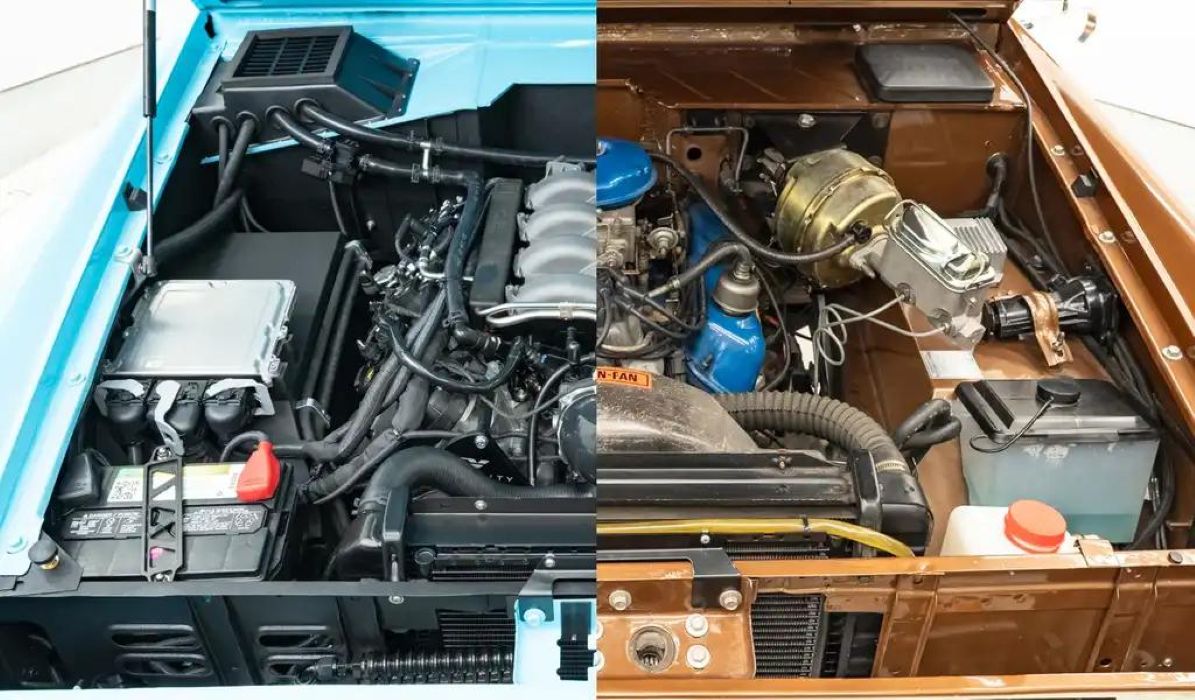
Other parts became more integrated. A single module can now do the job of many old parts. Makers also use shared platforms. This reduces the number of unique parts across models.
Manufacturing has changed too. Large castings can replace dozens of welded pieces. Some electric car makers use giant single castings for the rear floor. This cuts hundreds of parts and many robots.
Reliability has improved a great deal. Cars in 1980 often needed frequent tune-ups. Today, spark plugs can last over 100,000 kilometres. Maintenance intervals are much longer.
Repairs, however, are harder for owners. Many faults need a scan tool and special training. A 1980 car could be fixed with simple tools. A modern car often needs a diagnostic computer.
Weight has also changed. Cars today are generally heavier than their 1980 counterparts. Safety gear, batteries and equipment add mass. Lightweight materials only partly offset this. Power is far higher. A 1980 family car might produce 70 to 110 horsepower.