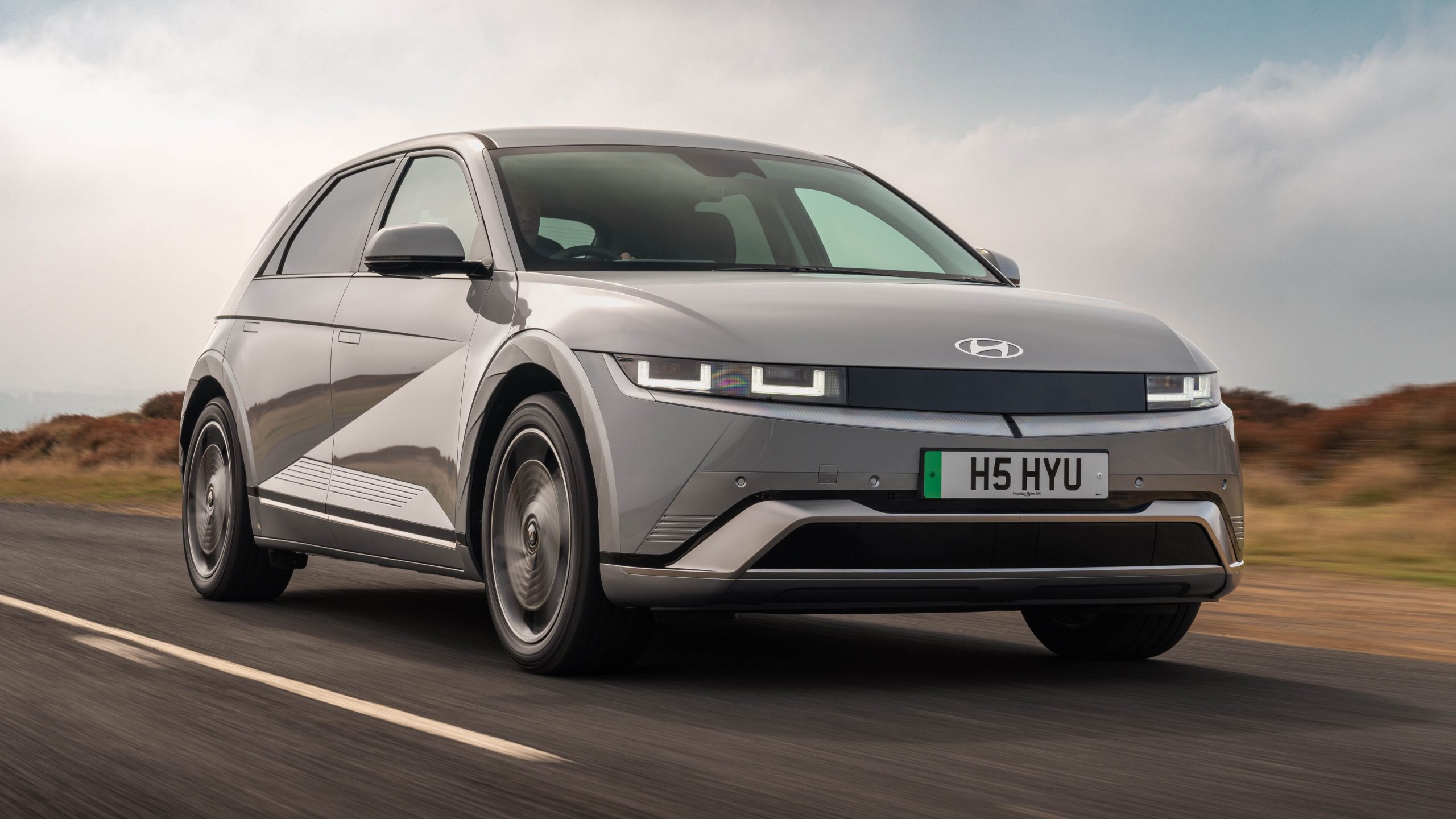
Choosing an electric SUV is harder than ever. The Tesla Model Y, Ford Mustang Mach-E, and Hyundai Ioniq 5 lead most shopping lists. All three are compact crossovers built for families. All three now cost less and charge more easily than a few years ago.
The Model Y is the benchmark many buyers start with. It offers a huge charging network and constant software updates. The Mach-E adds Mustang styling and a sportier drive. It is Ford’s flagship electric SUV and a strong all-rounder.
The Ioniq 5 brings bold retro design and very fast charging. It is also usually the cheapest of the three. This guide compares them on EPA range, crash safety, and manufacturer charging specs. Each section names a clear winner.
Our research draws on EPA ratings, crash-test agencies, and official charging figures. We kept the language simple and the numbers honest. Figures vary by trim, wheel size, and model year. Always confirm the numbers for the exact version you plan to buy.
EPA Range and Efficiency: Who Goes Farthest?
Range is the first question most buyers ask. EPA figures are the standard yardstick in the United States. The Model Y leads in its best trims. The 2026 Long Range AWD is rated at 327 miles, and independent testing matched that figure on the road.
Some of the longest single-motor Model Y variants are listed even higher. Numbers near 350 miles appear for the top trims. The lineup also includes a cheaper Standard trim. It gives up some range and features for a lower price.
The Mach-E comes next. Ford quotes up to 320 miles of EPA range for the 2026 model. That figure applies to the extended-range rear-drive setup. Dual-motor versions score lower.
The GT and Rally trims trade range for power. They offer up to 480 horsepower but fewer miles per charge. Real-world results run a little lower. One independent range test of the Mach-E returned 281 miles.
The Ioniq 5 sits close behind. Its range runs from 245 miles in the base model to 318 miles in most single-motor rear-drive versions. The base battery is the weak spot. Most buyers should step up to the larger pack.
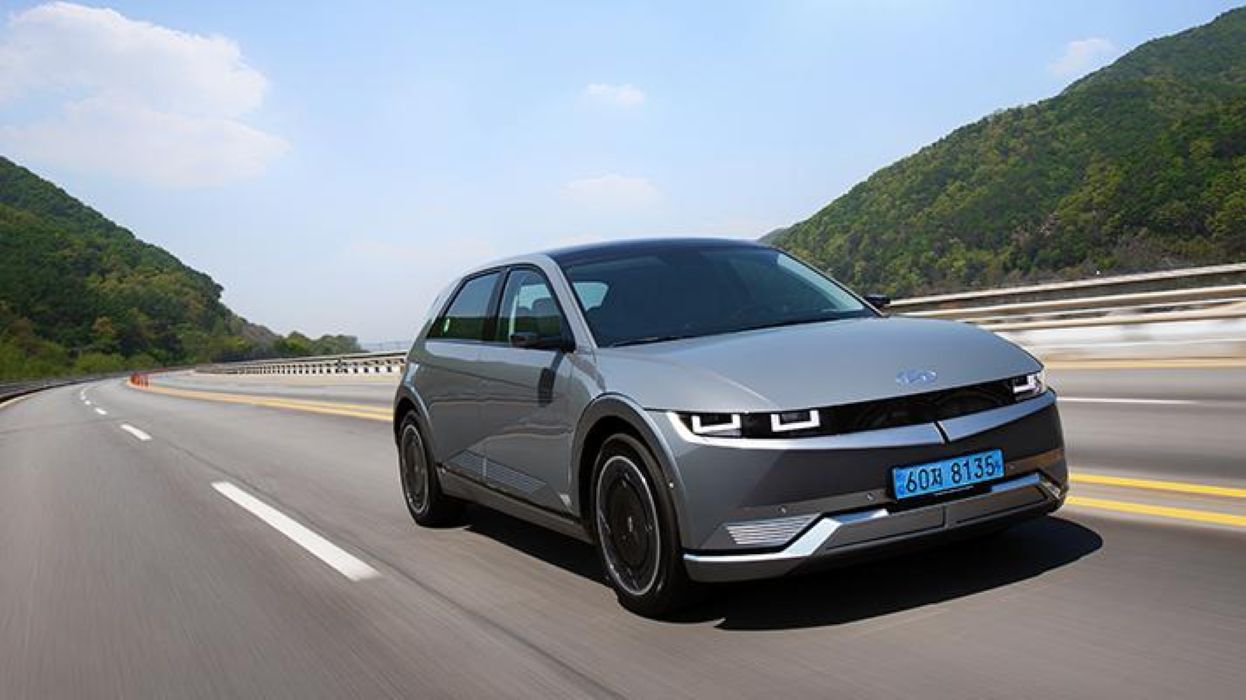
Dual-motor Ioniq 5 models lose some distance. The extra grip costs miles. Efficiency matters as much as total range. A more efficient car needs less energy and costs less to run.
The Model Y is generally the most efficient of the three. That helps explain its range lead. The Mach-E uses more energy per mile in most trims. It is heavier and has a boxier shape.
The Ioniq 5 lands in the middle. Its efficiency is good but not class-leading. Cold weather cuts range for every EV. Expect a loss of roughly 20 to 30 percent in freezing conditions.
A heat pump reduces that loss. All three offer one, so confirm it on your trim. Highway speed also matters. Driving at 75 mph can push range well below the EPA figure.
Wheel size changes results too. Larger wheels usually mean fewer miles per charge. For daily commuting, any of the three is enough. Most drivers cover under 50 miles a day.
For road trips, range matters more. A longer range means fewer stops. Battery health matters over time. All three carry long battery warranties, but the terms differ.
For everyday driving, aim to charge the battery to around 80 percent to help preserve its long-term health. The Model Y leads in driving range, while the Mach-E and Ioniq 5 offer similar enough range that the difference is unlikely to matter much to most buyers.
IIHS and NHTSA Safety: Which One Protects Best?
Safety decides many family purchases. Two main groups test cars in the United States. The IIHS is funded by insurers. It runs tough crash tests and awards Top Safety Pick and Top Safety Pick+ honors.
NHTSA is the federal agency. It uses a five-star system for protection. The two use different methods. A car can score well with one and less well with the other.
The Mach-E has a strong record. The IIHS gave it a Top Safety Pick+ rating, with good scores everywhere except seatbelt latch ease of use. That is the IIHS’s highest award. It requires good crash results plus strong headlight and pedestrian-braking performance.
The Mach-E also does well in federal testing. It is one of the most consistently rated EVs in its class. The Model Y has a perfect federal score. The 2026 model earned a five-star rating from NHTSA.
The IIHS side is less clear. One recent comparison noted the IIHS had not yet published ratings for the 2026 Model Y. Earlier Model Y years earned strong IIHS results. Check whether the newest refresh has been tested.
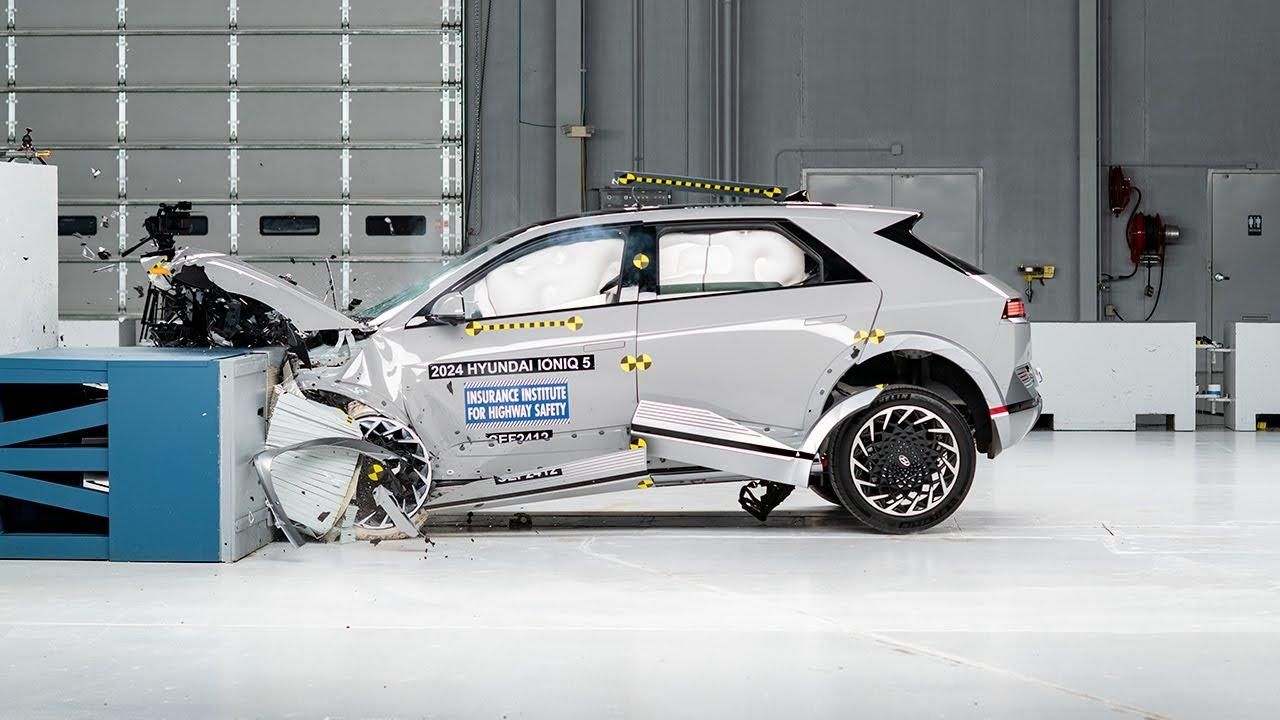
The refresh changed styling, materials, and some hardware. Those updates may not carry over earlier scores. The Ioniq 5 has also been a safety standout. Recent model years earned top IIHS honors.
Hyundai wraps strong crash structures around the battery pack. The floor-mounted pack gives a low center of gravity. A low center of gravity helps stability in emergency maneuvers. It also lowers rollover risk compared with taller crossovers.
All three include automatic emergency braking and lane-keeping help. These systems are now standard. Tesla includes Autopilot on most Model Y versions. Its full self-driving software costs extra and needs driver supervision.
Ford offers BlueCruise as a hands-free highway system. It requires a subscription and works only on mapped roads. Hyundai offers Highway Driving Assist. It is a more traditional system and works well in daily traffic.
None of these systems makes the car self-driving. The driver must stay alert at all times. Headlights are part of IIHS scoring. Many safe cars lose points here.
Trim level can change the headlight rating. Base trims sometimes use weaker lamps. Child seat anchors are rated too. The Mach-E latch score shows how small details affect an award.
Safety testing increasingly emphasizes protection for rear-seat passengers. Since ratings can vary by model year and production date, check with your dealer to confirm the results for your specific trim. The Mach-E takes the lead with its strong IIHS rating, while the Model Y and Ioniq 5 remain excellent options for safety-conscious buyers.
Charging Specs, Price, and the Final Verdict
Charging speed shapes the road-trip experience. Peak power is only part of the story. What matters is how long the car holds a high speed. A steady curve beats a quick peak that fades.
The Ioniq 5 is the fastest charger here. Hyundai quotes a peak of 350 kW, against 250 kW for the Tesla. It uses an 800-volt system. That is rare in this price range.
Under ideal conditions, 10 to 80 percent takes under 20 minutes. That is among the best times in the segment. The Ioniq 5 now has a native NACS port. That lets it use most Tesla Supercharger stations.
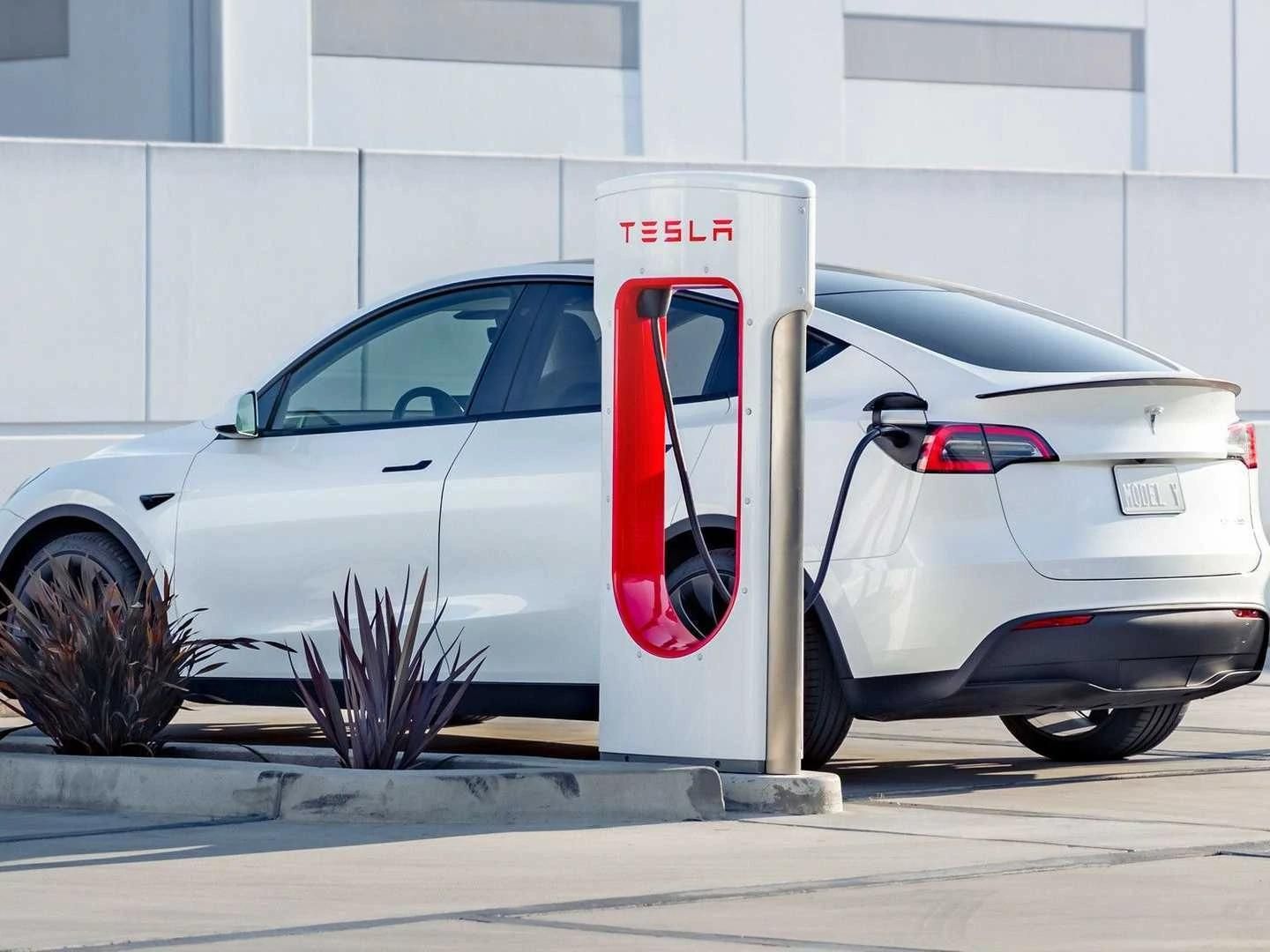
The Model Y charging experience is simple. The car warms the battery as you go through to a charger. Tesla peaks around 250 kW. It can add up to 169 miles in 15 minutes at a high-power station.
The Supercharger network is still its biggest advantage. Stations are plentiful and plugging in takes seconds. The Mach-E is the slowest of the three. It peaks near 150 kW and still uses a CCS1 port.
Supercharger access needs Ford’s NACS adapter, which costs about $200. That adds cost and one more item to carry. A typical Mach-E fast charge takes 35 to 40 minutes. That is clearly longer than the Ioniq 5.
Home charging is similar for all three. A Level 2 charger adds roughly 25 to 40 miles per hour. Most owners charge overnight at home. For them, DC speed matters only on trips.
Now consider price. The Ioniq 5 ranges from about $36,600 to $47,875 with destination. The Mach-E runs from about $39,840 to $59,735. The top end reflects the GT trims.
The Model Y starts between the two. Premium and Long Range trims climb above both rivals. The Ioniq 5 base price is almost $5,000 below the Model Y Standard. That saving is meaningful.
The federal tax credit is no longer available for new purchases. Check dealer incentives and lease deals instead. Also check state and local programs. Some regions still offer rebates.
Cabins feel very different. The Model Y is minimalist, with nearly everything on one screen. The Mach-E has a large vertical screen and a familiar layout. The Ioniq 5 has a roomy, lounge-like cabin.
Cargo space favors the Model Y. It has a big rear trunk plus a front trunk. On the road, the Mach-E is the sportiest. The Ioniq 5 is the most comfortable, and the Model Y is quick but firm.
So which should you buy? Choose the Model Y for the longest range and the easiest charging network. Choose the Ioniq 5 for fast charging, comfort, and a lower price. Choose the Mach-E for driving fun and a top IIHS result.
Our pick for most buyers is the Ioniq 5. The Model Y is a very close second, especially for frequent long trips. Take a test drive before deciding. Confirm the latest range, safety rating, and charging specs for your exact trim.