The U.S. Federal Trade Commission has dismissed its administrative complaint against Asbury Automotive Group, ending a closely watched dispute over dealership pricing, unwanted add-ons, and the information customers receive when buying vehicles.
The decision, issued on October 5, 2026, closes a proceeding that began in August 2024 and was delayed by Asbury’s legal challenge to the FTC’s administrative process. The agency cited the prospect of further litigation and the resources required to continue the case.
However, the dismissal does not establish that the original allegations were false or that the dealership practices described in the complaint were lawful. The case ended without a substantive ruling on the merits.
Why the FTC Filed the Complaint
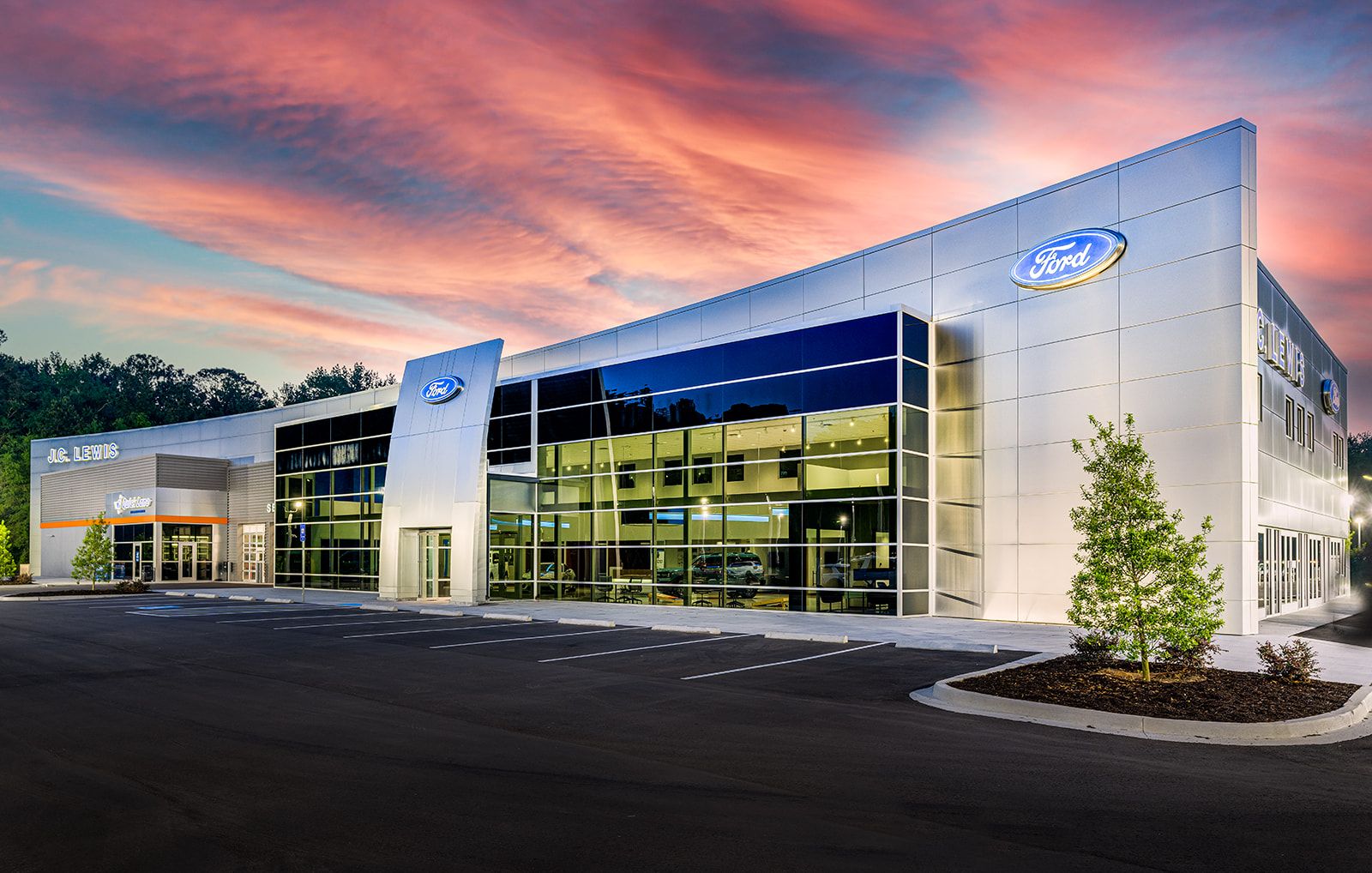
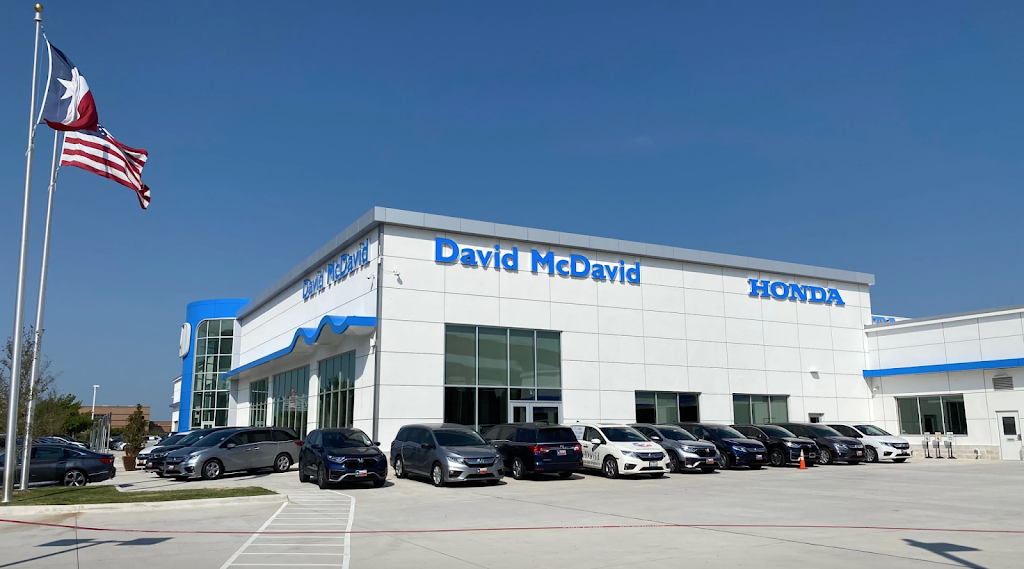
The FTC filed its complaint in August 2024 against Asbury, three Texas dealerships, and an associated executive. The dealerships named were Asbury Ft. Worth Ford, David McDavid Honda of Frisco, and David McDavid Honda of Irving.
The agency alleged that customers were charged for products and services they had not authorized or were incorrectly told they had to purchase.
The allegations focused on the difference between an advertised or negotiated vehicle price and the final amount customers paid.
Buyers may agree to a price and later discover additional charges for paint protection, chemical treatments, service contracts, or insurance products. These add-ons can provide legitimate benefits when knowingly selected, but disputes arise when customers say they were not properly informed or did not consent.
The FTC also alleged that some dealerships used payment packing, a practice in which a monthly payment is presented above the amount needed for the agreed vehicle price, with additional products added to the contract.
A customer focused on the monthly installment may not immediately notice how much of the payment relates to optional products rather than the vehicle itself. The agency said some customers were told certain products were mandatory or were presented with electronic documents that did not clearly display the complete agreement.
The complaint also included allegations that Black and Latino customers were charged more than non-Latino White customers for certain add-ons.
The FTC removed its disparate-impact discrimination allegations in 2025, leaving the pricing and unauthorized-add-on claims as the focus of the remaining proceeding. Asbury disputed the allegations and challenged the FTC’s authority to pursue the matter through its administrative process.
These claims remained allegations rather than proven violations. Filing a complaint initiates a legal process but does not establish wrongdoing on its own. Since the case was dismissed before a substantive administrative decision was issued, the allegations were never conclusively resolved on their merits.
The issue mattered because vehicle purchases frequently combine negotiations, financing, trade-ins, and optional products in a single transaction. A buyer may be concentrating on the vehicle’s price, interest rate, and monthly payment while also being offered protection plans or service contracts.
If those products are not explained clearly, the buyer may struggle to compare offers or determine whether the final contract matches the deal discussed with the salesperson.
For dealerships, these allegations also highlighted the importance of how sales staff present additional products. An optional warranty or protective coating is not inherently improper.
The concern arises when the customer does not understand the price, believes the product is compulsory, or signs paperwork without seeing the full terms. Clear disclosure and accurate records of consent can help prevent such disputes.
Why the Case Was Dismissed
Asbury challenged the FTC’s enforcement process in federal court in October 2024, questioning the agency’s structure and procedures. The litigation delayed the administrative proceeding while the court considered the company’s arguments.
Although the court addressed parts of Asbury’s challenge, the dispute continued, preventing the FTC case from moving promptly toward a full hearing.
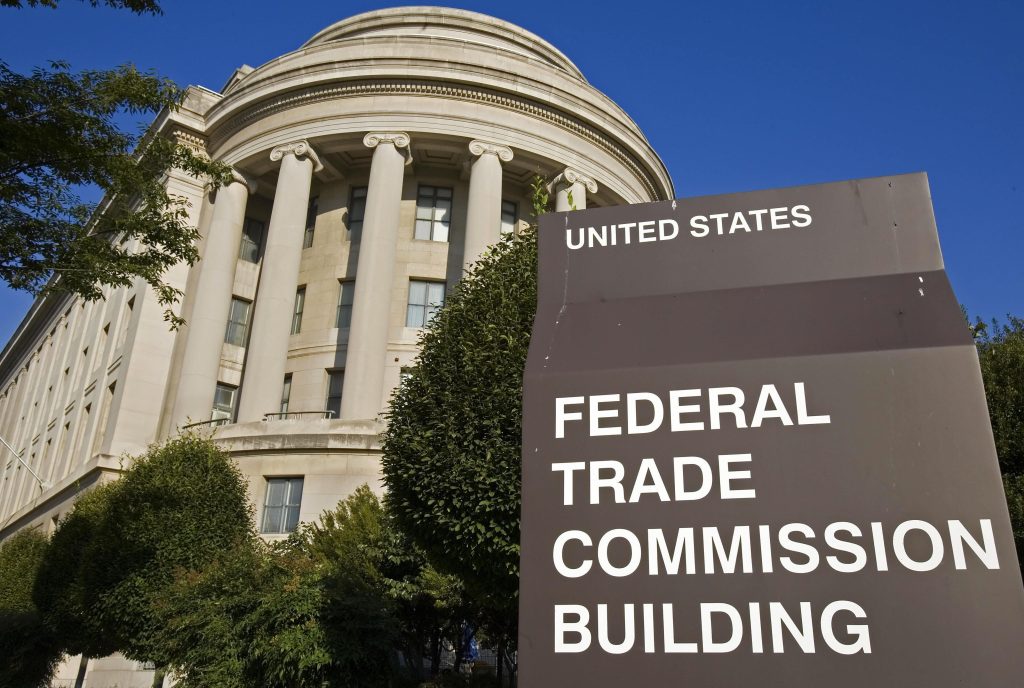
In August 2026, FTC complaint counsel sought to withdraw the matter from adjudication. On October 5, the commission formally dismissed the administrative complaint, citing the prospect of further litigation and the resources required to continue.
The decision brought the administrative proceeding to a close after more than two years of legal dispute.
The distinction between a dismissal and a ruling on the merits is important. The FTC did not issue a final finding that Asbury engaged in the alleged pricing practices, and the dismissal did not establish that the company’s conduct complied with every applicable consumer-protection requirement.
The agency ended this particular proceeding without a substantive administrative determination.
For Asbury, the decision removes the immediate prospect of defending this complaint through a full administrative hearing. For regulators, it illustrates how lengthy legal challenges can affect the time and resources required to pursue enforcement actions.
An agency may believe it has evidence of misconduct, but procedural disputes can make a case more difficult and expensive to complete.
The result should not be read as a blanket approval of dealership add-on practices. Other dealers remain subject to applicable consumer-protection laws and rules governing advertising, fees, contract terms, and customer consent.
A dealership cannot reasonably treat the dismissal as permission to advertise a price that conceals mandatory charges or to include products without the customer’s informed agreement. The legal position in any individual case depends on the facts and the laws that apply.
The case also illustrates a challenge for consumer protection agencies. When enforcement proceedings are delayed by disputes over regulatory authority, the underlying consumer allegations may remain unresolved without a final public ruling.
That can leave consumers and businesses without a definitive ruling on the specific conduct at issue, even after a lengthy legal process.
What Car Buyers and Dealerships Should Know
For consumers, the case reinforces the importance of understanding the complete cost of a vehicle before signing.
Buyers should request an itemized written price that separates the vehicle cost, dealer-installed products, optional packages, documentation charges, taxes, and registration fees. This makes it easier to see which amounts are required and which can be declined or negotiated.
Customers should review the entire purchase agreement, including electronic documents, and ask about unfamiliar charges. If a salesperson says an add-on is mandatory, buyers can ask whether it is required by law, by the lender, or only by dealership policy. They should also confirm that any product they accept appears in the final paperwork at the price discussed.
Negotiating the total price rather than focusing exclusively on monthly payments is another useful safeguard. A lower monthly payment can result from a longer loan term, a larger down payment, or different financing conditions, rather than a lower vehicle price.
Buyers should compare the total amount financed, the interest rate, the loan term, and the full cost of any add-ons before making a decision.
Optional warranties, service contracts, and protection products should be considered separately. Some may suit a buyer’s needs, but their value depends on coverage, exclusions, price, and overlap with existing warranties or insurance.
Buyers should not feel compelled to accept a product they do not understand. Taking time to read the contract and asking for a copy before signing can help prevent confusion later.
Dealerships also have a commercial reason to make prices and optional products transparent. Clear explanations can reduce disputes, strengthen customer confidence, and make it easier for buyers to compare offers.
Businesses should ensure that sales staff accurately distinguish optional products from required charges, record consent correctly, and provide contracts that customers can review in full.
The FTC’s dismissal ends its administrative case against Asbury, but it does not settle the original allegations or create a blanket exemption for dealership pricing practices. For the wider auto retail industry, the outcome is a reminder that consumer-protection questions can remain unresolved even after extensive litigation.
Buyers can protect themselves by requesting a written breakdown of the total price, reviewing every fee, and confirming that all optional products and services are included only with their informed consent before signing the contract.