

Europe and America buy vehicles for different reasons, and their sales rankings reveal just how sharply those preferences can diverge. European buyers gravitate toward compact hatchbacks, affordable small cars, and practical crossovers, while the American market gives enormous weight to pickups, family SUVs, and larger vehicles.
Full-year sales data for 2025 offer a useful comparison, with the Dacia Sandero topping Europe’s vehicle model rankings and Ford’s F-Series retaining its position as America’s best-selling vehicle line.
The comparisons below use published sales figures from both markets to explain what sells, why these vehicles appeal to buyers, and what the differences reveal about regional driving habits.
1. Dacia Sandero vs. Ford F-Series
Europe’s top-selling car and America’s best-selling vehicle could hardly be more different. The Dacia Sandero recorded 243,676 registrations in Europe in 2025, securing first place for the second consecutive year.
In the United States, the Ford F-Series sold 828,832 vehicles, retaining its position as the country’s leading vehicle line. The figures come from separate regional sales datasets, so they reflect registrations in Europe and sales in America rather than perfectly identical measurement systems.
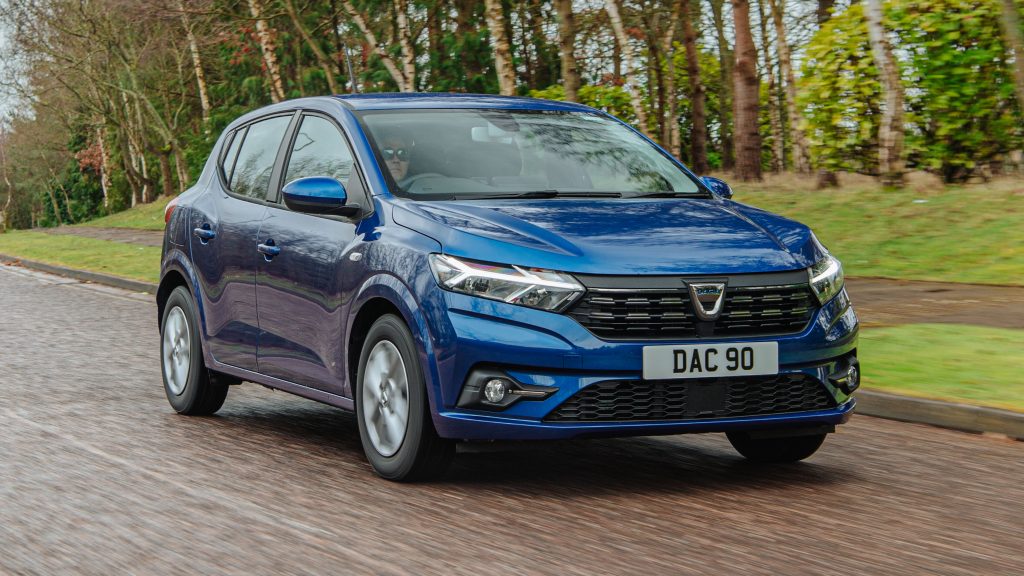
The Sandero’s appeal is rooted in affordability. Built by Romanian manufacturer Dacia, part of Renault Group, it gives European buyers a straightforward small car with practical passenger space and relatively modest running costs.
Its compact dimensions suit crowded cities, narrow streets, and parking spaces that can make large vehicles inconvenient. Its success also demonstrates the importance of purchase price in a market where many households prioritize value over size or luxury.
Ford’s F-Series serves a very different role. The lineup includes light-duty and heavy-duty pickups used for work, recreation, towing, and everyday transportation. American buyers often expect one vehicle to handle commuting, home projects, trailers, and substantial cargo, making a versatile pickup particularly attractive.
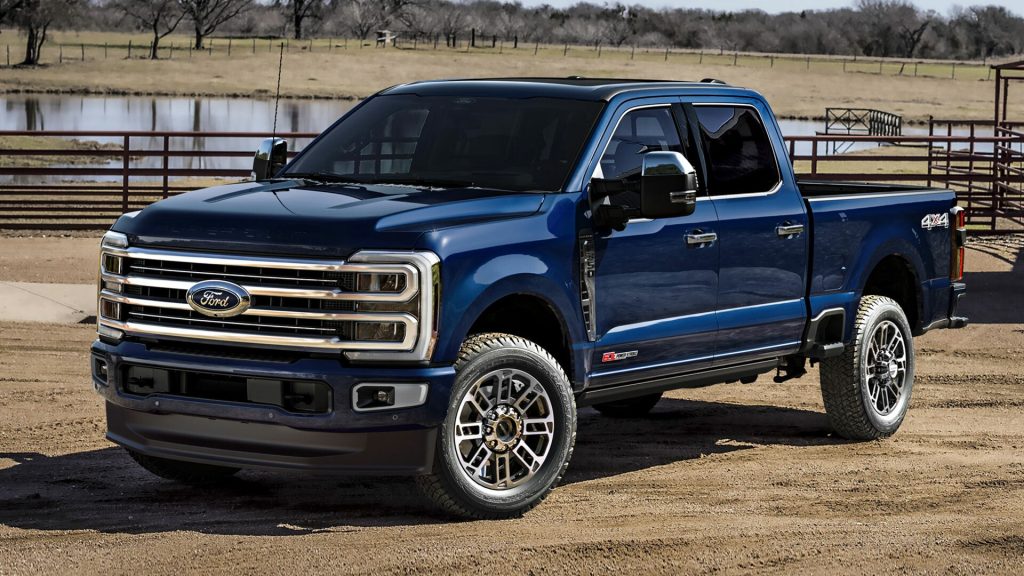
The sales gap reflects these different priorities, not a direct contest between equivalent products. The Sandero is a small passenger car, while the F-Series is a family of trucks with much greater hauling capability and a higher potential purchase price.
Their sales rankings highlight a key difference between the two markets. European buyers show strong demand for affordable, compact cars, while American buyers favor versatile vehicles with substantial hauling and towing capabilities. Although individual preferences vary, the figures illustrate these distinct market trends.
2. Renault Clio vs. Chevrolet Silverado
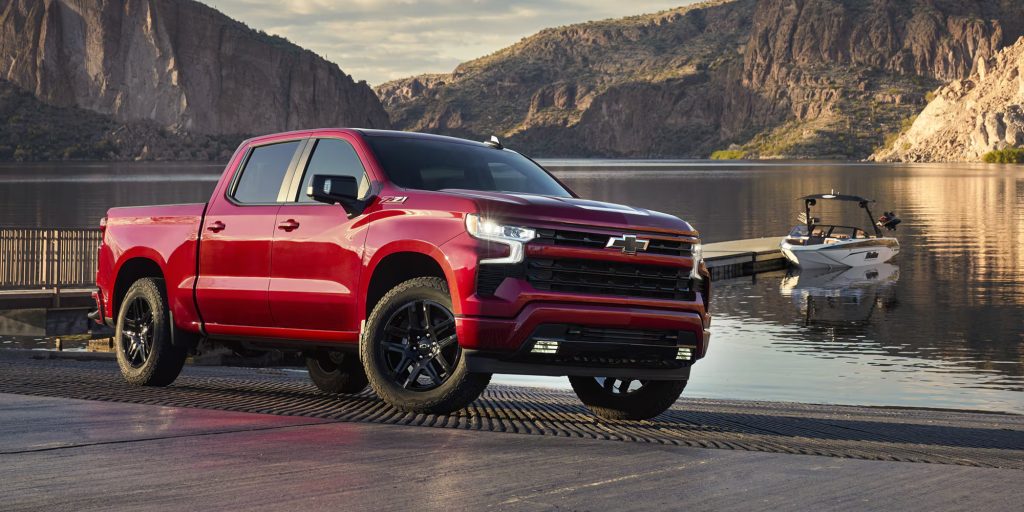
The Renault Clio secured second place among Europe’s best-selling cars in 2025, with 229,778 registrations. Across the Atlantic, the Chevrolet Silverado finished second among America’s best-selling vehicle lines, with approximately 580,368 sales during the same calendar year.
These results illustrate how a small European hatchback and a full-size American pickup can occupy similarly prominent positions in their respective markets while serving very different needs.
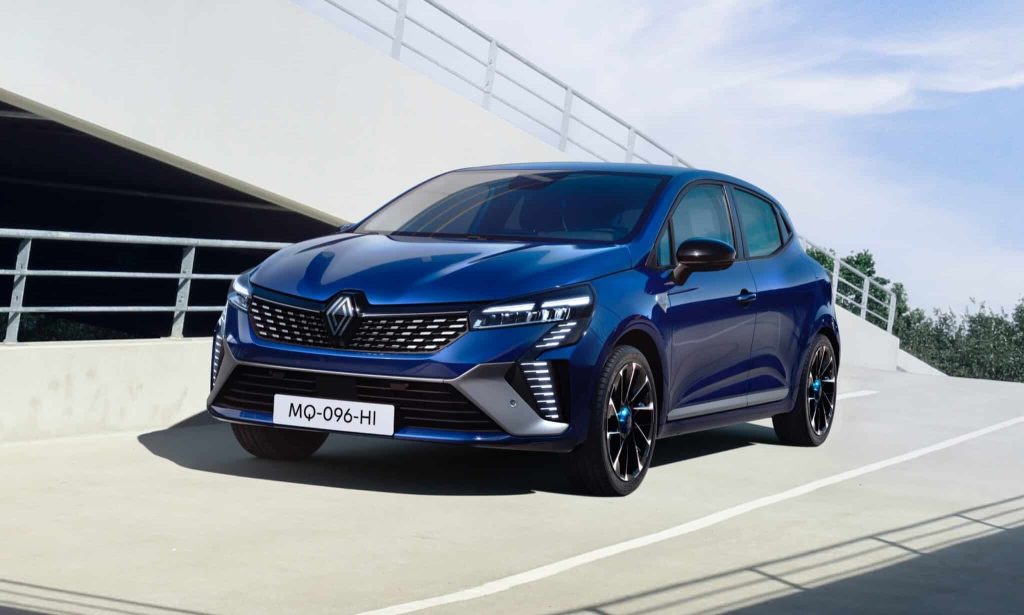
The Clio has long been a familiar choice for European drivers who want a compact, versatile car. Its relatively small footprint suits city streets, while its hatchback layout provides useful cargo flexibility for shopping, commuting, and weekend travel.
European buyers can also encounter different engine and electrification options depending on the market and model year. Its popularity reflects the continued relevance of affordable, efficient passenger cars despite the growth of SUVs.
The Silverado is designed around a different set of expectations. Available in numerous cab, bed, engine, and equipment configurations, it caters to private owners, tradespeople, and businesses. Depending on specification, it can transport bulky equipment and tow substantial trailers, jobs that a small hatchback is not designed to perform.
Those capabilities come with compromises. A full-size pickup generally occupies more road and parking space and can consume considerably more fuel than a compact hatchback. Conversely, the Clio cannot match the Silverado’s towing capacity or cargo-bed utility.
The comparison is not about which vehicle is better. It shows how geography, infrastructure, work requirements, and fuel costs influence buying decisions.
In Europe, the Clio demonstrates the enduring appeal of a manageable everyday car. In America, Silverado sales underline the strength of the pickup market and the importance of utility beyond passenger transportation.
3. Volkswagen T-Roc vs Toyota RAV4
Compact and midsize crossovers have become popular on both sides of the Atlantic, but their dimensions and market positions differ. The Volkswagen T-Roc ranked third in Europe’s 2025 sales table, recording 211,241 registrations.
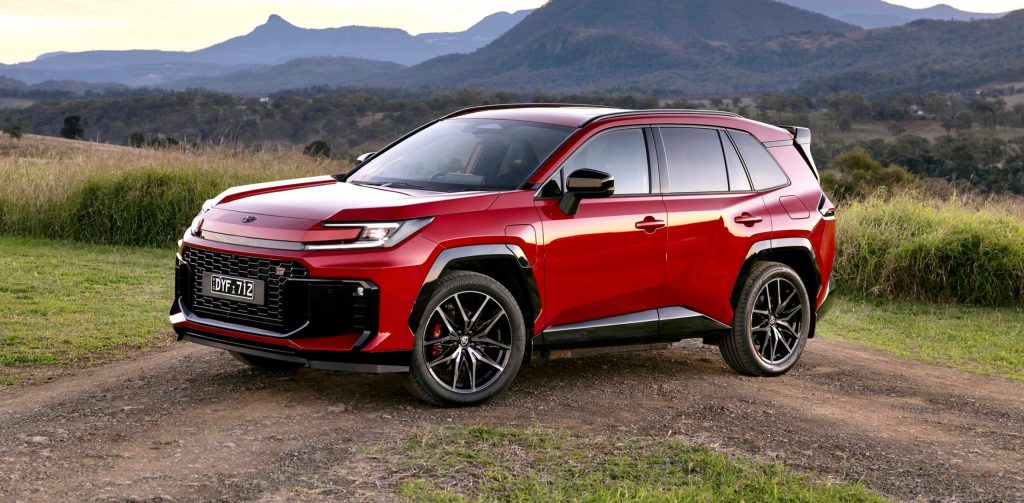
In the United States, the Toyota RAV4 was the best-selling SUV, with 479,288 vehicles sold. Both appeal to buyers seeking the higher seating position and flexible cargo space associated with an SUV, yet their success reflects different regional requirements.
The T-Roc is a compact crossover designed for everyday driving. Its relatively manageable size suits European cities and suburban roads, while its elevated seating position offers an alternative to a conventional hatchback.
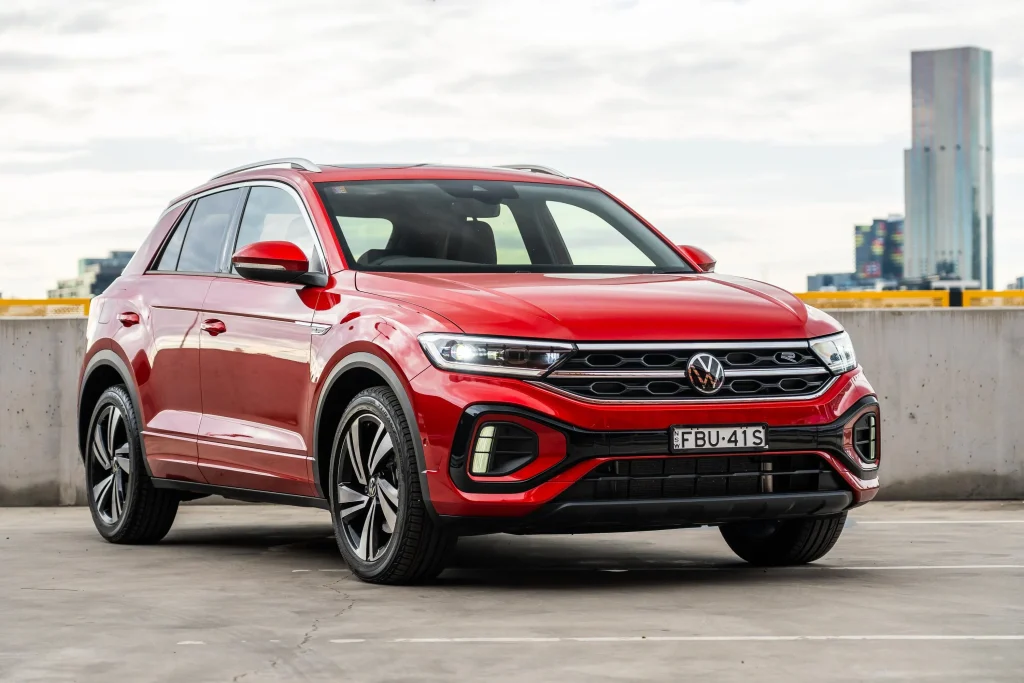
Volkswagen’s strong presence in European markets also benefits from an established dealer network and a familiar lineup of small and medium-sized vehicles.
The RAV4 occupies an important place in America’s compact SUV segment. Its combination of passenger space, practical cargo capacity, and available hybrid powertrains appeals to households that want one vehicle for commuting, shopping, road trips, and family activities.
Hybrid versions can also help reduce gasoline use, especially for drivers who encounter frequent stop-and-go traffic.
The sales figures should not be treated as a direct measurement of consumer preference between these two models. The T-Roc is not sold as a direct equivalent in the United States, and the RAV4’s American range and pricing differ from European-market offerings.
Registration systems, vehicle availability, and regional model configurations also influence the results.
Nevertheless, their rankings reveal a shared trend. Buyers in both markets increasingly value crossover practicality, but European demand still supports smaller vehicles that fit tighter urban environments. American consumers have shown particularly strong demand for compact SUVs that can accommodate families and longer journeys.
Their success demonstrates that the crossover category is broad enough to serve different lifestyles rather than representing one uniform type of vehicle.
4. Volkswagen Tiguan vs Honda CR-V
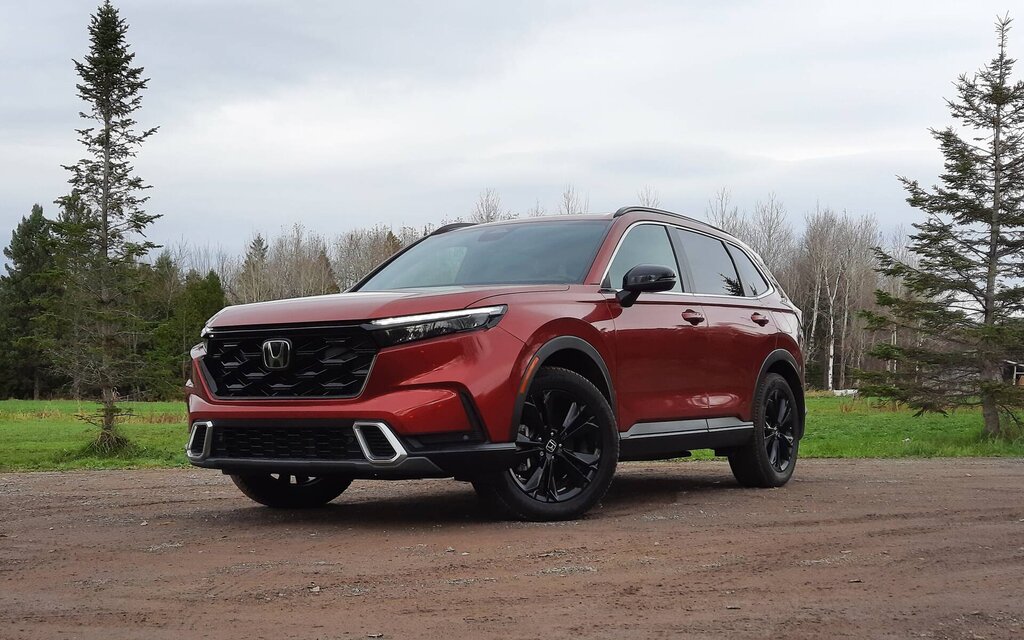
The Volkswagen Tiguan climbed to fourth place in Europe’s 2025 model ranking, registering 197,000 vehicles, while the Honda CR-V ranked fourth among America’s best-selling vehicle models, with 403,768 U.S. sales.
Both are family-oriented SUVs, but their popularity develops within markets that have different expectations for vehicle size, powertrain choice, and everyday practicality.
The Tiguan benefited from an updated model and a strong European market for practical crossovers. Its combination of passenger accommodation, useful cargo space, and a higher driving position makes it suitable for families who want more versatility than a traditional hatchback.
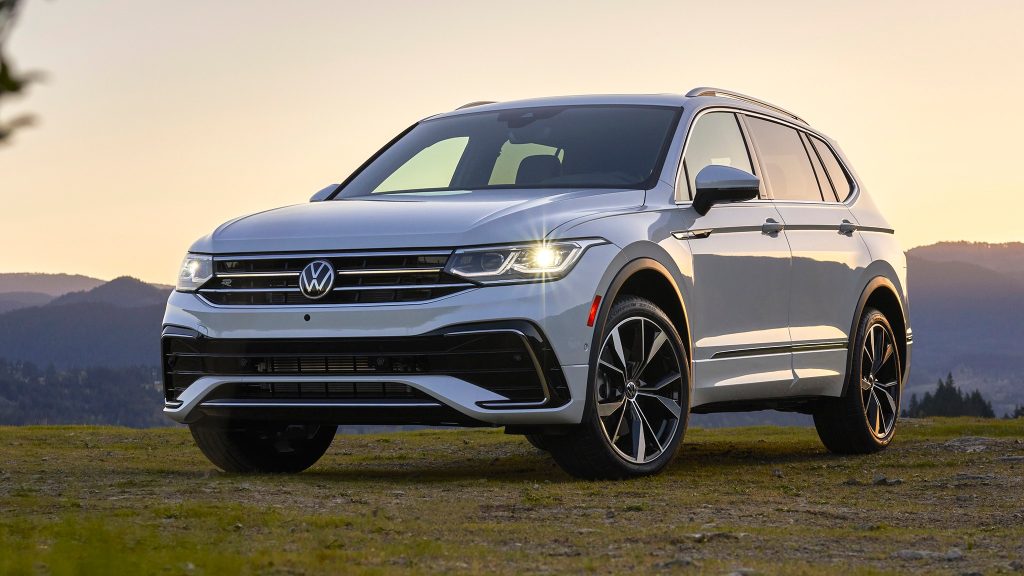
Volkswagen’s familiarity across European countries also helps keep the nameplate competitive. Honda’s CR-V is a major player in the American compact-SUV market. It offers generous space for passengers and luggage, and its available hybrid powertrain gives buyers an alternative to conventional gasoline operation.
For American households, the CR-V can function as a daily commuter, school-run vehicle, and long-distance road-trip companion without requiring the dimensions of a full-size SUV.
Although the vehicles serve similar broad purposes, their regional specifications are not identical. European and American versions can differ in engines, transmissions, safety equipment, and available features. Sales totals also cannot establish which vehicle is more reliable, more economical, or better suited to an individual household.
What the figures do establish is that family crossovers remain central to both markets. The Tiguan’s European position demonstrates the strength of compact and midsize SUVs in a region traditionally associated with smaller cars.
The CR-V’s American result shows how important passenger space and versatility have become in a market where buyers often expect a vehicle to perform many roles.
Their popularity reflects a common desire for flexibility, even when regional driving conditions shape the details.
5. Volkswagen Golf vs. Ram Pickup
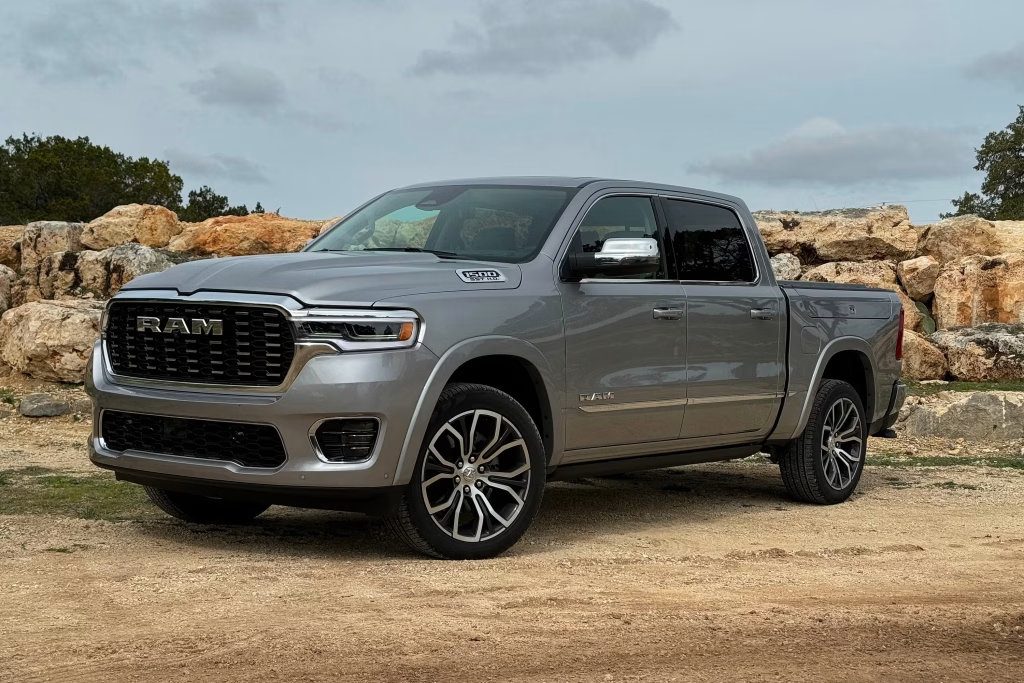
The Volkswagen Golf remains a major European bestseller despite the growing popularity of SUVs. It recorded 195,455 registrations in Europe in 2025, placing fifth in the regional ranking. In the United States, the Ram pickup line recorded approximately 374,059 sales, reflecting the continuing strength of full-size trucks in the American market.
The Golf embodies the classic European compact-car approach, combining a space-efficient design, a practical hatchback layout, and a cabin suited to carrying passengers and everyday cargo.
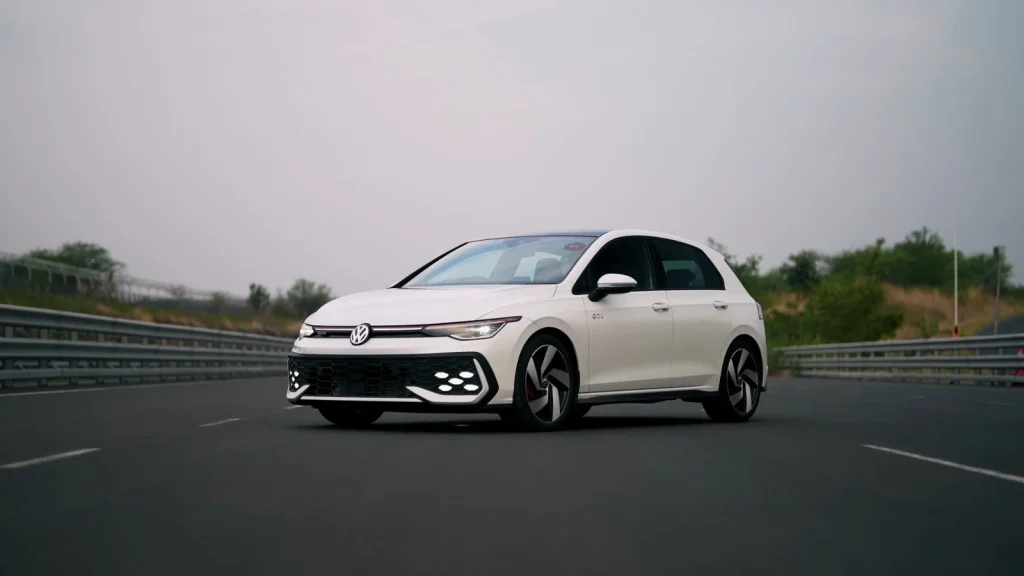
Its popularity has endured through multiple generations because it provides a middle ground between smaller city cars and larger family vehicles. Drivers can use it for commuting, shopping, and highway journeys without the bulk of a full-size SUV.
Ram pickups are designed around a different set of priorities. Buyers can choose from configurations intended for personal transportation, work, towing, and hauling. The lineup offers a wide range of equipment and powertrains, giving customers the ability to tailor a truck to their needs.
That versatility helps explain why pickups remain so prominent in American sales rankings. The comparison also highlights the practical compromises involved. The Golf is easier to park in many dense urban areas and generally requires less space than a full-size pickup.
However, it cannot provide the Ram’s cargo bed, heavy-hauling capability, or towing capacity. A pickup can be indispensable for certain jobs, but unnecessary bulk for drivers who rarely carry large loads.
Their rankings reflect more than brand loyalty. They show how daily routines, road layouts, occupational needs, and vehicle costs influence purchases.
The Golf continues to demonstrate the appeal of a practical passenger car in Europe, while Ram’s results highlight the American preference for vehicles capable of combining transportation with substantial utility.
Neither option is the right fit for everyone, as the best choice depends on the owner’s cargo needs and intended use.
6. Toyota Yaris Cross vs GMC Sierra
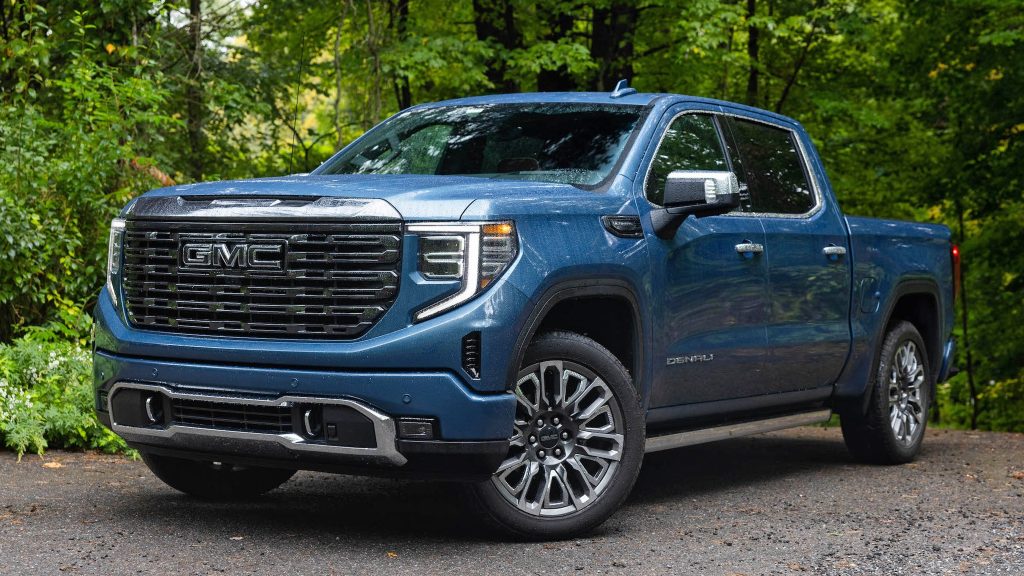
Europe’s preference for compact crossovers is evident in the Toyota Yaris Cross, which recorded 190,565 registrations in 2025 and ranked sixth in the regional sales table. America’s GMC Sierra, by contrast, recorded approximately 356,218 sales, placing it among the country’s leading vehicle lines.
One is a small crossover built for everyday mobility, while the other is a full-size pickup aimed at buyers who need greater carrying and towing capability.
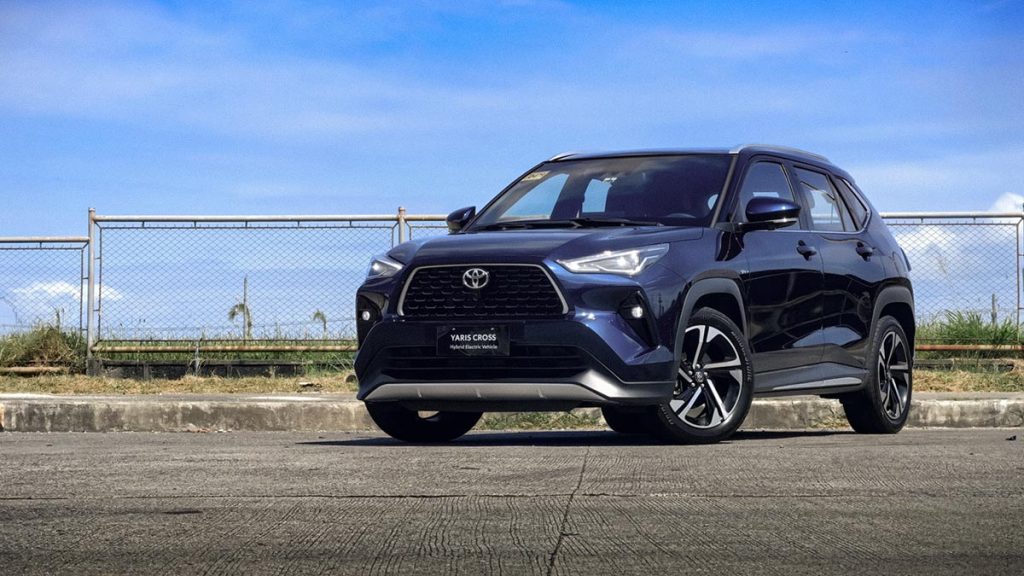
The Yaris Cross combines a raised driving position with compact dimensions, making it well suited to crowded towns and urban commutes.
Its available hybrid powertrain is particularly relevant in European markets where fuel prices and emissions rules influence buying decisions. The vehicle provides SUV-inspired styling and flexible cargo space without the footprint of a larger family SUV.
The Sierra serves a different purpose. Its range includes several cab and bed configurations, with equipment aimed at private owners, businesses, and drivers who tow trailers or carry bulky materials.
Depending on the specification, the truck can offer substantial payload and towing capacity, although those limits vary by engine, drivetrain, and equipment.
These vehicles are not direct competitors, and comparing their sales totals does not establish which market has better cars. Instead, the difference highlights the effect of local conditions.
A compact crossover can be easier to park, less cumbersome on narrow roads, and more economical for routine commuting. A full-size pickup becomes more useful when the owner regularly needs a cargo bed or towing strength.
The sales rankings show that buyers often choose vehicles around their daily requirements. European demand supports small crossovers that combine practicality with manageable dimensions, while American pickup sales reflect the value placed on work capability and versatility.
The contrast is a reminder that vehicle popularity depends on more than styling or brand recognition. Practical needs shape purchasing decisions.
7. Peugeot 208 vs Tesla Model Y
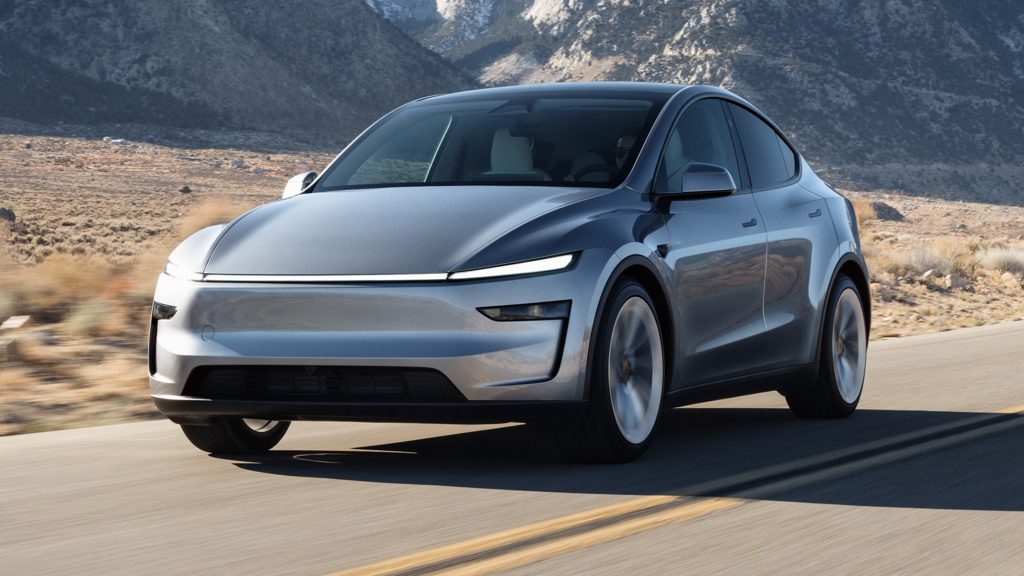
The Peugeot 208 ranked seventh among Europe’s best-selling models in 2025, with 185,096 registrations. In the United States, the Tesla Model Y recorded approximately 357,528 sales, making it one of the country’s most popular electric vehicles and a major player in the broader vehicle market.
These results highlight two distinct approaches to daily driving, represented by a small hatchback and a fully electric crossover.
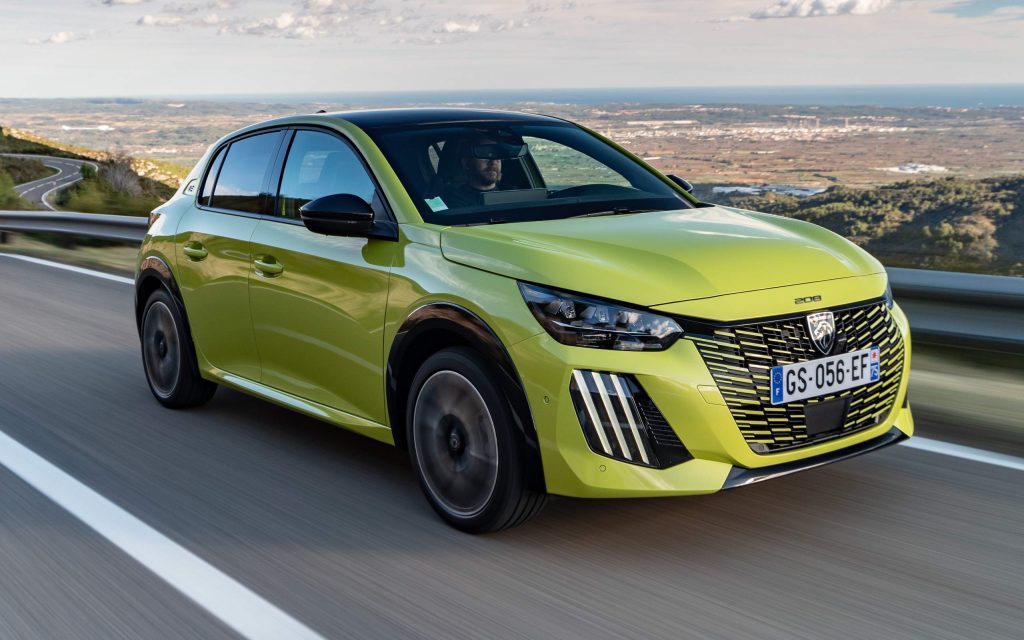
The Peugeot 208 appeals to European drivers who want a relatively small car for urban journeys and everyday commuting. Its compact dimensions make it easier to maneuver and park than larger vehicles, while its hatchback layout offers practical space for groceries, luggage, and routine errands.
Depending on the market and model year, buyers can choose from different powertrain options, including an all-electric version.
The Model Y offers a different package. Its electric powertrain eliminates gasoline purchases, while its crossover body provides useful passenger and cargo space.
For American buyers with access to home charging, the ability to recharge overnight can simplify daily use. Long-distance travel, however, requires planning around charging availability, route length, and charging time.
The comparison also reflects regional differences in vehicle size and ownership patterns. The 208 suits buyers who prioritize compact dimensions, while the Model Y attracts customers seeking electric driving and the flexibility of a crossover.
Their sales totals are not directly comparable measures of efficiency or customer satisfaction, because vehicle prices, incentives, charging access, and model availability vary by market.
Both vehicles demonstrate that electrification and compact-car practicality can coexist with different consumer preferences. Europe’s ranking still rewards smaller hatchbacks, while American demand has supported electric crossovers that combine zero tailpipe emissions with family-friendly packaging.
Their positions show how the best-selling vehicle in each market reflects local needs, infrastructure, and the choices available to buyers.
