
Buying a new car is usually viewed as a long-term commitment, yet some vehicles return to the used-car market within months of their original purchase.
A study by iSeeCars analyzed more than 18.5 million new-car sales from 2023 and 2024 to identify models resold between four months and one year after their initial sale. The average first-year resale rate was 3.6%, but several luxury models recorded rates many times higher.
These figures do not prove that owners disliked their cars or that the vehicles were unreliable. They reveal an unusual ownership trend worth examining.
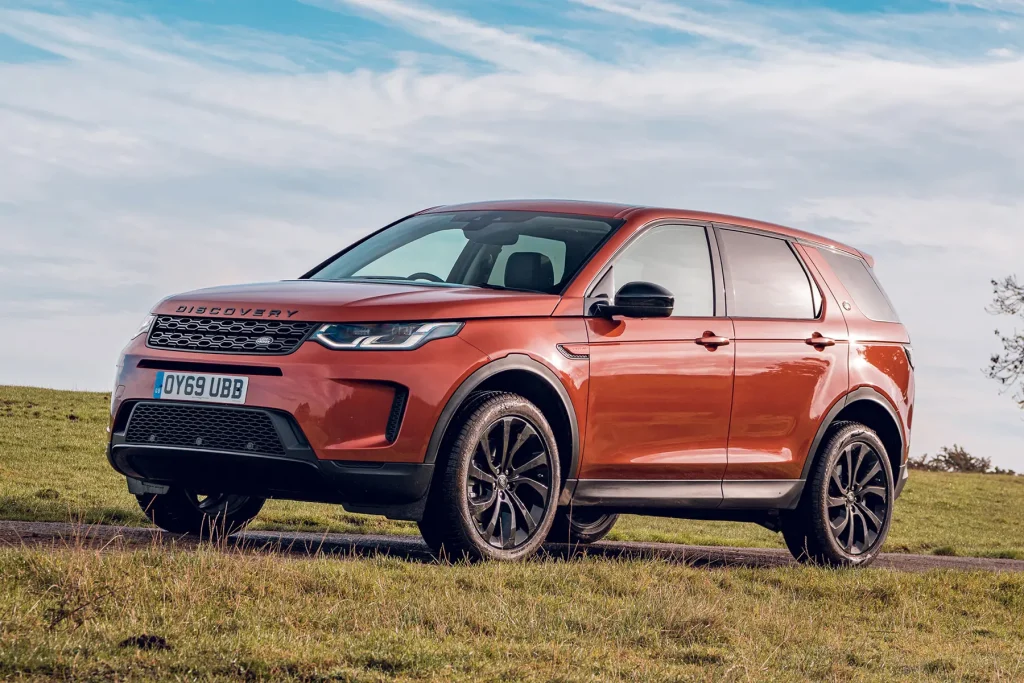
1. Land Rover Discovery Sport
The Land Rover Discovery Sport ranked first in iSeeCars’ study of new vehicles most frequently resold within a year. According to the research, 28.3% of the model’s original buyers resold their vehicles within the first year, nearly eight times the study’s 3.6% average.
The analysis covered more than 18.5 million new-car sales from 2023 and 2024, tracking vehicles that returned to the used market between four and twelve months after their original sale.
That figure makes the Discovery Sport a striking case, but it needs careful interpretation. A high early-resale rate does not automatically mean the SUV is unreliable, poorly built, or disliked by most owners.
iSeeCars identified several possible explanations for early resale, including buyer dissatisfaction, financial pressure, and dealerships registering demonstration vehicles as sales. The study did not establish that one specific reason accounted for Discovery Sport’s result.
The vehicle’s premium positioning is another relevant consideration. Buyers shopping in this segment may face substantial purchase payments, insurance costs, and maintenance expenses. If their financial circumstances change or the actual cost of ownership exceeds expectations, selling early can become a practical decision.
The study listed the Discovery Sport’s average new price at $55,188. That provides useful context for understanding the financial commitment involved, although it is a study average rather than a guaranteed transaction price for every buyer.
For used-car shoppers, a relatively recent example could offer an opportunity to avoid paying the original new-car price. However, buyers should review service records, check for outstanding recalls, obtain a vehicle-history report, and arrange an independent inspection.
The early-resale statistic is a reason to investigate carefully, not sufficient evidence to dismiss the model.
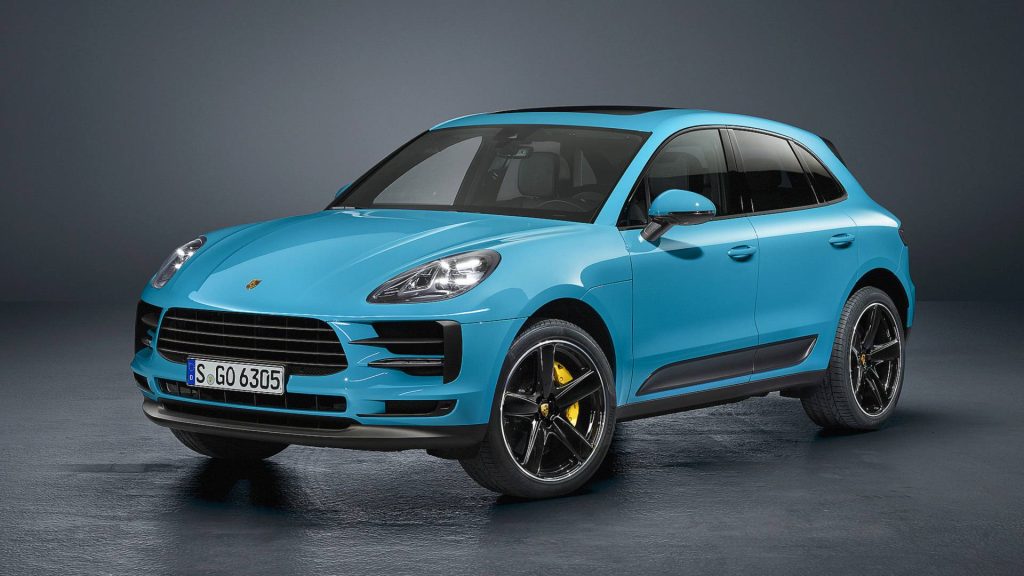
2. Porsche Macan
The Porsche Macan occupies second place in the iSeeCars early-resale ranking, with 22.2% of new examples resold within their first year.
The study listed its average new price at $77,727, making it a substantial purchase even before insurance, servicing, and other ownership expenses are considered. Its resale rate was more than six times the study-wide average of 3.6%.
The Macan combines luxury-SUV practicality with the performance-oriented character associated with Porsche. Its appeal includes responsive handling, a premium cabin, and a more compact footprint than larger luxury SUVs. Those qualities can attract buyers who want a vehicle that feels sporty without sacrificing everyday usability.
Why, then, do so many examples return to the market quickly? The available data does not establish a single explanation.
Some buyers may discover that premium ownership costs more than expected, while others might change vehicles because of personal circumstances, a new financial situation, or a preference for a different driving experience. Dealer demonstration and registration practices can also influence early-resale statistics.
Importantly, the 22.2% figure does not mean that more than one in five Macans developed mechanical problems. The study measured resale activity, not failure rates or verified buyer dissatisfaction. Reliability should be assessed separately using model-year-specific research and maintenance records.
For second-hand shoppers, the Macan’s early resale pattern could create opportunities to find a relatively recent vehicle without paying its original new-car price. Before purchasing, check its service history, tire condition, accident records, warranty coverage, and any outstanding recalls.
Premium performance vehicles can carry expensive maintenance requirements, so a lower purchase price is only part of the financial calculation.
The Macan’s ranking highlights how quickly ownership decisions can change in the luxury market, but it should not be mistaken for proof that the SUV itself is defective.
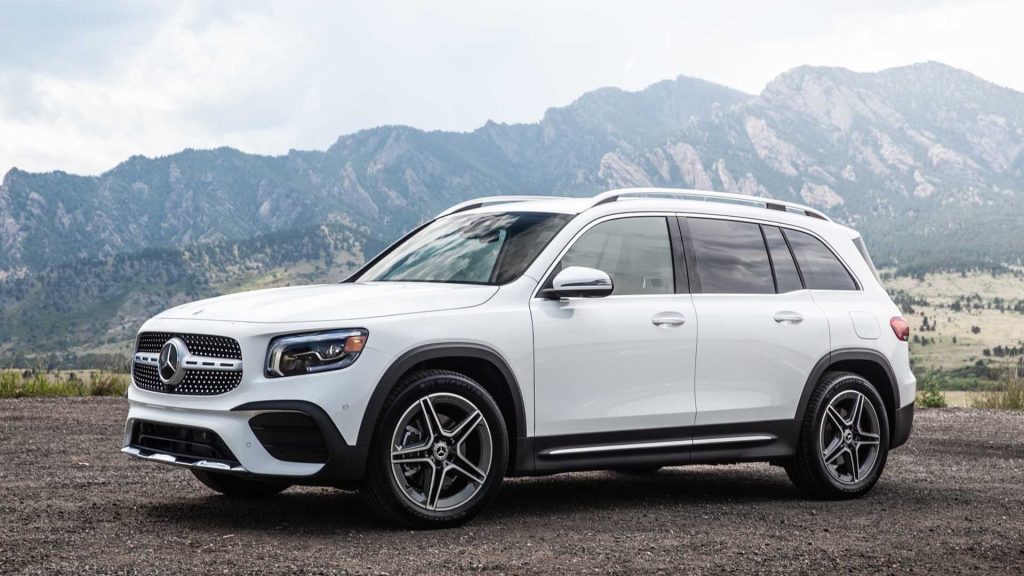
3. Mercedes-Benz GLB
The Mercedes-Benz GLB recorded a first-year resale rate of 21.2%, placing it third in iSeeCars’ ranking of new vehicles most frequently resold within twelve months. Its average new-car price in the study was $51,015, and its resale rate was nearly six times the 3.6% average recorded across the vehicles analyzed.
The GLB’s appeal comes from its practical interpretation of a luxury SUV. Its upright shape provides useful headroom, while the cabin offers a more versatile layout than many compact luxury vehicles.
Certain configurations offer a third row, although that seating arrangement is best suited to occasional use rather than consistently carrying seven adults. These features can attract families who want Mercedes-Benz styling without moving to a larger, more expensive SUV.
Yet practicality does not guarantee that every buyer will remain satisfied. A shopper may discover that the vehicle’s cargo space, ride quality, performance, or technology does not meet expectations after several months of daily use.
Premium ownership expenses and changing household finances may also influence the decision to sell.
Crucially, the 21.2% figure measures early resale activity, not mechanical failure. The iSeeCars study identifies possible influences such as owner dissatisfaction, financial hardship, and dealer demonstration vehicles being registered as sales. It does not establish which explanation accounts for the GLB’s individual result.
For used-car shoppers, the statistic makes a recent GLB worth researching rather than automatically avoiding. Compare its equipment and driving characteristics with competing compact luxury SUVs, and verify maintenance history, warranty coverage, accident records, and outstanding recalls before purchasing.
The GLB’s position highlights how expectations can shape luxury-car ownership. Buyers paying premium prices may be particularly sensitive to compromises they discover only after living with a vehicle.
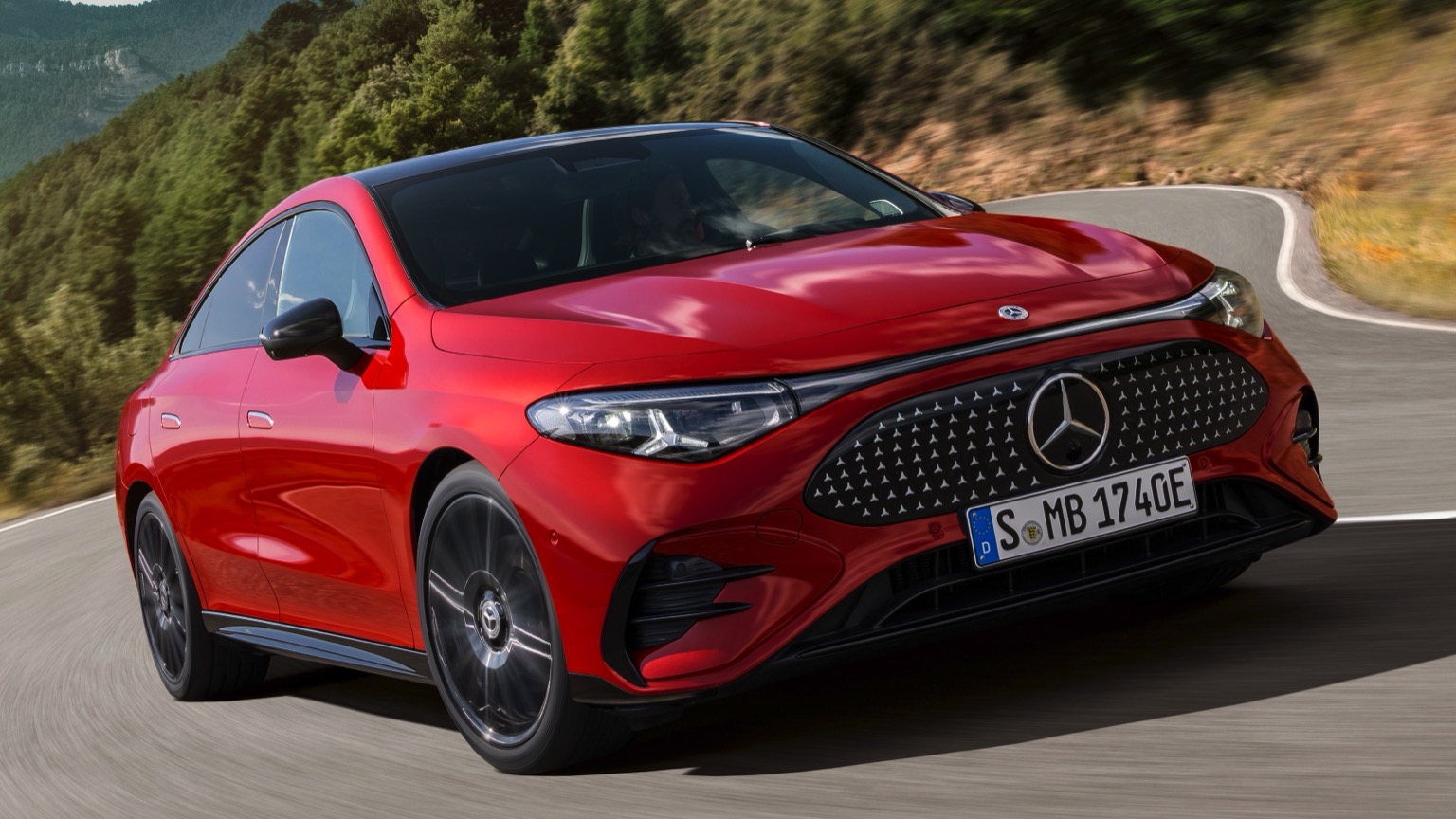
4. Mercedes-Benz CLA
With 20.4% of examples resold within their first year, the Mercedes-Benz CLA ranked fourth in iSeeCars’ study. The research listed its average new-car price at $50,627, placing it in a premium segment where buyers may expect distinctive styling, advanced technology, and a more refined experience than a mainstream compact sedan provides.
The CLA takes a different approach from a traditional luxury sedan. Its sloping roofline and coupe-inspired proportions emphasize appearance, while its compact footprint makes it suitable for city streets and tighter parking spaces.
That design can attract buyers seeking a stylish entry into the Mercedes-Benz lineup, particularly those who value exterior appearance as much as passenger accommodation.
The same priorities can create compromises. A sloping roof can limit rear headroom, and the emphasis on styling may leave less practical space than a more conventionally shaped sedan offers. Buyers who regularly transport adults in the back seat or carry bulky luggage may discover that a test drive does not fully reveal the inconvenience of everyday use.
Those possibilities should not be mistaken for proven explanations of the CLA’s resale rate. The iSeeCars analysis tracked vehicles resold between four and twelve months after their initial sale. It did not establish that the CLA’s early resale activity resulted from reliability problems or a single design flaw.
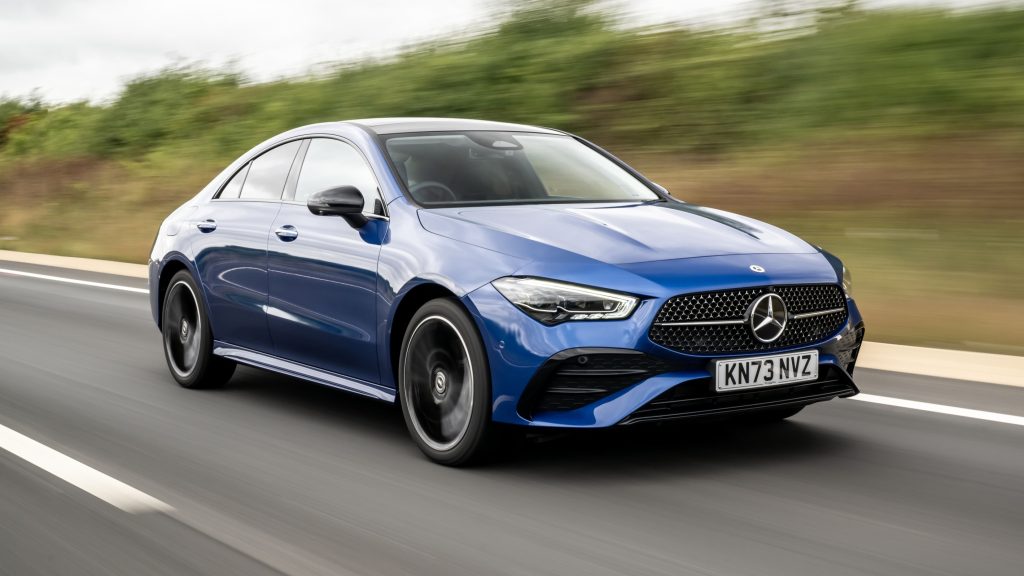
For a second-hand buyer, an early-resold CLA may provide access to a relatively recent luxury car without paying its original new-car price. Check the vehicle’s service history, electronics, tire wear, accident history, and remaining warranty before making a decision.
The CLA’s ranking illustrates the importance of matching a car’s design priorities to actual daily needs. A stylish compact sedan can be appealing in a showroom, but long-term satisfaction depends on how well it fits the owner’s lifestyle.
5. Mercedes-Benz GLA
The Mercedes-Benz GLA recorded a 16.7% first-year resale rate in iSeeCars’ study, placing it fifth among the new vehicles most frequently resold within twelve months.
The study listed its average new-car price at $48,548, making it one of the less expensive vehicles in the top five, although it remains a premium purchase compared with many mainstream compact SUVs.
The GLA appeals to drivers who want the Mercedes-Benz badge in a smaller, city-friendly package. Its compact proportions make parking easier than in larger luxury SUVs, while its raised seating position and flexible cargo area provide some of the practicality buyers expect from a crossover. For urban professionals and smaller households, that combination can be attractive.
However, a compact luxury SUV may not satisfy every buyer once everyday use begins. Rear-seat space, cargo capacity, ride comfort, and the cost of premium servicing can influence whether an owner decides to keep the vehicle.
Someone moving from a larger SUV may find the GLA restrictive, while another buyer might decide that a mainstream crossover provides sufficient comfort for less money.
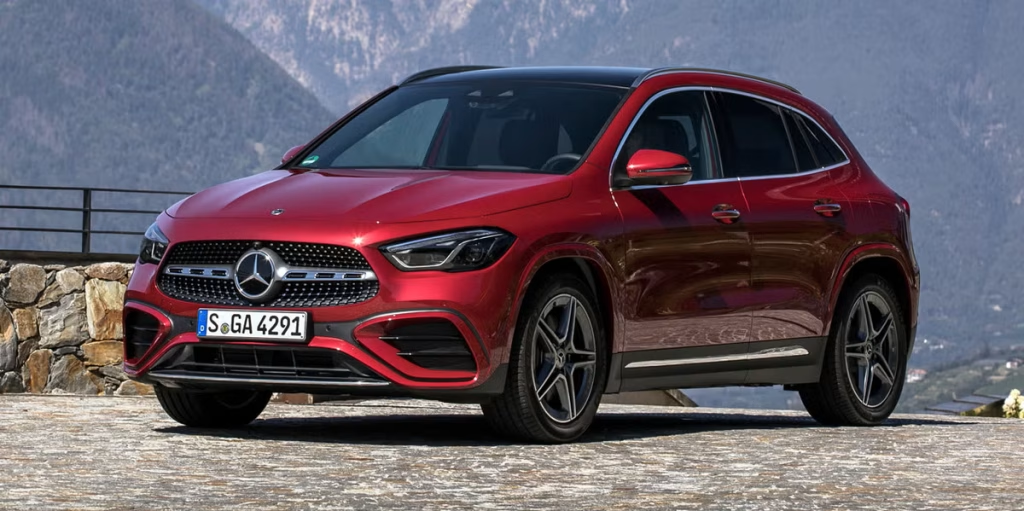
These are possible considerations, not proven explanations for the model’s resale rate. The iSeeCars study measured vehicles that were resold between four months and one year after their initial sale. It did not establish that the GLA’s early resale activity was caused by widespread mechanical failures.
For used-car shoppers, the high resale rate may make relatively recent examples worth comparing with new vehicles. Check the service history, warranty status, accident records, and condition of the tires and electronics before committing.
6. Land Rover Range Rover Evoque
The Land Rover Range Rover Evoque ranked sixth, with 16.4% of examples resold within their first year. Its average new-car price in the iSeeCars study was $58,492, reflecting its position as a premium compact SUV. The early-resale rate was more than four times the study’s 3.6% average across all vehicles analyzed.
The Evoque’s appeal is easy to understand. Its distinctive exterior styling, elevated driving position, and upscale cabin make it stand out in a crowded luxury-SUV market. Its relatively compact dimensions also suit buyers who want a premium vehicle for city driving without moving to a much larger Range Rover model.
The question is why so many vehicles returned to the market quickly. The published study does not establish a single cause.
Some owners may reassess the cost of premium ownership after purchase, while others may experience changing financial circumstances or decide that the vehicle’s space and driving characteristics do not suit their needs. Dealer demonstration vehicles registered as sales can also affect the data.
The 16.4% figure should not be treated as a reliability-failure rate. It measures early resale, not the percentage of vehicles that experienced mechanical trouble. Buyers should assess reliability through model-year-specific evidence and an inspection of the individual vehicle.
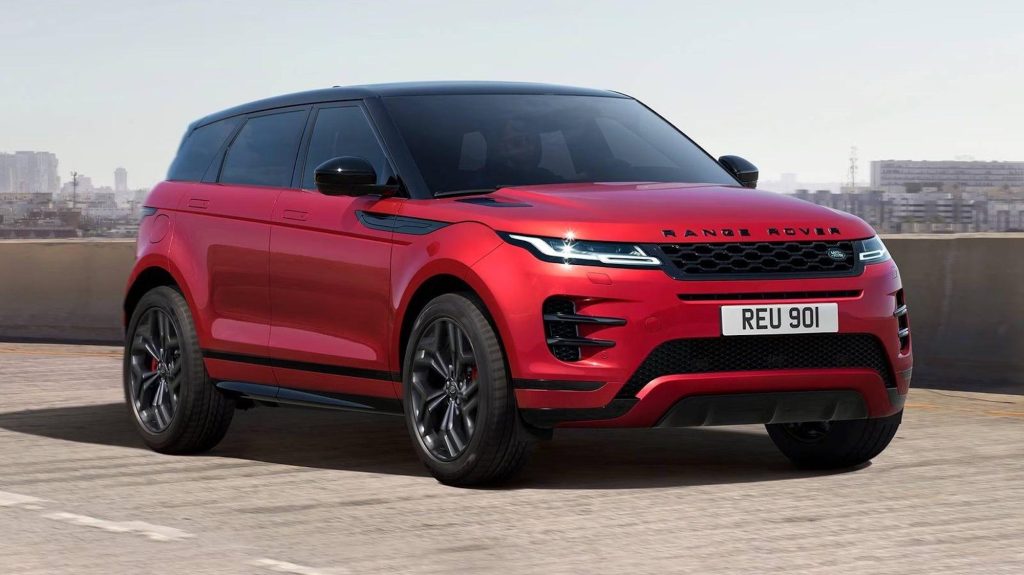
A recently resold Evoque could interest shoppers looking for a luxury SUV at a lower price than a new example. However, potential savings need to be weighed against maintenance, repair, insurance, and depreciation costs. Verify service records, recall completion, warranty coverage, and vehicle history before purchasing.
The Evoque’s ranking is a reminder that distinctive styling and premium features do not guarantee a long ownership period. Practical needs and running costs matter just as much as showroom appeal.
7. Mercedes-Benz C-Class
The Mercedes-Benz C-Class recorded a 14.0% first-year resale rate in the iSeeCars study, placing it seventh among the new vehicles most frequently resold within twelve months. Its average new-car price was $56,370, considerably above the study-wide average of $46,773.
The C-Class therefore illustrates how early resale can affect vehicles that occupy the premium sedan market, even when they offer sophisticated technology and an upscale driving experience.
The C-Class attracts buyers with its elegant interior, modern infotainment features, and range of comfort and performance options. It is positioned as a smaller luxury sedan than the E-Class, making it appealing to professionals and households that want a premium vehicle without stepping into a larger model.
However, the features that look impressive during a showroom visit may not carry equal importance during everyday ownership.
Running expenses can also influence a decision to sell. Insurance, financing, premium maintenance, and replacement parts all contribute to the cost of keeping a luxury vehicle. Buyers who stretch their budgets to afford a new car may reconsider the purchase when monthly expenses become clearer.
Nevertheless, the 14.0% figure does not prove that C-Class owners experienced widespread mechanical failures or regretted their purchases. The study measured early resale activity and identified several possible contributing factors, including changing financial circumstances and dealer demonstration vehicles registered as sales.
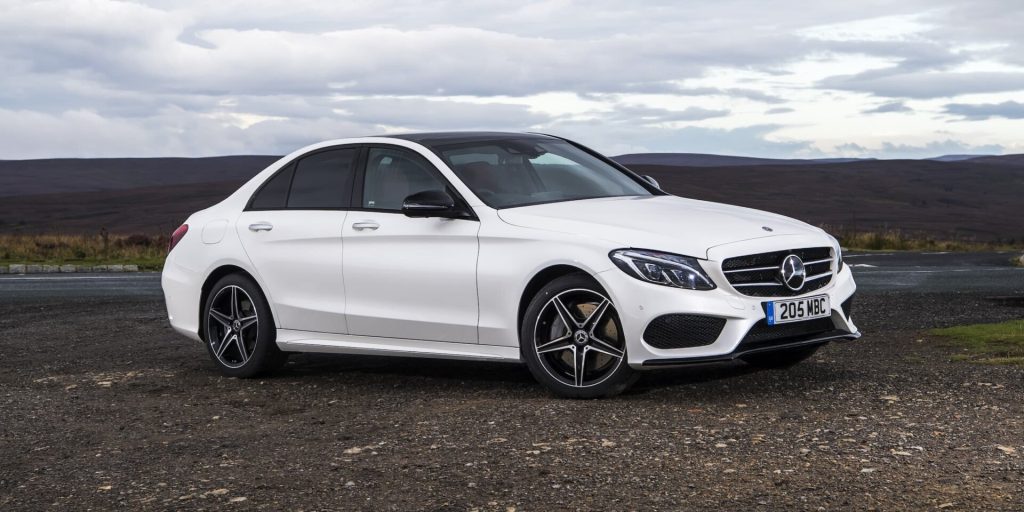
For used-car shoppers, a recently resold C-Class may offer access to premium features at a lower purchase price. Before buying, investigate the exact model year’s reliability record, check maintenance documentation, and confirm remaining warranty coverage.
The C-Class’s ranking highlights the difference between purchasing a luxury vehicle and comfortably owning one over time. Careful budgeting and model-specific research can help buyers determine whether its premium features justify the long-term expense.
8. Land Rover Discovery
The Land Rover Discovery recorded a 13.6% first-year resale rate, securing eighth place in the iSeeCars ranking. Its average new-car price in the study was $77,163, making it one of the more expensive vehicles among the ten models examined. The resale rate was nearly four times the study-wide average of 3.6%.
Unlike smaller luxury crossovers, the Discovery is designed to provide substantial passenger space and genuine off-road capability.
Its available three-row seating makes it relevant to larger families, while its four-wheel-drive hardware and terrain-focused systems appeal to drivers who venture beyond paved roads. These capabilities distinguish it from luxury SUVs intended primarily for urban commuting.
However, a vehicle designed for demanding use can also involve considerable ownership expenses. Buyers must account for fuel consumption, tires, insurance, servicing, and the cost of maintaining complex mechanical and electronic systems.
Some owners may discover that they rarely use the Discovery’s full capabilities, leaving them paying for space and equipment they do not need.
Those are possible explanations for an early sale, not conclusions established by the resale data. The iSeeCars research did not identify a single cause for the Discovery’s 13.6% rate, nor did it establish that the model had a particular mechanical defect responsible for the result.
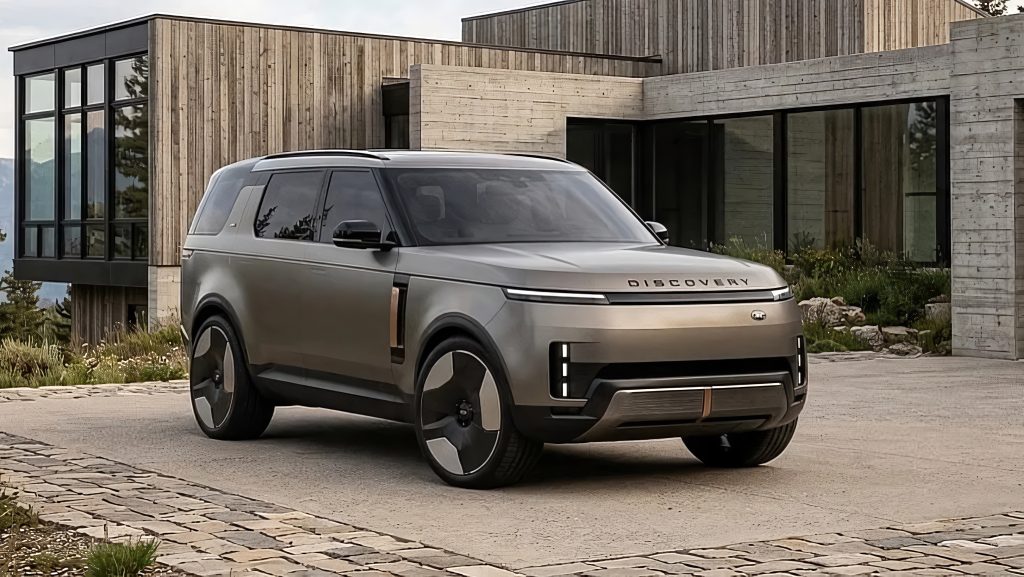
A used Discovery could appeal to someone who needs three-row accommodation and off-road versatility but wants to avoid the initial cost of buying new. Before committing, inspect the suspension, drivetrain, electronics, service history, and recall status. A qualified pre-purchase inspection is particularly valuable for a sophisticated luxury SUV.
The Discovery’s ranking demonstrates why buyers should distinguish between impressive capabilities and the practical demands of ownership. Its space and off-road equipment may be worthwhile for some households, but those features need to match the way the vehicle will actually be used.
9. Porsche 911
The Porsche 911 recorded a 13.4% first-year resale rate in the iSeeCars study, placing it ninth among vehicles most frequently resold within twelve months of their original sale. Its average new-car price was $190,946, making it by far one of the most expensive vehicles in the ranking.
Unlike the luxury SUVs that dominate much of this list, the 911 is a high-performance sports car with a long-established identity. Its rear-mounted flat-six engine, distinctive styling, and performance-focused engineering appeal to enthusiasts who value driving precision and acceleration.
Depending on the version, buyers can choose a car intended for comfortable everyday use or a more specialized model designed for demanding driving.
The financial commitment, however, is substantial. A high purchase price can mean significant financing costs, while insurance, tires, scheduled maintenance, and performance-related repairs add to the expense.
Buyers who underestimate those costs may decide to sell sooner than expected. Others may purchase a 911 for a particular occasion or lifestyle and later move to a more practical vehicle.
These are possible reasons for early resale, but they do not explain the 13.4% figure with certainty. The iSeeCars study measured how often vehicles were resold within their first year, but it did not establish whether the Porsche 911’s resale rate was linked to reliability issues or owner dissatisfaction.
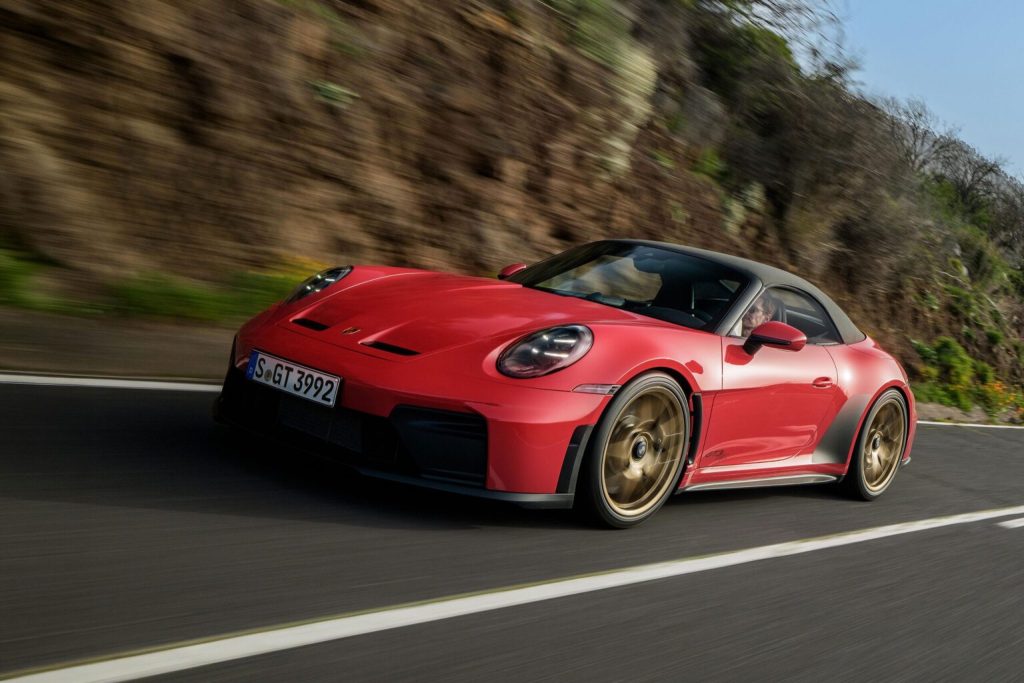
For used-car buyers, an early-resold 911 may offer a way to purchase a recent example below its original new-car transaction price. However, the condition of the individual vehicle is critical. Buyers should review maintenance records, accident history, tire wear, warranty coverage, and evidence of modifications or track use.
The 911’s position illustrates that early resale is not limited to practical family vehicles. Even a highly desirable sports car can change hands quickly when financial priorities, driving needs, or ownership expectations shift.
10. Mercedes-Benz E-Class
The Mercedes-Benz E-Class completes the ranking with a 12.7% first-year resale rate. The iSeeCars study listed its average new-car price at $76,894, placing it firmly in the premium executive-sedan category.
Its resale rate was more than three times the study-wide average, showing that early ownership changes are not restricted to compact luxury cars or sports vehicles.
The E-Class is designed for buyers who want more space and comfort than a smaller luxury sedan typically provides.
Its cabin emphasizes refinement, technology, and passenger comfort, making it suitable for commuting, business travel, and longer highway journeys. Depending on the version, the range also offers different levels of performance and equipment.
These features come with additional expenses beyond the initial purchase price. Insurance, maintenance, tires, and replacement parts can significantly increase ownership costs. Some buyers may also find that the car’s technology and equipment are more complex than necessary for everyday driving.
However, the 12.7% resale rate should not be interpreted as proof that the E-Class is unreliable. The iSeeCars study identified early resale activity, not mechanical failure rates, and did not establish a single reason why owners sold their vehicles within a year.
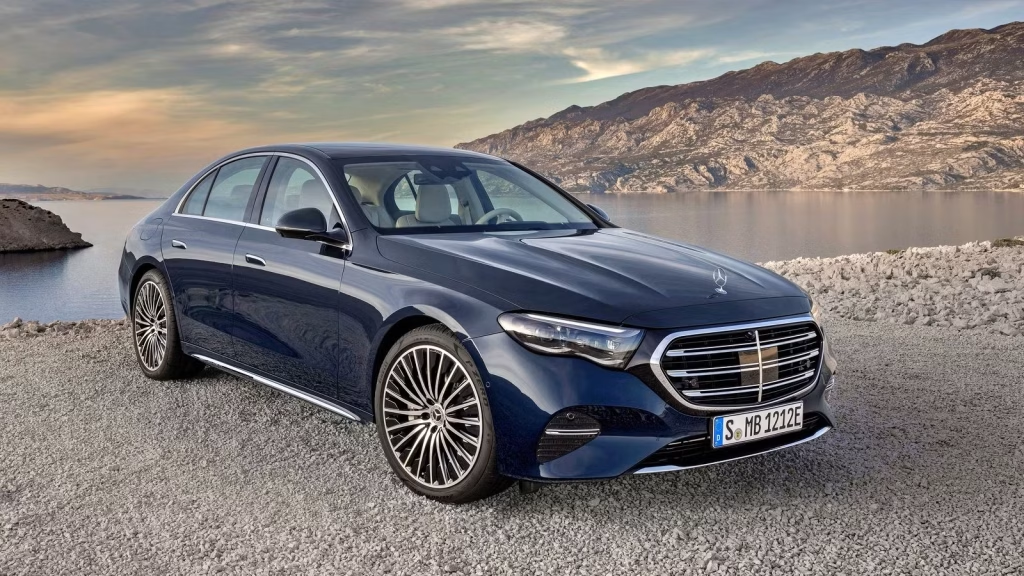
For used-car buyers, a recently resold E-Class may offer a chance to own a premium sedan at a lower price than a new model. However, thorough checks are still important. Review the service records, confirm that all recalls have been addressed, inspect the electronics and suspension, and verify the remaining warranty coverage.
The E-Class rounds out the list by illustrating how even a well-equipped executive sedan can return to the market quickly. A high early-resale rate is a useful research signal, but the individual vehicle’s history and condition matter far more than the statistic alone.
