
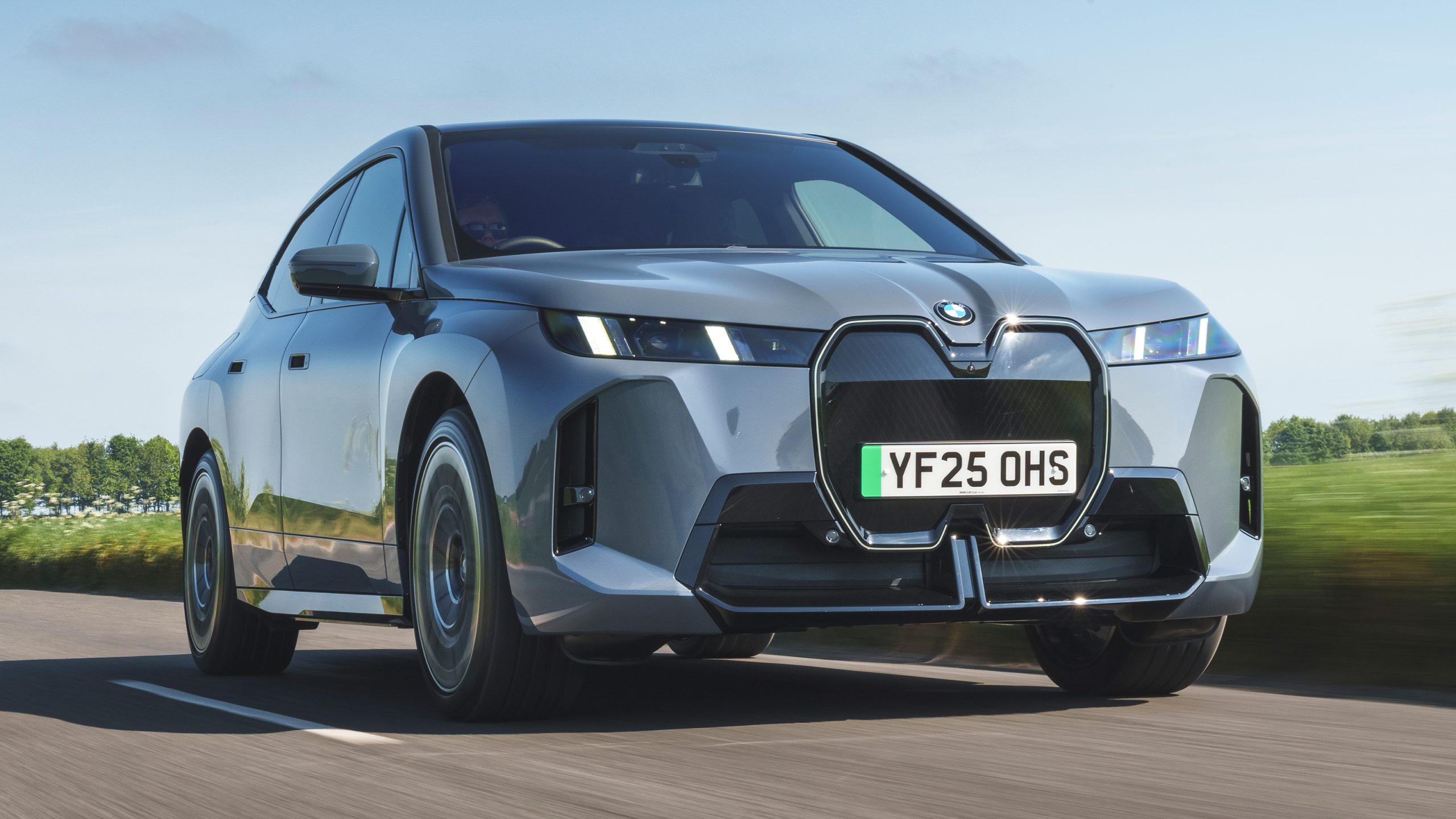
A minor collision can produce a surprisingly large repair bill when a vehicle uses expensive body structures, specialized replacement parts, and sophisticated electronics.
In the United States, CCC reported that the average total repair cost reached $4,818 in 2025, while Mitchell’s 2025 data showed an average repair severity of $6,236 for battery-electric vehicles, compared with $5,066 for gasoline-powered vehicles.
Those are category averages, not estimates for every model. The cars below illustrate documented reasons collision repairs can become expensive, using insurance-loss data and reported repair estimates rather than unsupported claims about universal repair bills.
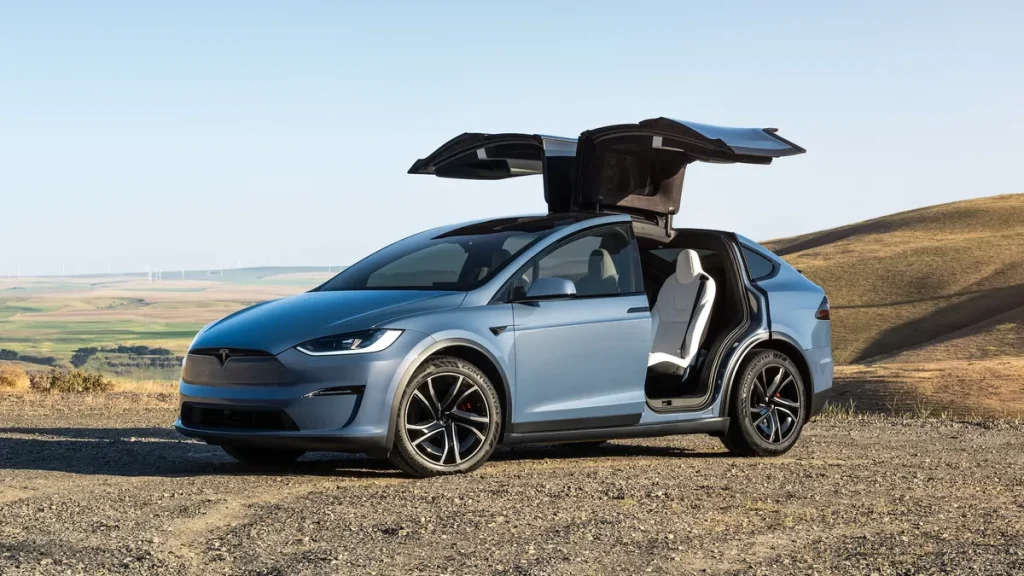
1. Tesla Model X
The Tesla Model X stands out in insurance-loss data because its collision losses are substantially above the passenger-vehicle average. Data published from Highway Loss Data Institute records for 2022 to 2024 model years puts the Model X’s collision-loss measure 118% above the all-vehicle average.
This figure reflects both how frequently collision claims occur and the average cost associated with those claims. It is not a claim that every Model X repair costs 118% more than another vehicle’s repair.
One challenge with repairing a Model X is its combination of a high-tech electric powertrain, electronic systems, sensors, and specialized body components.
Damage around cameras, radar-related equipment that is fitted, or other driver-assistance components can require diagnostic checks and recalibration after the physical work is complete. Parts availability and the need for technicians familiar with the vehicle can also influence repair time and cost.
Electric-vehicle repairs require particular care when damage affects high-voltage components or the battery enclosure. A repair facility must follow the manufacturer’s procedures to assess whether the battery and surrounding structure remain safe.
Not every collision damages these components, but a repair estimate cannot reliably be based on visible panel damage alone.
For owners, the practical step is to use a qualified repair facility and ask the insurer how the estimate accounts for scans, calibrations, and any necessary high-voltage inspection.
The Model X’s elevated collision-loss figure is a strong warning that crash-related insurance costs can be high, but the final bill still depends on the location and severity of damage, parts required, labor rates, and whether the vehicle can be safely repaired.
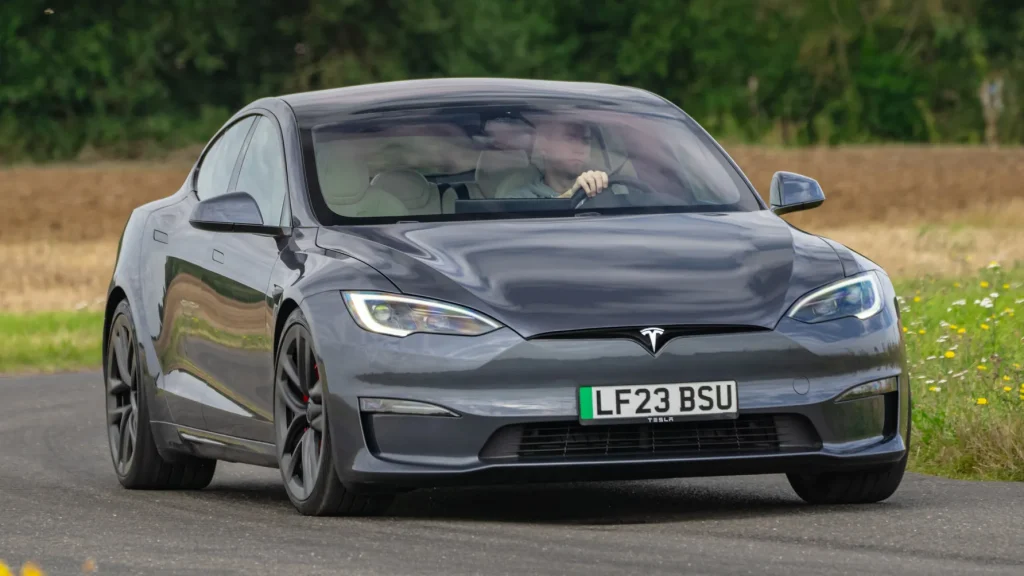
2. Tesla Model S
The Tesla Model S also records unusually high collision losses in the same HLDI-based dataset. Its collision-loss measure was 116% above the average for all passenger vehicles for the 2022 to 2024 model years.
That places it close to the Model X in this insurance comparison, although the figure is not an average repair invoice and should not be presented as a direct percentage increase in repair bills.
The Model S combines an electric powertrain with a large touchscreen interface, electronic controls, driver-assistance equipment, and a body structure that requires model-specific repair procedures.
Following a collision, the repair process may involve more than replacing a damaged bumper or door. Depending on the impact, technicians may need to inspect wiring, sensors, suspension components, and high-voltage systems, then perform the required diagnostic checks.
A particularly important consideration is the difference between visible damage and the full extent of the impact. A damaged exterior panel may conceal problems with mounting points or nearby components.
If a collision affects a sensor or camera, the repair may also require recalibration so that the relevant driver-assistance system works as intended. These steps add work when they are necessary, but not every crash requires every procedure.
Owners should ask for a written estimate that separates parts, labor, diagnostic work, and any required calibrations. It is also sensible to confirm that the chosen repair shop can follow Tesla’s applicable repair procedures.
The Model S’s elevated collision-loss measure signals potentially expensive insurance outcomes, but actual costs vary with damage severity, parts availability, labor rates, and the vehicle’s condition.
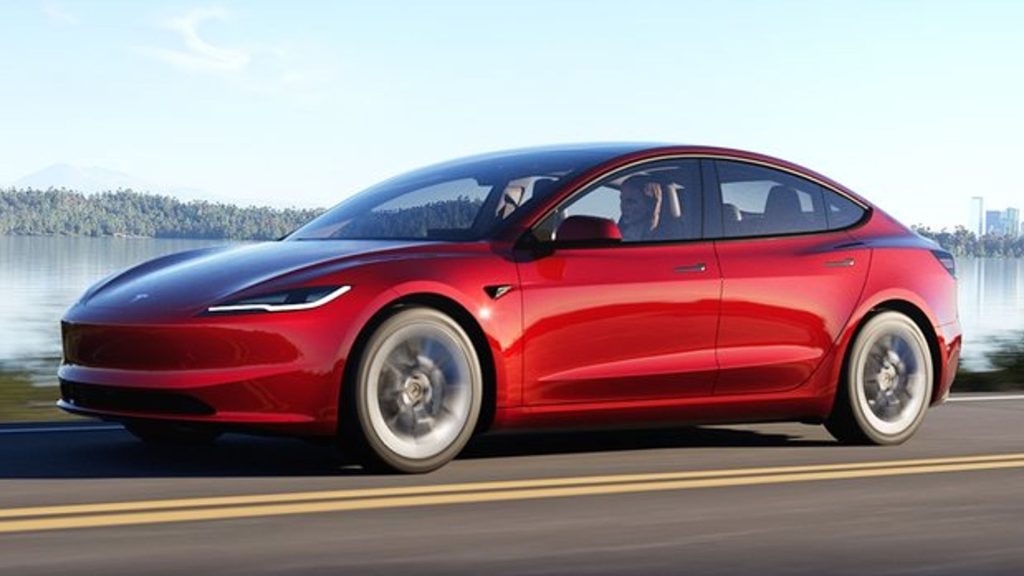
3. Tesla Model 3
The Tesla Model 3 is less expensive to buy than the Model S or Model X, but its collision-loss data still places it above the average passenger vehicle.
For 2022 to 2024 model years, the Highway Loss Data Institute (HLDI) recorded collision losses 33% above the all-vehicle average for rear-wheel-drive versions and 49% above average for all-wheel-drive versions.
These figures measure insurance losses, combining how often claims occur with the average amount paid per claim. They are not direct estimates of a single repair bill.
The Model 3’s electric architecture, body panels, cameras, sensors, and electronic driver-assistance systems can all affect the work required after a collision.
Depending on the impact, repairs may require replacement parts, electronic diagnostics, or recalibration of affected systems. Damage near the battery pack or high-voltage wiring also requires the appropriate inspection and repair procedures.
The important point is that not every Model 3 crash becomes a major repair. A scraped bumper and a collision that affects structural components are entirely different situations. Costs depend on the location of the damage, the parts needed, labor rates, and whether the car can be repaired safely under the manufacturer’s procedures.
Owners should ask the repair shop for an itemized estimate that separates parts, labor, diagnostic scans, and any required calibrations. It is also worth confirming that the shop has experience working on Tesla vehicles and can access the relevant repair procedures.
The HLDI figures suggest that collision insurance losses for the Model 3 are higher than average, but they do not prove that every repair is unusually expensive.
4. Tesla Model Y
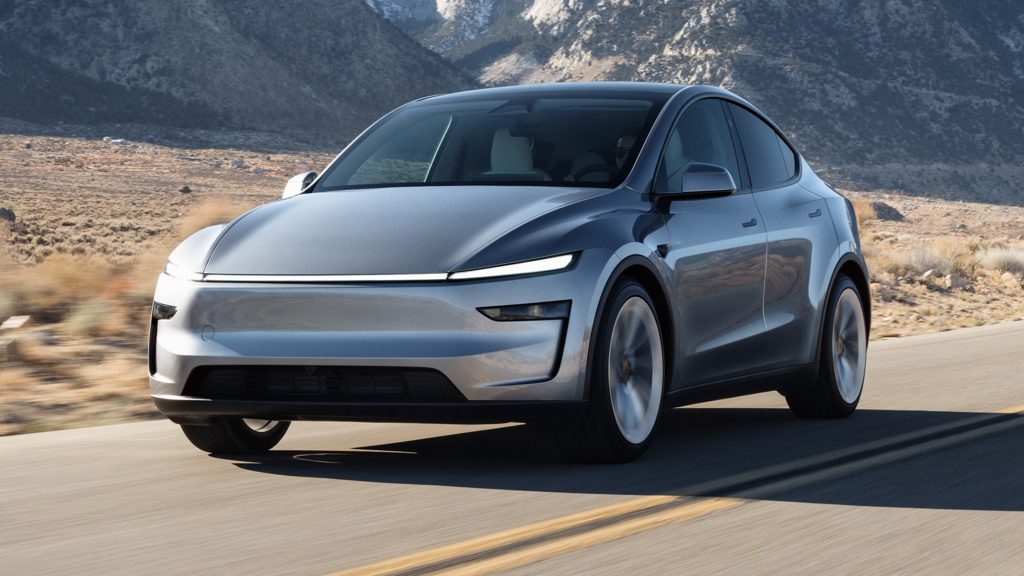
The Tesla Model Y recorded collision losses 18% above the all-vehicle average for rear-wheel-drive versions and 34% above average for all-wheel-drive versions in HLDI data covering 2022 to 2024 model years.
The difference between drivetrains is a useful reminder that a model name alone does not tell the full story about insurance losses. The figures reflect both claim frequency and claim severity, rather than a fixed price for repairing crash damage.
As a battery-electric SUV, the Model Y combines a high-voltage powertrain with electronic controls, cameras, sensors, and structural components that may require model-specific repair procedures.
After a collision, technicians may need to check more than the visible bodywork. Depending on the location and severity of the impact, a repair could involve suspension parts, sensor replacement, diagnostic scans, or calibration of driver-assistance equipment.
Battery damage is not a given in every collision, and it would be misleading to assume that all Model Y repairs involve the battery pack.
However, if an impact reaches the battery enclosure or nearby high-voltage components, a qualified facility must assess the vehicle using the correct safety procedures. The additional inspection and specialist work can affect the repair process.
For buyers and owners, the most useful step is to choose a repair facility equipped to work on the Model Y and ask whether the estimate includes required scans and calibrations.
A detailed estimate should distinguish confirmed damage from work that may be needed after disassembly. The HLDI figures provide a strong reason to compare insurance quotes, but actual repair costs depend on the crash, vehicle specification, and repair method.
5. BMW iX
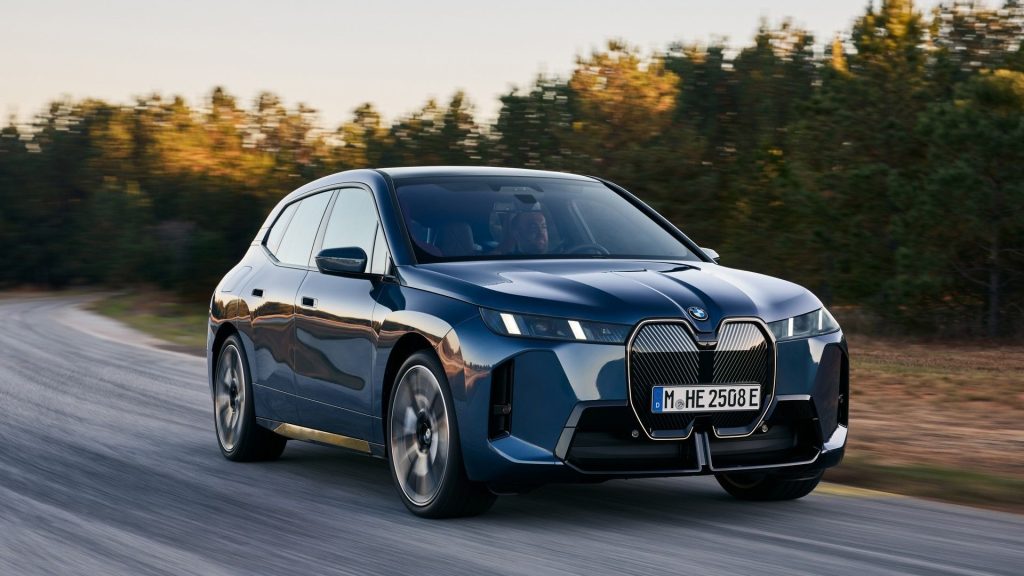
The BMW iX is another electric luxury SUV worth examining because HLDI-based insurance data places its combined losses 53% above the all-vehicle average for 2022 to 2024 model years.
This combined measure incorporates several insurance coverages, so it should not be mistaken for a repair bill or a collision-only ranking. It nevertheless indicates that insurance losses associated with the model were substantially higher than the passenger-vehicle benchmark.
The iX combines an electric drivetrain with a premium cabin, electronic systems, and driver-assistance technology. After a crash, the extent of the damage determines which components need attention.
An impact may require body-panel replacement and sensor checks, while more serious damage can involve suspension parts, structural components, or high-voltage systems. When cameras or other sensors are disturbed, the necessary diagnostic checks and calibrations can add labor to the repair.
The repair process also depends on whether the shop has the right equipment, technical information, and experience with the vehicle.
A repair estimate based only on visible damage may change after technicians remove damaged panels and inspect the underlying components. That is why an initial quote should be treated as provisional until the extent of the damage is established.
For iX owners, the sensible approach is to choose a qualified repair facility and ask for a written breakdown of parts, labor, diagnostic work, and any required calibration. Check with the insurer about approved repair procedures and coverage limits before authorizing work.
The elevated combined-loss figure is a reason to investigate insurance costs before buying, not proof that every iX collision produces an unusually large repair invoice.
6. Mercedes-Benz AMG GLE Coupe
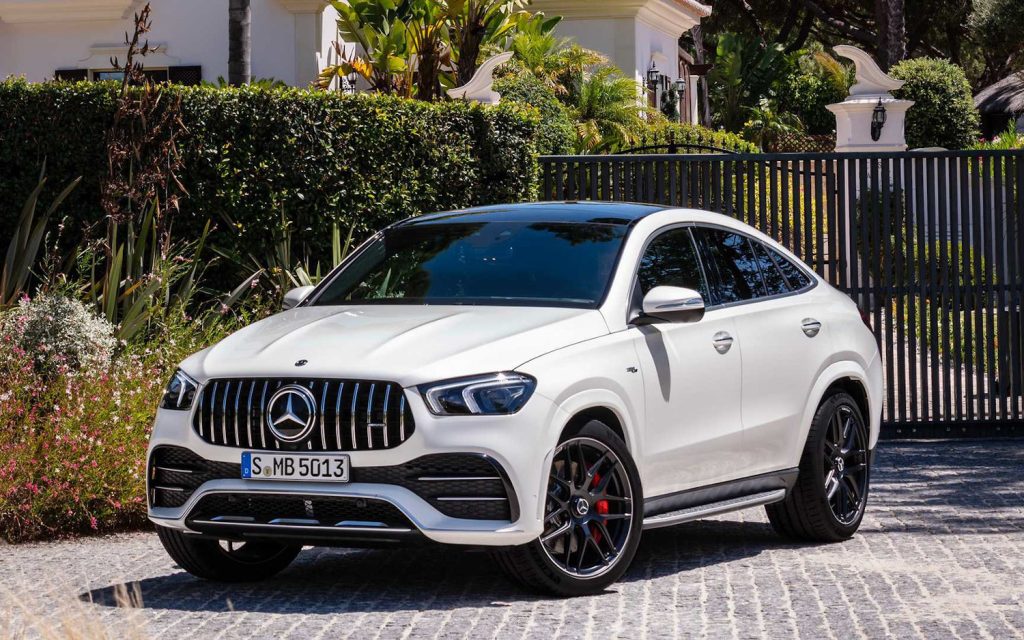
The Mercedes-Benz AMG GLE Coupe recorded combined insurance losses 75% above the all-vehicle average in the HLDI-based 2022 to 2024 model-year data. That figure places it among the models with elevated losses across multiple insurance coverages.
It does not mean that collision repair costs 75% more than average, because the combined measure includes more than the cost of repairing the insured vehicle after a crash.
The AMG GLE Coupe is a performance-oriented luxury SUV, combining a powerful drivetrain with specialized bodywork, premium components, and electronic systems.
Parts and labor can be expensive when damage involves the vehicle’s exterior panels, suspension, wheels, or driver-assistance equipment. Depending on the impact, technicians may also need to inspect sensors and recalibrate systems affected by the repair.
Luxury and performance vehicles can carry higher collision claim severity because their parts and repair procedures may cost more. HLDI notes that collision losses for luxury vehicles and sports cars tend to be high partly because of their higher prices.
The institute’s data also reflects how often claims occur, meaning that a high loss figure is not simply a measurement of repair cost per crash.
Anyone considering this Mercedes should obtain an insurance quote for the exact model and trim before purchase. After an accident, request a detailed estimate from a qualified repair facility and confirm whether replacement parts, diagnostics, and calibrations are included.
The 75% figure signals elevated combined insurance losses, but the actual cost of a particular repair depends on the damage, parts required, labor rates, and coverage.
